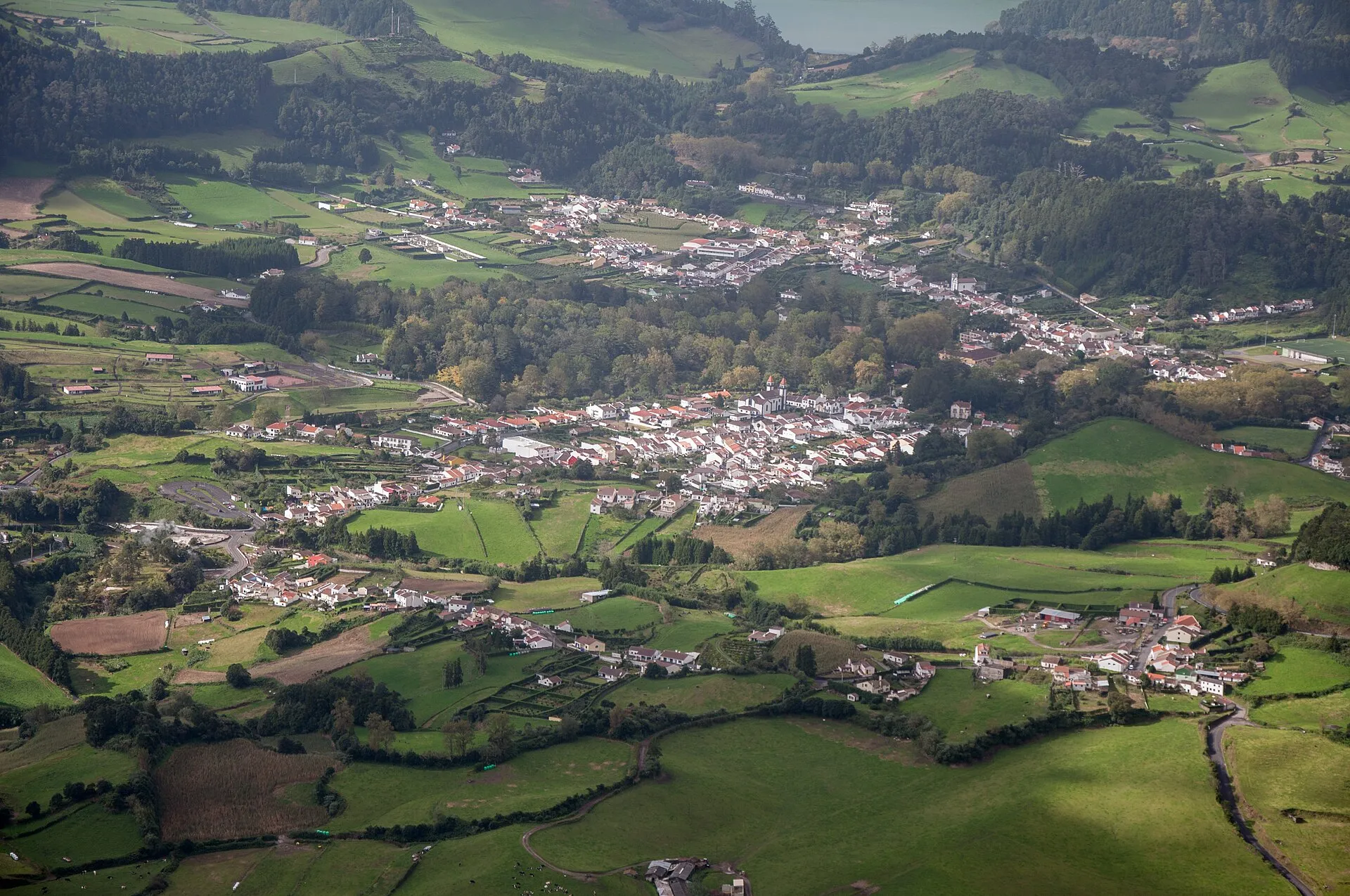
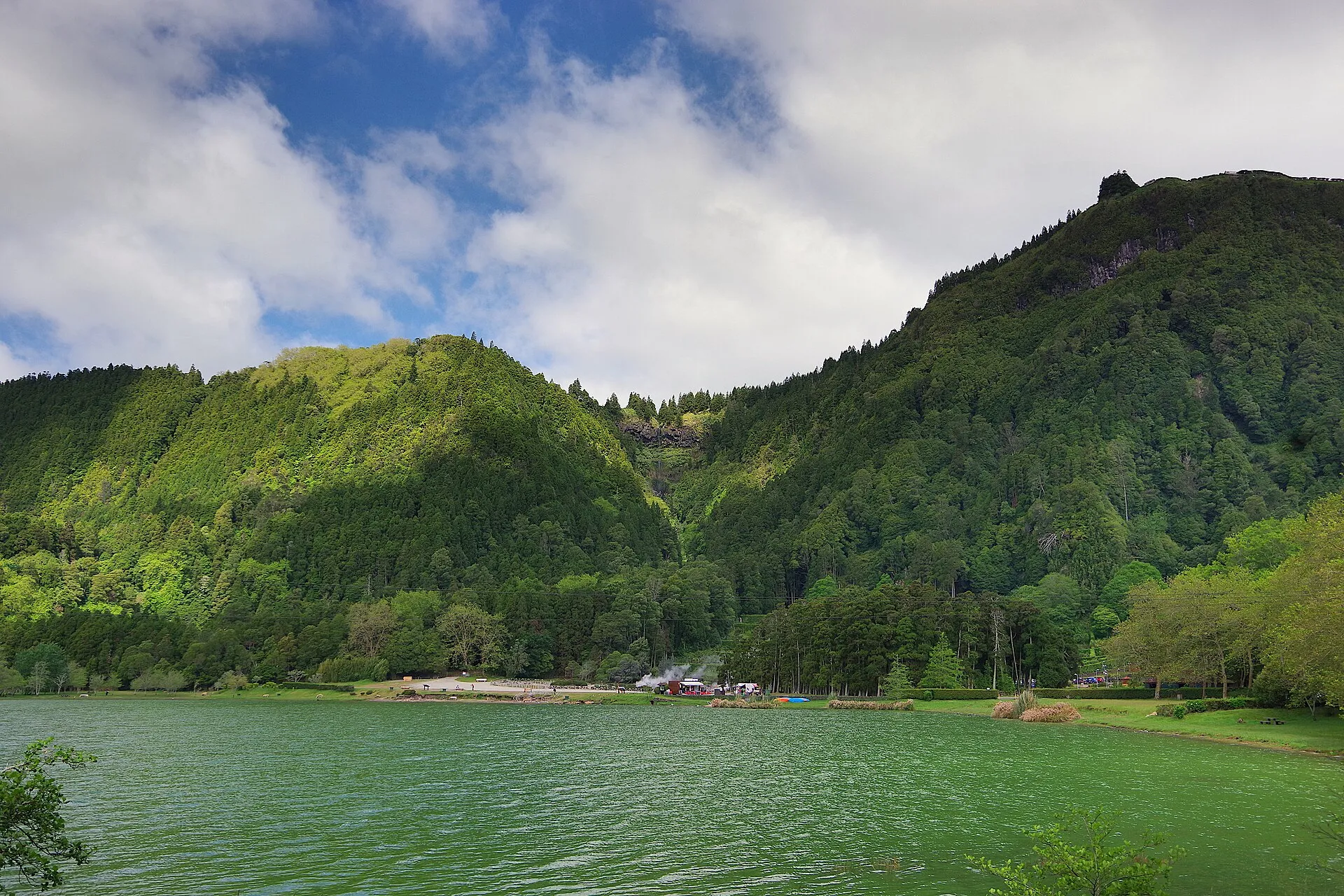
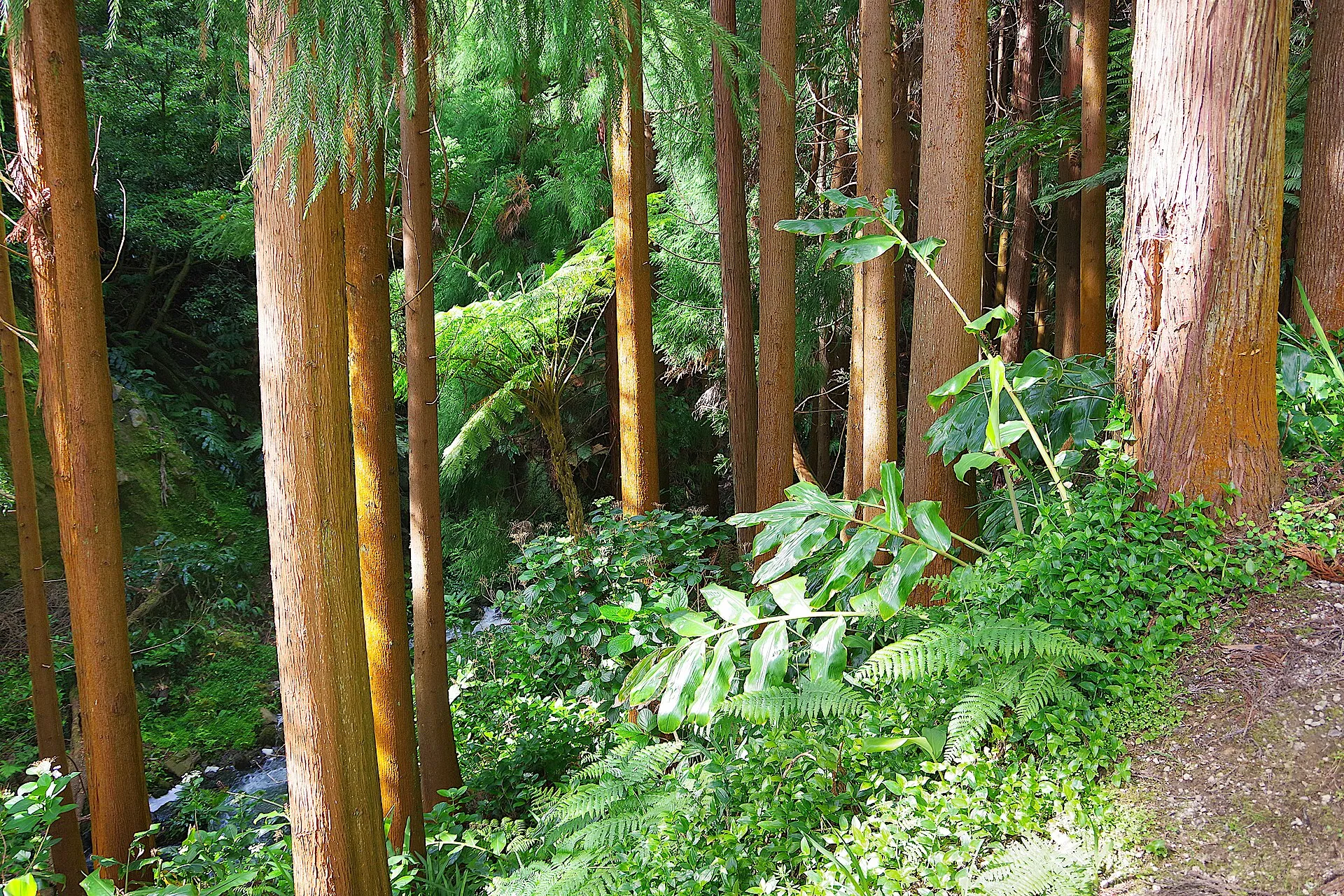
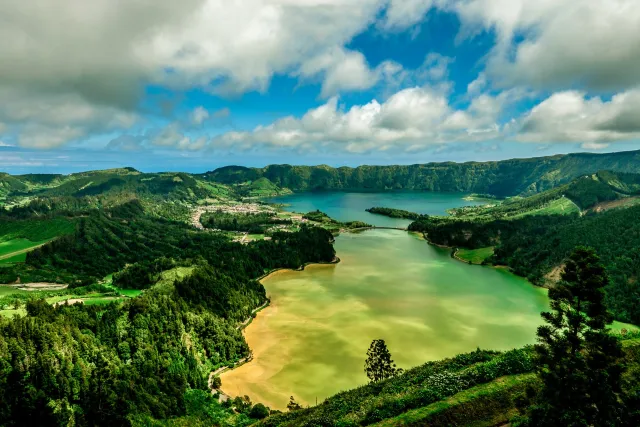
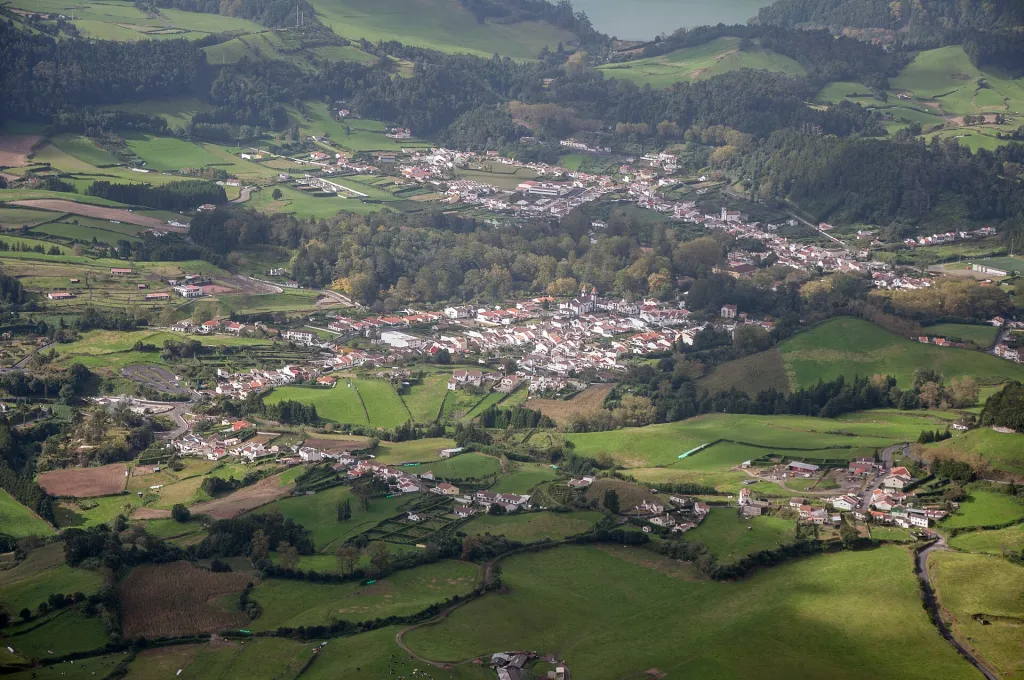
One of the earliest references to Furnas came from the harvesting of trees in the valley of Furnas, in order to assist the construction of many of the homes destroyed by the 1522 earthquakes and landslides in Vila Franca do Campo. This includes numerous trees used to rebuild the parochial church, a project begun by Donatary-Captain Rui Gonçalves da Câmara. In 1553, his predecessor Manuel da Câmara, issued an edict to re-plant these trees after the area was nearly deforested, and roadways were expanded under his son, Rui Gonçalves da Câmara, in order to develop the area, allowing cattle herding in the valley after 1577.
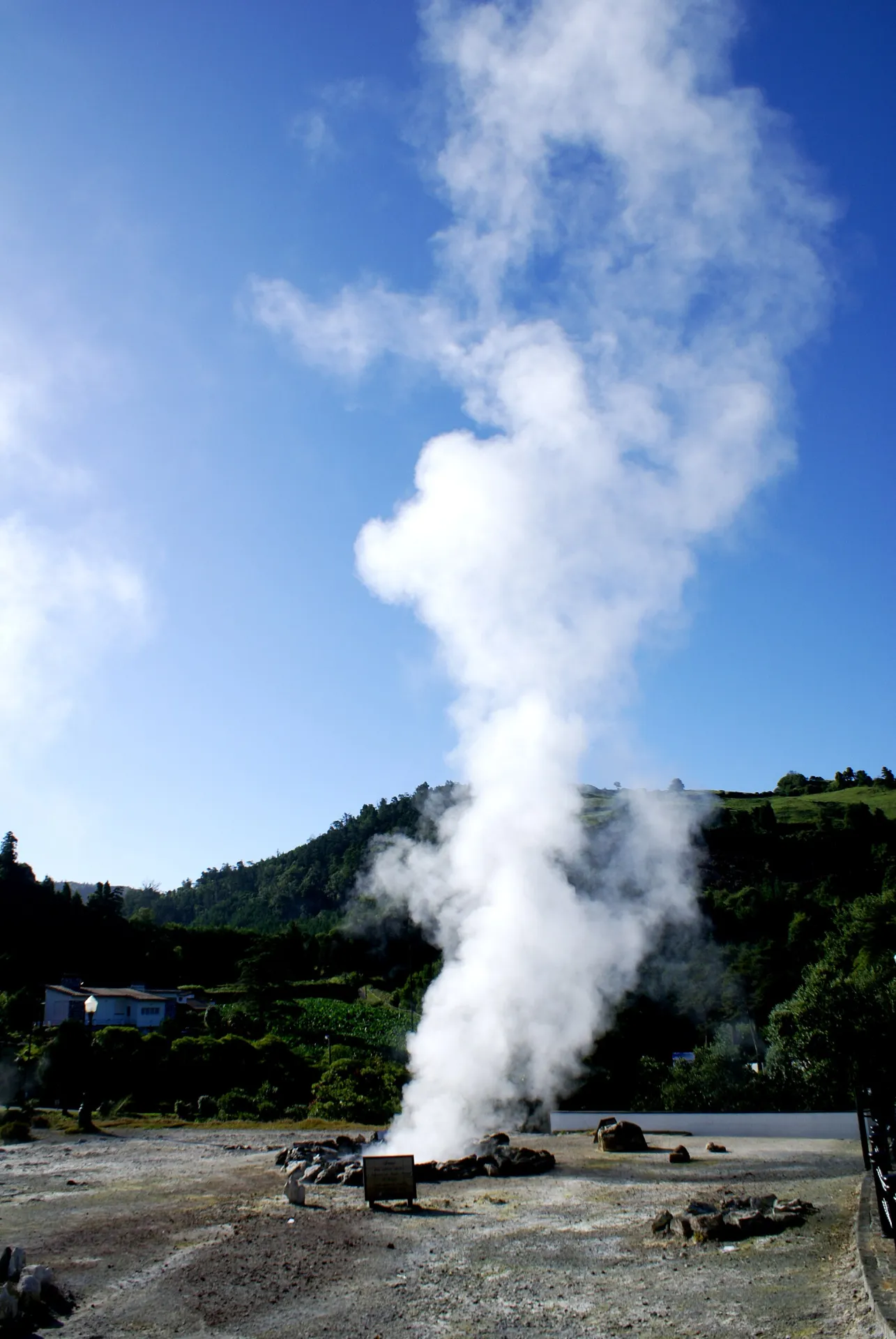
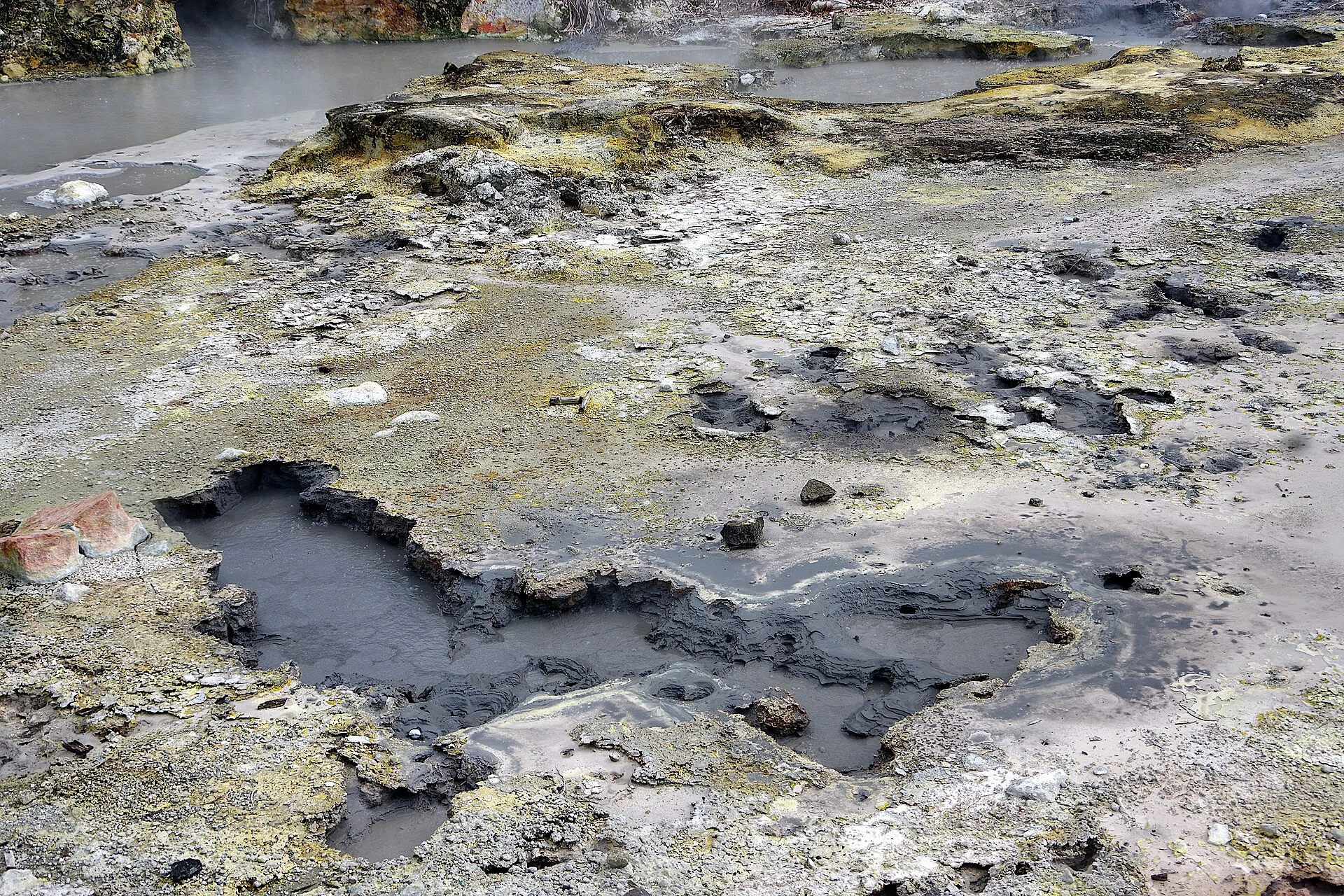
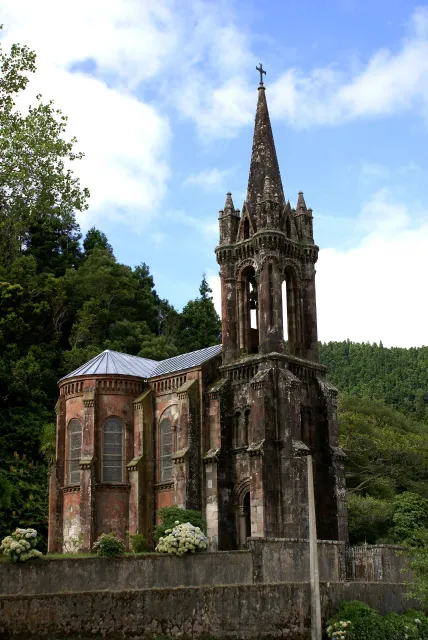
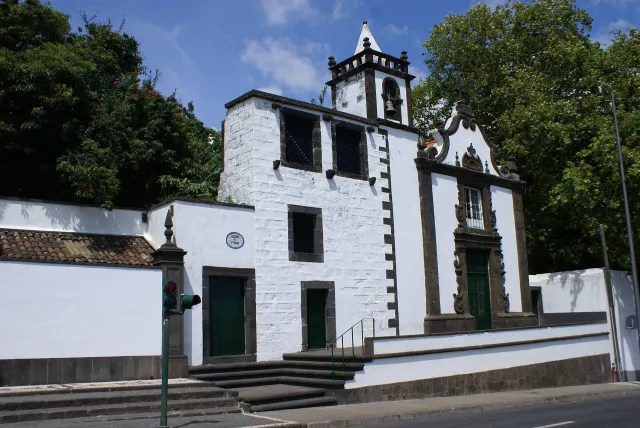
Still during the tenure of Manuel da Câmara, a chapel was constructed to the invocation of Nossa Senhora da Consolação (Our Lady of Consolation) in 1613, and small residence built for the local priest (who was responsible for masses and the lighting of a lamp in the sacristy). More homes soon appeared in this area around 1615, and a small convent was constructed near the chapel. In 1630, as a consequence of a volcanic eruption in the valley, the area was abandoned. But, new settlers quickly returned to the Furnas valley (mostly from Ponta Garça, Povoação, Vila Franca and Maia) as the land became fertile and better able to sustain a larger population. New roads were constructed on orders between 1682 and 1683, donated by the Baron of Larangeiras.
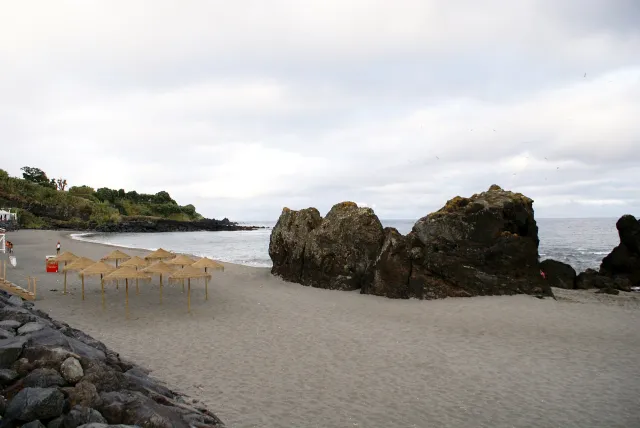
Even isolated in the interior, the village continued to be vulnerable to pirate attacks. In 1679, Algerian pirates (from the Barbary coast) landed in the Portinho de Agrião, sacked the coastal village of Ribeira Quente, and proceeded to the interior, where they robbed several rams from the valley before returning to the coast. José Pereira Sodré, a resident near Agrião petitioned the governor of São Miguel for one of the cannons that existed at the city hall in Vila Franca; he intended that the armament would be used to defend the area from future attacks: it was rejected.

 1 / 5