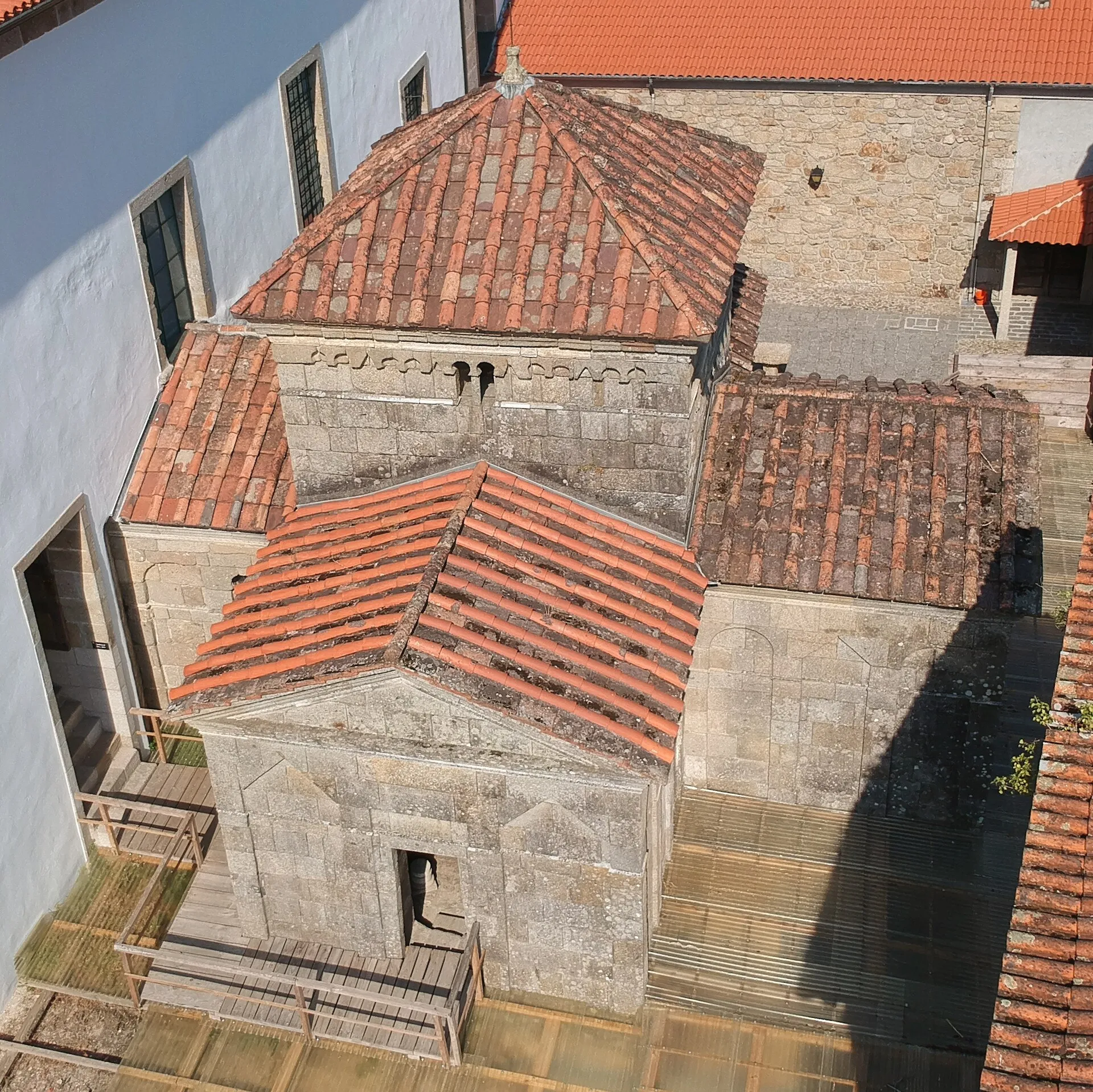
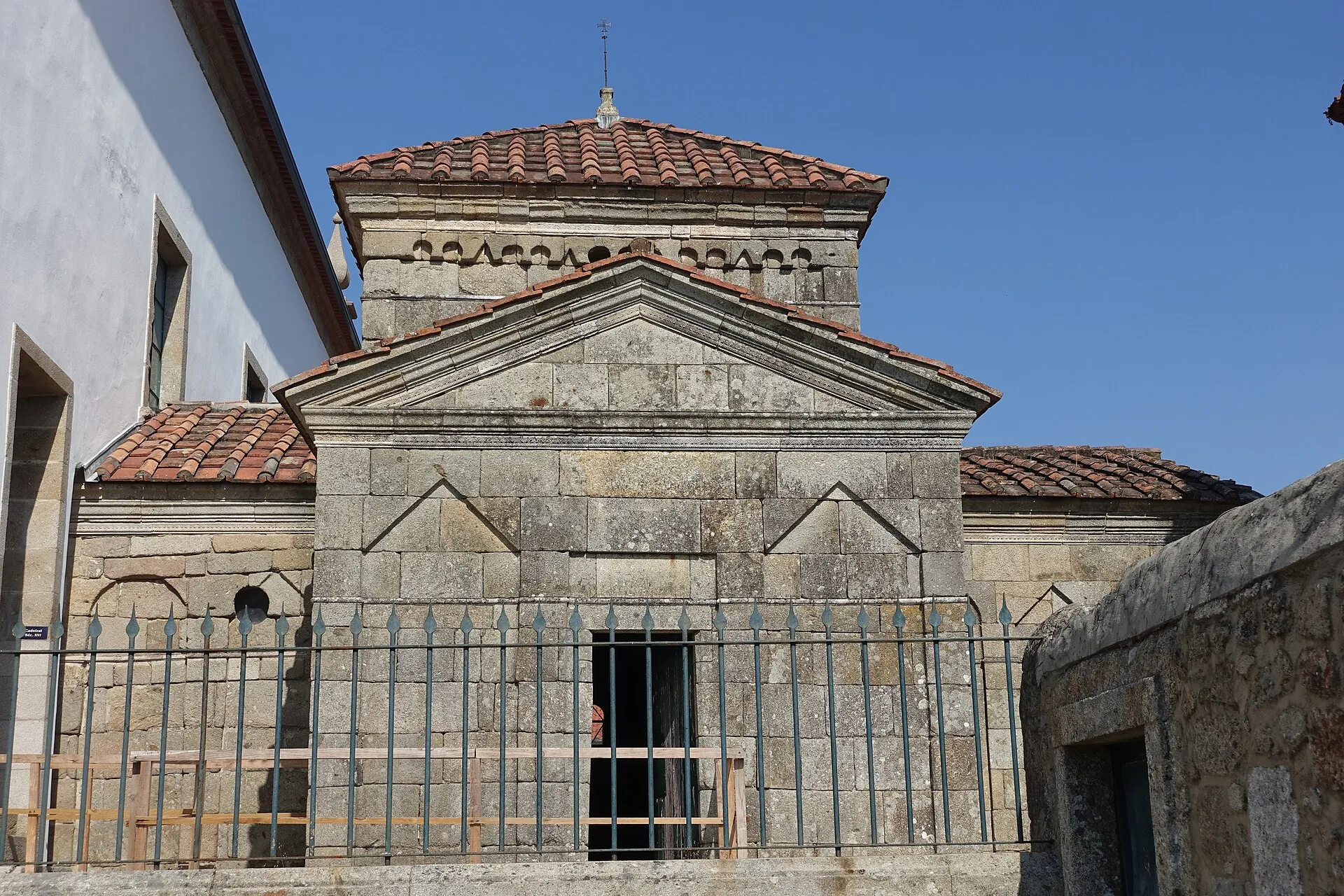
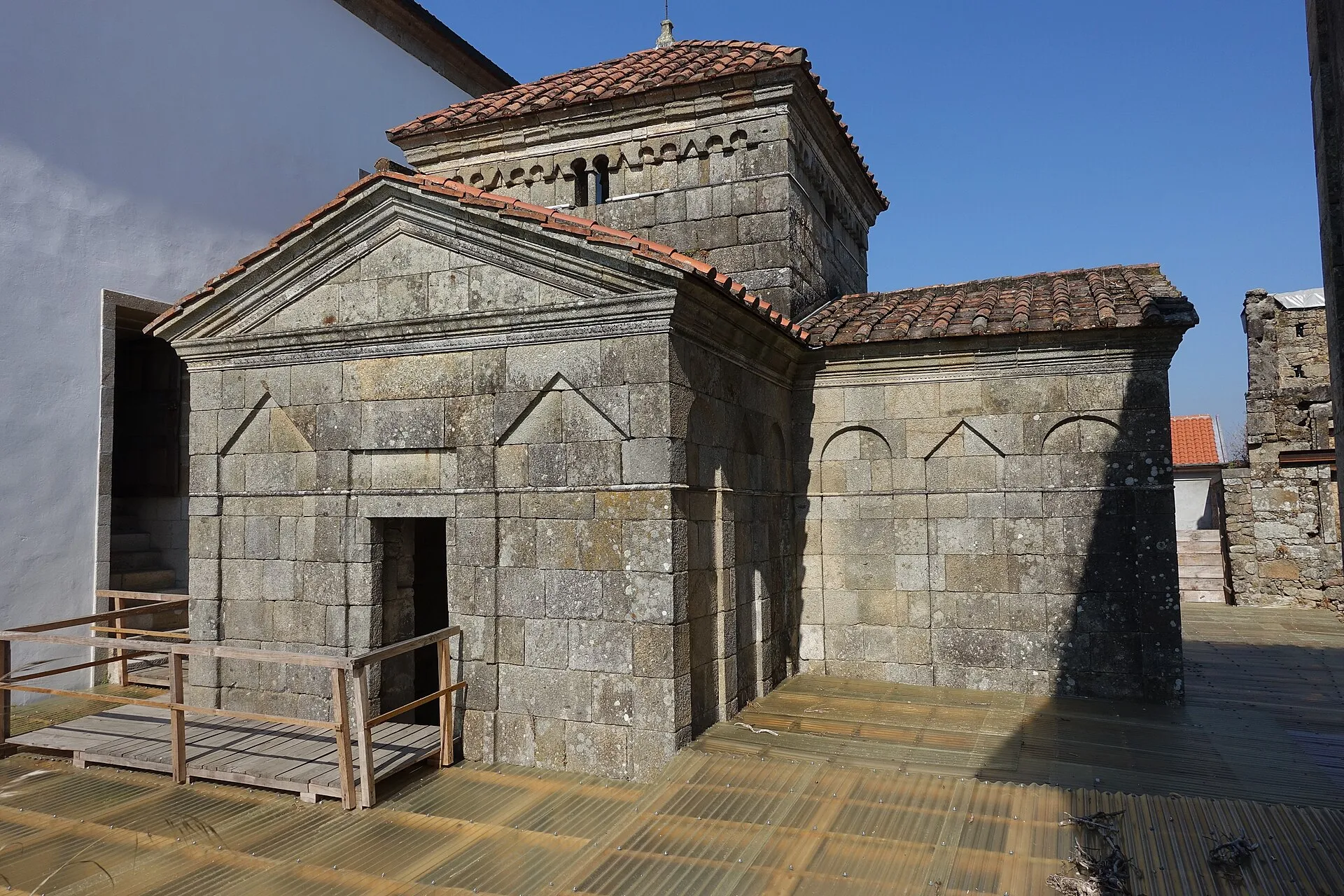
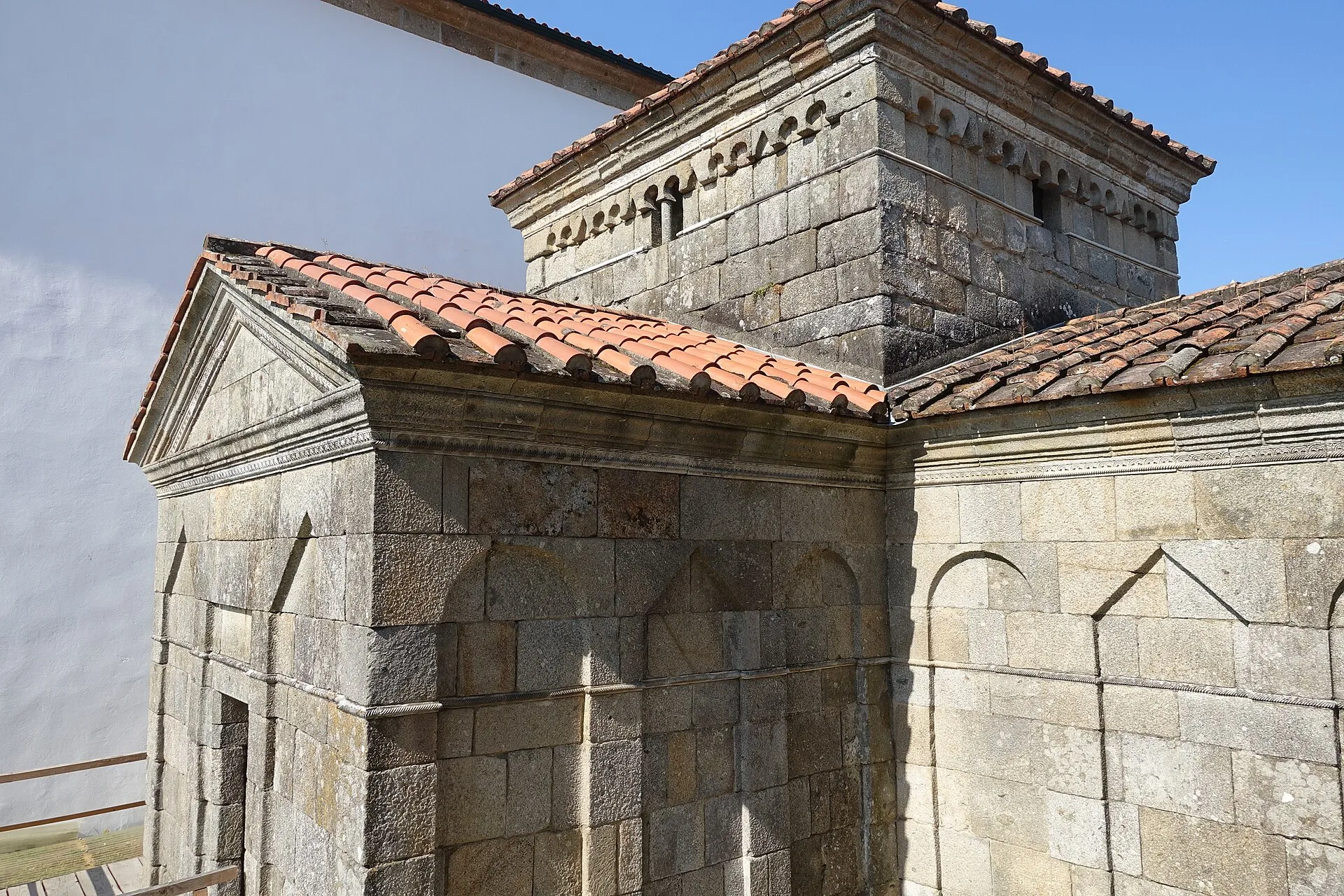
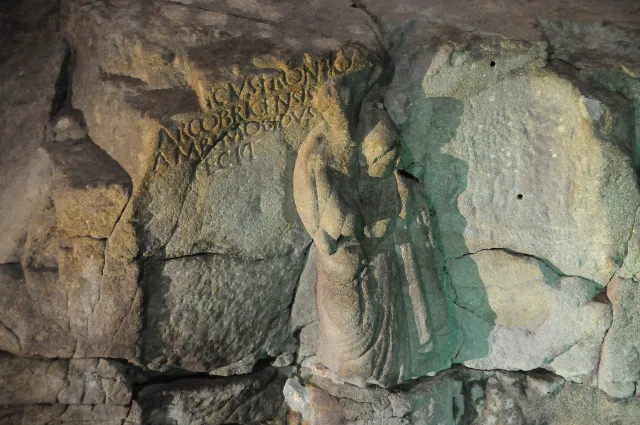
Based on historical accounts, and oral tradition, the site of the chapel was (around 560 A.D.) the location of a small Roman villa and, likely, a temple dedicated to the god Asclepius.
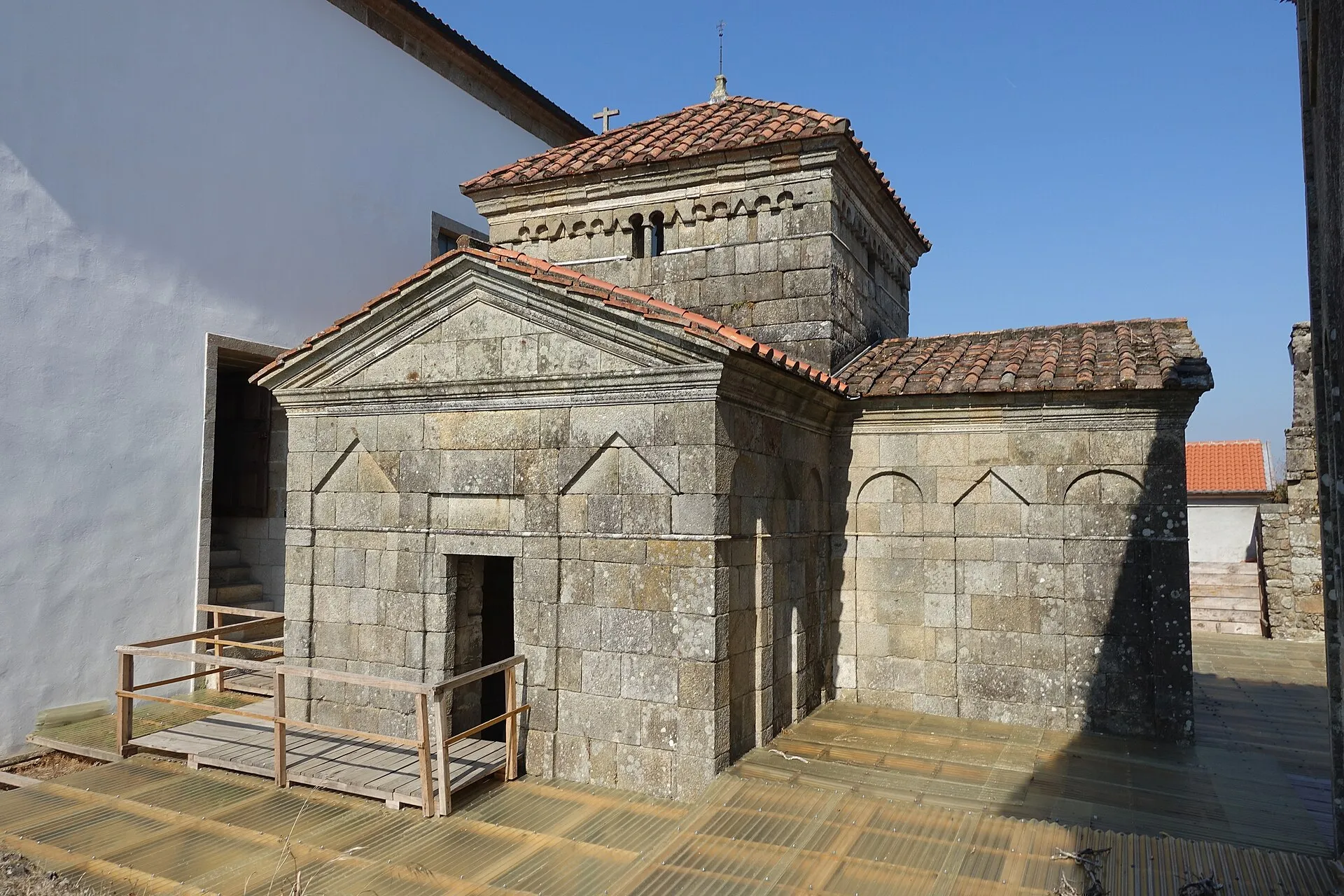
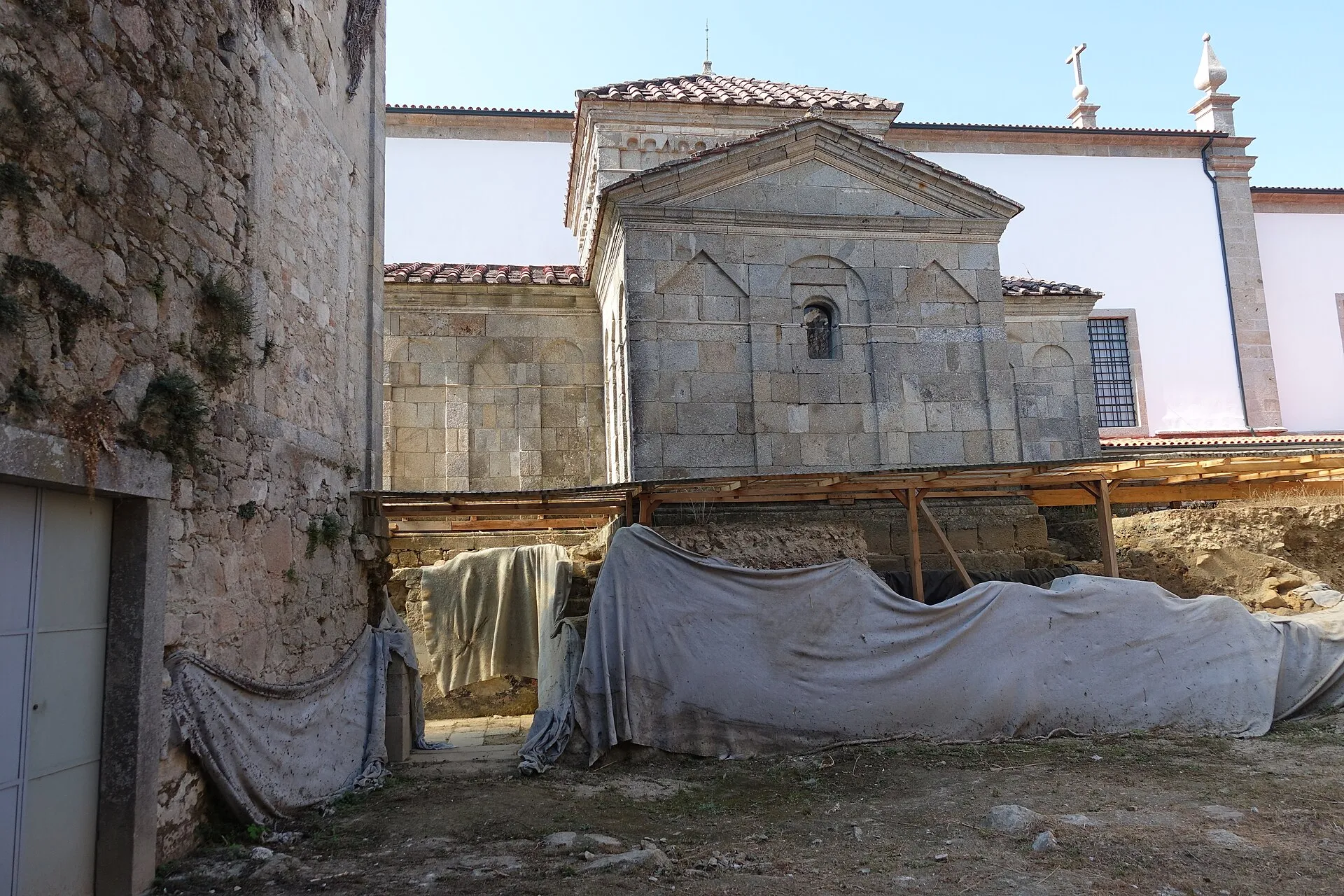
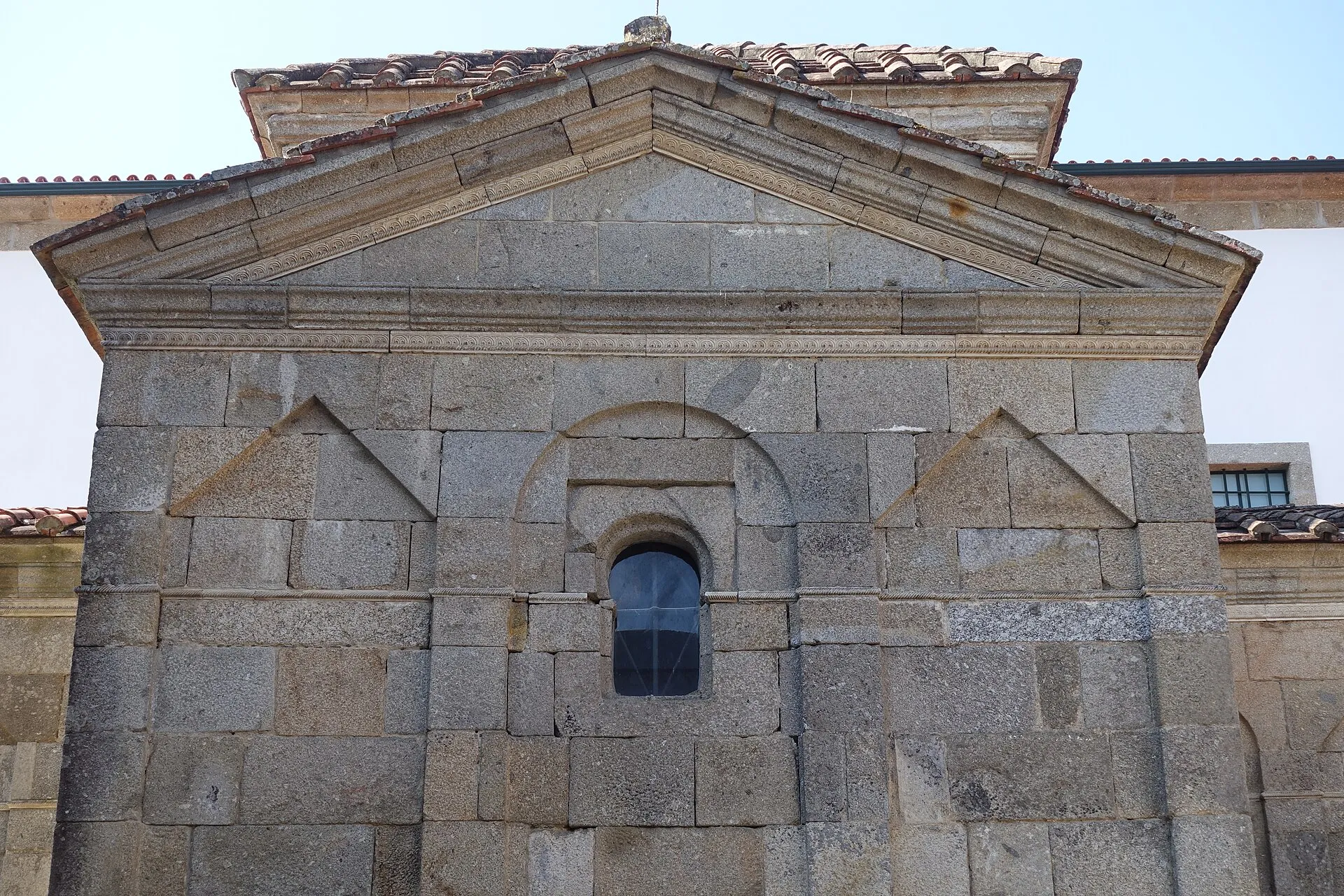
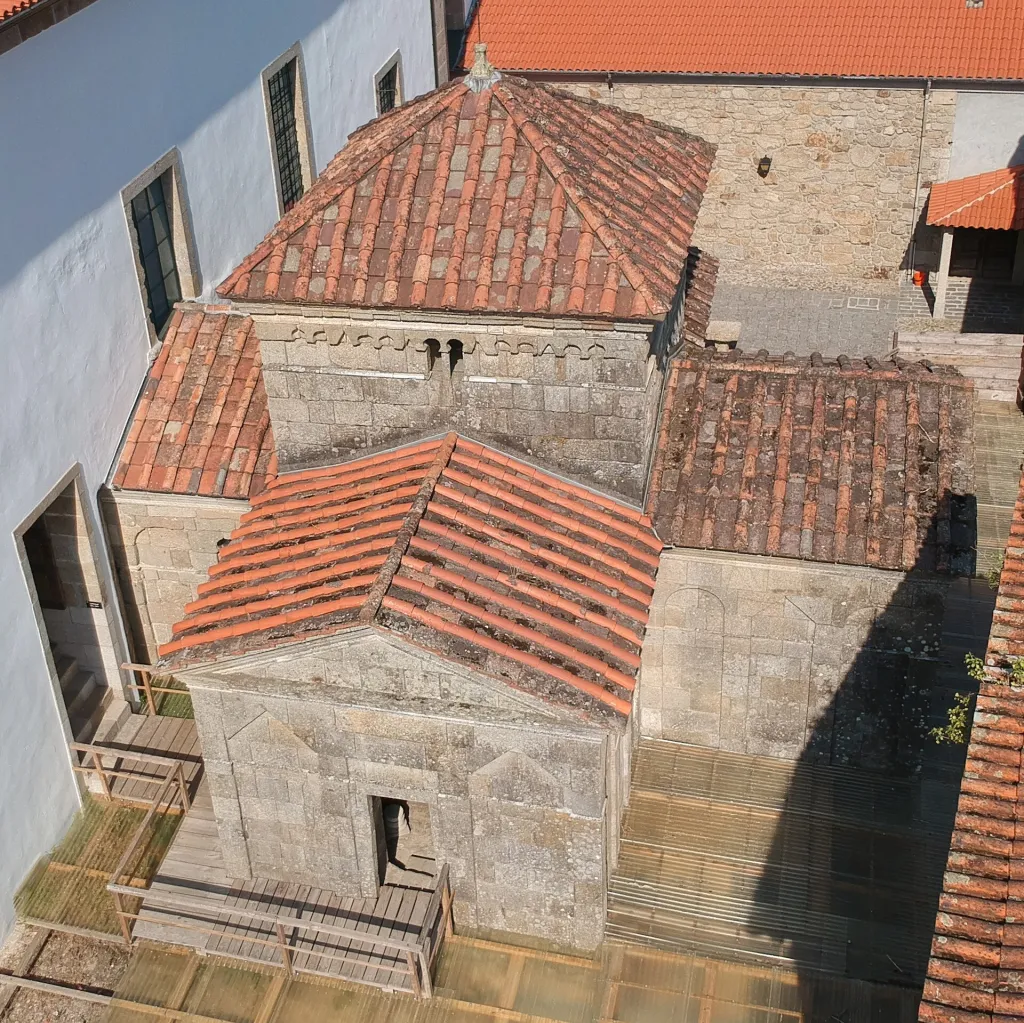
In 656, Fructuosus of Braga, then Bishop of Bracara, founded on this site the Monastery of São Salvador, ordering the construction of the chapel, as his tomb. In the biography of his life, São Valerius confirms as much, mentioning that the saint who founded the convent was buried there (between 665 and 666).
In the 9th-10th century, the chapel was reconstructed and redecorated. From a document dated in 883, the chapel was reconsecrated to São Salvador, also affirming the original construction to between 656 and 665.
Around the 12th century, following the Reconquista from the Arabs, with the revival of the Christian community and affinity for Saint Frutuoso of Braga, a cult to the saint was begun. In 1102, the Archbishop of Santiago de Compostela, D. Diogo Gelmires, transferred the mortal remains of Frutuoso to Compostela.
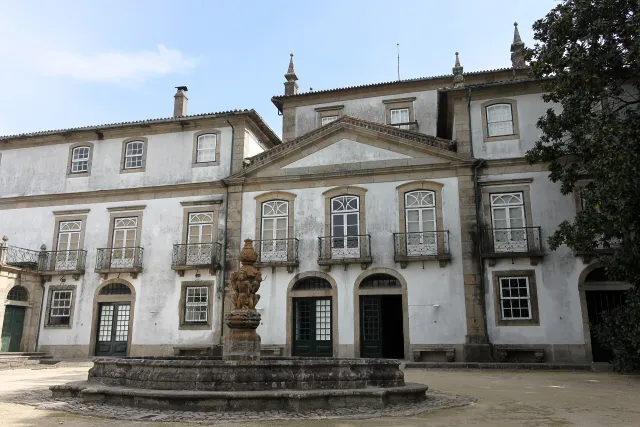
In 1523, Archbishop D. Diogo de Sousa founded the Franciscan convent of the Order of the Capuchos da Piedade, alongside the chapel of São Frutuoso, likely destroying the older Monastery of São Salvador.
From notes by friar Manuel de Monforte (in 1696), in his Crónica da Província da Piedade (Chronicle of the Province of Piedade), the chapel "is in [the shape of a cross] with all sides equal; whose points form four chapels, whose walls close in a half-circle. One of the chapels, which one can call the foot of the cross, serves as the entrance where the door is; another which rightly corresponds to this one, as the head of the cross, serves as the principal chapel, or where the altar is; in the other two, which are the arms, are the two collateral altars; having both about 17 palms, and half a square, in this so small space this church has 24 columns: four at the main entrance to the door, six in each collateral chapel, and eight in the main of all...".

 1 / 7