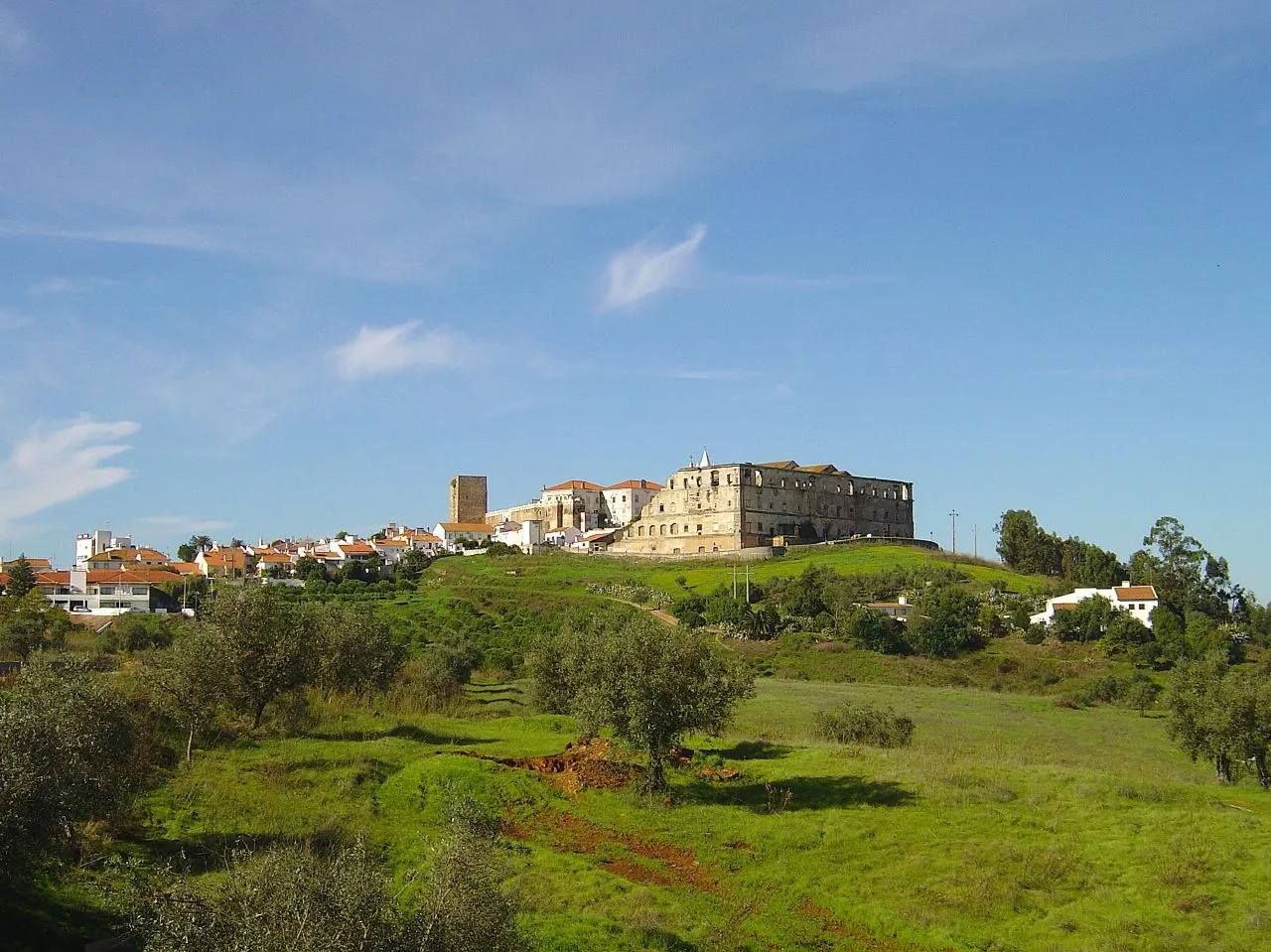
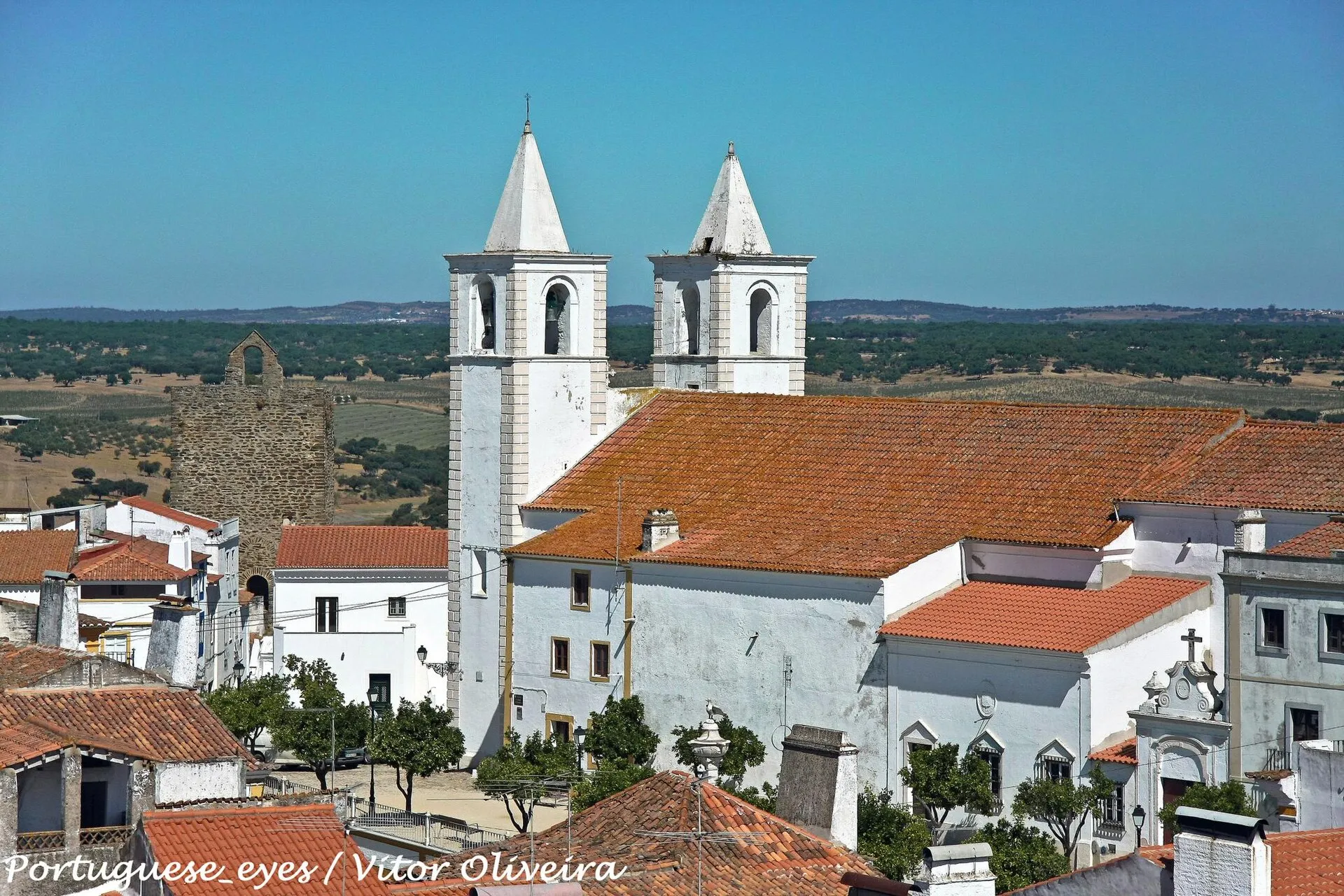
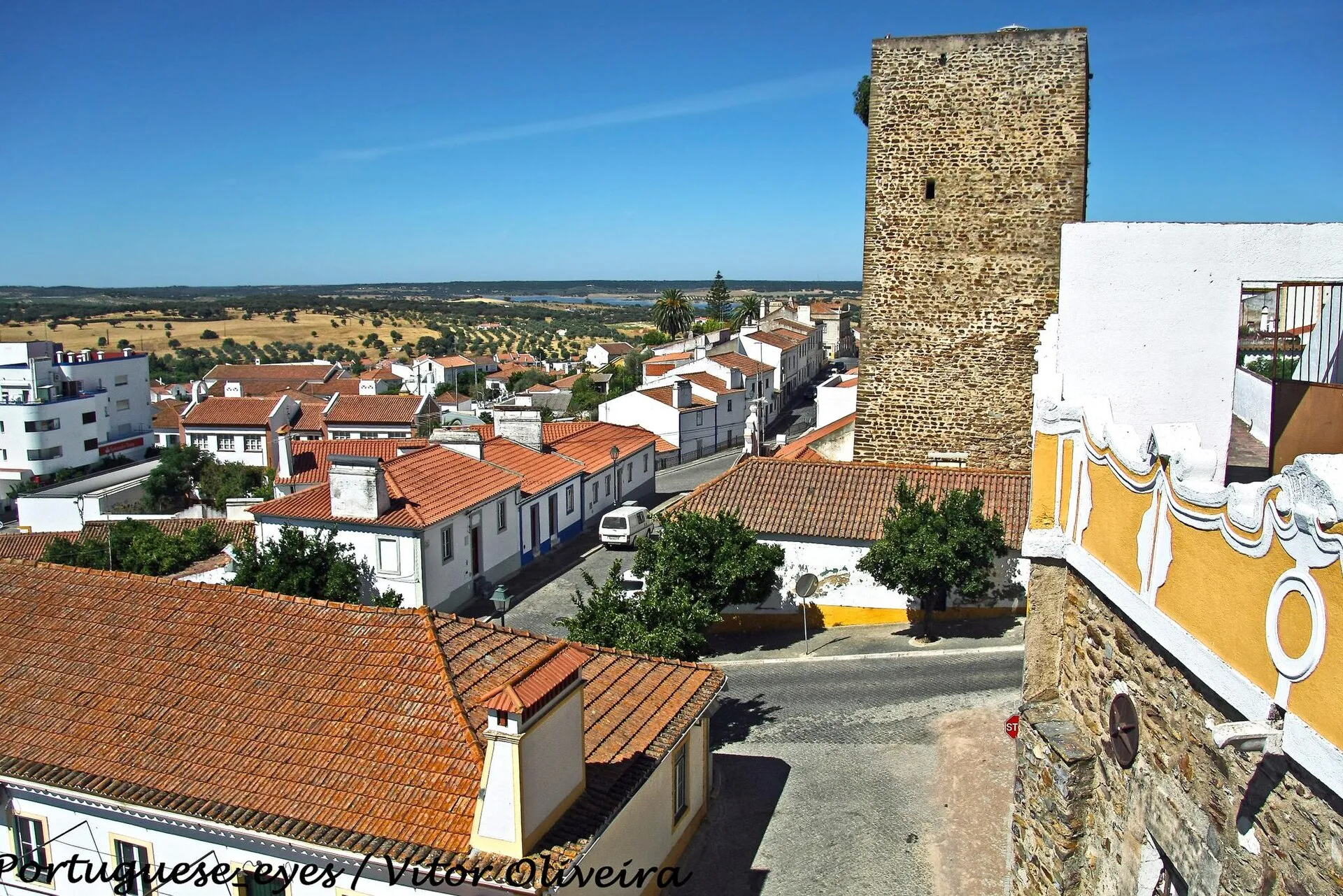
On 12 January 1215, D. Mafalda, daughter of D. Sancho I, bequeathed to the Master of Avis the settlement of Seia. By the middle of the year (10 July) D. Afonso II had granted the settlers of Avis a foral (royal charter) similar to that established for Évora, which was confirmed in August 1218 by the King. Martim Fernandes, Master of the Order of Avis signed a new settlement foral on 20 August 1223.
By 1331, Gil Peres, Master of the Order obtained a judgment against the Moor, Mafamede Francelho, who had been appointed alcalde and judge of Avis, thereby making them alcaldes of the castle.
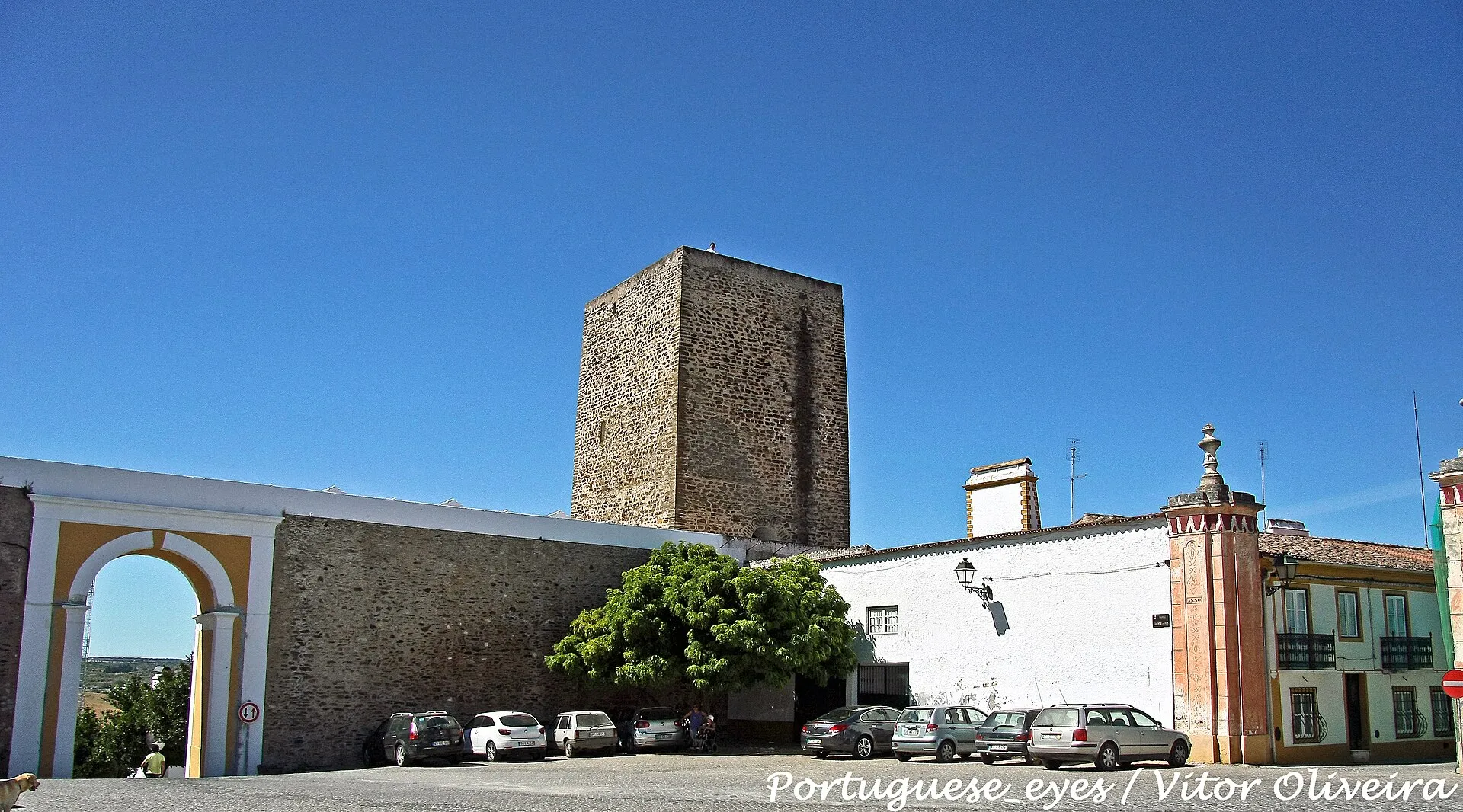
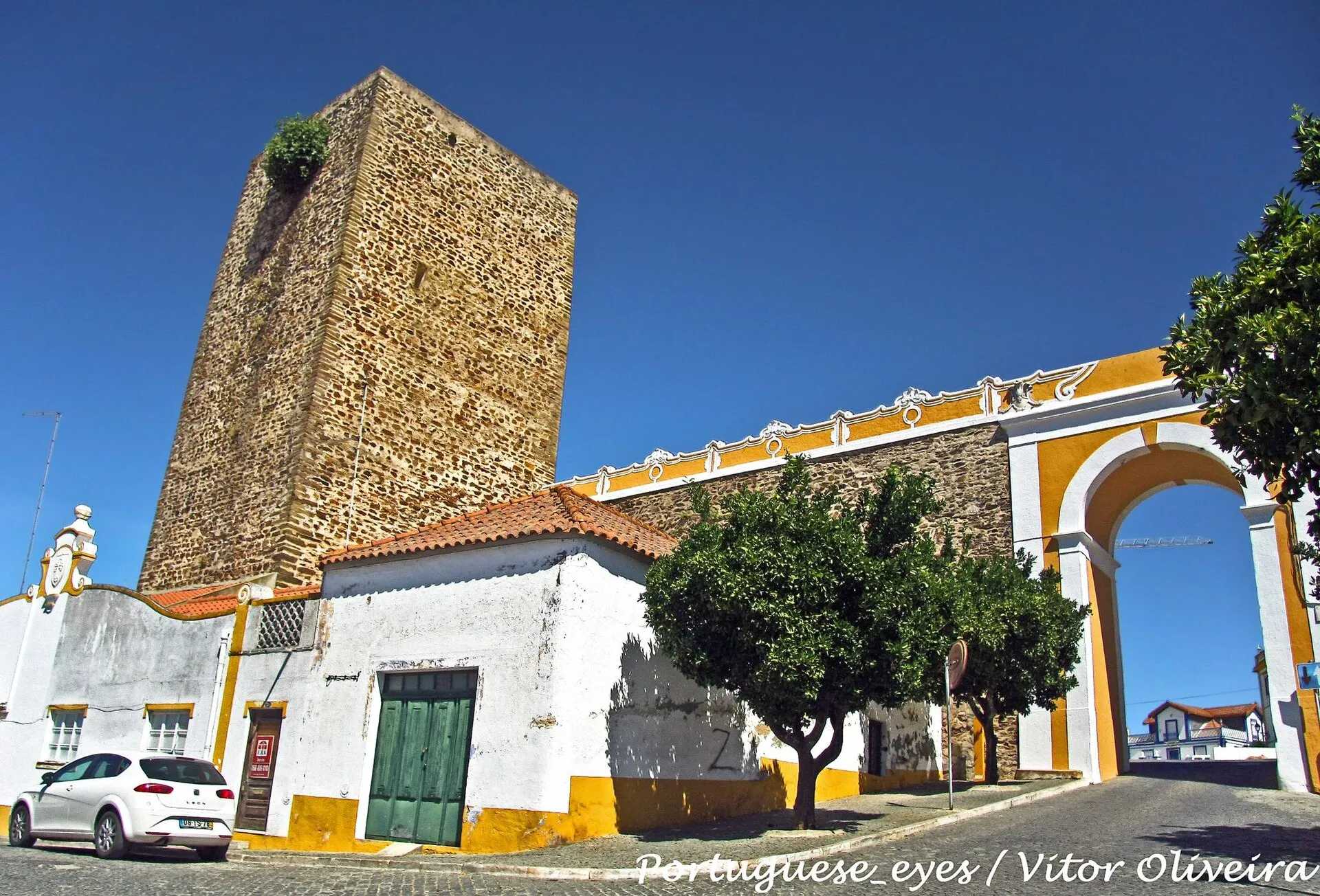
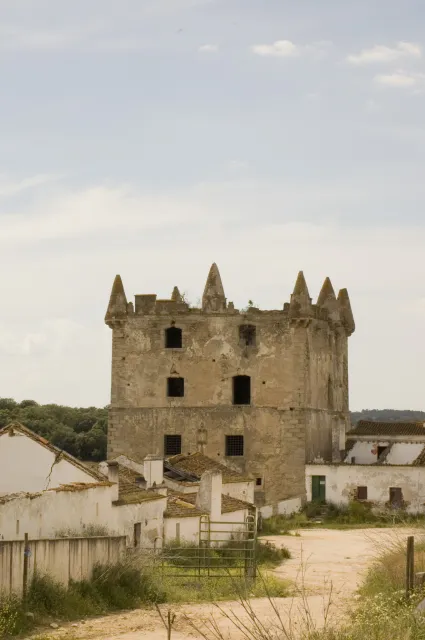
By the 15th century, the fortifications are rehabilitated by the Condestável D. Pedro. It was during this century that the construction of the keep, addorsed to the conventual buildings, and the painting of the same, by order of Master D. Pedro.
In 1473, D. Afonso V authorized the partial demolition of the tower of the Évora Gate, in order to transform it into a dovecote.
Sometime during the 16th century, there were alterations made to the fortifications, while a new foral issued by King D. Manuel. By 1556, the convent record, written by Jorge Lopes, referred to the Keep being the possession of the Masters of Avis.
In the 17th century, the old Porta do Arco de Baixo was concealed and a new Porta do Arco was constructed.
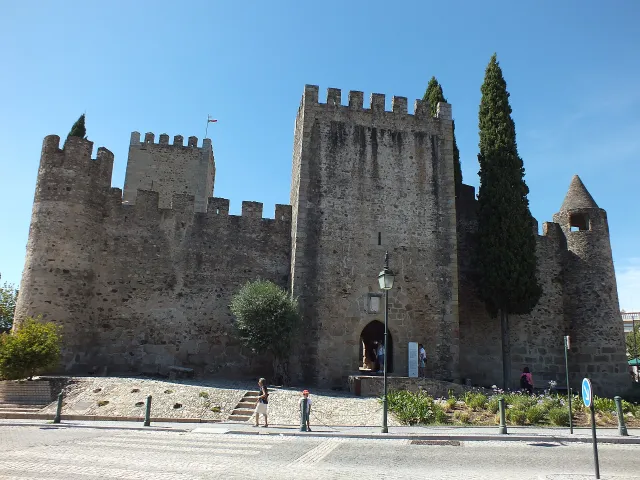
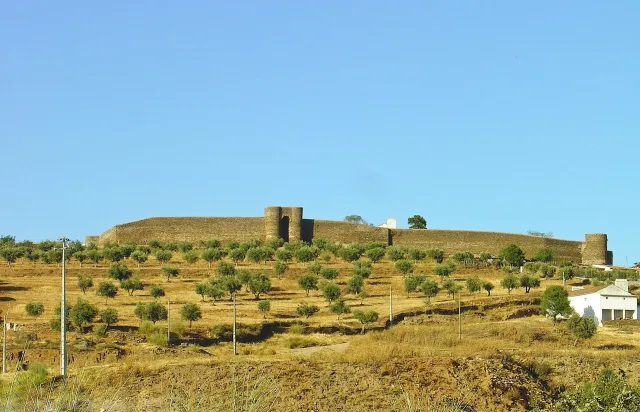
The Agiológio Lusitano (1625), authored by Father Jorge Cardoso, referred to the existence of five towers and six gates.
On 19 October 1654, friar Ambrósio Marques requested that the castle tower addorsed to the convent be demolished, since it threatened the destruction of the building: rubble had previously destroyed the chicken coop as it fell.

 1 / 5