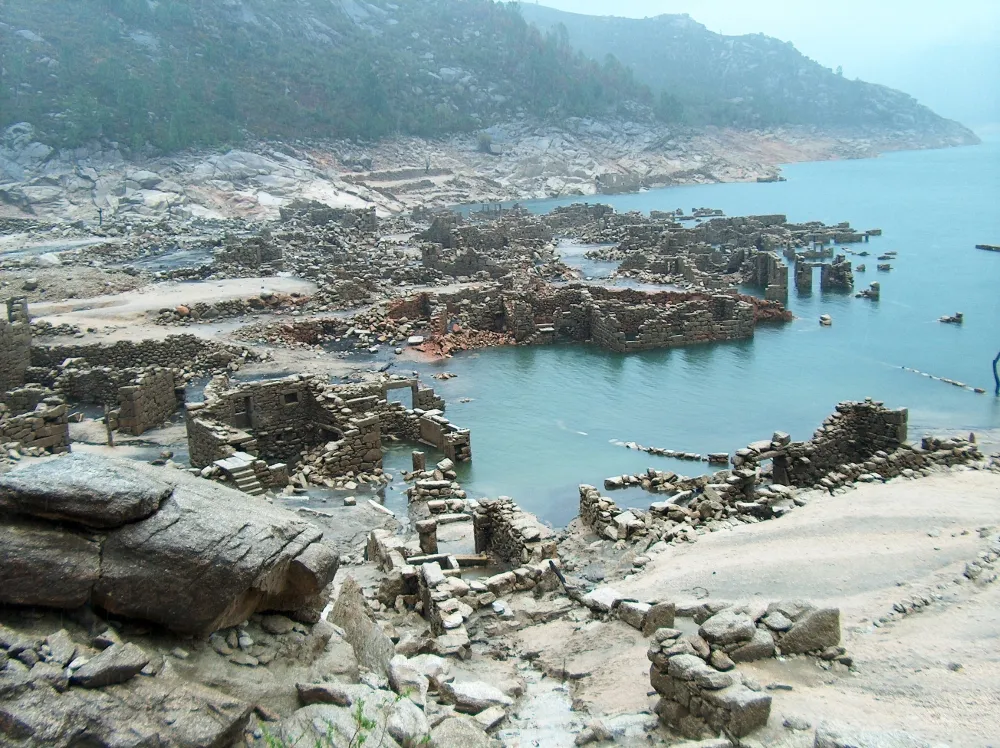
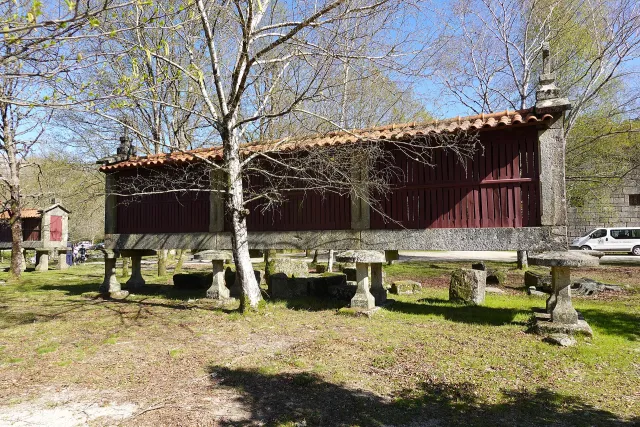
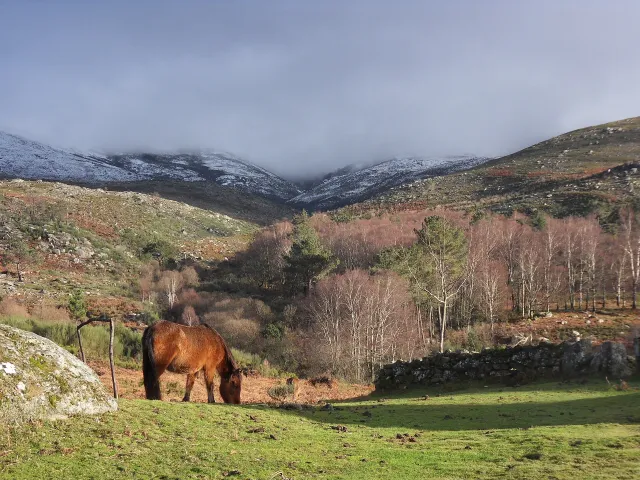
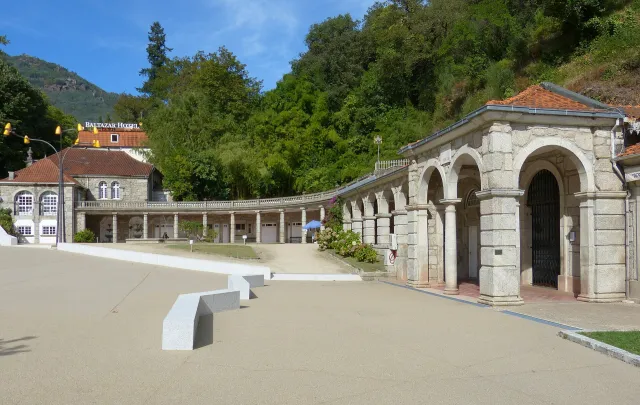
Oral tradition suggests that the village was founded in the 1st century during the Visigothic settlement of the region, a time when the nearby Roman road (Via Nova XVIII) was extended. According to this history, seven men settled present-day Portela do Campo, but following a dispute, four decided to settle downstream of the Rio Homem, establishing Vilarinho da Furna. Little evidence exists to support this story, although there are several Roman roads and bridges within the region, including two roads to the south and three bridges (one within the village that crosses the Ribeira do Eido, one upstream (the Ponta Nova) and one downstream (Ponte do Couço).
Little is known about its status during the Roman occupation, although it was first referenced in 1623, in the church register of baptisms.
A German traveller who visited Vilarinho da Furna in the final years of the 18th century noted that the houses were comparable to those of other peasants in the region. His large host family lived comfortably; in contrast to many other places, they had no shortage of food and their beds were clean and made-up with white linens. He commented that many German peasants would envy the high standard of living in the village.
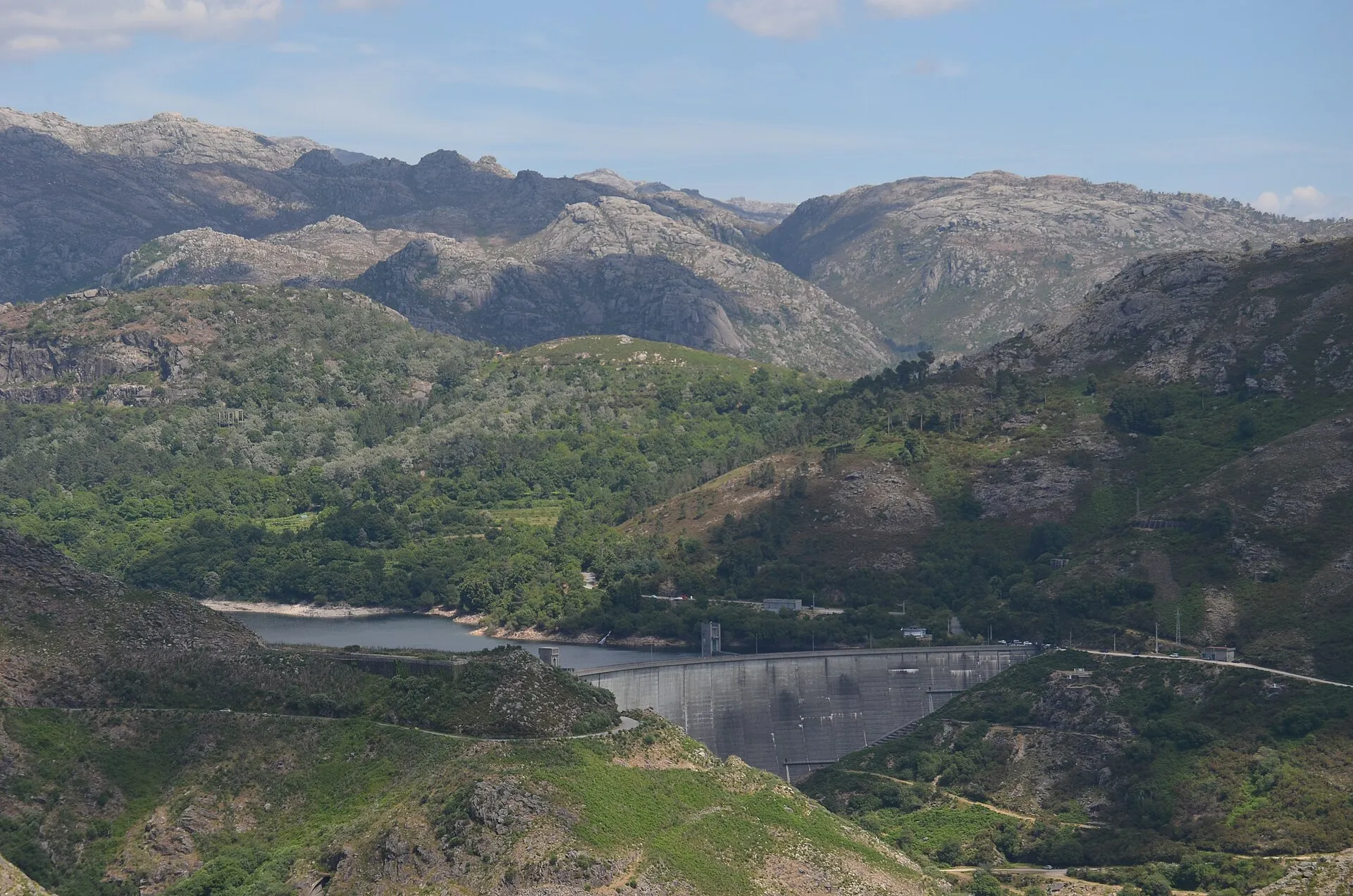
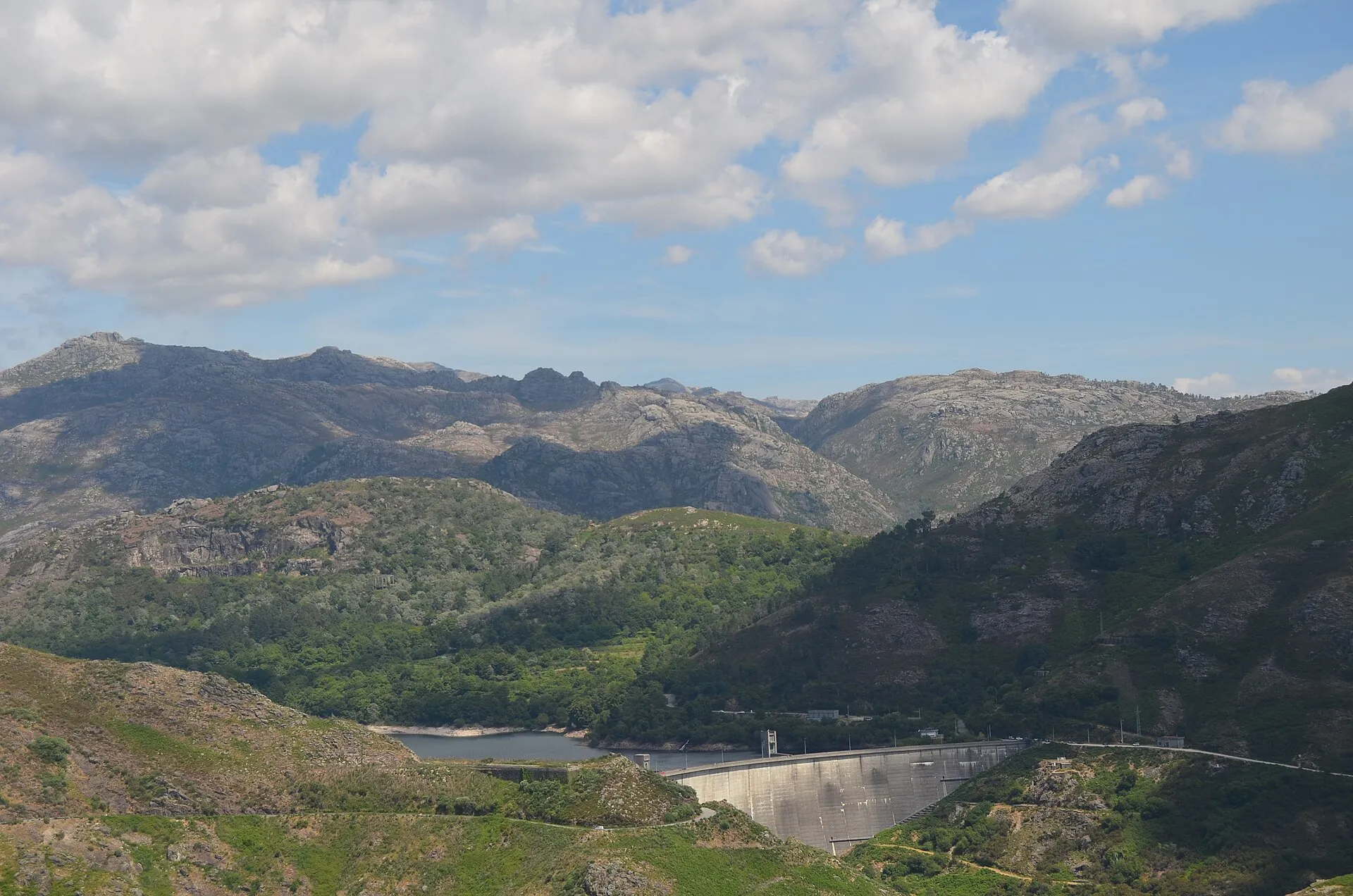
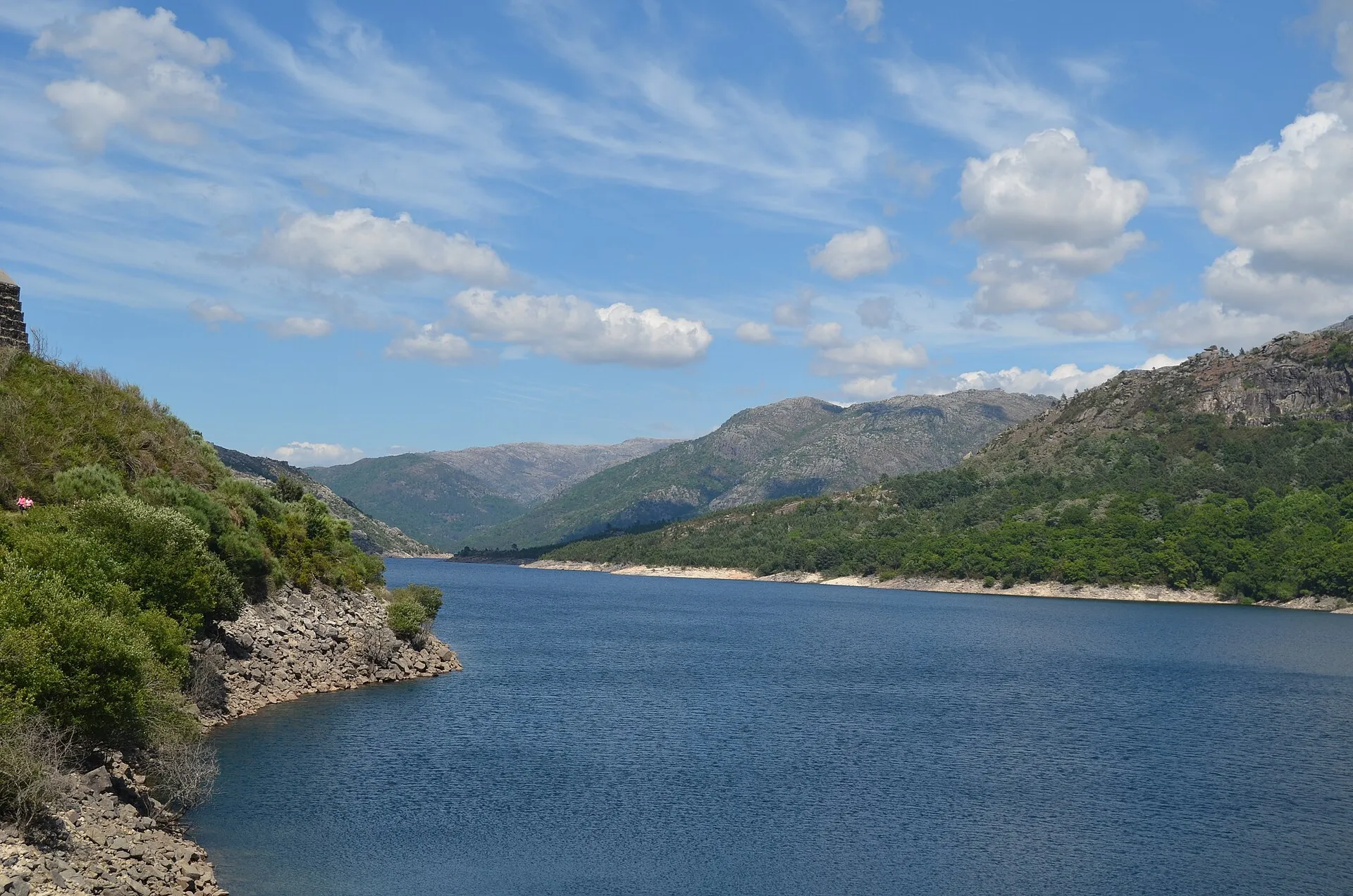
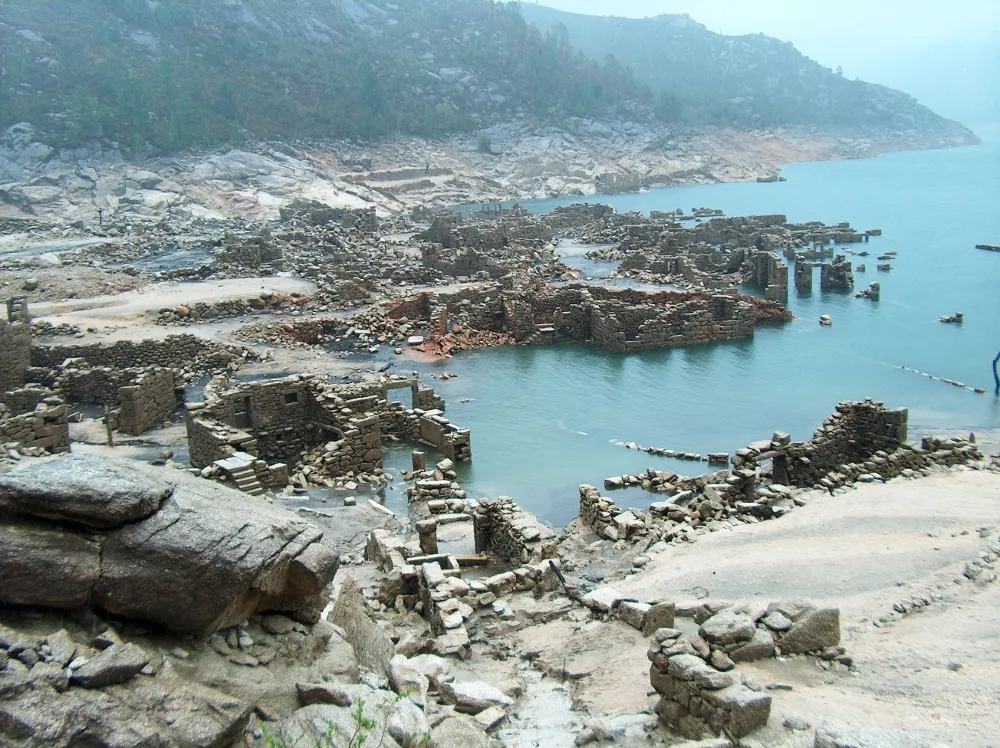
Planning for a fresh-water reservoir and dam began in the 1950s, with surveys and test drilling. Construction started in 1967. At this time, the village had almost 300 inhabitants in 57 families spread across 80 houses.
The exodus started in September 1969, when the former Companhia Portuguesa de Electricidade (Portuguese Electricity Company) started to pay out indemnity fees to the village residents. The villagers received a total of 20,741,607 escudos: excluding houses and other structures, the land itself was valued by HICA - Companhia Hidroeléctrica do Cavado (Cavado Hydroelectric Company) at.5 escudos 1 square metre (11 ft2), equivalent to the price of half a sardine.

 1 / 4