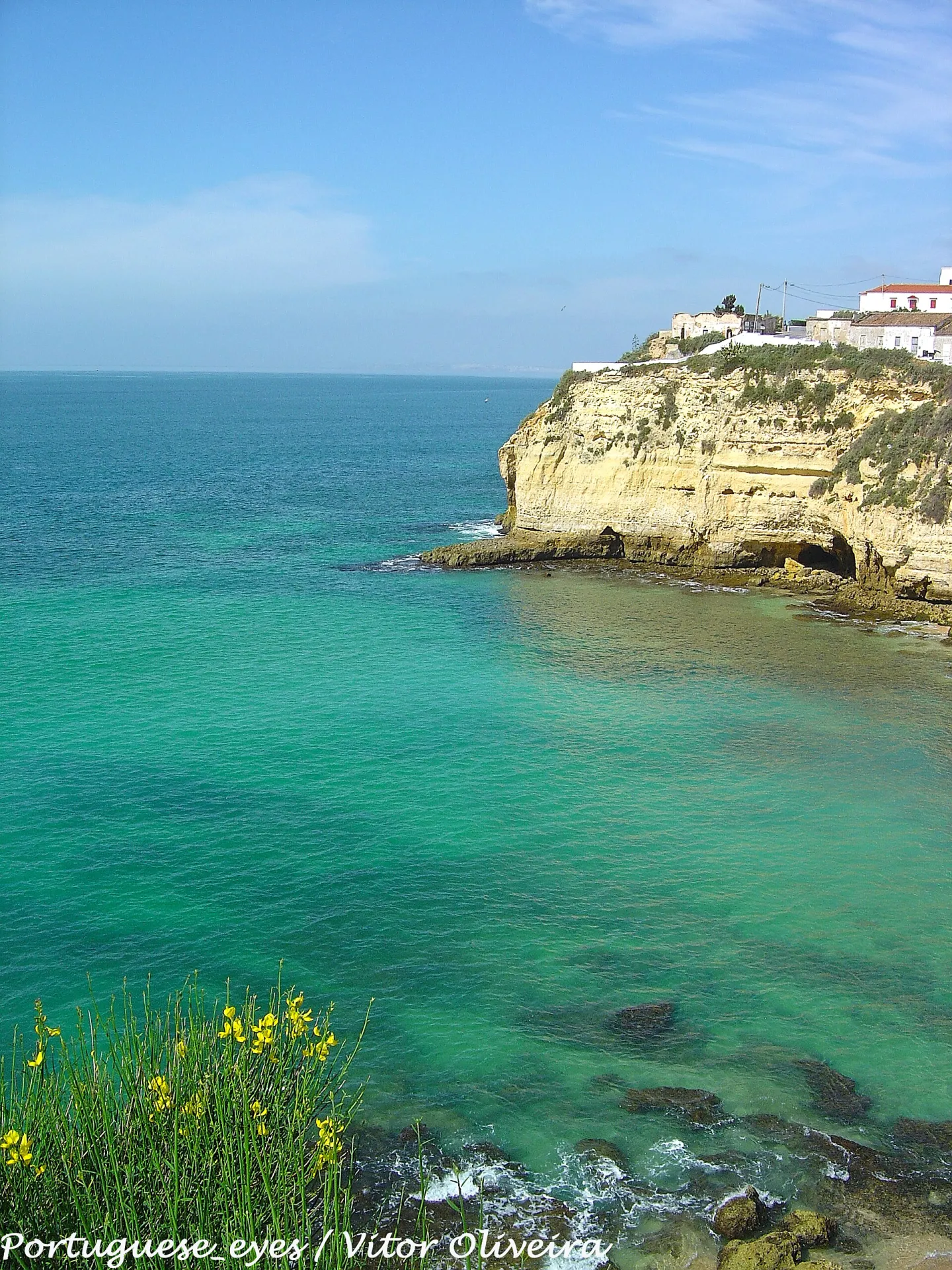
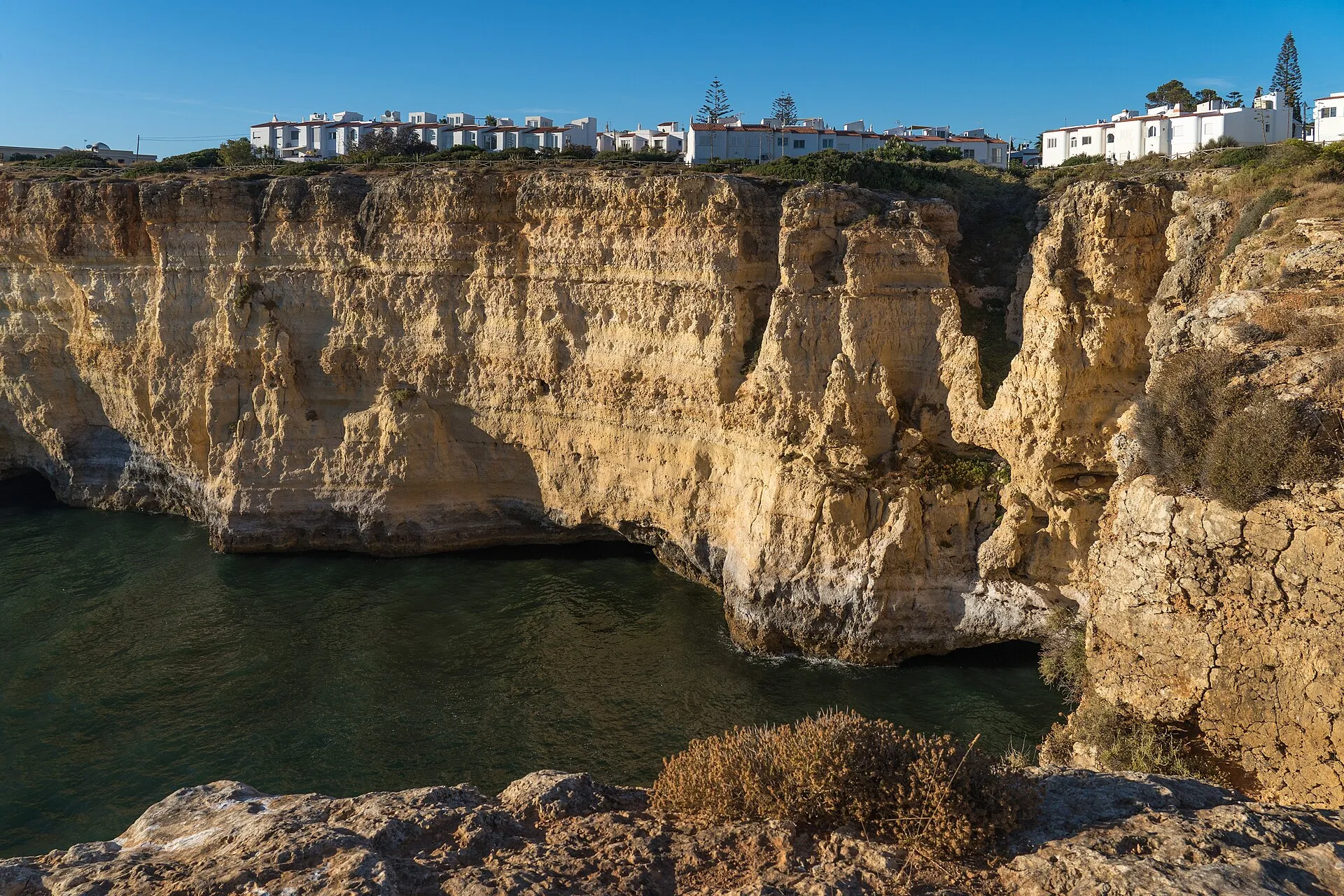
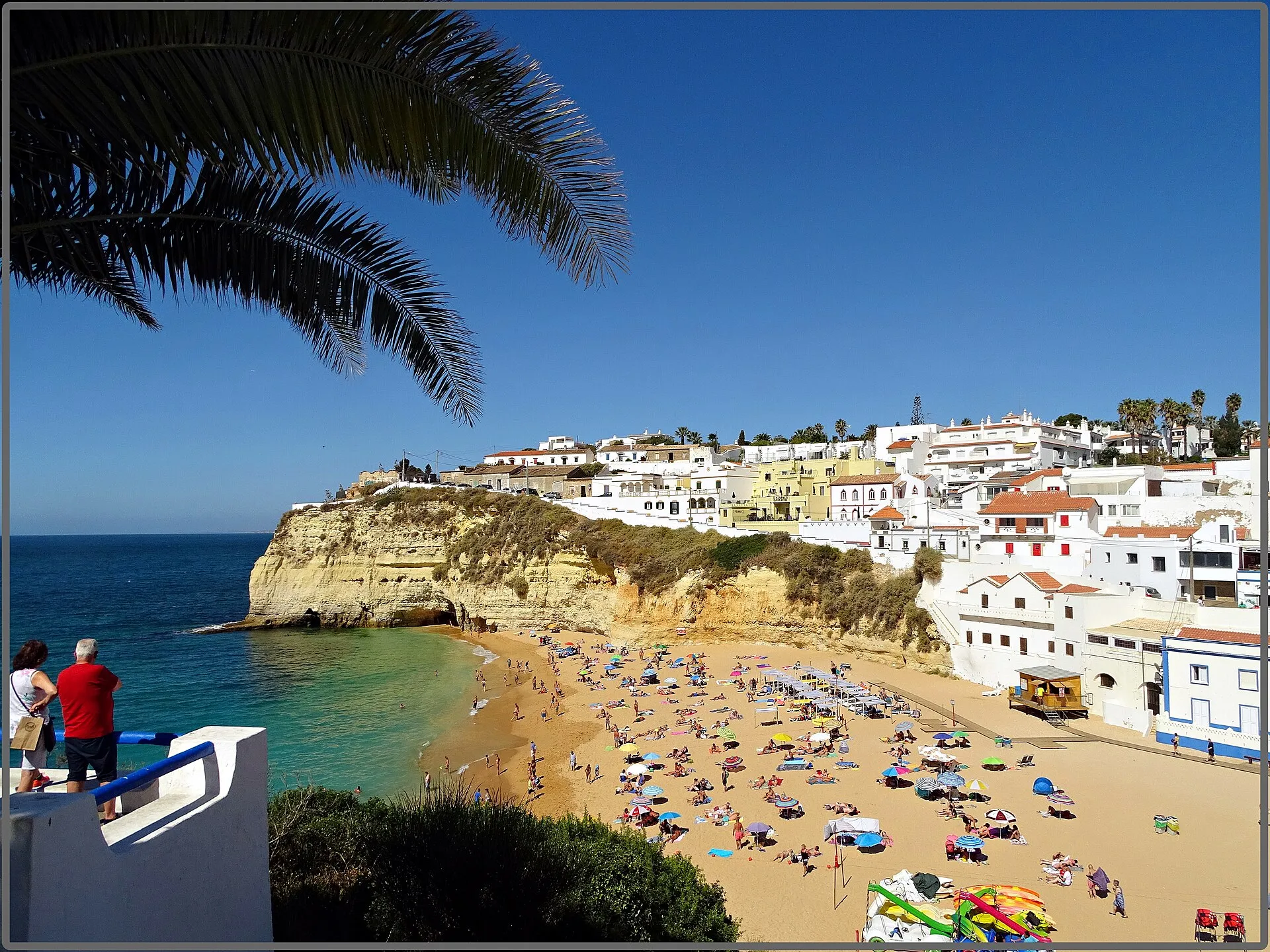
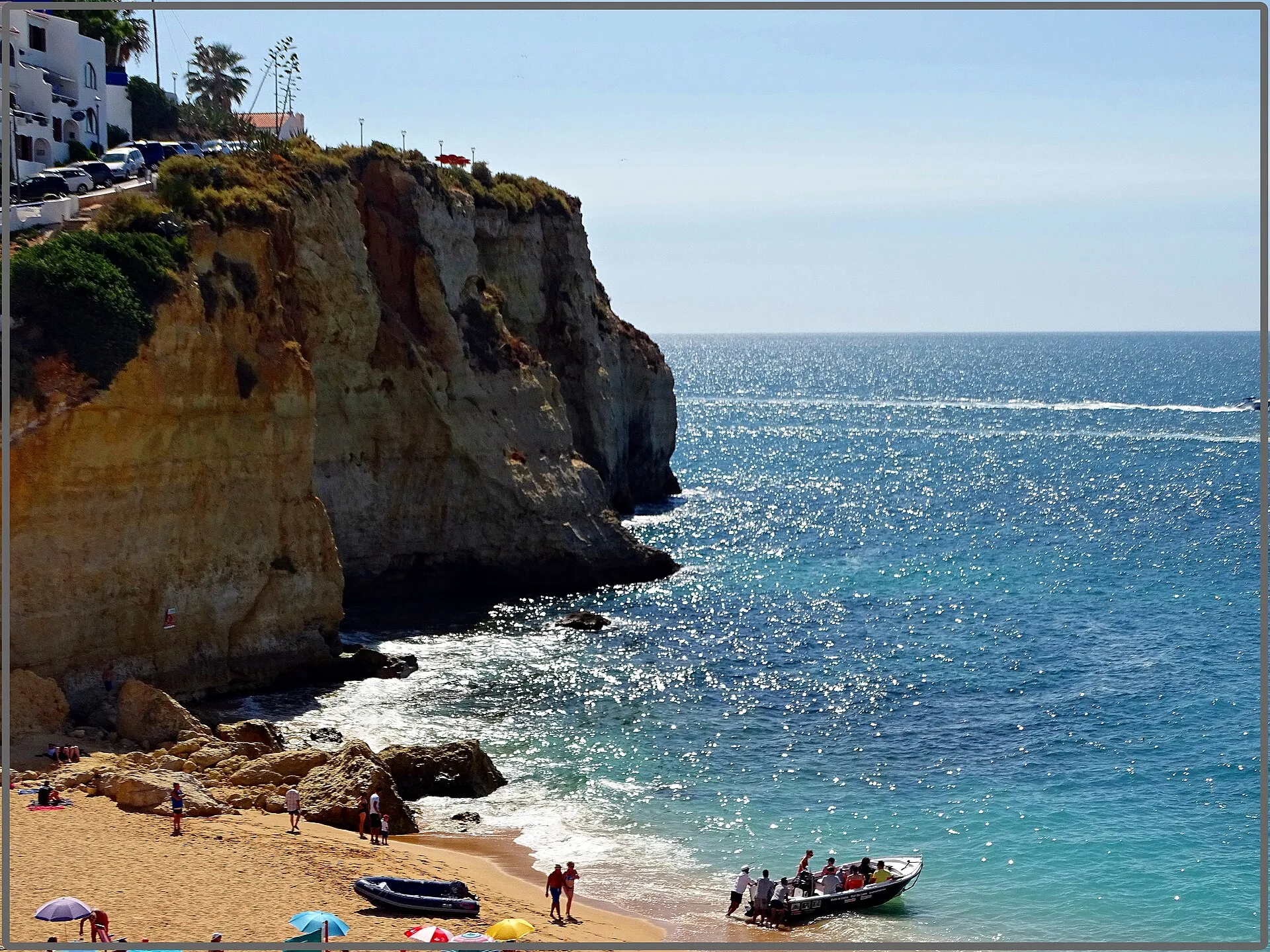
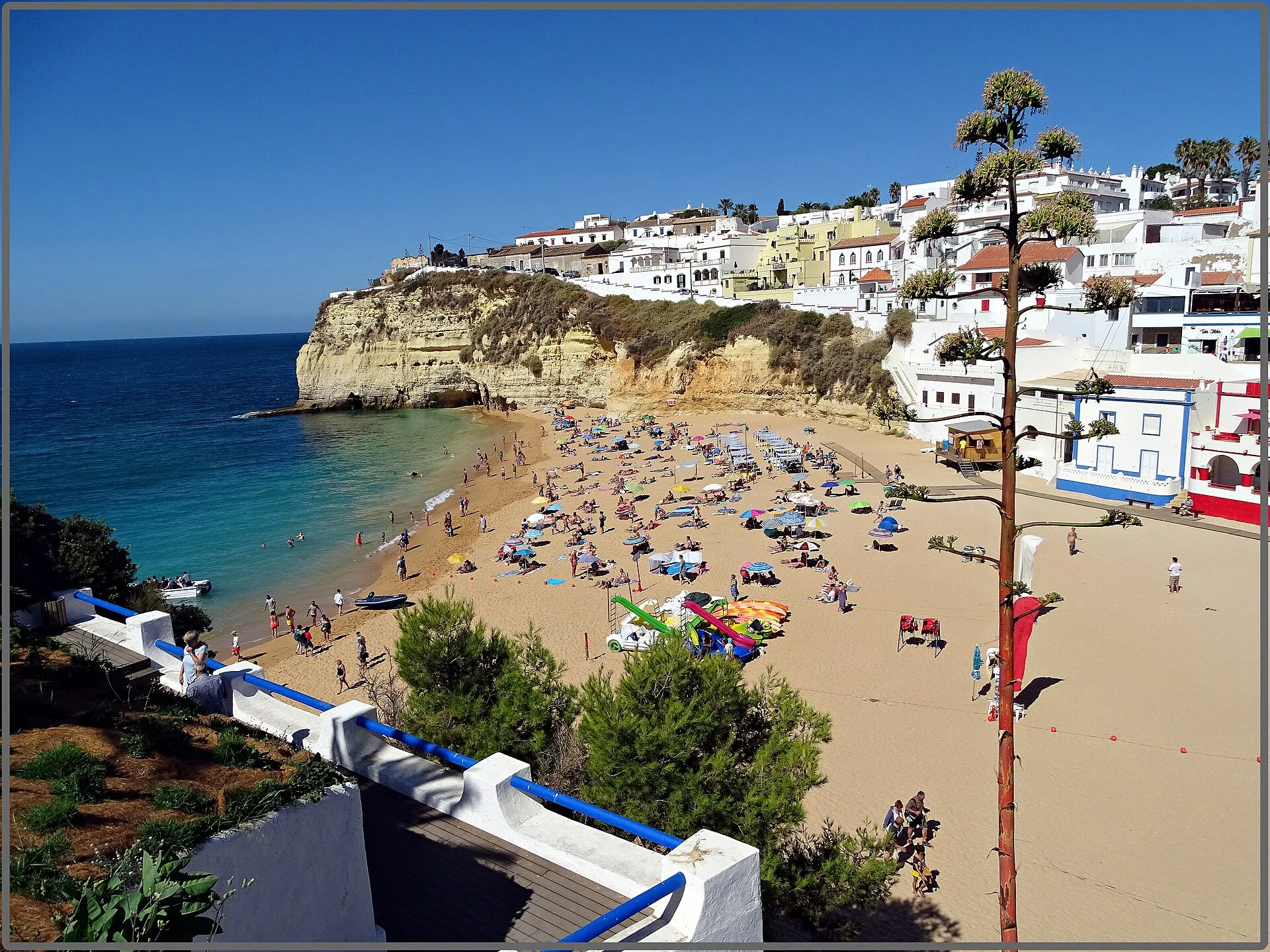
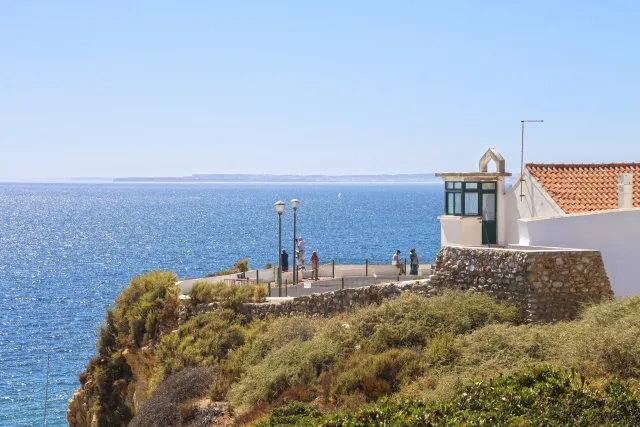
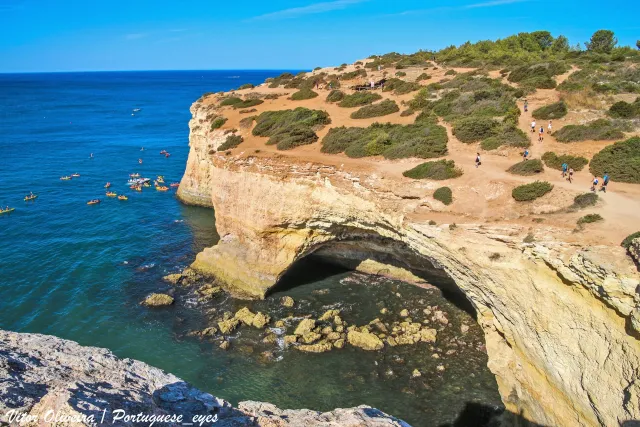
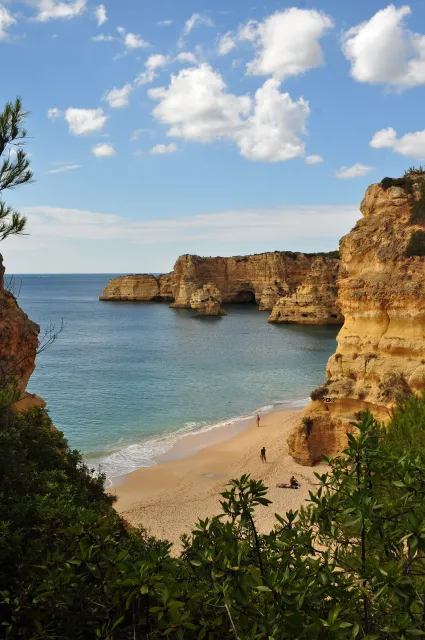
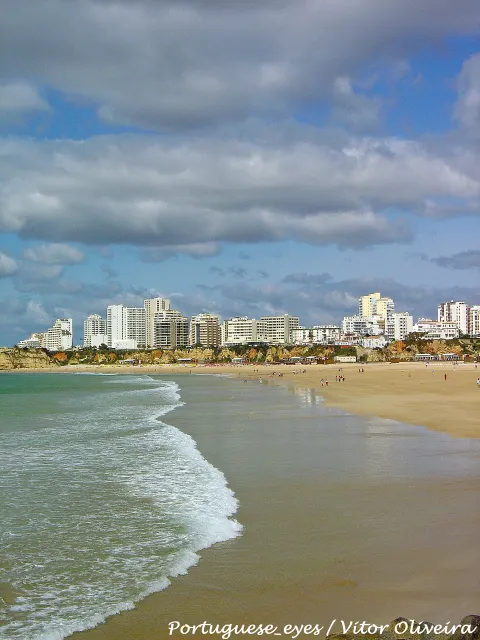
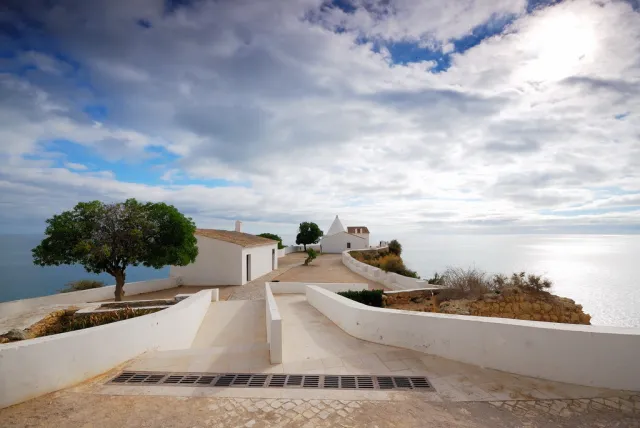
There are two beaches at Carvoeiro: Carvoeiro Beach (Praia de Carvoeiro) and Paradise Beach (Praia do Paraíso).
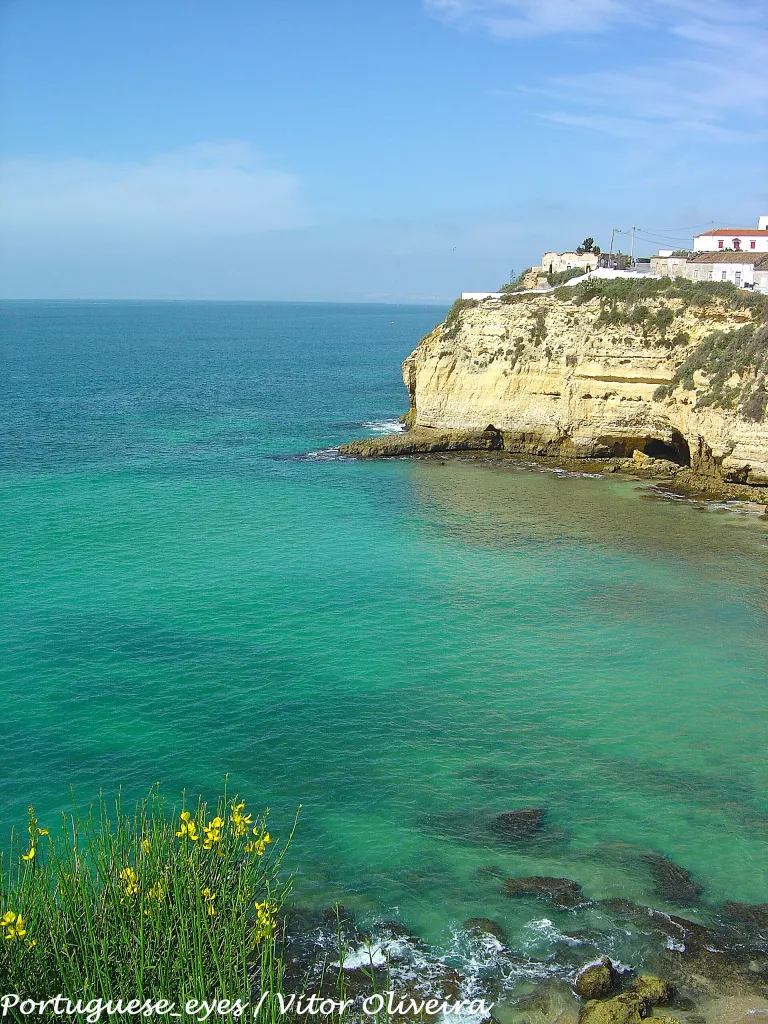
Formed from a picturesque fishing village, with a long history of settlement, the parish slowly developed into a tourist area in the municipality of Lagoa, owing to its number of sand beaches protected by cliffs. There are vestiges of human settlement dating to the Roman occupation of the peninsula, as well as of early naval activity in the area.
The region was historically unspared by frequent pirate and military assaults along the coast, where a number of naval battles occurred. Most notably, in 1544, a squadron of ships under D. Pedro da Cunha battled the Turkish barbary coast pirate Xarramet.
According to historical records, the earliest settlement was called Caboiere, an old name for a hamlet of fishermen from the Islamic-medieval period. For most of the community's history, fishing has been the mainstay of the local economy.
Since the 1960s, however, tourism has gradually become the area's economic base, and many hotels, apartment complexes, shops, and roads and other types of infrastructure have been built to attract visitors. An insight into the effects of mass tourism on the Algarve, focused on Carvoeiro, was written by Patrick Swift, describing what the community was like before that time. Swift was an artist and long-time resident of Carvoeiro who founded Porches Pottery.
Carvoeiro became a separate/independent parish in 1985 and was raised to the status of a town on 19 April 2001.

 1 / 6