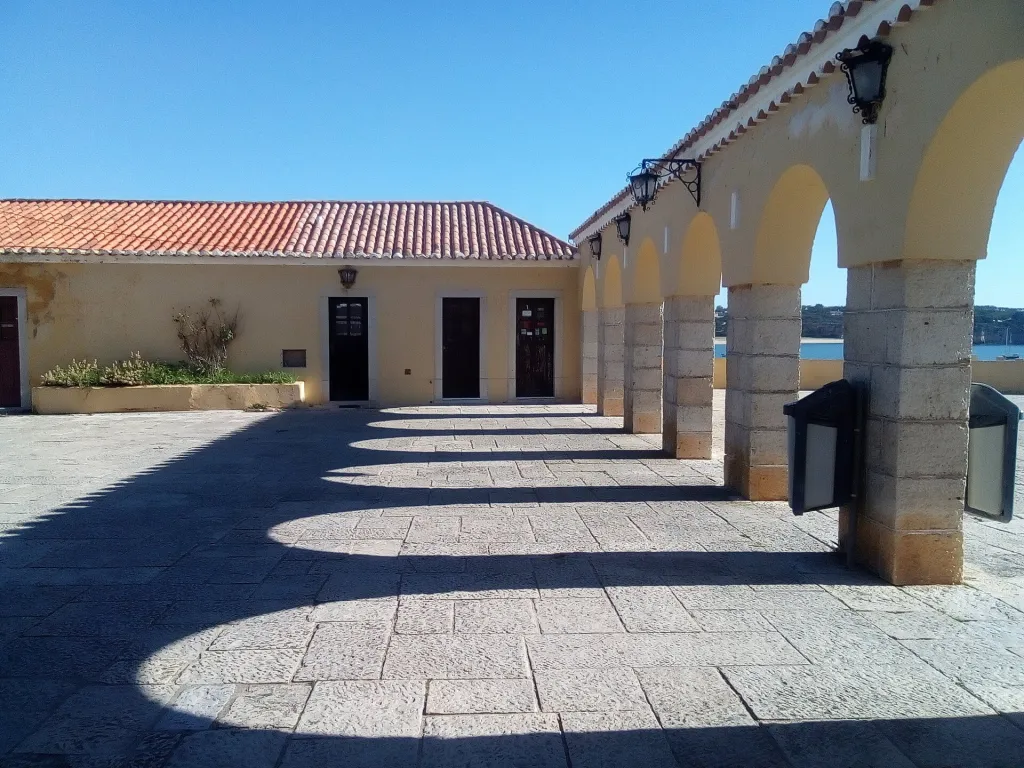
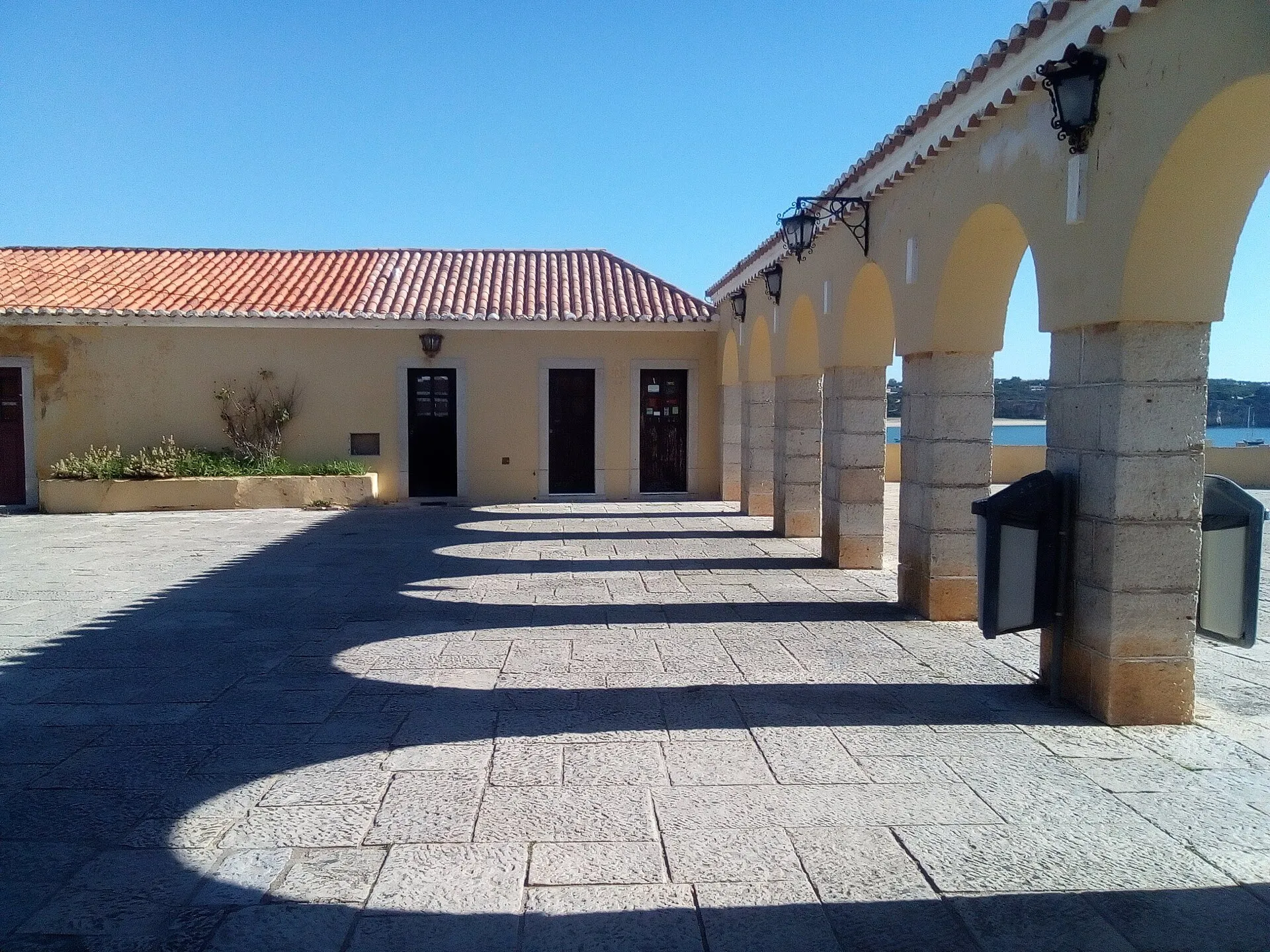
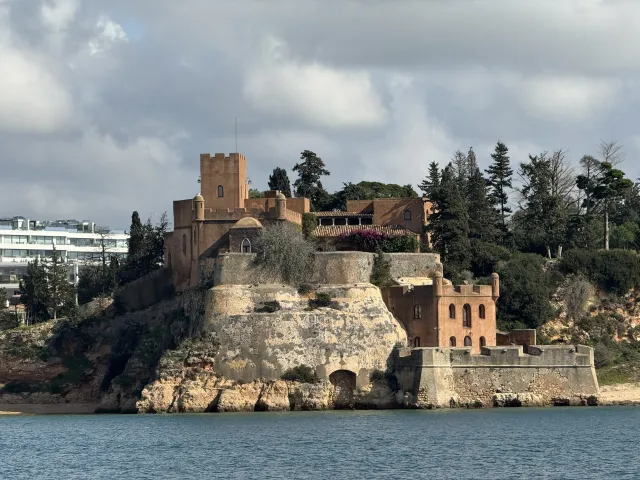
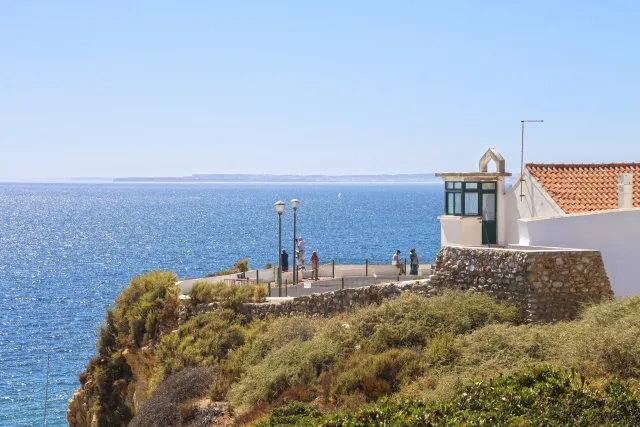
The origins of the Fort of Santa Catarina are still debated. Some authors point to a 15th-century origin, during the reign of King John III or Sebastian, although few proofs have been identified, except for a small chapel dedicated to Catherine of Alexandria.
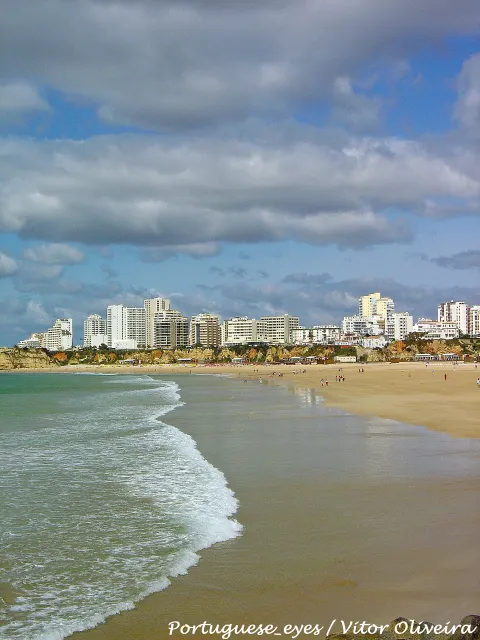
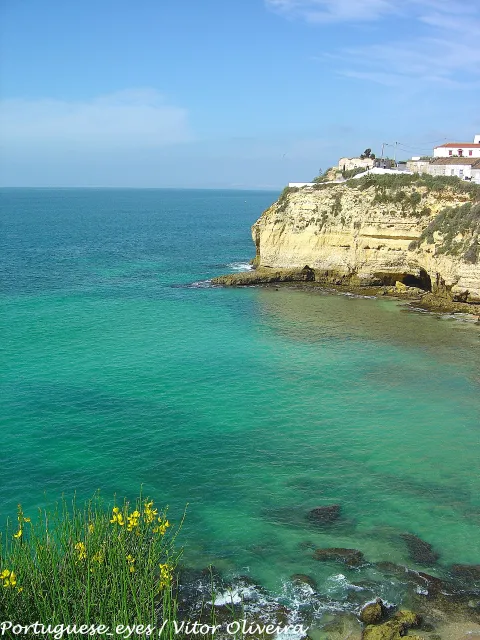
In 1621, during the Iberian Union, Alexandre Massai, leading a committee of hundreds of specialists traveled the mouth of the Arade River, in order to find the best site for the construction of a fortress to defend the lands along the southern extent of the River. At the time many of the older medieval castles of Ferragudo and Portimão were already unable to support the defense of the coast to these limits, from pirates, corsairs and maritime invasions. The obvious choice at the time was along the edge of Praia da Rocha (referred to as Ponta de Santa Catarina) where a hermitage had once existed (and had been integrated in to a new fort) along the southern extent of Portimão's territory.
Various arguments have been suggested for this location, to the detriment of a proposed fortress sited further into the interior (likely in Ferragudo): the site offered better sight-lines, a greater access to potable water, and especially its privileged connection with Portimão, thereby determining its selection over other sites.
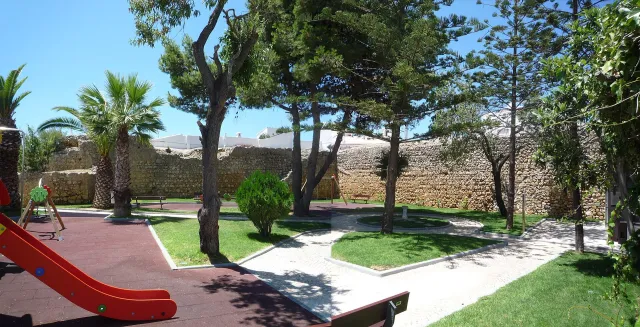
In 1621, Massai designed three proposed plans for the fortifications, all of which included an ample northern facade to serve as the principal entrance-way to the structure. The construction of the fortification began eight years later, in 1629, and was terminated in 1633 (relatively rapid for the time). Unfortunately, many of these elements were lost in successive years, owing to the alterations in design and function at the fort. Of the original 17th-century project, only the front facade, organized around three symmetrical walls, with the central/main entrance recessed.