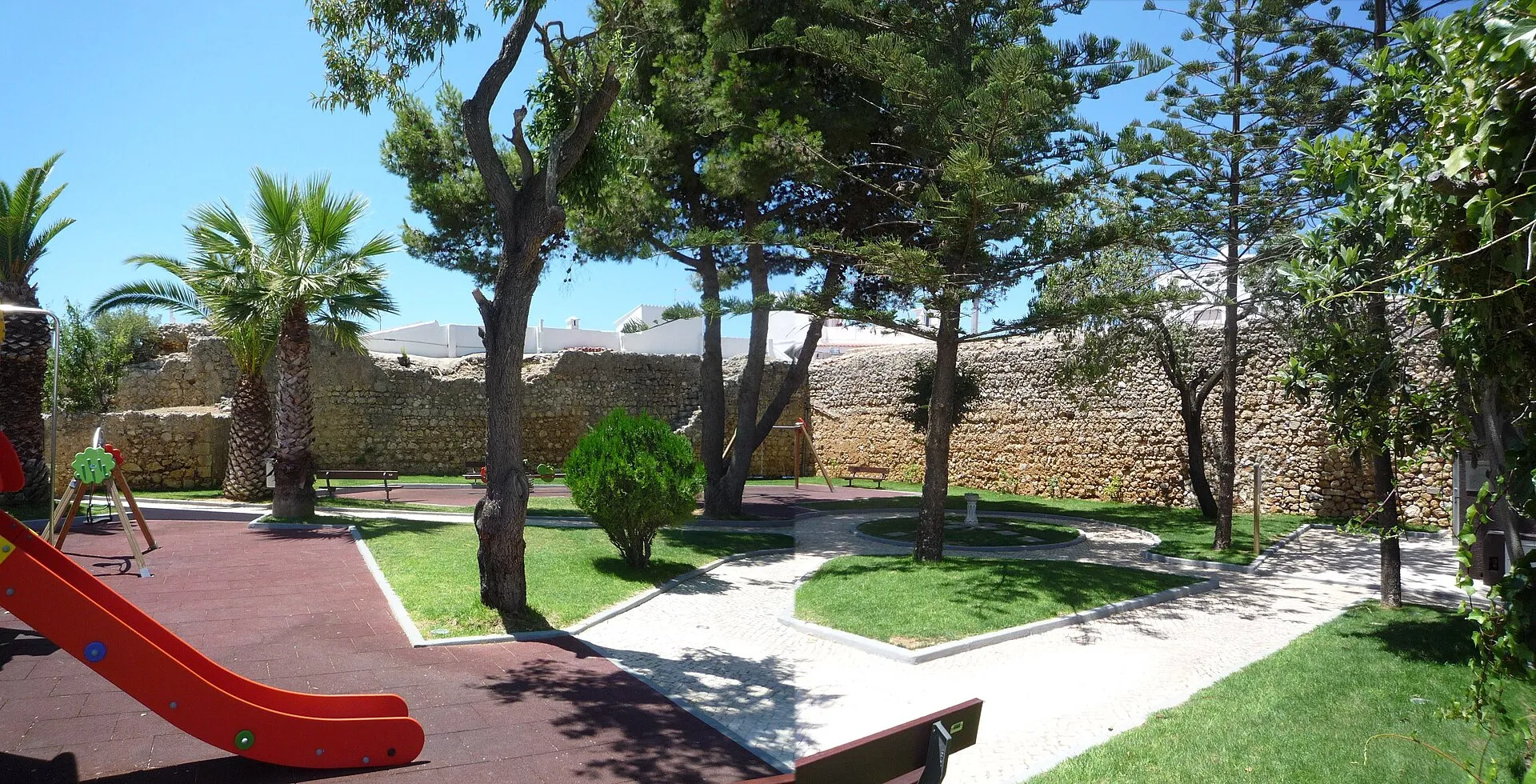
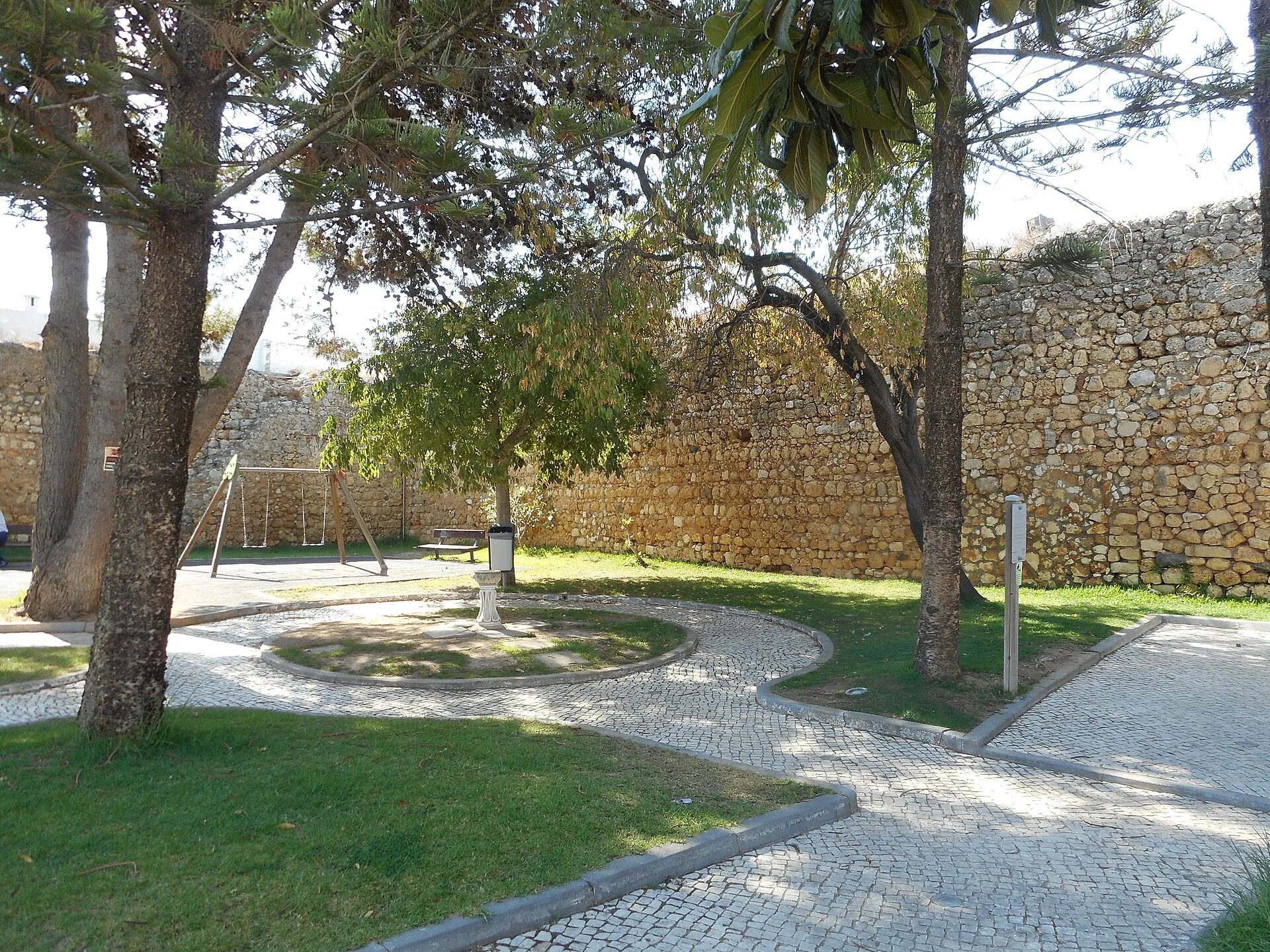
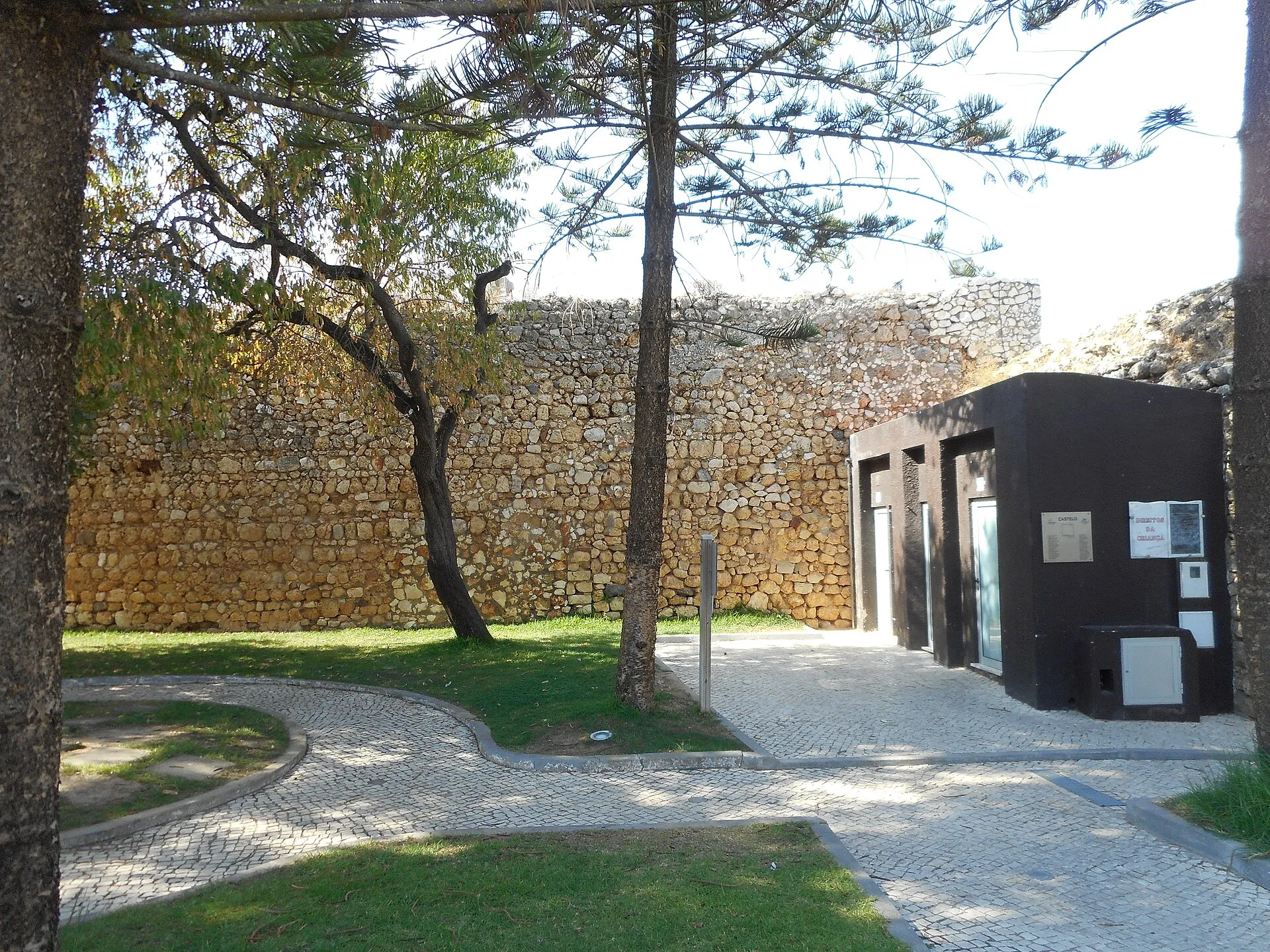
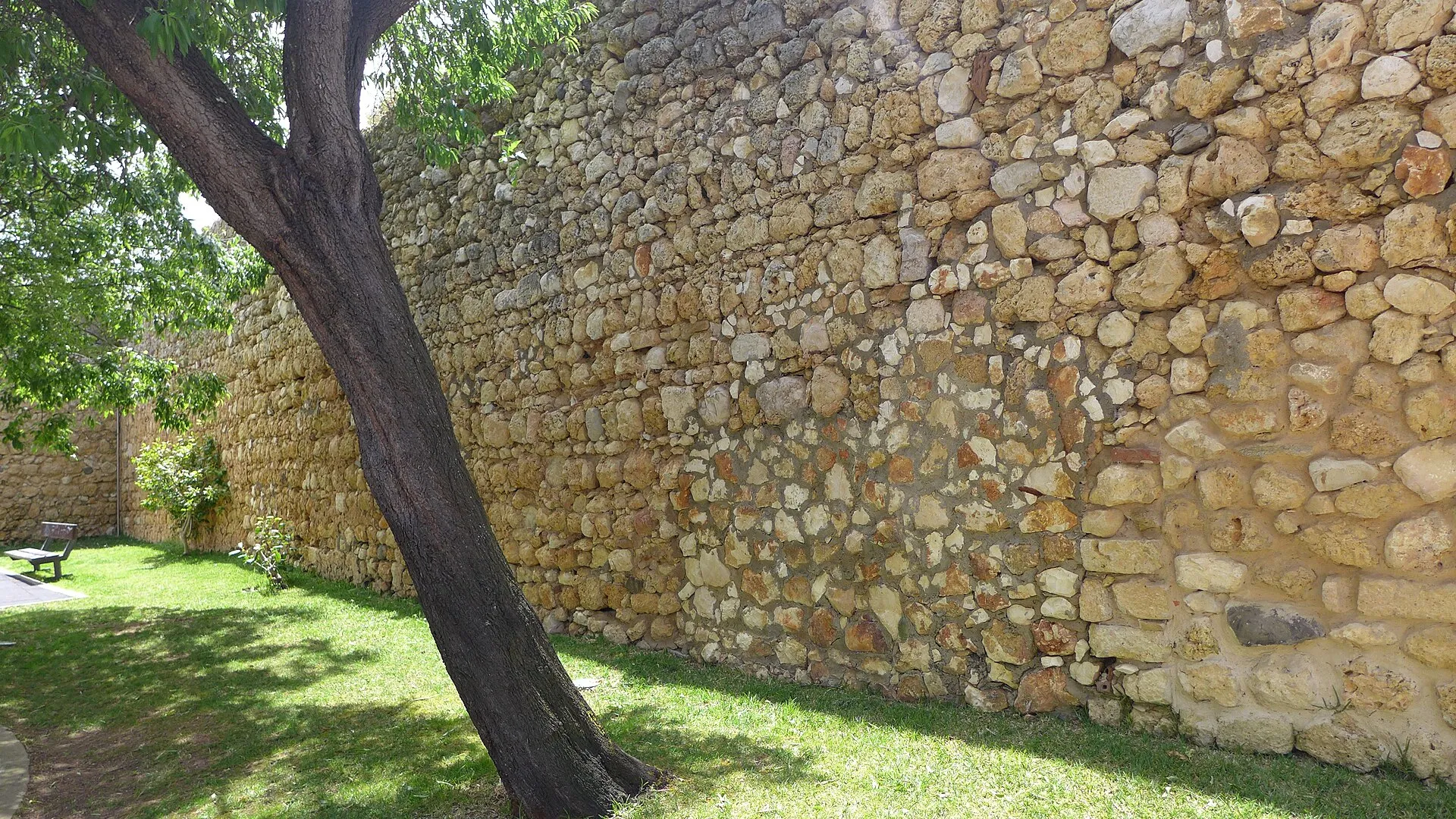
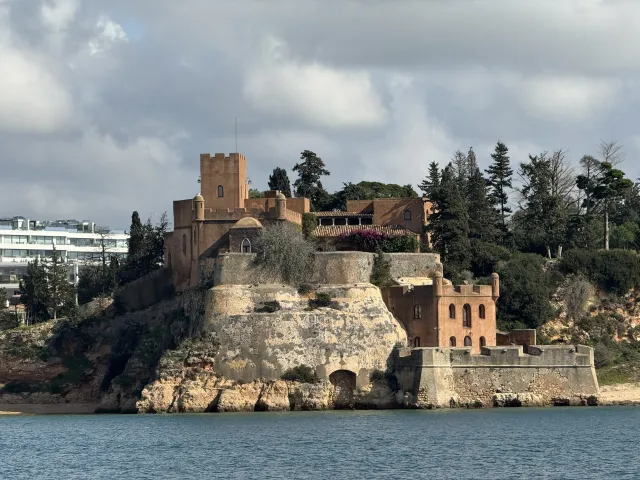
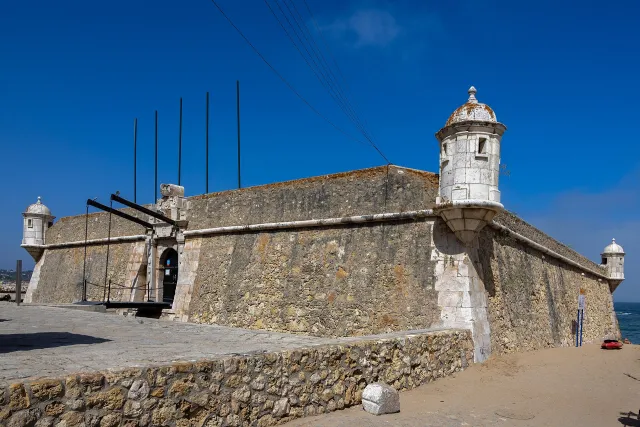
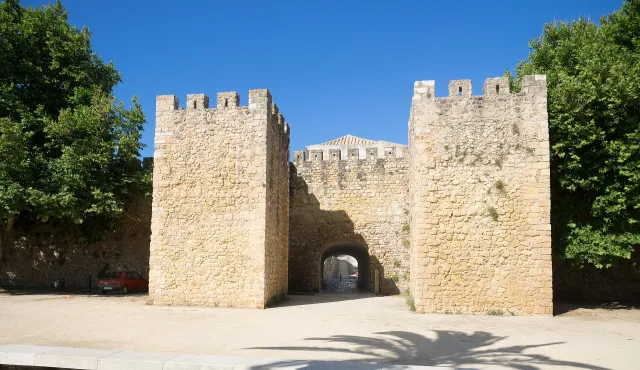
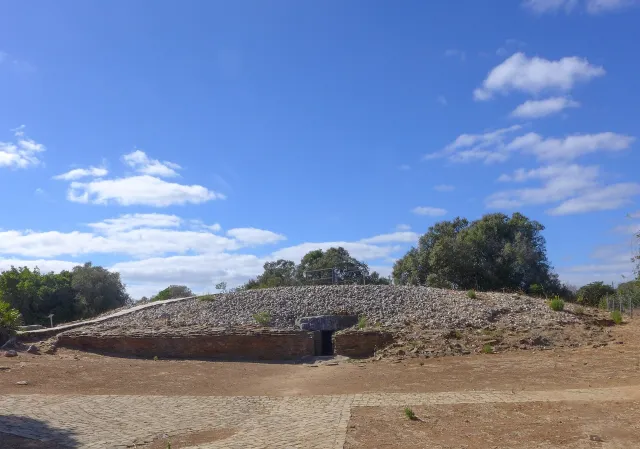
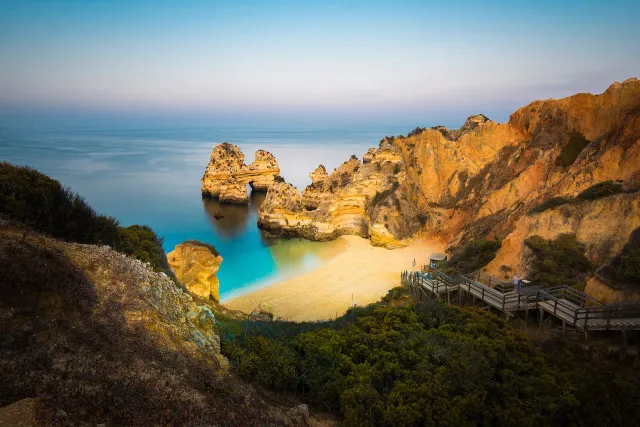
In 1189, a force of the Third Crusade, travelling from northern Europe, sacked Alvor and massacred its inhabitants. The region was retaken in 1191 by the Almohads. In 1249, King Afonso III captured Alvor definitively. In order to maintain their conquest, King Denis ordered the reconstruction of the castle in 1300.
Successively, Alvor was elevated to the status of town by King John II on 29 February 1495, which later allowed its deannexation from the municipality of Silves (on 28 December 1498). Within ten years, on 13 December 1505, King Manuel issued a foral (charter) to the parish of Alvor.
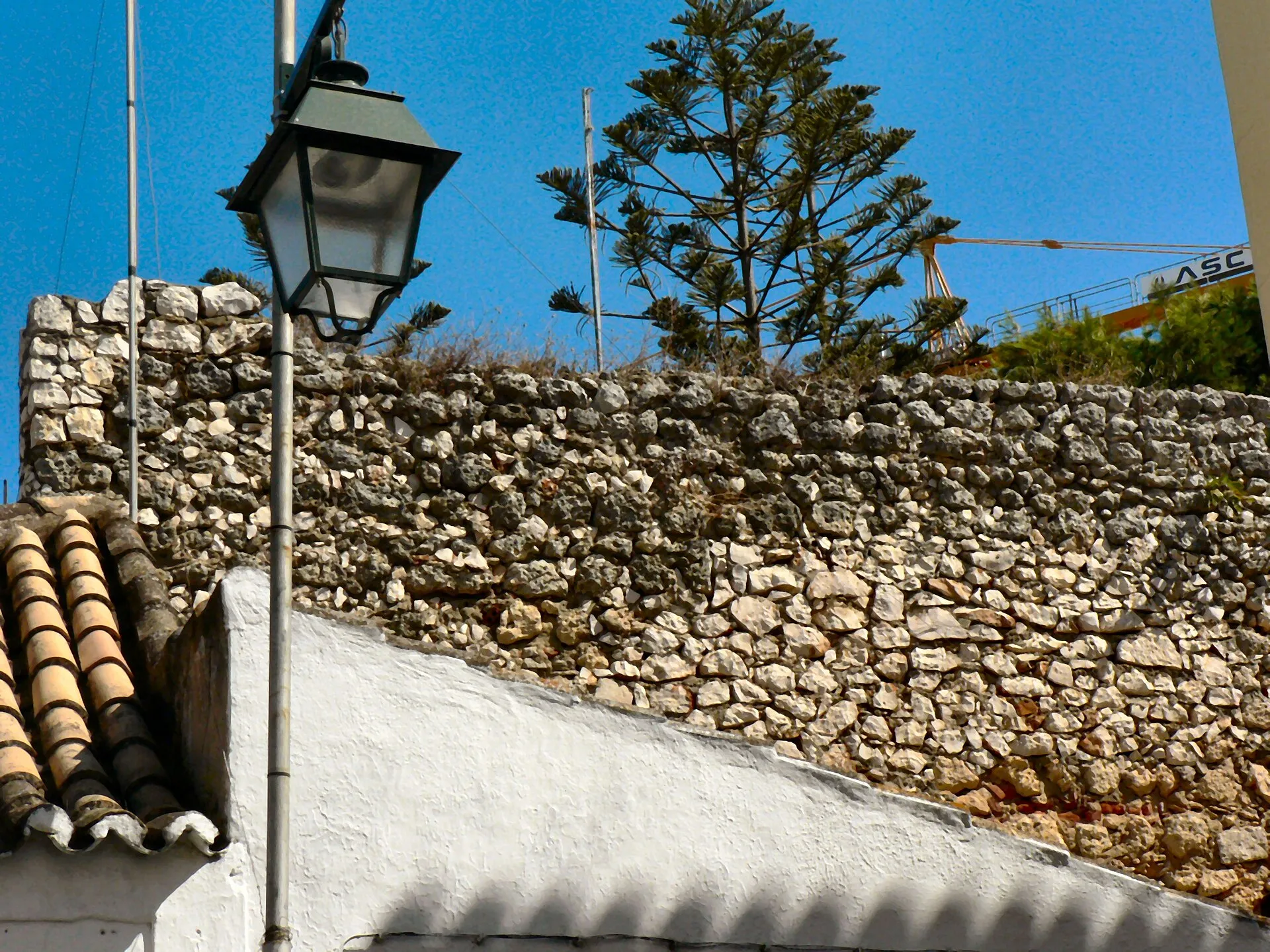
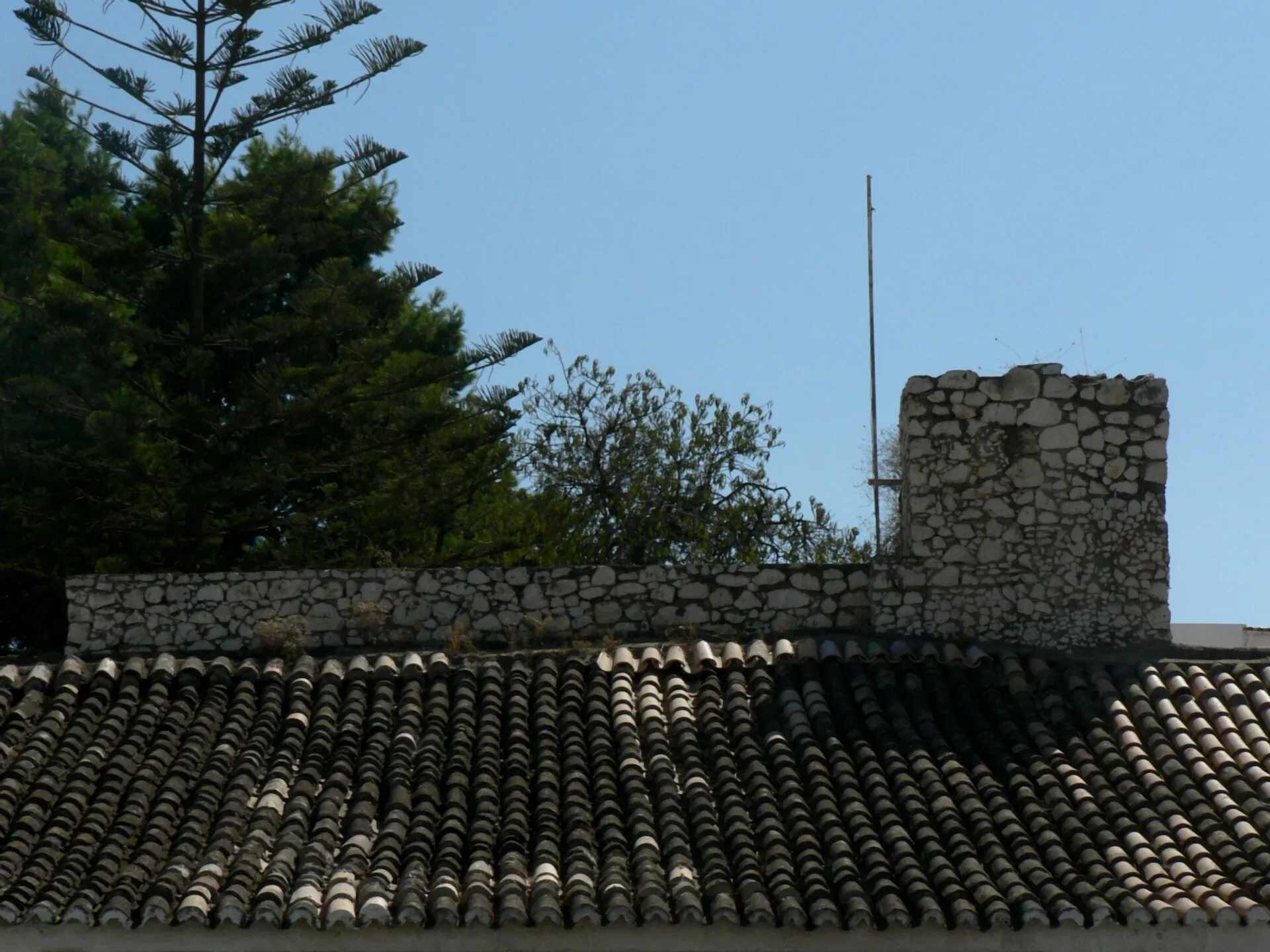
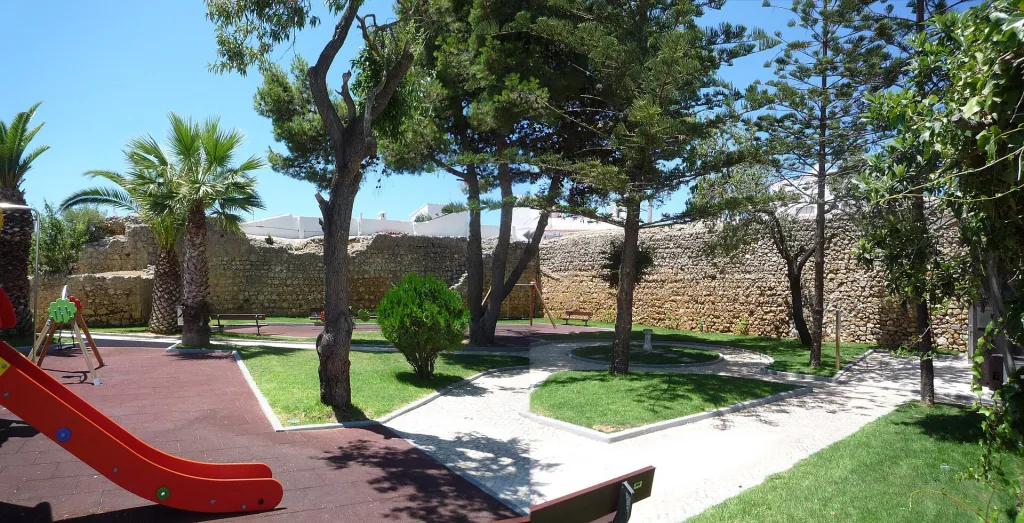
The apparent simplicity of the structure that survived to this day contrasts with the importance of the location during the Middle Ages. Current thinking suggests that the actual Castle of Alvor corresponded to the primitive square, that sheltered a garrison. Outside this redoubt circled the primitive settlement, which was itself circled by walls (which have not survived). At the time of the first conquest of Silves (in 1189), Alvor was referred to as a dependent town, suffering from Christian incursions (including deaths and considerable destruction to the settlement).
Within the Christian sphere, Alvor became one of the principal localities of the Algarve. Yet, the few notices survive to this day of the military preparedness of the castle or its garrison. It was in Alvor that King John II died, his body eventually transferred to the Sé Cathedral in Silves, before being interred in the Monastery of Batalha.

 1 / 6