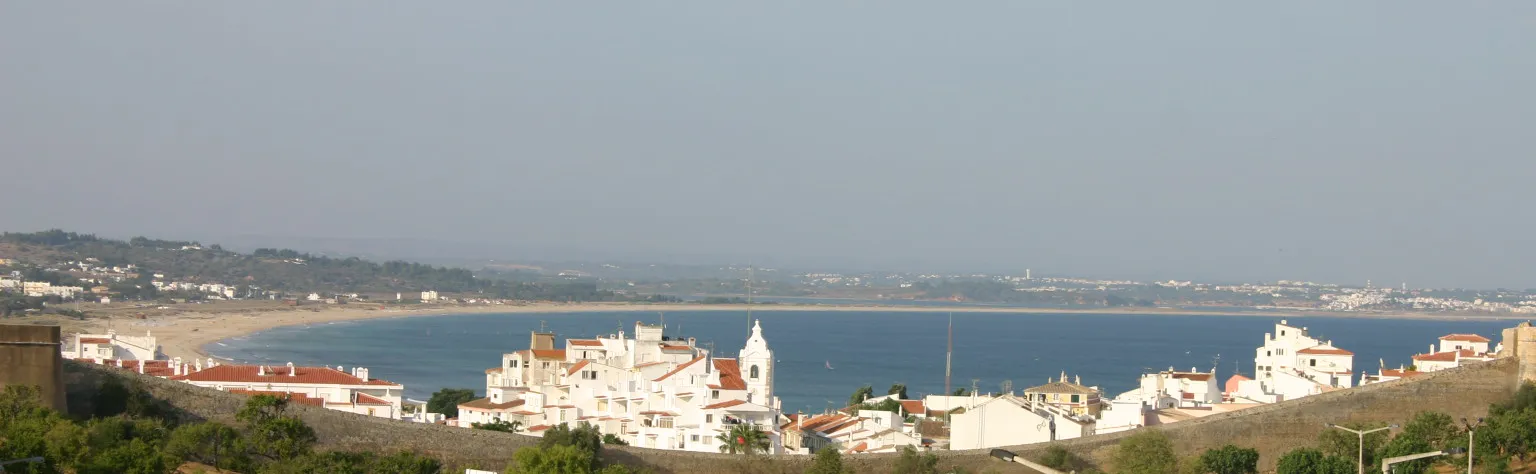
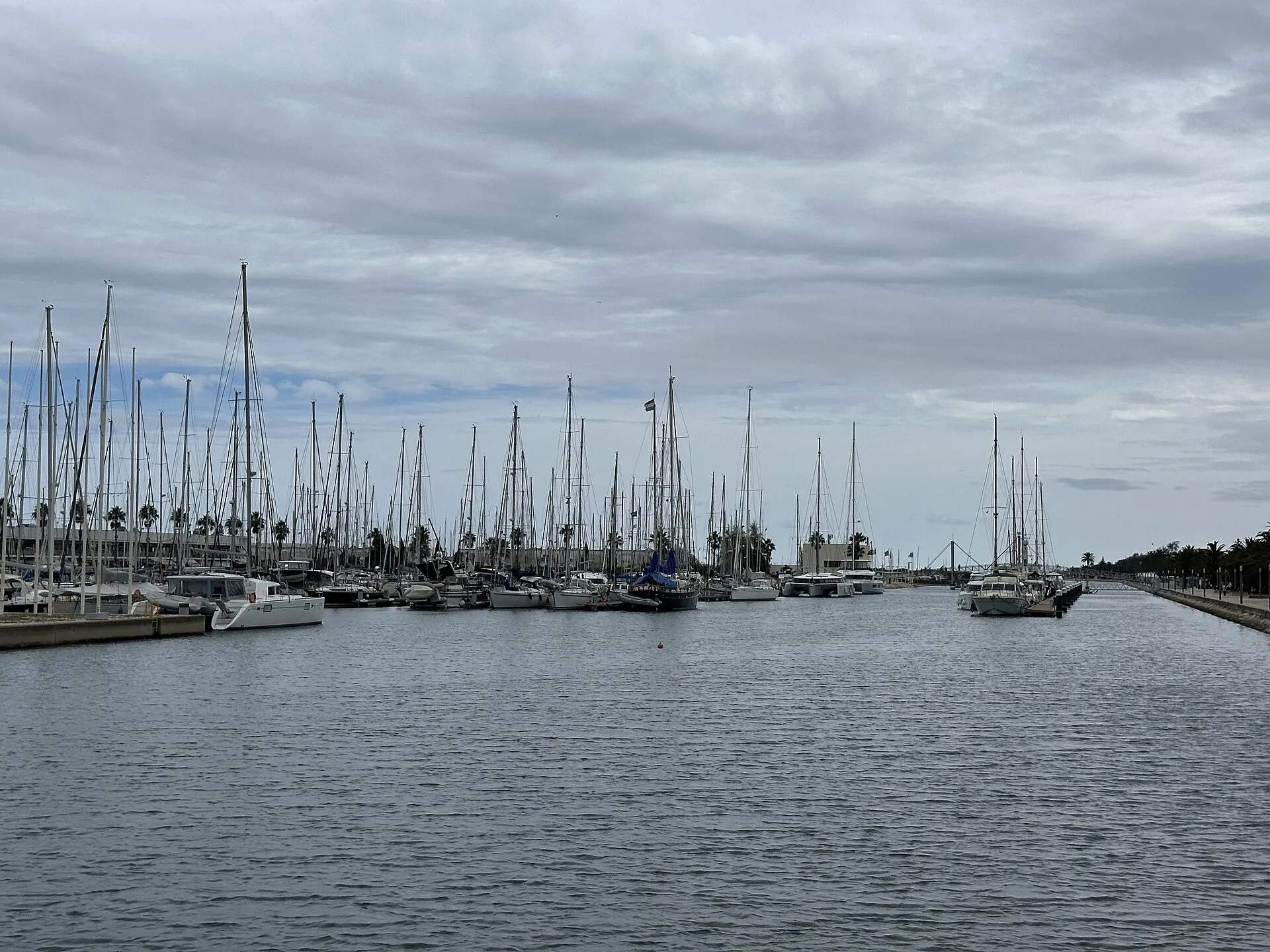
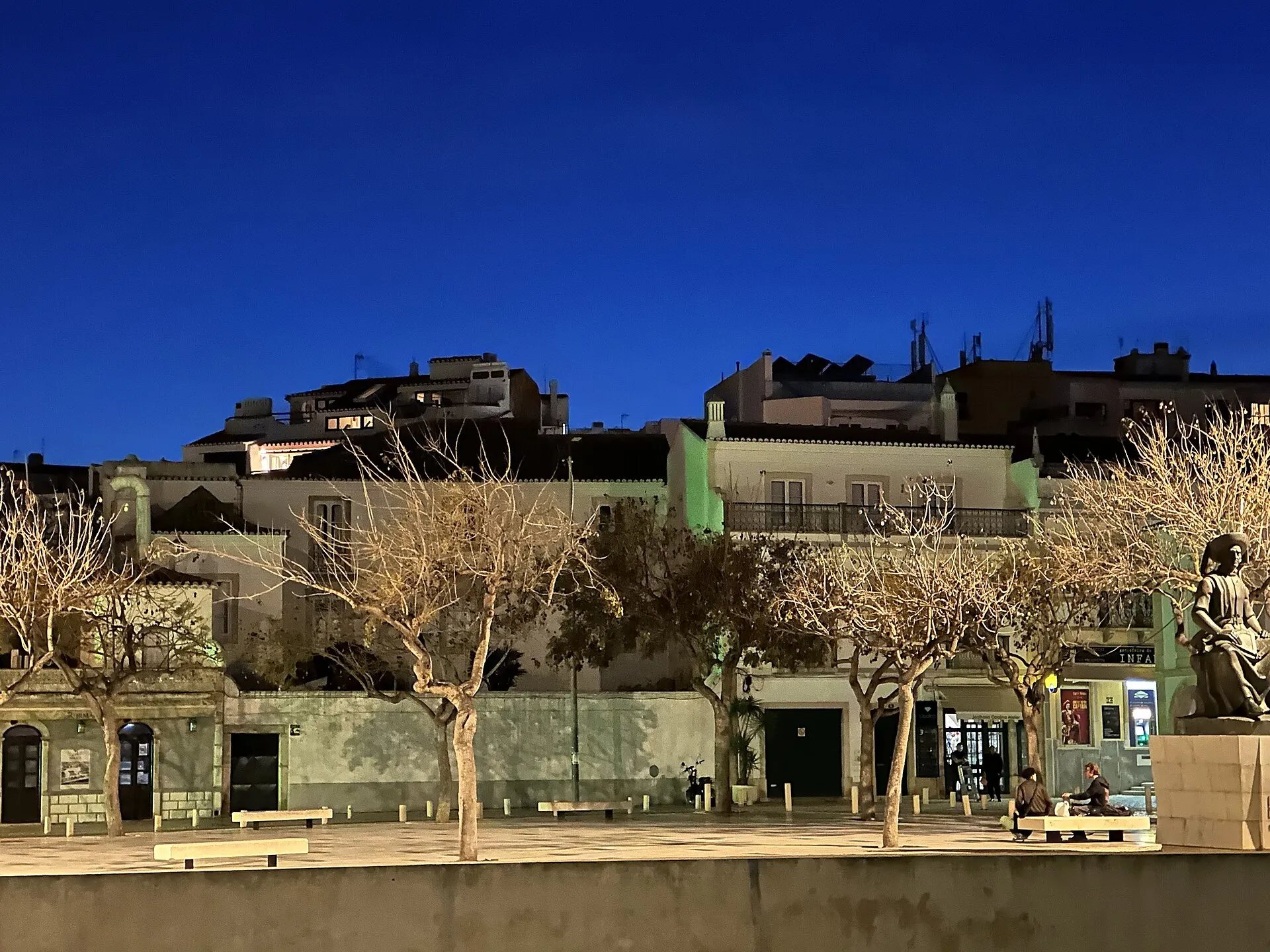
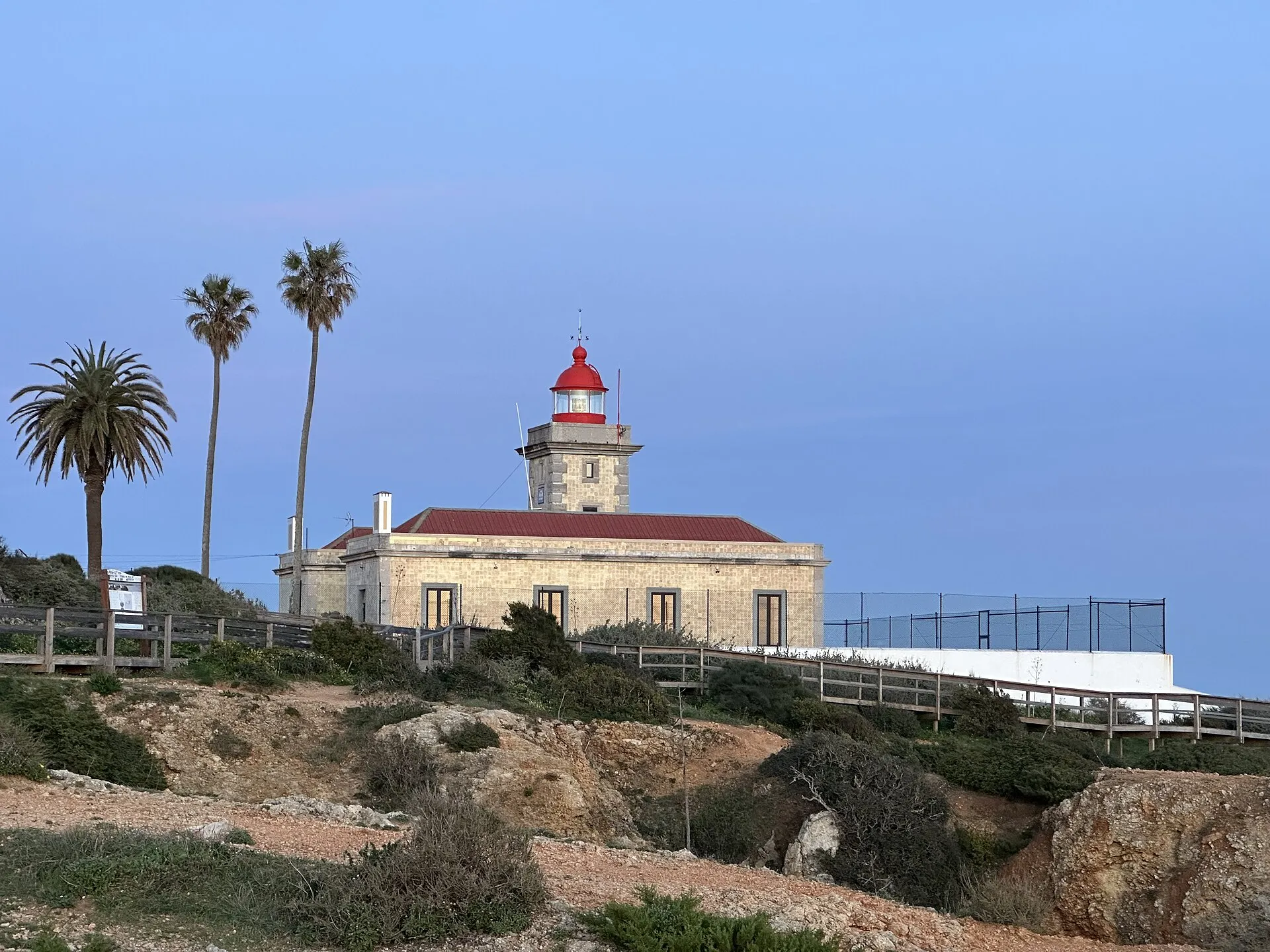
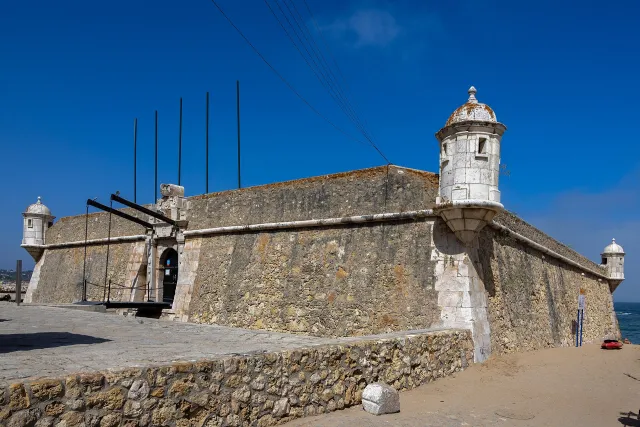
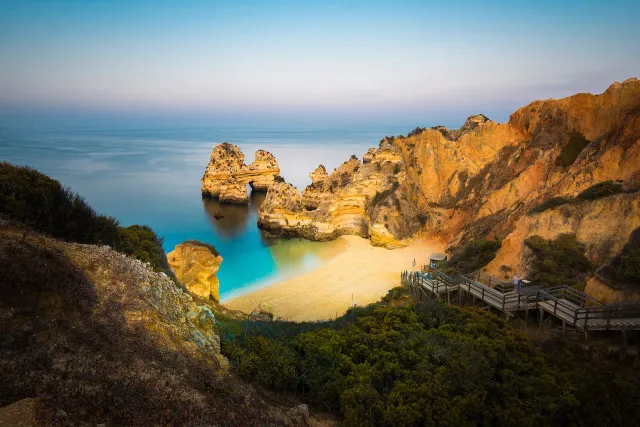
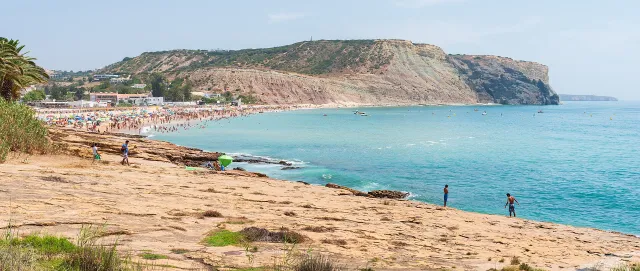
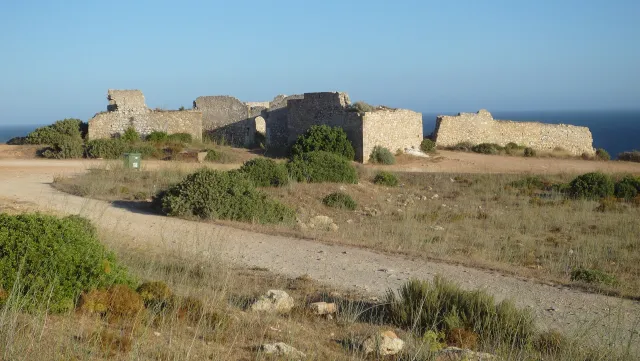
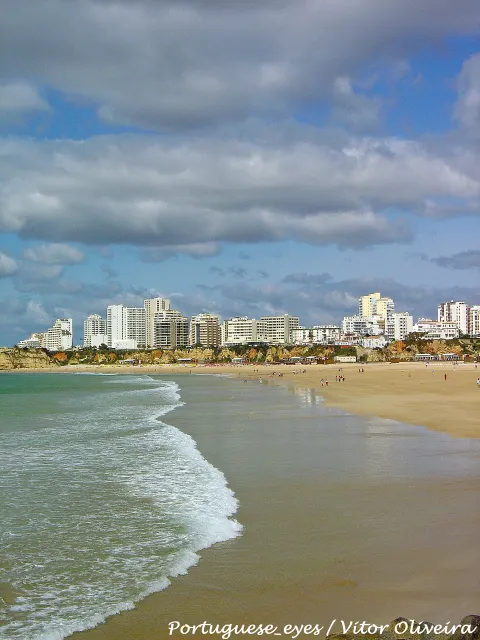
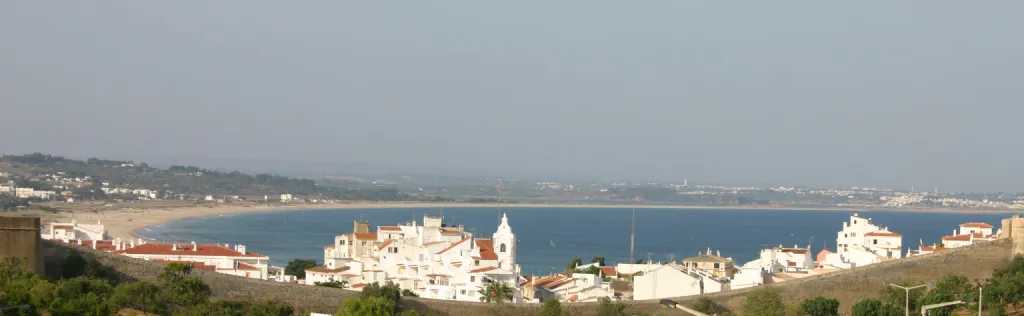
Lagos is one of the most visited cities in the Algarve, attracting tourists with its beaches, rock formations such as Ponta da Piedade, and summer nightlife. The city also holds significant historical importance as a centre of the Portuguese Age of Discovery, a frequent residence of Henry the Navigator, a historical shipbuilding hub, and, at one point, a centre of the European slave trade.
Lagos, Nigeria, may derive its name from the Portuguese city, as Lagos was the principal base for Portuguese maritime expeditions along the West African coast during the 15th century.
Lagos is an ancient maritime town with more than 2000 years of history. The name Lagos comes from a Celtic settlement, derived from the Latin Lacobriga, the name of the settlement was established during the pre-Punic civilizations. It became an early settlement of the Carthaginians, who recruited Celtic tribesmen in their war against the Romans (the Punic Wars). Owing to its already important harbour, it was colonized by the Romans and integrated into the Roman province of Lusitania, becoming known as Lacobriga. Quintus Sertorius, a rebellious Roman general, helped by the Lusitanians of Lacobriga (who had been oppressed under Roman Generals and members of Lucius Cornelius Sulla party), successfully defeated the Roman army of Caecilius Metellus Pius probably at nearby Monte Molião.
With the fall of Rome, the town of Lagos was occupied in the sixth century by the Visigoths from the Kingdom of Toledo and later by the Byzantines.
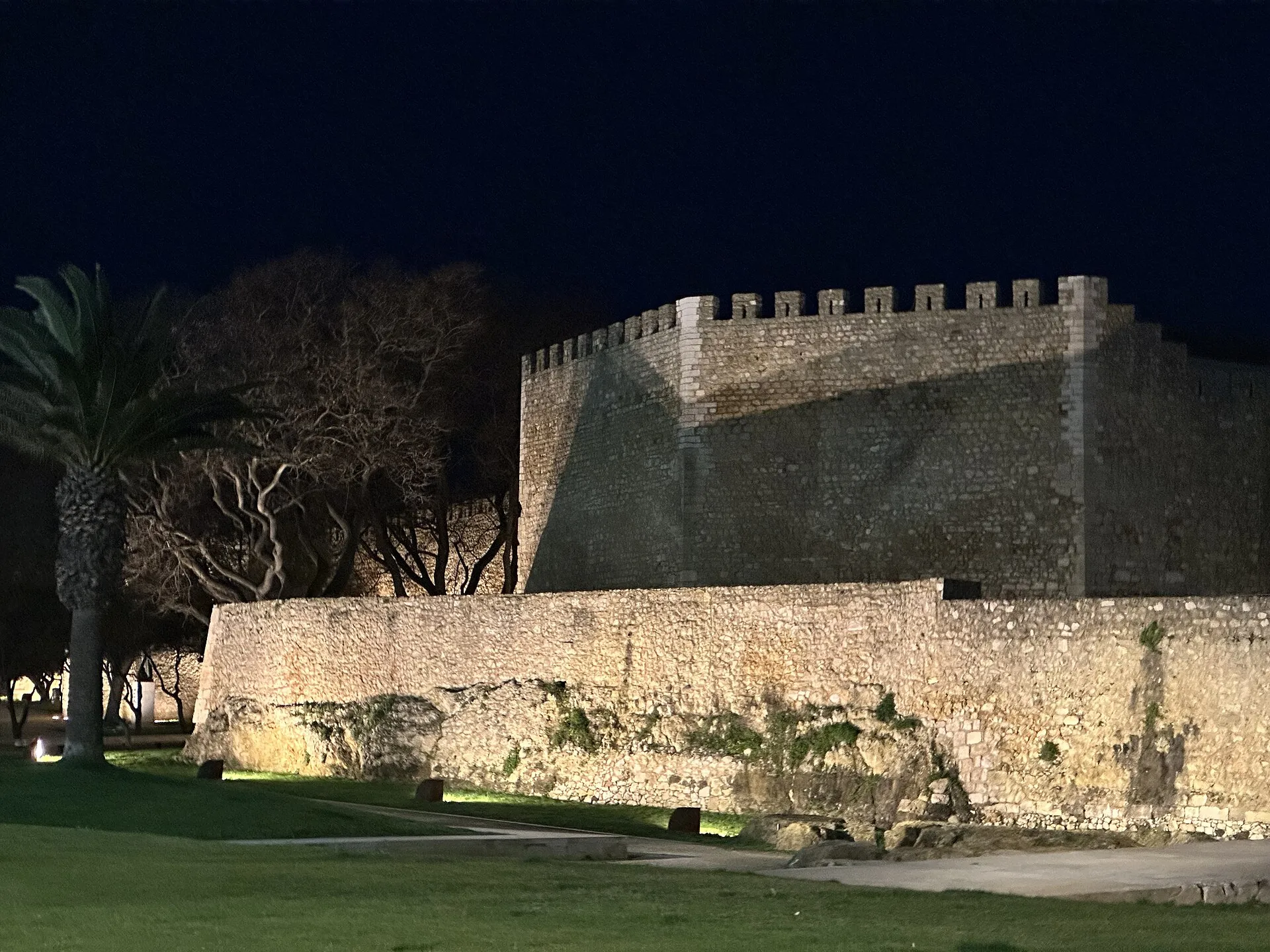
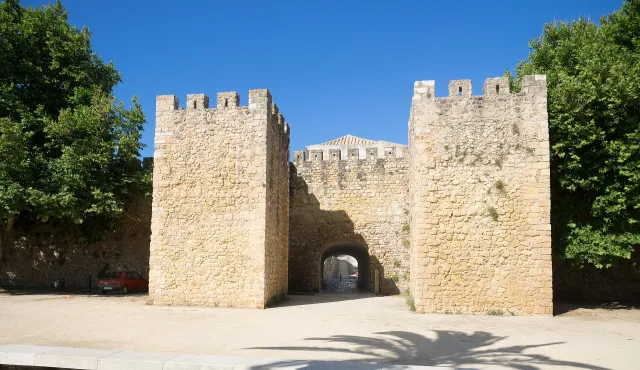
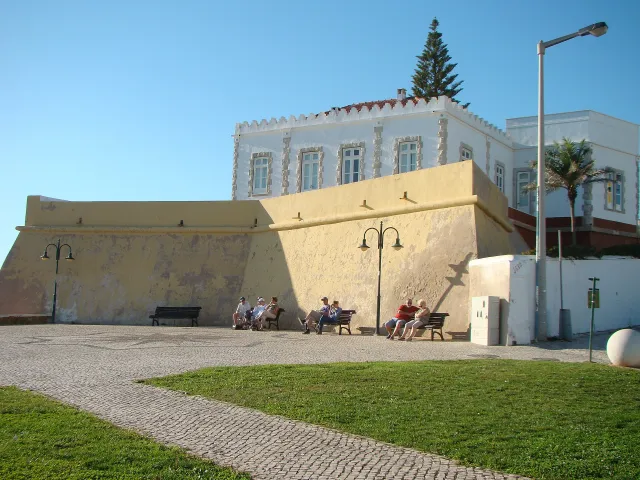
The Moors arrived in the 8th century from North Africa, renaming the settlement Zawaia (meaning lago, or lake). It became part of the much larger coastal region of al-Gharb, which eventually became known as the Algarve. The Moors fortified the town with Lagos Castle and established important trade links to Northern Africa from their bases in the Iberian peninsula.

 1 / 6