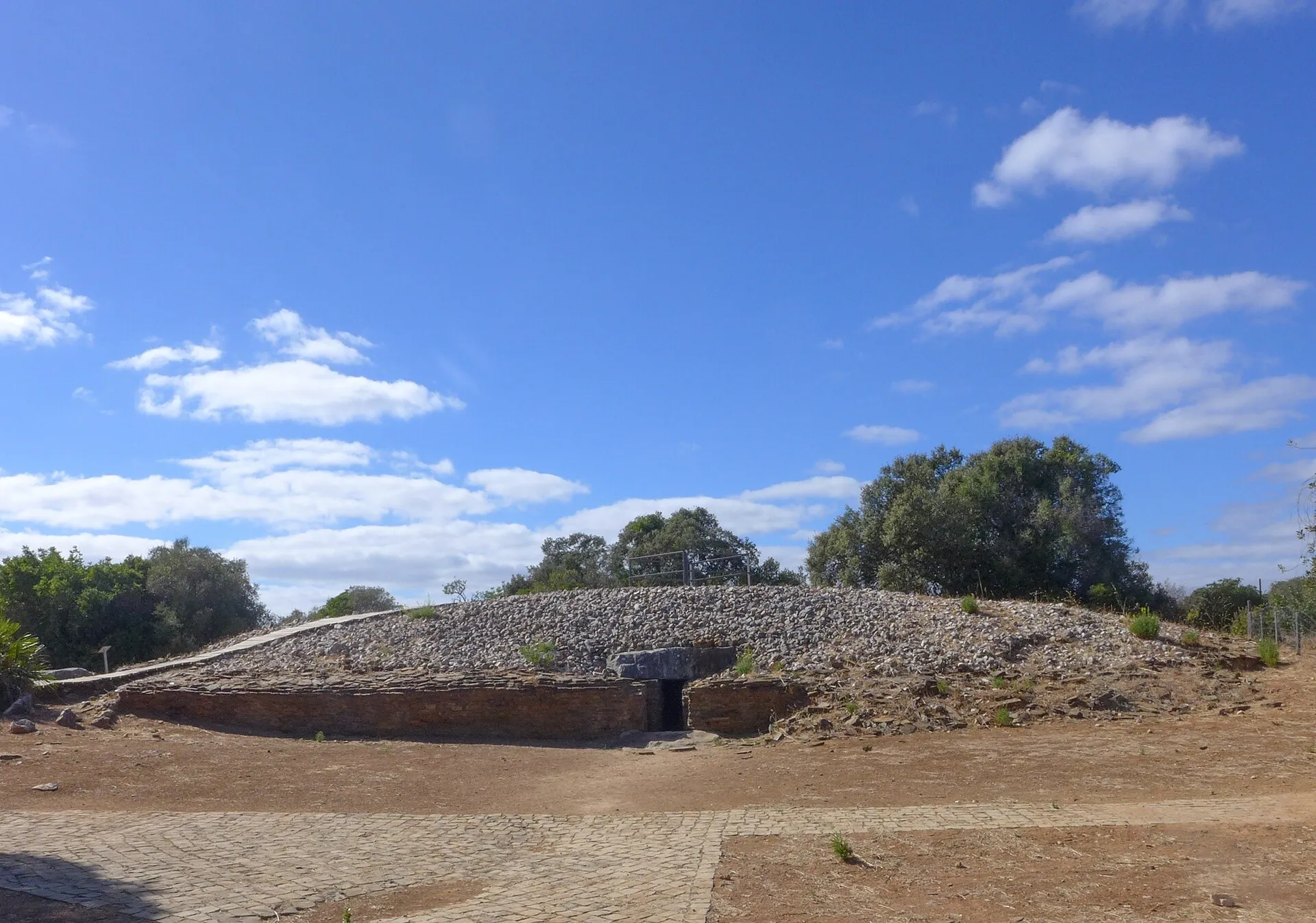
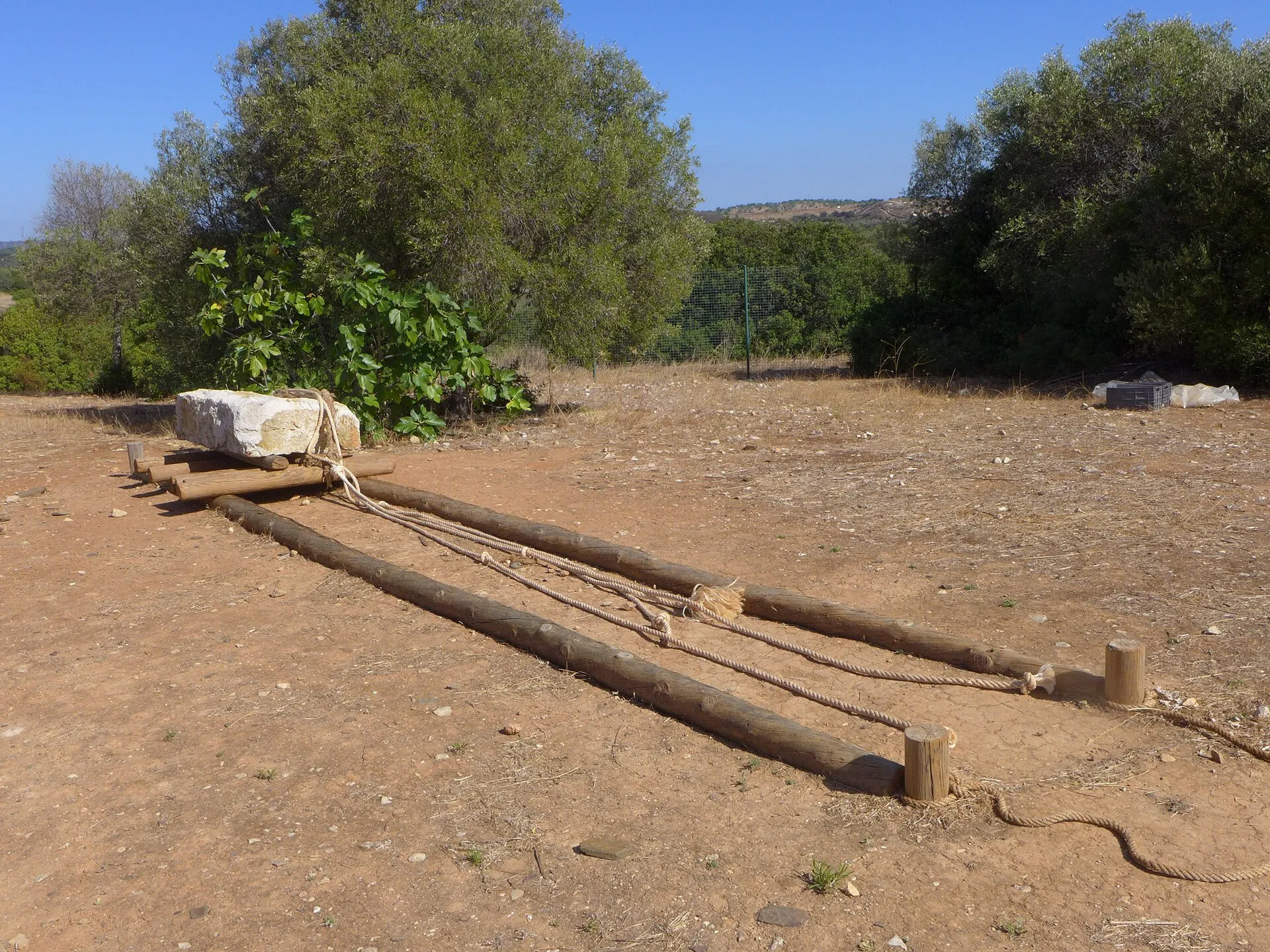
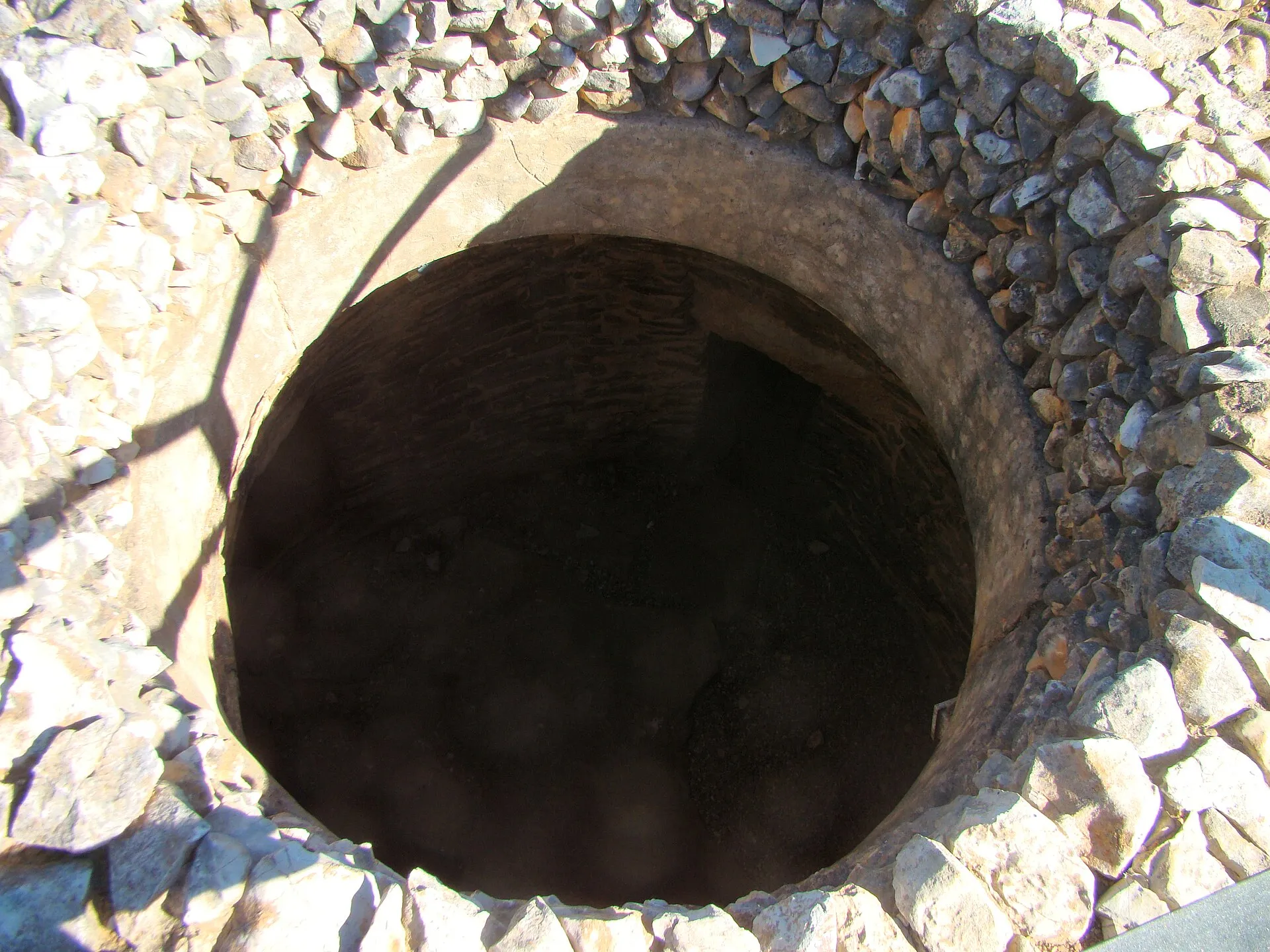
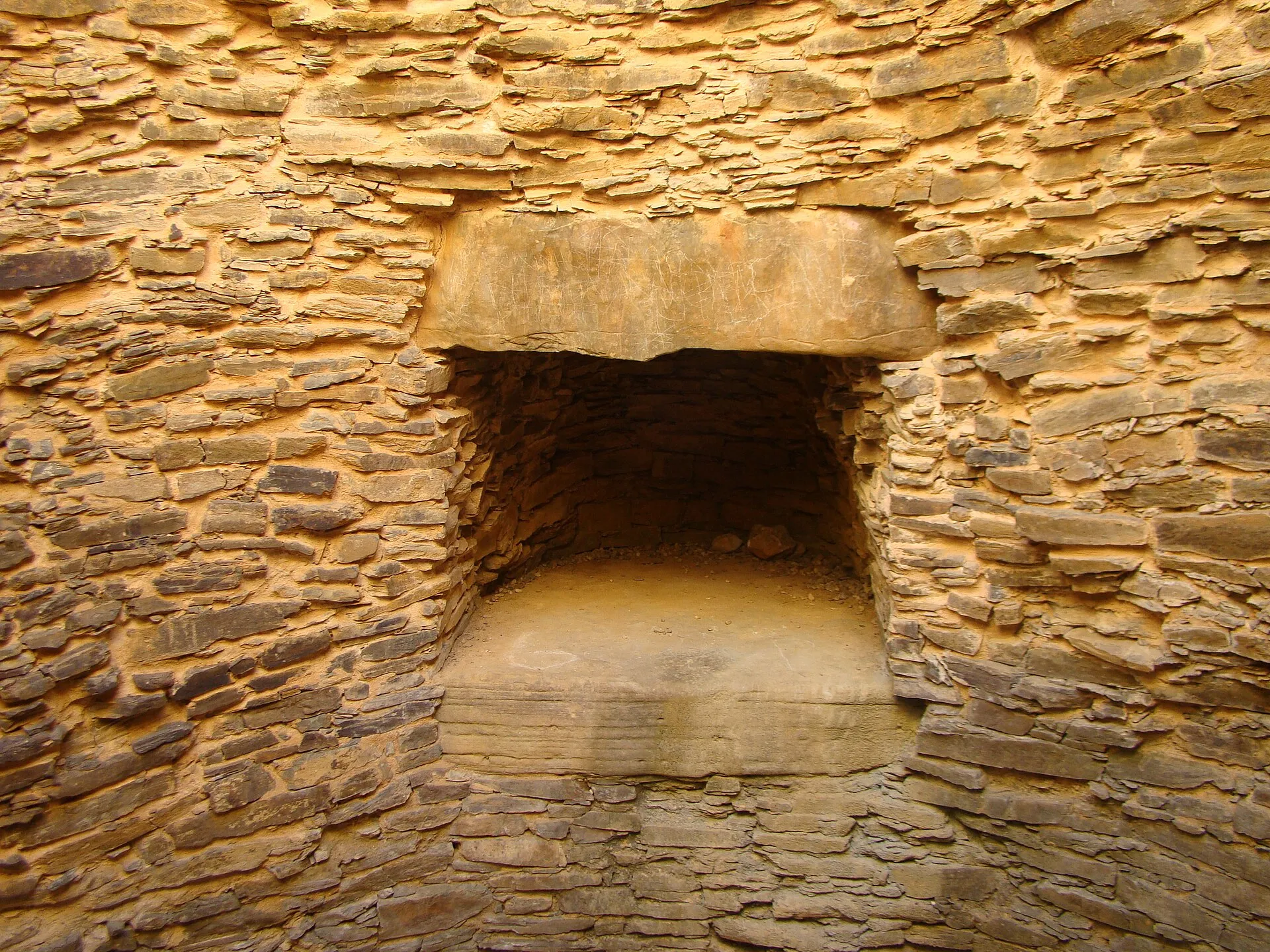
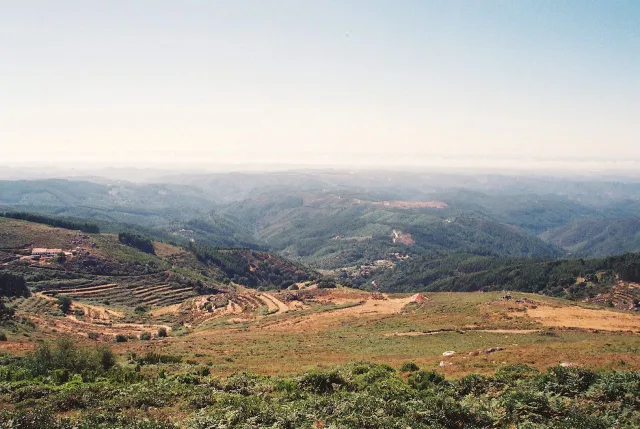
Around 18 different megalithic tombs were constructed in the surrounding hills, forming a necropolis using various building techniques over time.
In 1975, the State partially acquired Tholos 7. The following year, a fence was constructed to protect the site.
In 1982, the State acquired the rural house called Courela das Minas and completed repairs to the fencing around the site.
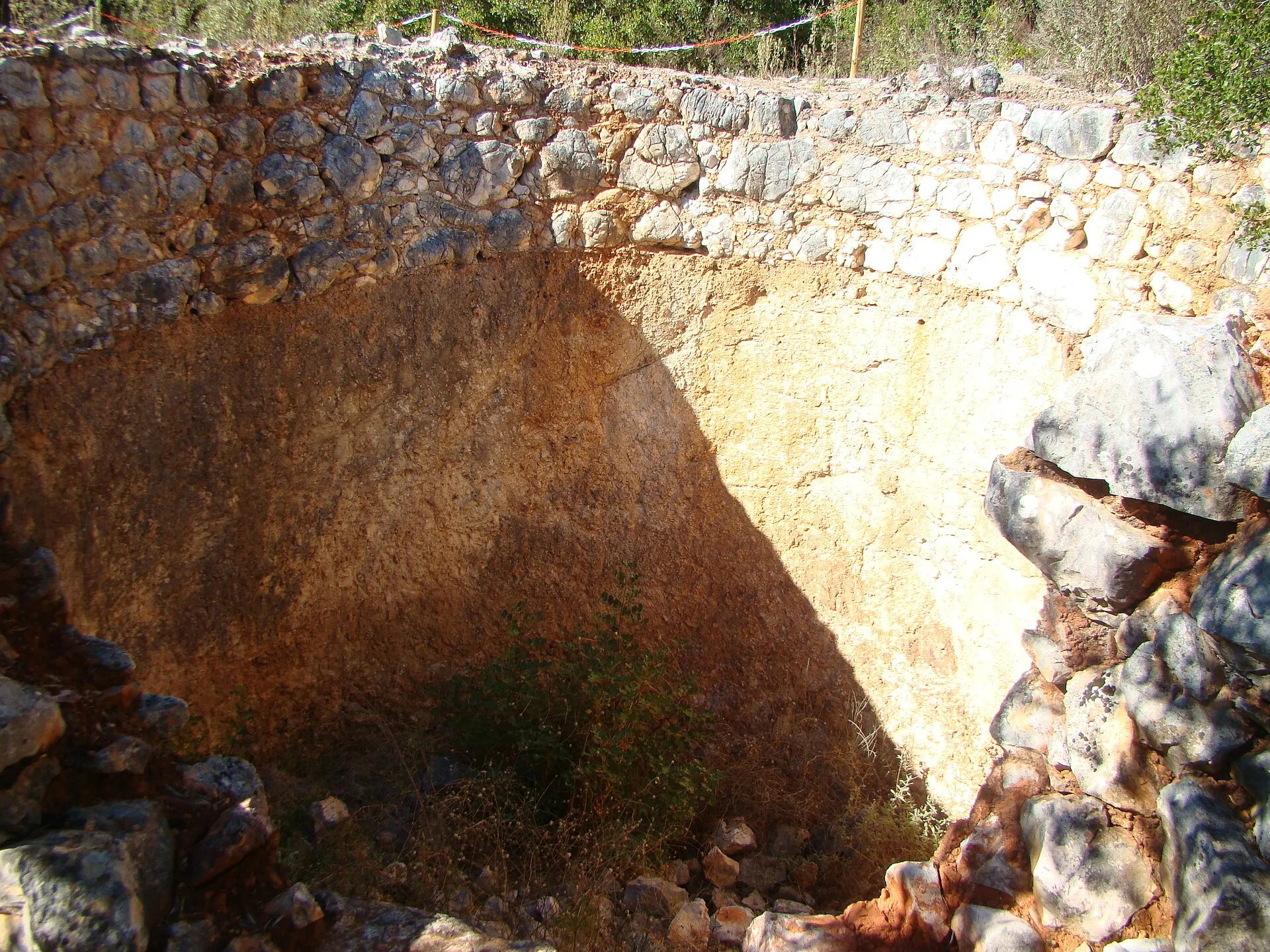
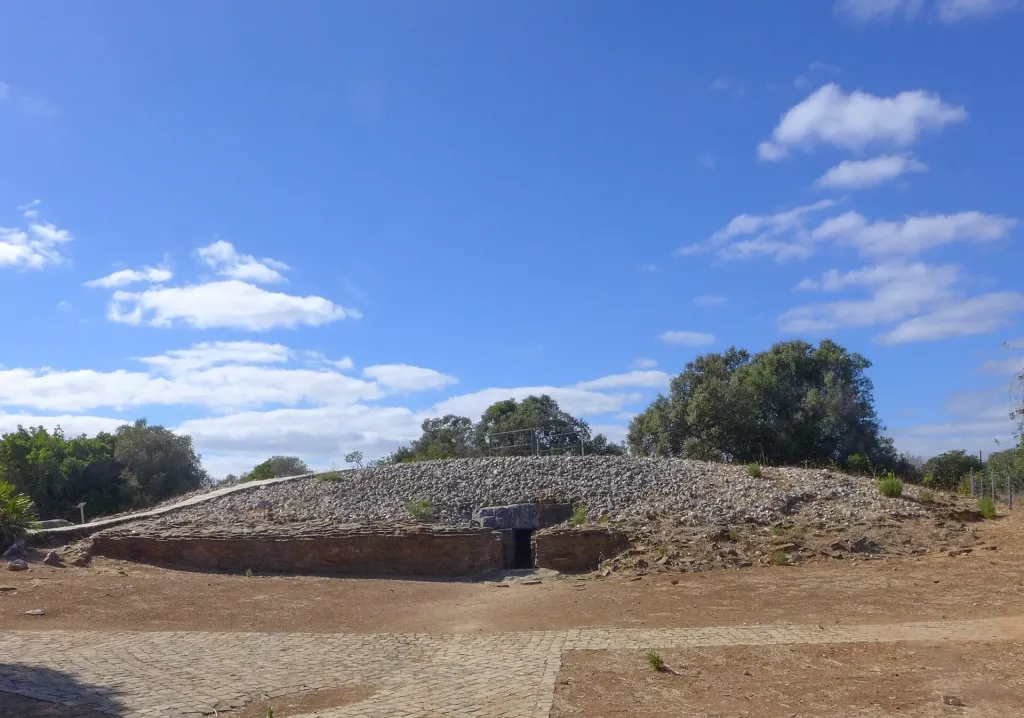
During the 1990s, excavation of the monument and limestone sub-soils of Monte de Canelas was undertaken, resulting in the discovery that the space was used as ossuary, where various rituals were completed, mostly in the deceased buried in the fetal position. These investigations culminated in the 8 April 1997 dispatch, enlarging the area of protection by the Vice-presidency of the IPPAR.
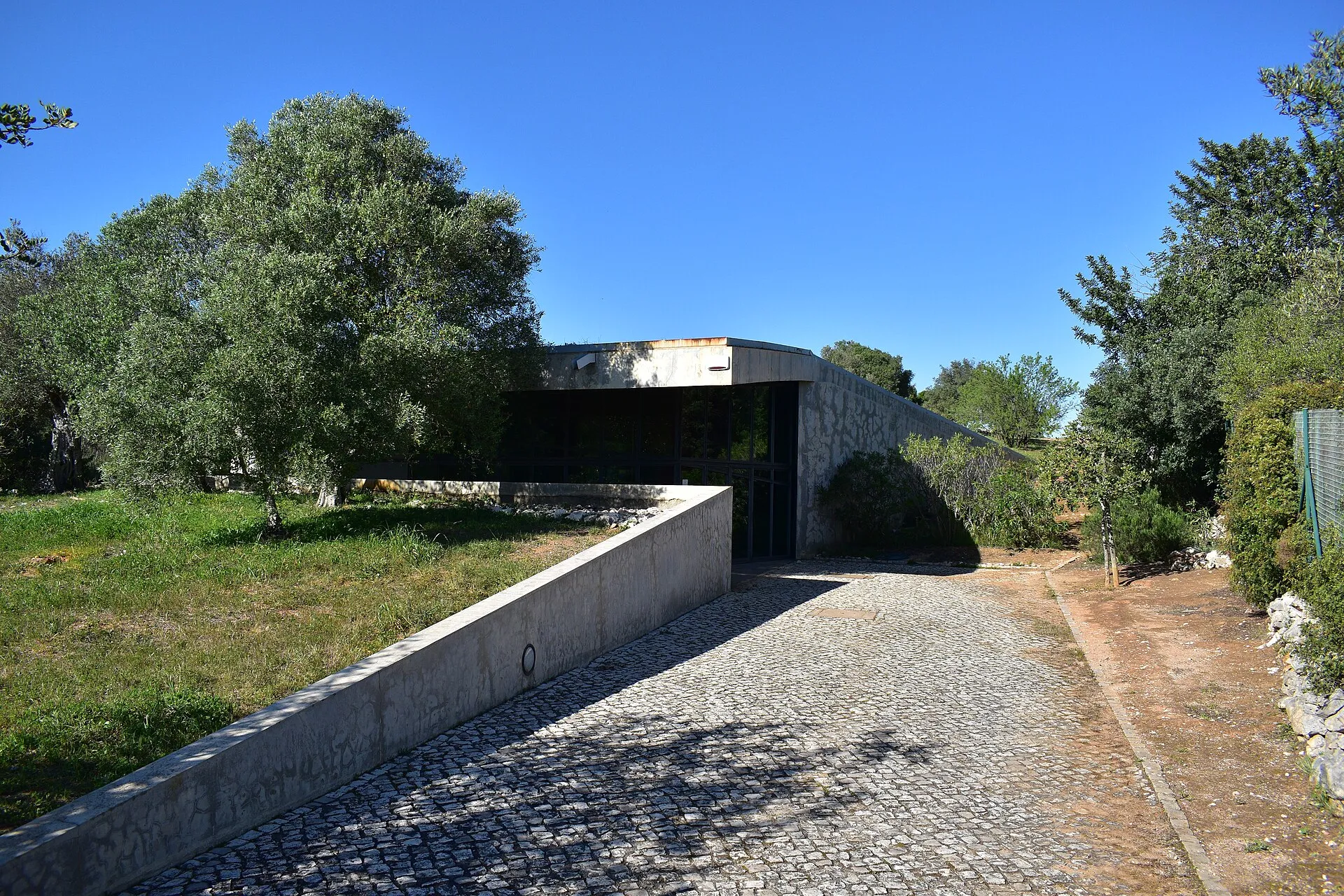
On 23 October 1998, under the auspices of the Programa de Salvaguarda e Valorização do Conjunto Pré-histórico de Alcalar (Program for the Safeguarding and Valorization of the Pre-historic monuments of Alcalar), Dispatch 18 364/98, (published in the Diário da República, Series 2, 245), the State proceeded to expropriate the rural buildings in the centre of the civil parish of Mexilhoeira Grande (under article 160, secção J). This was followed on 7 May 1999, under the same program, under Dispatch 9109/99 (published in the Diário da República, Serie 2, 106), the acquisition of the rural house Courela das Minas, under article 161, section J, for an interpretative centre, designed by João Santa-Rita. In 1998, the IPPAR was involved in work to restore the burial mound, providing access to the gallery of Tholos 7, recomposition of the megaliths, drainage of the spaces and adequate protection, which further involved the a geotectonic study of the site.
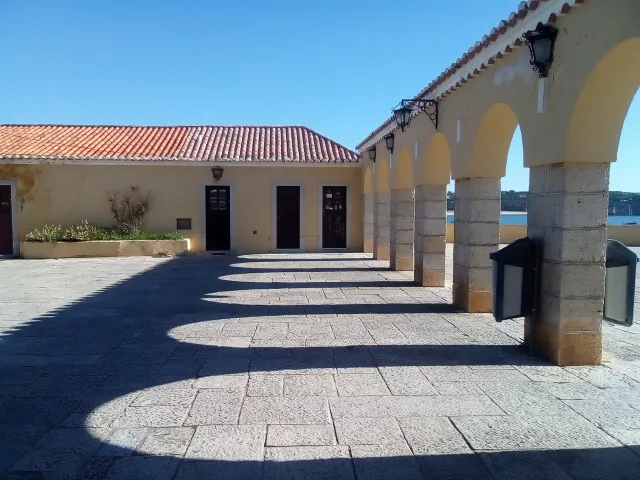
In October 2000, the Centro de Acolhimento e Interpretação dos Monumentos (Interpretative and Study Centre), constructed by the IPPAR, under the Programa de Salvaguarda e Valorização do Conjunto Pré-histórico de Alcalar was inaugurated to the public.

 1 / 6