Sometime during the 12th century, the region of Évora Monte was conquered from the Moors by the forces of Geraldo Sem Pavor. By 1248, a foral (charter) was issued to the region to provide incentives for settlement, which was reaffirmed in 1271.
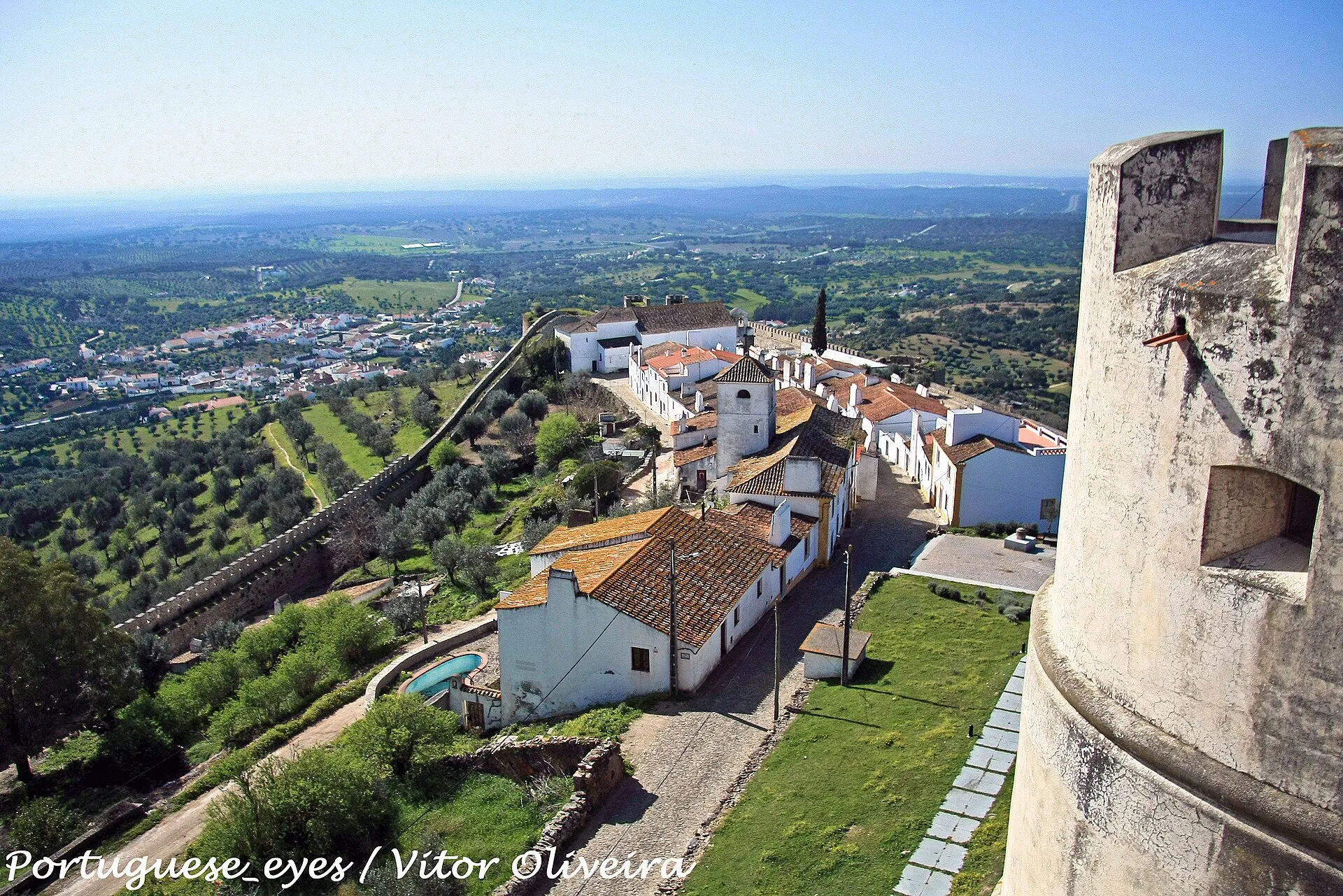
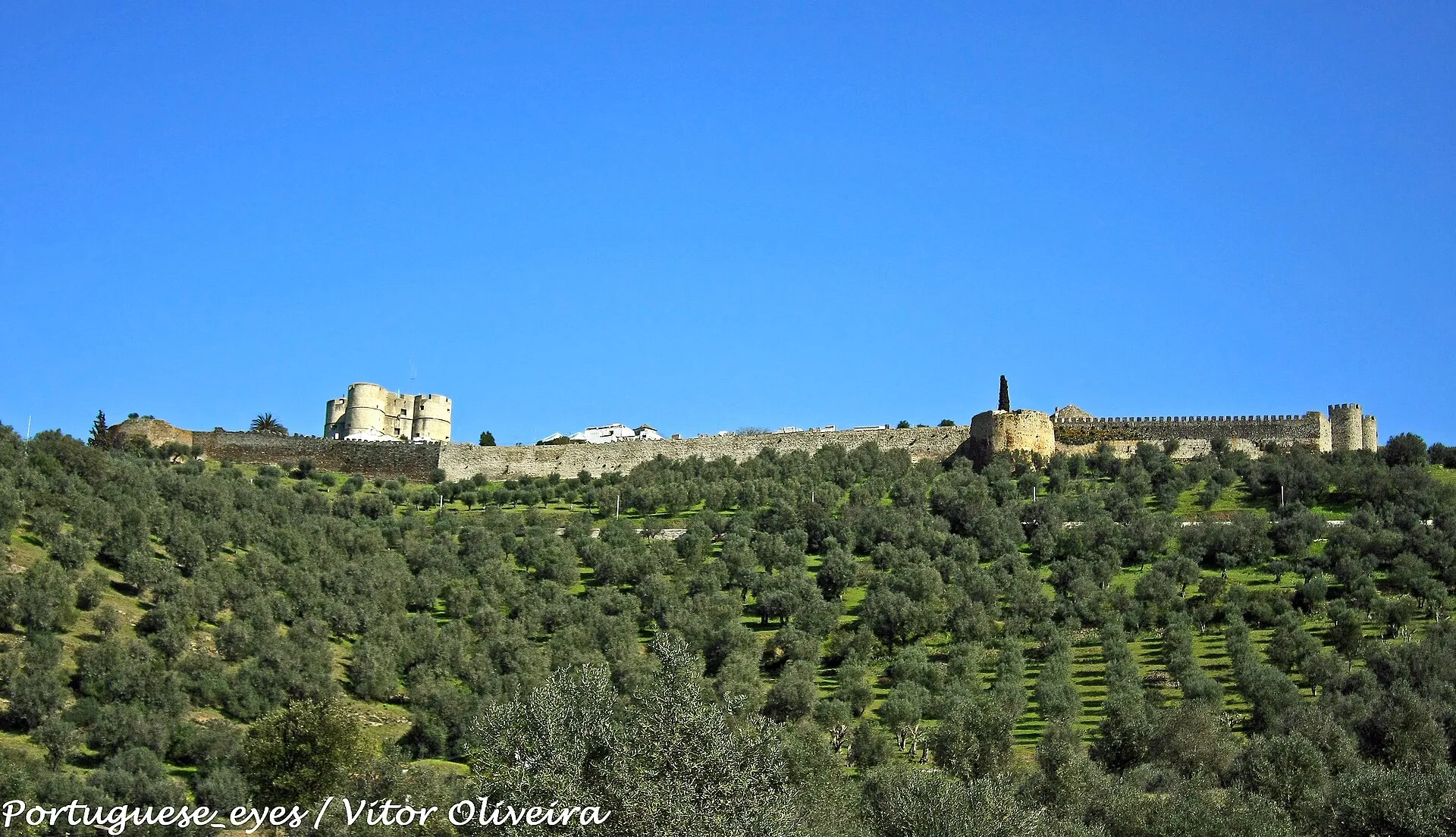
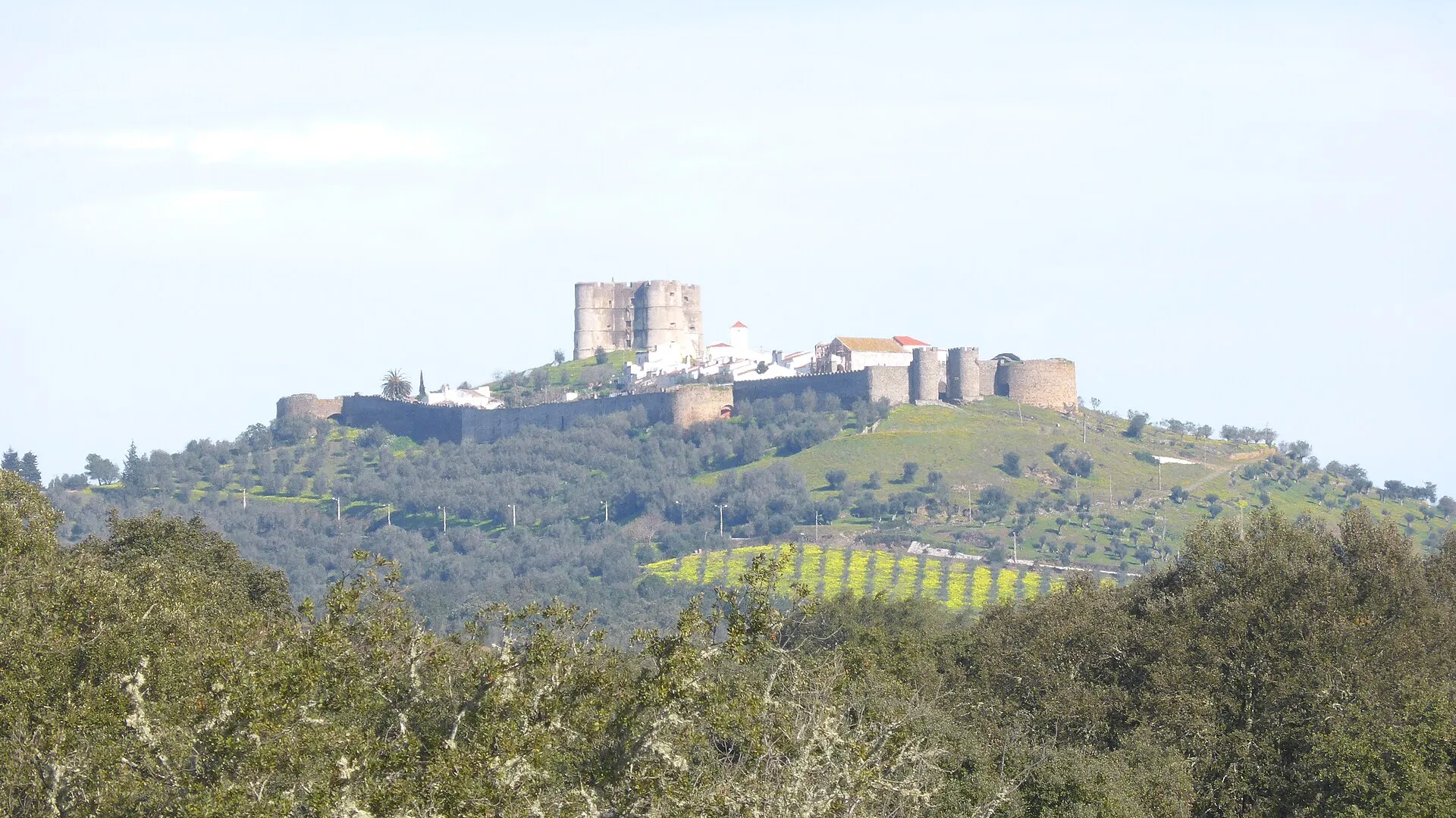
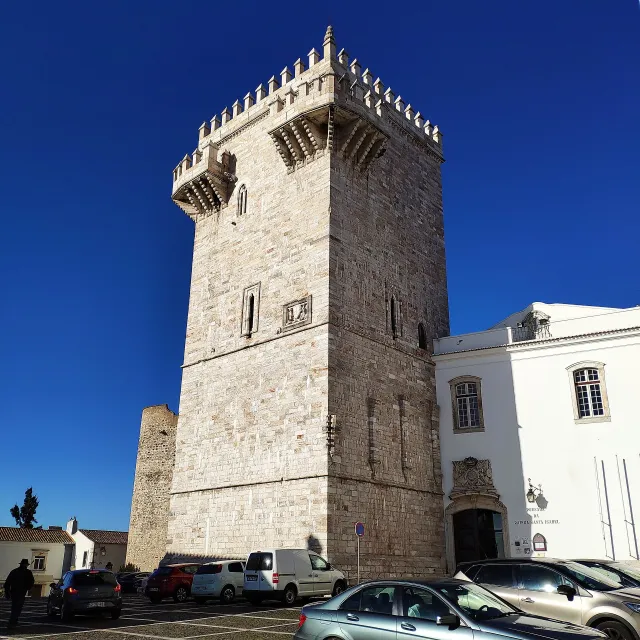
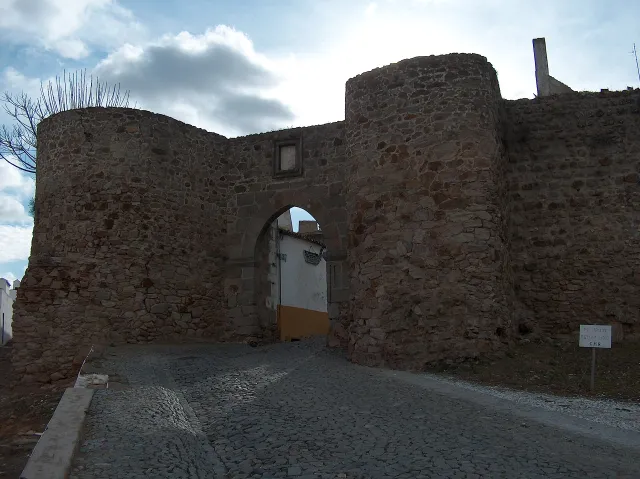
Around 1306, King Denis ordered the fortification of the town: it was at this time that construction of the castle began, that included the main structure, walls and gates.
After the rise of John I of Portugal to the Portuguese throne, the castle and associated lands were given to the constable Nuno Álvares Pereira, who later passed them on to his grandson.
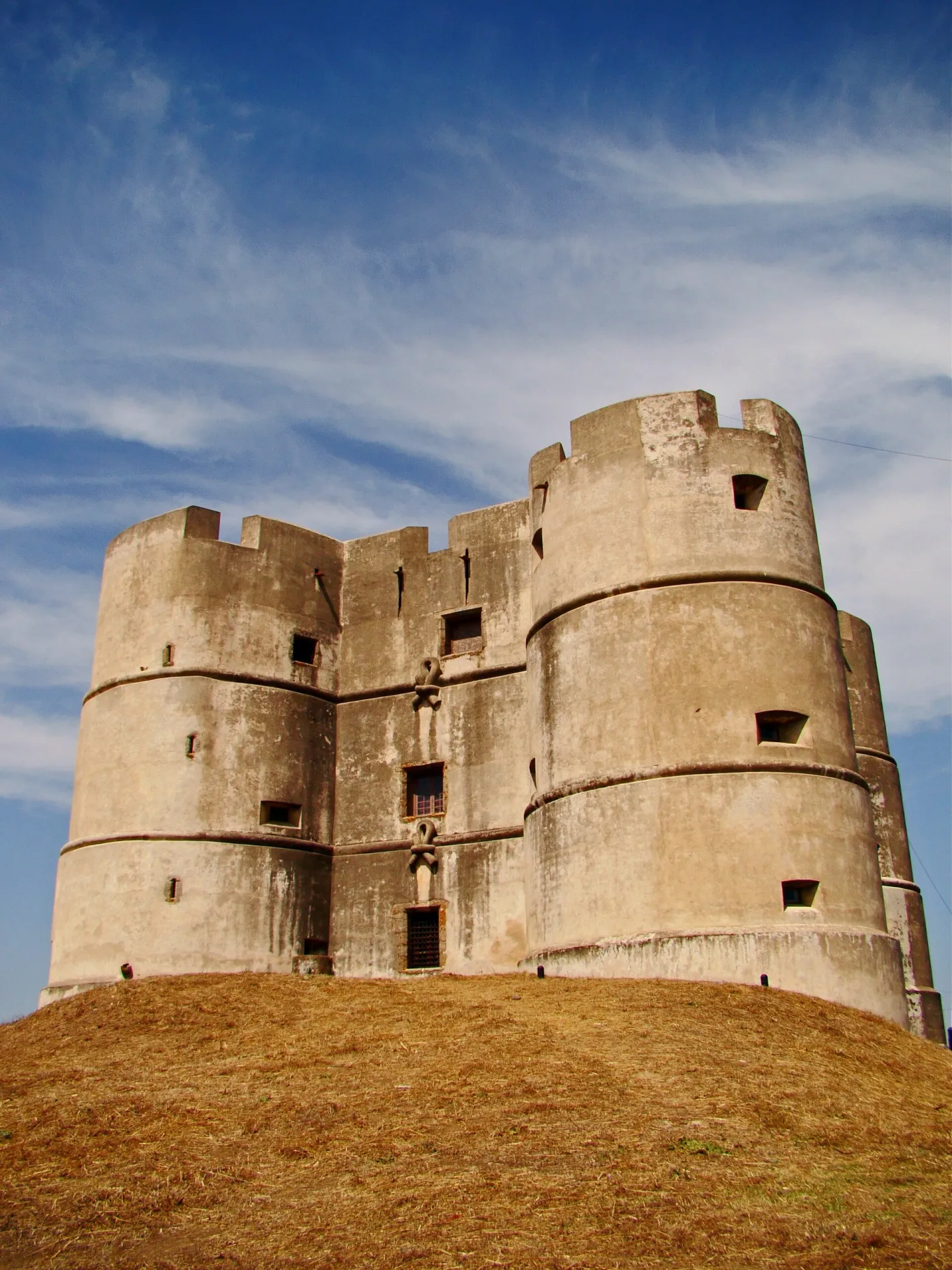
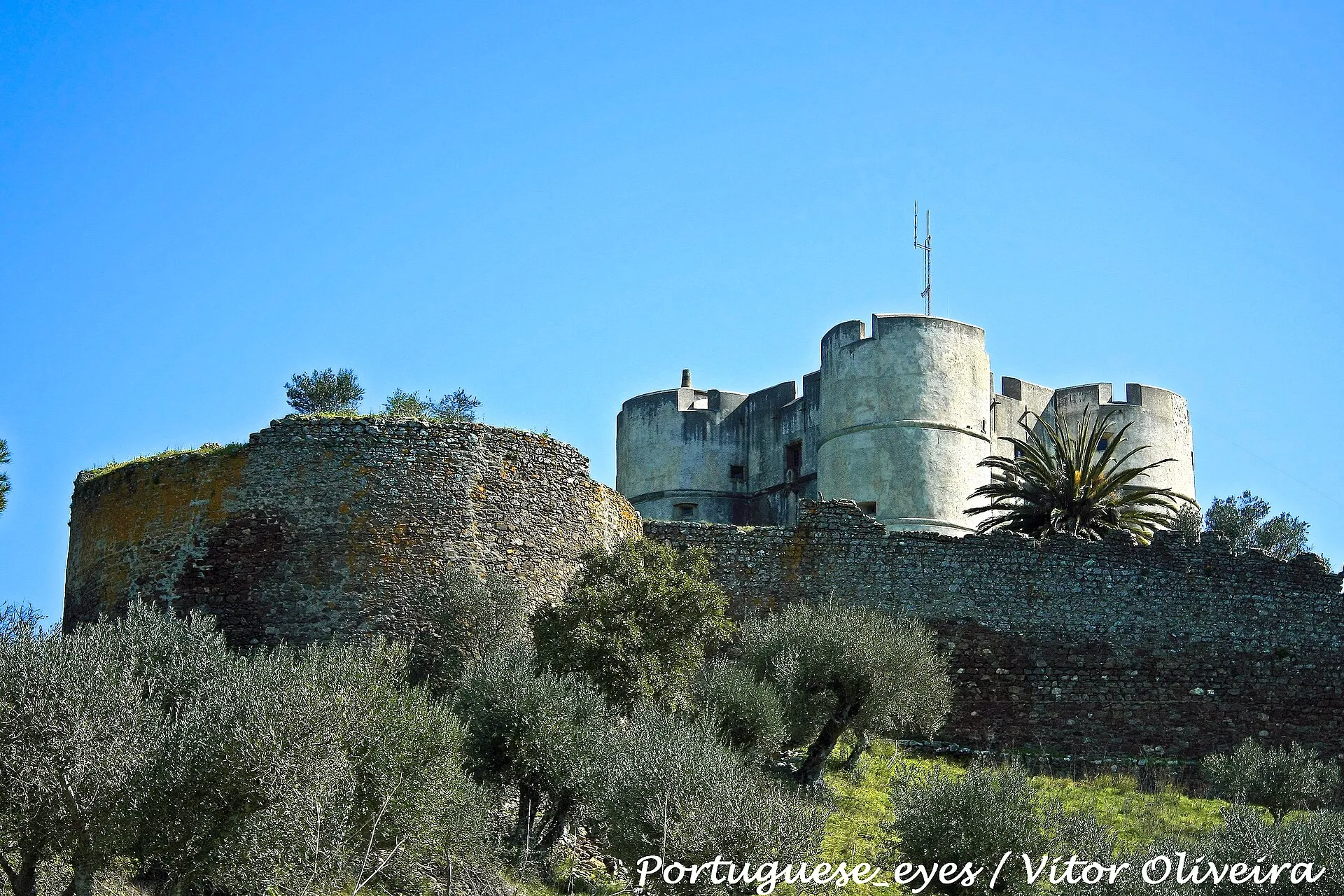
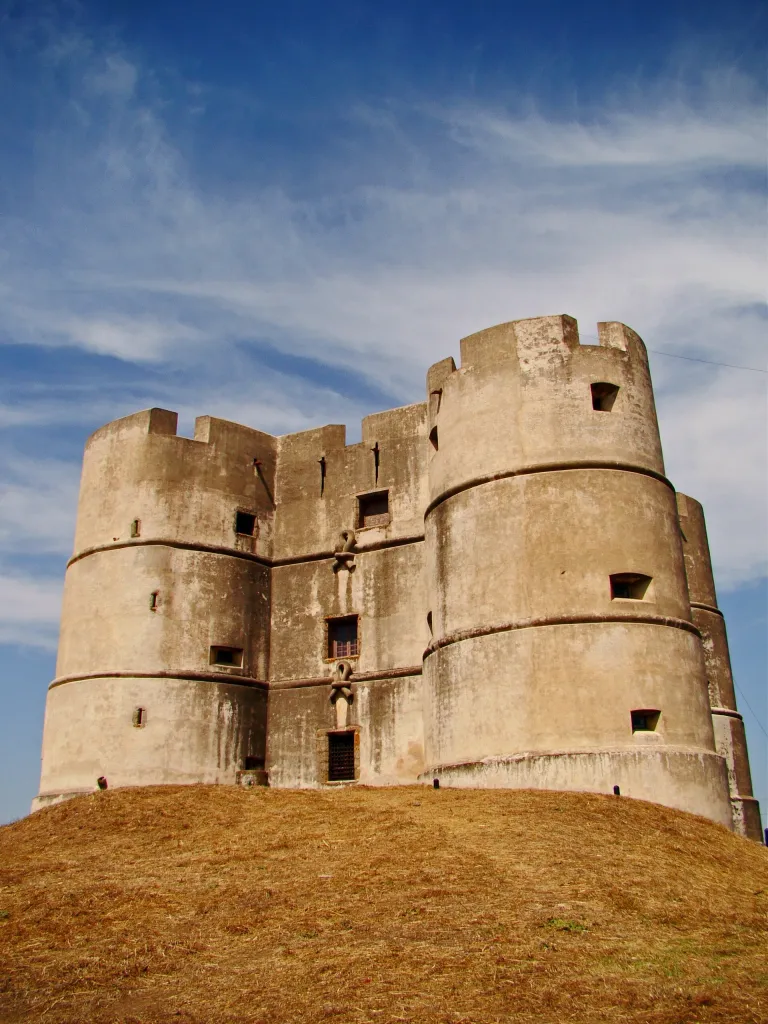
A new foral was issued in 1516, by King Manuel. The reconstruction campaign during Manuel's reign, beginning in 1516, resulted in the fortification with four cylindrical towers defining the rectangular perimeter by Francisco de Arruda (completed in 1531).
The 1531 Lisbon earthquake destroyed the keep tower of the medieval castle. This structure was then rebuilt by Teodósio I, Duke of Braganza, who, at that time, was master of the region and town.
On 26 May 1834, the Concession of Evoramonte was signed between Miguel of Portugal and his brother Peter IV of Portugal, in the name of his daughter Maria da Glória, ending the Liberal Wars.
In 1855 the municipality of Evoramonte was extinguished, and its historical administration divided into the neighbouring municipalities of Estremoz, Évora, Arraiolos and Redondo.
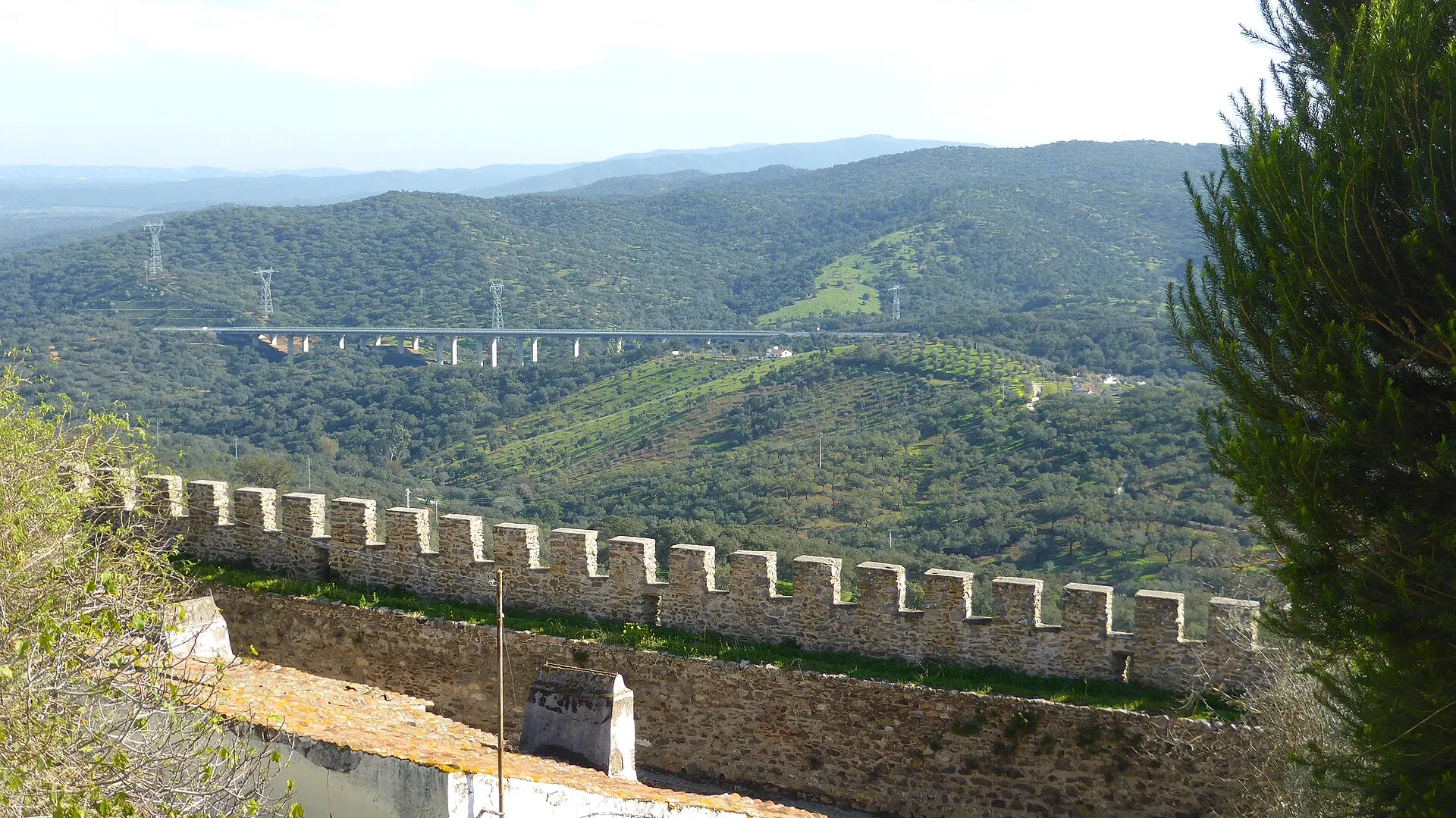
Between 1930 and 1940, were the first public works to recuperate and renovate the grounds and castle of Evoramonte, under the supervision of the Direcção Geral dos Edifícios e Monumentos Nacionais (DGMEN). These actions, which primarily occurred in 1937, included the restoration of the towers and the consolidation of the parapets.

 1 / 7