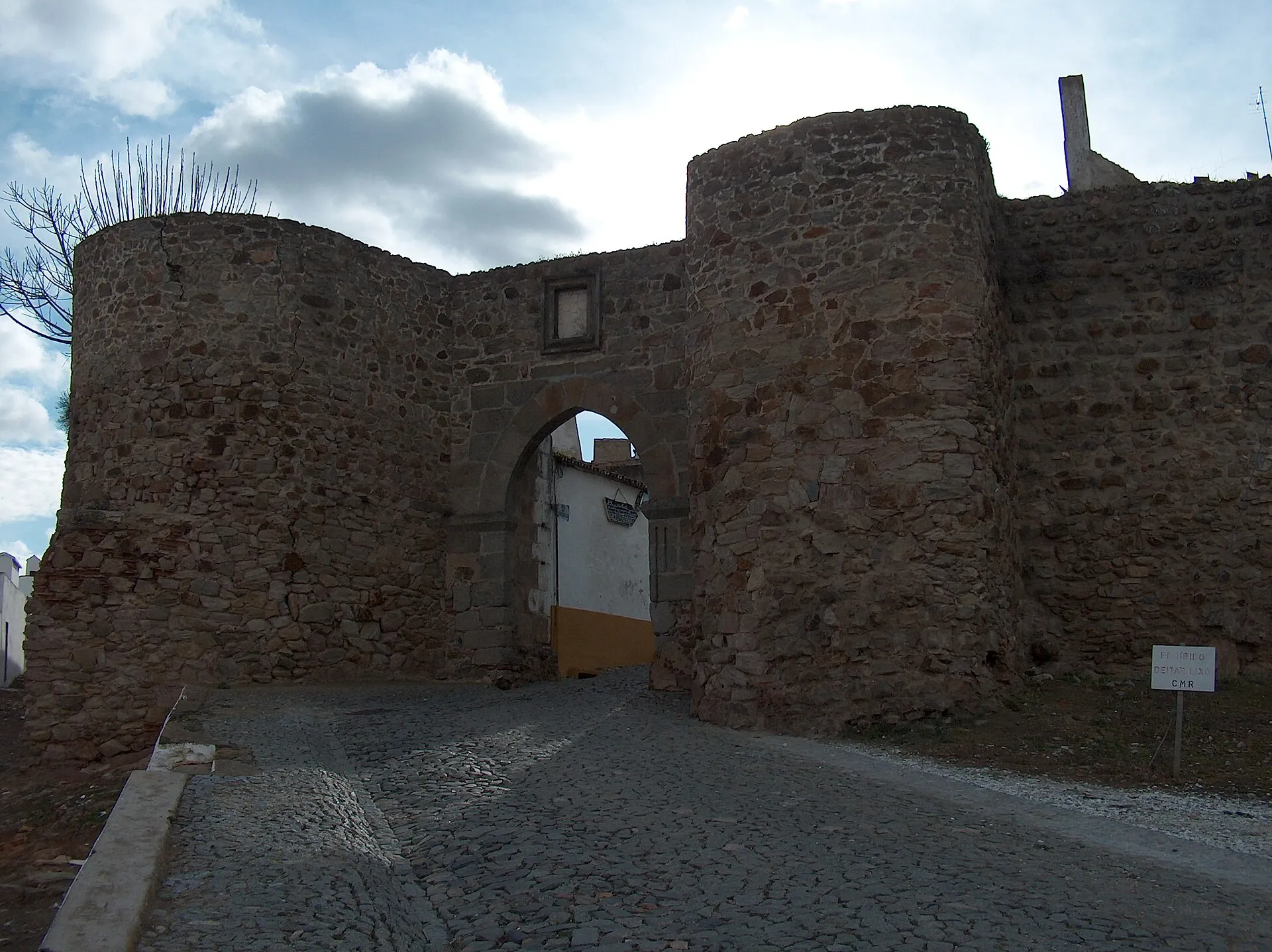
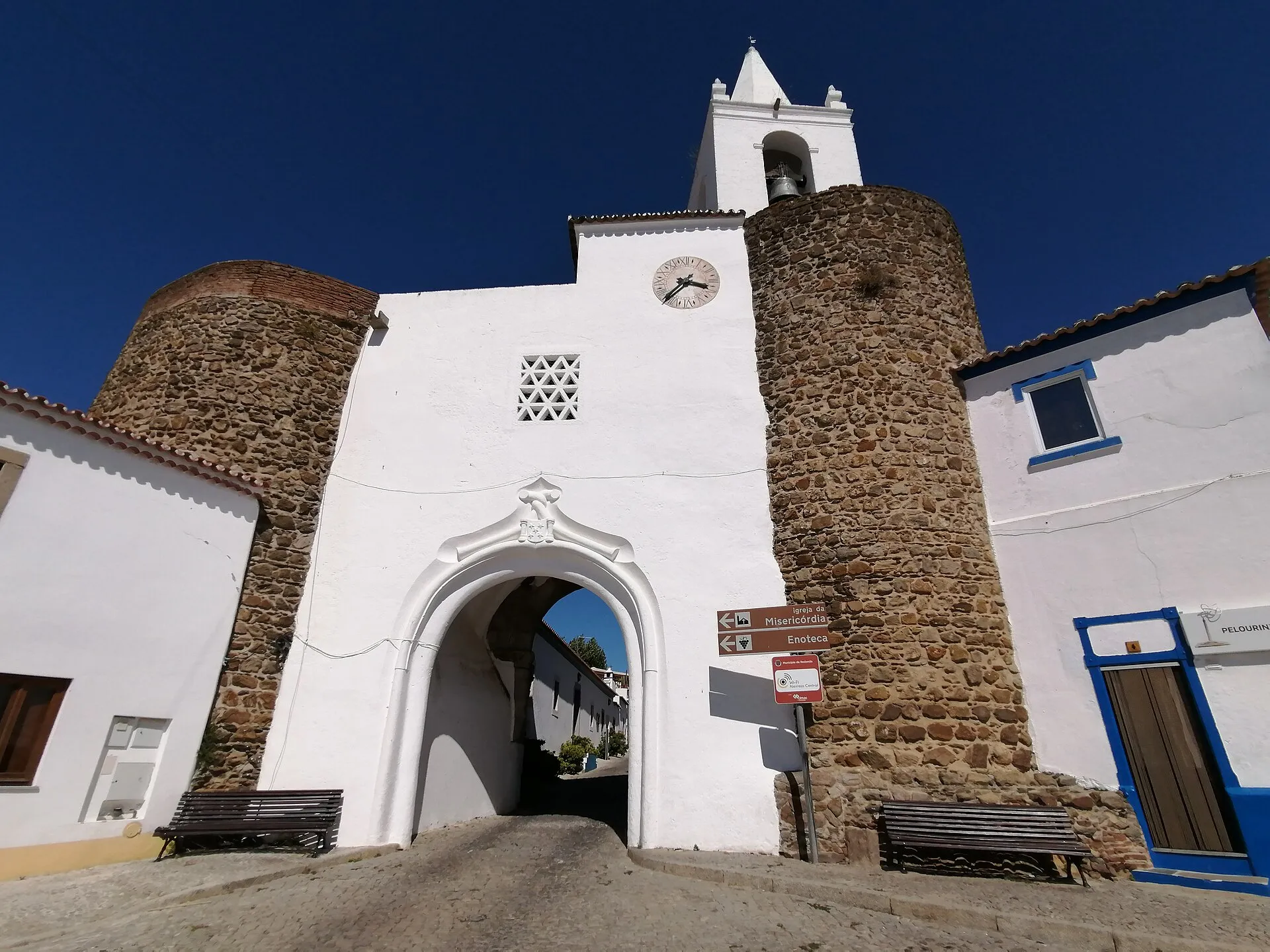
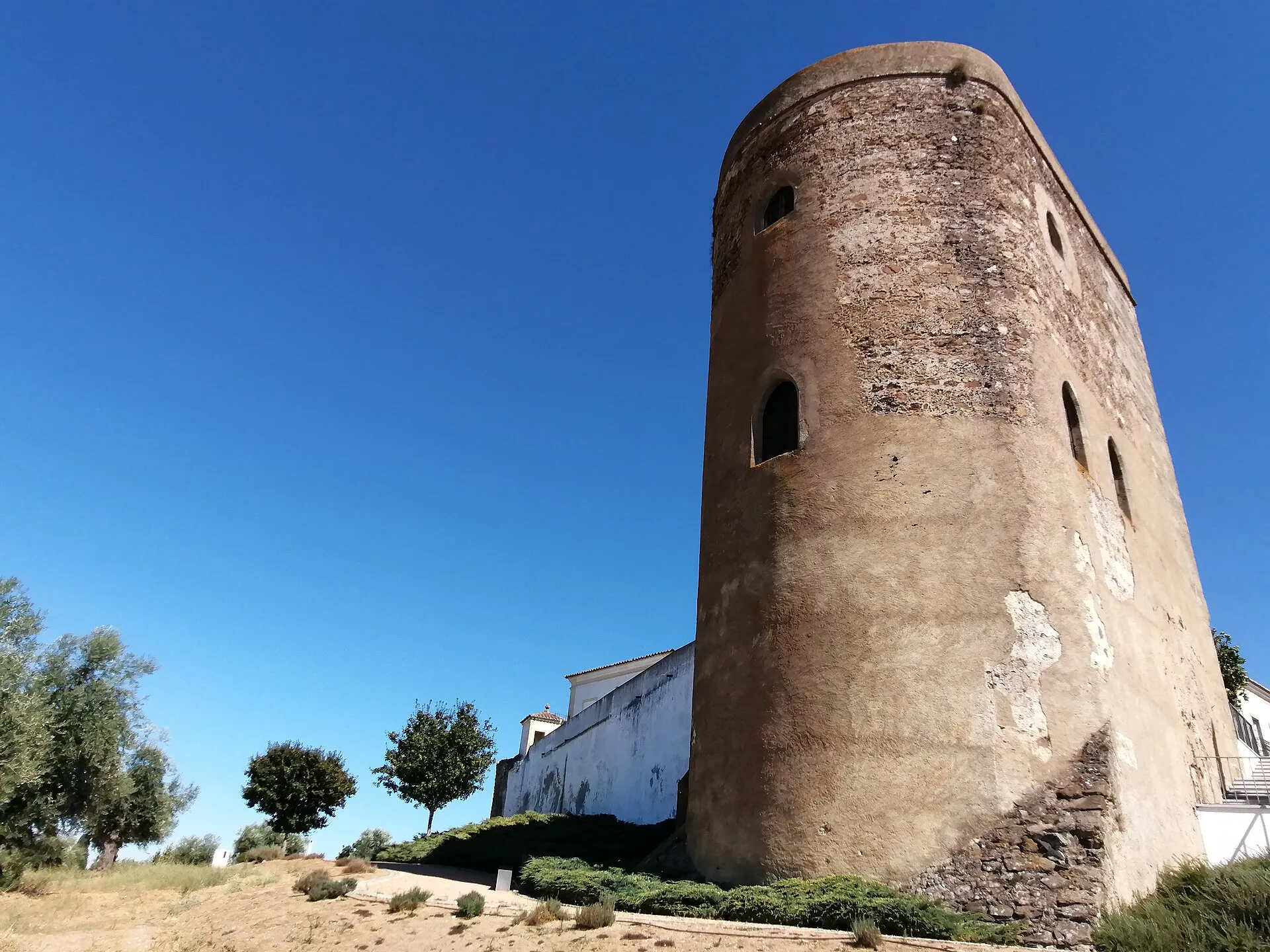
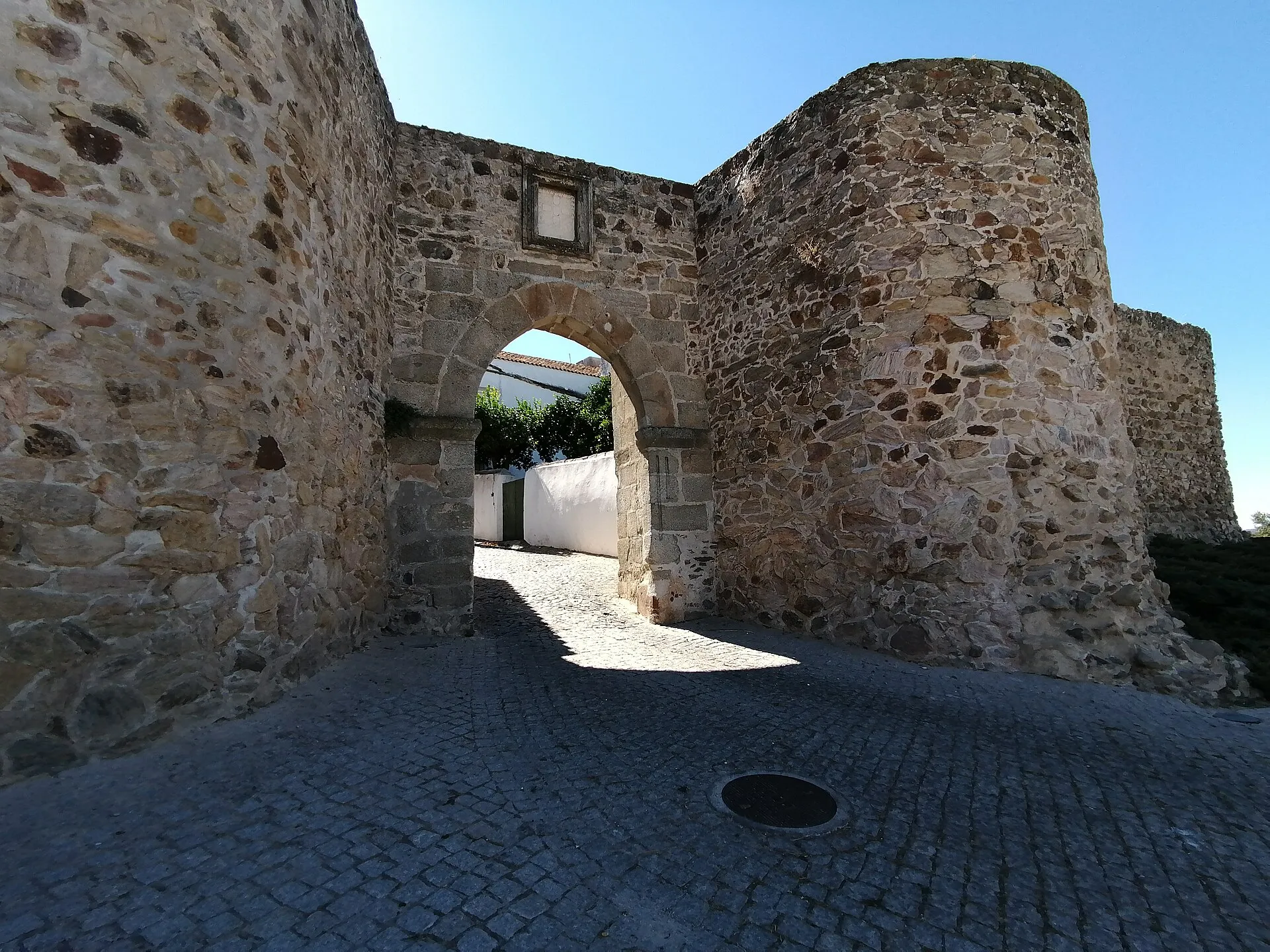
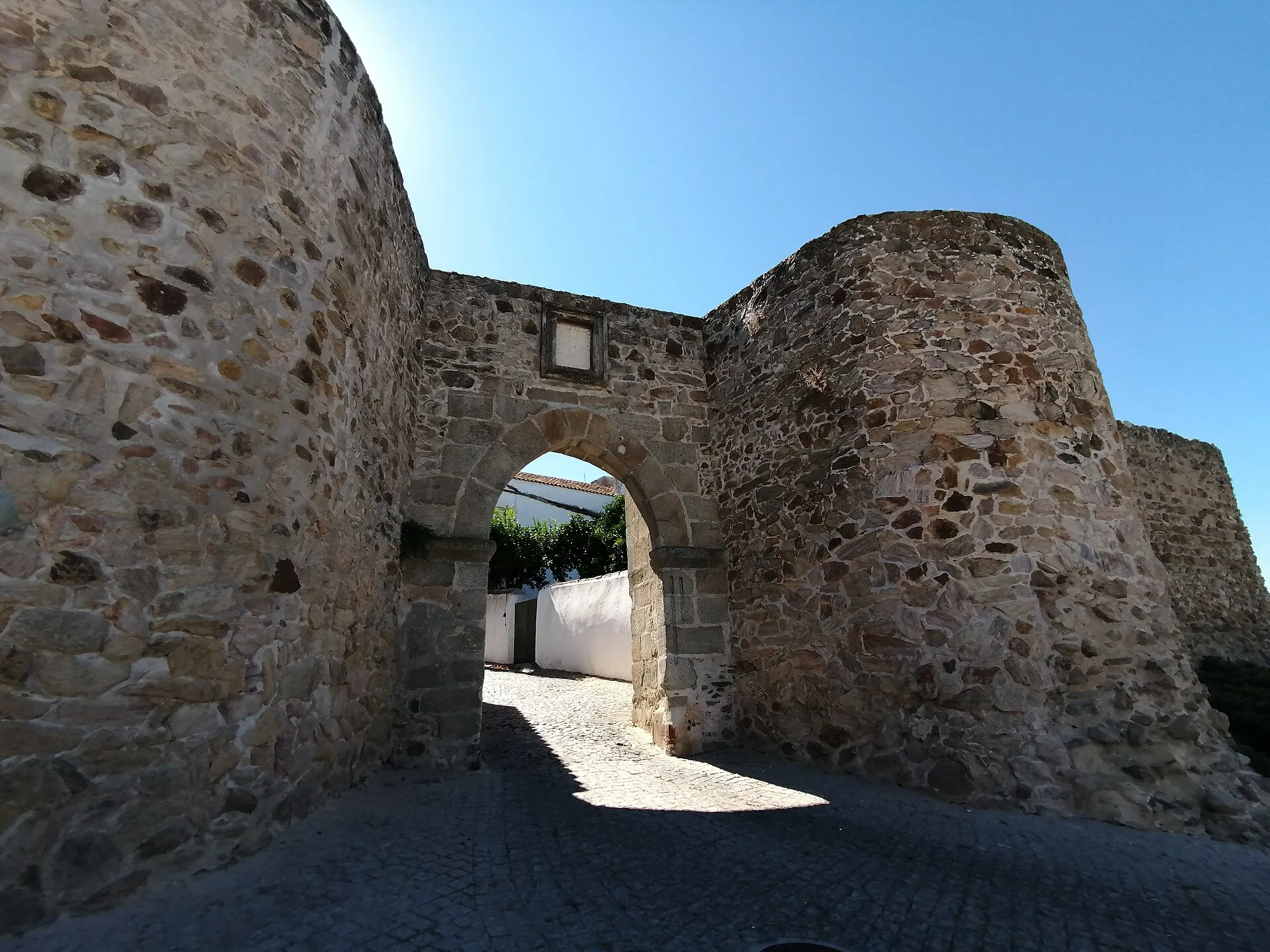
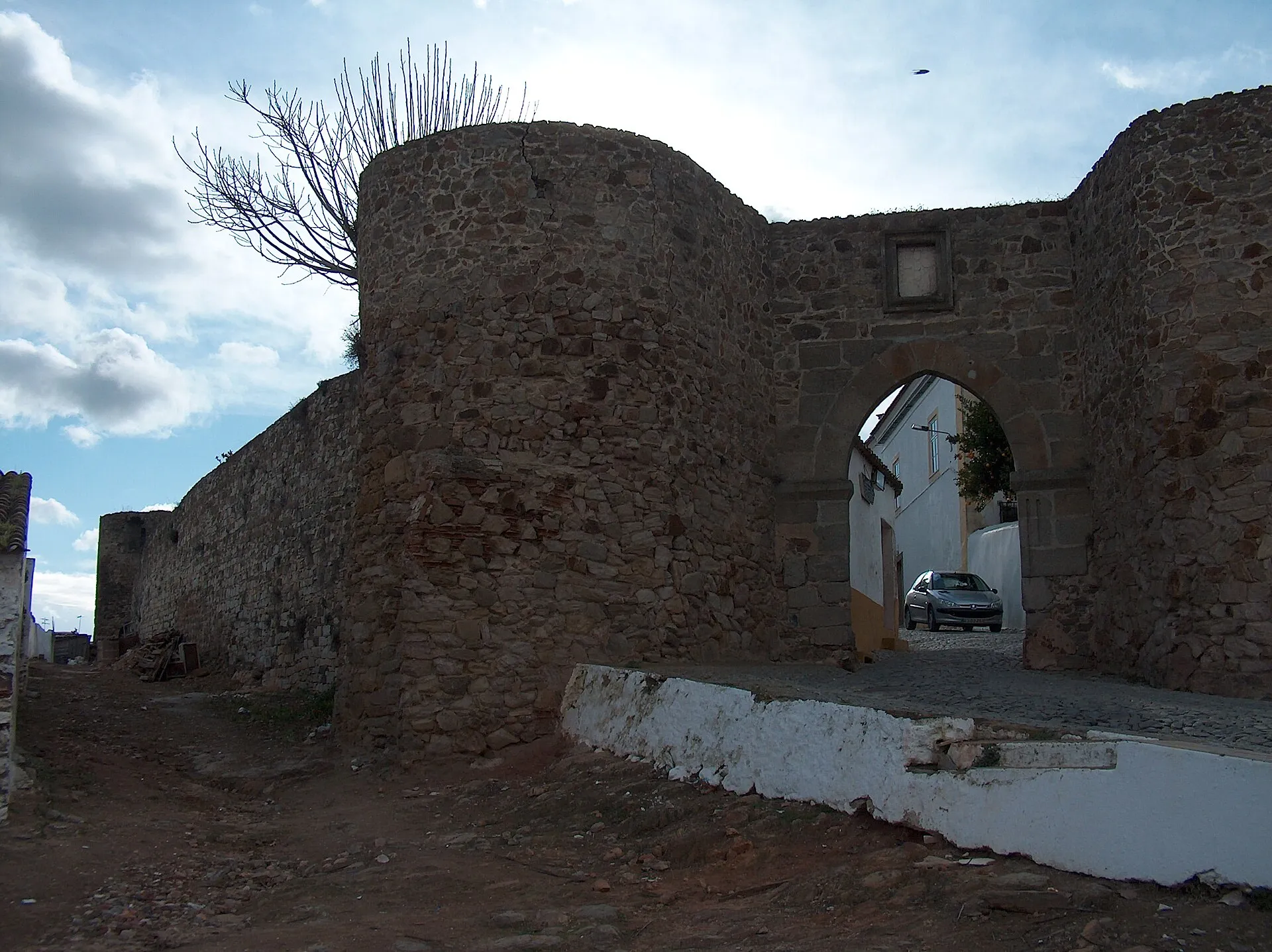
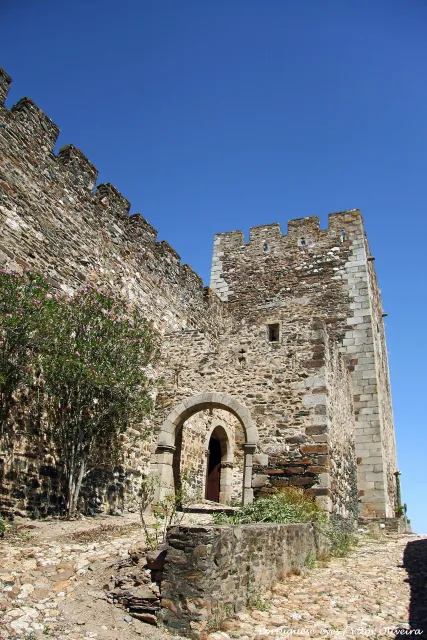
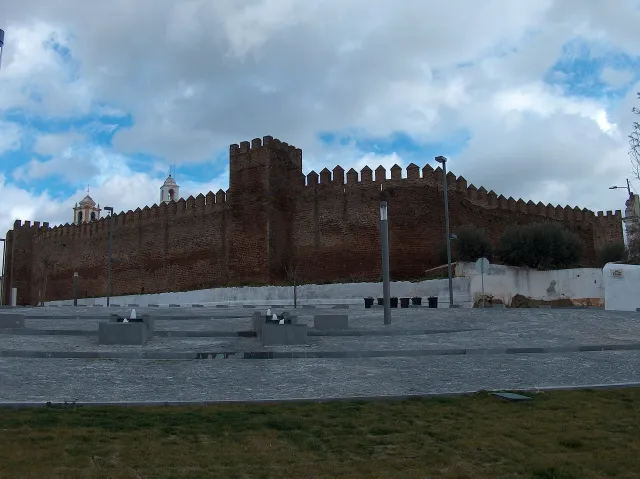
The castle was part of the northern Alentejo fortifications restructured by King D. Dinis that were donated to members of the nobility during the late medieval epoch, representing significant alterations during the Manueline era. By order of King D. Dinis, in 1312, the castle was reconstructed, during the same epoch as the erection of the keep tower and the fortification wall and towers. On 27 April 1318, the foral was reconfirmed by King D. Dinis.
In 1418, King D. John conceded privileges to the castle and obligated that travellers between Alandroal and Vila Viçosa pass through the settlement, as a way of expanding commercial activities in the town.
Between the 15th and 16th century, the Torre da Alcaidaria (Alcalde Tower) lost most of its importance, while the residence of Redondo petitioned the king to construct a new tower. By the end of the 15th century, the construction of the keep tower was completed, and the structure became part of the donation of Vasco Coutinho, by King D. Manuel I.
On 2 June 1500, Vasco Coutinho was nominated as captain of Arzila, as the first Count of Redondo.
A new foral was signed by King D. Manuel I on 20 October 1516.
Sometime in the 18th century, there were reports of vestiges of the palace of the Counts of Redondo in the periphery of the keep tower.
The DGEMN Direcção Geral dos Edifícios e Monumentos Nacionais (General-Directorate for Buildings and National Monuments) began restoration work on the keep tower in 1920. Between 1940 and 1950, the keep tower was used as a support building for the hospital of the Santa Casa da Misericórdia. During this period, it functioned as an isolation centre for patients infected with tuberculosis. Around 1961, the fortification walls around the parochial residence were in danger of collapse.
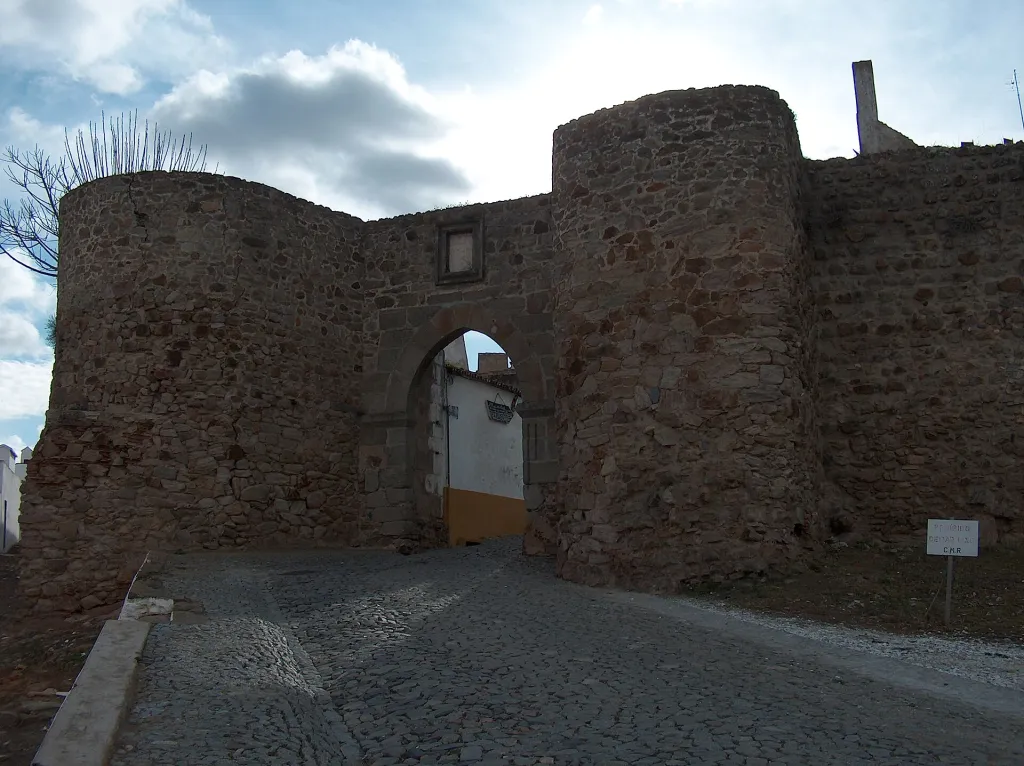
Further work on repairing the castle structures continued from the 20th century on, with the repair of the walls in 1943, and conservation and consolidation projects to shore-up the structure between 23 and 27 April 1962, including the restoration of the Portas da Ravessa (Gates of Ravessa).

 1 / 6