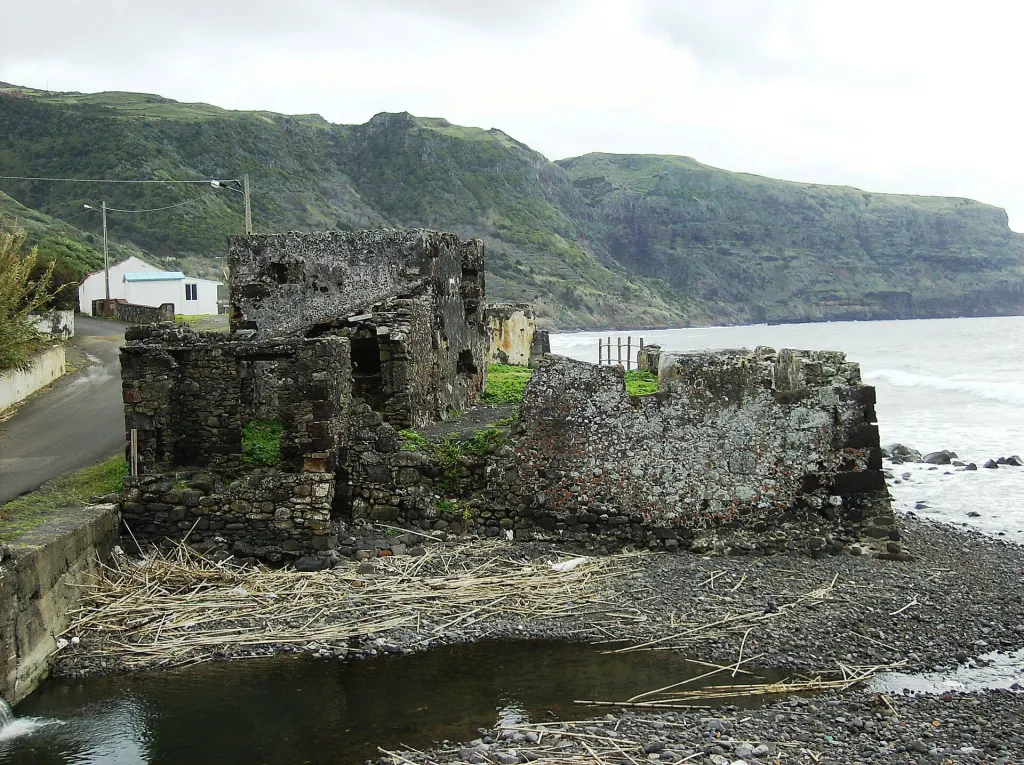
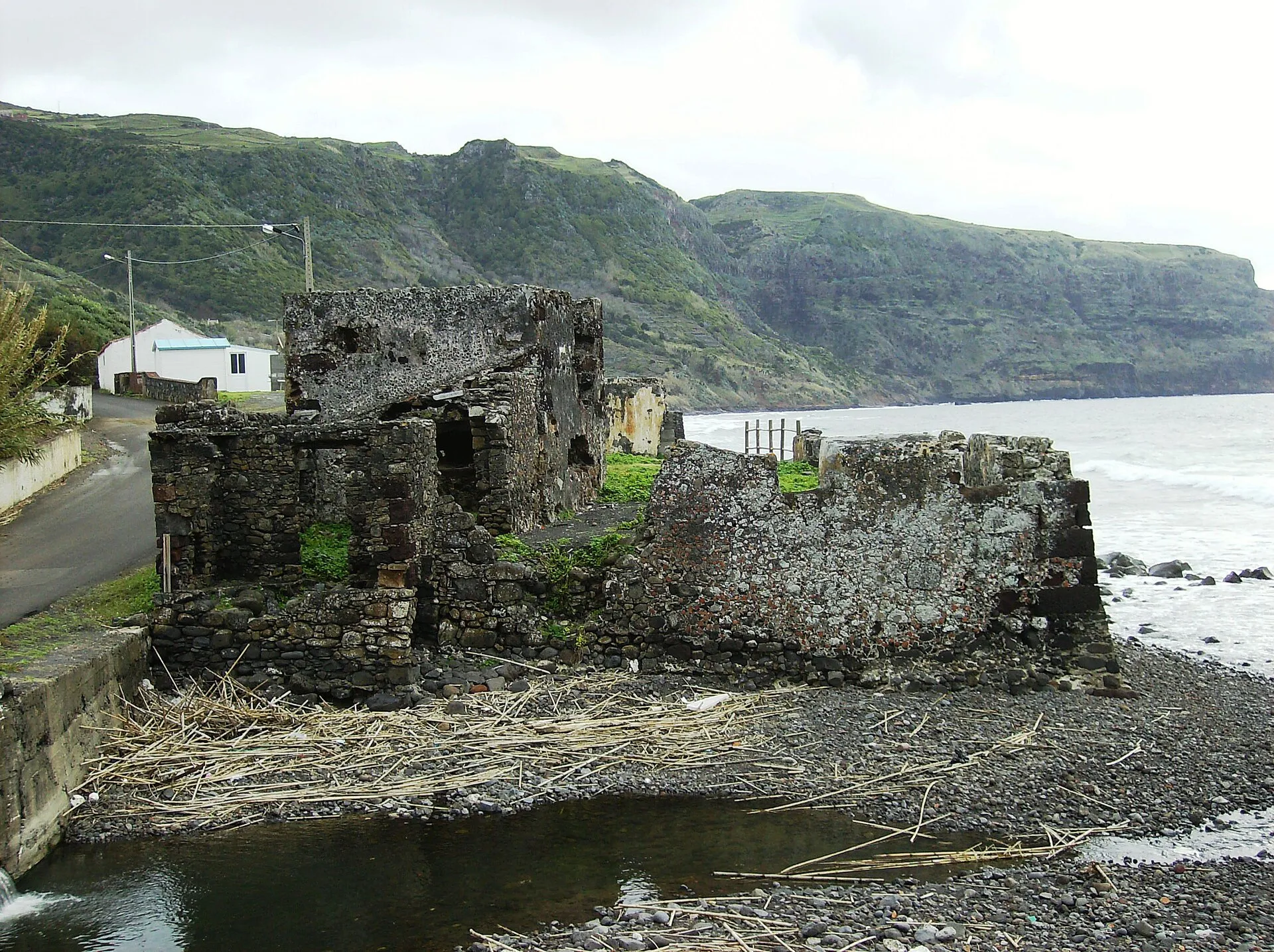
Located in a strategic point along the southern coast, the fort was constructed to defend the anchorage from attacks by pirates and corsairs, that frequented this region of the Atlantic during the Age of Discovery. Contemporary archaeological campaigns during the 20th century attempted to ascertain if this forte constituted one of the oldest in the archipelago, yet this never conclusively validated by documented sources. In fact, the oldest forts in the Azores have been validated in Terceira and São Miguel: Castle of São Cristóvão (1460), in the Alto dos Moinhos, Angra do Heroísmo; the Fort of São Brás (1551) in Ponta Delgada; and the Fort of São Sebastião (1572) over the Porto das Pipas, also in Angra dor Heroísmo.
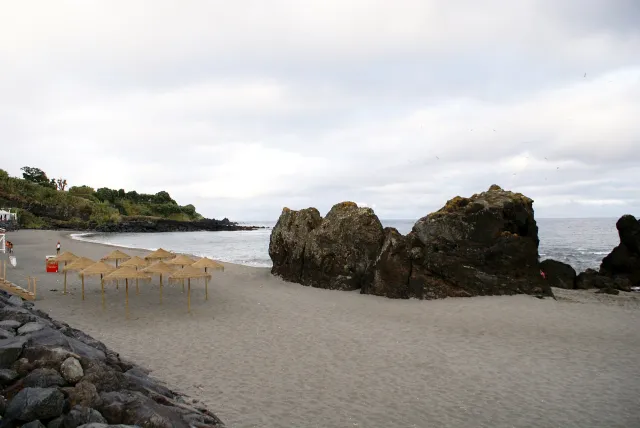
The beach on which the fort was raised was, in 1584, referred to as Plaia Hermosa, based on the Castilian language, owing to Spanish dominion of the region at the time. The same author (Luís Teixeira), later (1587) indicated that this region served within the religious parish of Figueira (Portuguese: Paróquia da Figueira) which, before its construction, included little more than 40 people, in an area called Praia Fremosa.
English privateers (1599) and, later, Algerian Barbary coast pirates (June 1616) used this beachhead in their assaults on the island, the latter resulting in major damage to Vila do Porto. Since 1599, the towns folk had requested that some defence be constructed to protect them from further assaults:
...and it was that the (general of the militia, Manuel de Sousa), who advised the town officials, that he felt it was necessary to guard the landing, so that when there were enemies, who wished to land, that fifty adventurous men, thirty arquebus and twenty pikes were always available and diligent to whatever enemy encounter, and that he requested of the same officials, that it was necessary that over the fajã of São Lourenço, a watch over that part [of the island], and that they should look daily into a watch position, so that they could determine where it was more accommodating to place a permanent watch in the summer, over the Beach where the enemies had entered, and another at Prainha and Touril when it was necessary to defend the land...