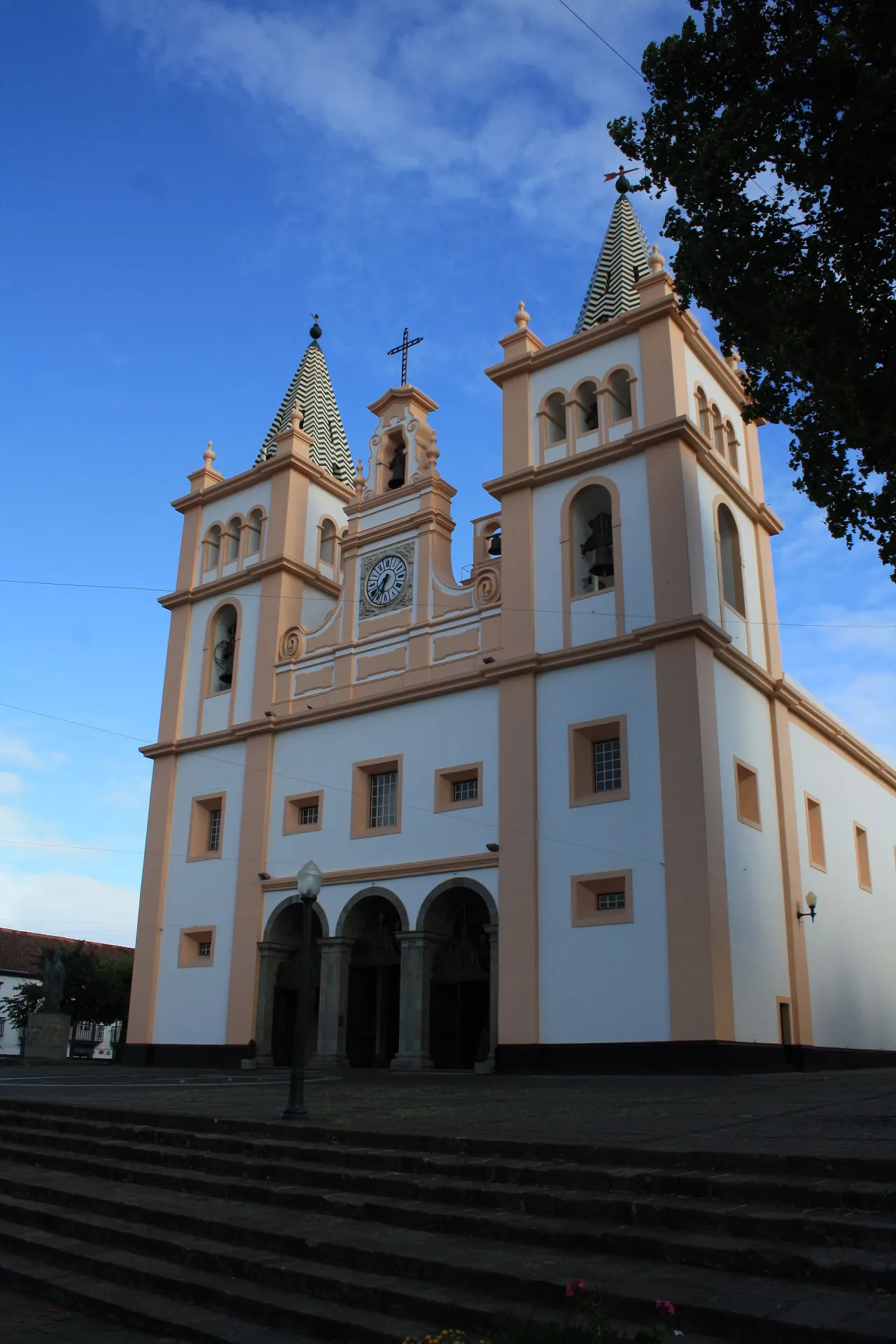
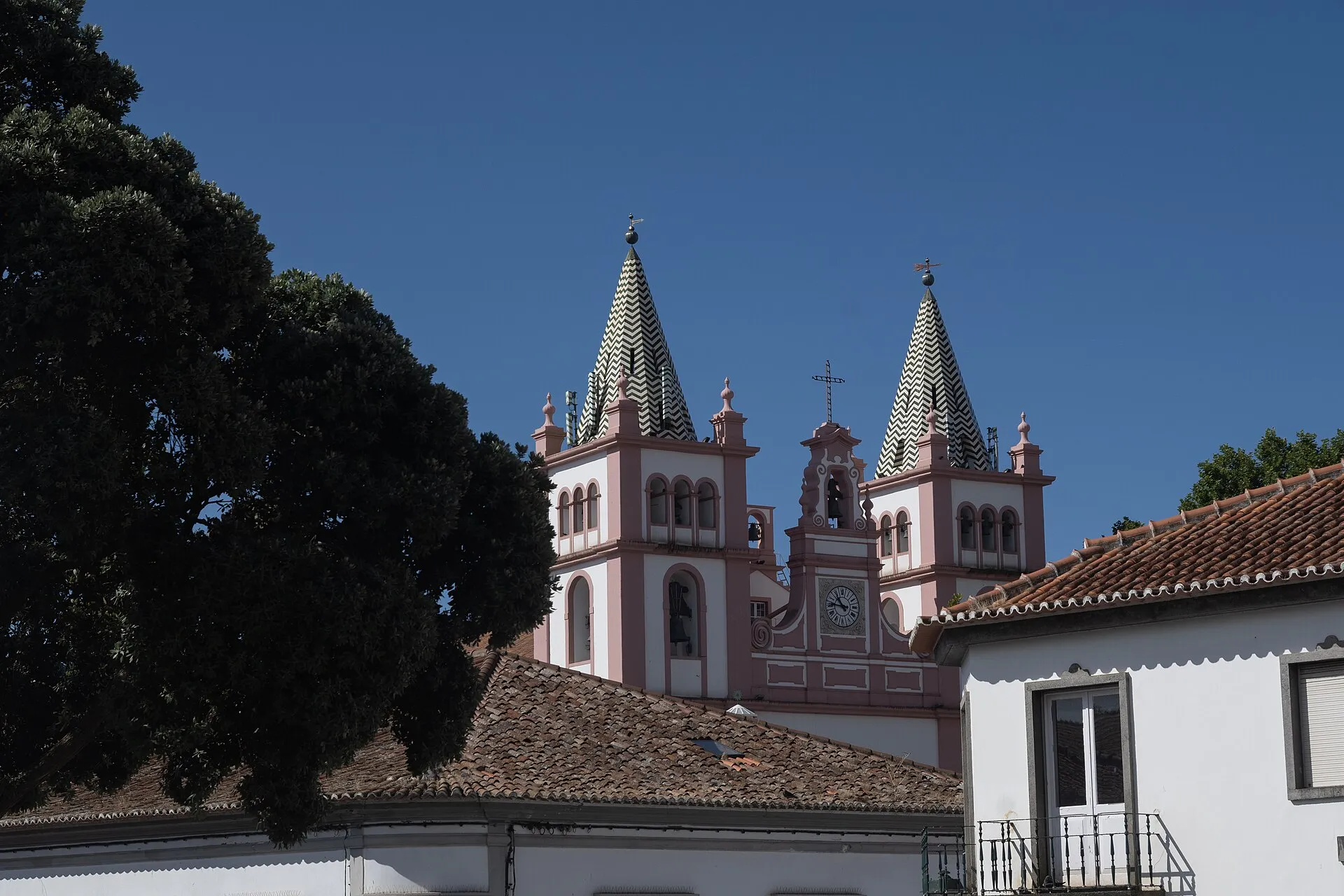
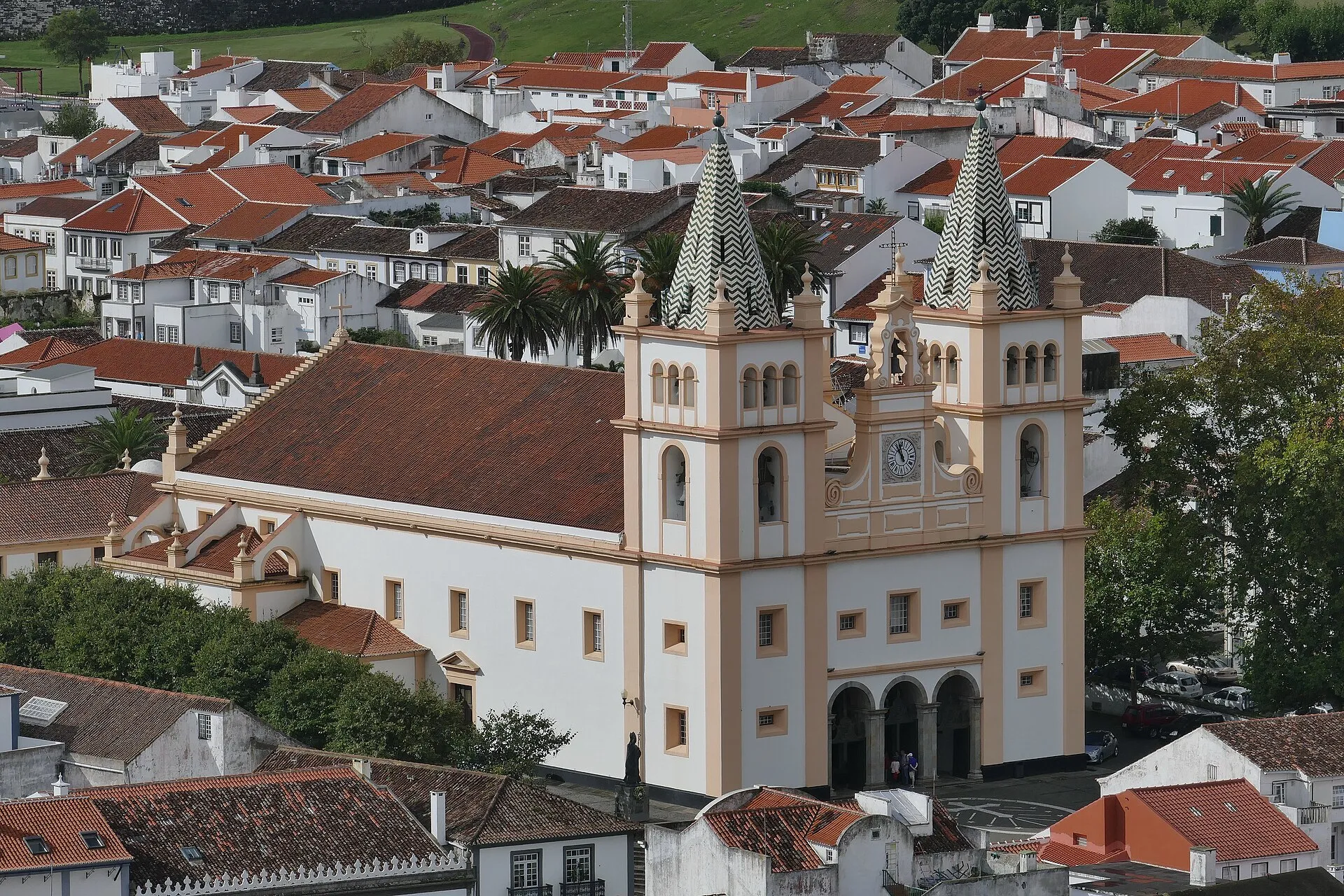
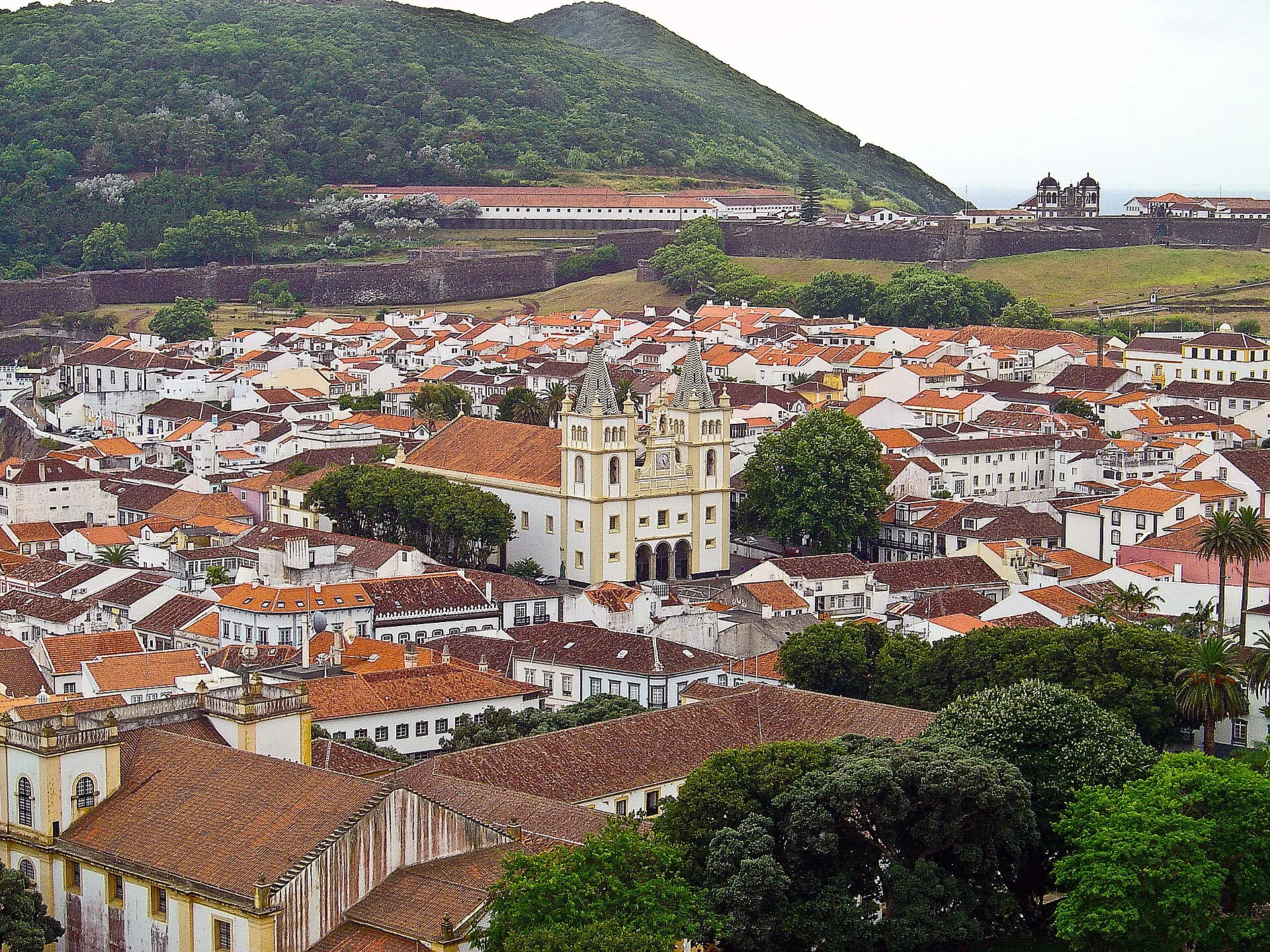
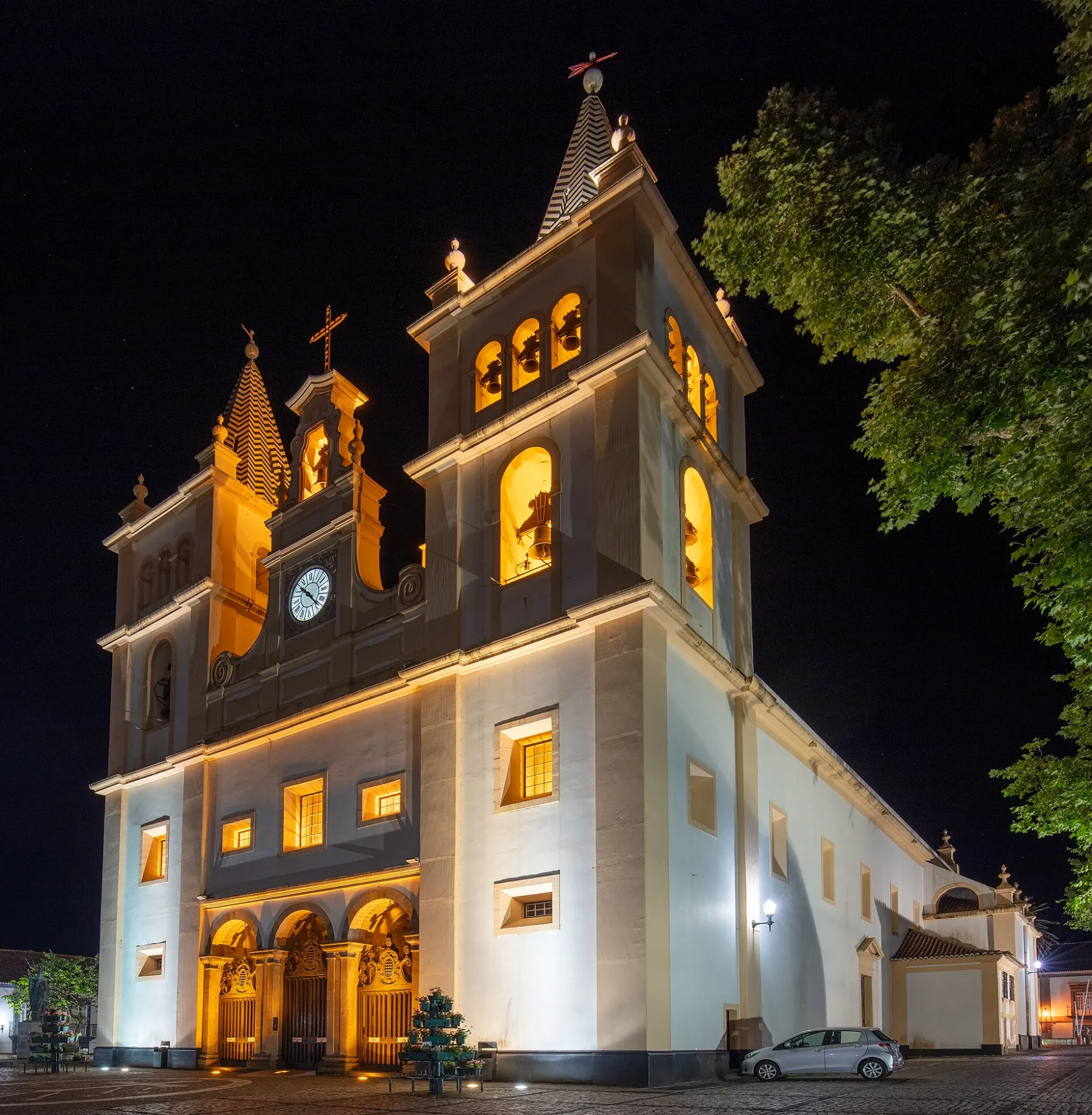
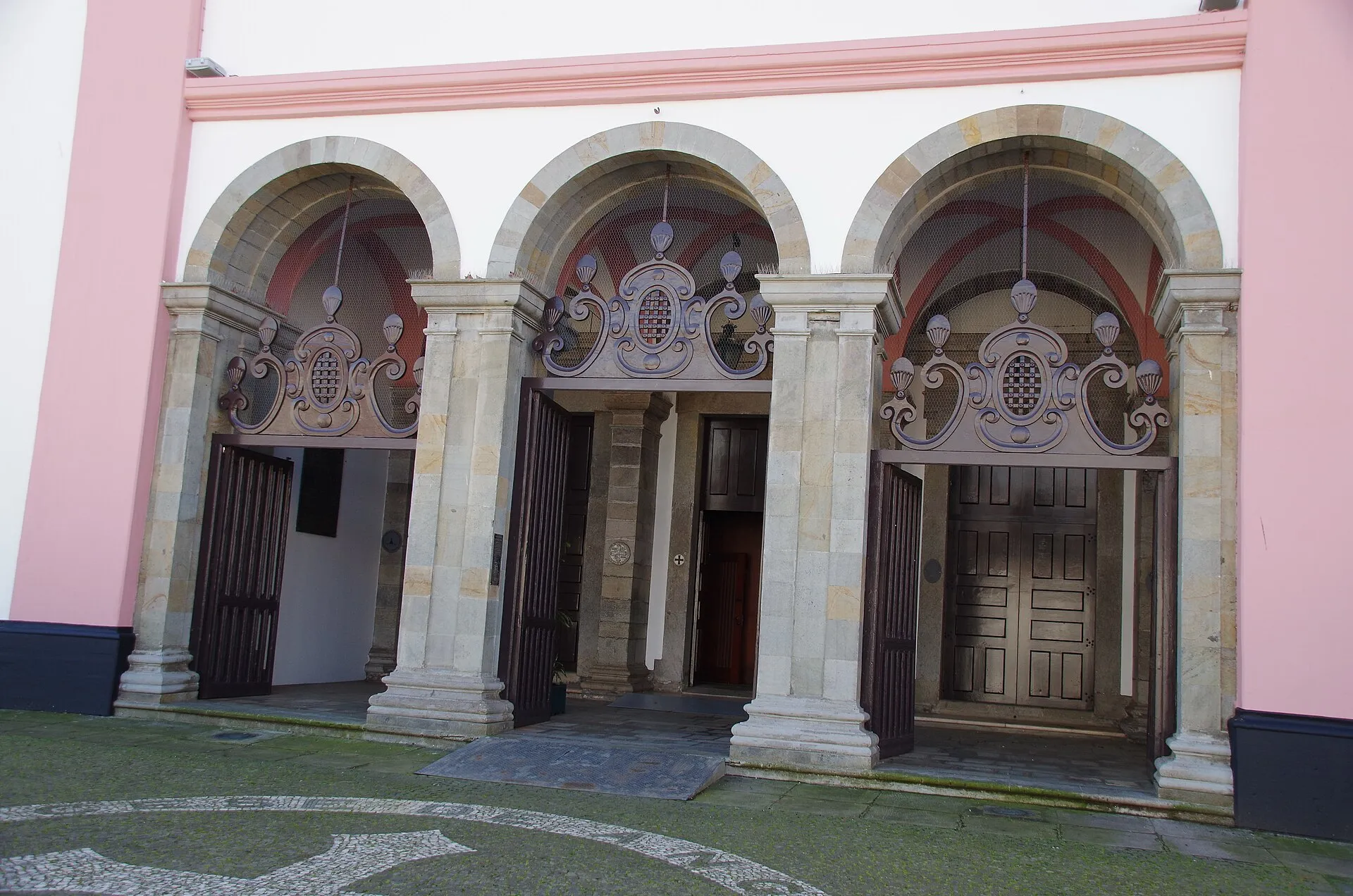
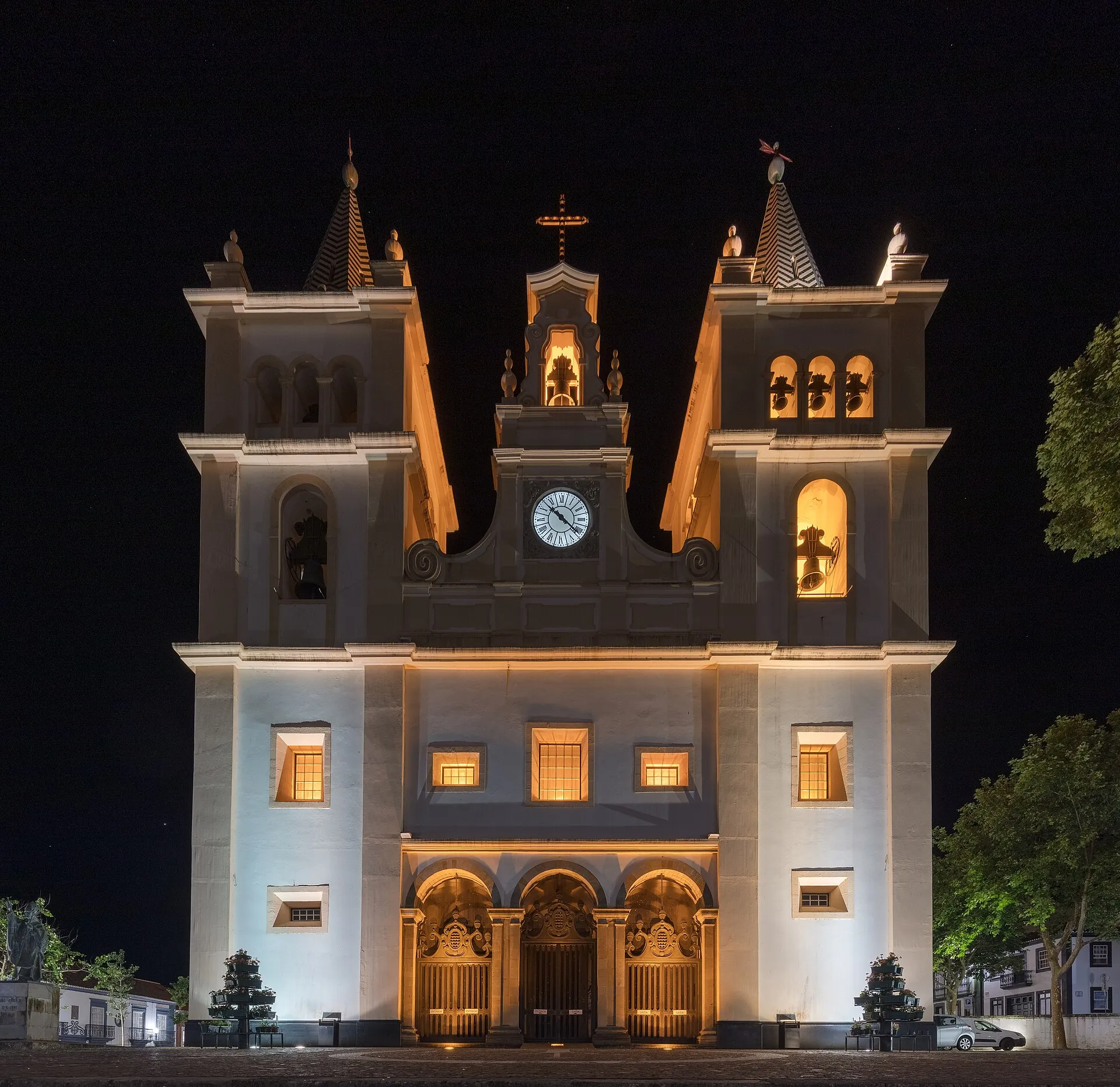
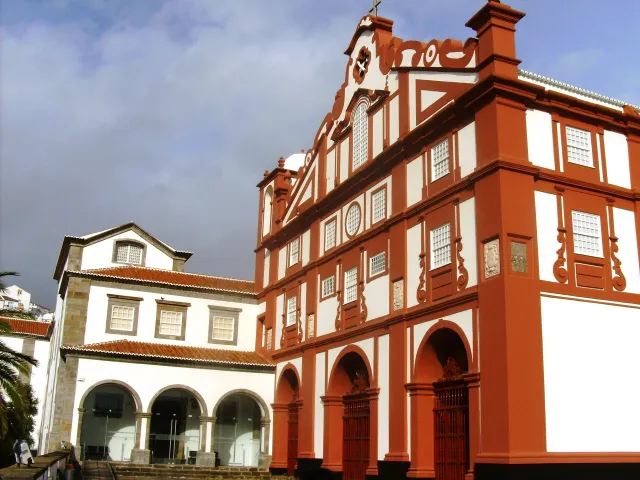
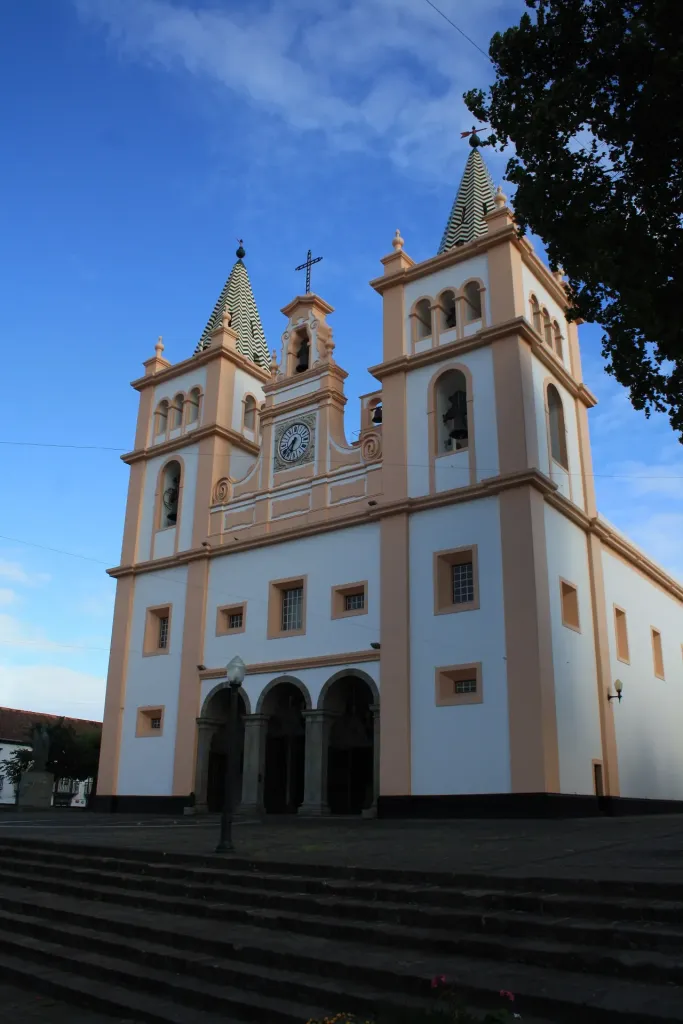
The bishopric of the islands of the Azores was created on 3 November 1534, by Pope Paul III, designating the Church of São Salvador of Angra (Portuguese: Igreja de São Salvador de Angra) as the religious seat. With the growth of the local population and creation of the Bishopric of Angra, the municipal council formulated a petition to construct a new building for the local community. The first prelate of the new diocese was D. Agostinho Ribeiro who, arriving in 1535, encountered the small, old Church of São Salvador, which was incompatible with its functions as mother-church of the Azores. In 1536, the bishop in accordance with the original council, reminded John III of Portugal of the need to install a diocesan seat. Yet, the monarch did not address their petition, but rather reorganized the institution, resulting in a new petition in 1557, which stated the financial incapacity of the local residents to support the construction of the new building.
But, it took three decades before a royal decree would establish it as a cathedral, mostly through the influence of Nuno Álvares Pereira. Construction on the cathedral began on 10 January 1568, during the reign of the Cardinal-King Henry, the Crown took the decision to construct the new seat, paying all expenses. The crown opted to construct a new temple on the same site, expanding its overall size, encompassing a great portion of the centre of the city of Angra, delimited by the Rua da Sé, Rua Carreira dos Cavalos, Rua da Rosa and Rua do Salinas. For this project 3000 cruzados was budgeted annually from royal rights to woad on the island of São Miguel, as long as the construction lasted. The architect Luís Gonçalves Cotta travelled to Terceira to elaborate the Mannerist project, which was adapted successively in the Arquitectura Chã style, and adapted by other professionals, such as João de Carvalho. The responsibilities for the construction project was invested and integrated into the defences for the island of Terceira, which began in 1562 (and finally completed in 1683).

 1 / 7