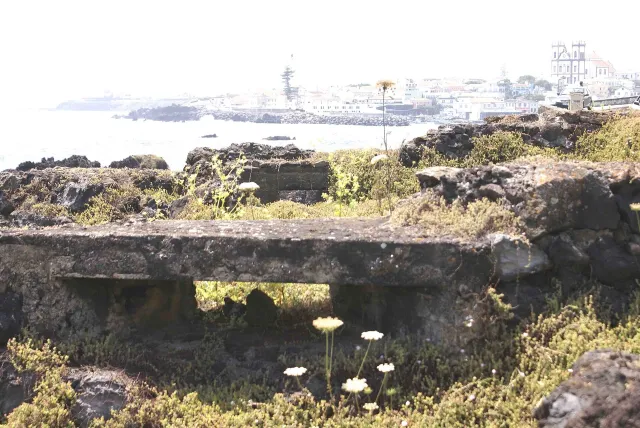
A defense study for the Azores began in the middle of the 16th century by military engineer Bartolomeu Ferraz: in his report to the Portuguese Crown, he indicated that the islands of São Miguel, Terceira, São Jorge, Faial and Pico were vulnerable to attacks by pirates and Protestant privateers (primarily English, French and Dutch), and its ports and village required better security conditions.
It was during the reigns of John III (1521–1557) and Sebastian (1568–1578) that the first defensive plans were drawn-up by the Italian architect and military engineer Tommaso Benedetto (in 1567), who elaborated a plan of global defense for the main islands of the Azores. Further, it was his opinion that, should an enemy attack from the sea, that defenses should be concentrated at the ports and anchorages, defended by the local population, under the responsibility of each municipal authority.
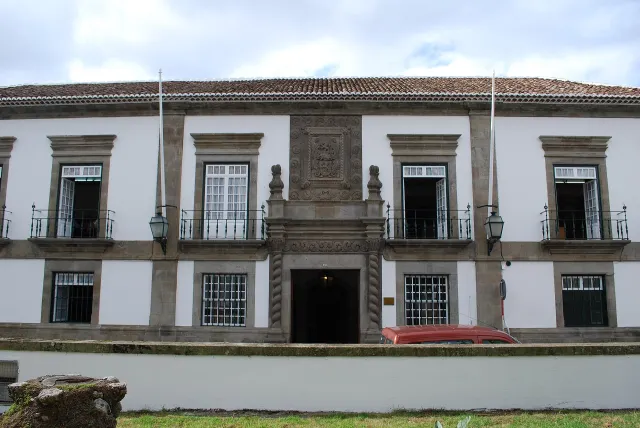
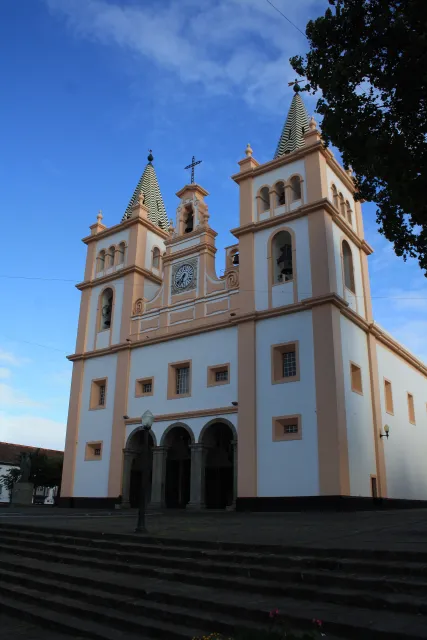
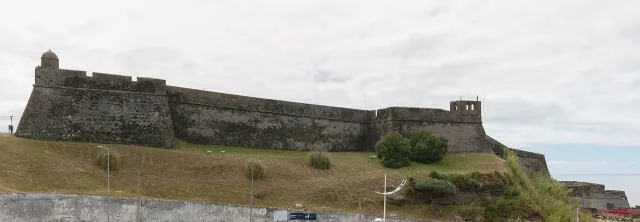
The final plan for Angra do Heroísmo and Terceira included elaboration of the coastal defenses at the Fort of São Sebastião (or the Castelinho as it is known), the Porto das Pipas and the Fort of São Sebastião (in the area of Ribeira Seca); the plan was later continued by Ciprião de Figueiredo e Vasconcelos, then governor of the islands, to encompass over fifty defensive works along the coast of the island.
During the Iberian Union, the fortifications in the Bay of Angra were at the centre of the Azores and a strategic route between the goods of India and the Orient and the markets of Europe (comparable to the complex fortifications that were constructed in Havana (in Cuba) and Cartagena (in Colombia) during later epochs).
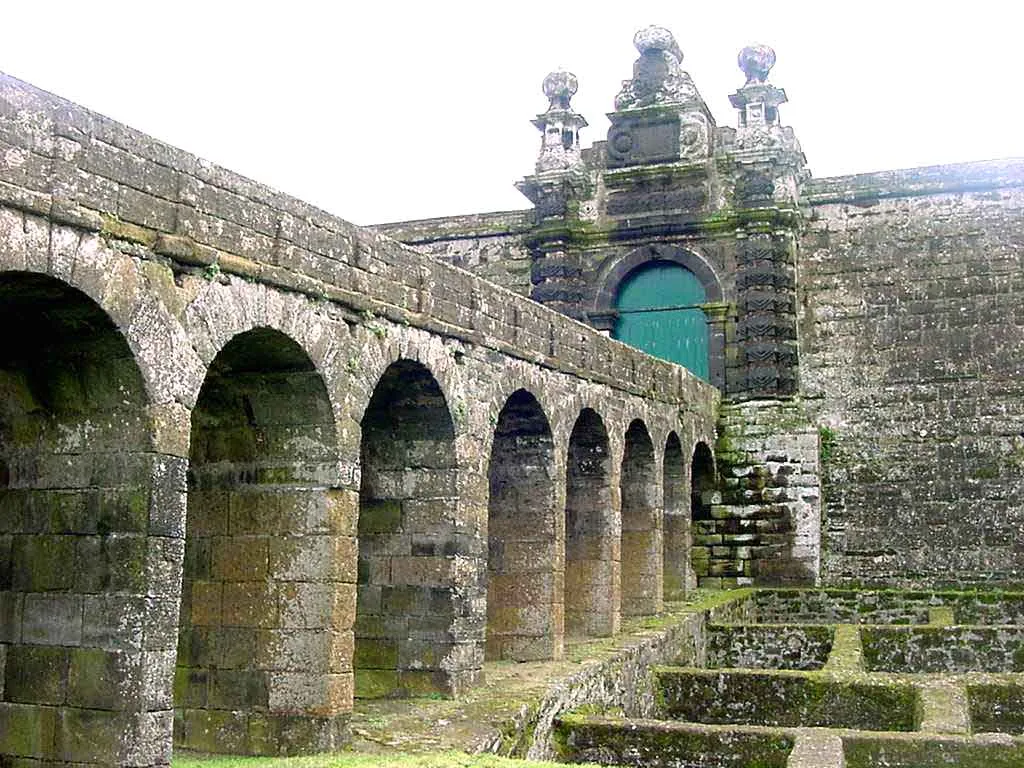
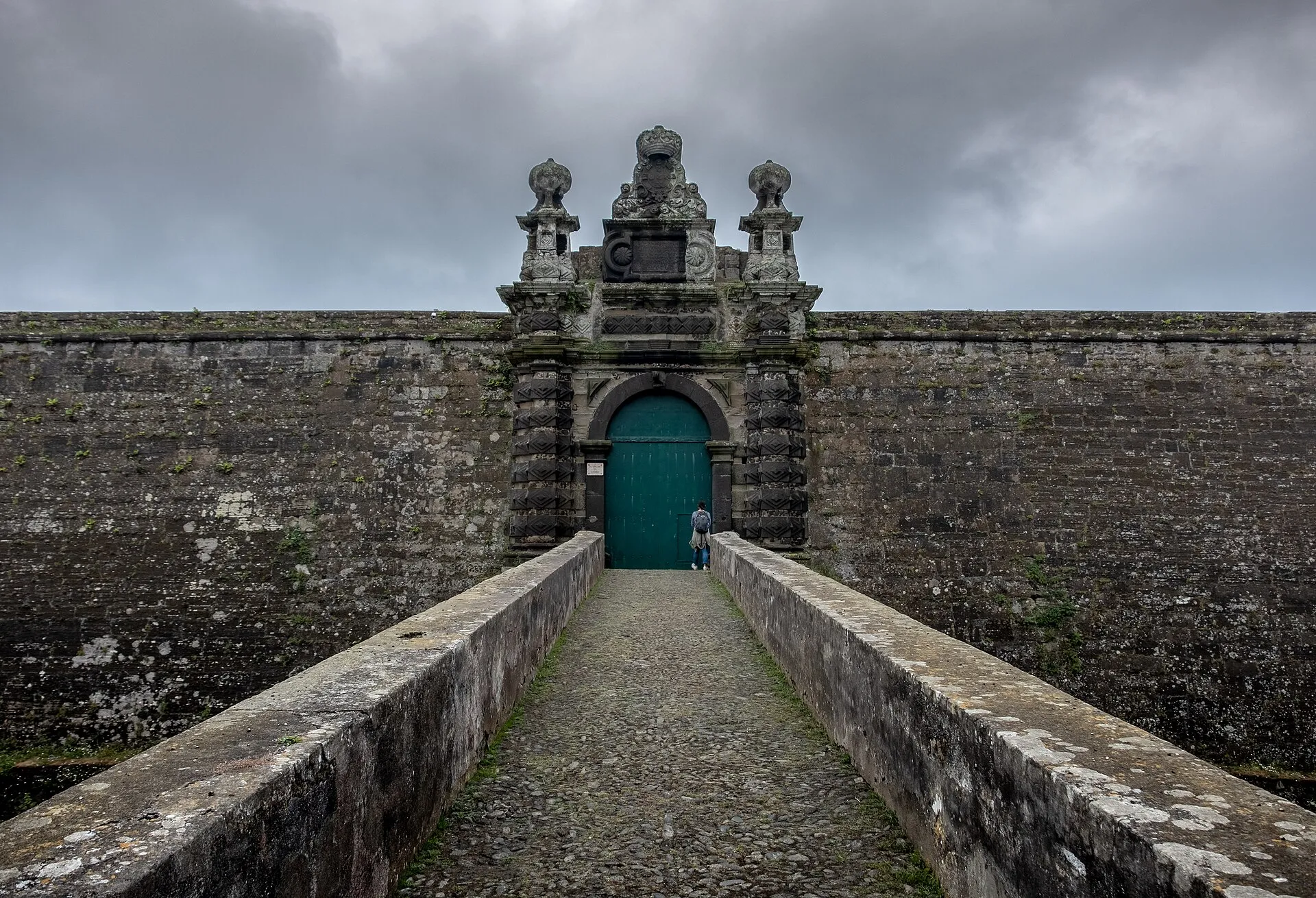
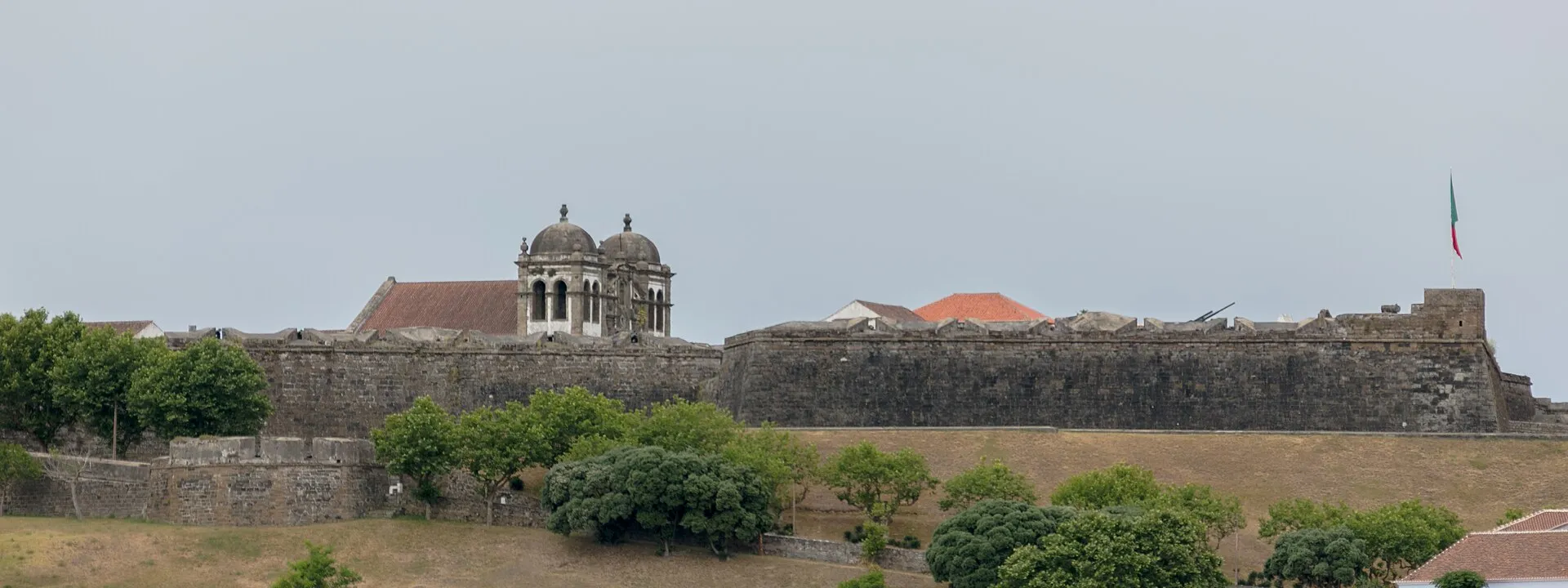
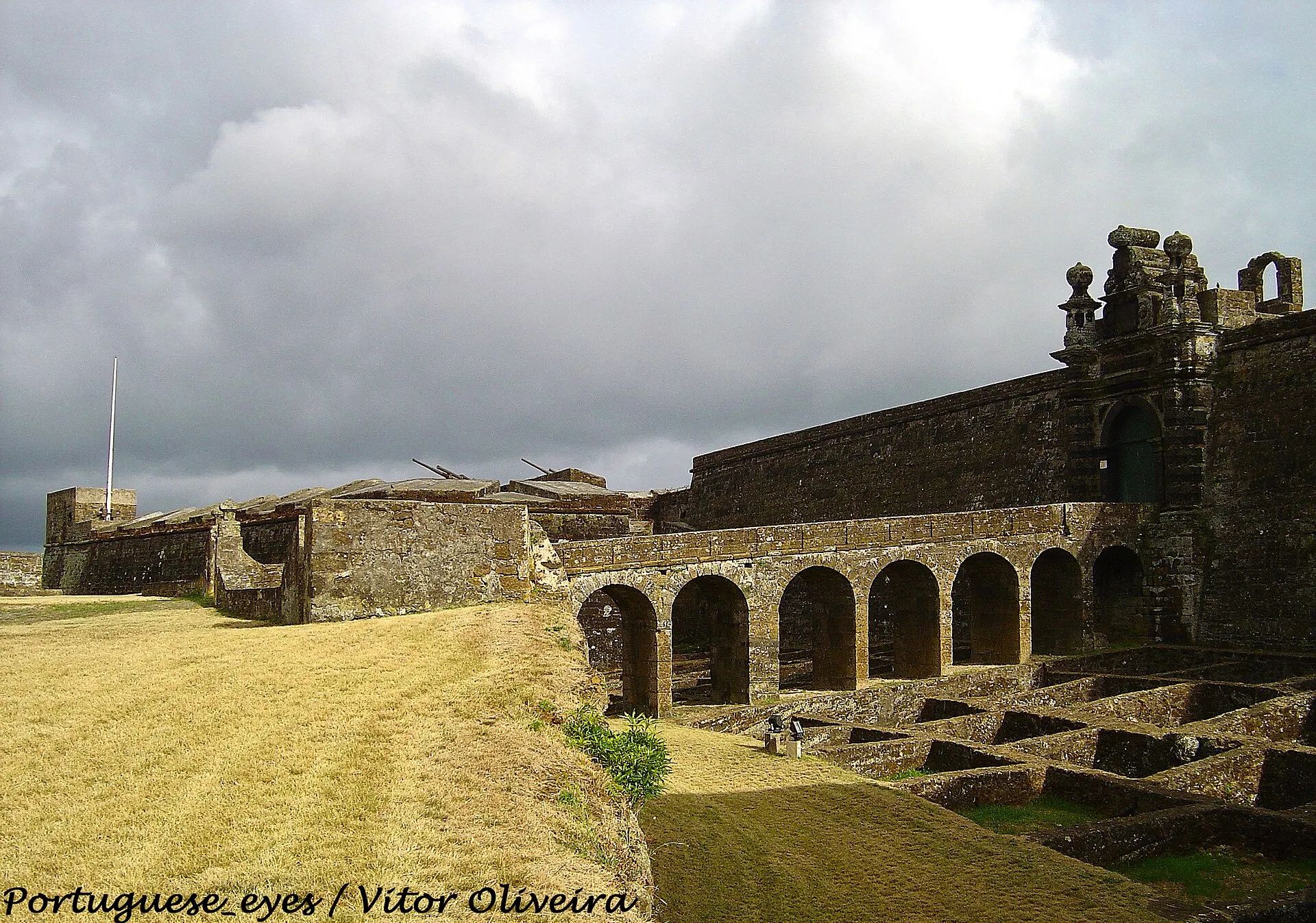
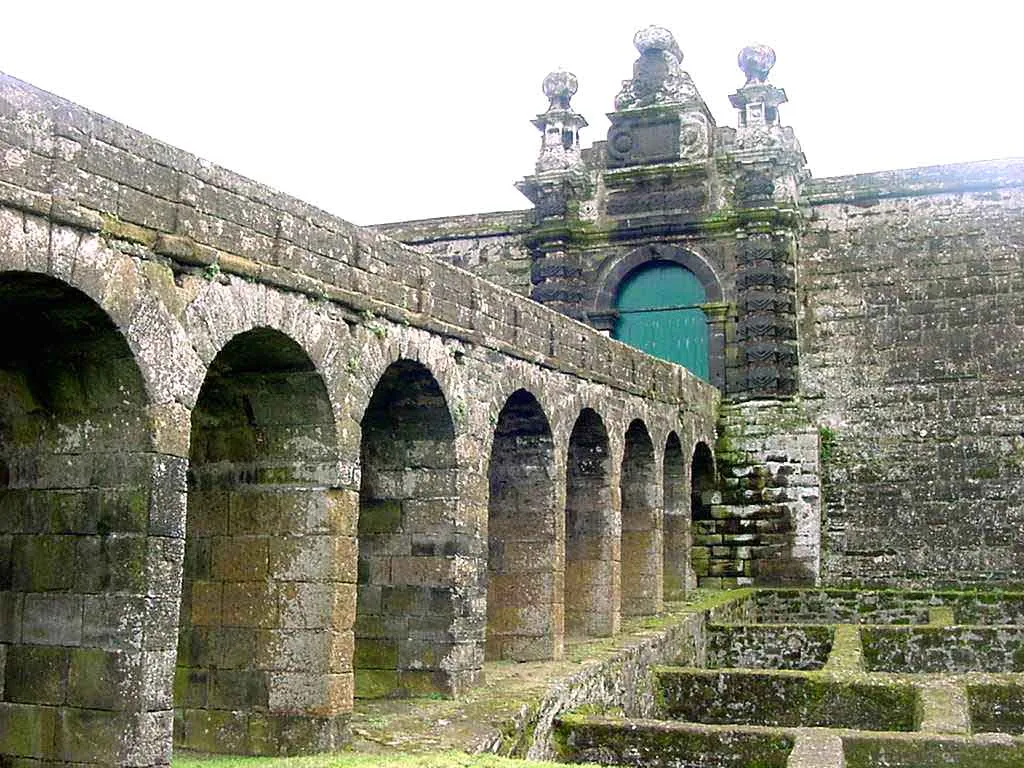
The fort was erected after the conquest of Terceira by the Spanish military, as a consequence of the events related to the Iberian Union (1580–1640), when, under command of Álvaro de Bazán, 1st Marquis of Santa Cruz, King Philip II of Spain (Philip I of Portugal) retook the island from the forces of António, Prior of Crato. With the start of Anglo-Spanish War (1585–1604), it was strengthened as privateers, such as Francis Drake (1587) and Robert Devereux, 2nd Earl of Essex, whose adjunct Walter Raleigh, attacked the neighbouring settlement in Horta, during the summer of 1597. The new project served to two functions:

 1 / 5