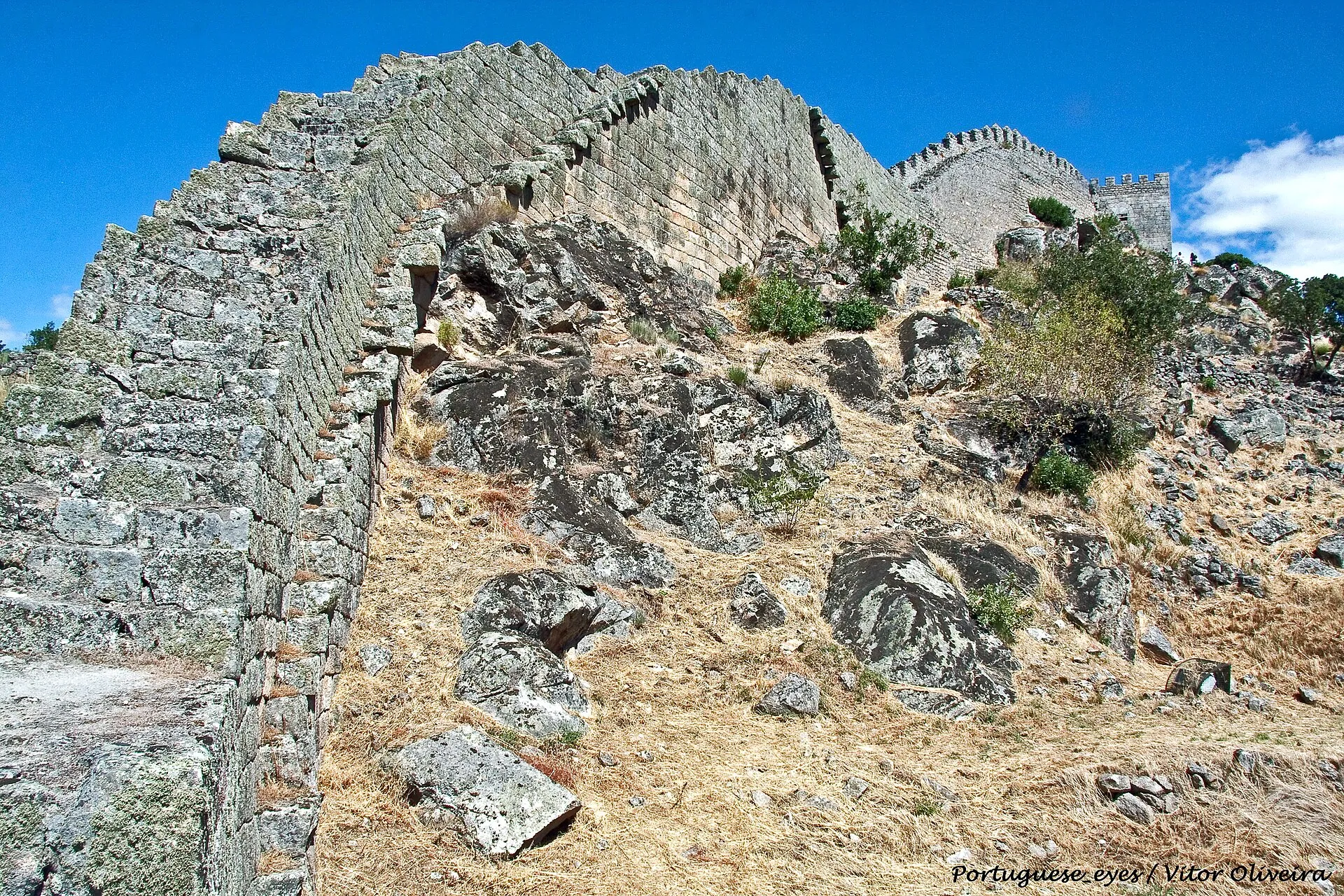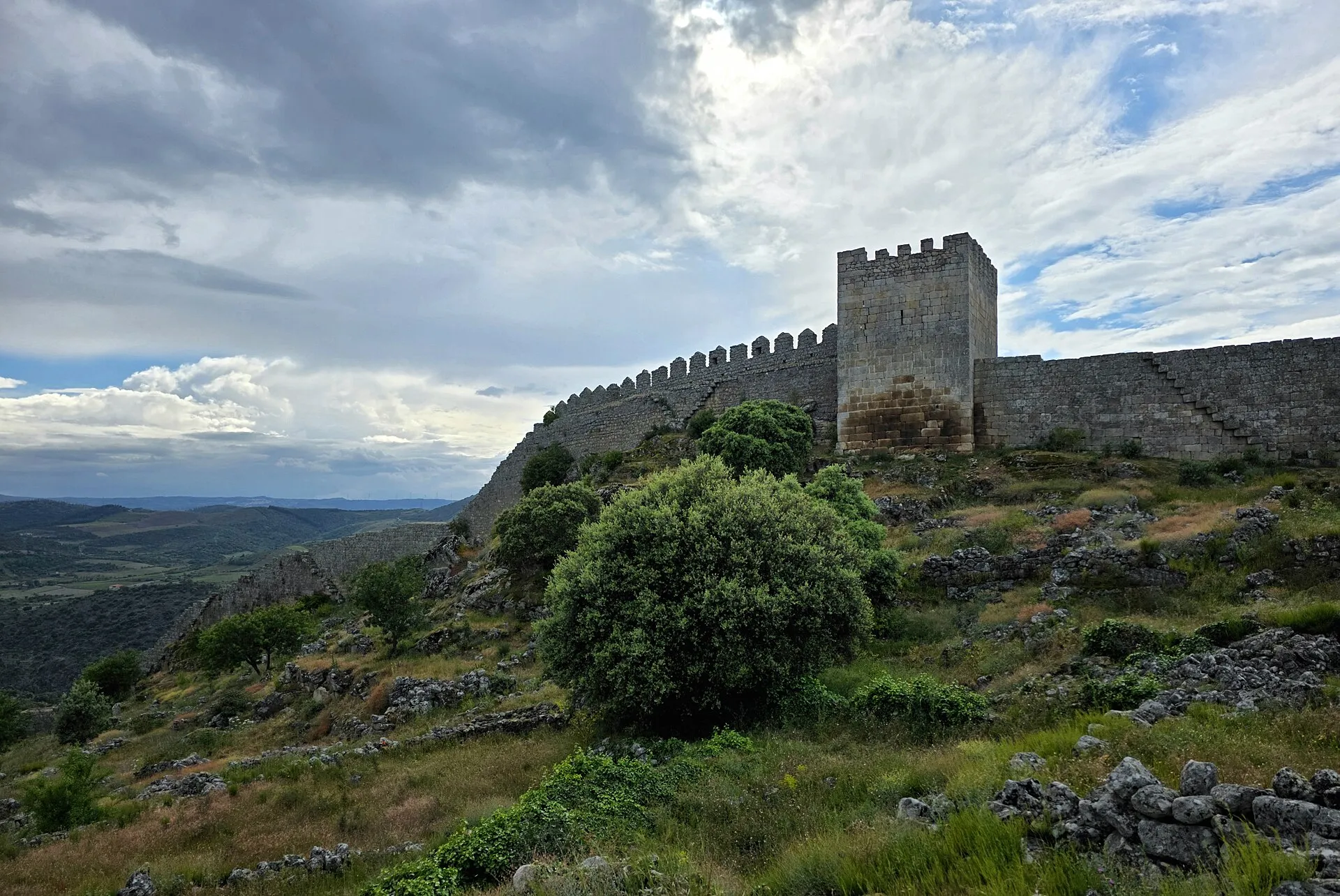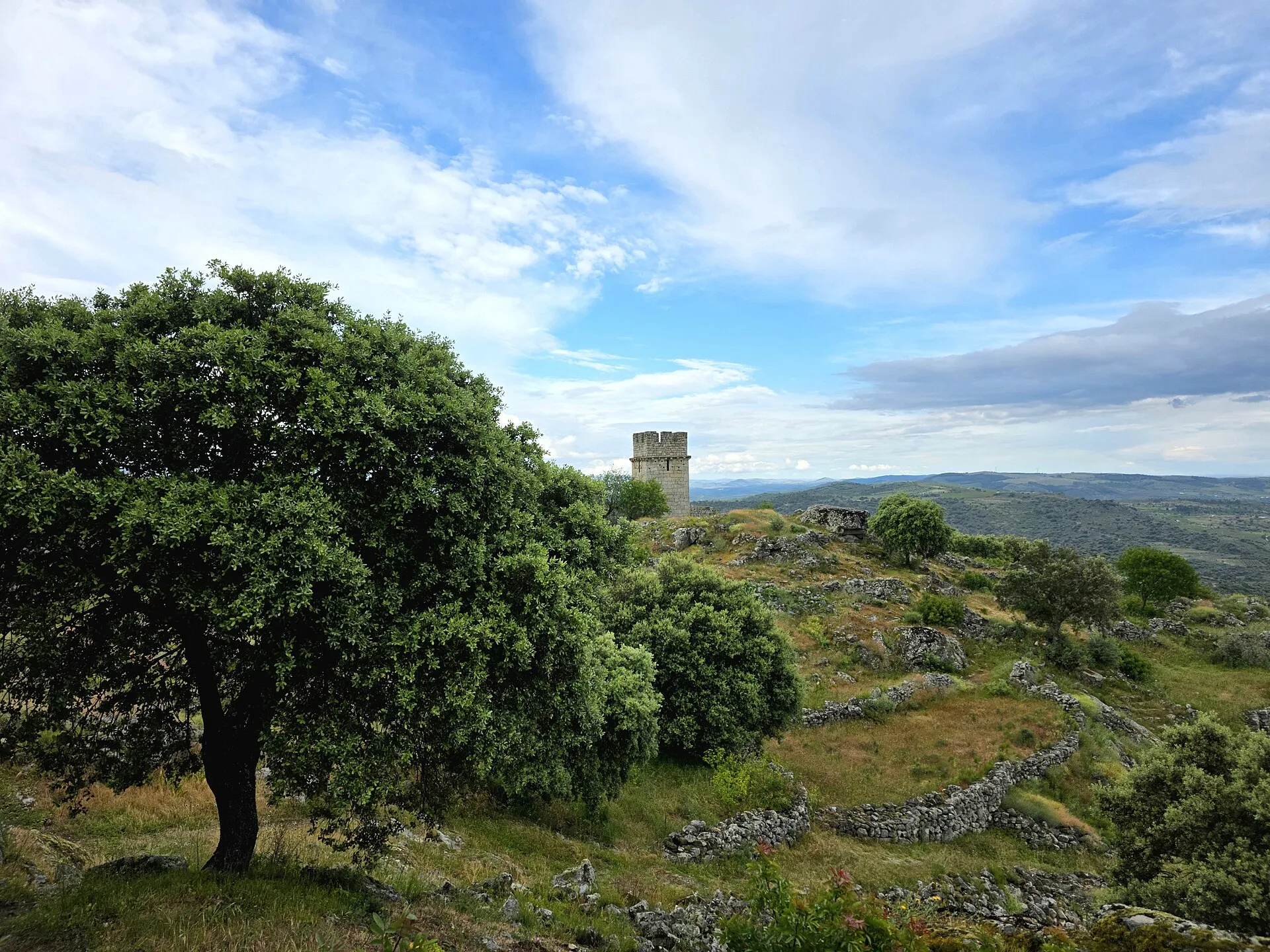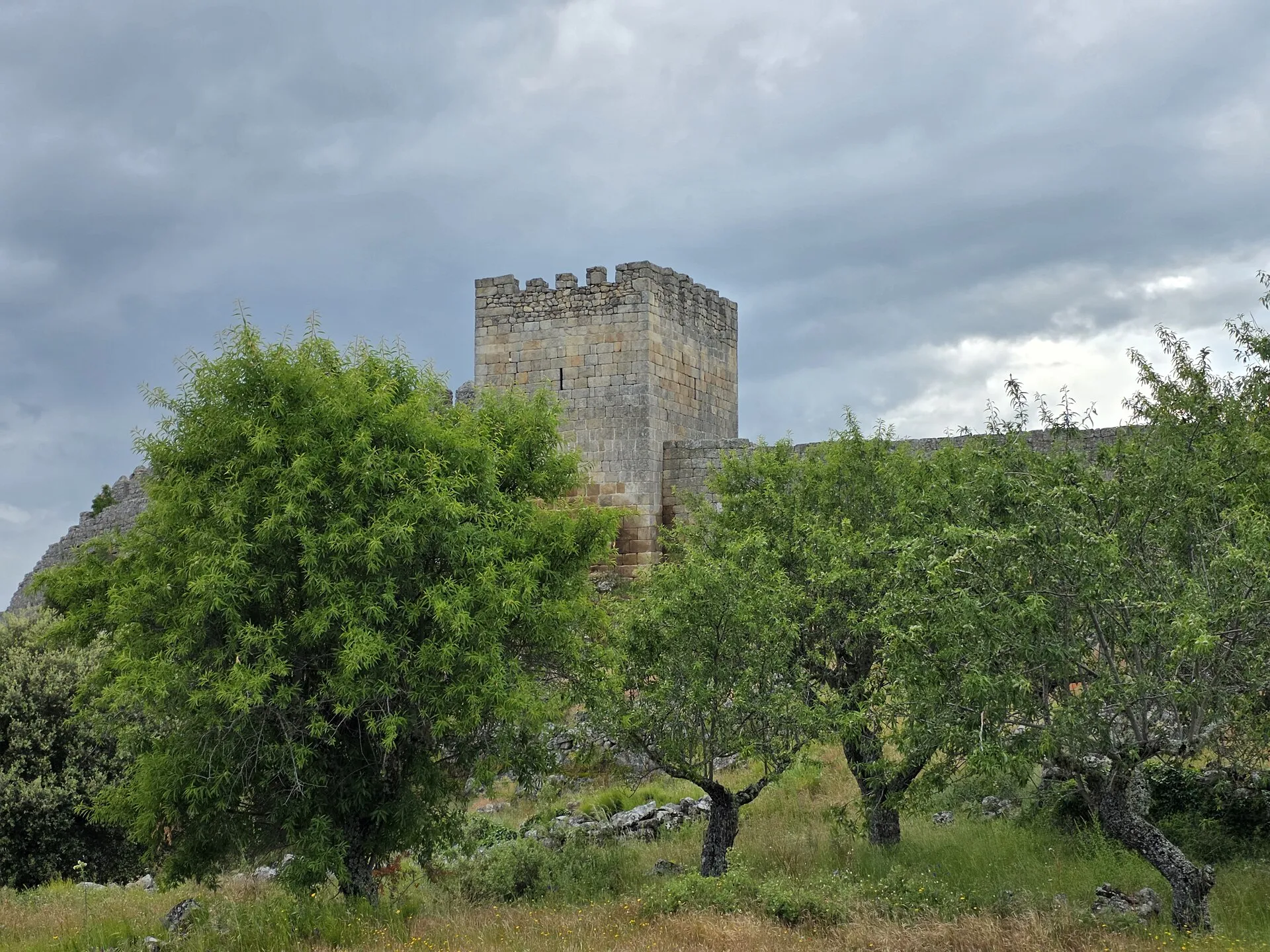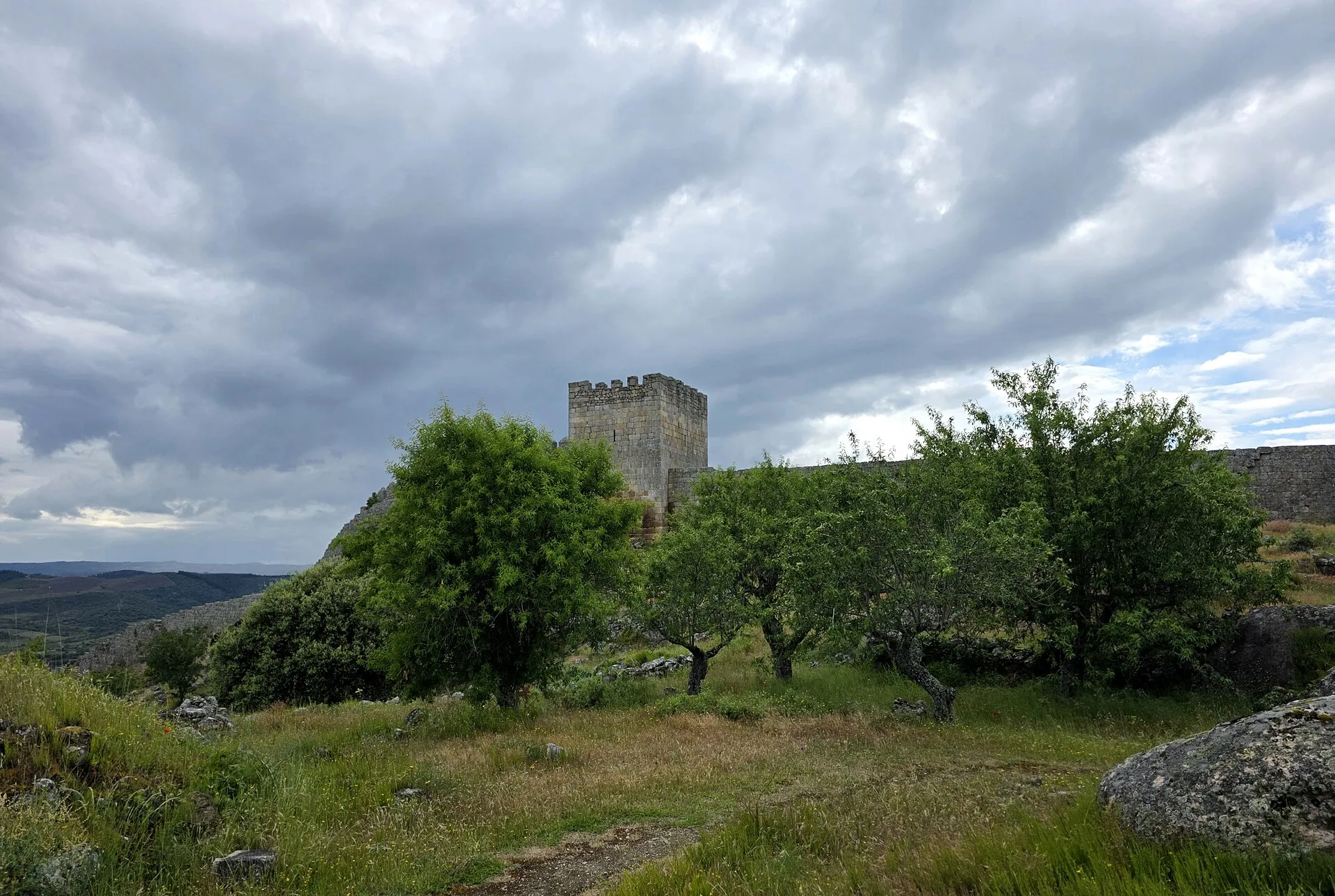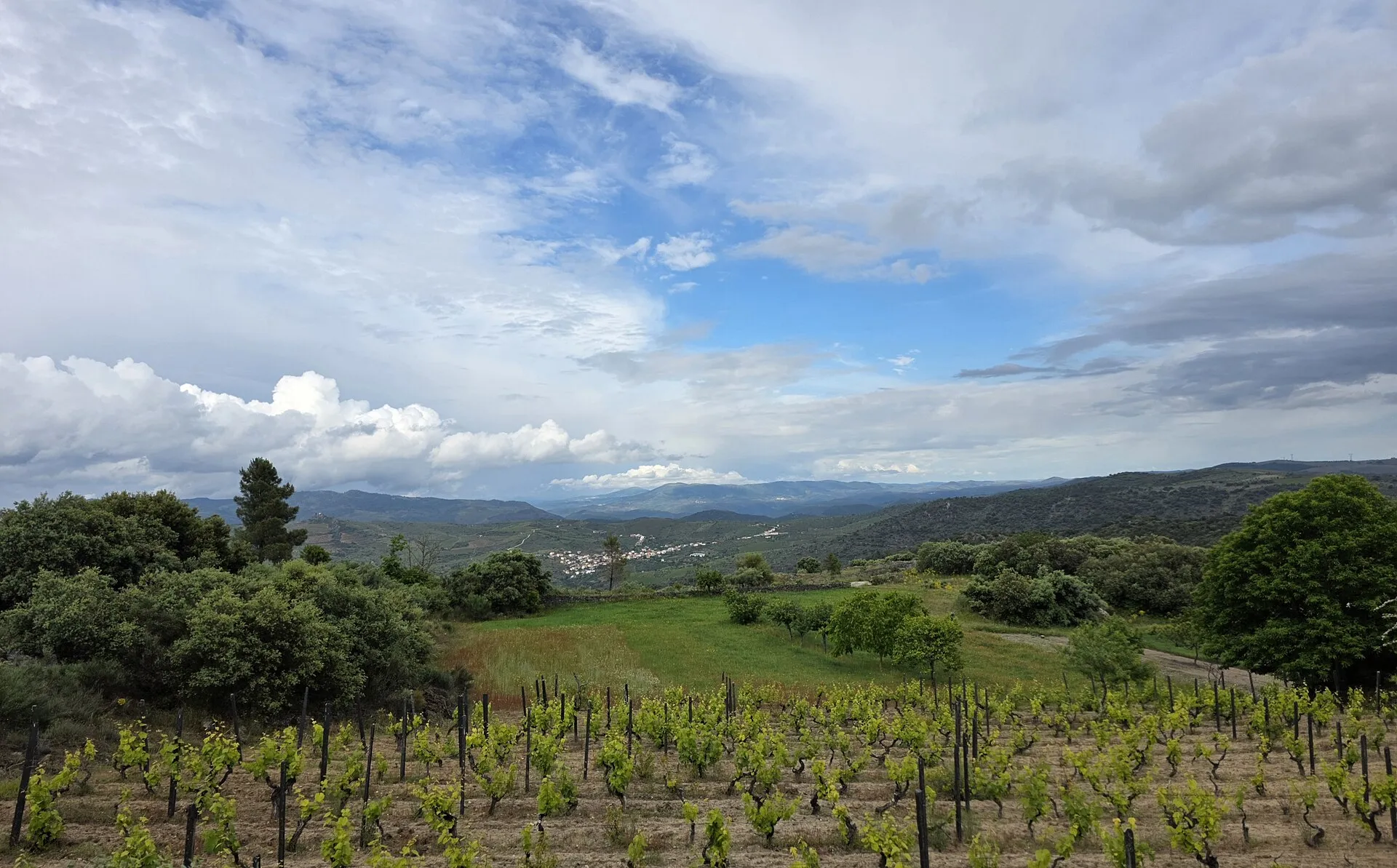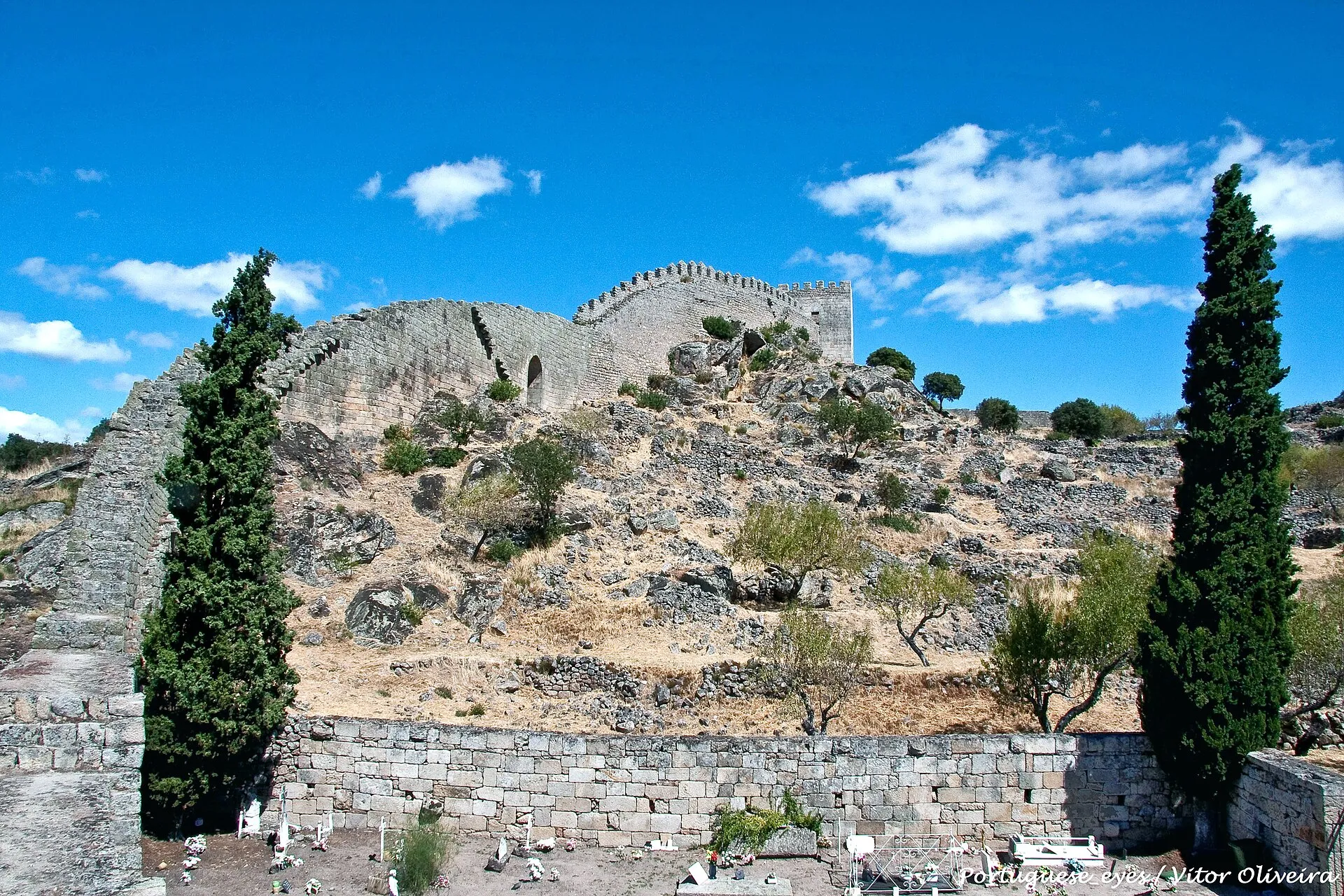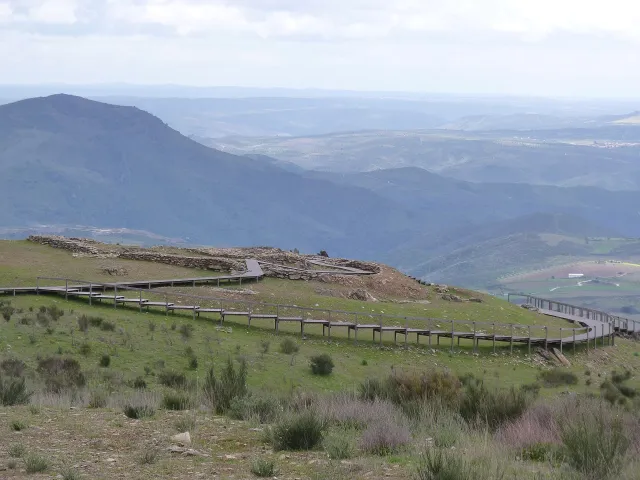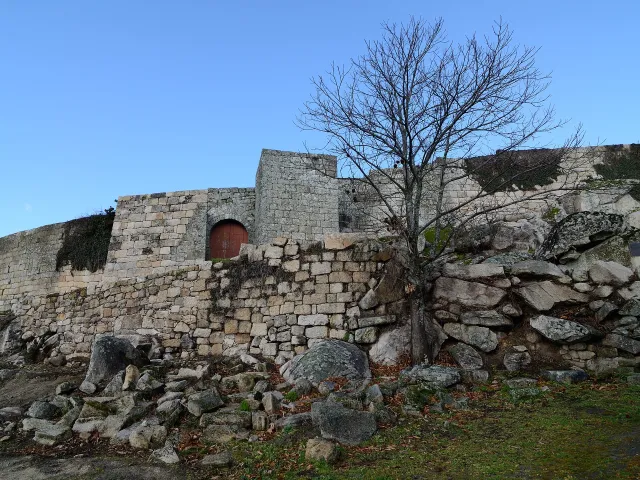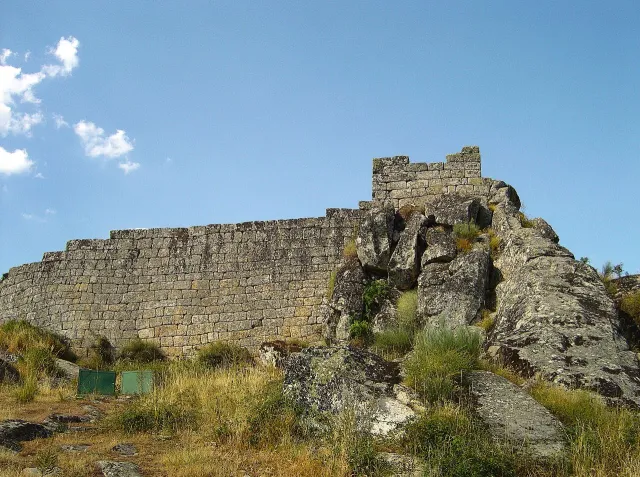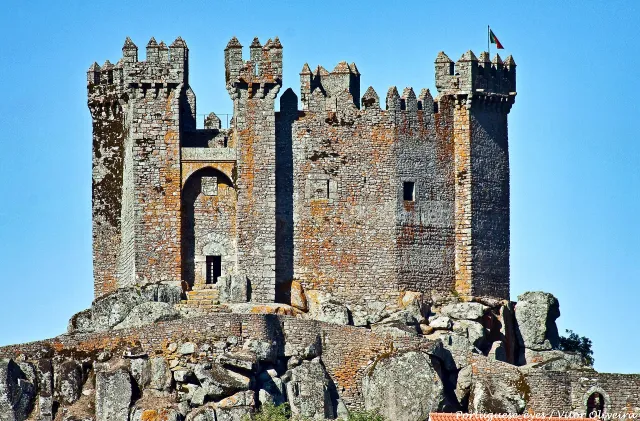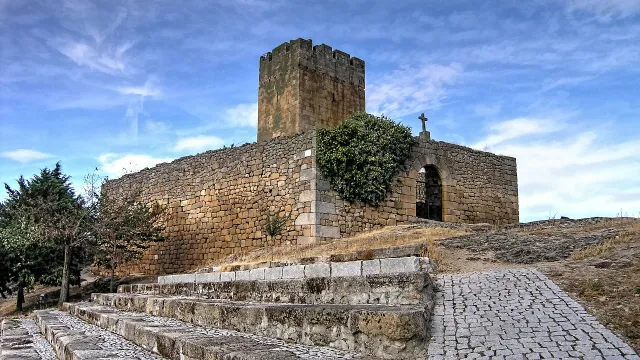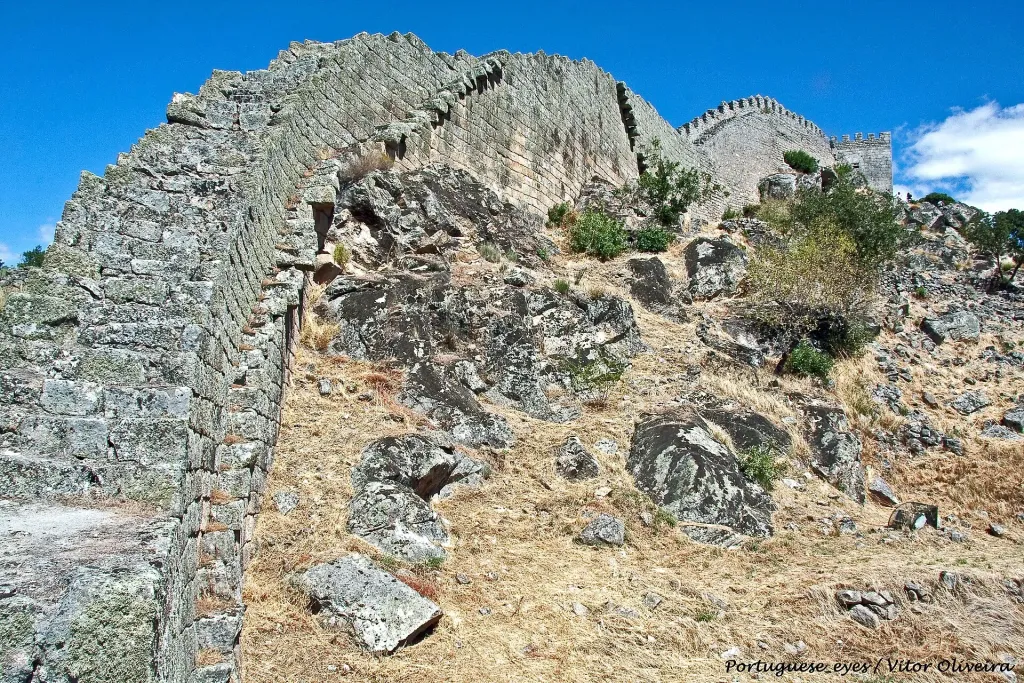
During the context of the Christian Reconquest of the region, the fortress and a few others in the regions belonged to a man named Chamoa Rodriguez.
At the time of the Christian Reconquest, here existed a castle, which together with others in the eastern border region, belonged to D. Chamoa Rodrigues, who donated, through his aunt, the Countess Mumadona Dias, the Monastery of Guimarães (960 ).
Retaken by Muslim forces in 1000, the village was later devastated by the brothers Tedom and Rausendo Ramires in 1030, only to be reconquered by Fernando Magno in 1055 or 1056. In this period, the castle is among the inventoried property belonging to the Monastery of Guimarães in 1059.
With the independence of Portugal, Afonso I of Portugal (1112-1185) donated his dominions to his brother, Ferdinand Mendes de Bragança. The noble, on 8 July 1130, granted a charter to the town (referred to as Civitate Noman) and promoted the rebuilding of the castle.
Later, under the reign of Afonso's son and successor, Sancho I (1185-1211), massive works of recovery of the walls and the erection of the main tower were completed as epigraphic inscription (now lost) dated 1189.
Under the reign of King Sancho II (1223-1248), the areas of Numão and its castle were donated temporarily to April Peres Lumiares.
In October 1265, Afonso III (1248-1279) confirmed the charter to the village. A new constructive phase in their defenses, however, will only have taken place from the confirmation of this title by King Dinis (1279-1325), on 27 October 1285.
When the 1383-85 Portuguese succession crisis, Numão sided by Beatriz, along with the neighboring villages and castles of Penedono, Pinhel, Sabugal, Castelo Rodrigo and Trancoso.
Under the short reign of D. Duarte (1433-1438) was established here one of couto homiziados (1436), which seems to indicate some difficulty with its settlement. The village received Foral New King Manuel I (1495-1521) on 25 August 1512. At the time it was Commendation of the Order of Christ.