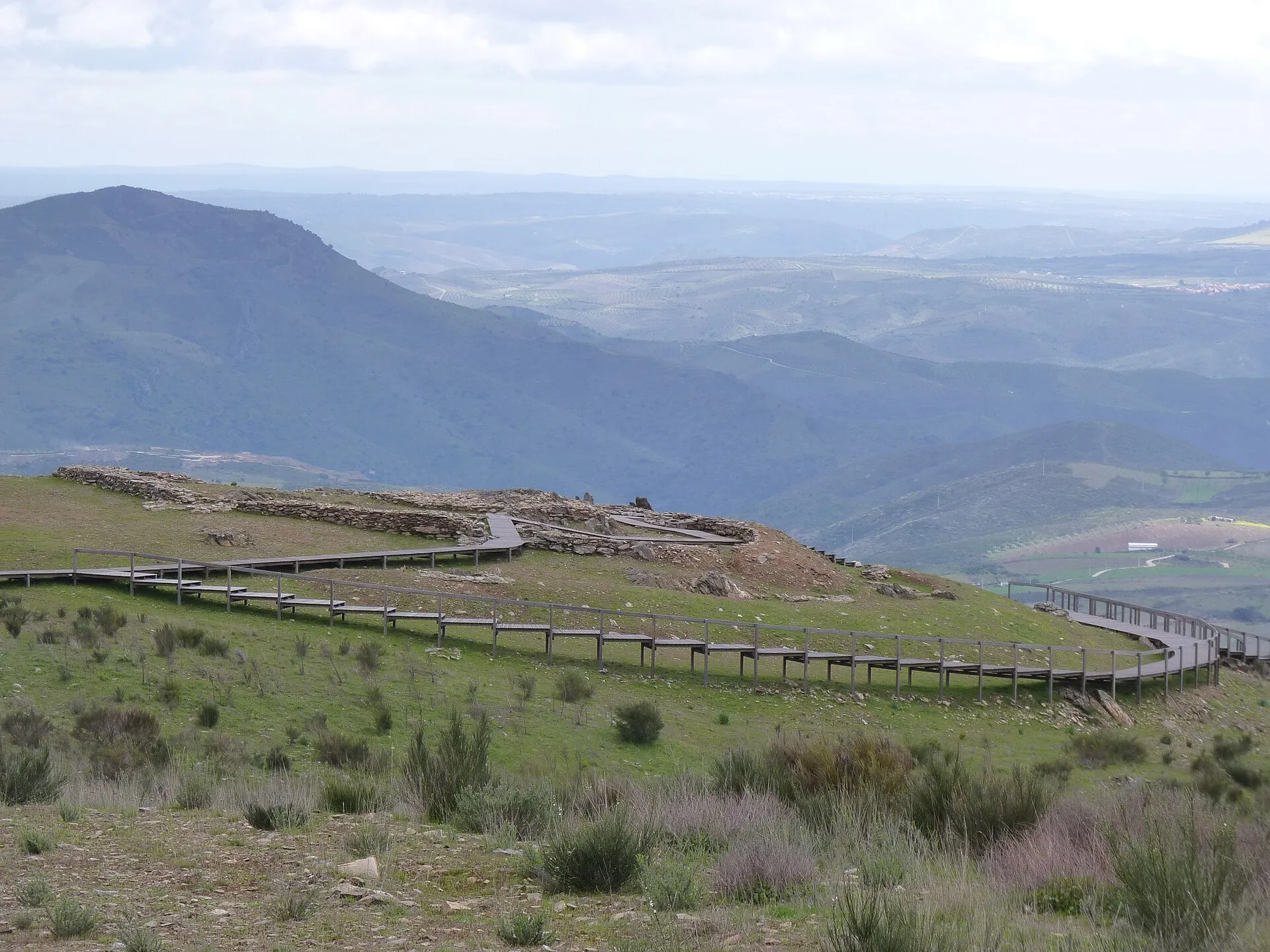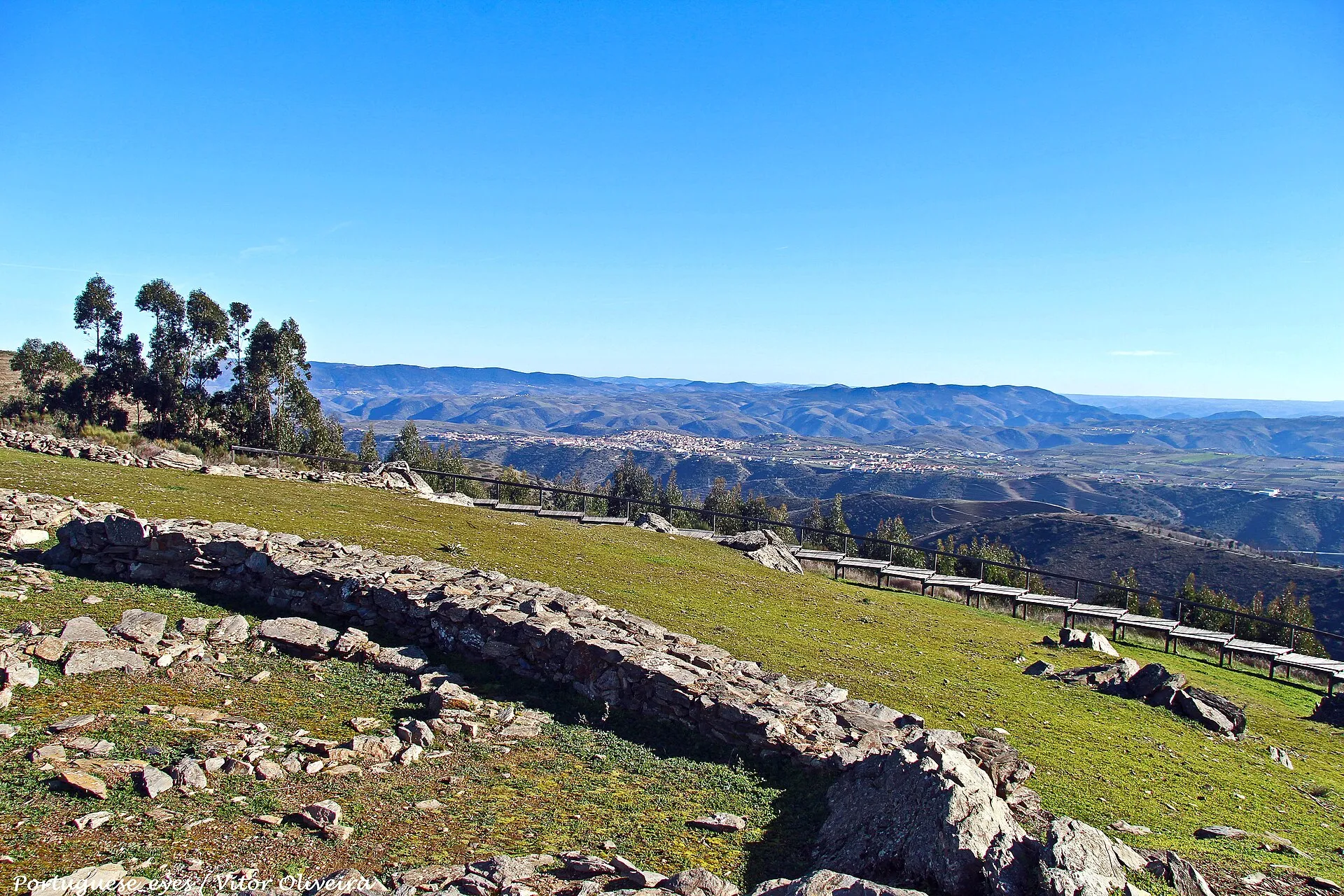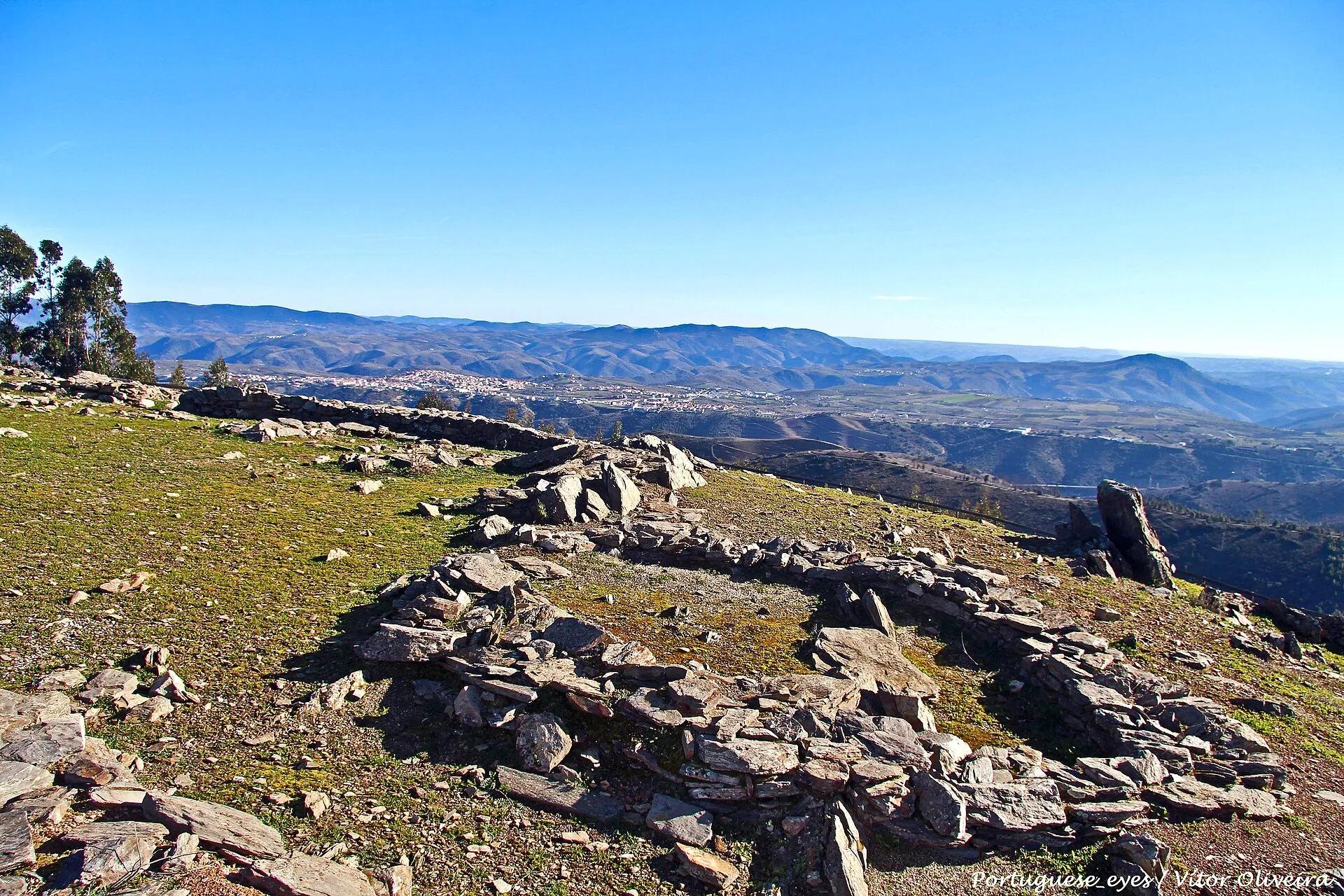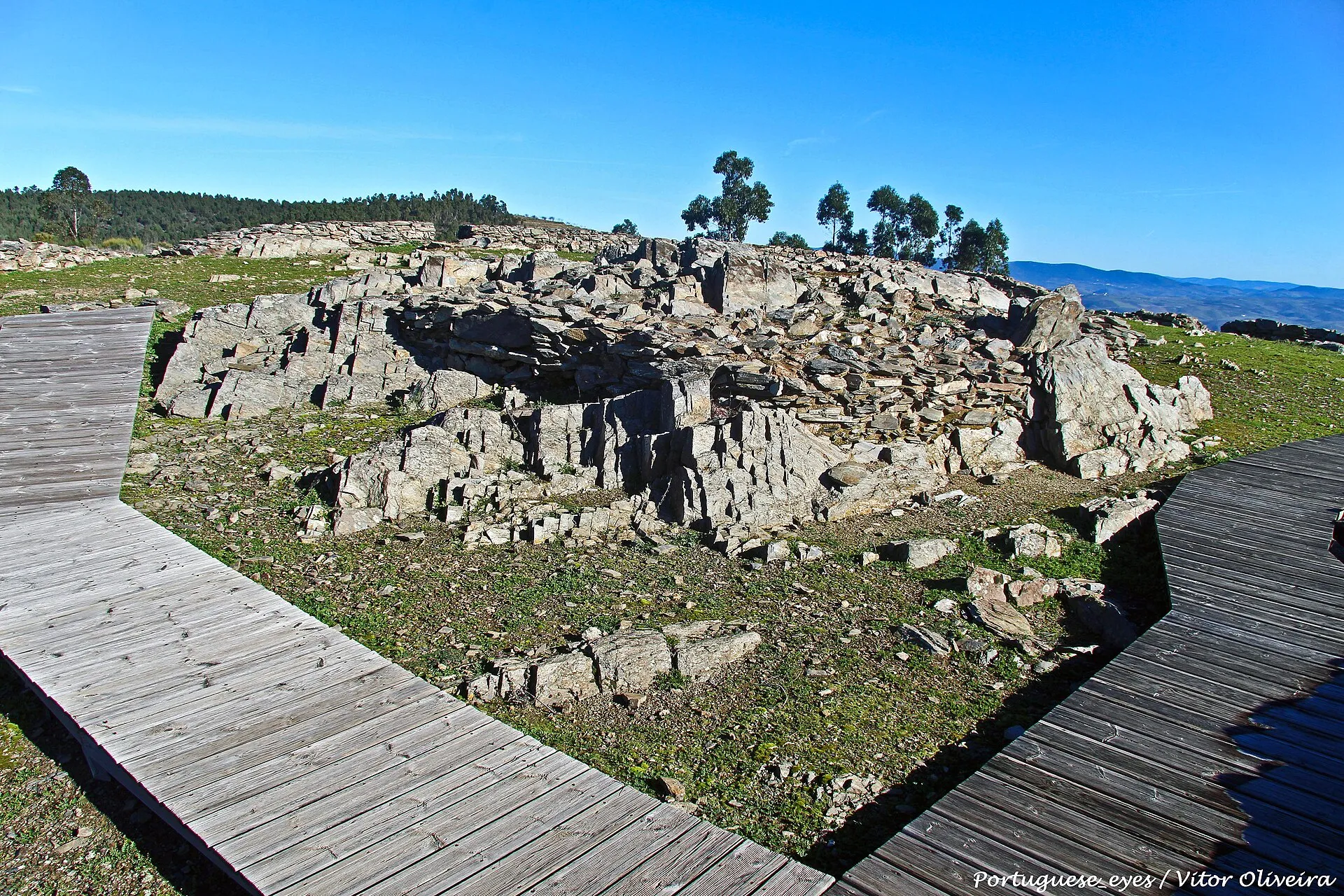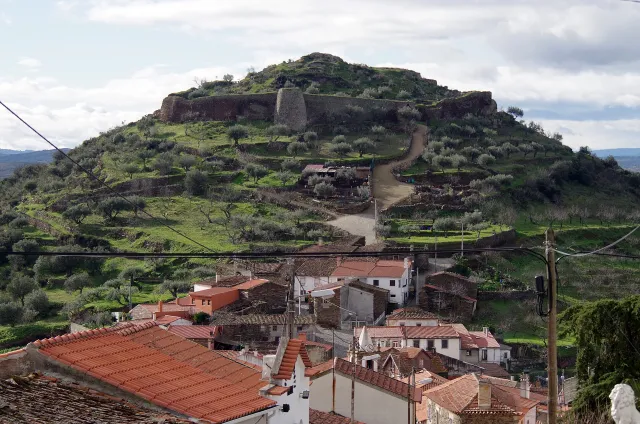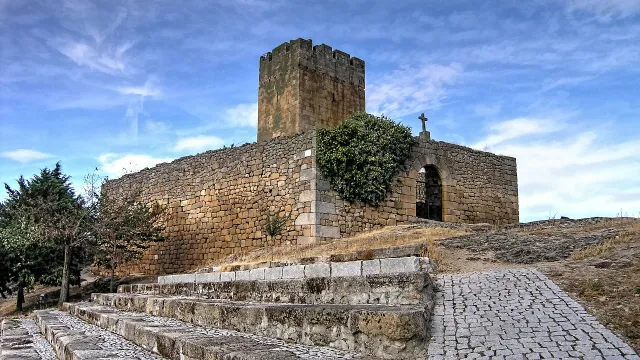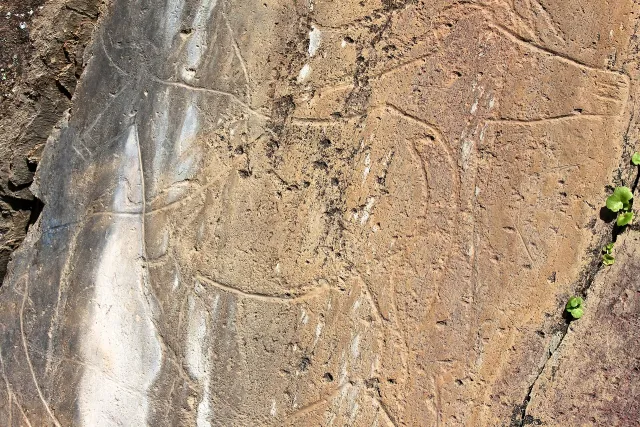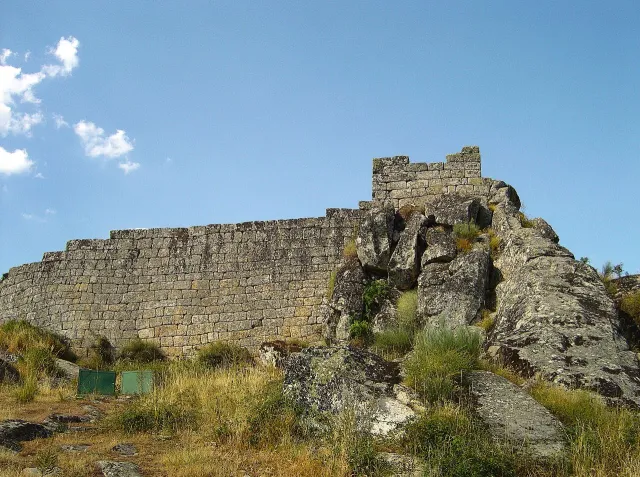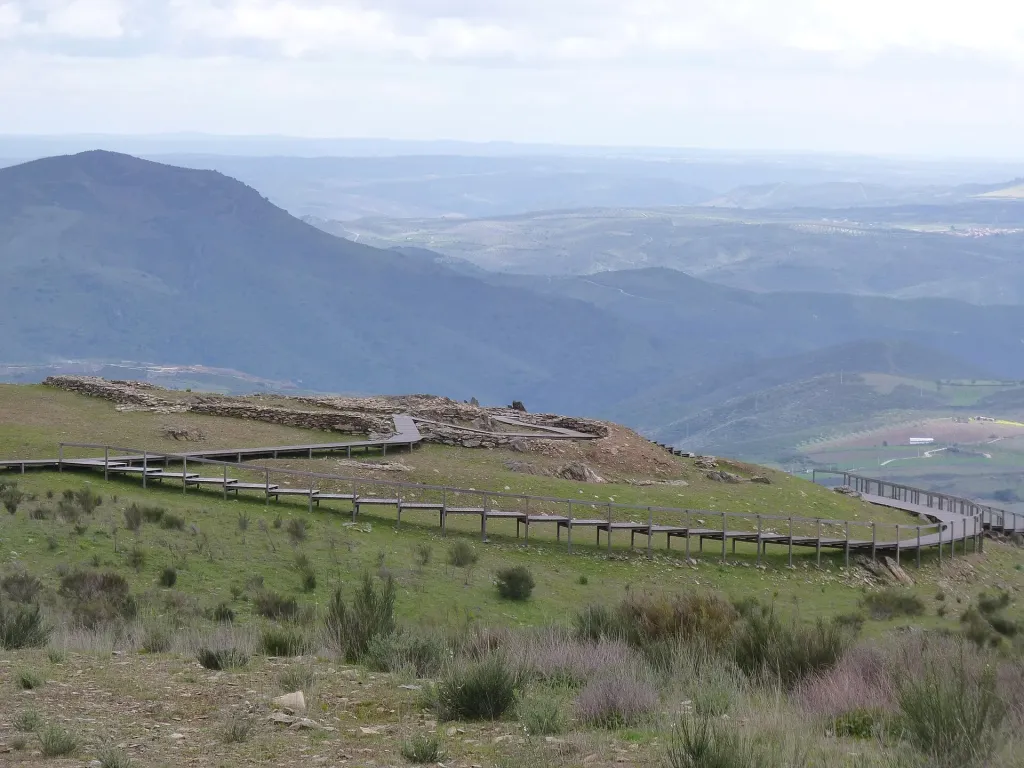
Sometime between 1300 and 1200 B.C., the monument was reduced to stone, either intentionally or ritualized, and left abandoned, in particular the outer zones.
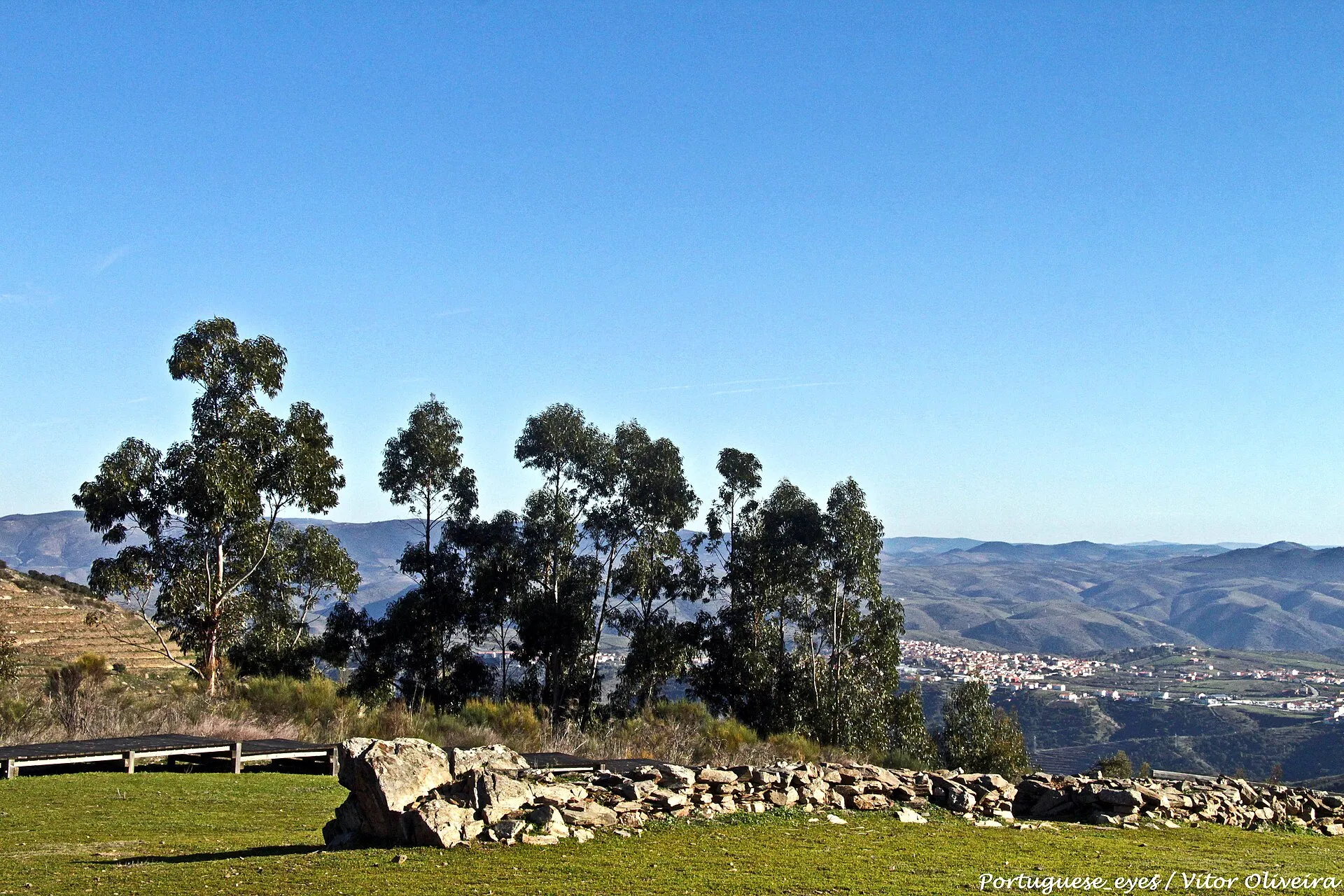
In 1987, A.N. Sá Coixão planted eucalyptus in the locality, following several surveys and field studies. But, two years later, Susana Oliveira Jorge initiated excavations in the locality.
The castle was transferred to the management of the IPPAR, by CELBI (STORA) in the 1990s. This move lead to the 28 September 1998 dispatch to begin a process of classification of the site, supported by Susana Oliveira Jorge.
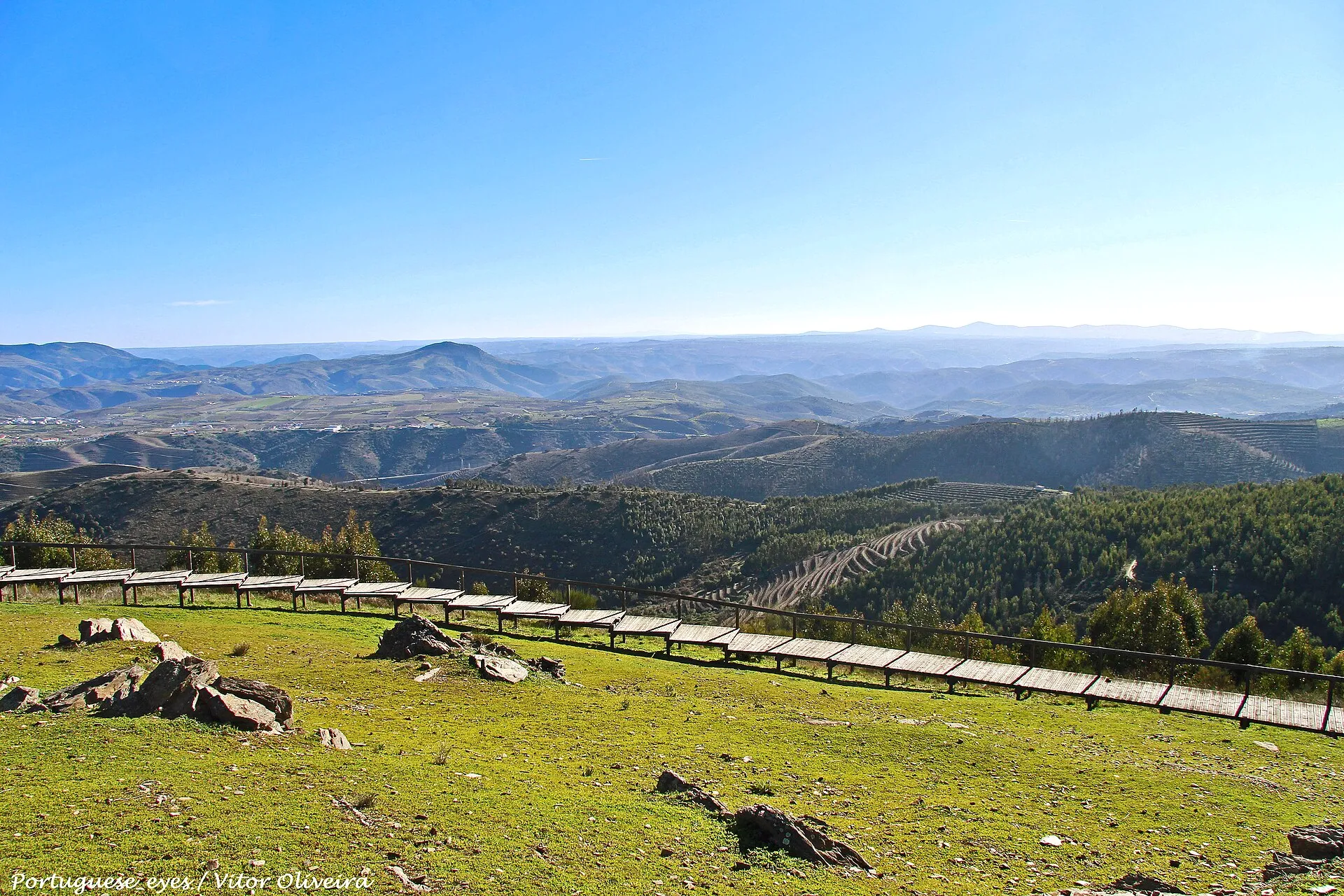
In 2004, further archaeological excavations and consolidation of the structures began in 2004, with construction of reception/interpretative centre built to allow visitors to visit the site. The site was open to the public in 2007. Meanwhile, on 19 March 2010, the monument reached the classification of Monumento de interesse público (MIP), following dispatch 219/2010 (published in the Diário da República, Série 2, 55). It was rectified on 15 April, under article 734/2010 (published in the Diário da República, Série 2, 73) and classified as a Sítio de interesse público (SIP).