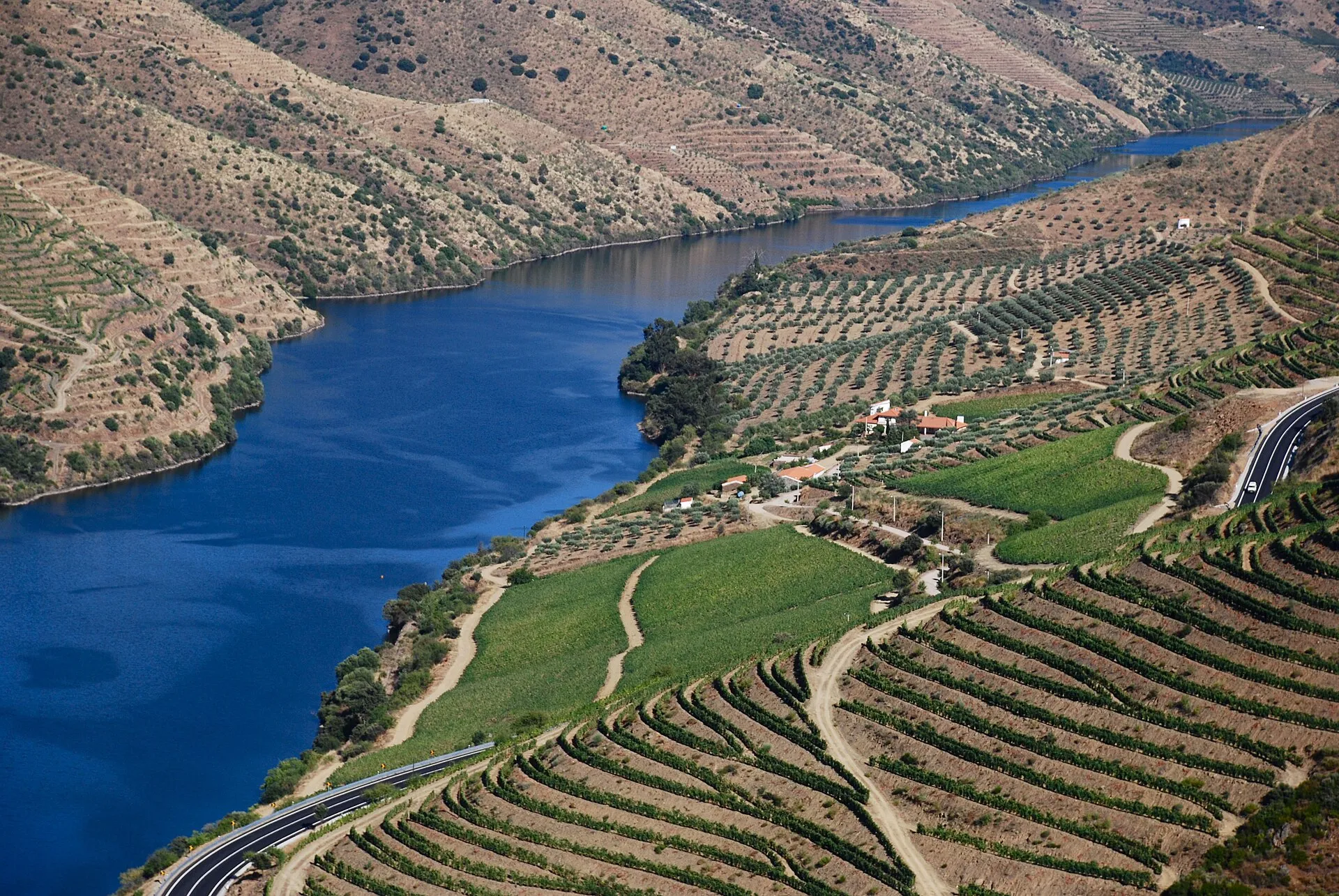
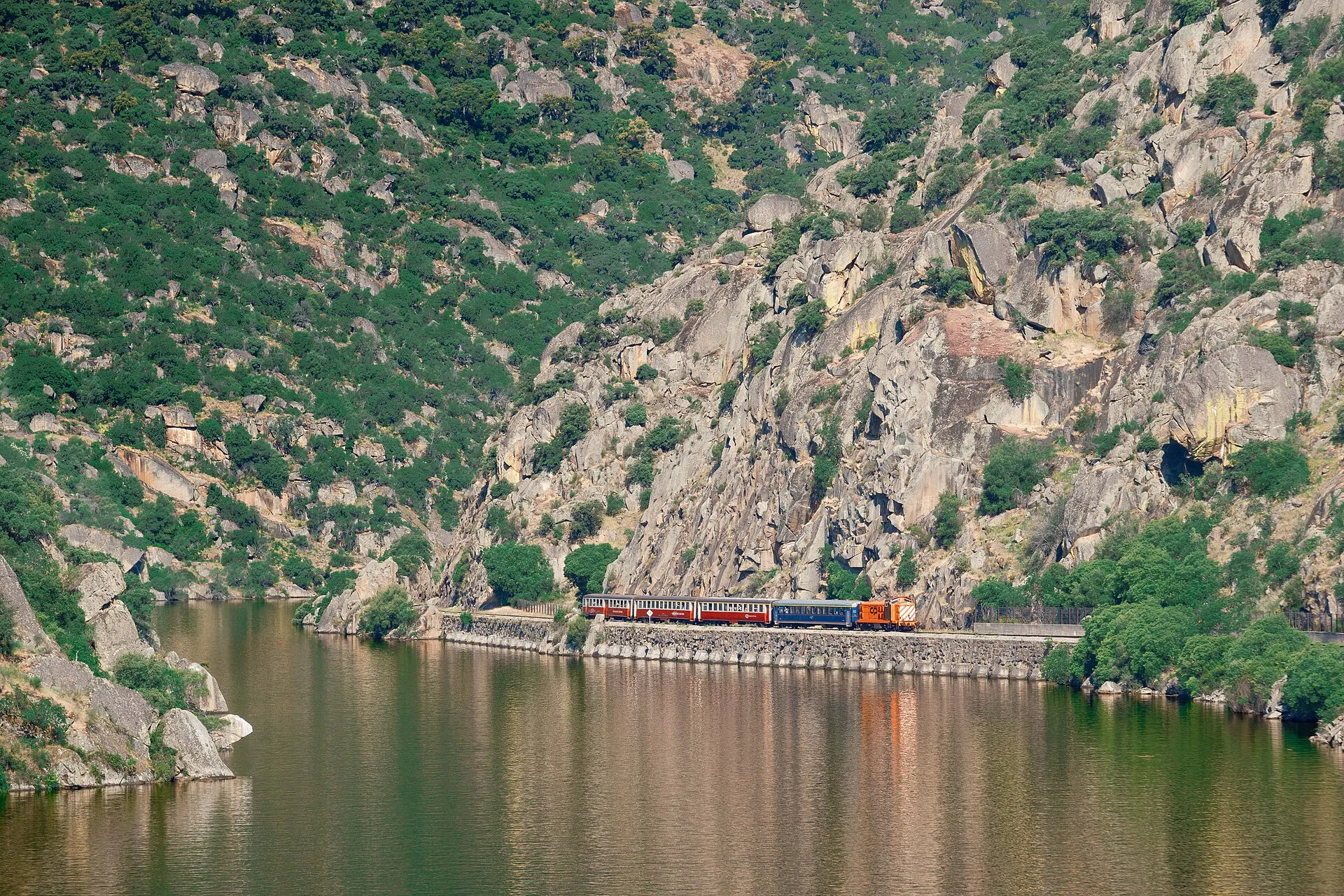
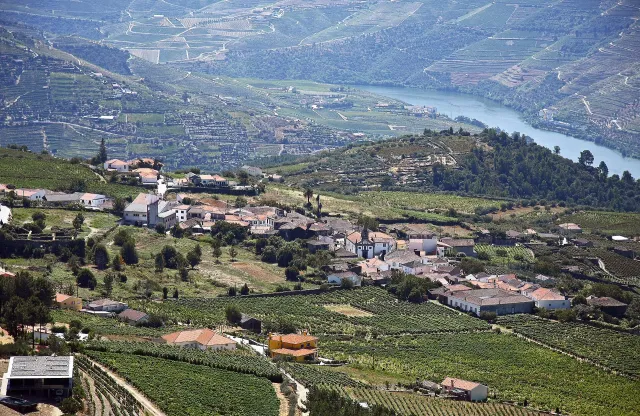
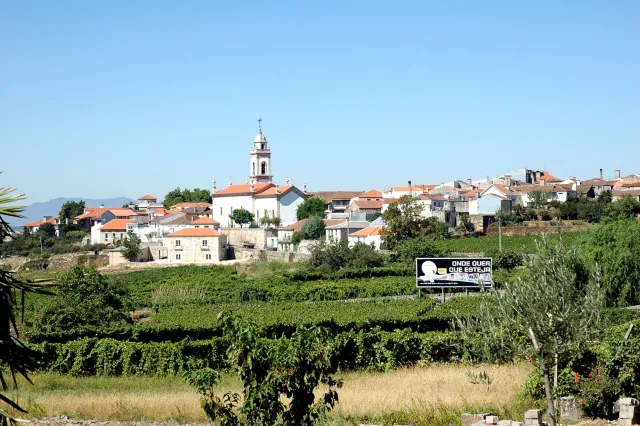
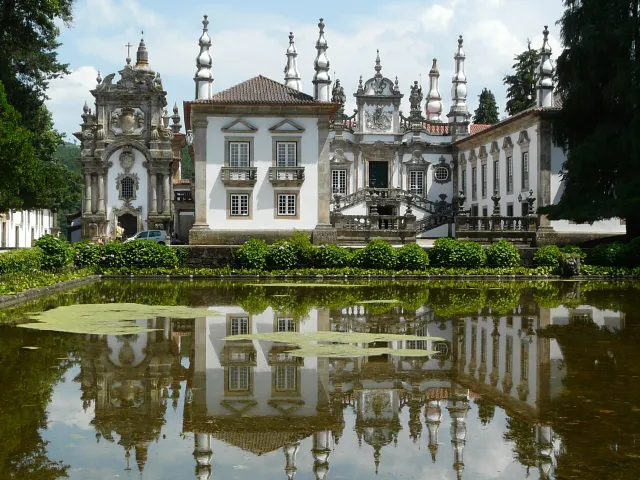
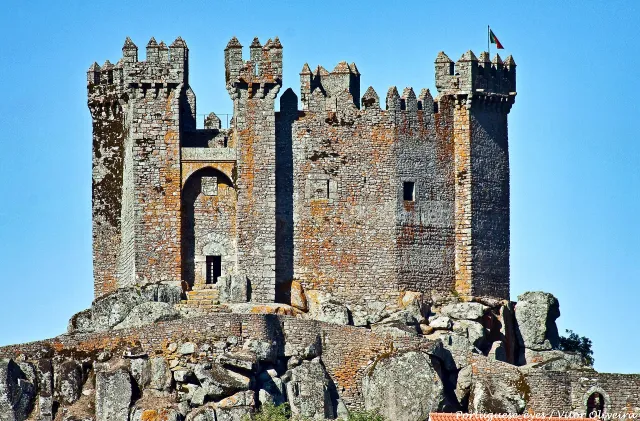
Alto Douro was one of the 13 regions of continental Portugal identified by geographer Amorim Girão, in a study published between 1927 and 1930. Together with Trás-os-Montes it became Trás-os-Montes e Alto Douro Province.
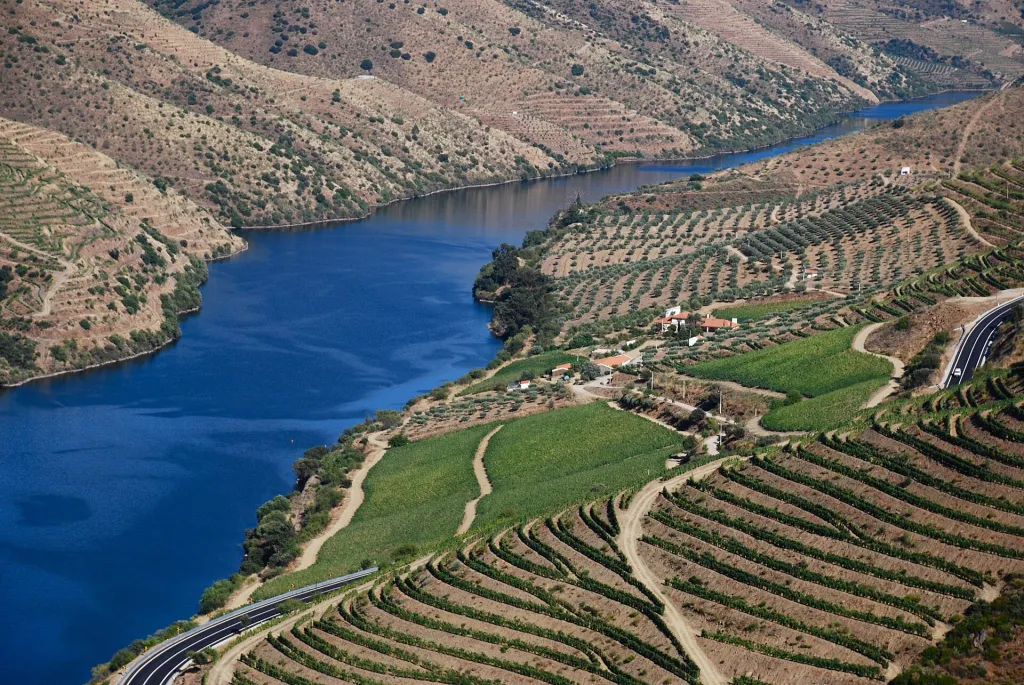
The style of wines produced in the Douro ranges from light, Bordeaux-style claret to rich Burgundian-style wines aged in new oak.
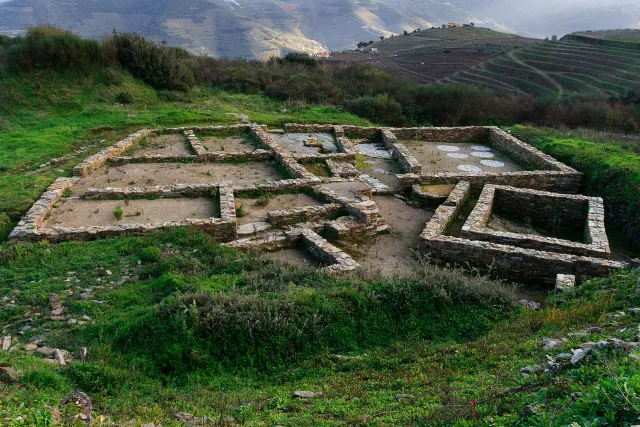
There is archaeological evidence for winemaking in the region dating from the end of the Western Roman Empire, during the 3rd and 4th centuries AD, although grape seeds have also been found at older archaeological sites. In medieval times from the mid-12th century, Cistercians had an important influence on winemaking in the region, through their three monasteries Salzedas, São João de Tarouca and São Pedro das Águias.
In the 17th century, the region's vineyards expanded, and the earliest known mention of "Port wine" dates from 1675. The Methuen Treaty between Portugal and England in 1703, and the subsequent establishment of many British Port lodges in Porto meant that Port wine became the primary product of the region, and it became economically very important to Portugal. As part of the regulation of the production and trade of this valuable commodity, a royal Portuguese charter of 10 September 1756 defined the production region for Port wine. It thus became the world's first wine region to have a formal demarcation. The vineyards covered by this demarcation were situated in the western part of the present region. Later, the vineyards have progressively expanded to the east into hotter and drier areas.
Douro was not spared from the vine diseases of the 19th century. Powdery mildew (oidium) caused by Erysiphe necator struck in 1852 and Phylloxera in 1863.

 1 / 2