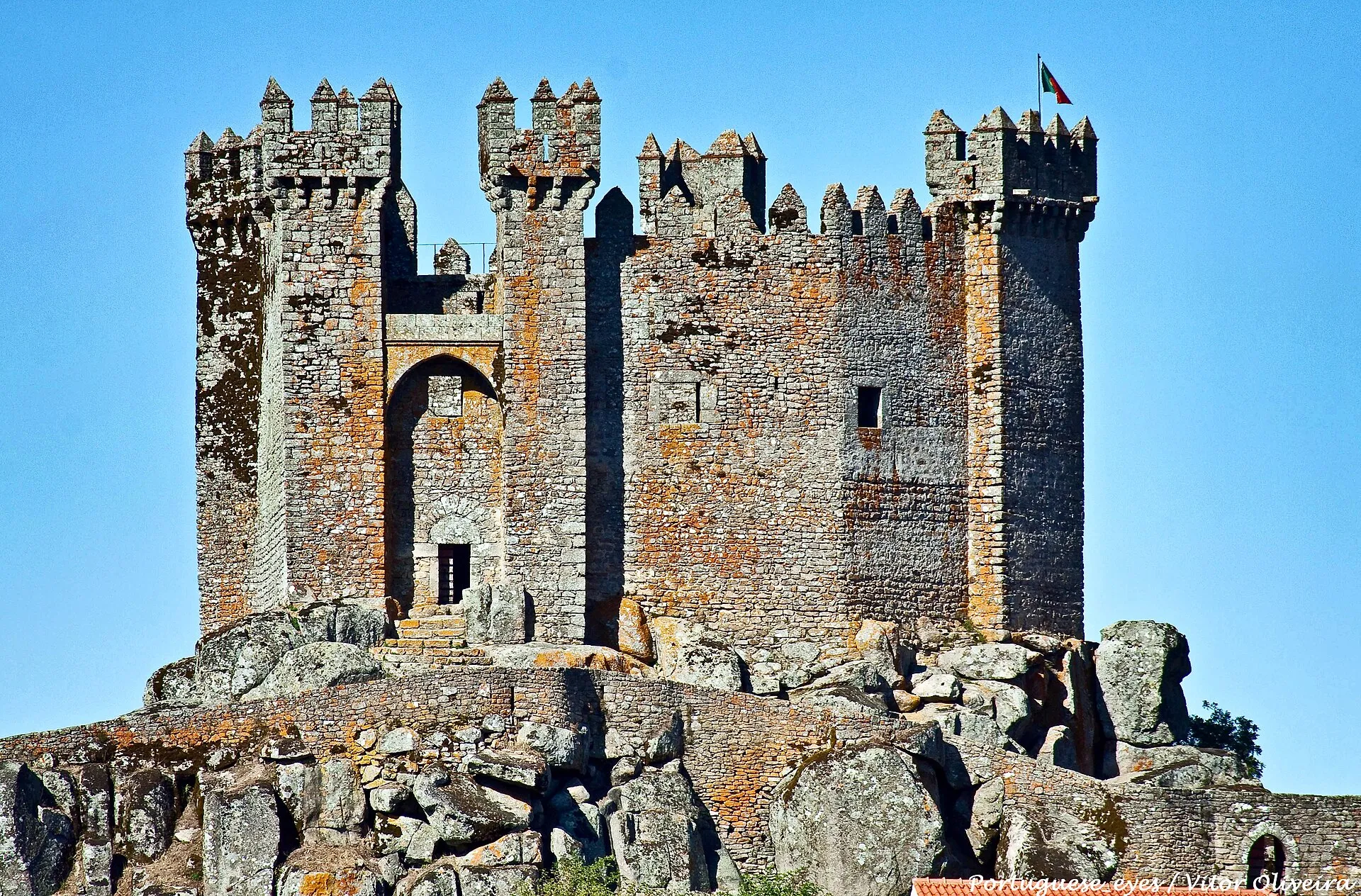
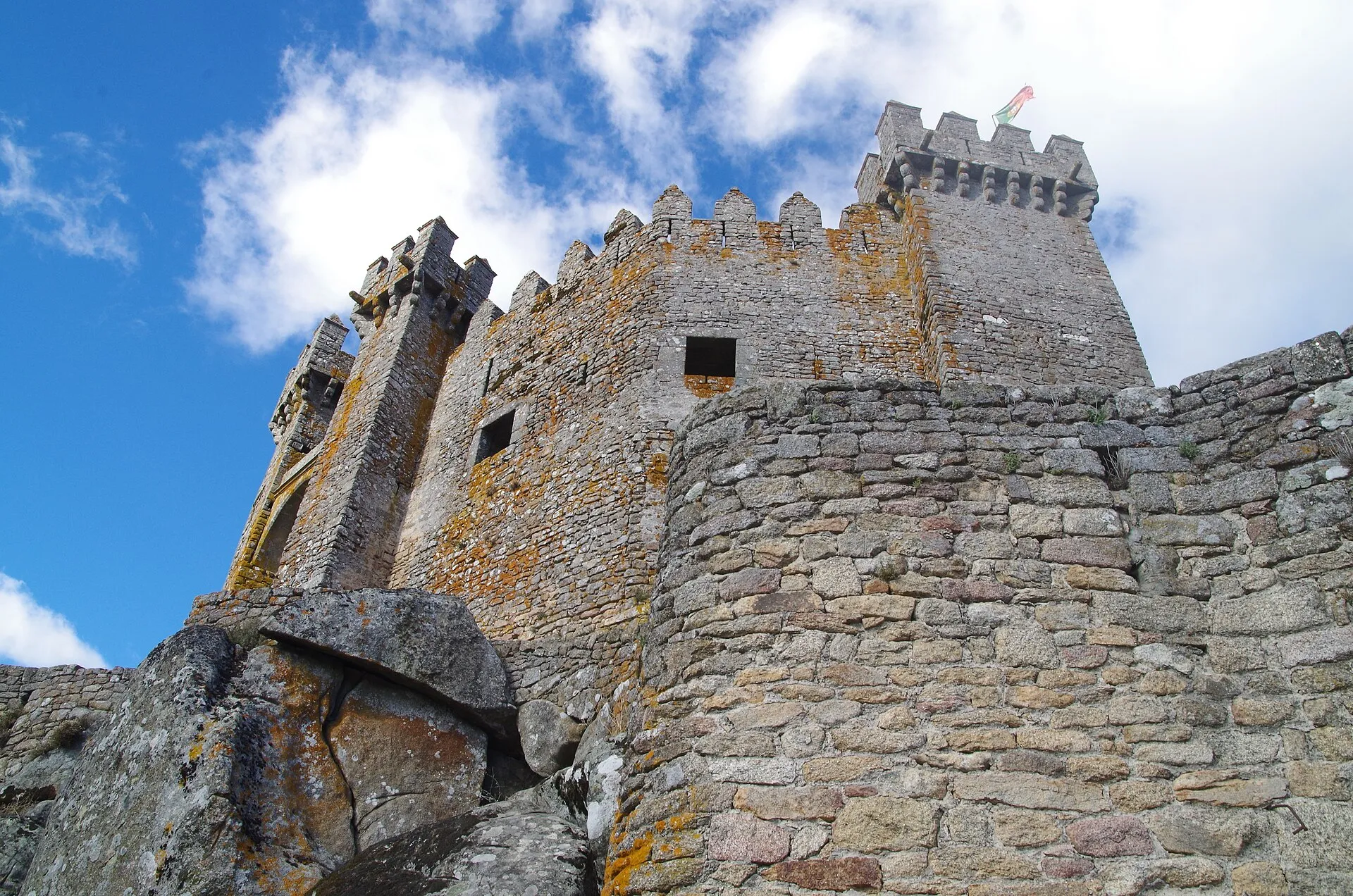
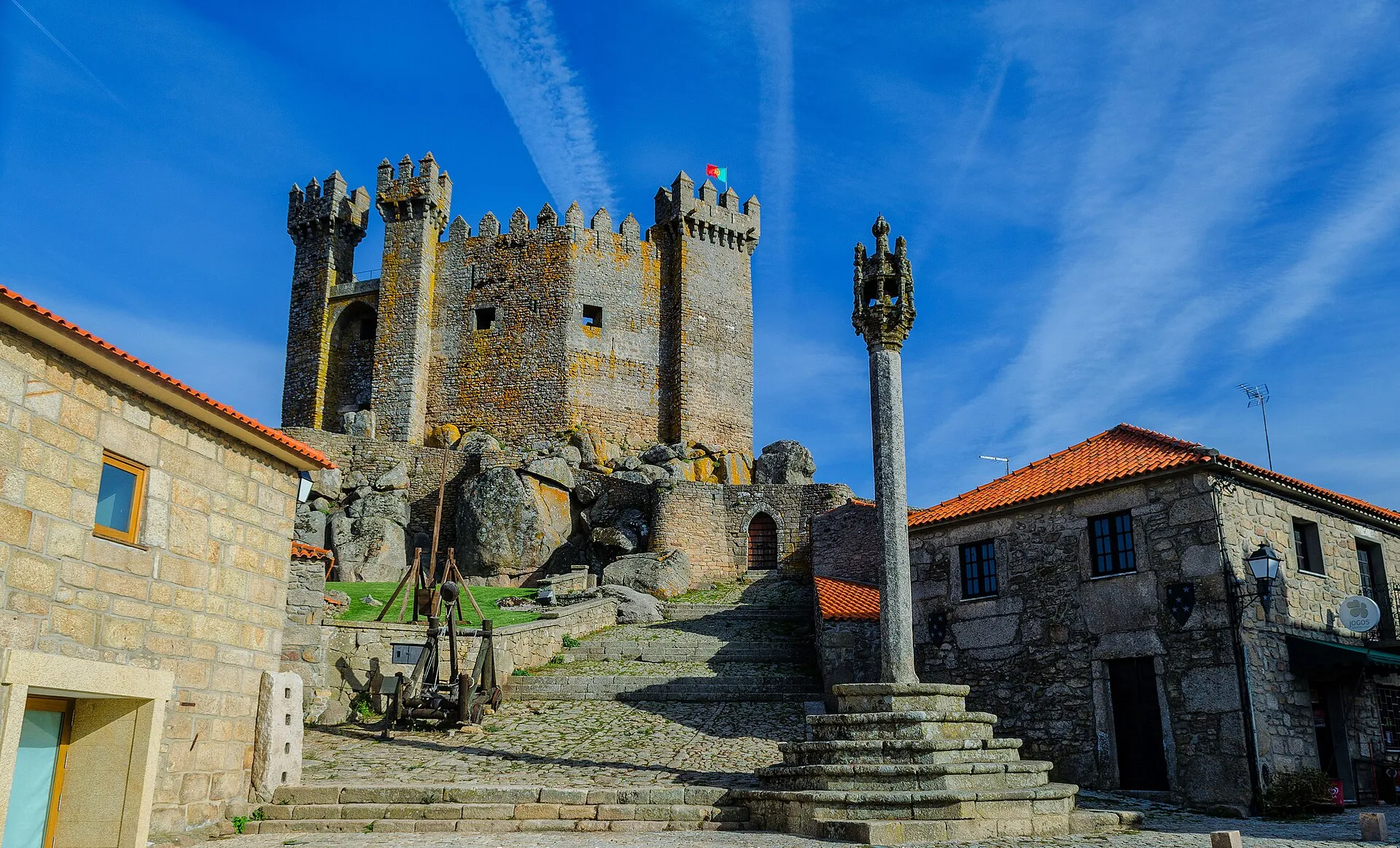
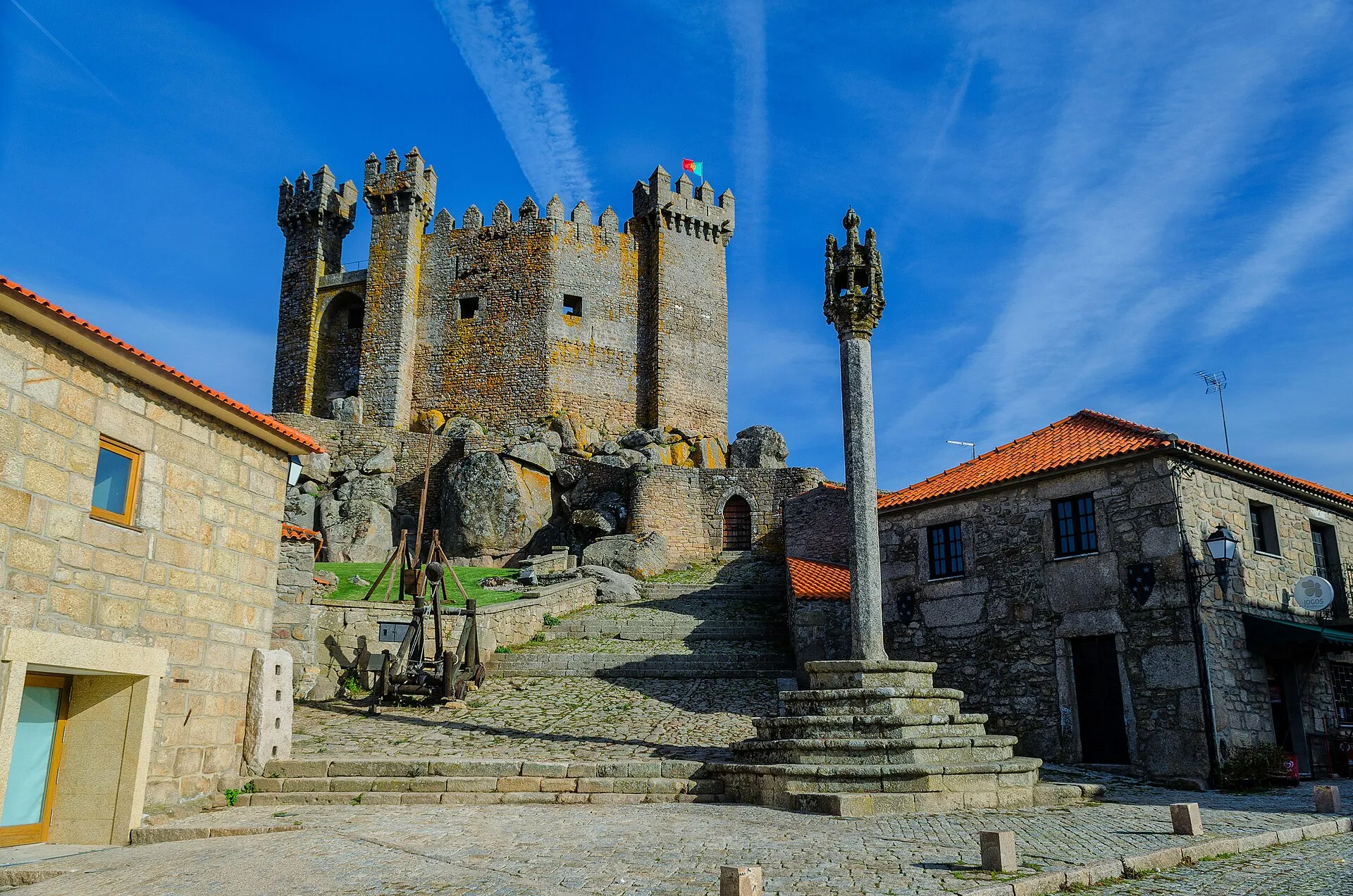
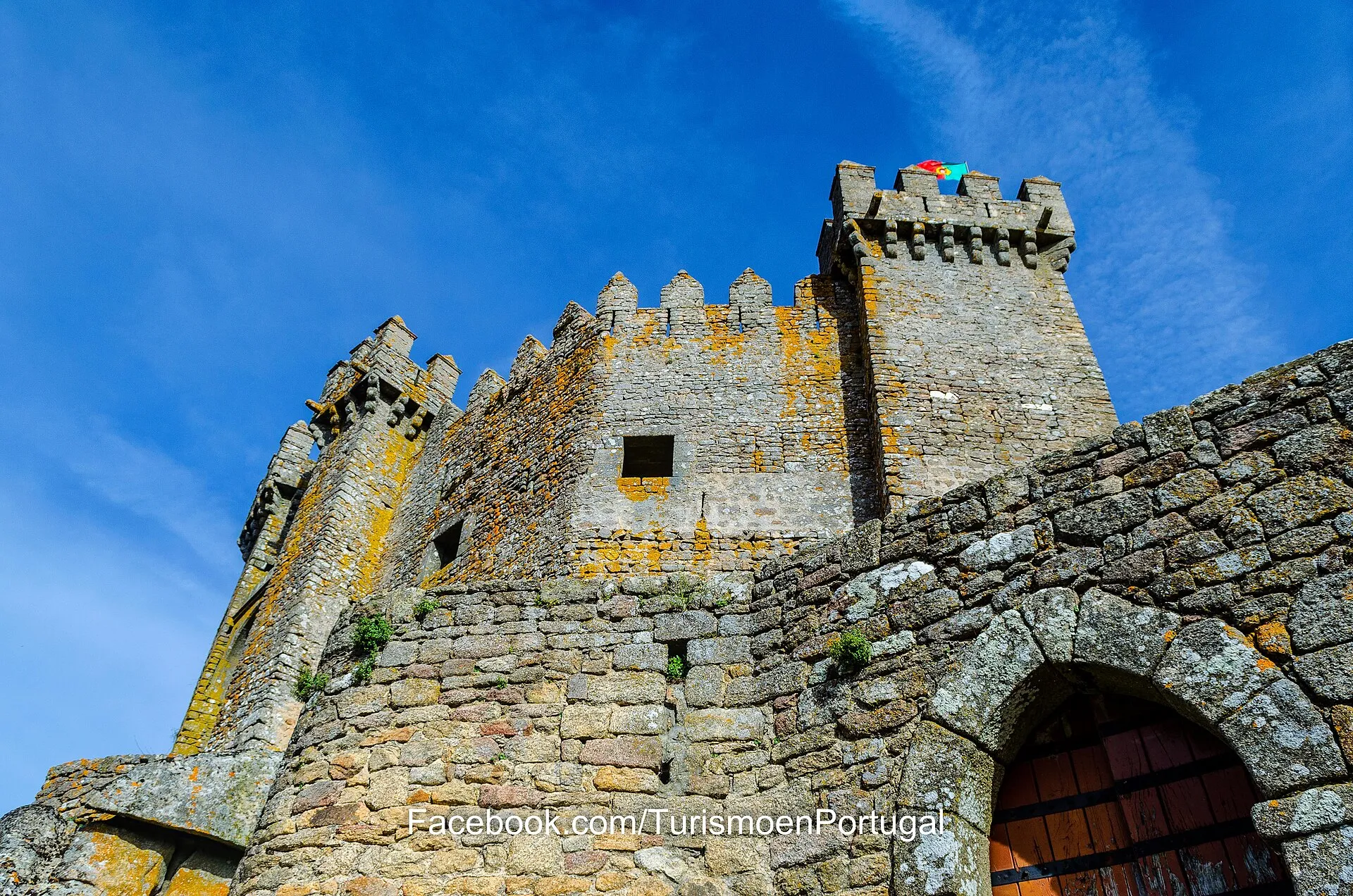
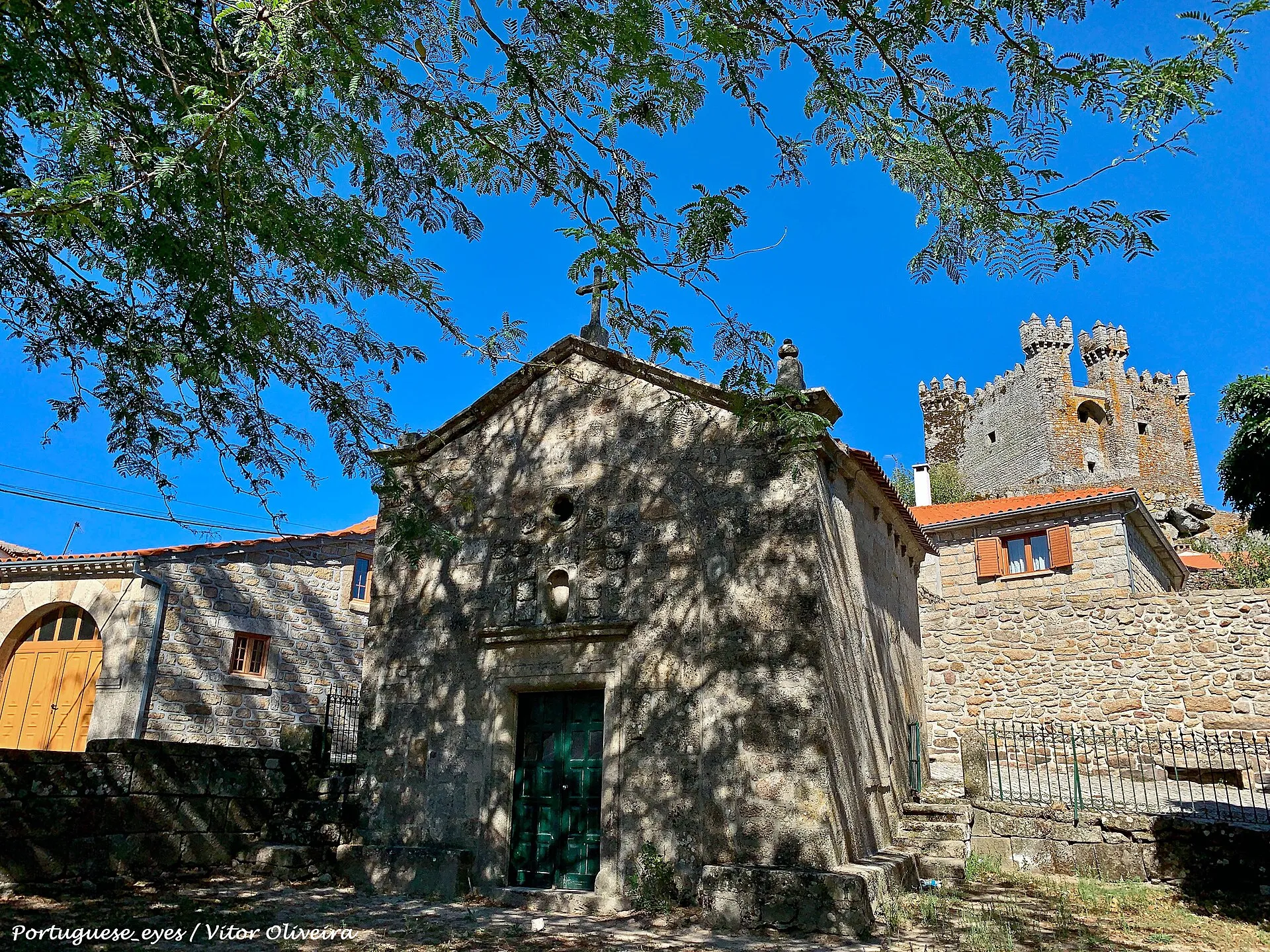
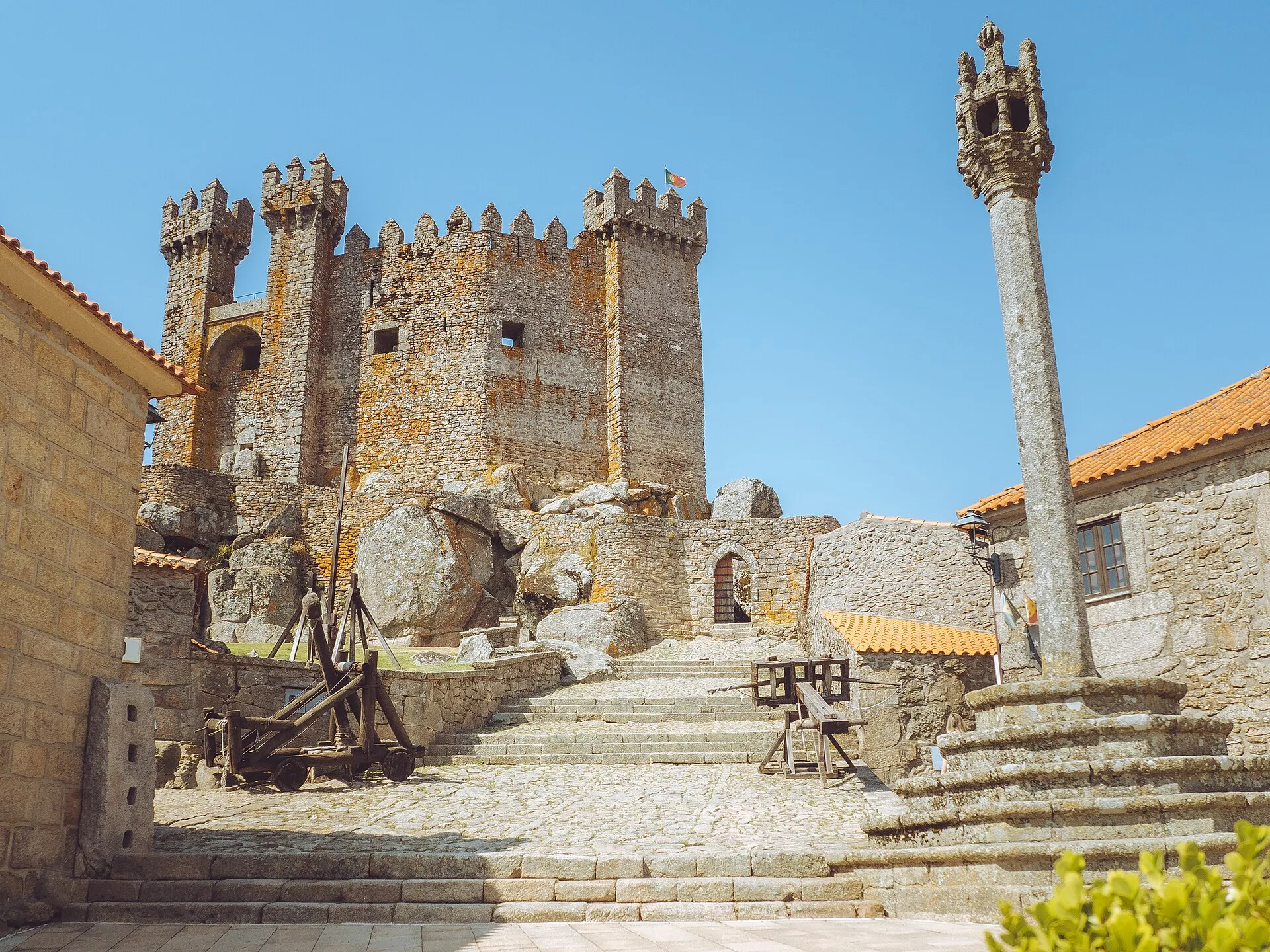
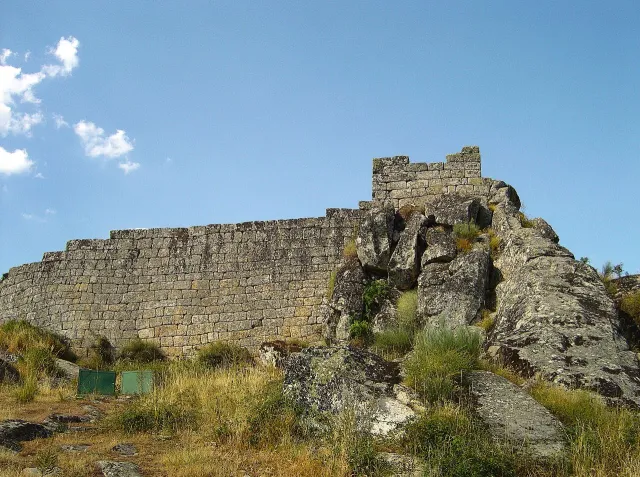
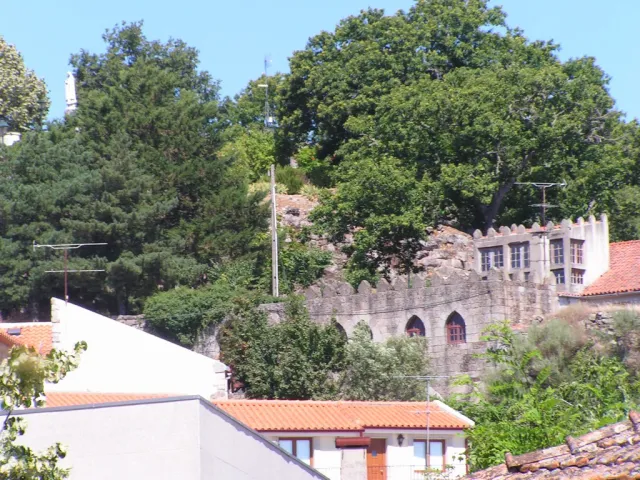
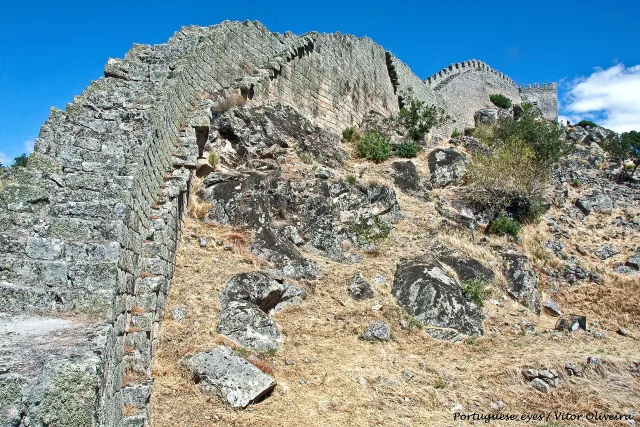
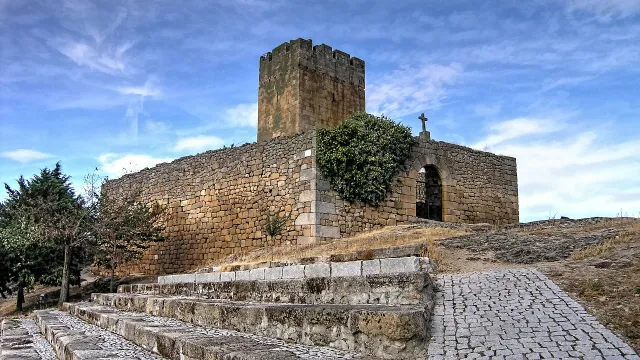
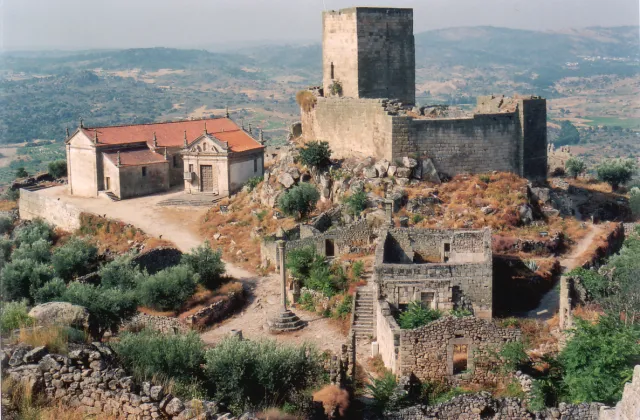
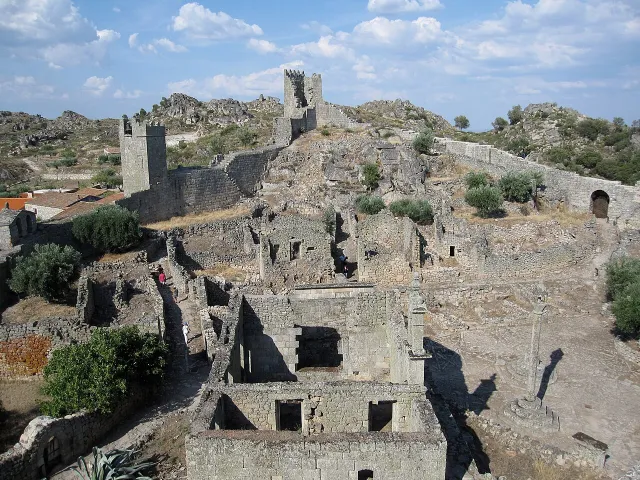
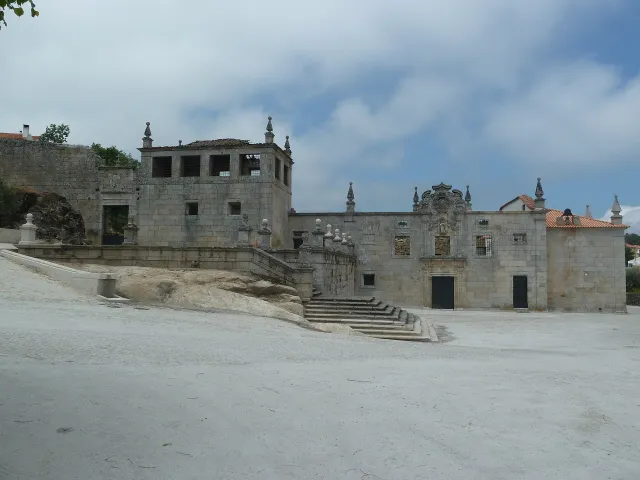
The oldest documented records date from the early Christian Reconquest of the area from the Moors; there is a reference to the area being repopulated after the victory of Ramiro II of León over the Moorish forces at the Battle of Simancas, in 939 AD. Penedono remained a border castle for several years, but in 987, it was reconquered by armies of Almanzor. The castle was retaken from the Moors by forces loyal to Ferdinand I of León between 1055 and 1057. The defense of the territory was then entrusted to Rodrigo Tedoniz, who set about the reconstruction of the castle. By 1059, though, it was already in the possession of the Monastery of São Salvador de Guimarães.
In 1195, in order to improve the strategic position of the border territory, King D. Sancho I conceded the region's first Foral (charter) to Pena de Domus, the medieval designation for the burgh. This foral was confirmed in 1217, by King D. Afonso II.
By the end of the 14th century, D. Fernando donated Penedono to Trancoso, whose signeurs wanted to tear down the castle. The senior residents of Penedono petitioned the King to stop this intention and to return the municipality to its status. At that time, Penedono disputed with Trancoso being the birthplace of the legendary knight Magriço.
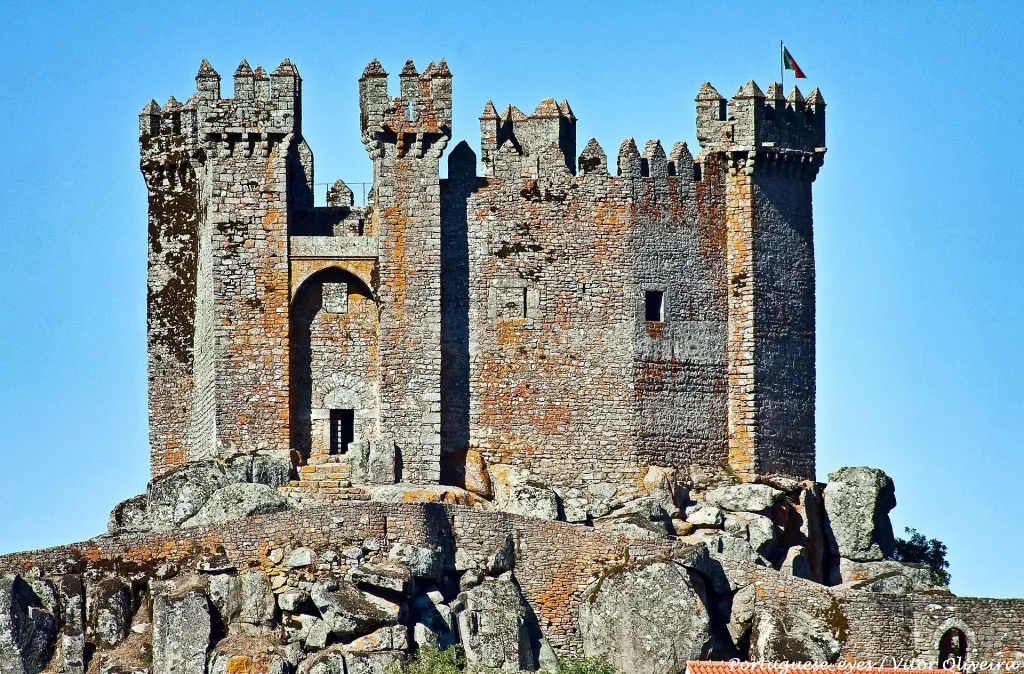
The castle was partially rebuilt over the existing structures, under the initiative of D. Vasco Fernandes Coutinho, to whom D. Fernando donated the castle. Many of the great men of the town petitioned D. John I to confirm his son, Gonçalo Vasques Coutinho, as the master of the lands, owing to Gonçalo's repeatedly placing his shield men and soldiers in the defence of the castle. The castle was the supposed birthplace of D.

 1 / 7