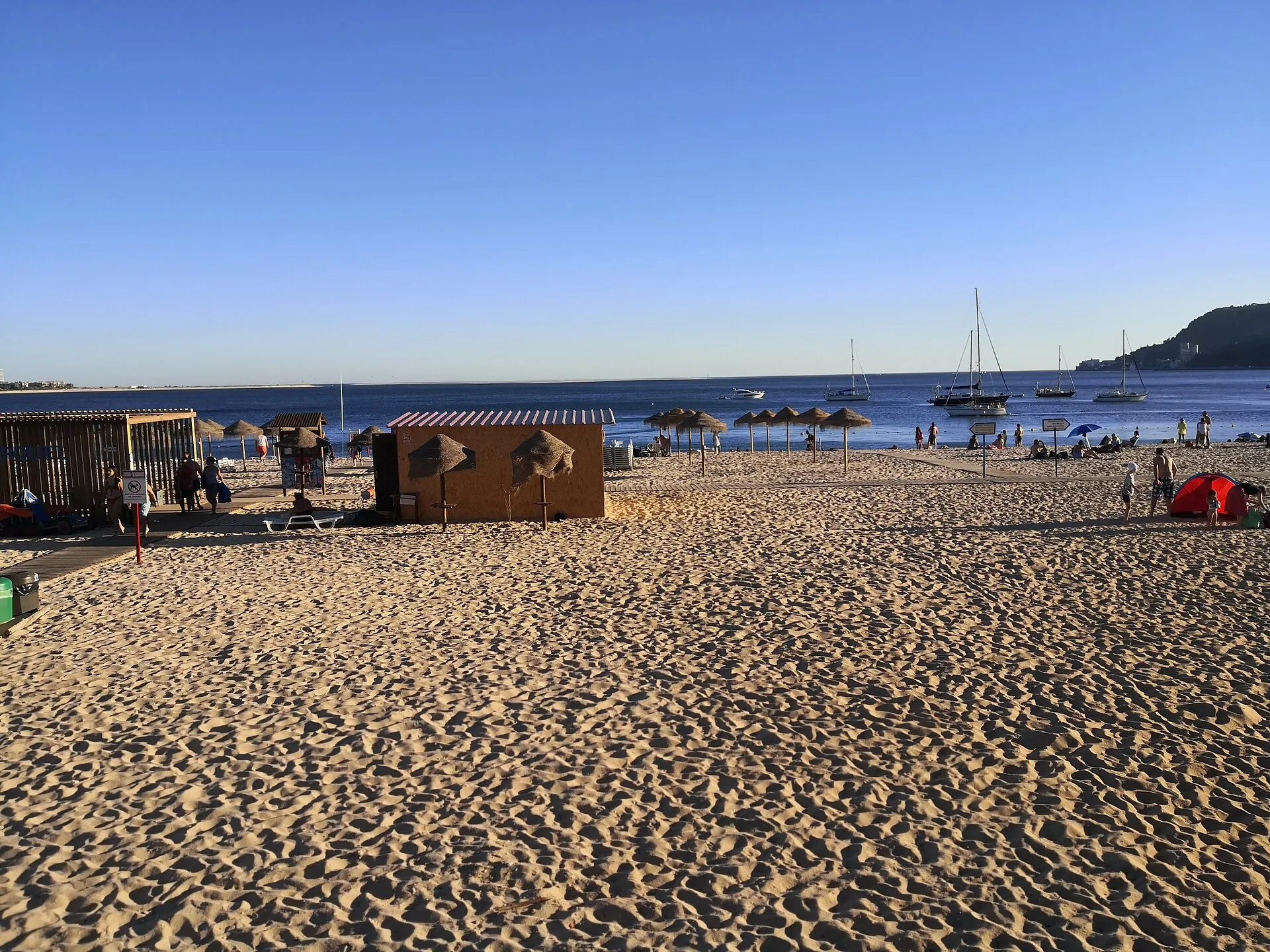
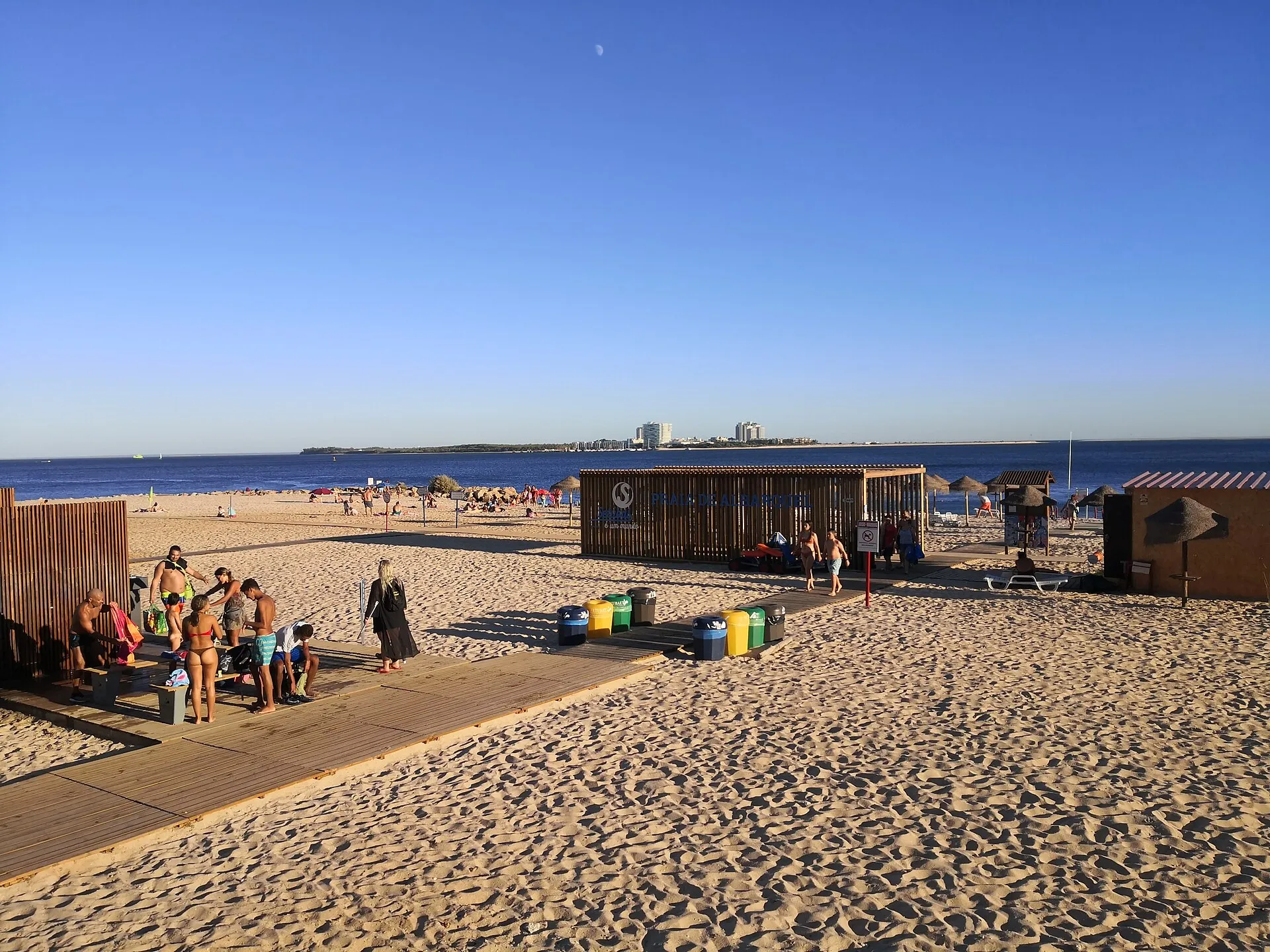
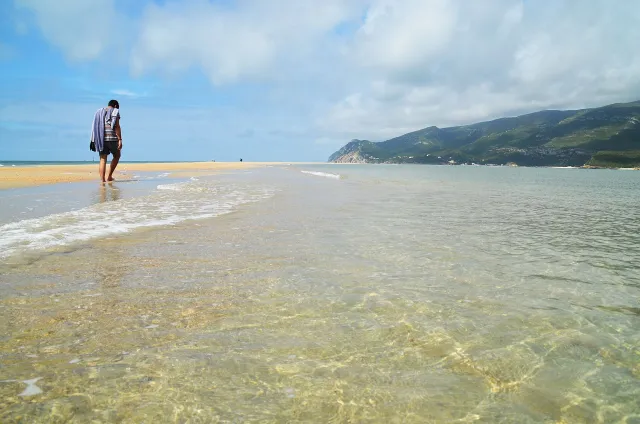
Other features expected to be introduced are accessible entrances into the water, including mats and walkways; the erection of a pergola made of recycled plastic to provide shade; accessible showers and bathrooms; and beach wheelchairs, one made for walking along the shore and one for venturing into the water. The Municipality also intends to train staff on inclusive practices and has connected with the physiotherapy, nursing, sport, speech therapy, and Portuguese sign language departments at the Polytechnic Institute of Setúbal to provide on-site assistance. In 2020, the beach was ranked the #1 most accessible beach in Portugal and received the Praia + Acessível Award which is sponsored by the National Institute of Rehabilitation, the Portuguese Environment Agency, and Turismo de Portugal. Turismo de Portugal's Valorizar Program, which promotes accessible tourism, is helping fund the €400,000 project.
In 2021, beach cameras were installed so visitors can see beach conditions ahead of time and to provide additional safety measures.
The Municipality also participates in Arrábida Sem Carros, a program prohibiting car access to beaches during peak times to prevent traffic congestion. Public transportation is promoted during these restrictions. A pedestrian walkway between the Albarquel Urban Park and the beach was started in 2019 and finished in 2021, providing another access route. A shared electric bike system was introduced in Setúbal in 2021 as well.
Sea life along the beach and in surrounding areas includes bottlenose dolphins and occasionally sharks, including sandy dogfish, which eats molluscs and fish. Safety of the area is closely monitored by the maritime police.
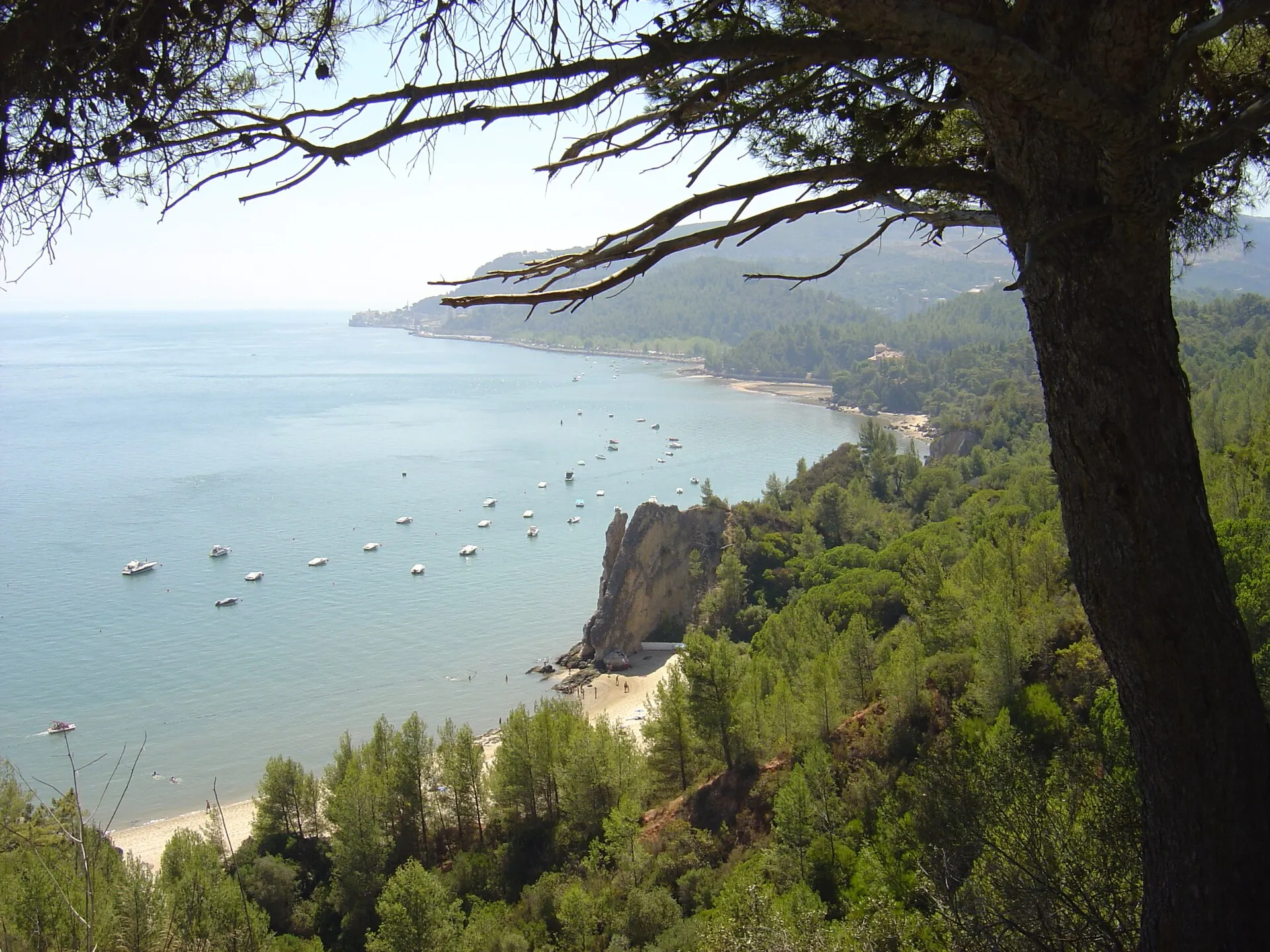
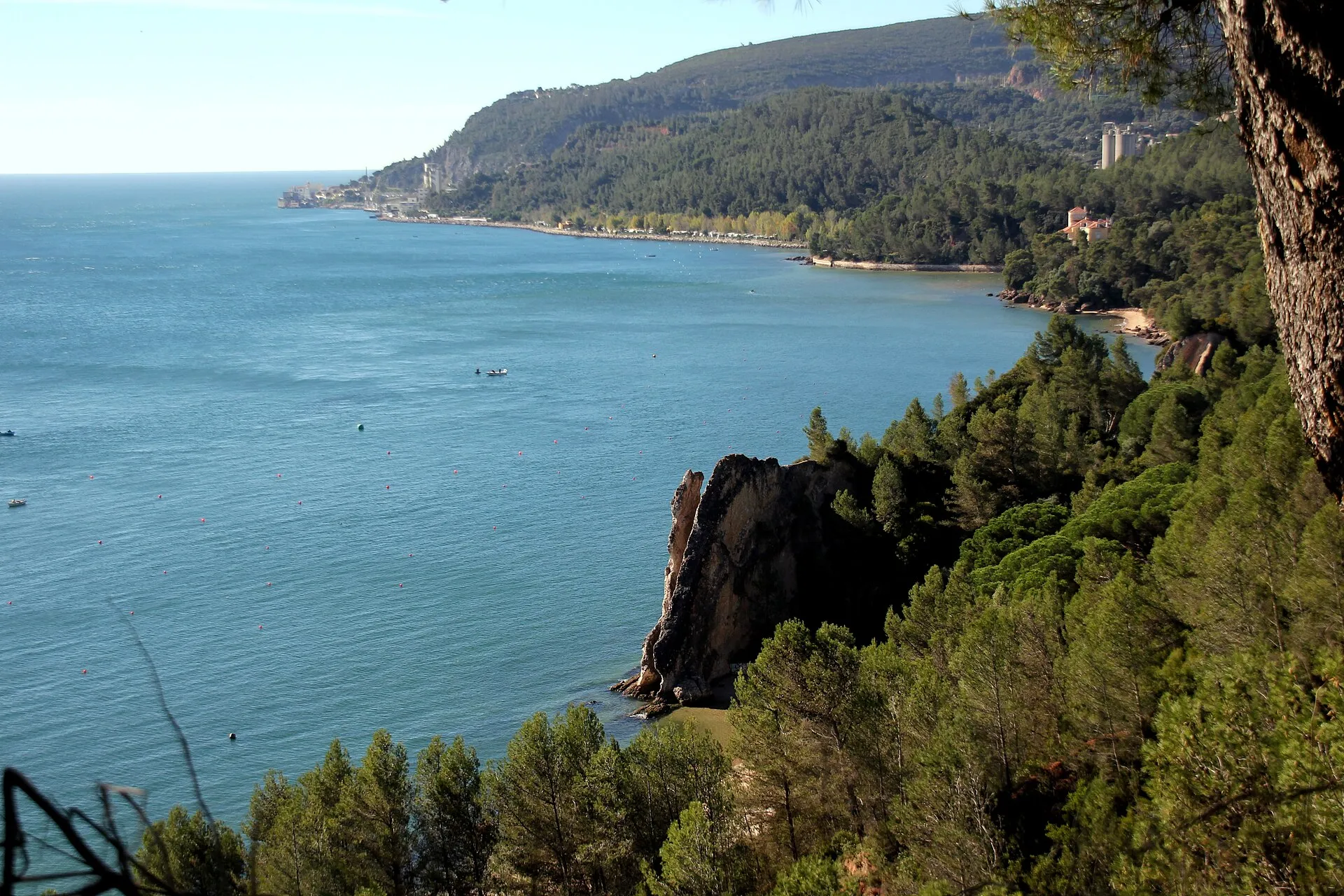
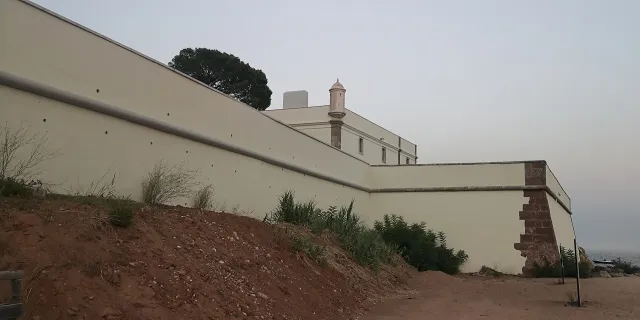
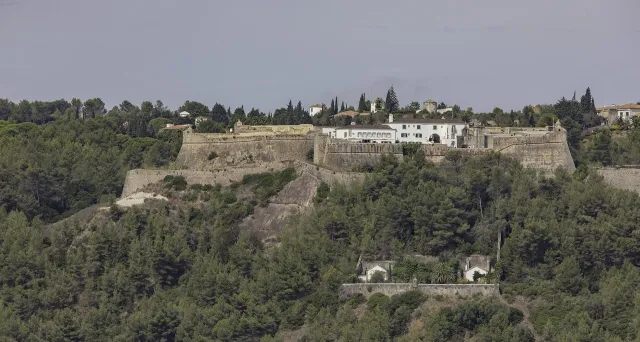
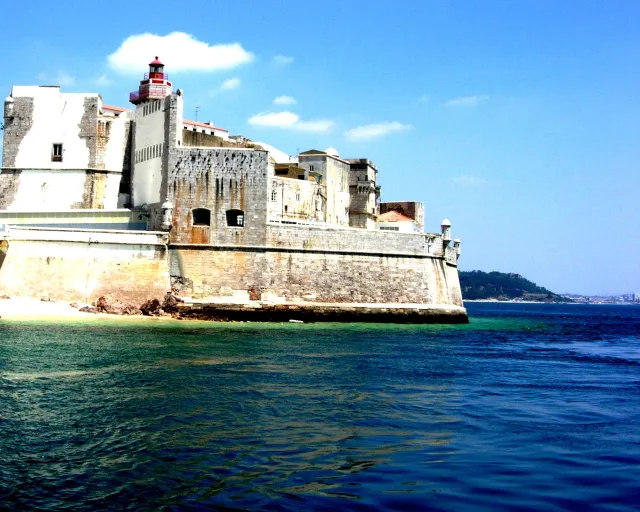
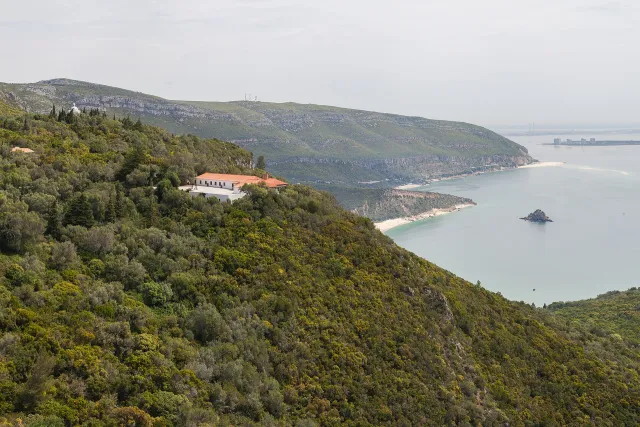
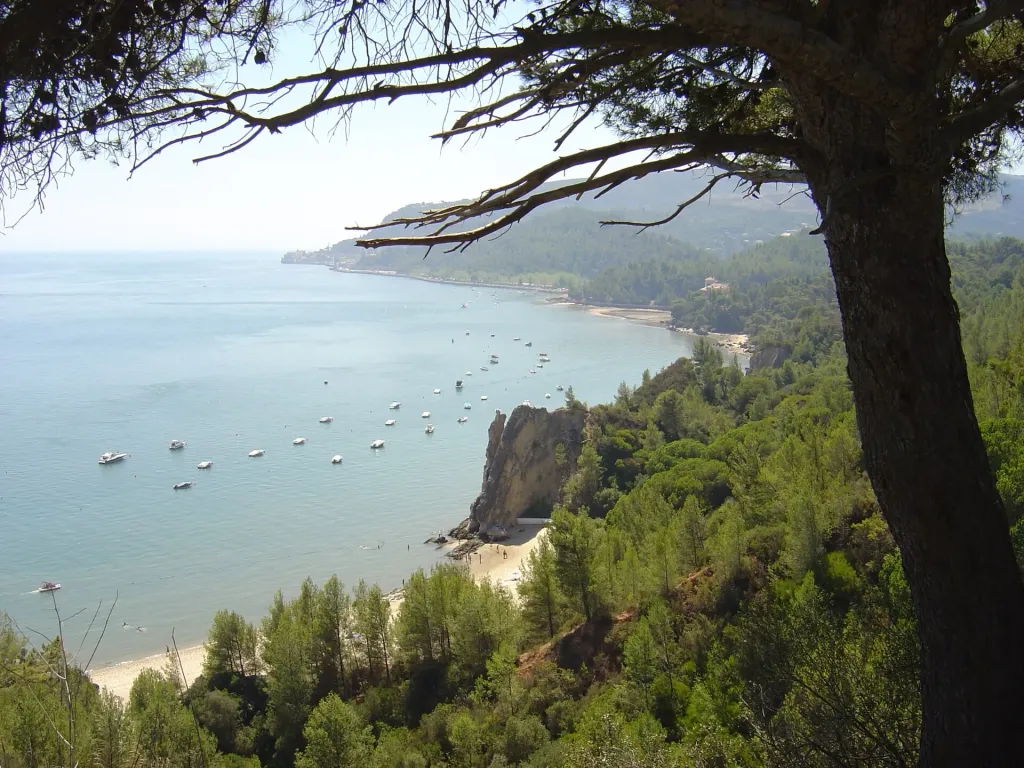
Nearby points of interest include the Albarquel viewpoint (Pau da Consolação), Arrábida Natural Park, and Figueirinha Beach (Praia da Figueirinha). The 17th-century Albarquel Fort is located in the Natural Park just off the beach; €1.6 million renovations of the long-abandoned building began in 2018 and were completed in 2021.

 1 / 5