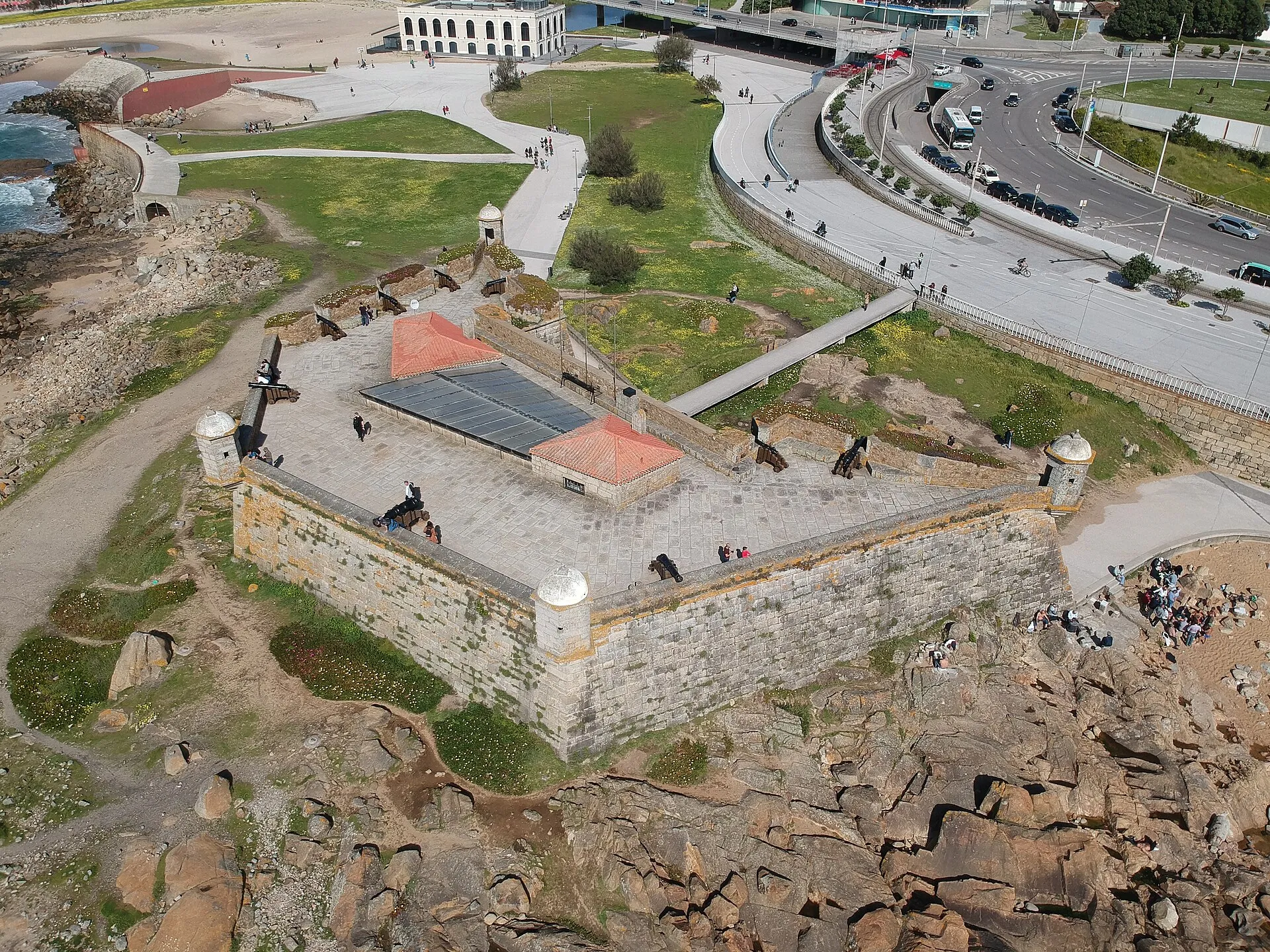
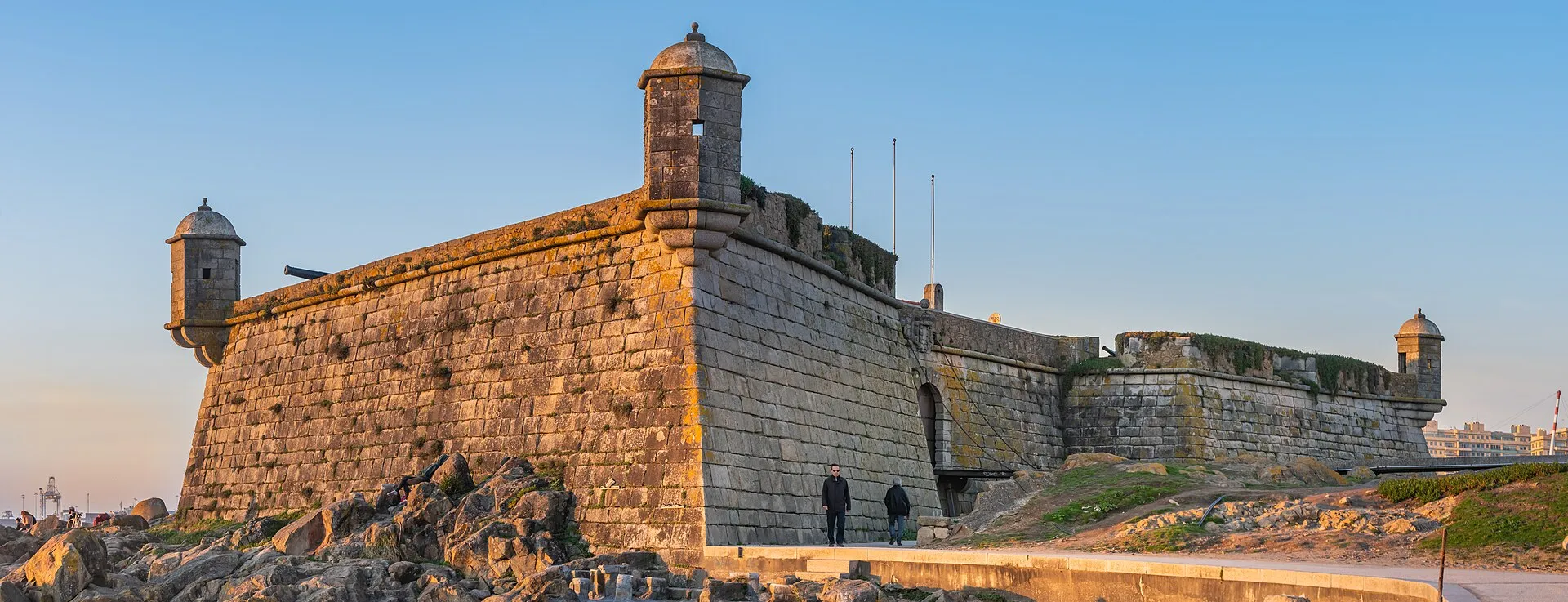
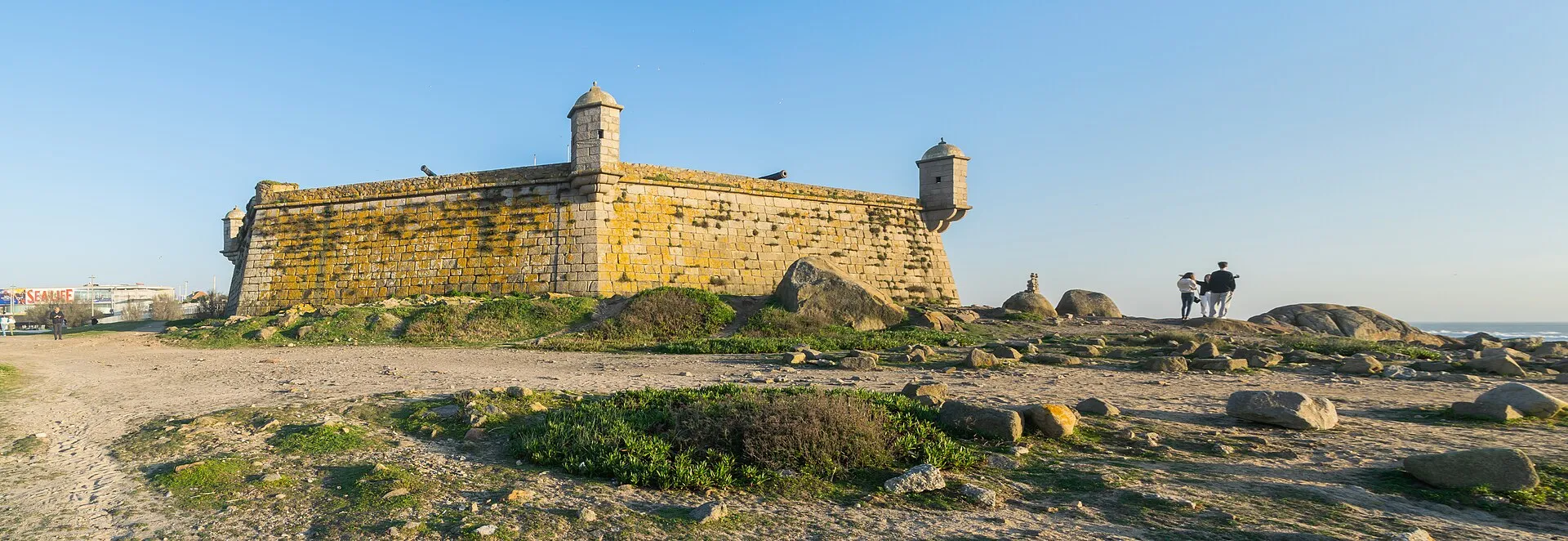
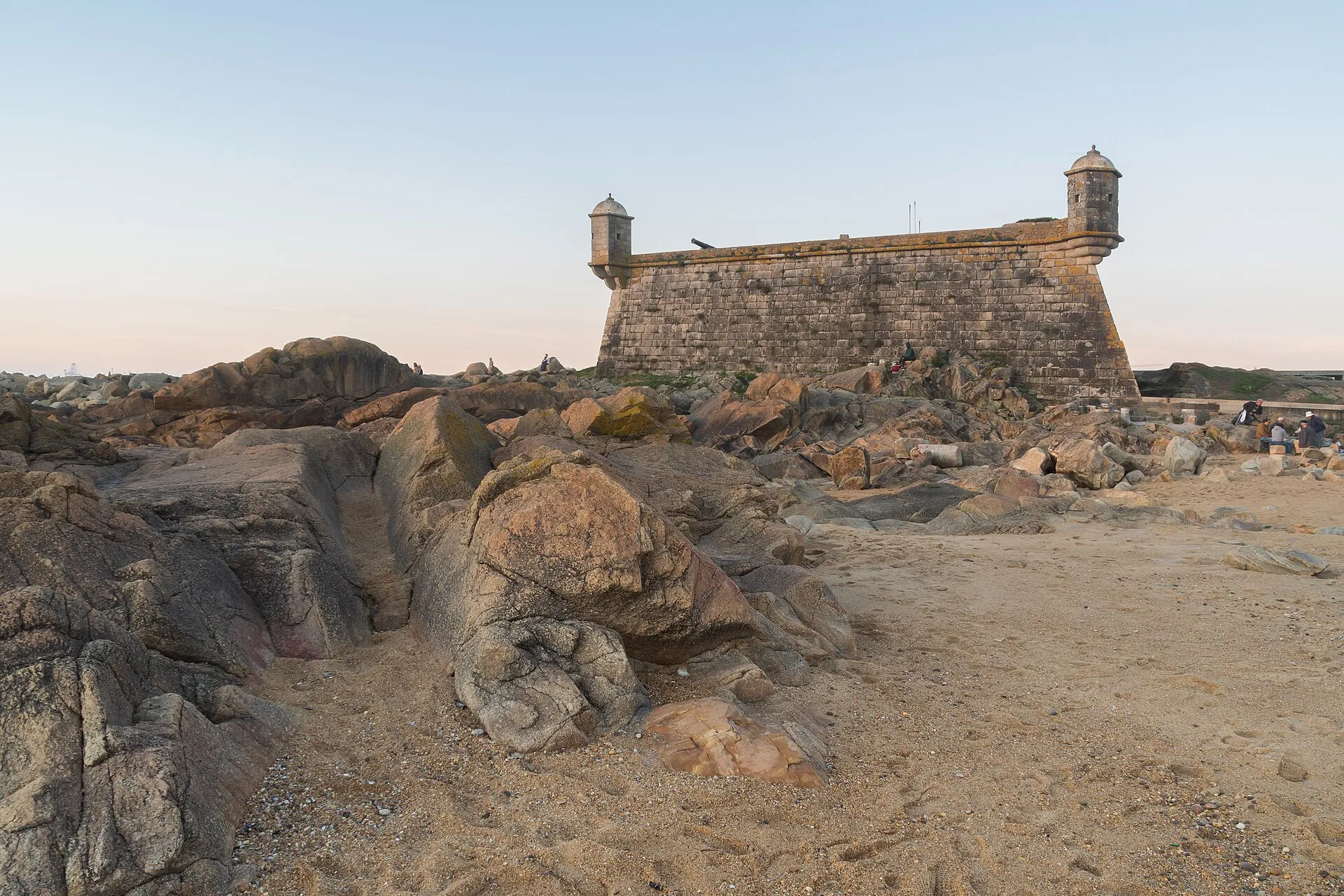
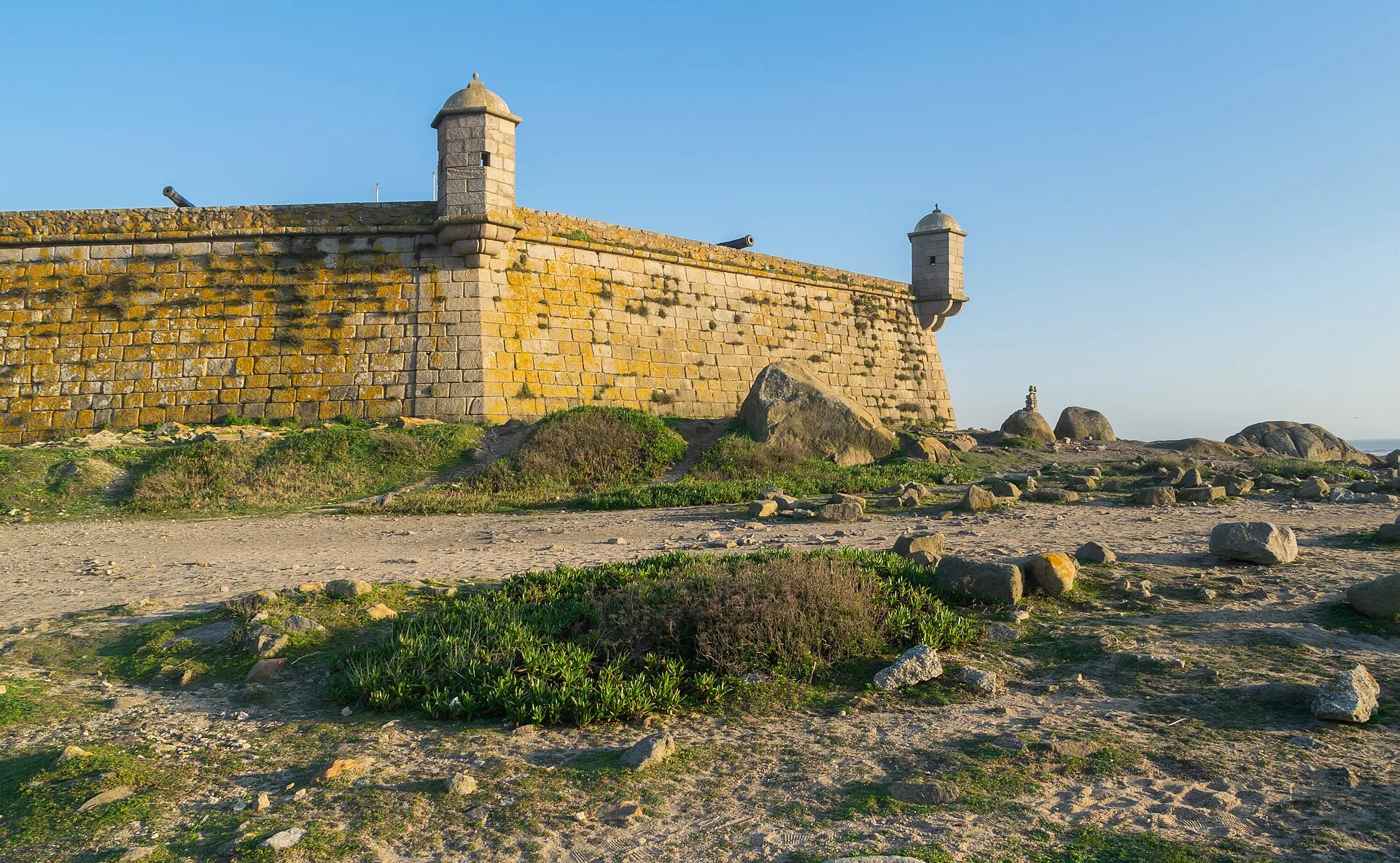
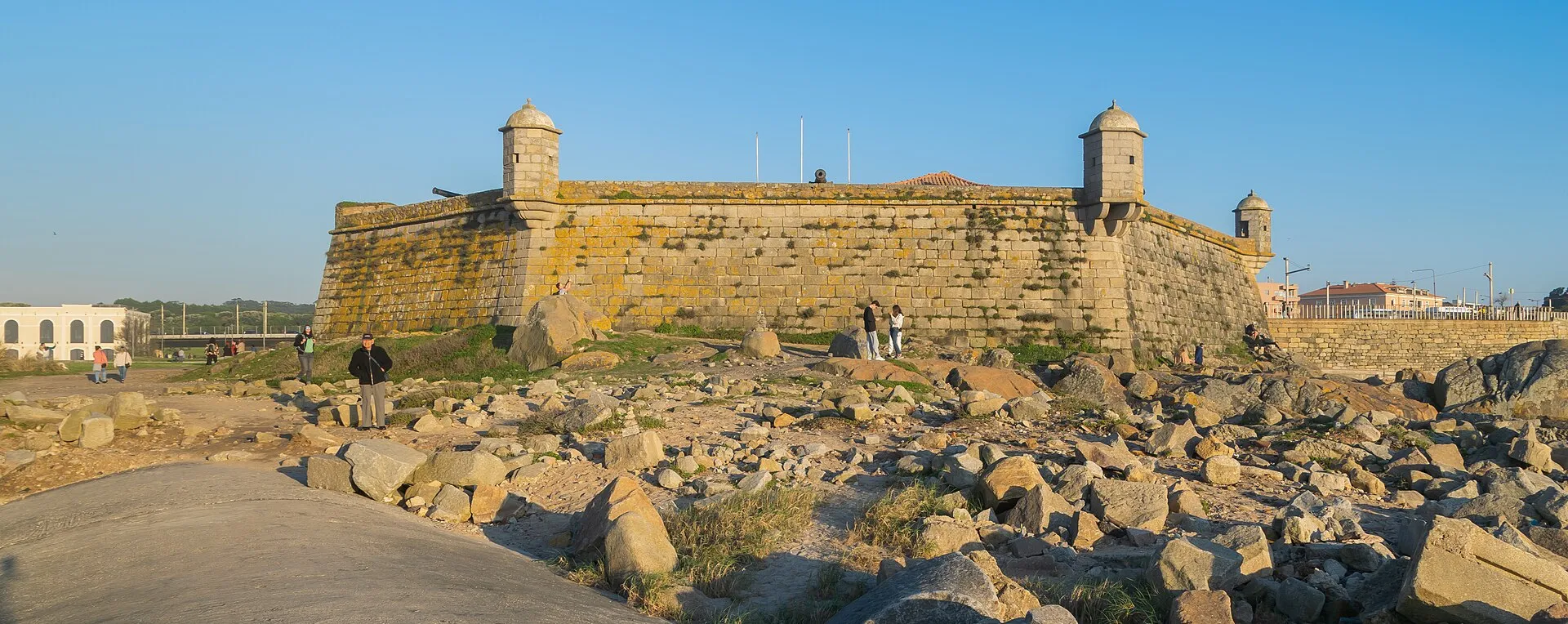
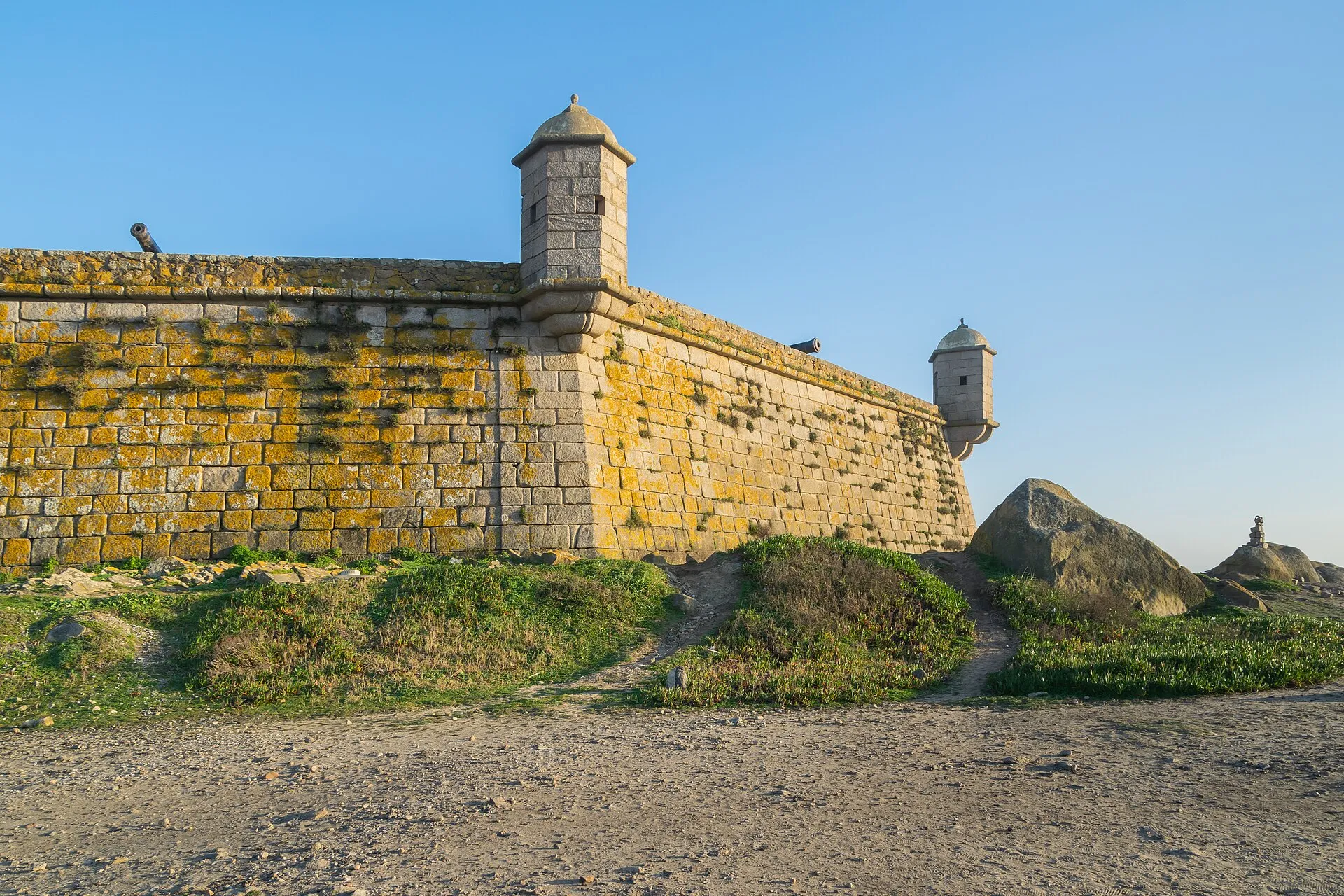
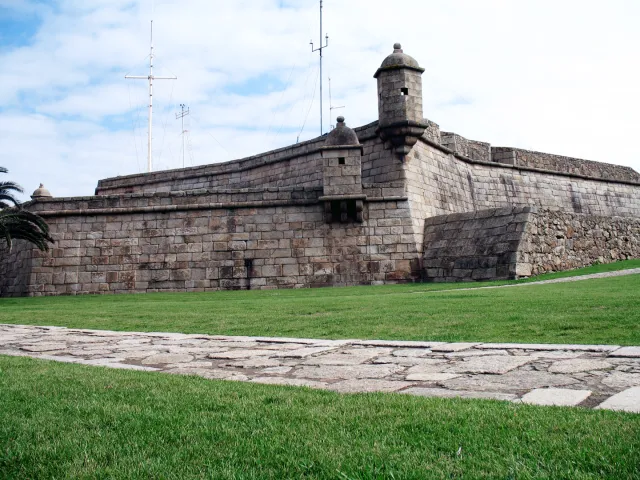
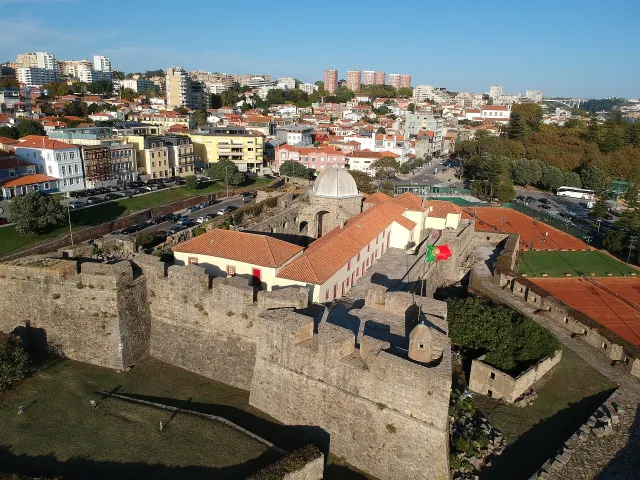
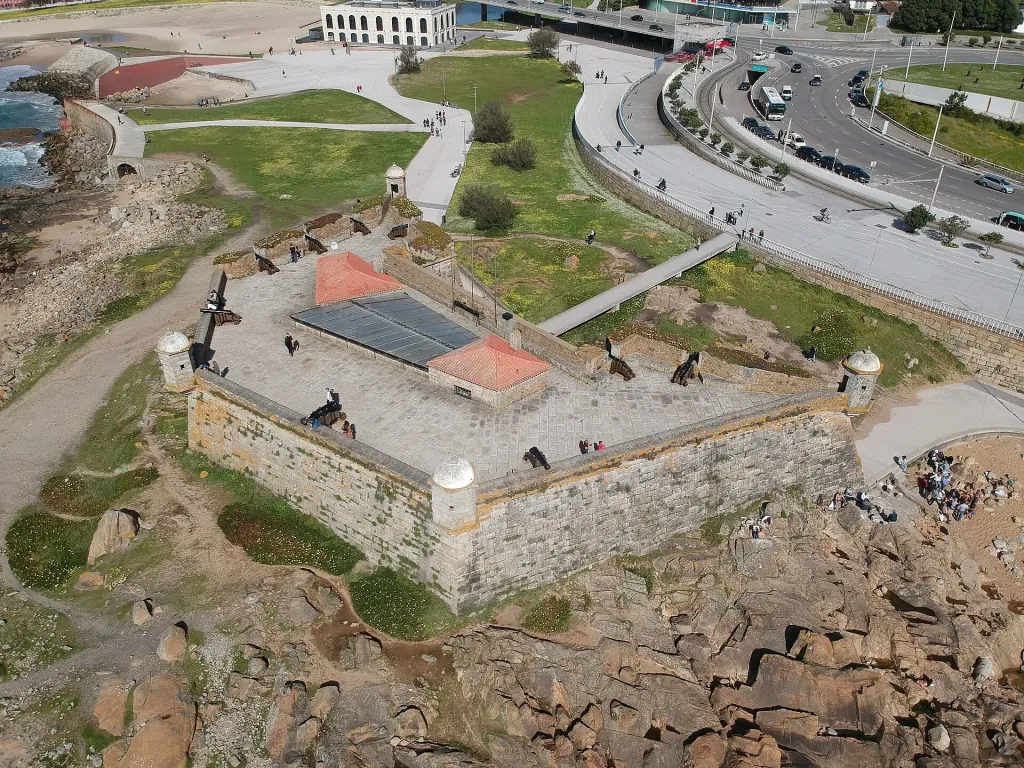
The fortification was likely constructed sometime in the 15th century, over the primitive structure that already existed. King John IV of Portugal ordered the construction of a new fort in 1643, designed by French military engineer Miguel de l'Ècole, and directed by Fernando César de Carvalhais Negreiros, then Captain of the Royal Armada (Portuguese: Capitão da Armada Real).
No one knows when the Castle of São Francisco Xavier was founded; it is presumed to be between 1661 and 1662, when the coast was under threat of the armada of Galicia.
Judges and municipal aldermen for the city of Porto, captain António Pires Picão and various other carrack and caravel captains arrived at the conclusion in 1643 that the fort was badly located, owing to a lack of safe area for disembarking. This as the area was rocky and influenced by strong waters. Friar João Turriano, engineer of the Kingdom, was asked to give his opinion and he determined that that fortification should be constructed away from the site, in the locality of Pedra do Queijo (using the existing materials).
During the Restoration Wars, the fort was rebuilt (at the expense of the city), at a time when citizenry feared attacks from squadrons of Spanish fleets.
By 1717, the city of Porto was responsible for the maintenance of the fort, a heavy burden for municipal coffers, and forcing the town council to petition King John V of Portugal to decommission the fort, owing to its superfluous need. As they mentioned, the fort:
was a great expense in the Coffers of the City, in the payment of officials that were created to assist the said Castle, where they don't reside, taking advantage of the convenience of the land.
Yet, the King's Council of War, indifferent to the suggest, maintained the fortress active. In 1751, a private chapel was constructed to assist military officers serving at the site.
On 11 April 1758, abbey Manoel da Silva Pereira, referred to a lieutenant (as captain/commander), a constable, Sargent, 11 artillerymen stationed at the fort, including unspecified soldiers that were sent to the fort time-to-time, which pertained to the regiment in Porto.

 1 / 7