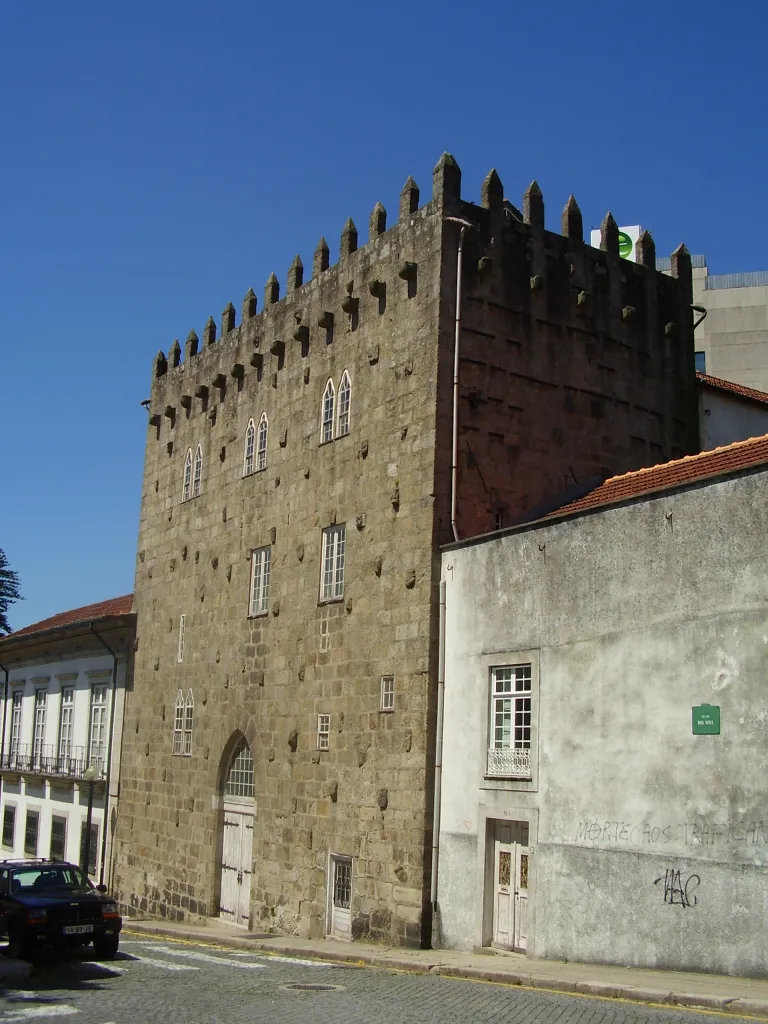
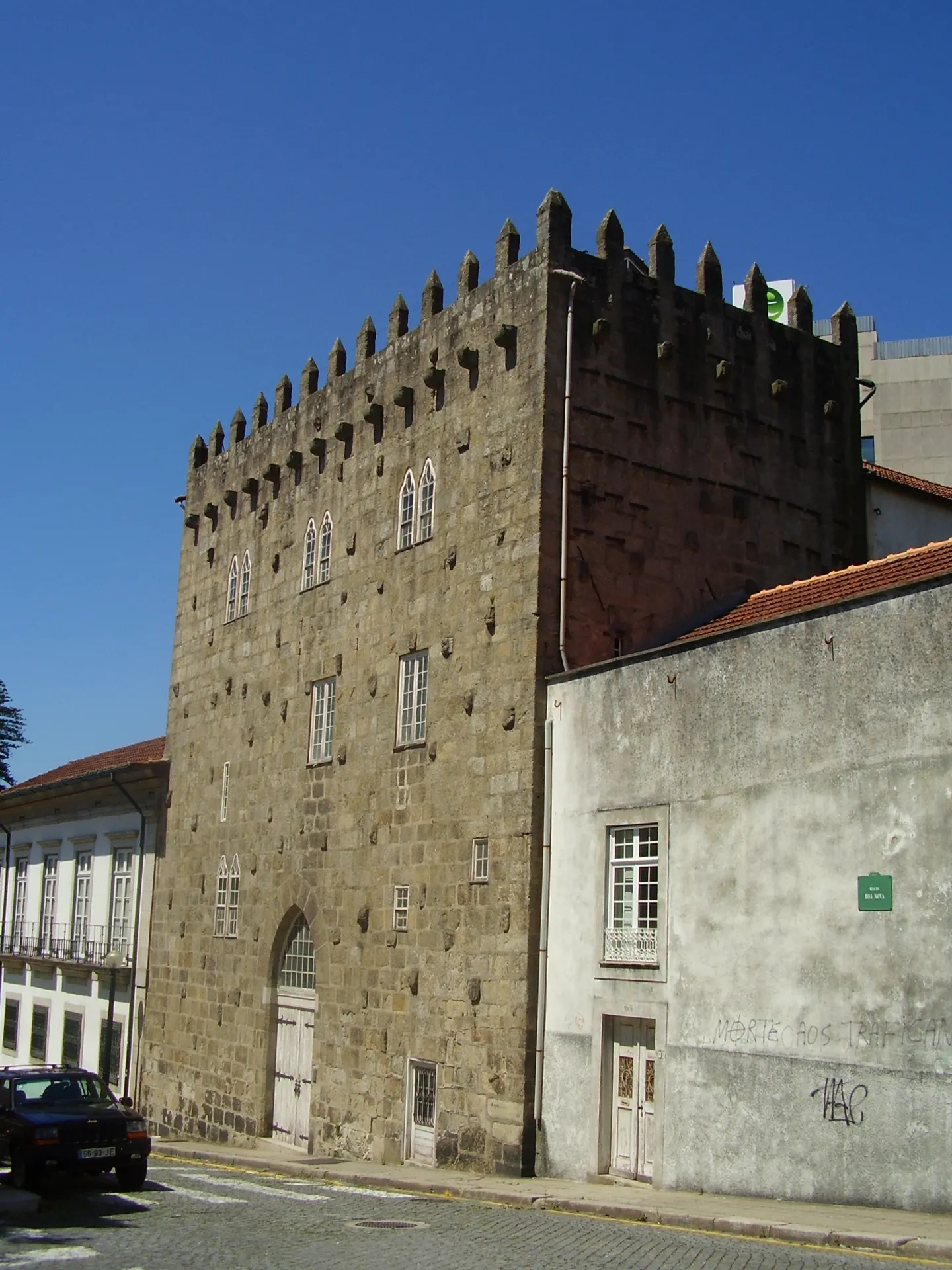
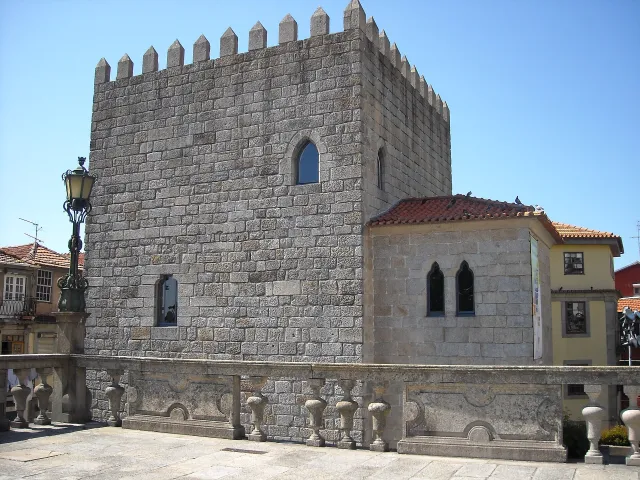
Between 1454 and 1516, following the death of one of Pero de Sem descendant the tower passed into the hands of João Sanches (Sanchez) and his wife Isabel Brandão (Brandoa), daughter of João Brandão, accountant in the estate of Porto. This would be the beginning of a long relationship within the hands of the Brandão family, until the end of the 19th century (along with various urban palaces in Porto). By 1576, Rui Brandão Sanches instituted a family majorat that included the estate and tower, along with their other possessions.
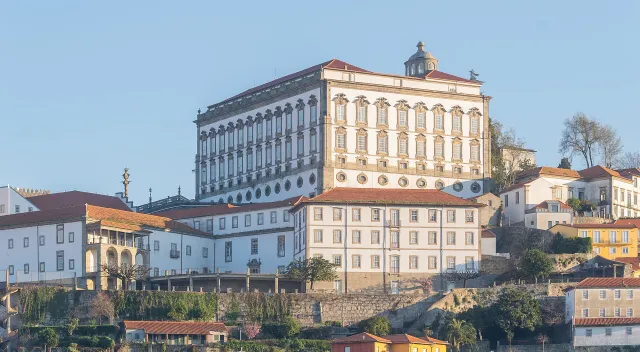
A palace was constructed alongside the tower in the 18th century by the Brandãos, and by the 19th century the tower became the possession of the Counts and Marquesses of Terena, eventually the Marques of Monfalim.
The primitive space, on the periphery of the city, was already under-pressure from the urban sprawl and the old Quinta da Boa Vista, as it was known by the 15th century. It is in this context that the construction of the 17th-century palace occurred, based on a monumental facade and two floors, fronting on a square. The importance of the square placed the medieval square into a secondary utility. It was preserved by a late Baroque project, owing to its symbolic importance.
In 1919 it was acquire, along with the palace, by the Diocese of Porto, to serve as the Episcopal Palace, while the Municipal Council of Porto used the old Episcopal Palace (between 1916 and 1956)., following a series of events from the establishment of the Republic.