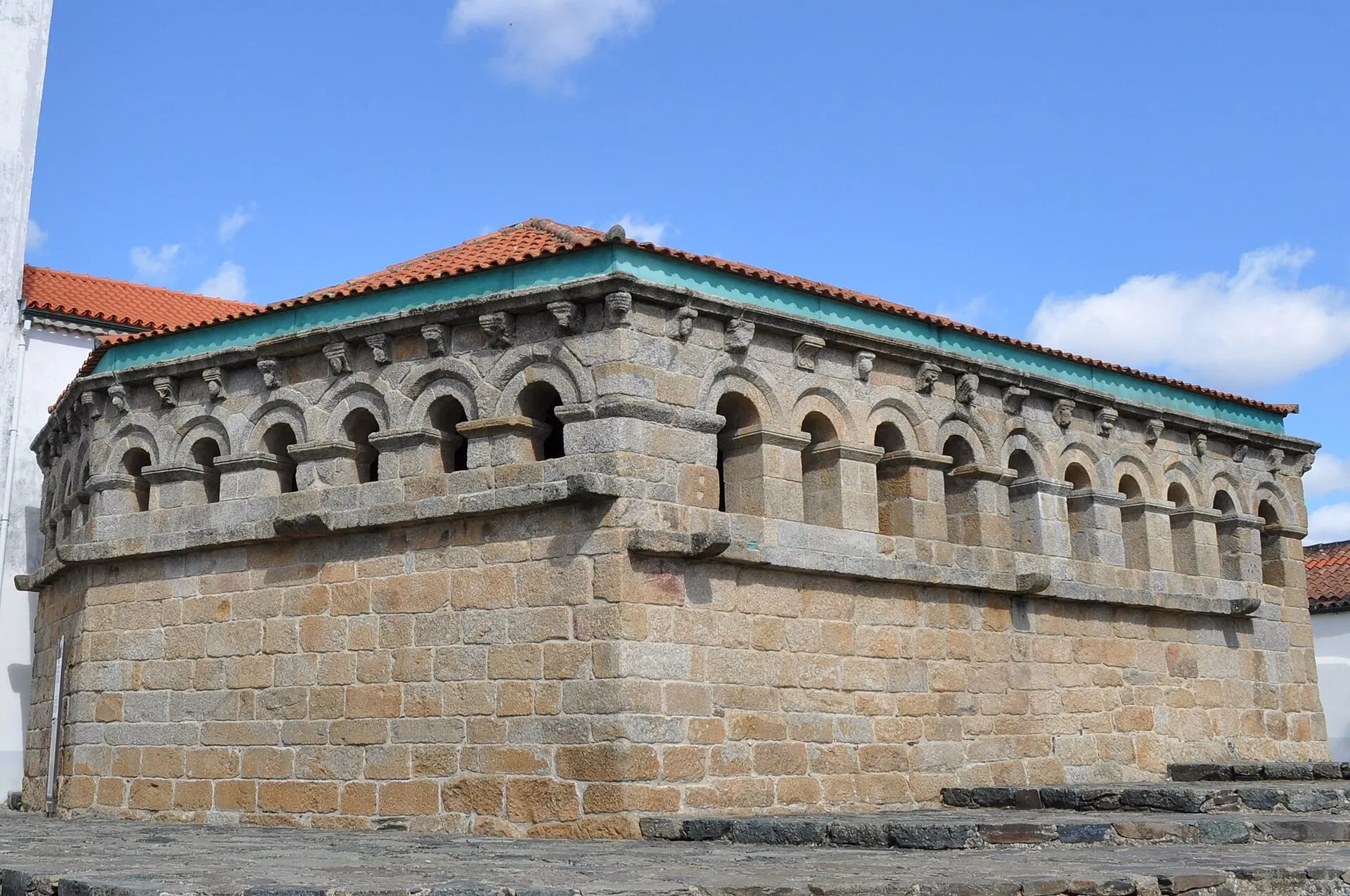
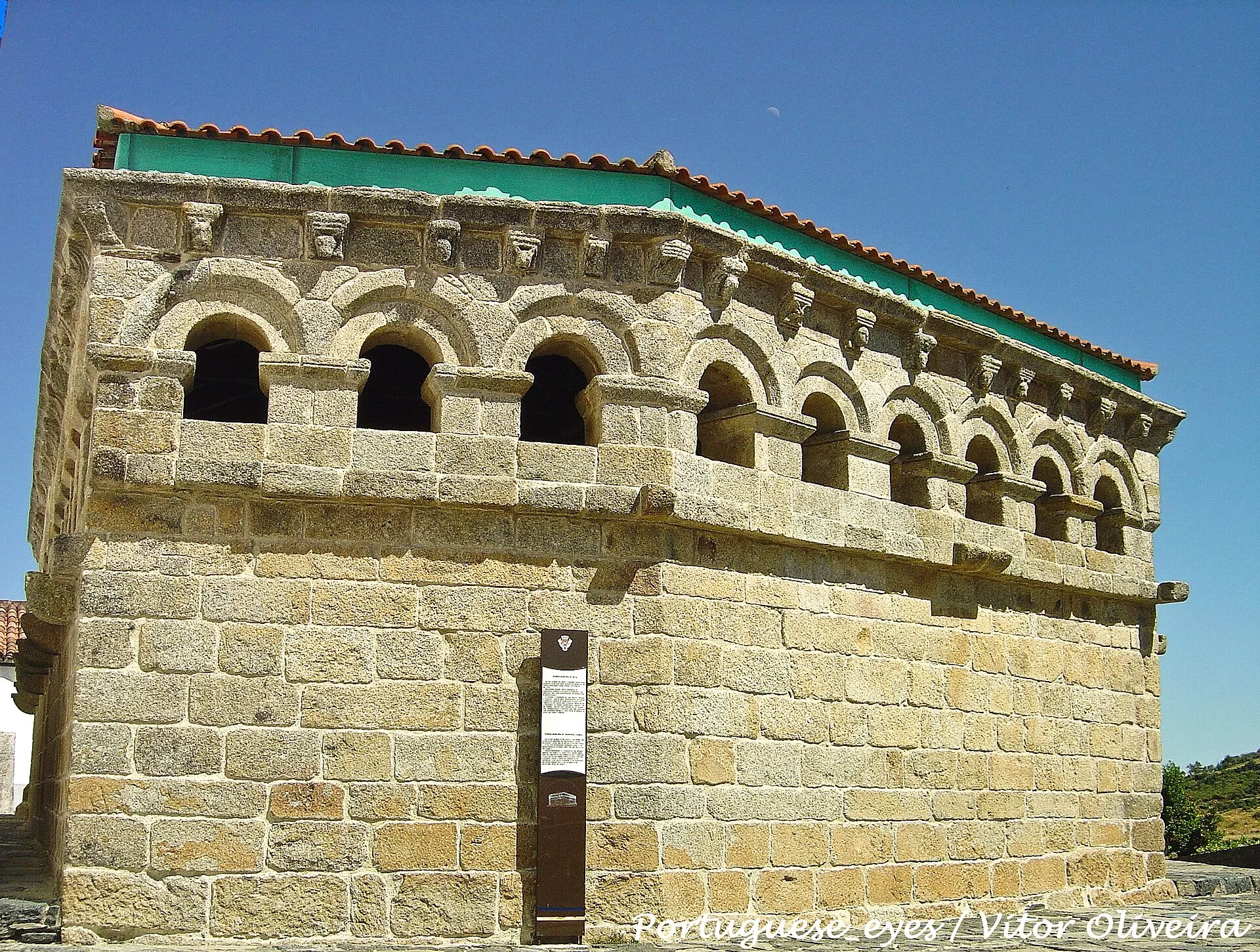
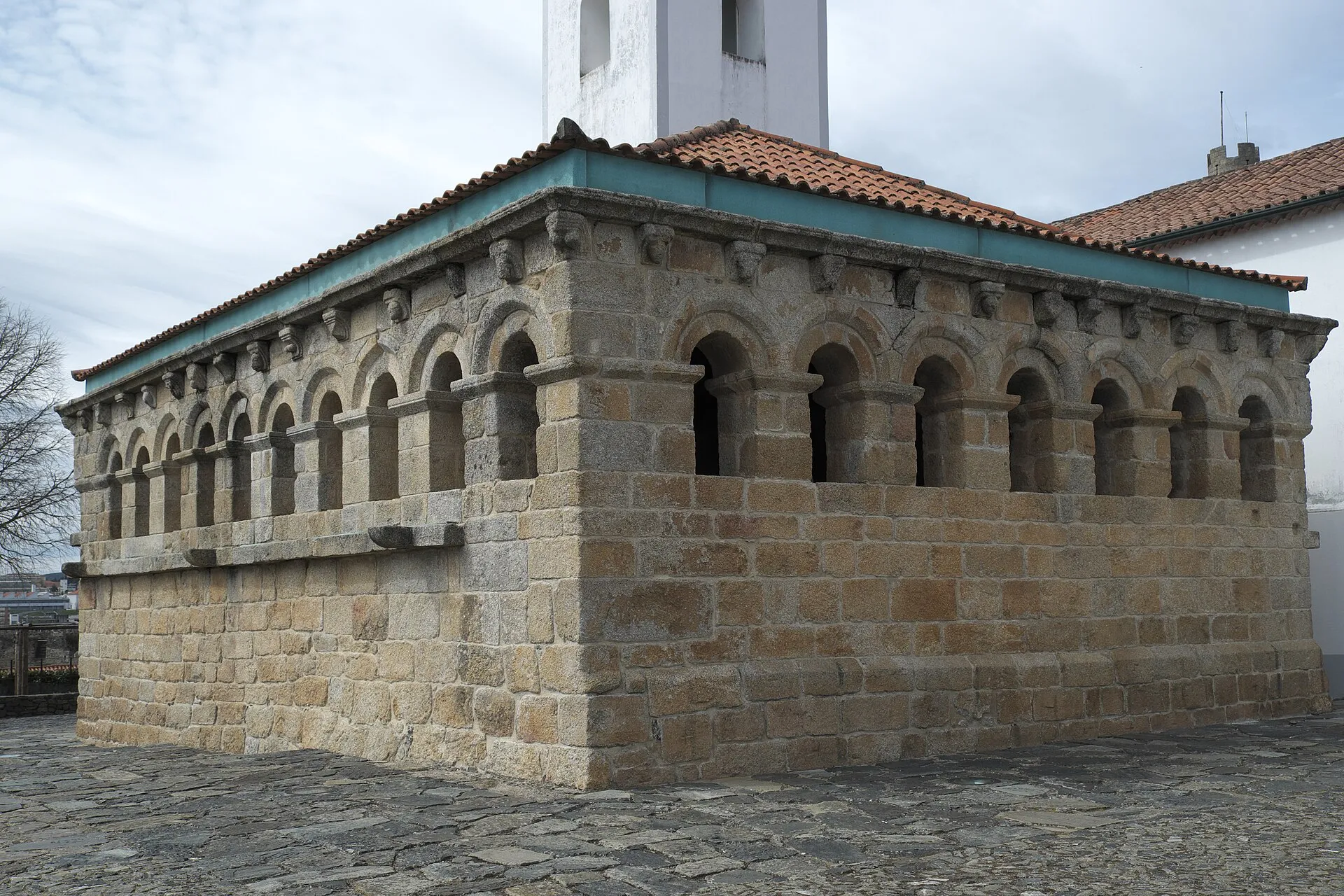
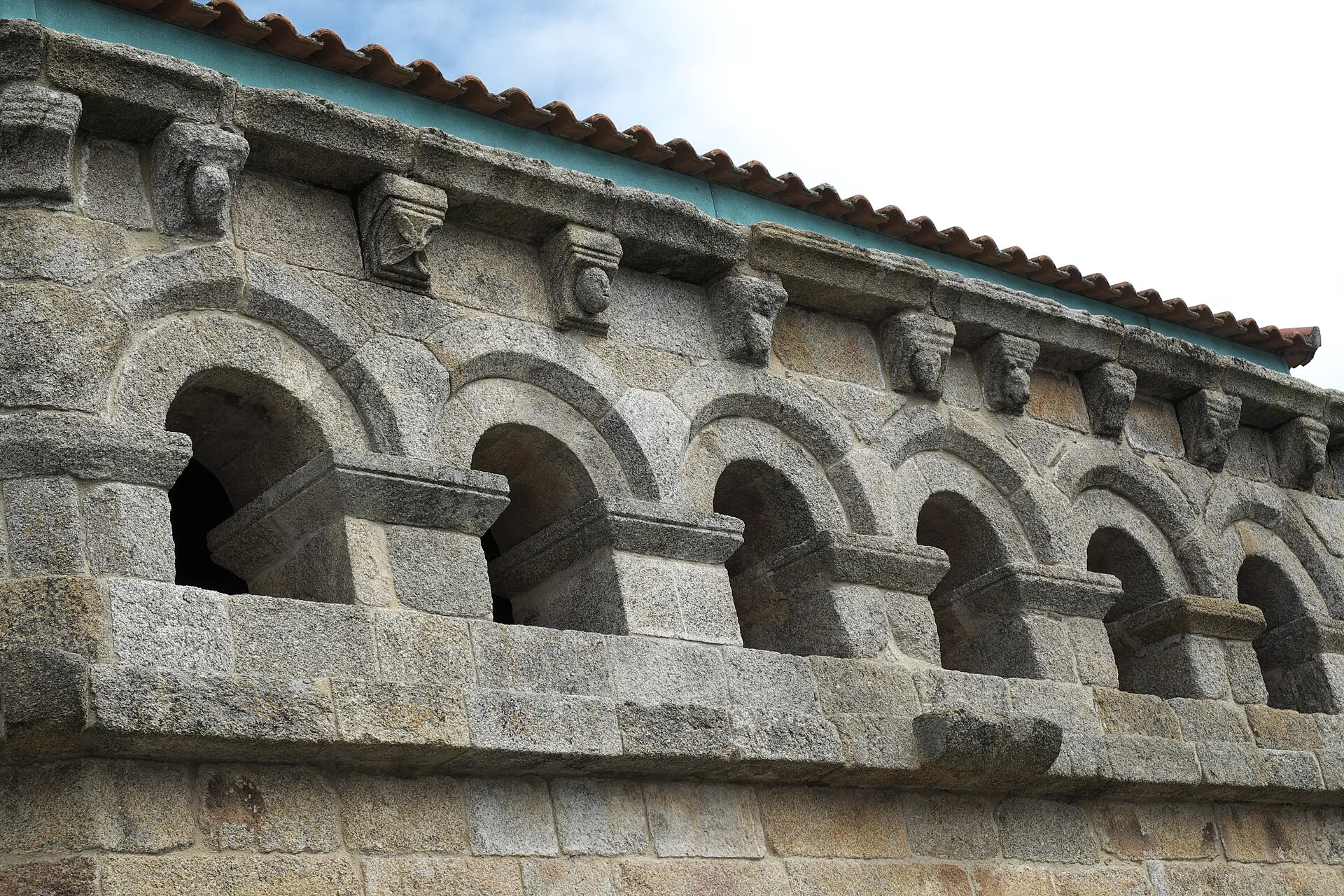
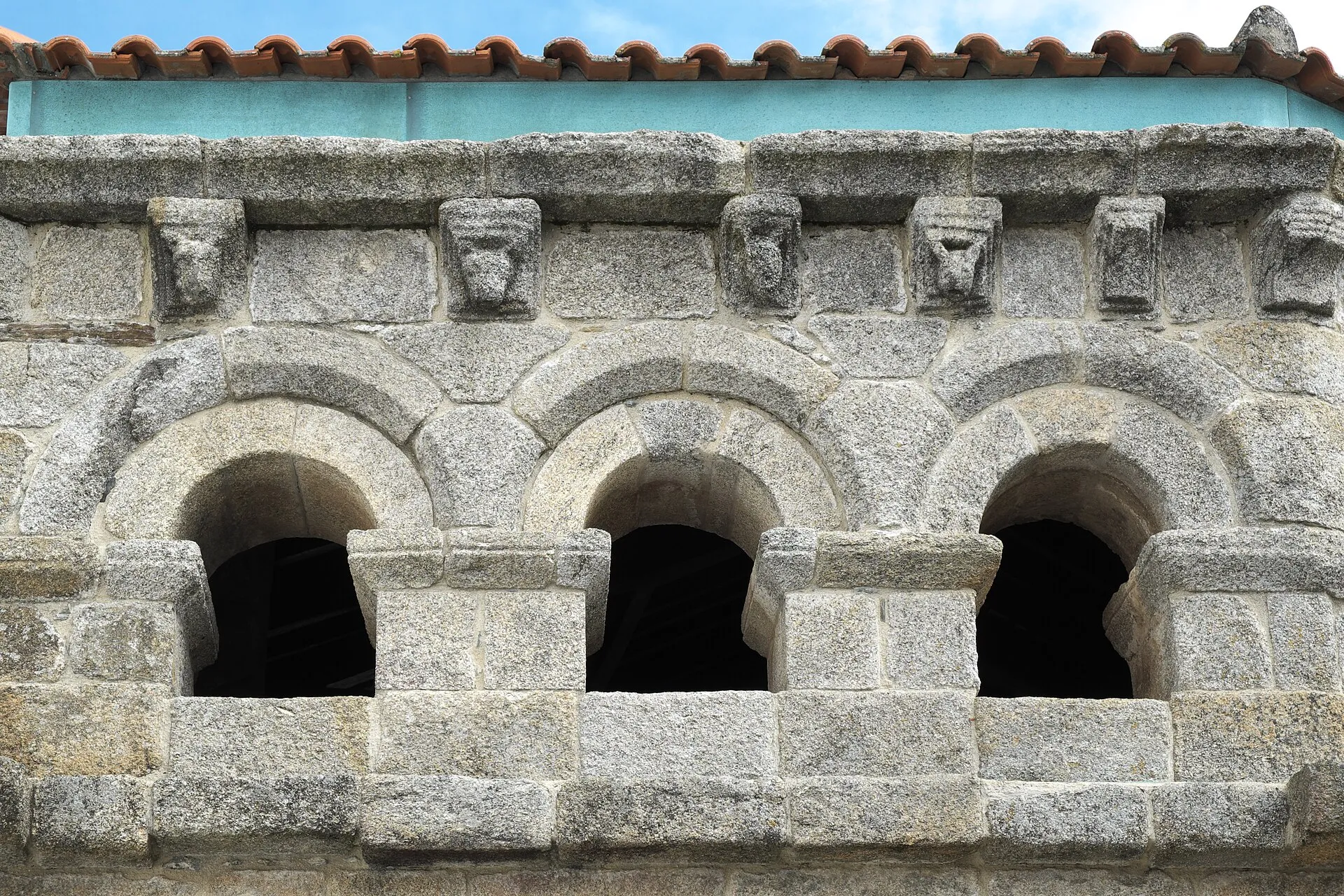
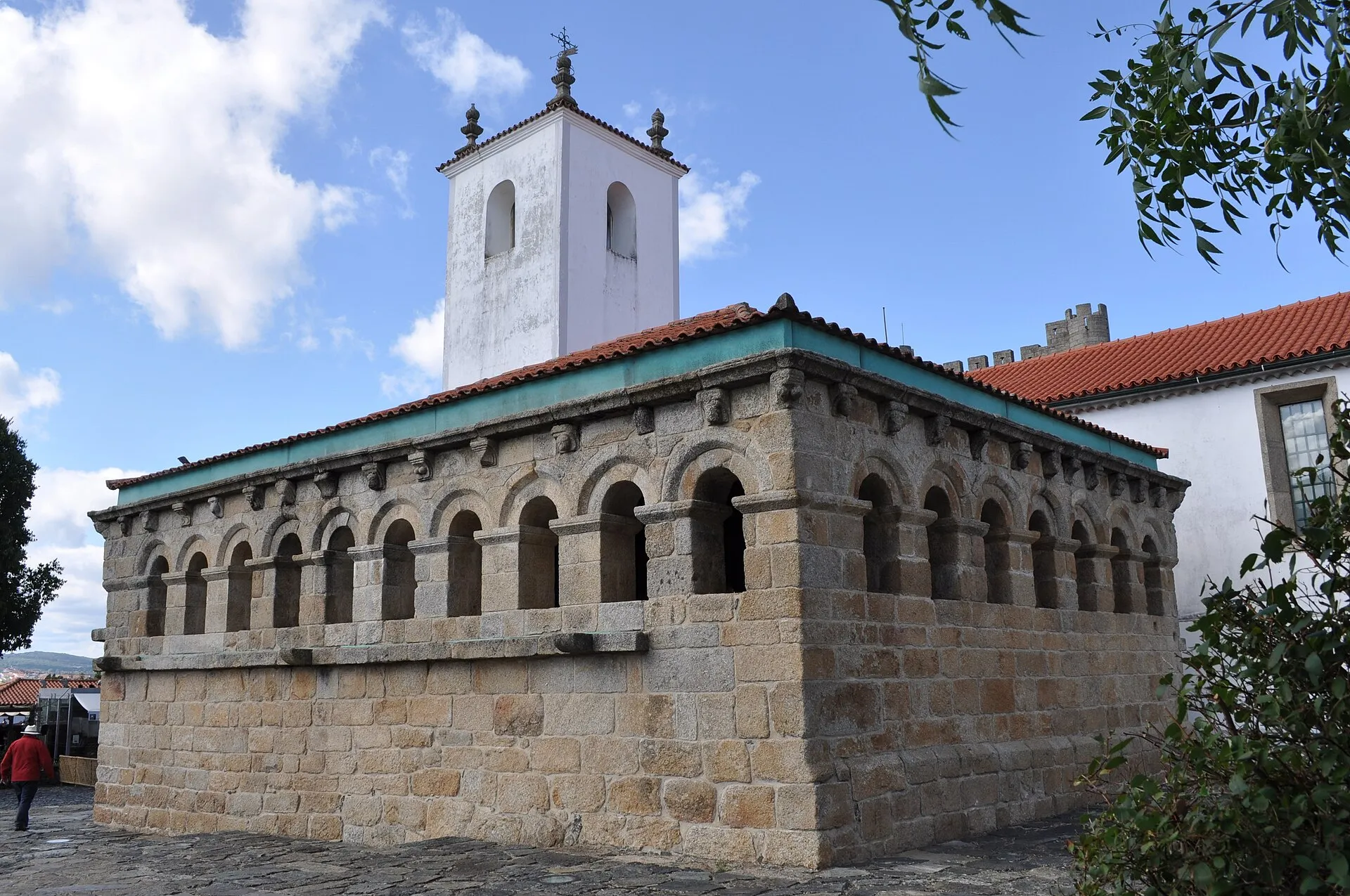
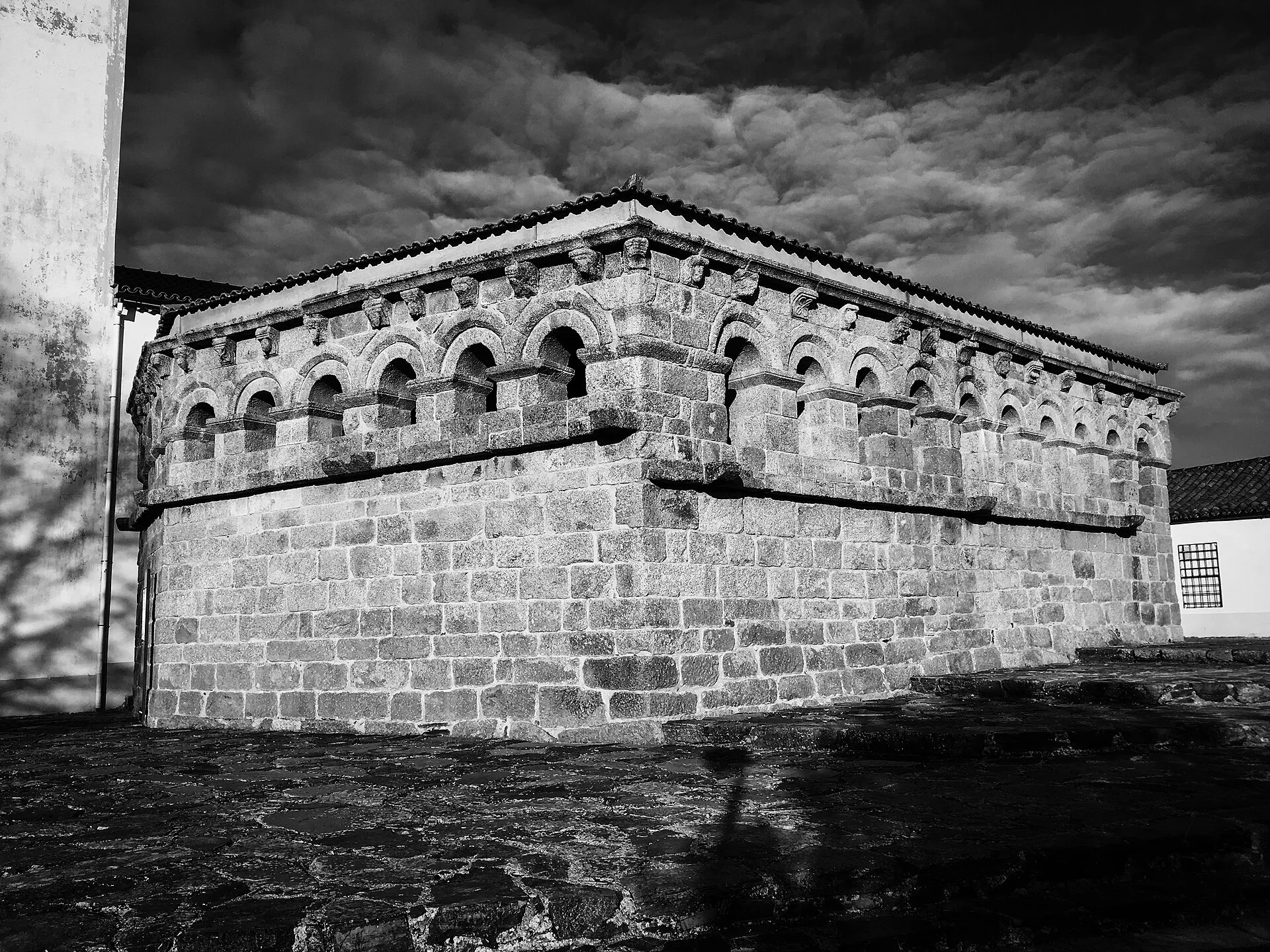
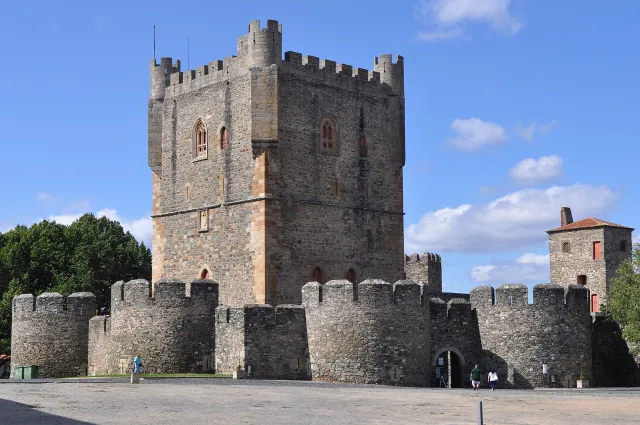
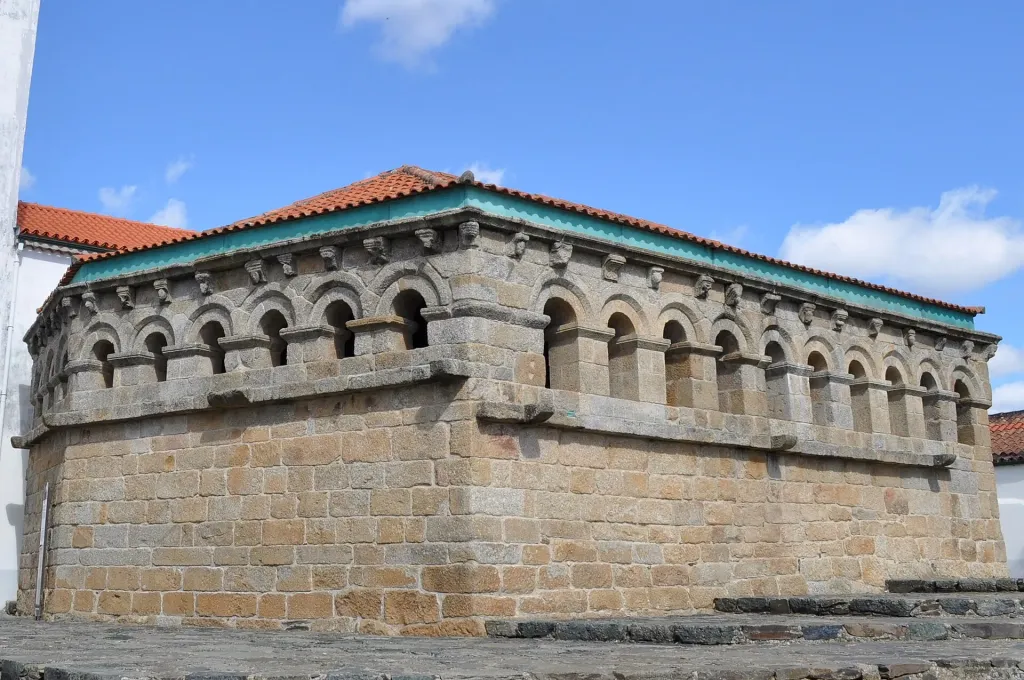
A singular (enigmatic) building of Romanesque civic architecture, it is an eloquent extension of the medieval prison tower that it juxtaposes. Its construction was, most likely, in the first half of the 13th century, coinciding with the foundation of the cistern.
In 1501, in the published writings of the Abbot of Baçal, the author referred to the local record of Martim Anes, who spoke of the construction of the Domus during his lifetime. In this account, Martin Anes stated that it was used as a meeting place for the "good men" of the municipality. By 1503, the Domus was remodelled to partition the hall into two divisions to formalize its use as municipal hall.
Its designation, Domus Municipalis, actually dates back to the 19th century.
Although the building was classified by the Instituto Português do Património Arquitectónico (IPPAR) as a National Monument in 1910, by 1912, the building was in a state of degradation, without appropriate roof and used by squatters and the poor as shelter. Restoration of the building was completed in 1936 by the Direcção-Geral dos Edifícios e Monumentos Nacionais (English: General-Directorate for Buildings and National Monuments), or DGEMN (which evolved to become the Instituto de Gestão do Património Arquitectónico e Arqueológico (IGESPAR)). Similar restorations were undertaken in 1959 by the Serviços dos Monumentos Nacionais (English: National Monument Services), before being taken over on 1 June 1992 by the IPPAR by decree 106F/92.

 1 / 7