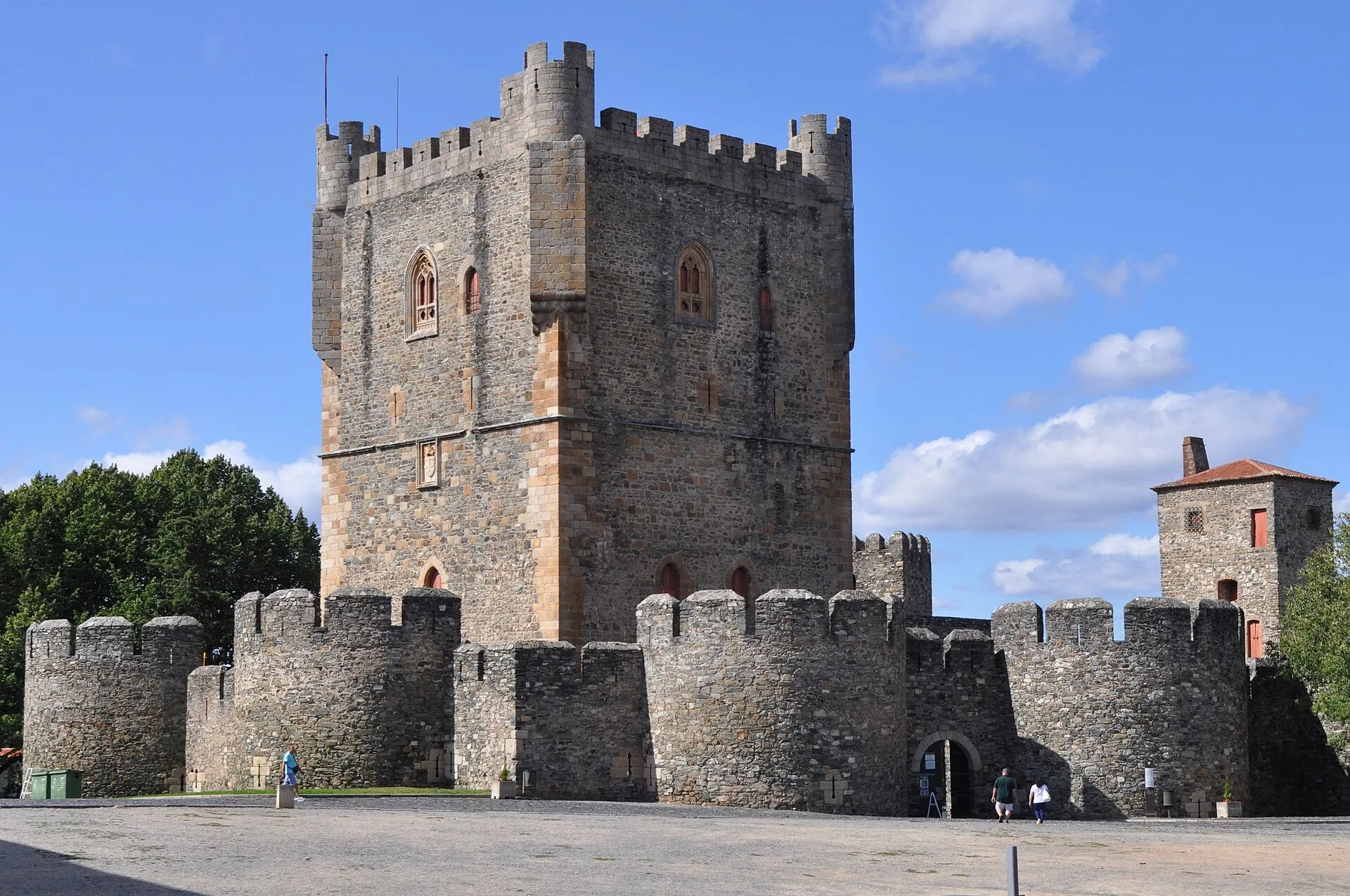
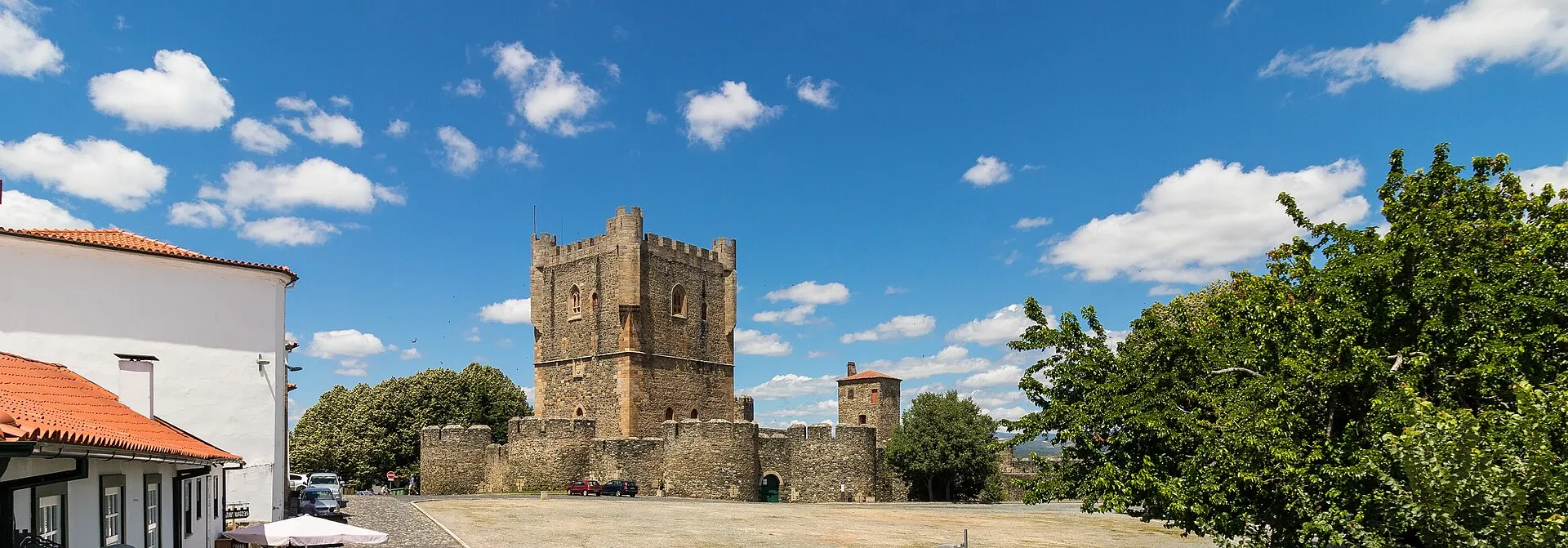
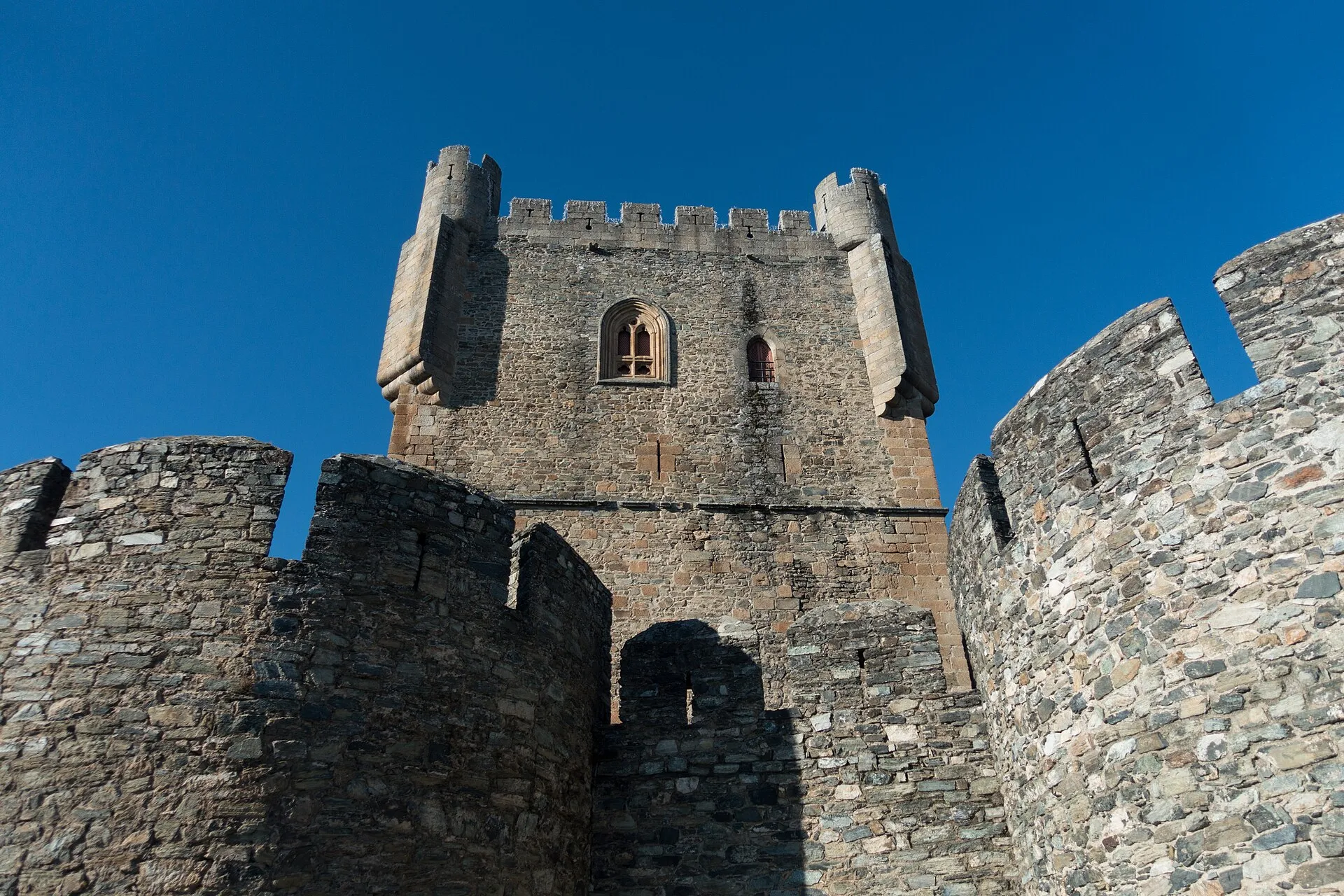
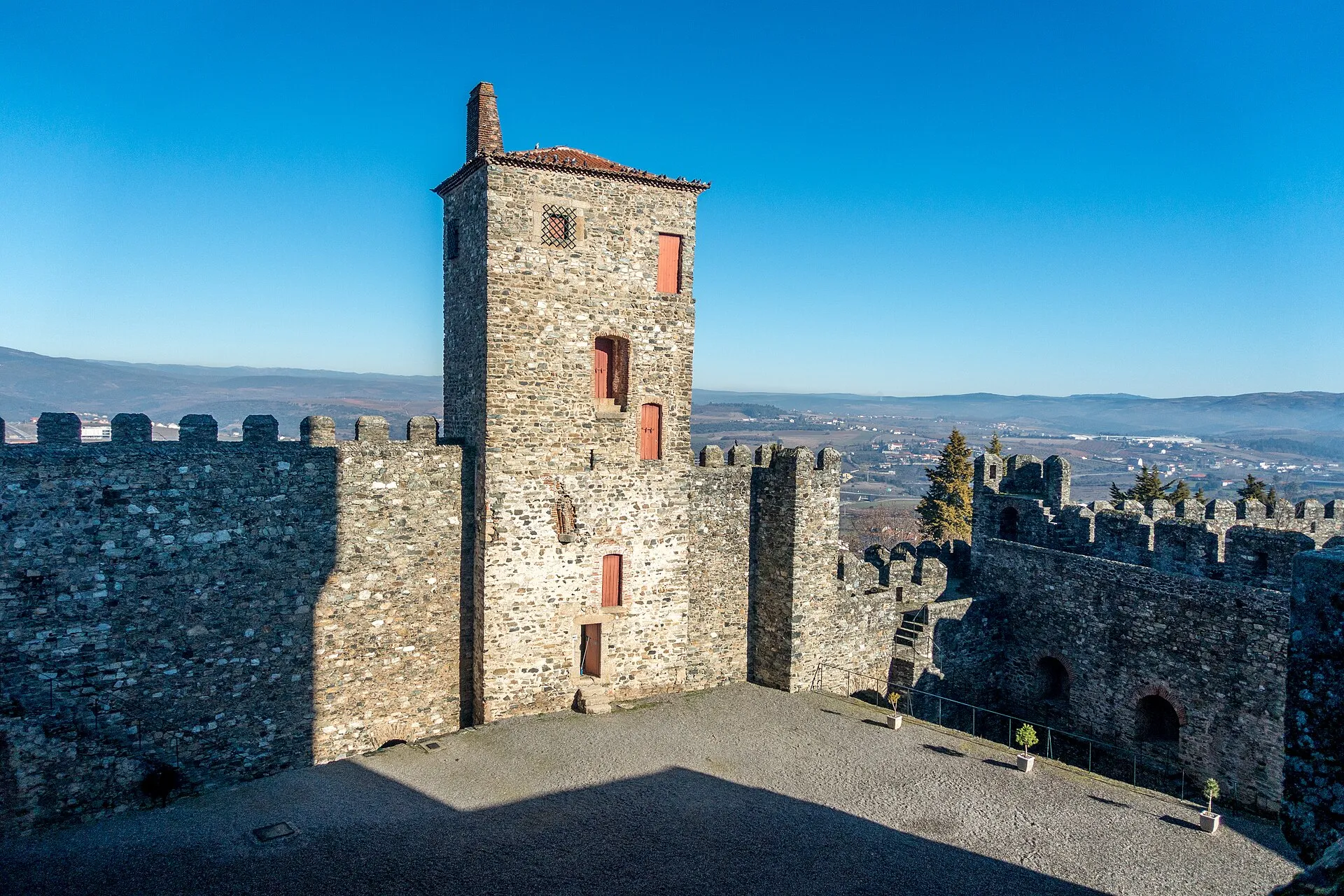
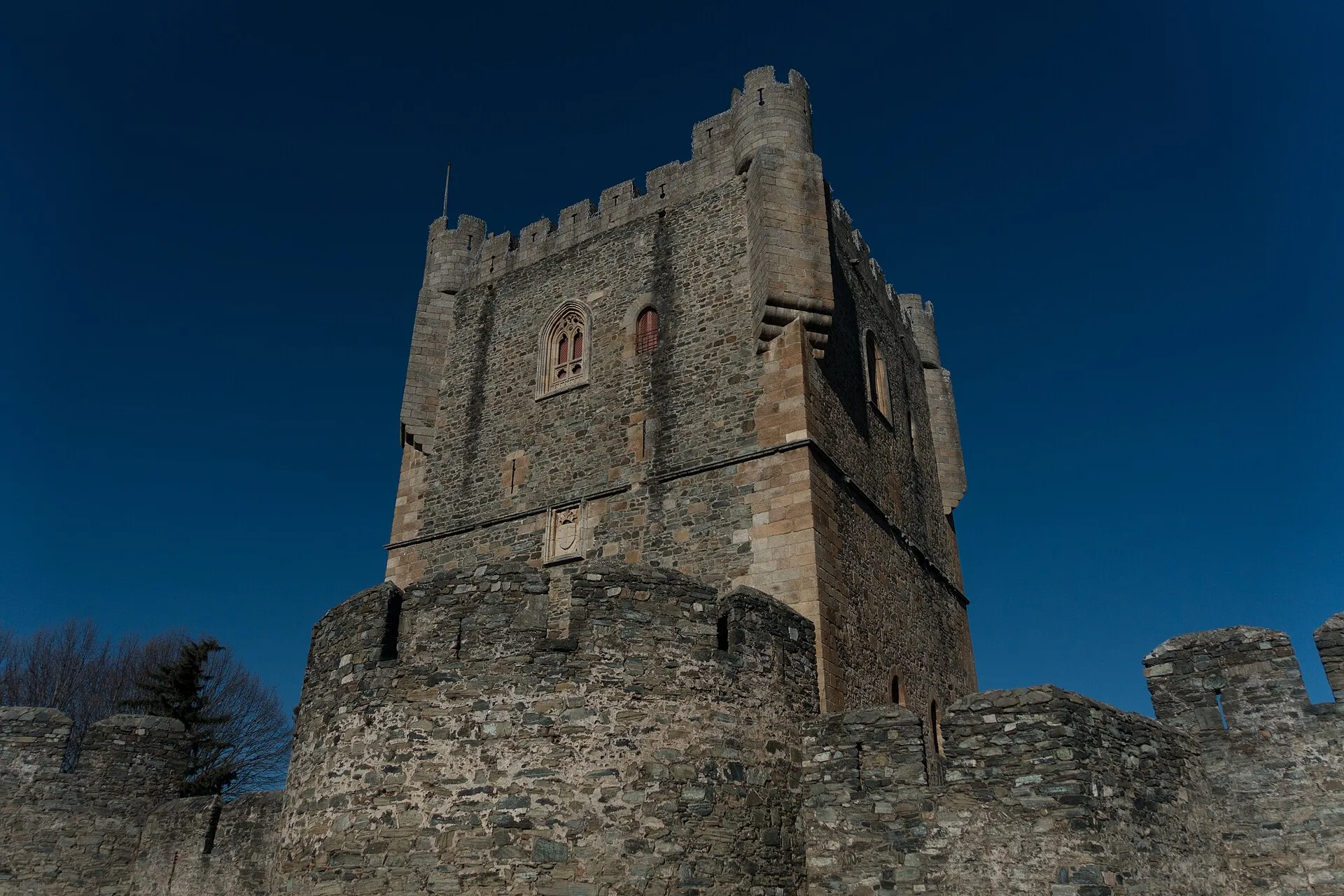
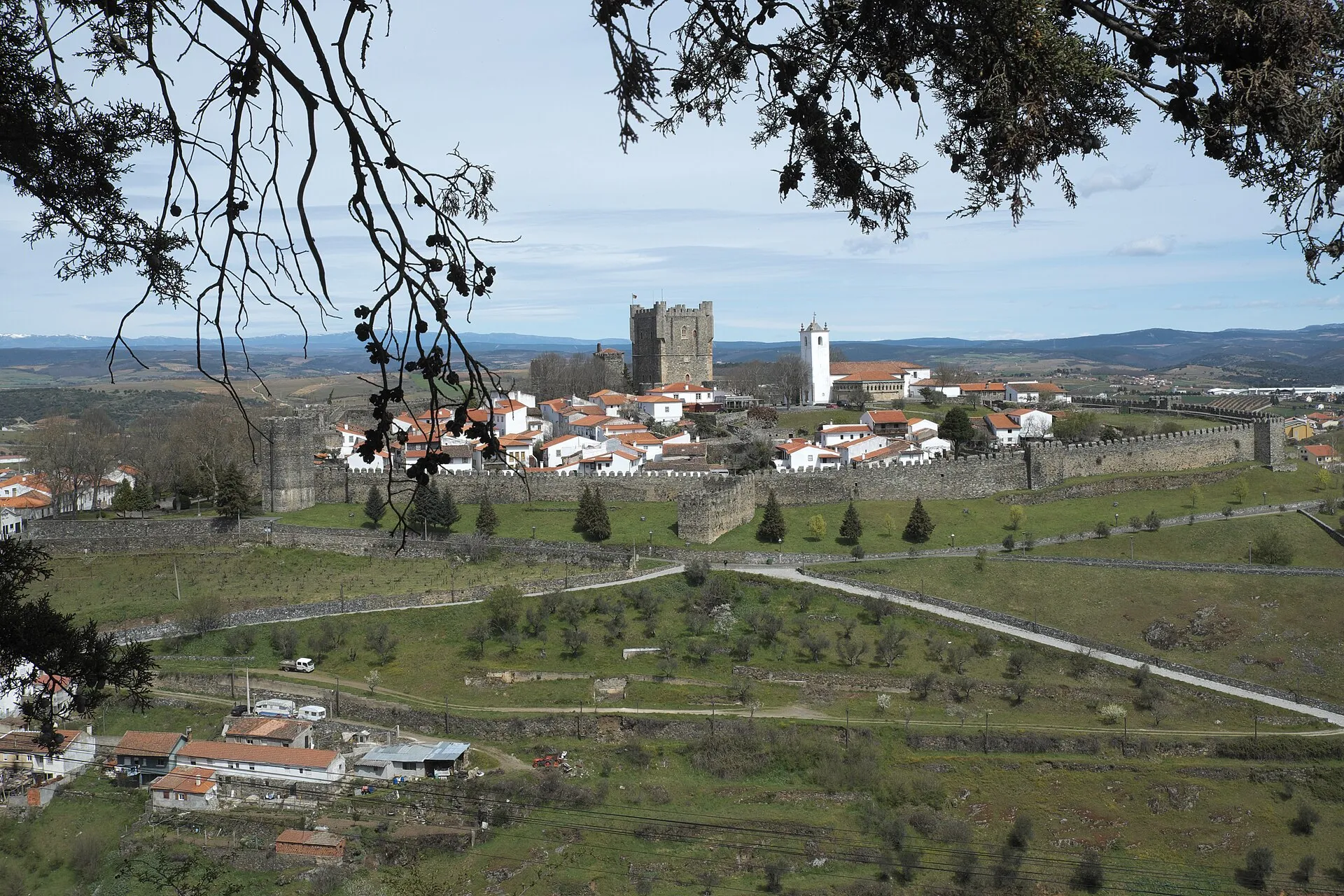
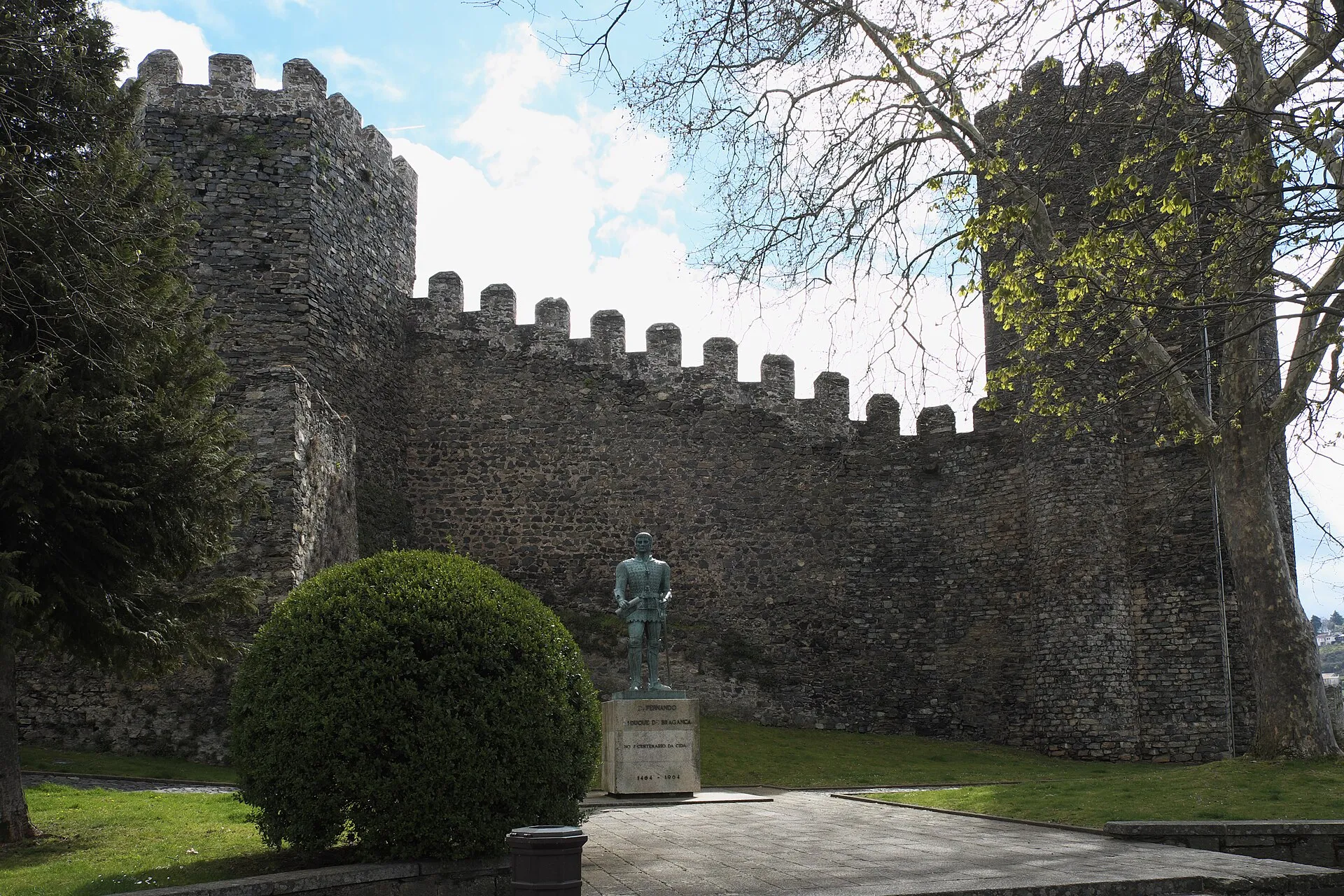
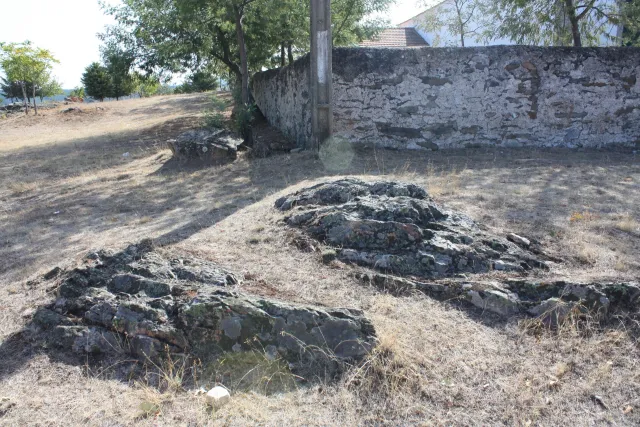
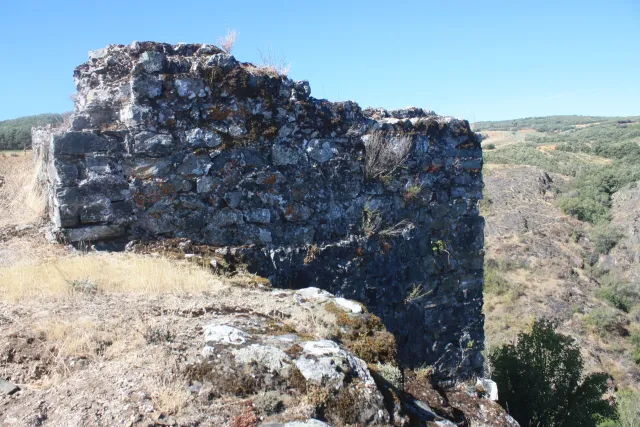
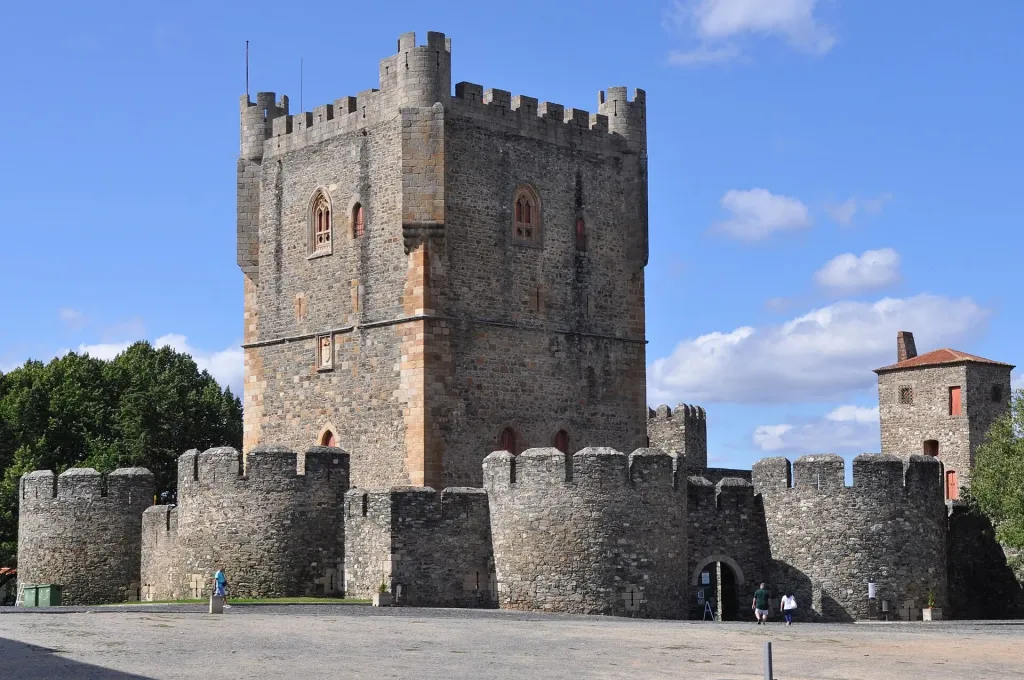
Archaeological evidence suggests that early human settlers in the region erected a fort of some kind. The fortification was later upgraded and enhanced by the Romans during their time in the Iberian Peninsula. However, the fortification was left in ruins when the Muslims entered. They rebuilt the castle.
Archaeological evidence permits a determination of human settlement in this region to the Paleolithic. During the Neolithic there was a growth of productive human settlements which concentrated on planting and domestication of animals, with the beginnings of a nascent religion. There are many vestiges of these ancient communities, including ceramics, agricultural implements, weights, arrowheads and modest jewelry, all forged from rock. Many of these artefacts were found in funerary mounds, such as the tumulus of Donai (mostly destroyed). There are many signs of megalithic constructions dotted throughout the region. It is believed that the larger proto-historic communities developed in Terra Fria, probably in the final part of the Bronze Age (1000-700 BC). During this period, the Castro culture of fortified urban structures resulted in walled settlements, situated in elevated areas with a panoramic view, for defense. These communities were essentially survived on subsistence agriculture.
Roman colonization, which occurred late in the Roman era, resulted in the establishment of private property and movement away from the forests, in addition to organizational changes resulting administrative, material and cultural evolution. Remnants of the Luso-Roman castro societies are evident in Castro of Sacóias and the Castro of Avelãs. In these excavations, modern archaeologists have discovered funerary remains, coins and implements. The Castro of Avelãs (about three kilometres from Bragança) was an important centre on the military road to Astorga, although there are many examples (in Alfaião, Aveleda, Carrazedo, Castro de Avelãs, Donai, França, Gostei, Meixedo, Pinela, Quintela Lampaças, etc.) of the Roman presence.

 1 / 7