In 1208, King D. Sancho I issued a foral (charter) to secure the lands of this northern frontier. His successor, King D. Dinis re-affirmed the foral for the nearby settlement, and referred to the site of Rebordãos.
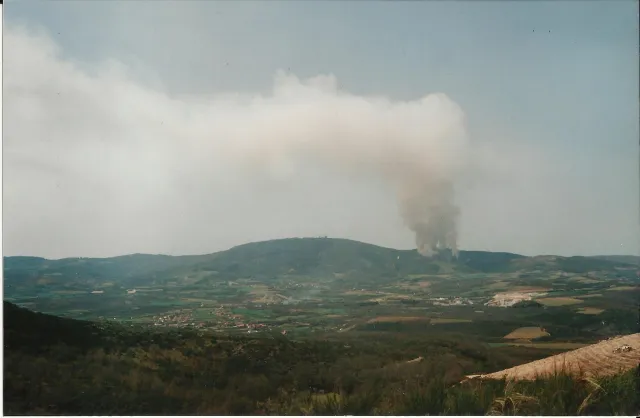
During the reign of D. Sancho, who sought to expand his authority in the northeastern Tras-os-Montes, Rebordãos was one of the early settlements to receive a charter in order secure Portuguese independence. The site has "One of the most ample and gorgeous panoramas in the Trás-os-Montes", providing a link to many of the other fortresses of Bragança, Vimioso, Outeiro, Penas Róias, Miranda and lands along the Douro River, towards Zamora in Spain.
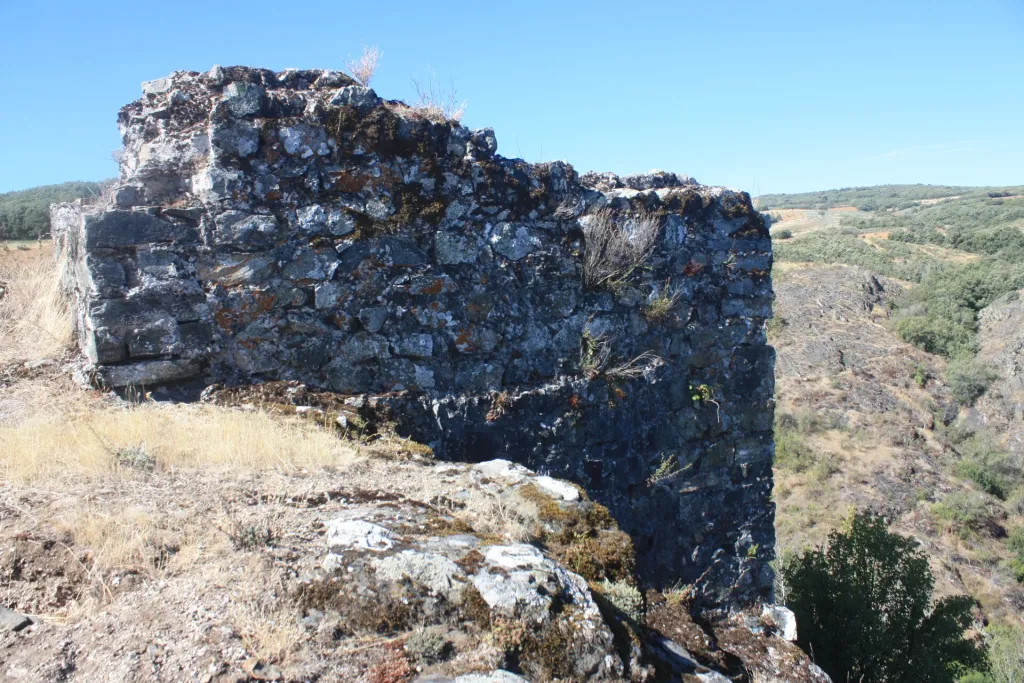
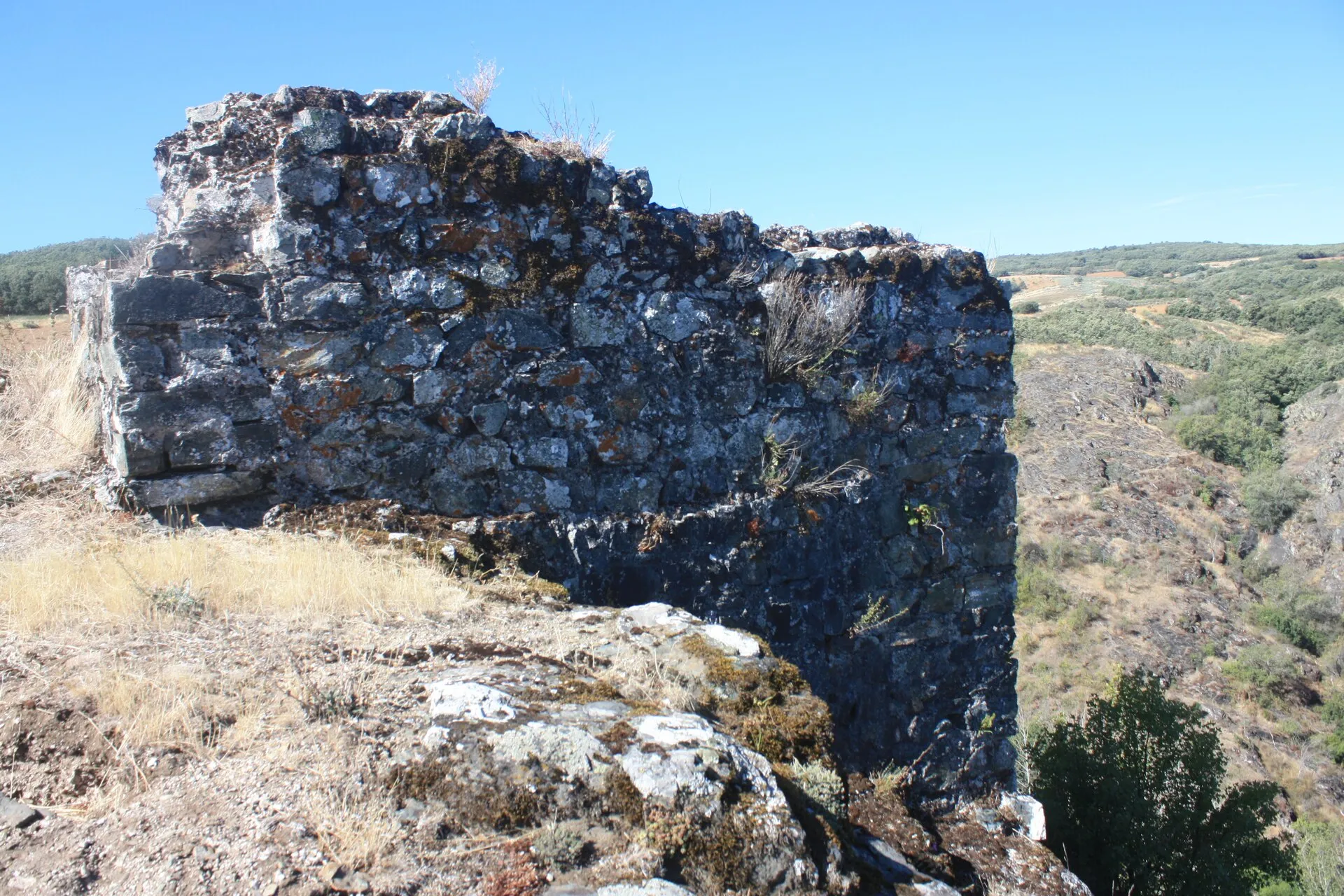
Encompassing an elliptical plan, the castle appears to be the result of a campaign of public works during the 13th century. Yet, the fortress does not follow the traditional tendency to build in an oval form, characteristic of the military and administrative reformes during the reign of King Dinis (and typical of other Gothic castles in the Tras-os-Montes and Alto Douro region). In comparison, the castle followed the limits of the terrain. On the other hand, owing to the degree of ruin, it is difficult to comprehend the level of development. The interior system of defenses appear rudimentary, including the tower, making it difficult to understand its role in the structure.
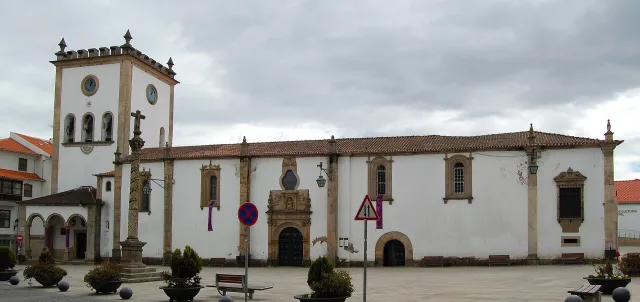
The medieval importance of Rebordãoes is unclear. Its need as a lookout and sentry-post may have become diluted over time and with the loss of its military importance, whatever community existed have abandoned the site. The town definitely moved southwest, to a zone that was mild and sustained a human settlement. It is at the settlement the foral pillory and municipal house was installed, both dating to the 16th century; proving that, by that time, the old castle of King Sancho I had lost a great part of its importance.