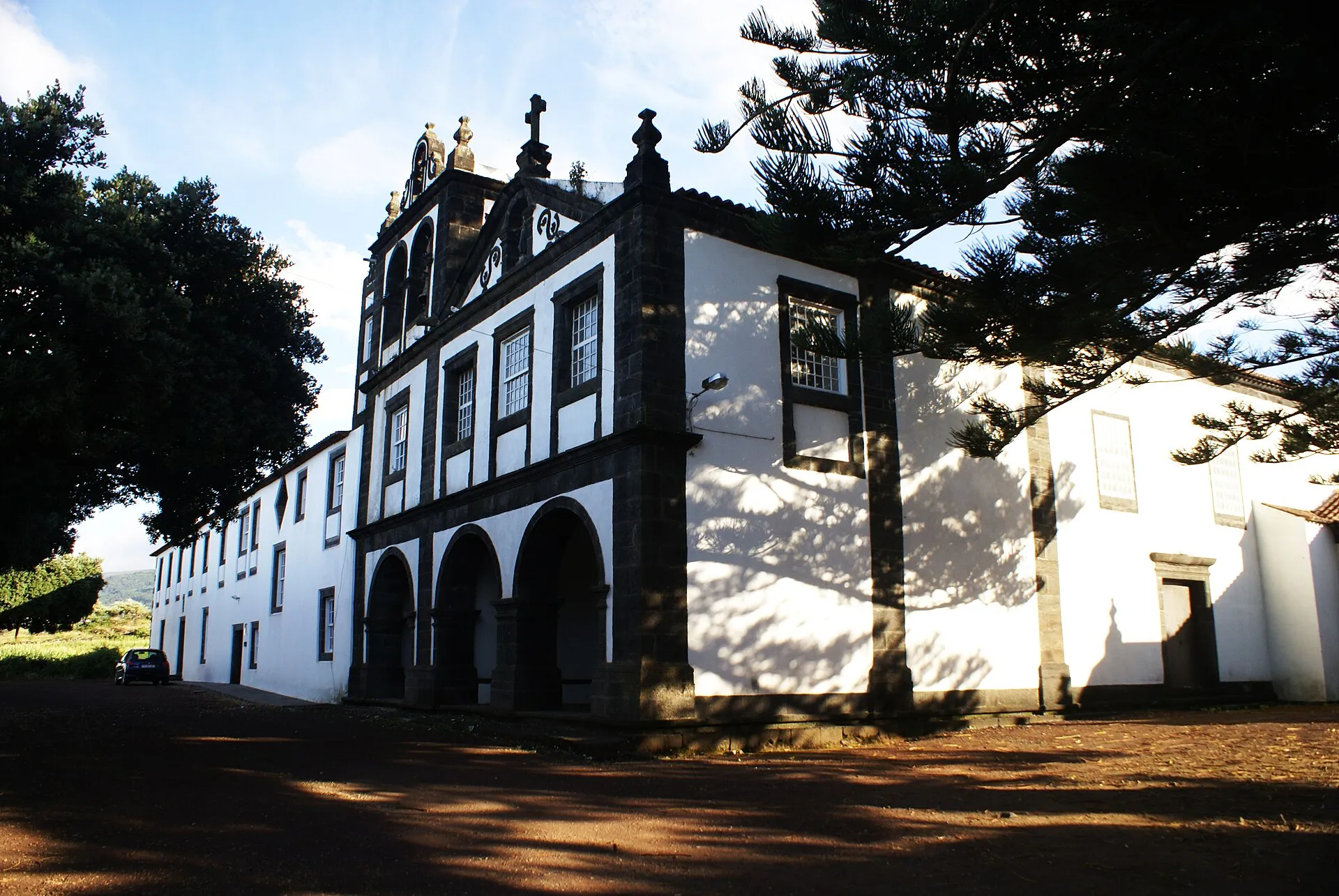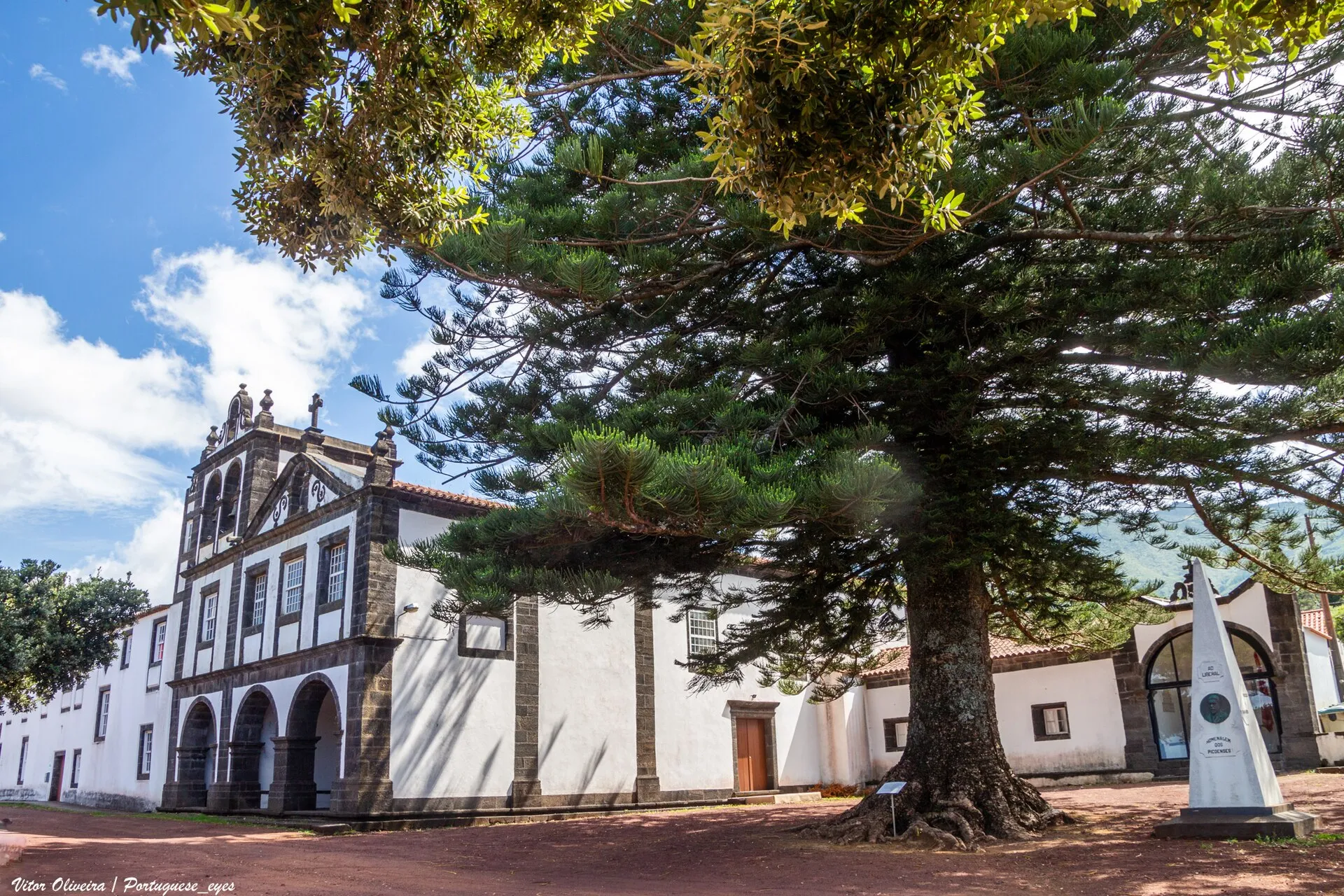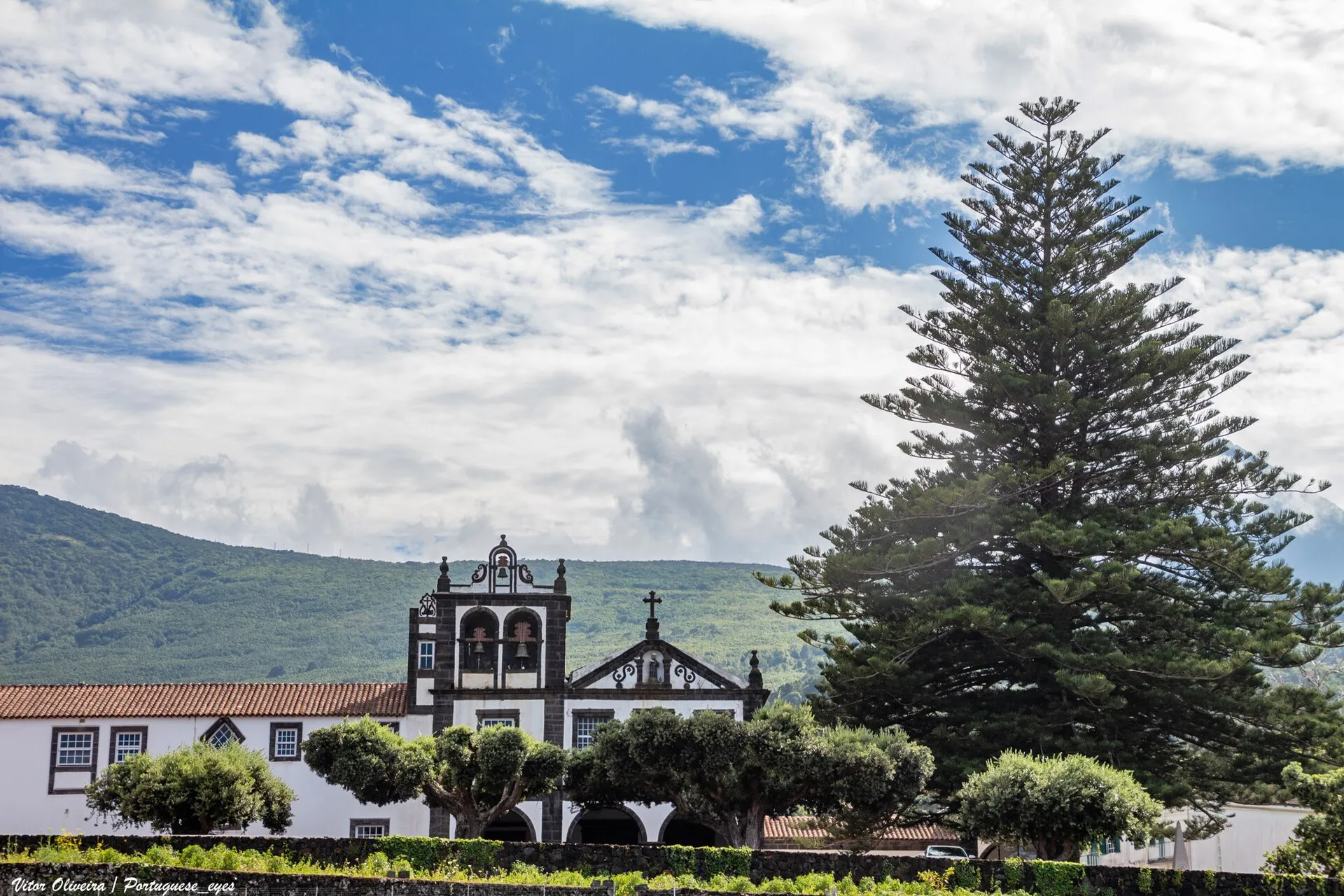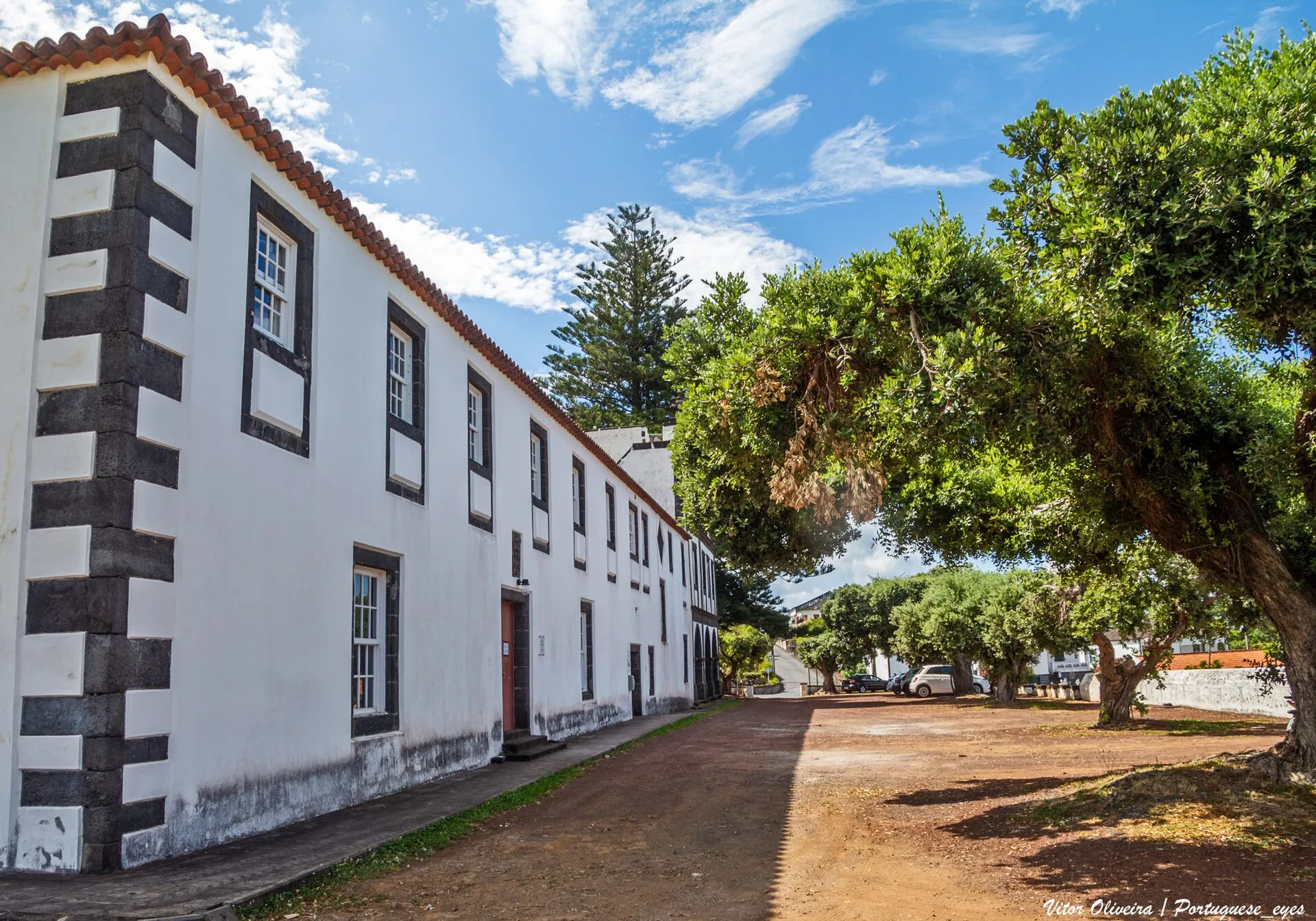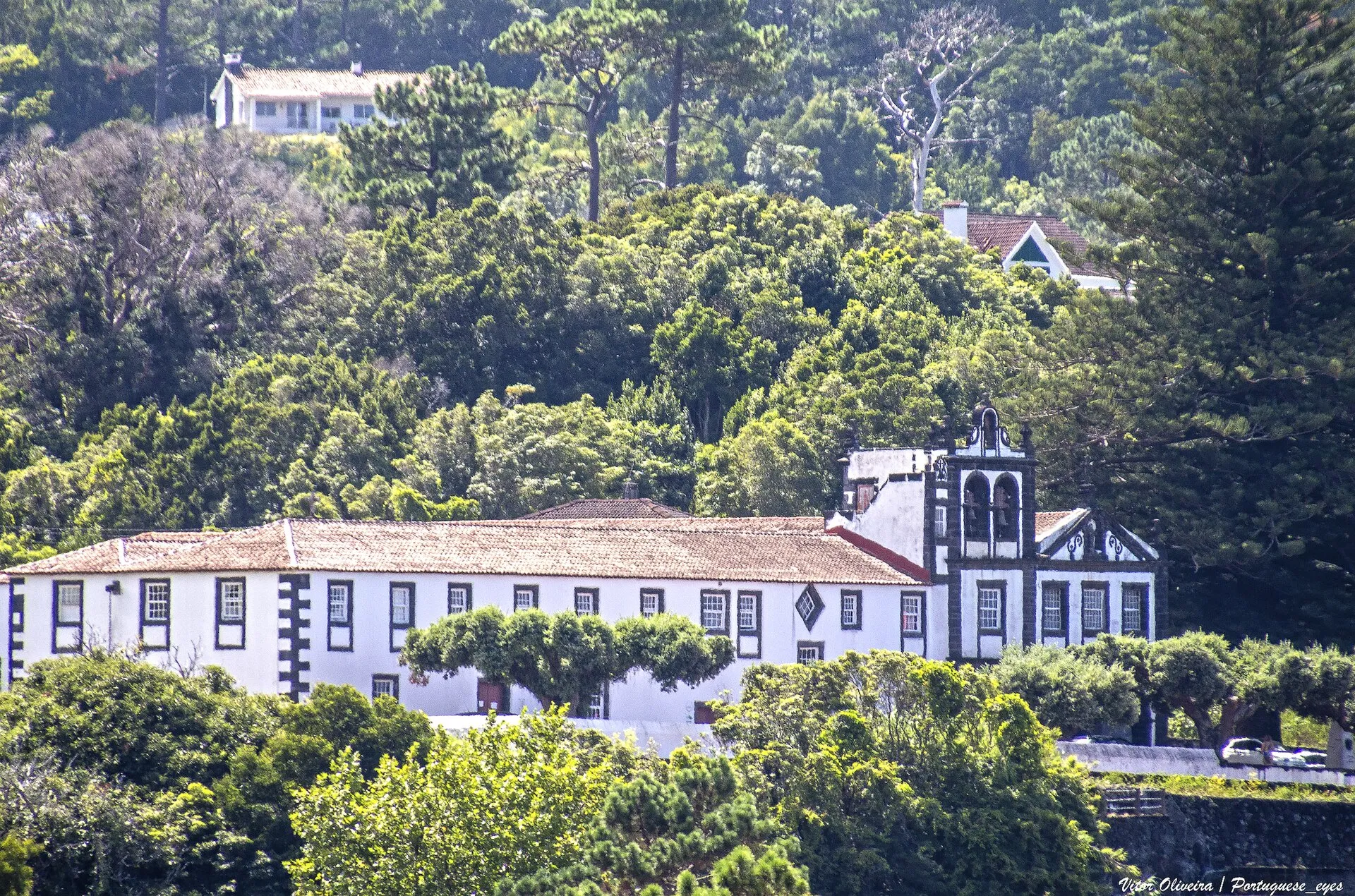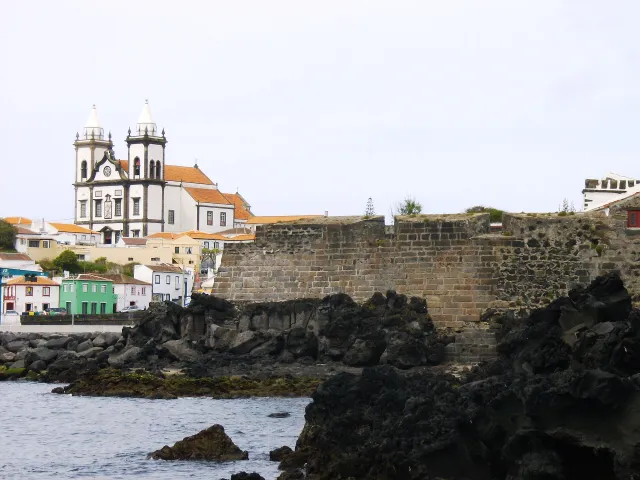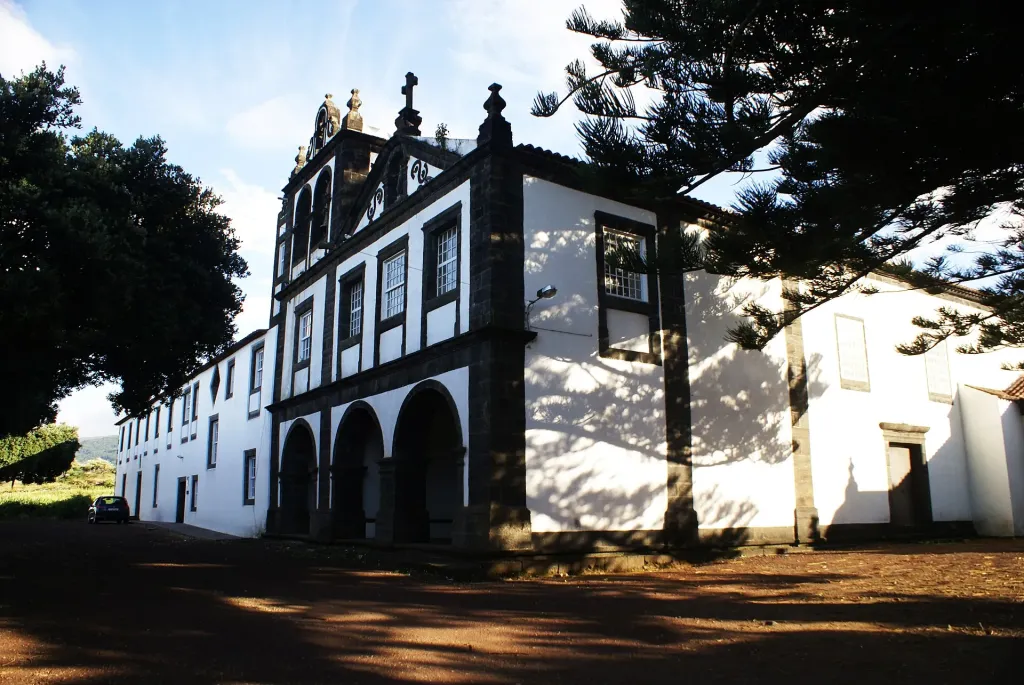
Within a century, with the construction of the Convent of the Order of Friars Minor, or Franciscans under the authority of friar Inácio do Desterro absorbed the primitive structure. Eventually, the convent needed to shelter Franciscan friars from Lajes do Pico following the volcanic eruption of 1 February 1718, that occurred in the civil parish of Santa Luzia, and whose population fled to São Roque for assistance.
Silveira Macedo indicated that on 19 October 1721, the convent and later the church (Christmas 1724) were consumed by fire. Remodelling and reconstruction was only completed in 1726. The writings of friar Bartolomeu Ribeiro, around 1740, indicate that the population around São Roque had hardily grown in the intermediary.
After the forced extinction of religious orders, during the Liberal government, the monks left the convent, and the building began to serve the state in various forms, including prison, courts, finance offices, theatre and cinema, as well as cultural and sports associations and the municipal office buildings. Over time, it began to fall into ruin, with many of the internal spaces vandalized, windows and doors damaged, water infiltration through the roof and most of its artifacts transferred to expositions. It was finally classified as a Property of Public Interest under Decree 129/77, on 29 September 1977, but continued for several years to wait a budget to recuperate and restore its dependencies.