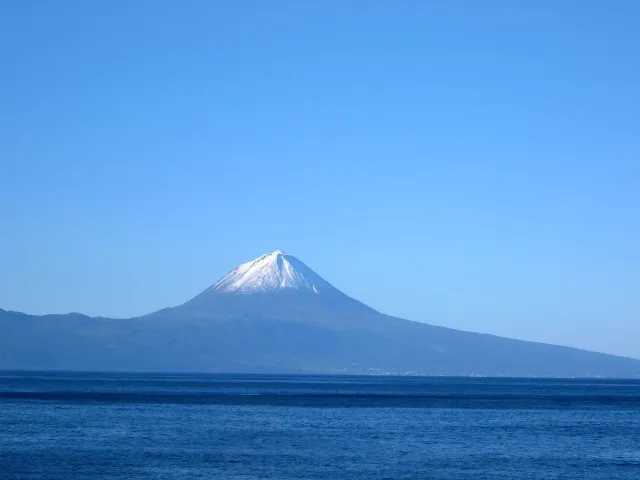
A study of the defensive conditions of the archipelago of the Azores, from pirates and privateers, attracted by the riches of the ships returning from Africa, India and Brazil, began in the middle of the 16th century by the military engineer Bartolomeu Ferraz. In his plan to the Portuguese Crown, Ferraz warned of the vulnerability of the islands of São Miguel, Terceira, São Jorge, Faial and Pico to pirate attacks or Protestant military forces. His plan justified the need to improve the security conditions at the ports and protect ships in Azorean waters:
"... because the three islands import a lot...and [for they] principally aid the carracks from India and [because] the French against reason, justly or injustly, take everything they can..."
During the reigns of Kings John III (1521–1557) and Sebastian (1568–1578), along with new regiments sent to the region, military architect Tommaso Benedetto was sent to reformulate the defenses (in 1567), during the regency of Cardinal Henry, King of Portugal. Benedetto understood that with a determined maritime force, the defense of the islands could be concentrated at ports and anchorages, by the local population and under the responsibility of the municipal authorities.
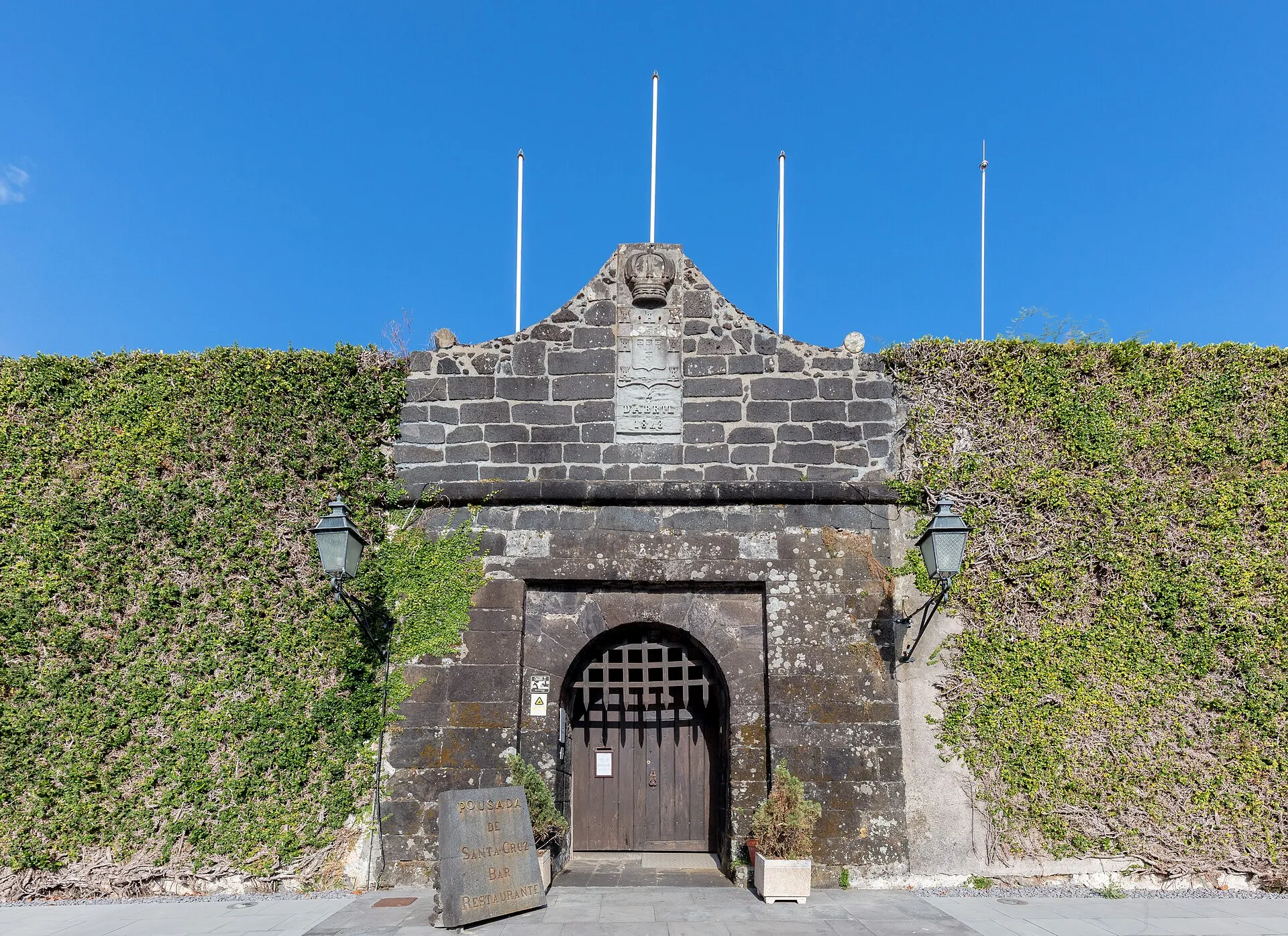
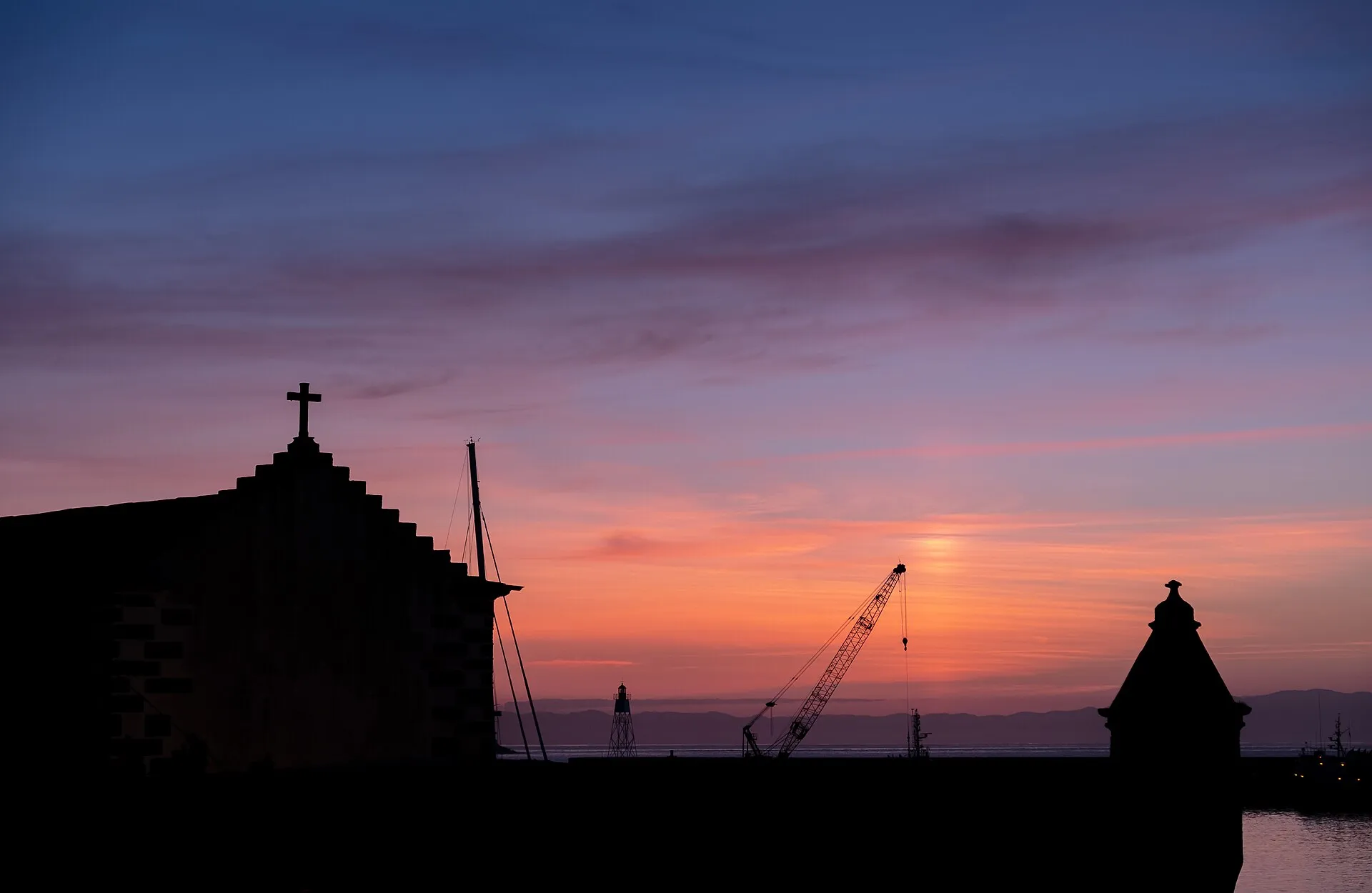
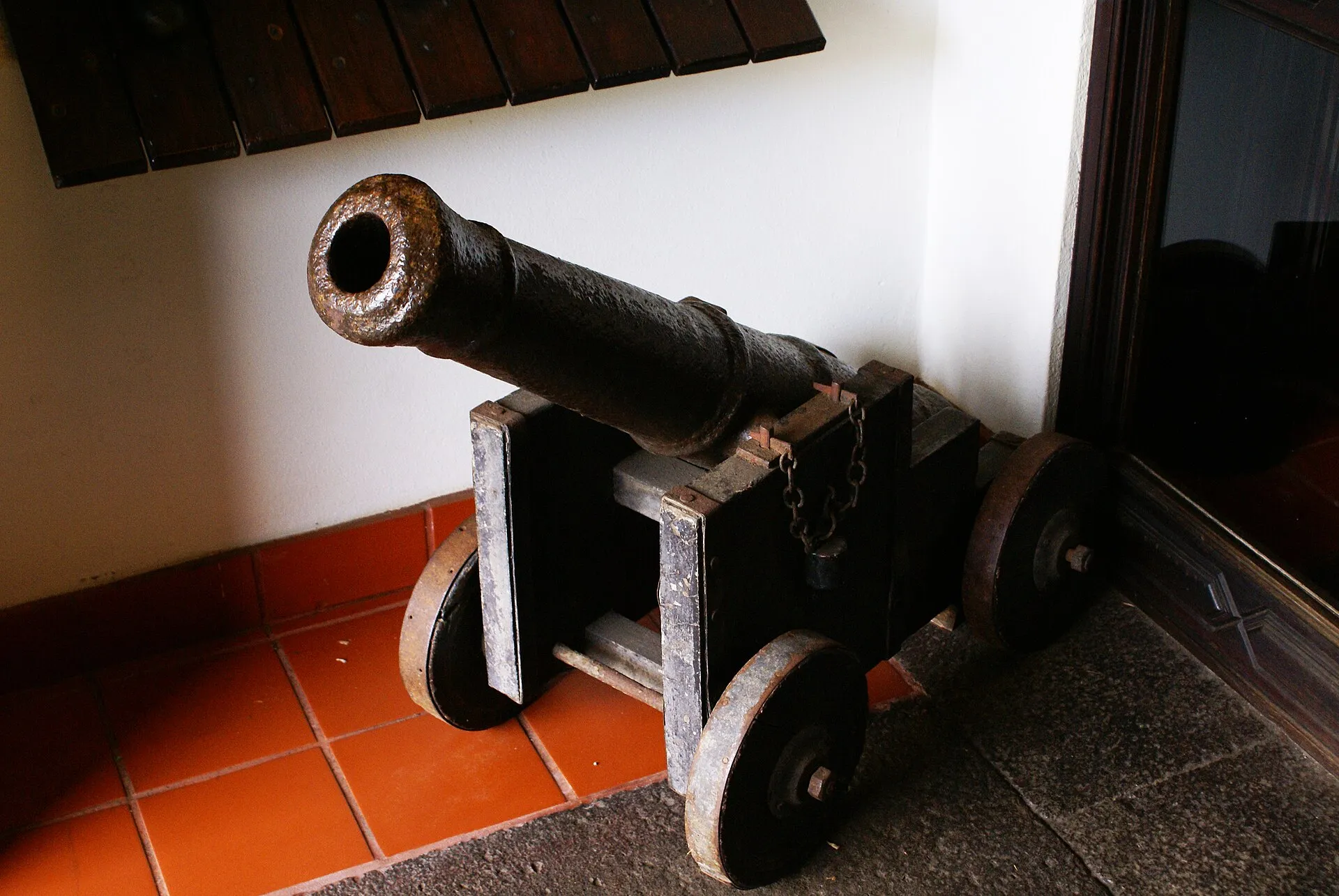
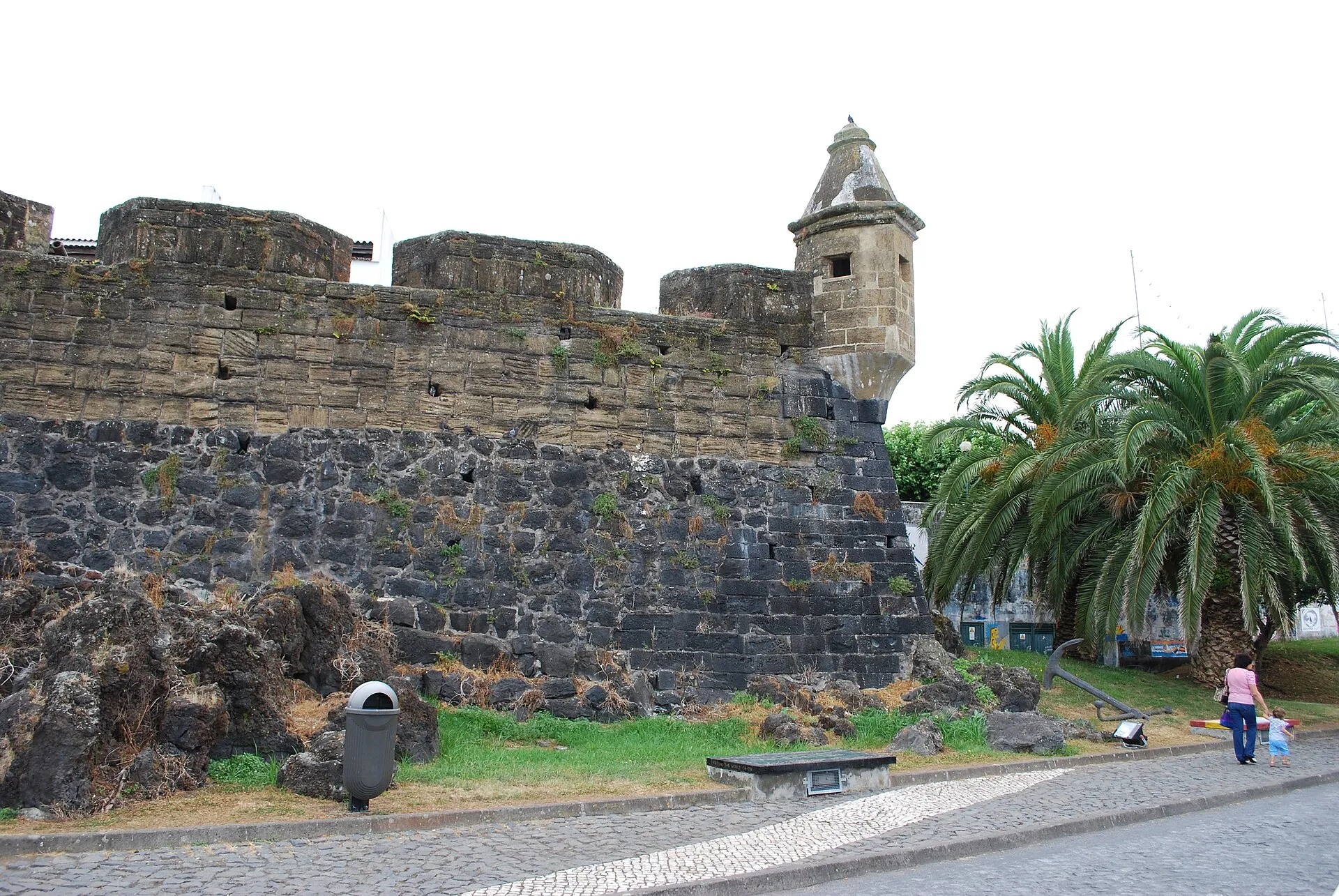
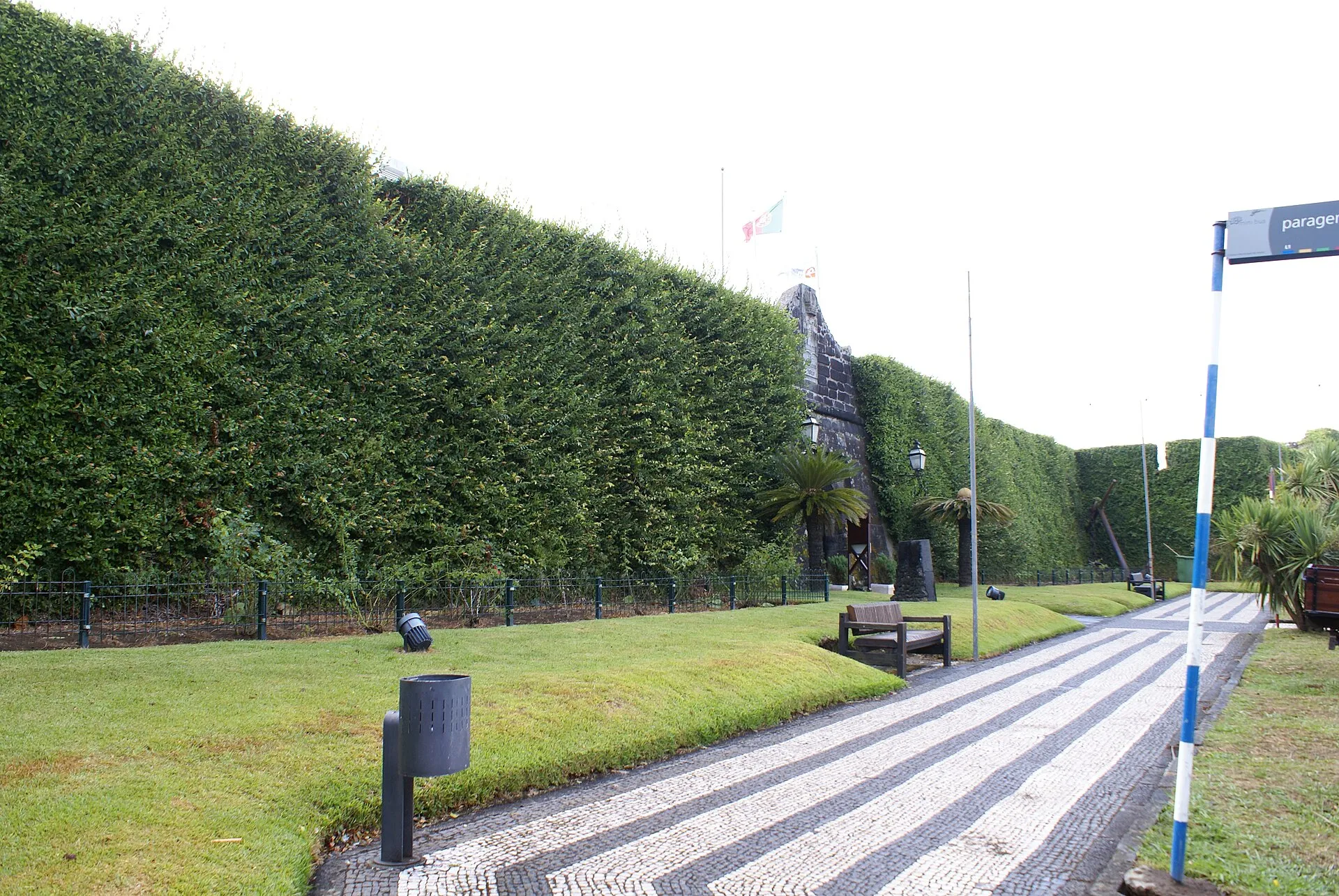
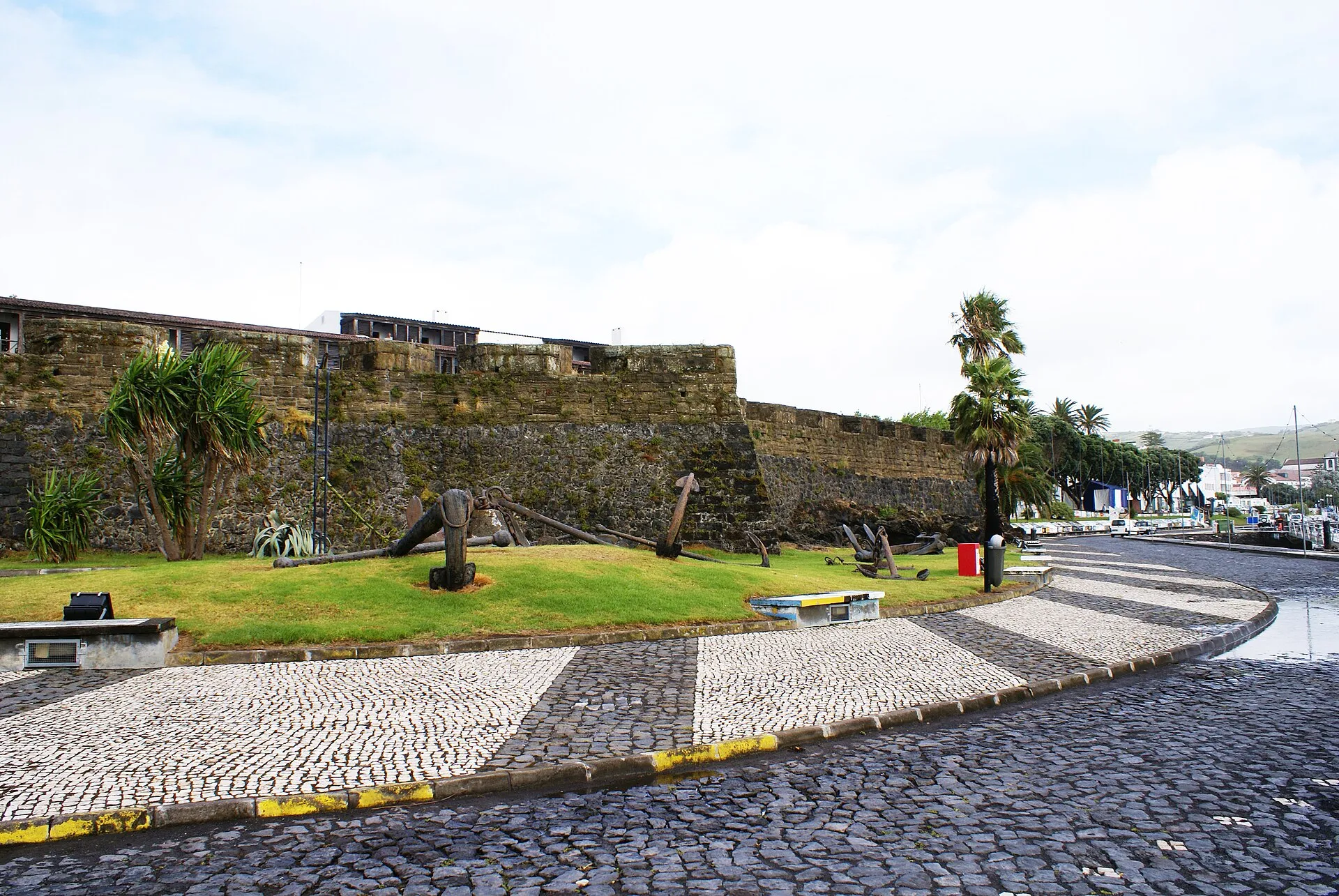
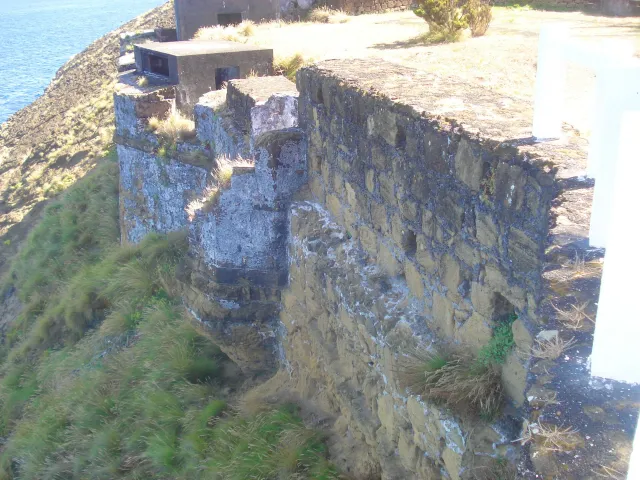
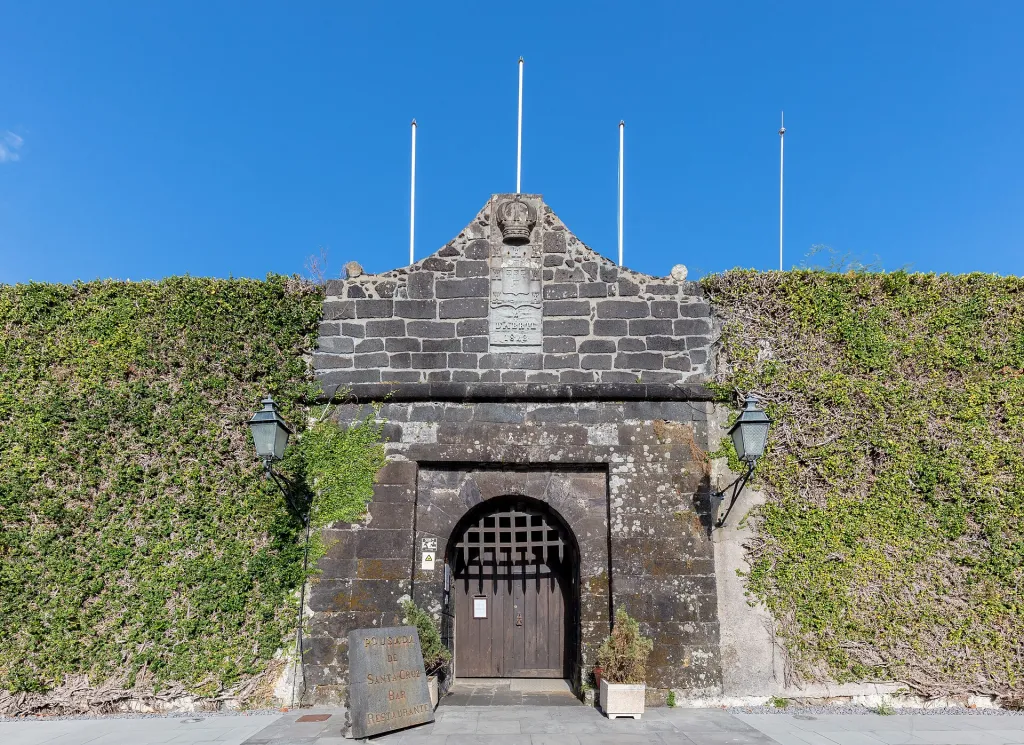
Primitively referred to as the Castelo de Santo António nu lugar da Cruz (because of the chapel located within its walls), the fort that would be known as Santa Cruz, was planned-out during Benedetto's visit in 1567, which also included the stationing of an artillery company on its grounds. Its construction was unlikely to have taken long: in fact, a Royal order for the director of Public Works, Luís Gonçalves, obligated him to visit the islands of Faial and São Jorge to get those projects completed.

 1 / 6