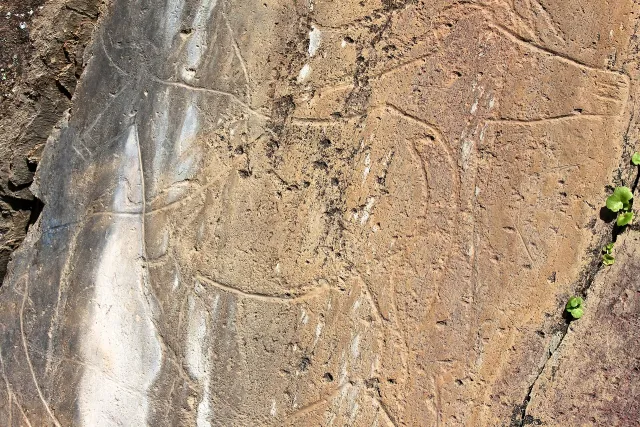
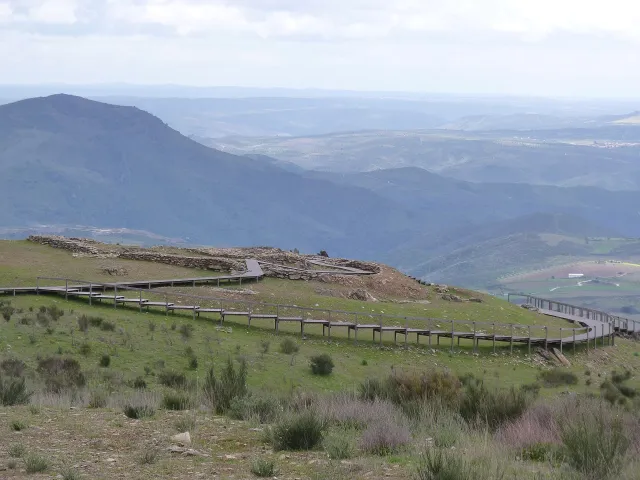
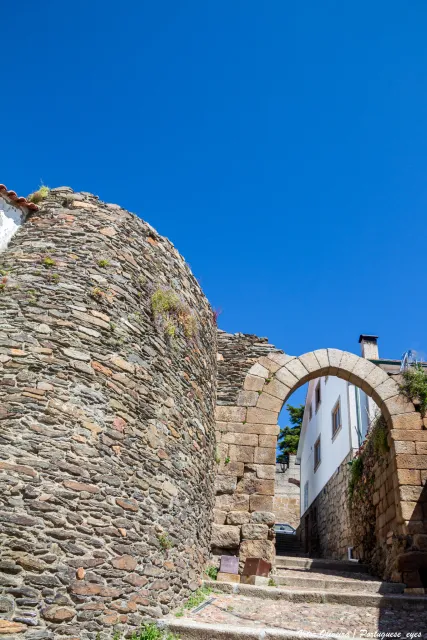
Some evidence indicate that early human occupation of the region come from the Early Iron Age.
Although there is little to no information on the founding or early history, the village secured a royal charter from Afonso I o Portugal (1112-1185) in 1162.
Under the reign of Sancho II of Portugal (1248-1279), inquiries in 1258 reported that the county held a third of the tithes from the Church of Santa Maria de Mos for the repair and maintenance of the town's castle. The source of the funds was explained in a letter Alfonso IV of Portugal (1325-1357) states that the sovereign granted the "people of the Church are giving money".
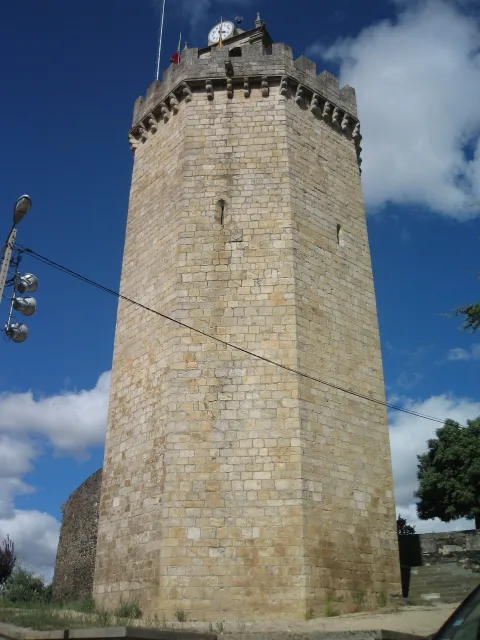
Near the end of the Middle Ages, fighting had depopulated the village and swung favor to the nearby village of Carviçais. During the reign of Fernando, he ended the power of the village and transferred it to Moncorvo Tower.
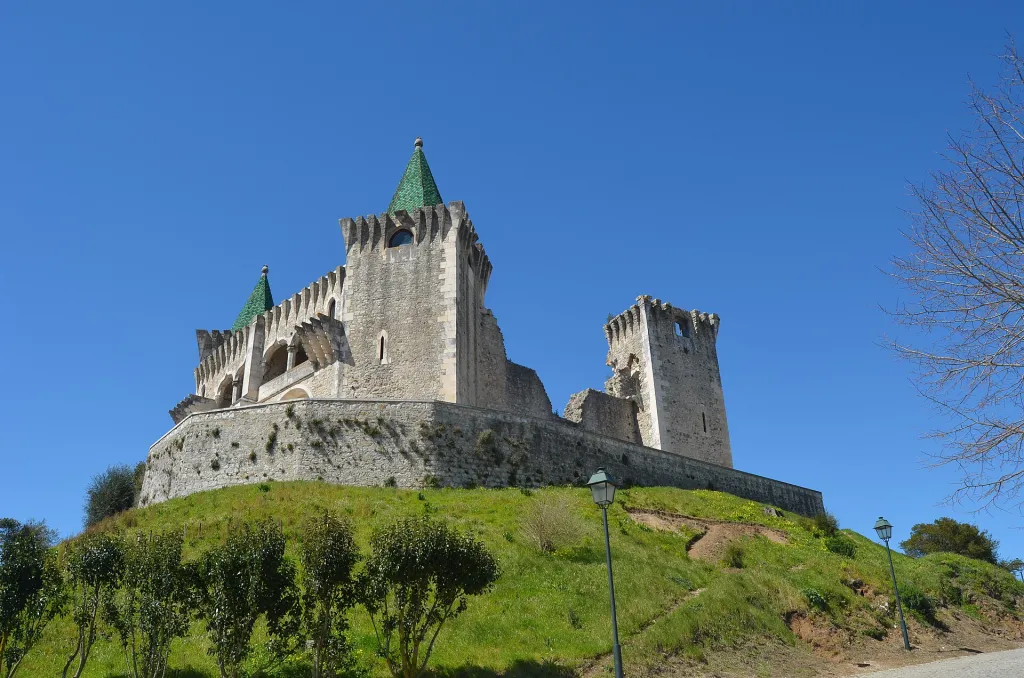
In the late seventeenth century, Father Carvalho da Costa recorded a similar position, stating that this villa one sees almost hum aruinado Castello delle with his cistern inside, which turns out to be the old village villa of more account. At this stage, the castle had only 90 fires, while in Carviçais neighbor, the only place term 250 were counted.
In the nineteenth century, the Municipality of Mos was abolished and integrated in the municipality of Torre de Moncorvo.
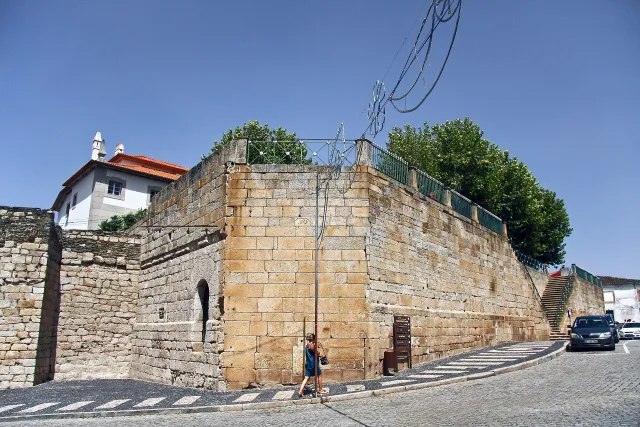
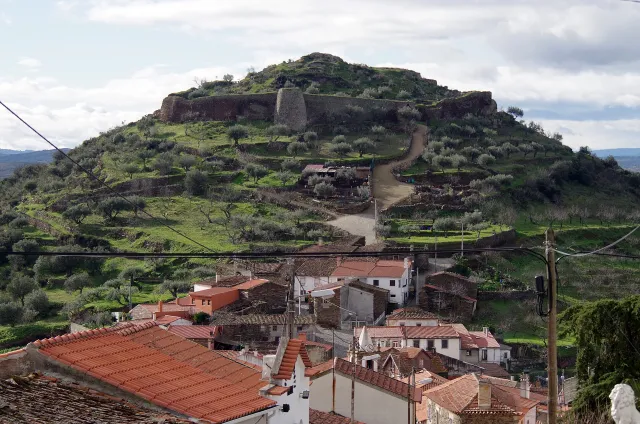
The castle remains are classified as Public Interest Property by decree published on 20 October 1955. In the 1960s part of the medieval wall collapsed, registering a particular construction on a walled section. At the time, it was felt the intervention of the government by the action of DGEMN, through the reconstruction of a section of the wall and work in the surrounding area (1963).
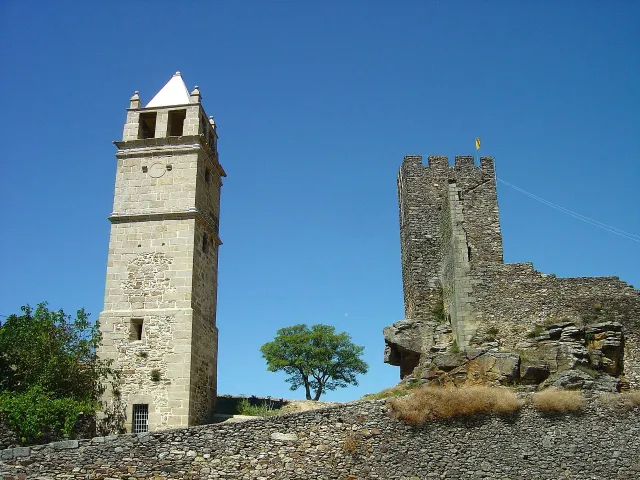
Currently there remain only traces of some sections of wall with addorsed dwelling houses. Outside the walls stand out the Church of Santa Maria and the pillory.