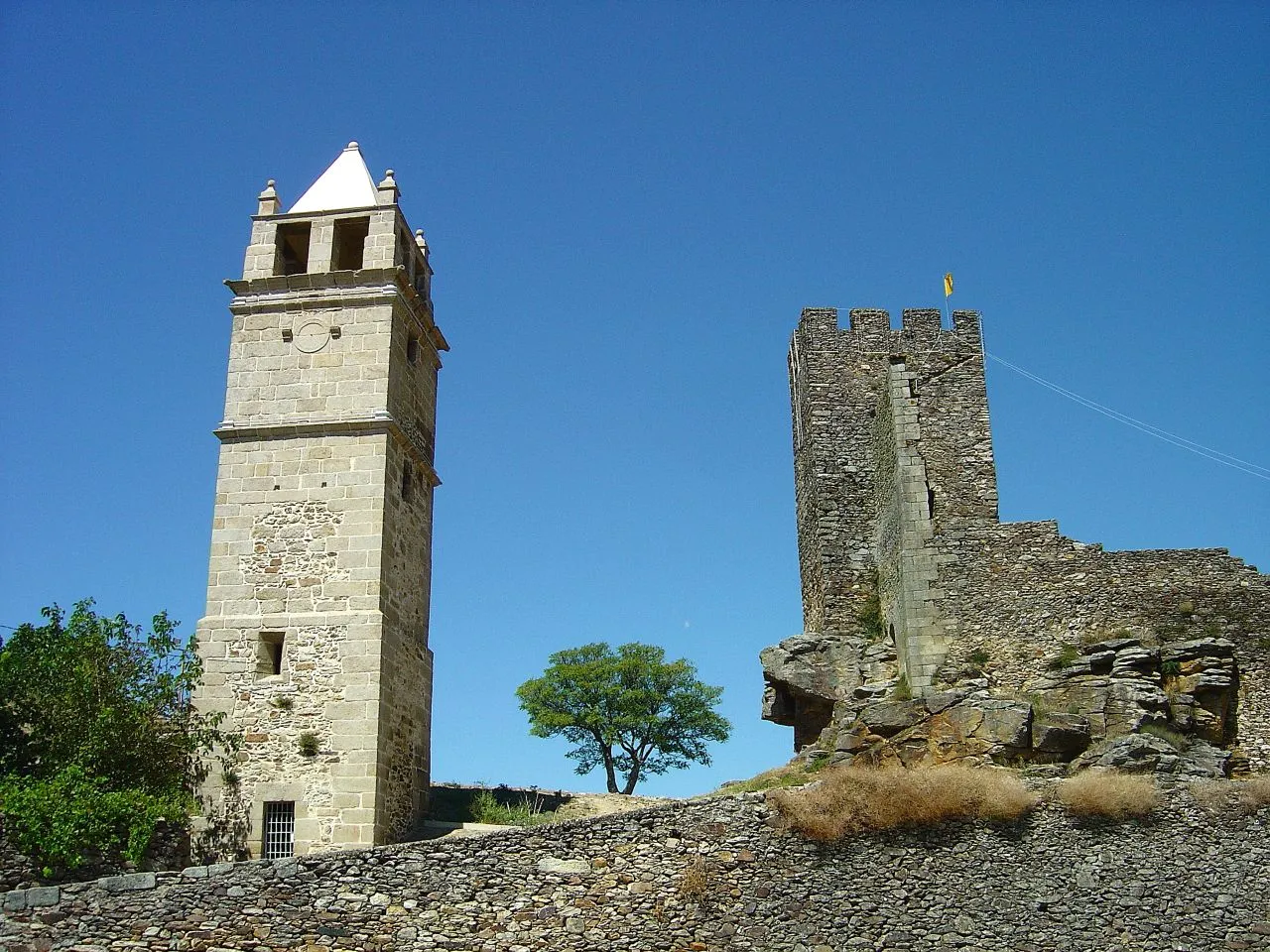
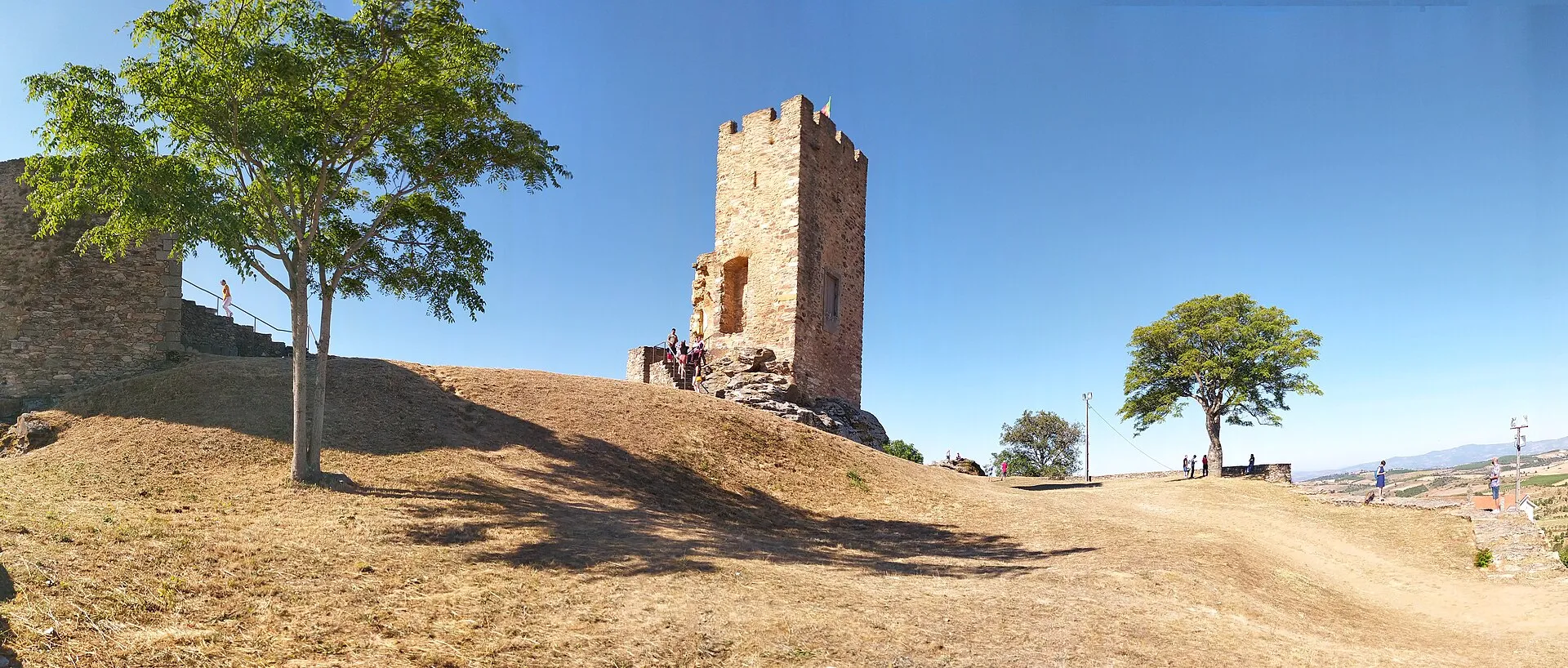
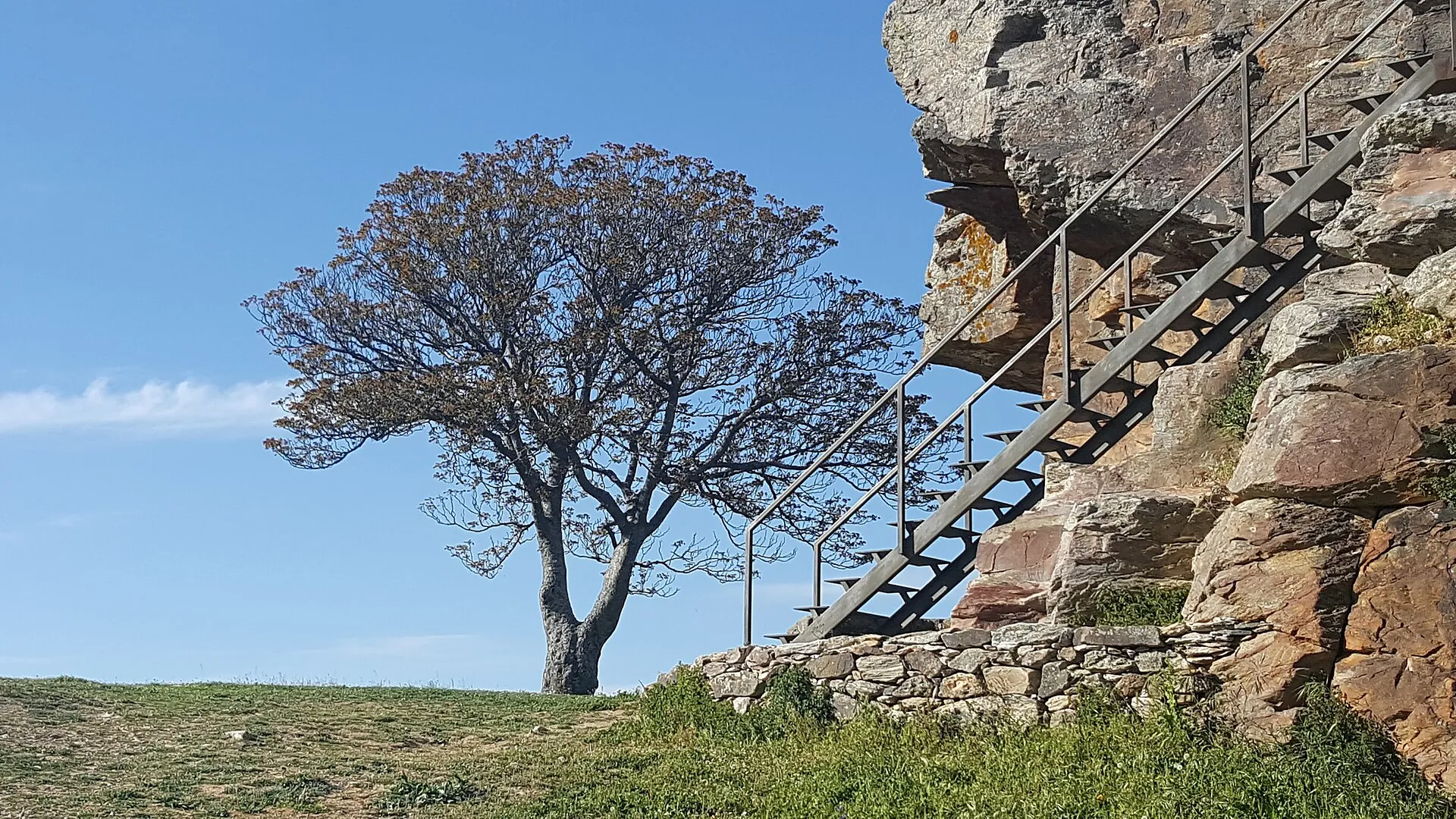
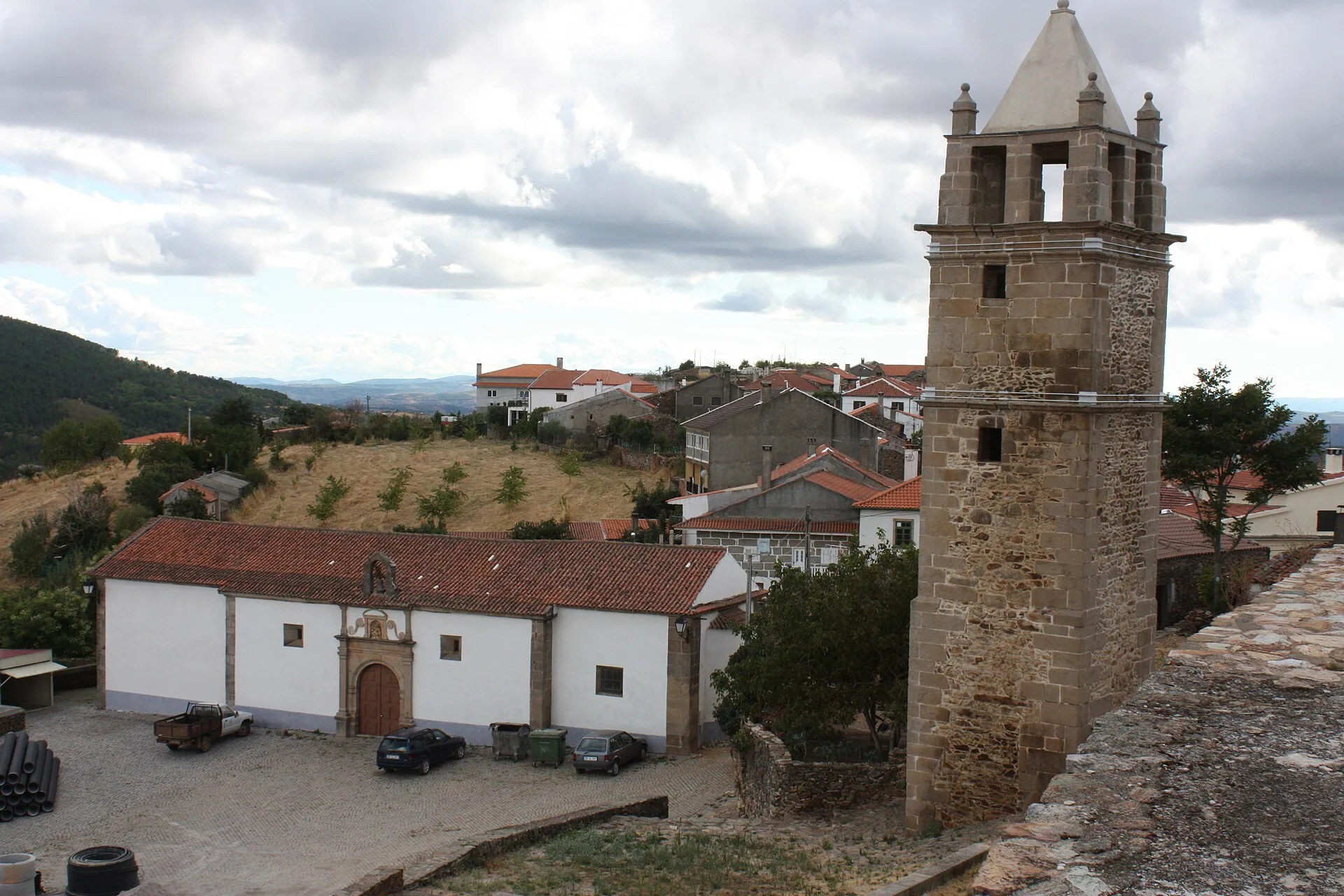
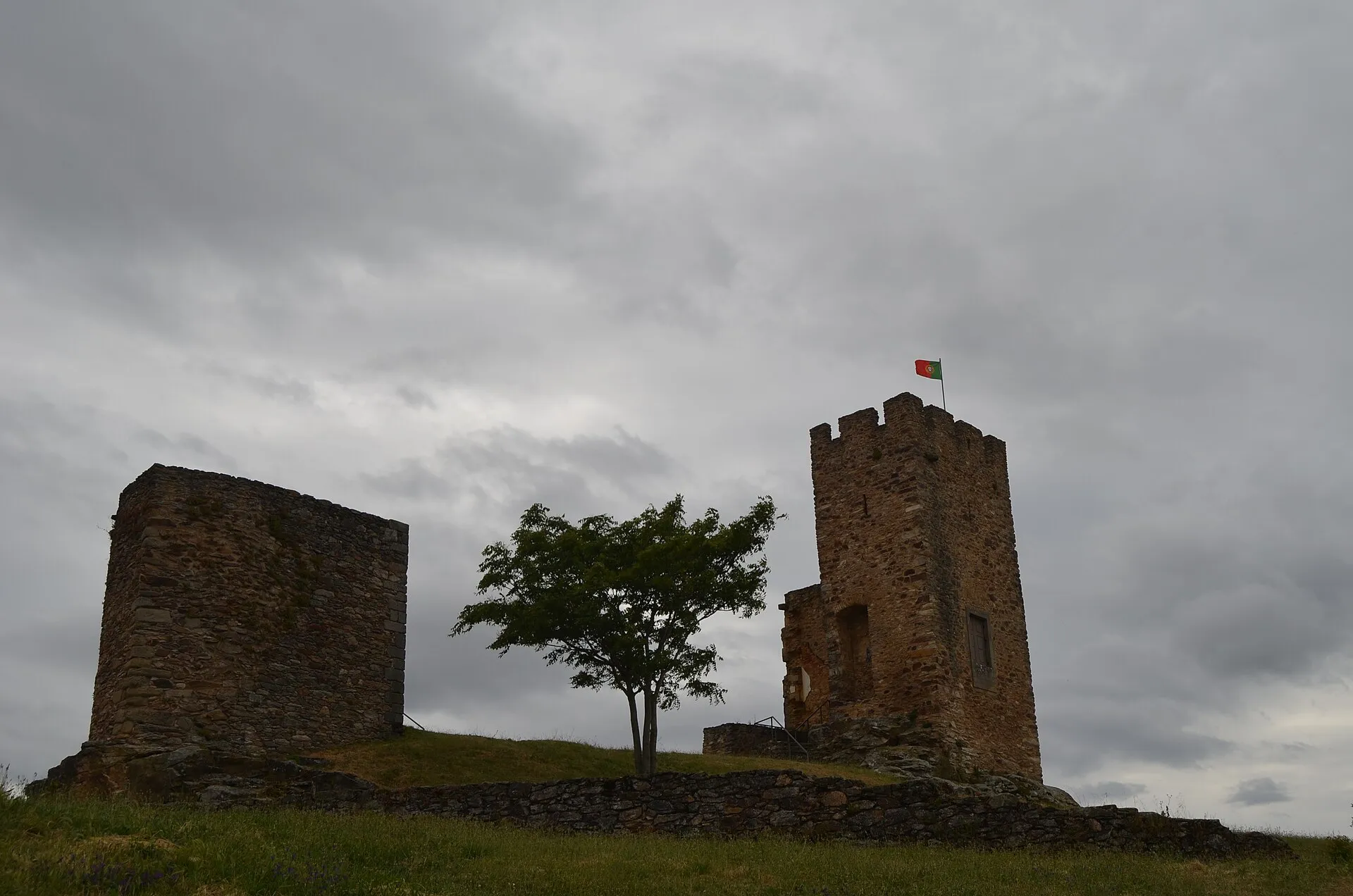
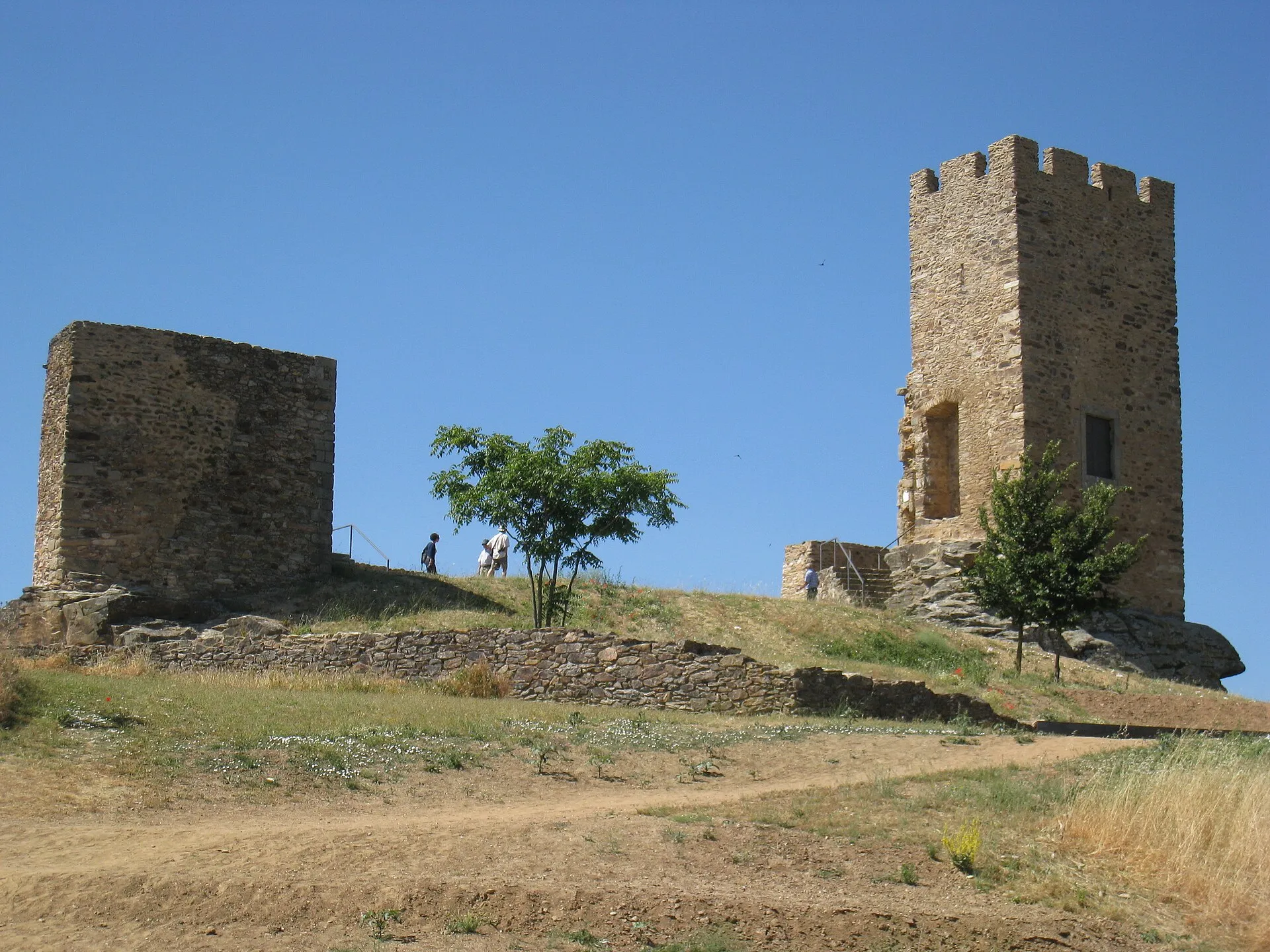
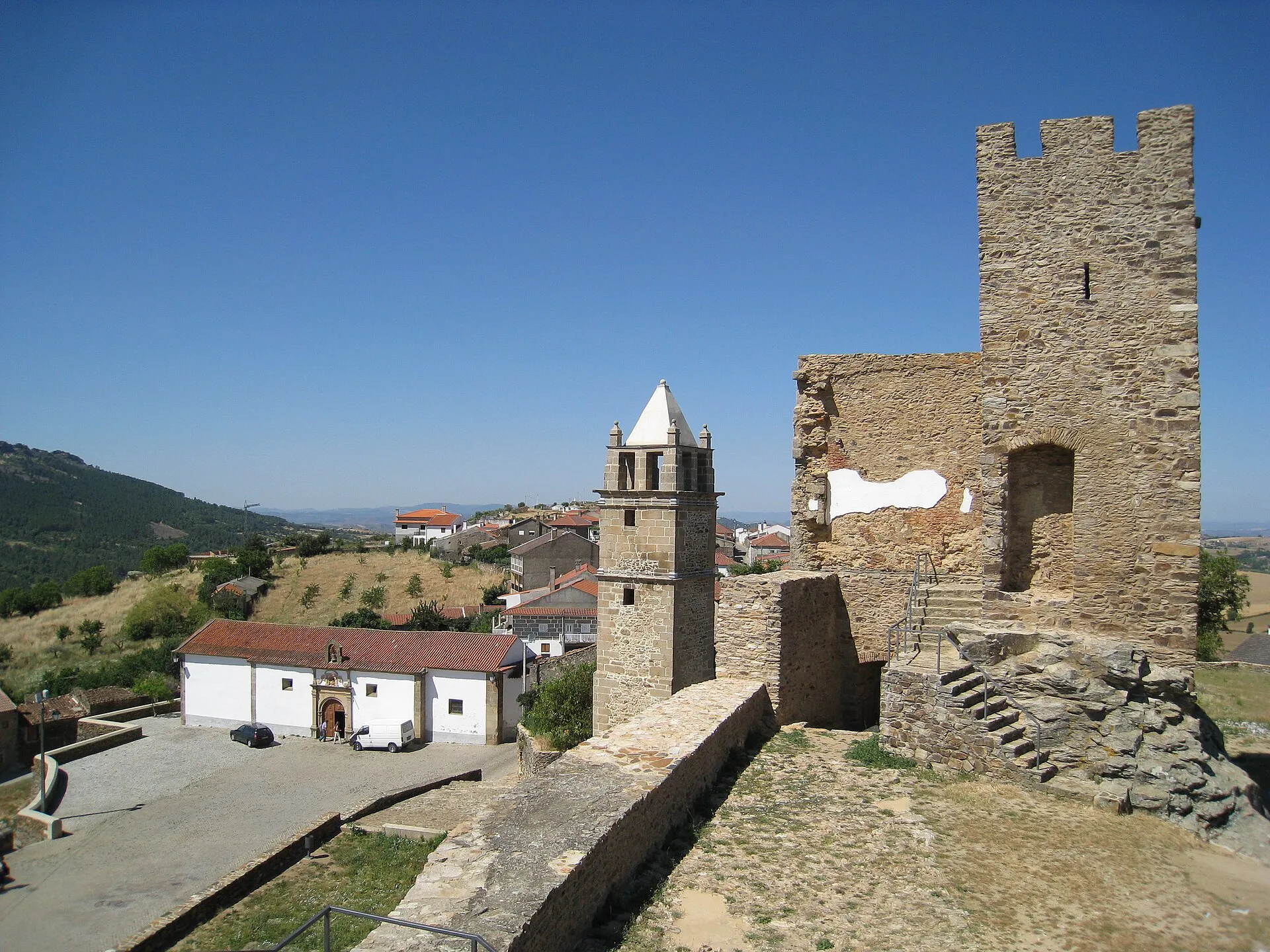
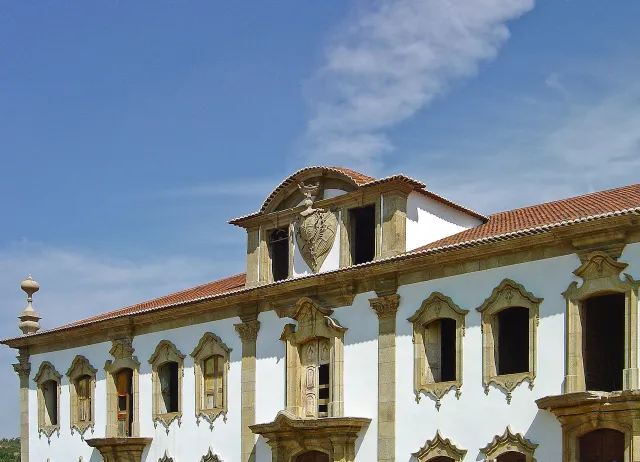
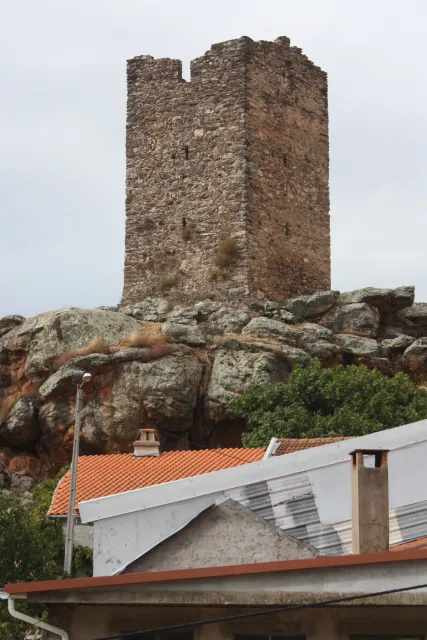
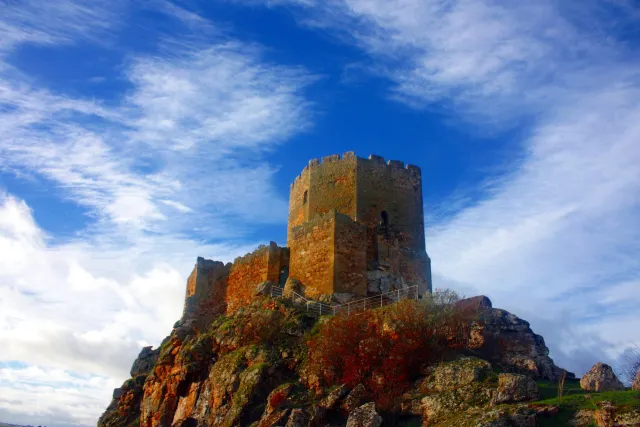
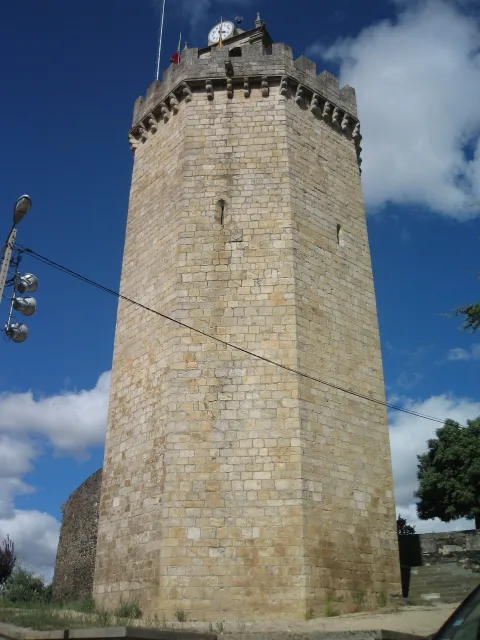
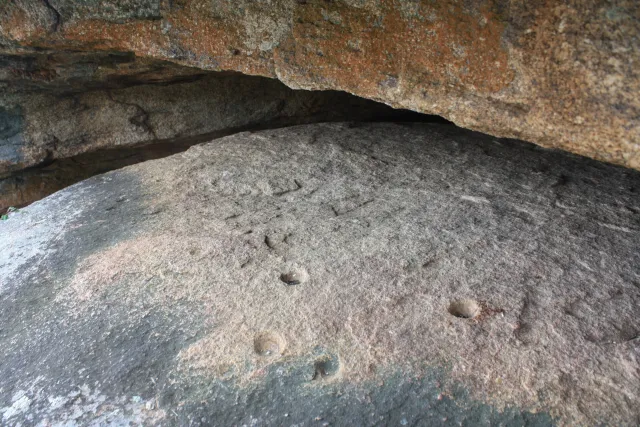
Mogadouro was referred in documents associated with its donation by the Braganção (resident from Bragança) Fernão Mendes to the Knights Templars in 1186. During this period of the Iberian Peninsula Reconquista, the region of Miranda was the scene of numerous battles, that involved settlements in Mogadouro, Algoso, Miranda do Douro, Outeiro de Miranda and Vimioso (which marked the Christian defensive line in northeastern Portugal).
In 1197, the region was traded by King D. Sancho I (along with Penas Róias) for Idanha: the monarch became the principal patron of the region's churches by 1199. Yet, the region transferred back to the Knights Templar in 1223, although patronage of the ecclesiastical orders continued to come from the monarch.
On 27 December 1272, King D. Afonso III conceded a foral (charter) to the settlements of Mogadouro and Penas Róias (which was updated a year later), aiming to increase the settlement and defense of the region. São Mamede de Mogadouro continued to function as signeurial fiefdom of the Templars, which transformed it into a commandery, and subsequently elevated it to priory. Consolidation of the religious orders resulted in the 1319 transfer of settlement to the Order of Christ. Throughout this century the castle was expanded and walls reinforced.
During the Dynastic Crisis in 1383, Mogadouro aligned with Castile.
By 1433, it was donated to Álvaro Pires de Távora, whose father had been the alcaide of the castle.
King D. John II visited the settlement in the autumn of 1483 (as referred in the Crónica de Rui de Pina). Transiting the region during a trip between Lamego to Vila Real (en route to Bragança), he stopped in Port and visited places along the Trás-os-Montes and Resende (as recorded by Rui de Pina), when he ordered repairs to the site.
In 1507, the O Tombo da Comenda of the Order of Christ described the residence as a "house that was once the resting place for the prior and now Álvaro Pires de Távora's stable, while to the east and west are houses of said Álvaro Pires, to the north the wall and to the south part of the courtyard of the said castle. It is one-storey and from four-and-a-half long varas to measure the cloth and other so many of wide."

 1 / 7