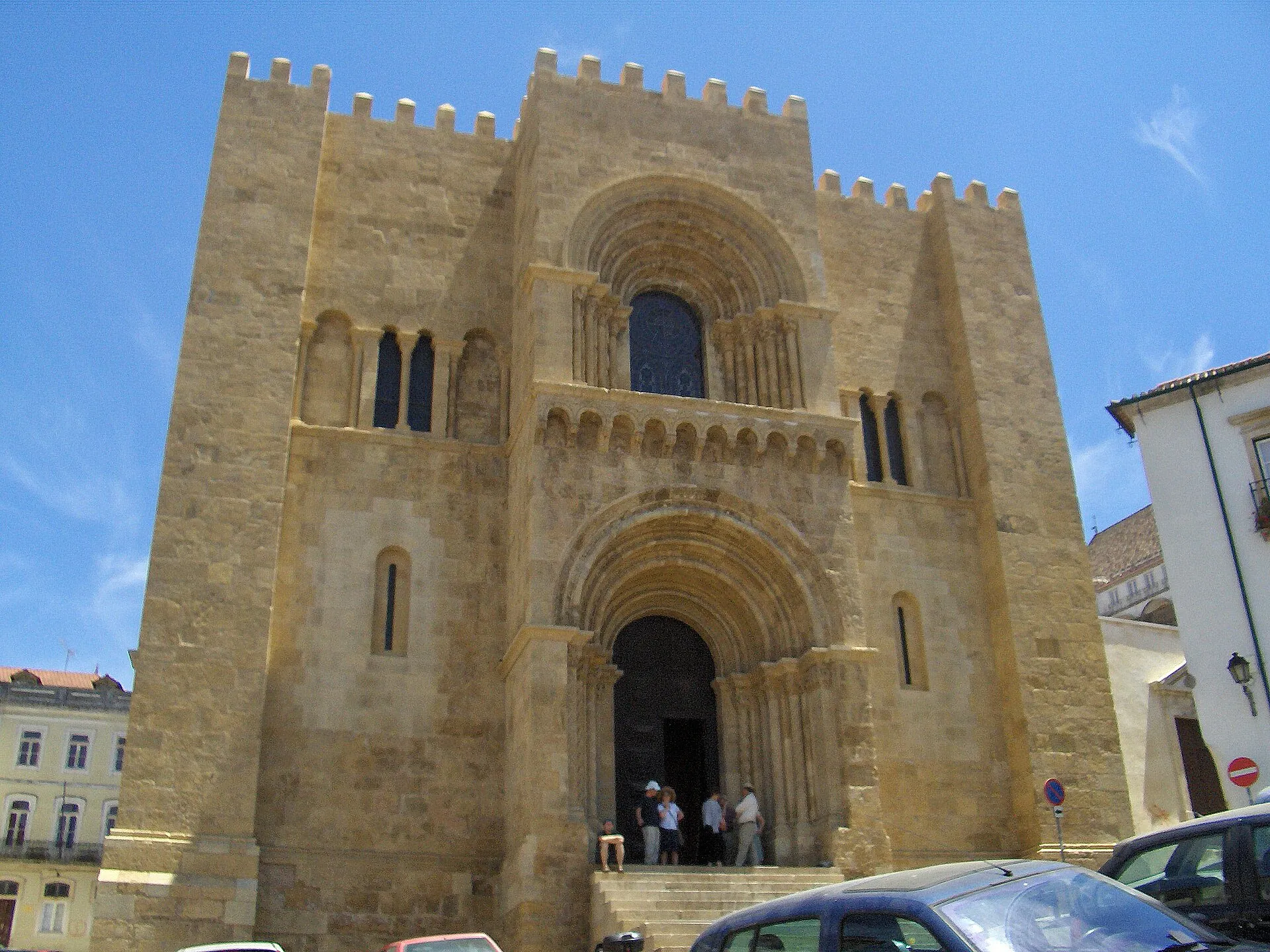
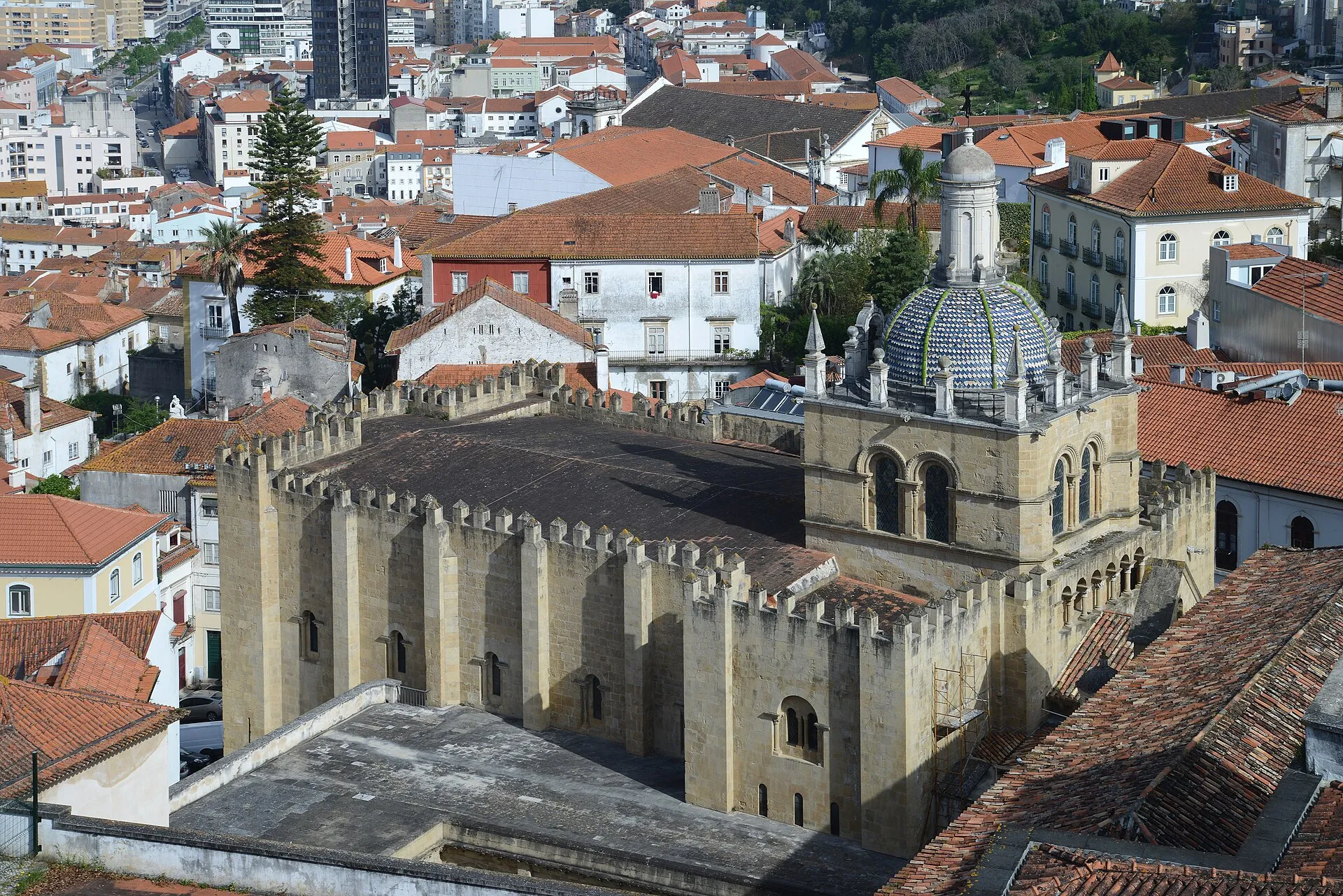
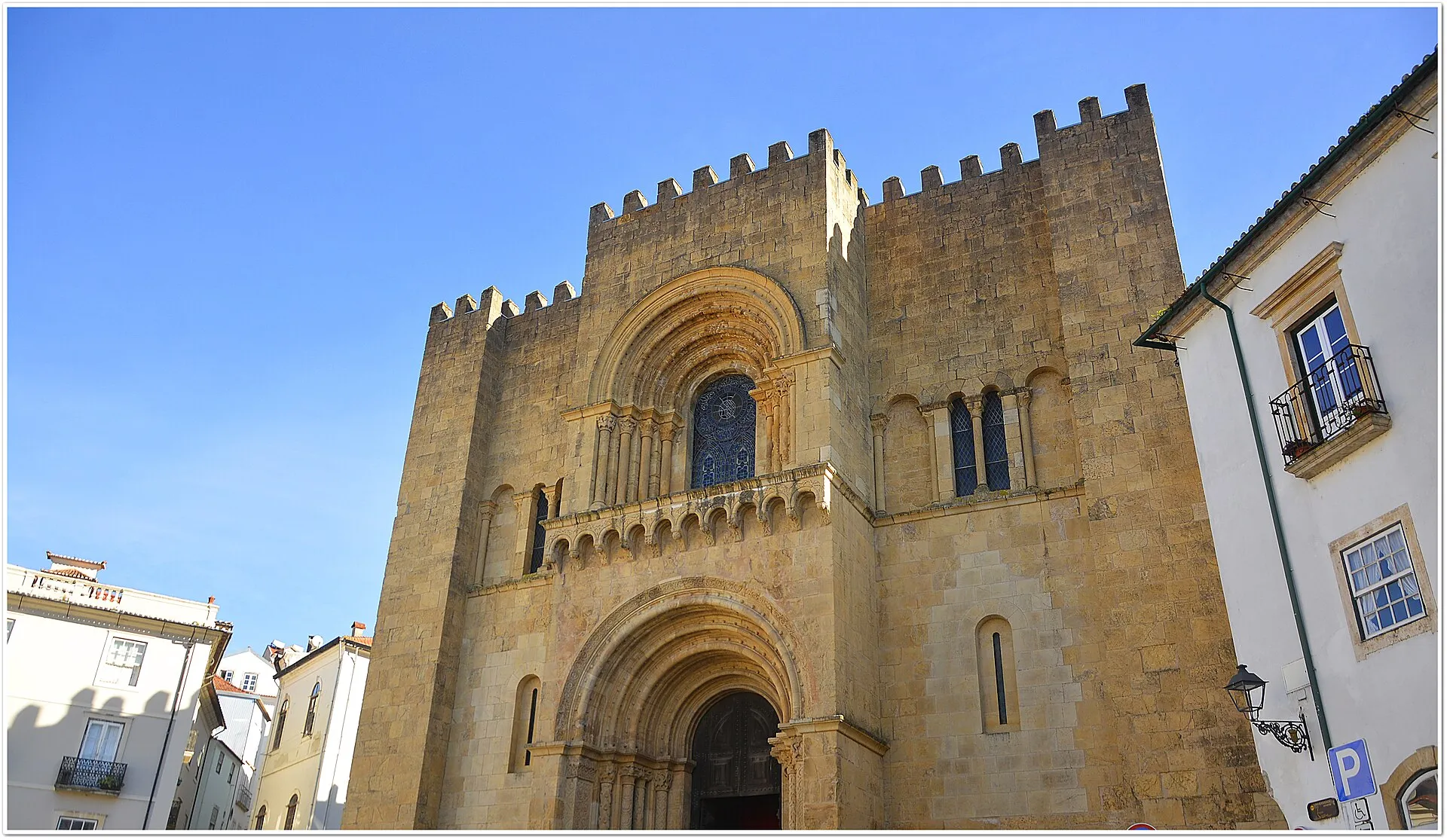
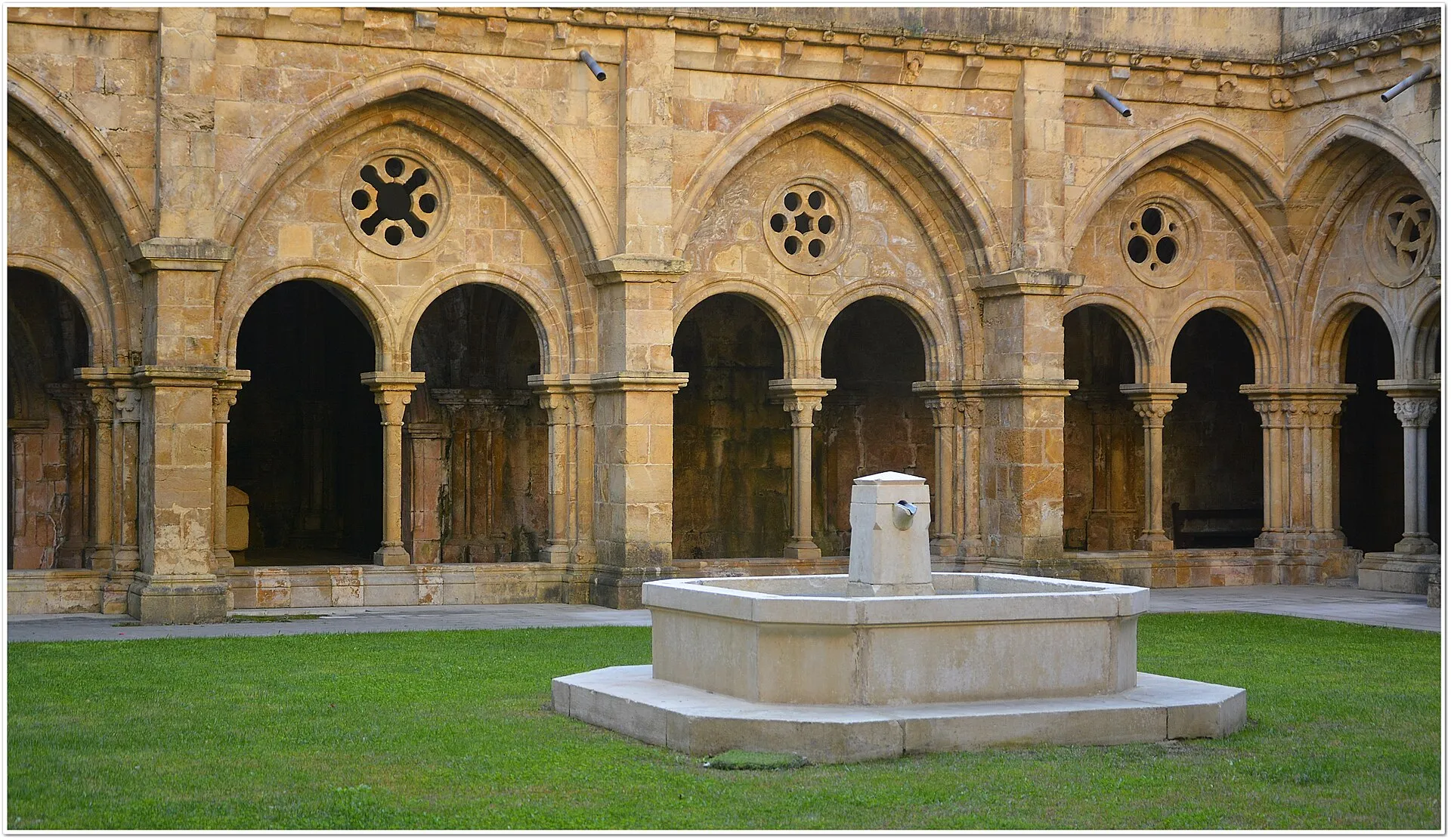
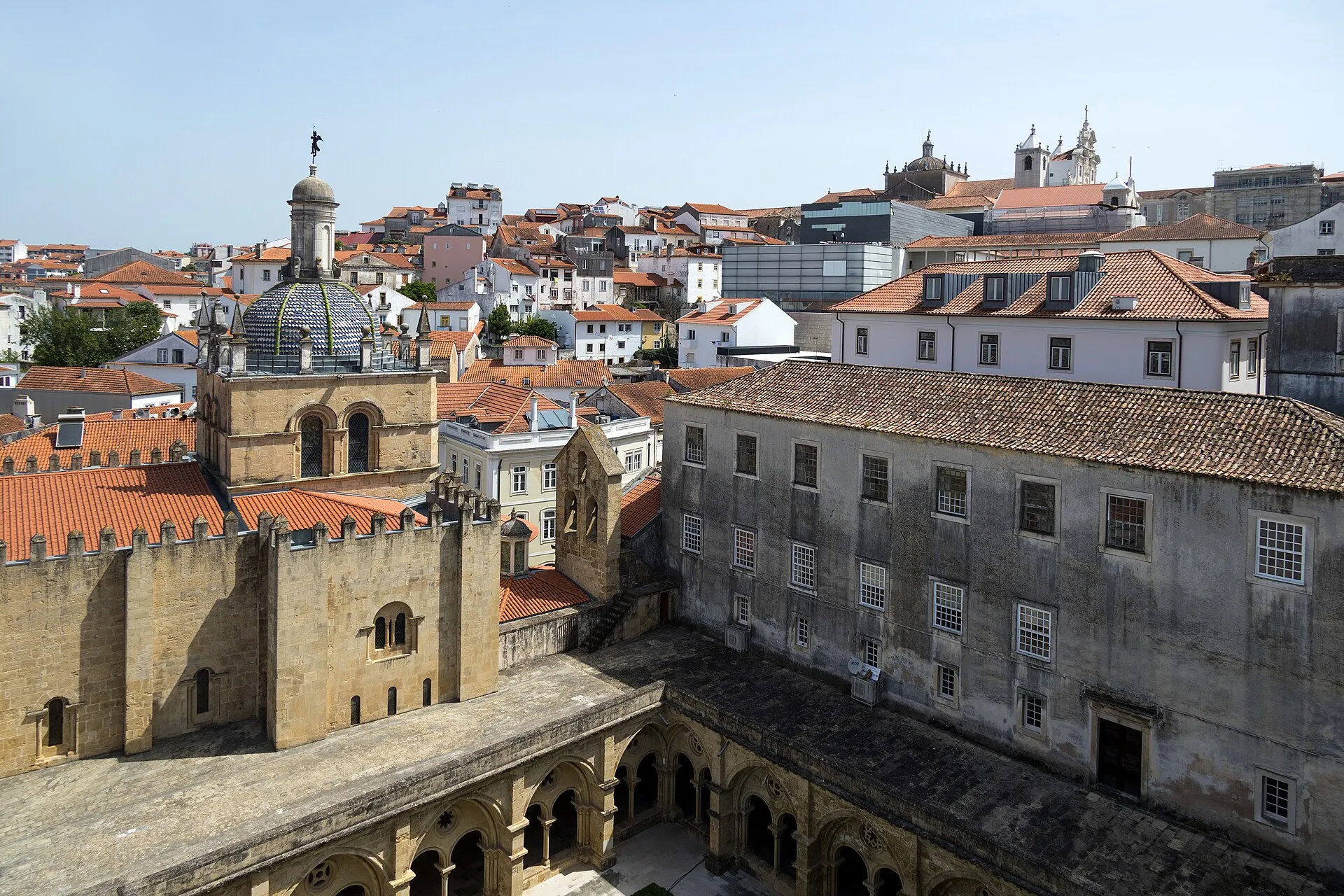
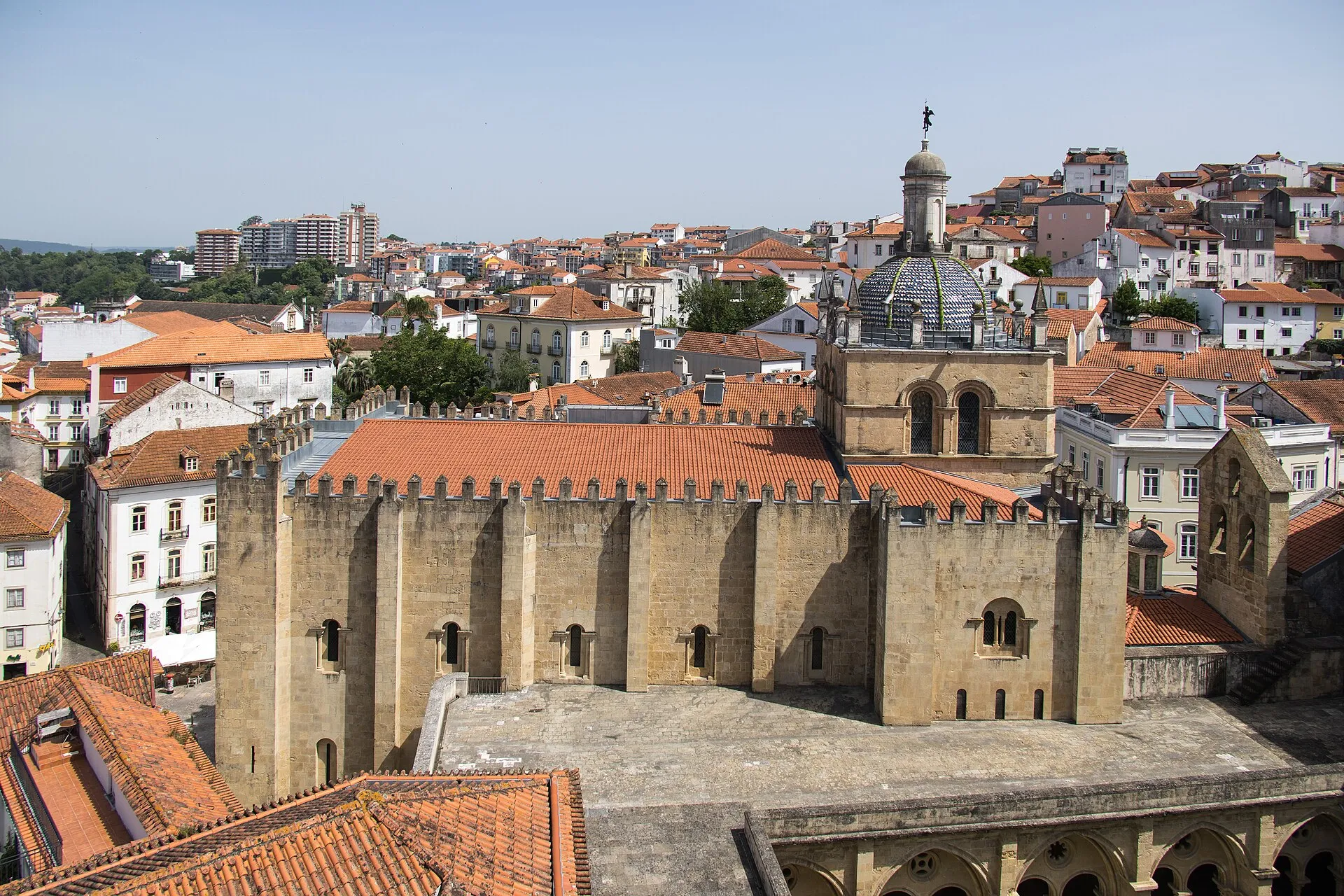
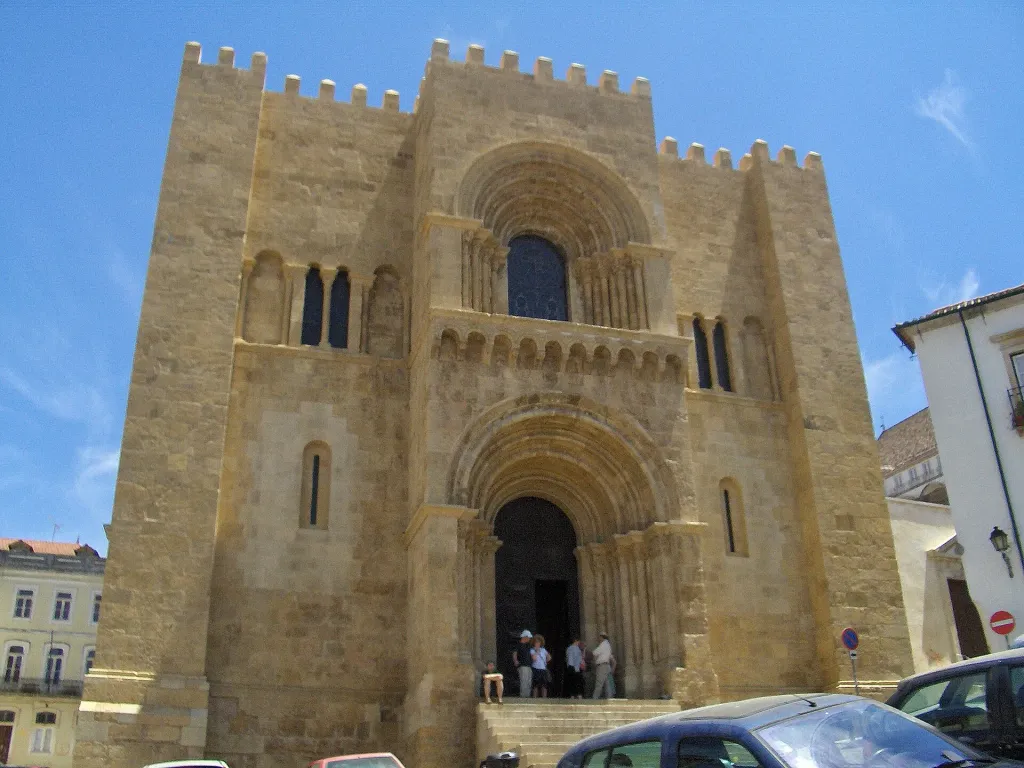
Coimbra (the Roman city of Aeminium) has been the seat of a bishopric since the 5th century, after neighbouring Conimbriga was invaded and partially destroyed by the Sueves in 468. Almost nothing is known of the cathedrals that preceded the Sé Velha in Coimbra. In 1139, after the Battle of Ourique, King Afonso Henriques decided to finance the building of a new cathedral, given the bad shape of its predecessor. The definitive impulse to the project was given by Bishop Miguel Salomão, who helped pay for the works. In 1185, King Sancho I, second King of Portugal, was crowned in the new cathedral, indicating that construction was in an advanced state. The basic building was finished in the first decades of the 13th century, even though the cloisters were begun only in 1218, during the reign of King Afonso II.
The project of the Romanesque cathedral is attributed to Master Robert, a – possibly – French architect who was directing the construction of Lisbon Cathedral at the time and who visited Coimbra regularly. The works were supervised by Master Bernard, possibly also French, who was succeeded by Master Soeiro, an architect active in other churches around the Diocese of Porto.
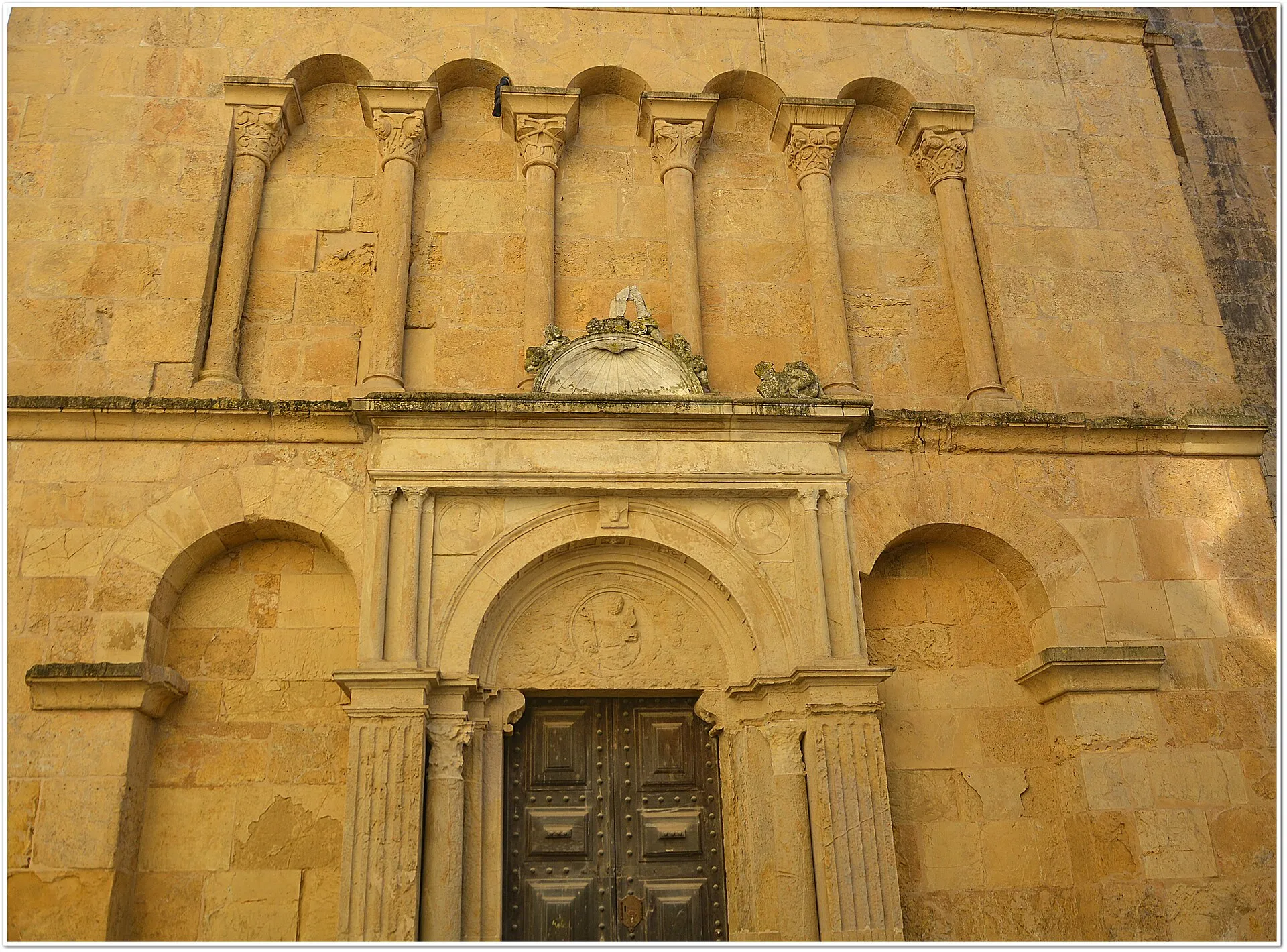
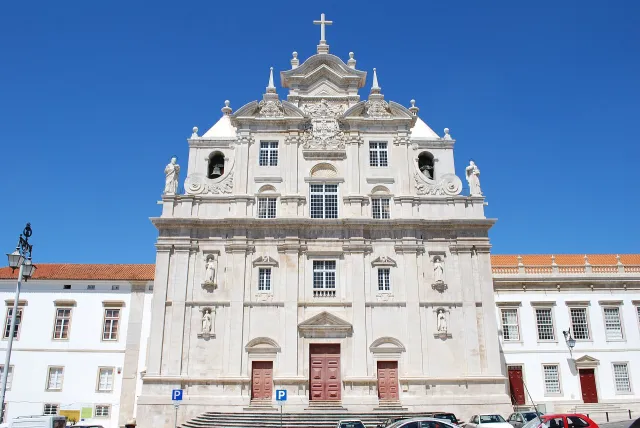
In the 16th century there were many additions to the cathedral. The chapels, walls and pillars of the nave were covered with tiles. The monumental Porta Especiosa was built in the north side of the façade, and the southern chapel of the apse was rebuilt in Renaissance style. Nonetheless, the basic architecture and structure of the Romanesque building was left intact. In 1772, several years after the expulsion of the Jesuits from Portugal by the Marquis of Pombal, the seat of the bishopric was transferred from the old medieval cathedral to the Mannerist Jesuit church, thereafter called the New Cathedral of Coimbra (Sé Nova de Coimbra).

 1 / 7