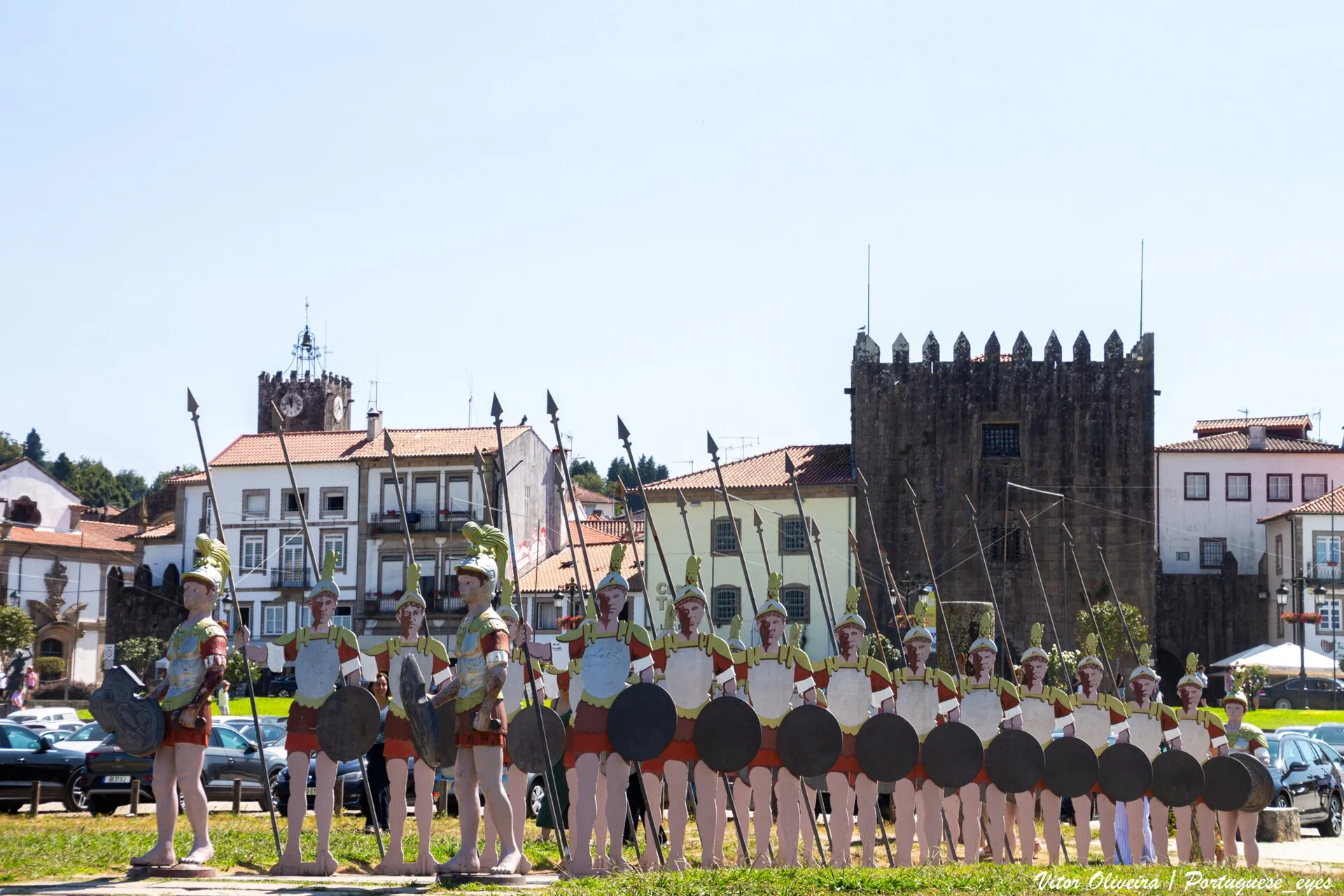
The current mayor is Vasco Ferraz, elected by the People's Party (CDS–PP). As of 2024, Ponte de Lima is one of the six municipalities in Portugal administered by this party. The municipal holiday is celebrated on the Tuesday following the Feiras Novas (New Fairs), a festivity held annually during the second weekend of September.
The area of Ponte de Lima has been inhabited since prehistoric times, with archaeological evidence of settlements dating back over 3,000 years. During the Iron Age, numerous castros (hillforts) were established across the modern municipality, with larger examples located at Monte das Santas (now Santa Maria Madalena) near the town center and Monte de Santo Ovídio on the opposite bank of the Lima River.
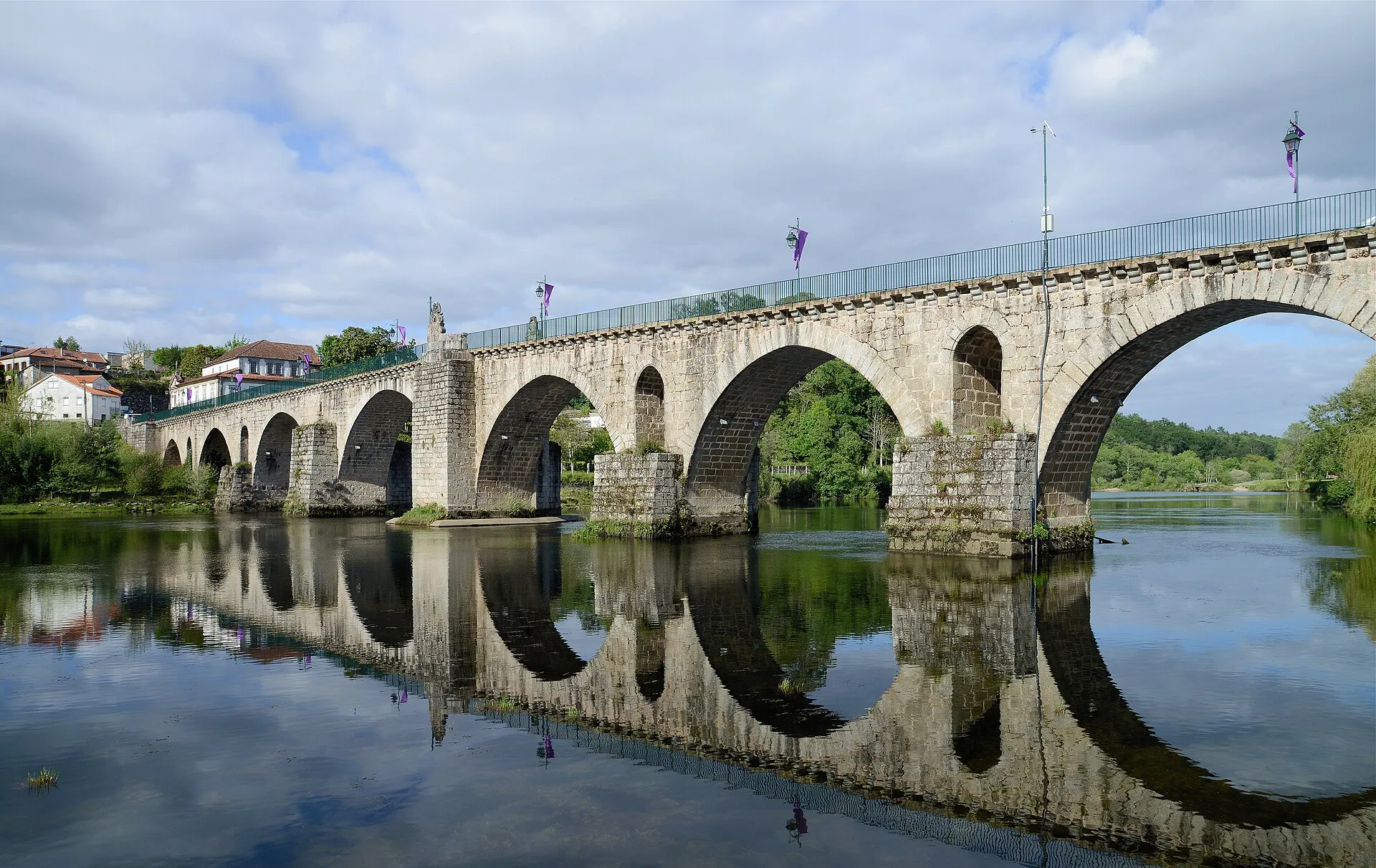
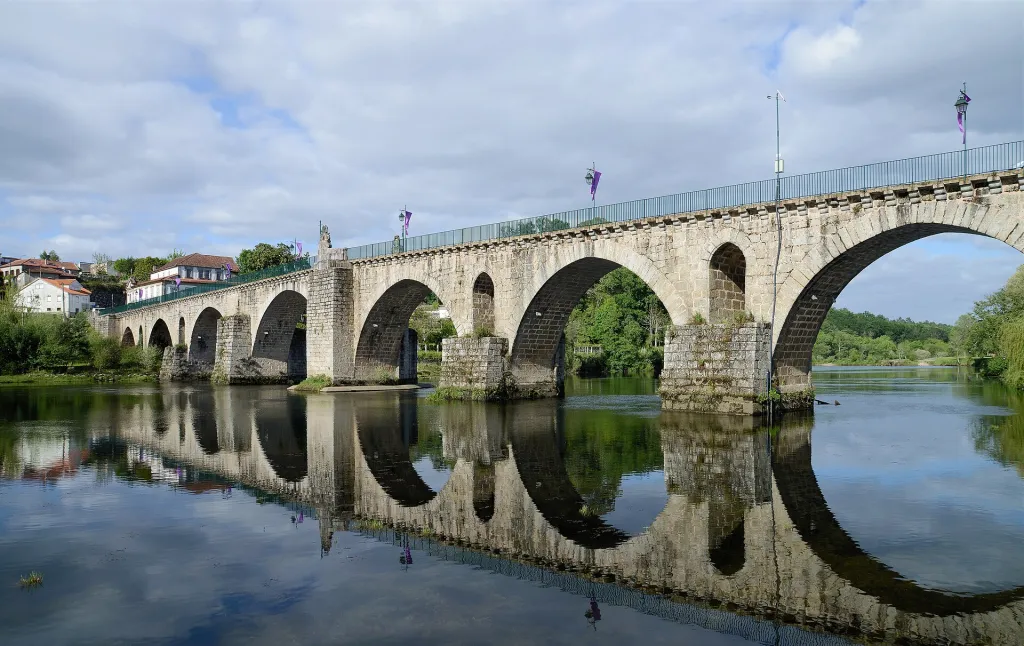
During the Roman occupation of the Iberian Peninsula, Ponte de Lima gained prominence due to its location along the Via XIX of the Antonine Itinerary, connecting Braga to Santiago de Compostela, Lugo and Astorga. This road, which traversed the region from south to north, was later used during the medieval period and partially coincided with the Camino de Santiago pilgrimage route. Roman infrastructure in the area included a stone bridge over the Lima River, along with two additional bridges in nearby parishes.
Ponte de Lima received its first foral (charter) on March 4, 1125, granted by Theresa, Countess of Portugal and her son, Afonso Henriques. The charter defined the territory, smaller than today's municipality, and provided protection for market participants. It also contains the earliest documented reference to a market in the area. This charter was confirmed by King Afonso II in 1217 and later revised by King Manuel I in 1511.
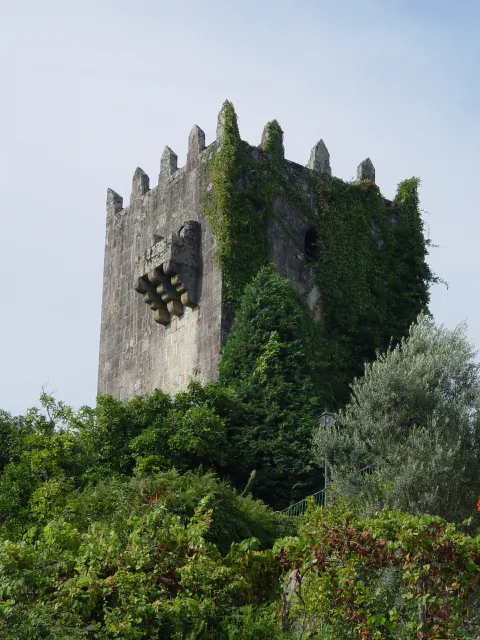
The Middle Ages marked a period of military significance for Ponte de Lima. Defensive structures, including walls, towers, and the bridge over the Lima River, were constructed. An inscription on the foundation of the Torre de Santo António in 1359 records the beginning of these fortifications under King Pedro I. By 1370, the town’s walls were completed.

 1 / 2