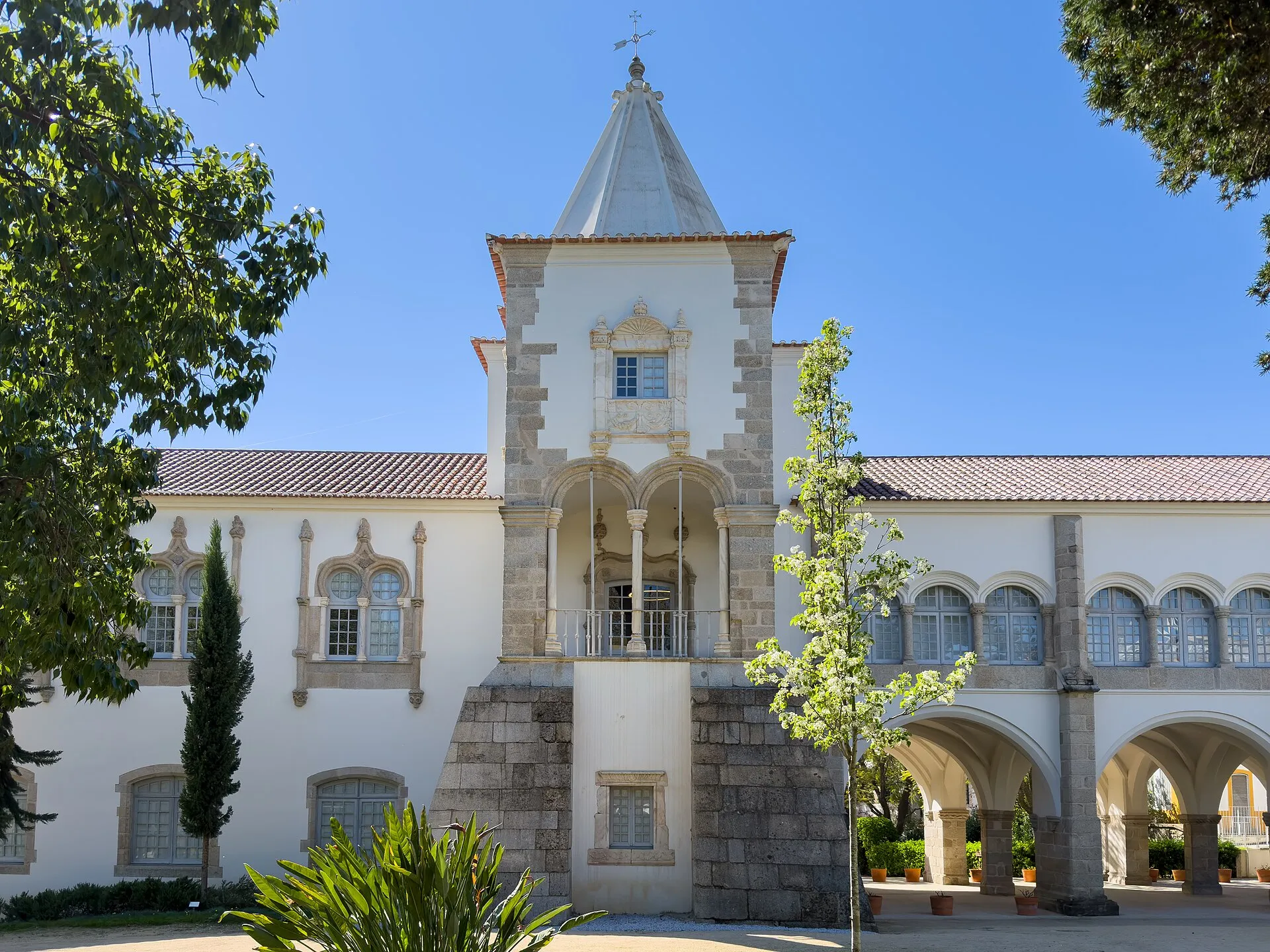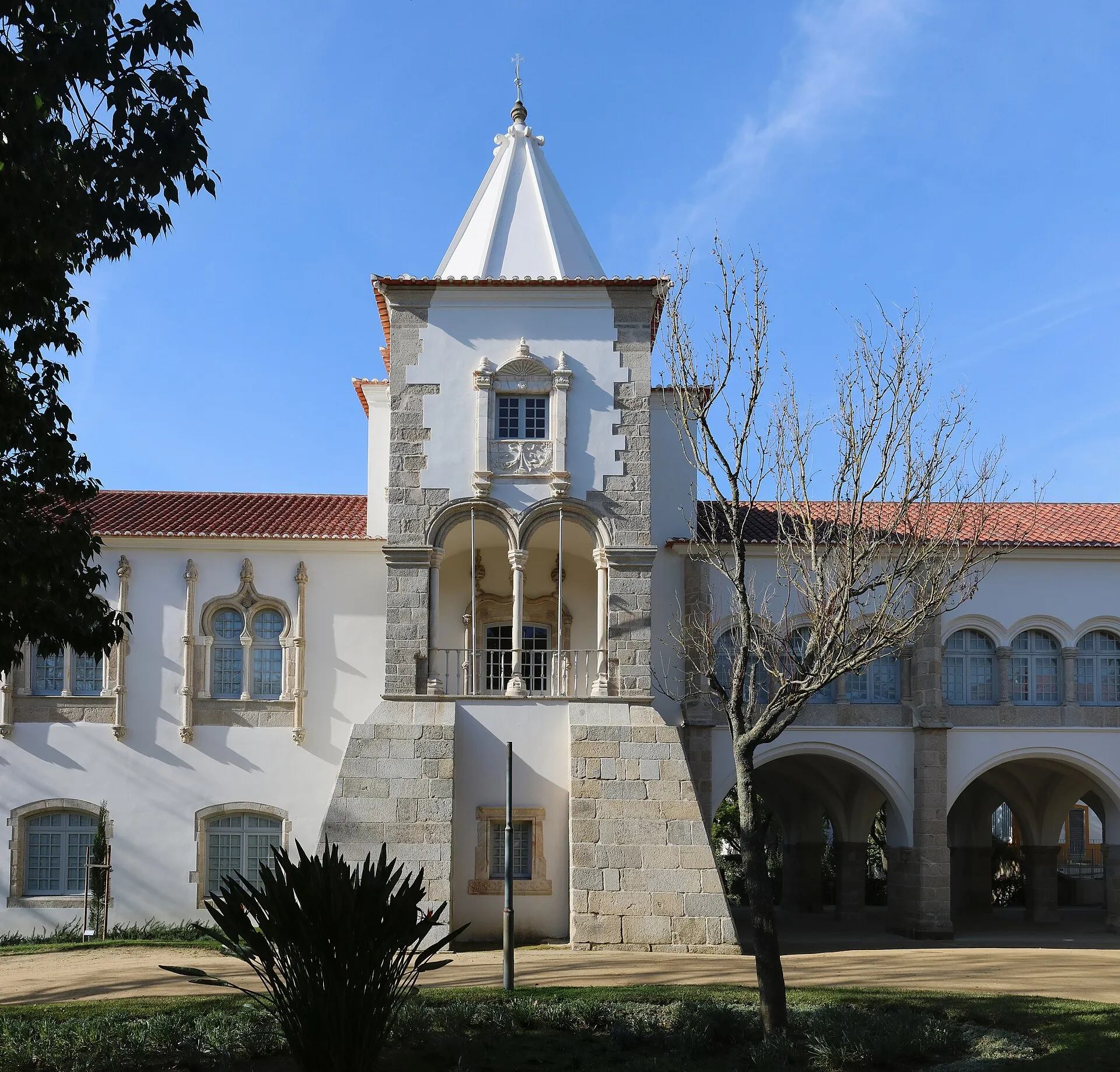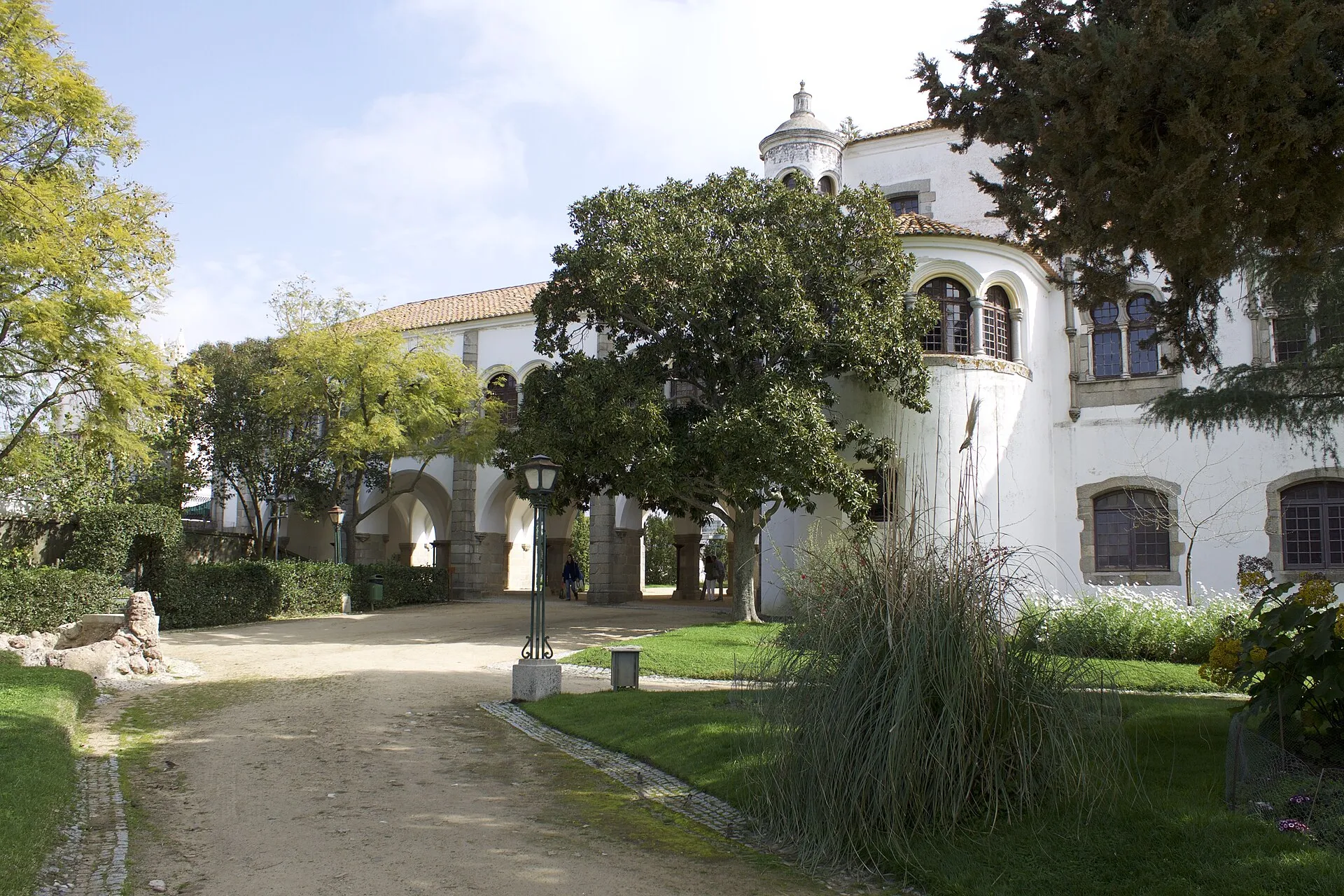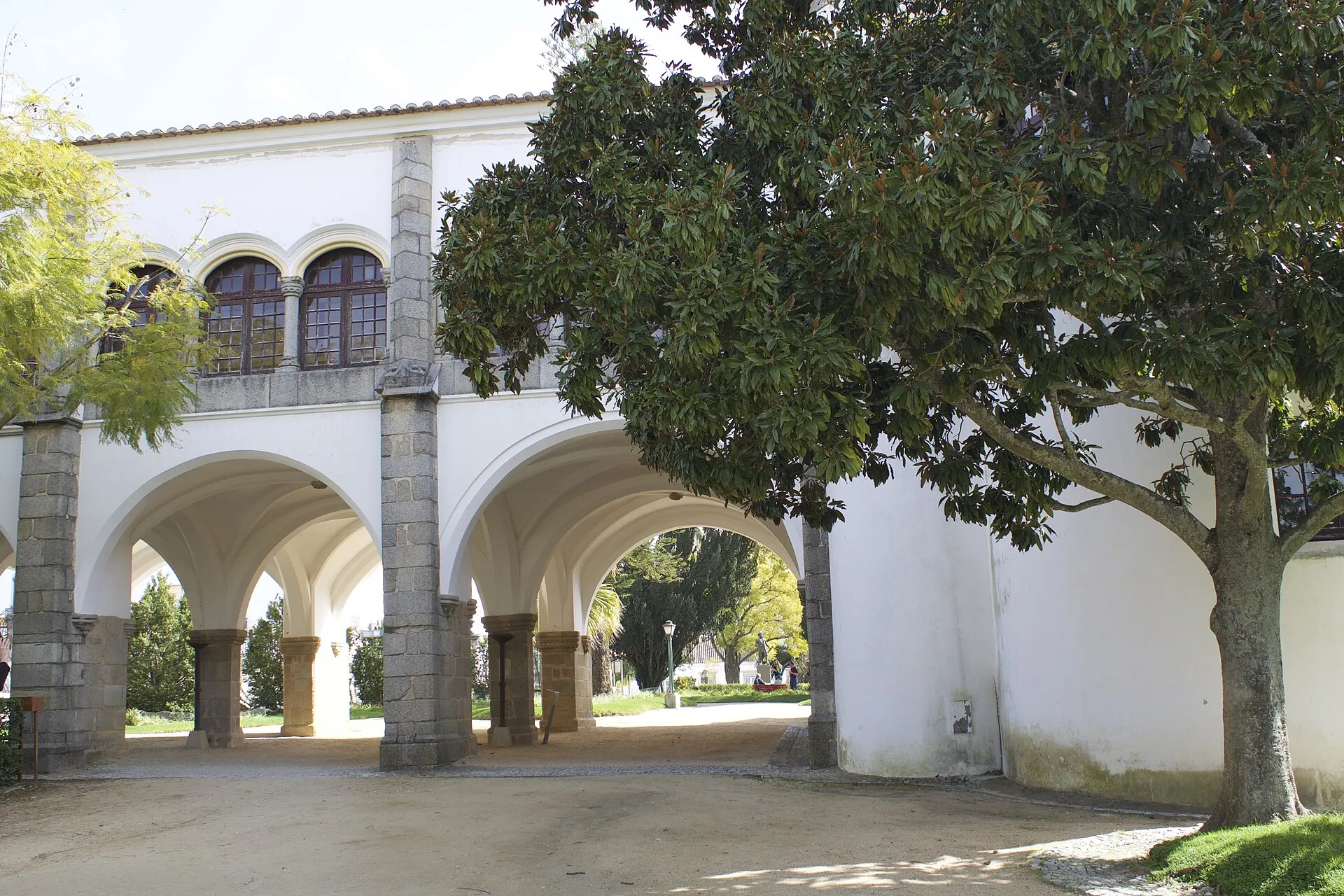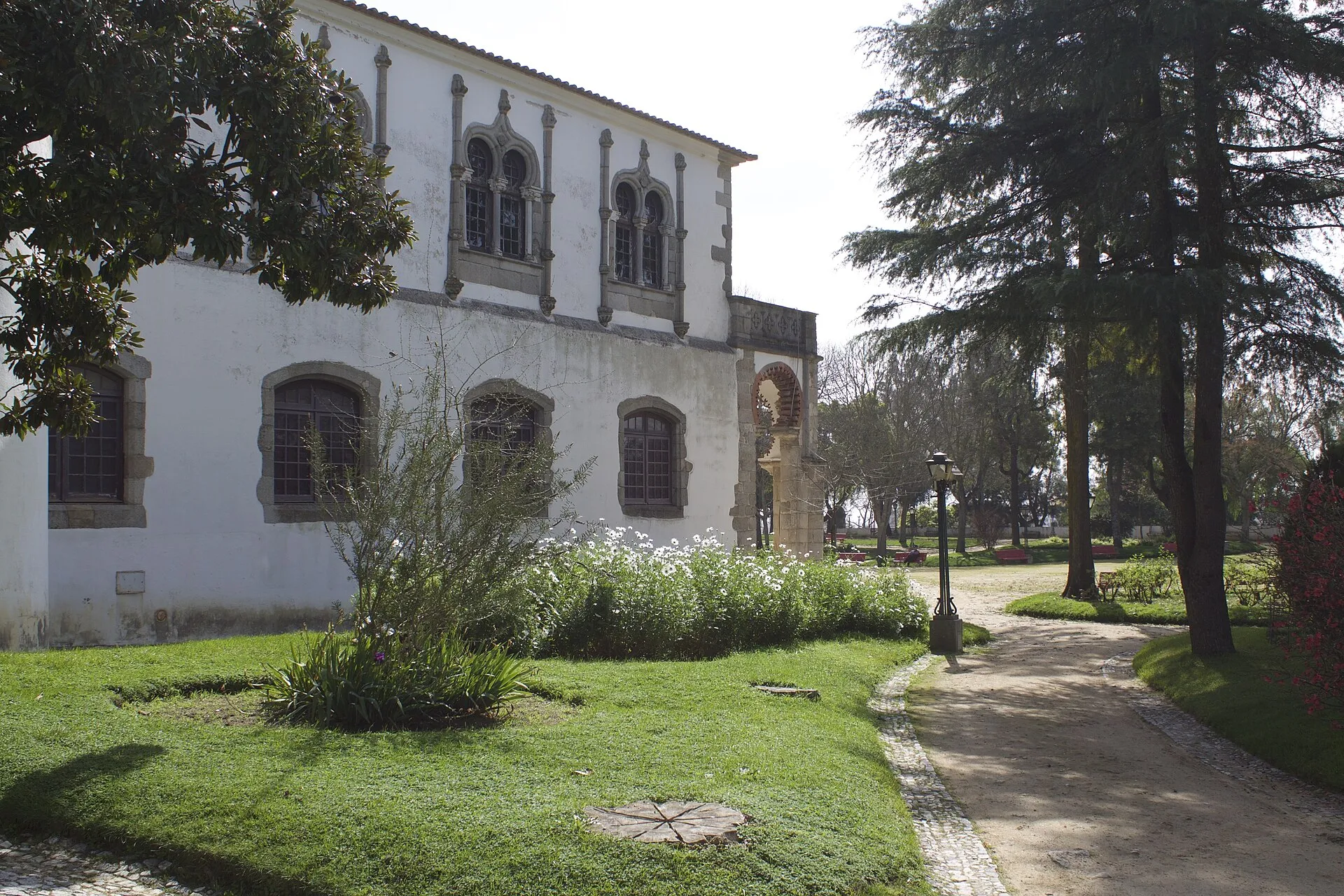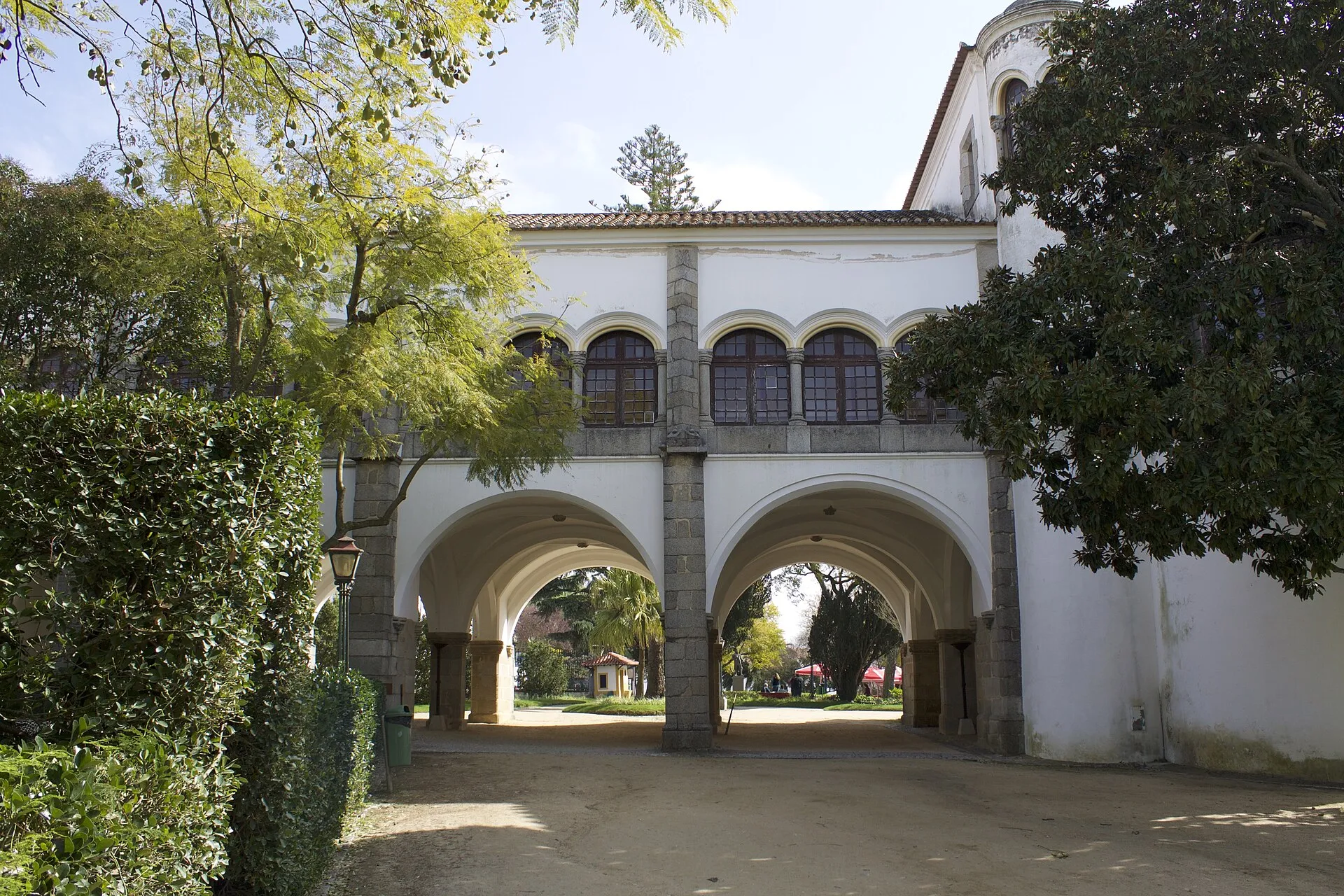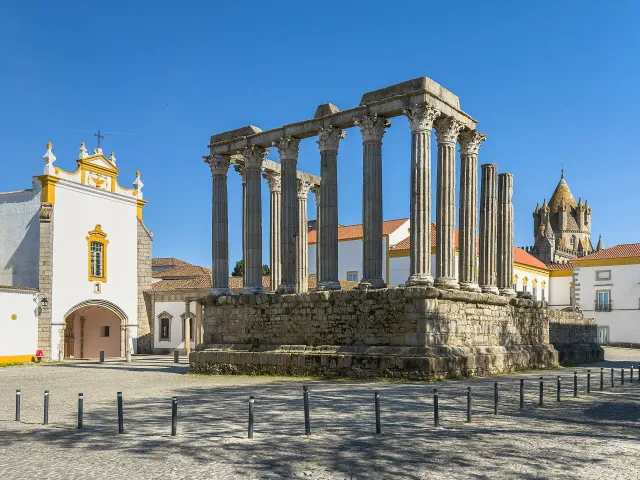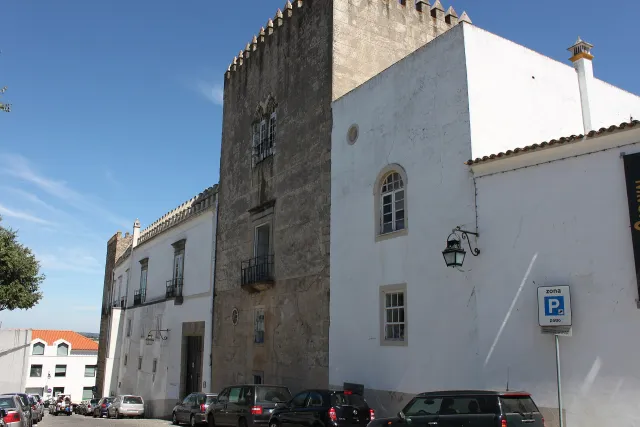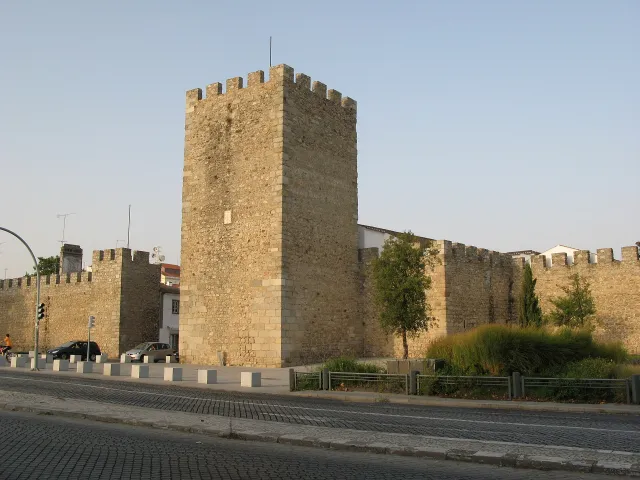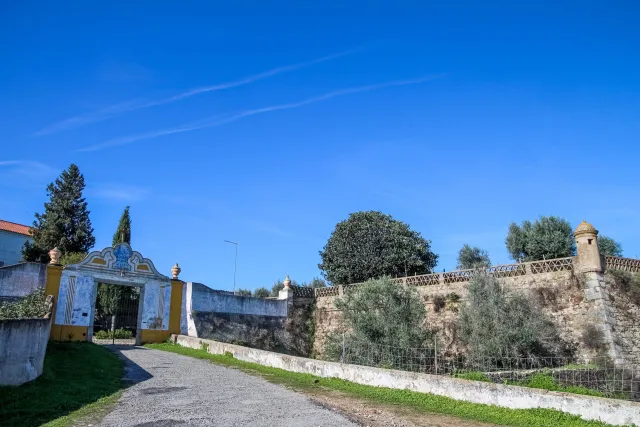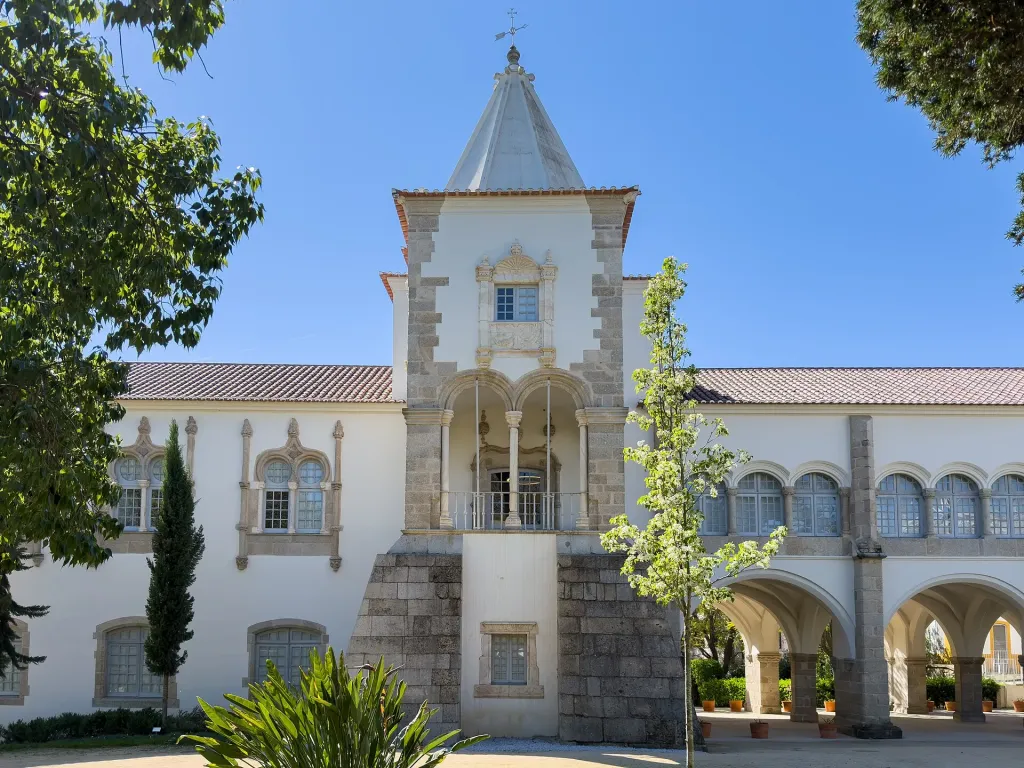
The Royal Palace of Évora was one of the centers of the Portuguese Renaissance, under King Manuel I, where playwrights, like Gil Vicente, and explorers, like Vasco da Gama, sought audiences with the king. During this time, the palace was constantly being added to and worked on, a never ending piece of art during the time of Évora's cultural and political golden age.
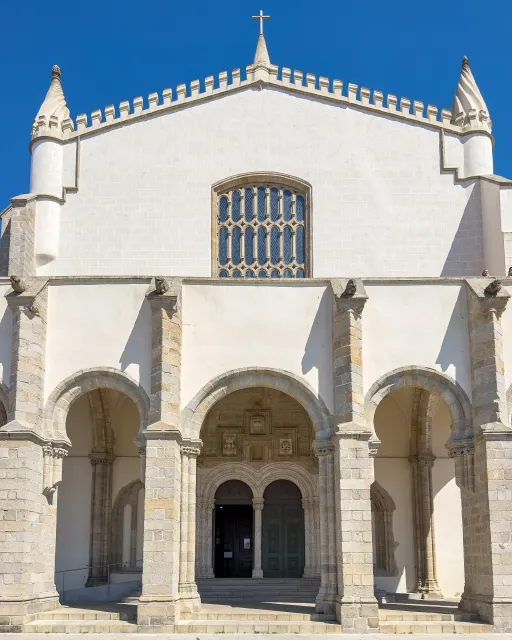
The Royal Palace of Évora has its origins in the Convent and College of São Francisco, built before the reign of King Afonso IV. The convent's first royal function was in 1336, when Prince Pedro of Portugal celebrated his marriage to Constanza Manuel, which put the convent on royal notice.
In 1387, King John I took the first step in transforming the convent to a palace, when he ordered that two chambers, and antechamber, an inn, servants houses, a well, and an orange grove all be built at the convent, and evicted resident Franciscans from certain wings of the convent turned palace. While he turned the convent into a good sized palace, it was a personal palace, not a royal one, only for the use of the King, his Queen, and their children.
In 1470, King Afonso V raised the Palace of São Francisco, as it was known at the time, to the level of a royal palace. He expanded the complex and installed his court there, previously located in Estaus Palace. The King spent large sums of time at the palace, but after his defeat in the War of the Castilian Succession, he lived the rest of his life in a monastery, near Sintra.