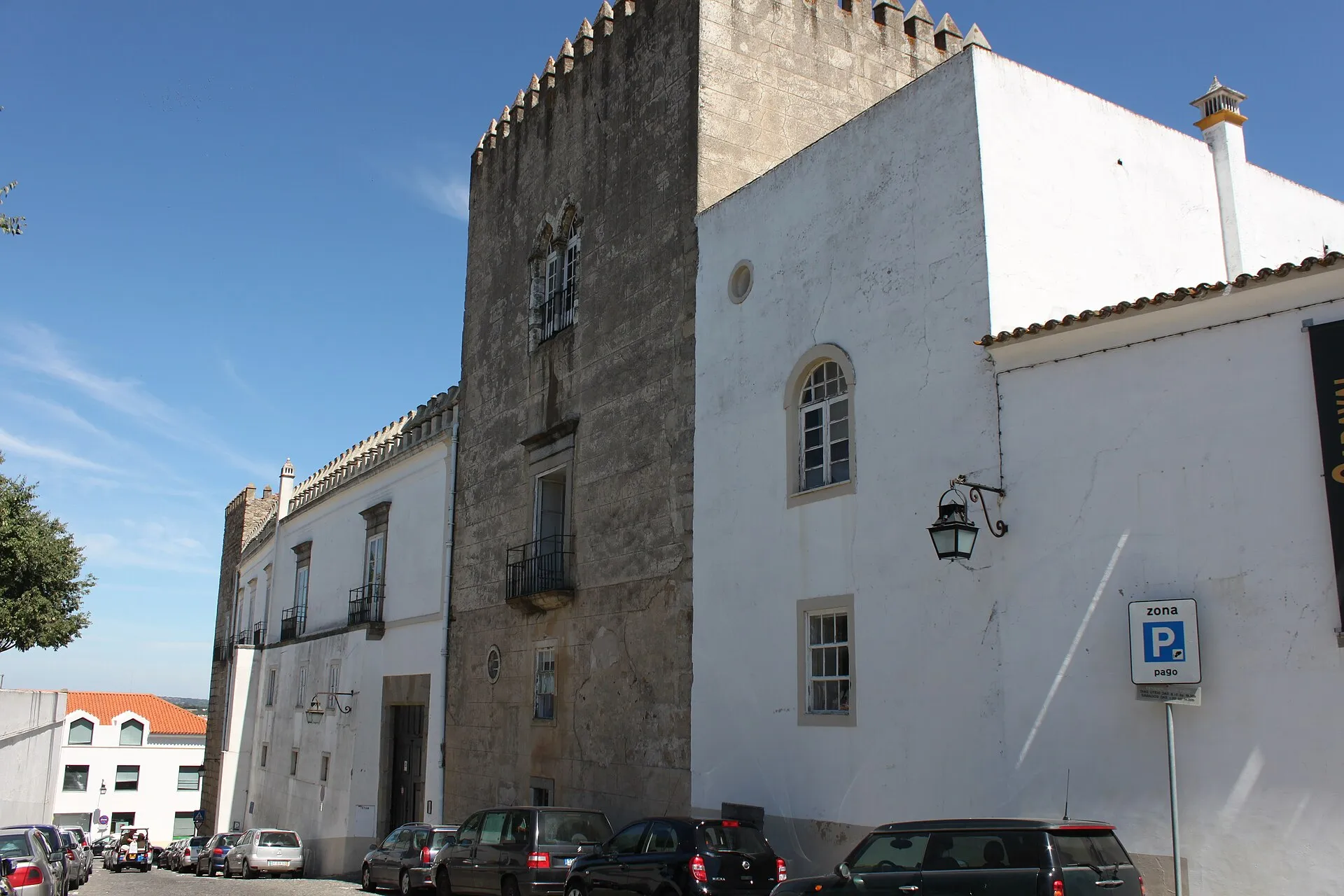
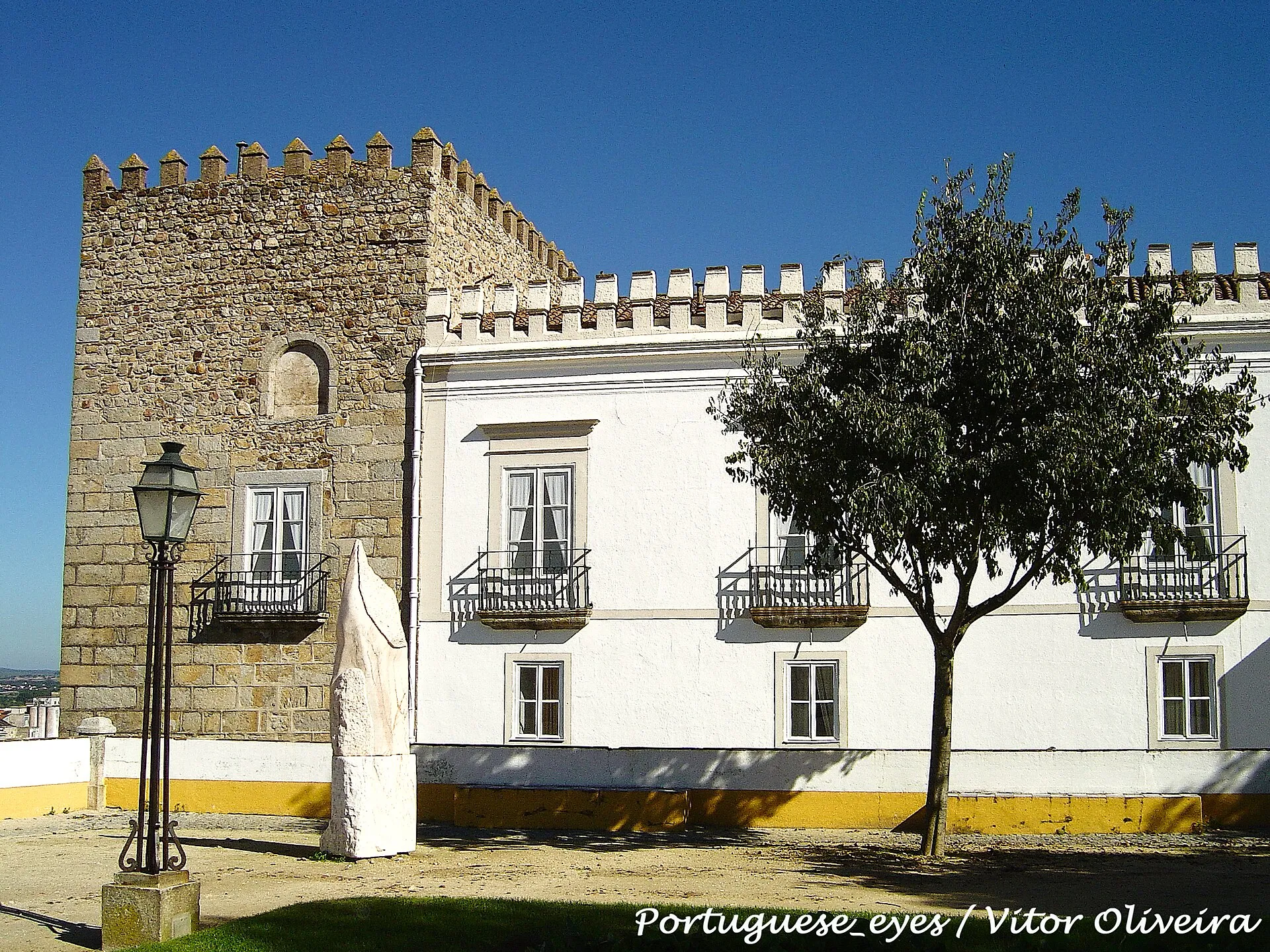
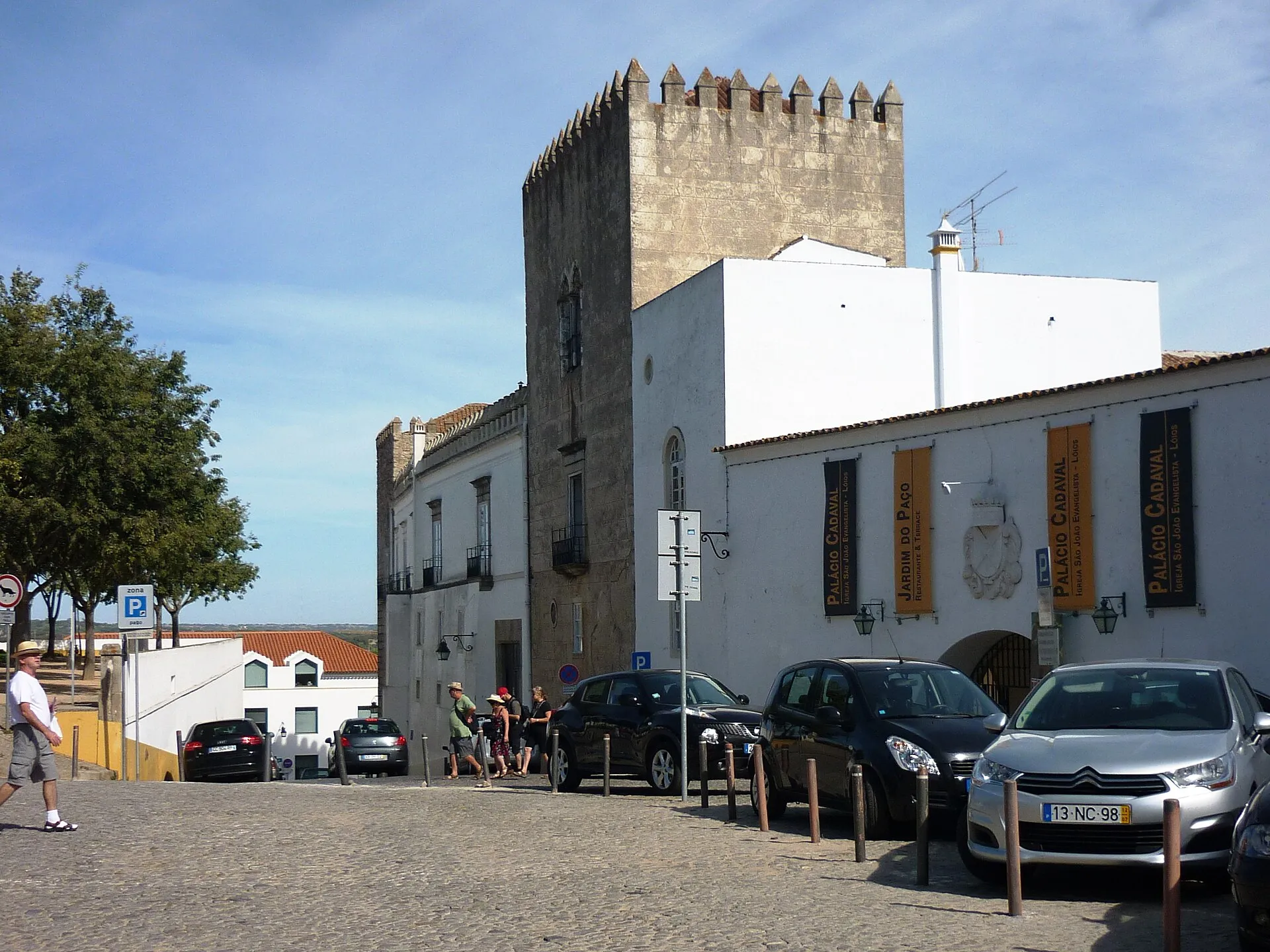
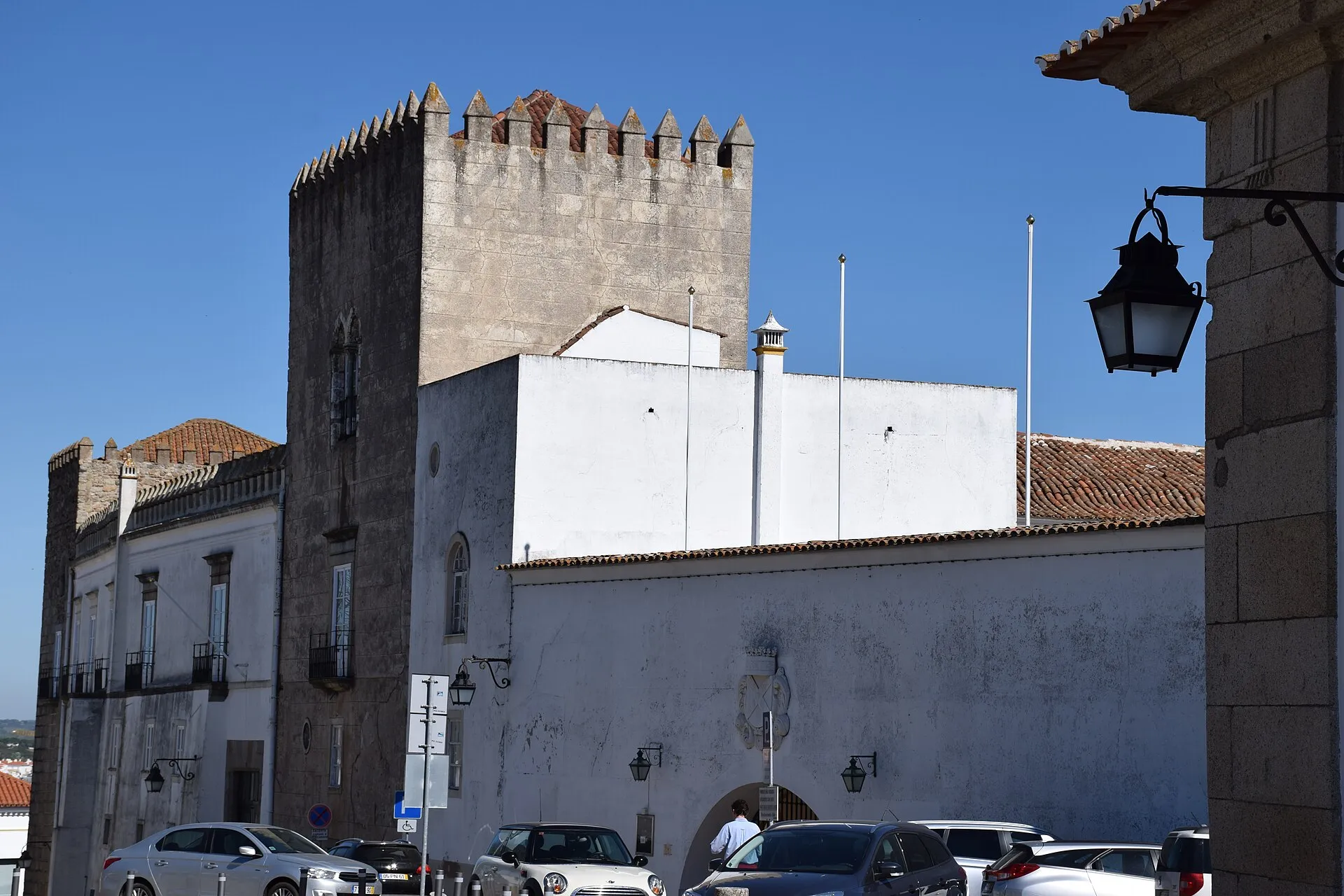
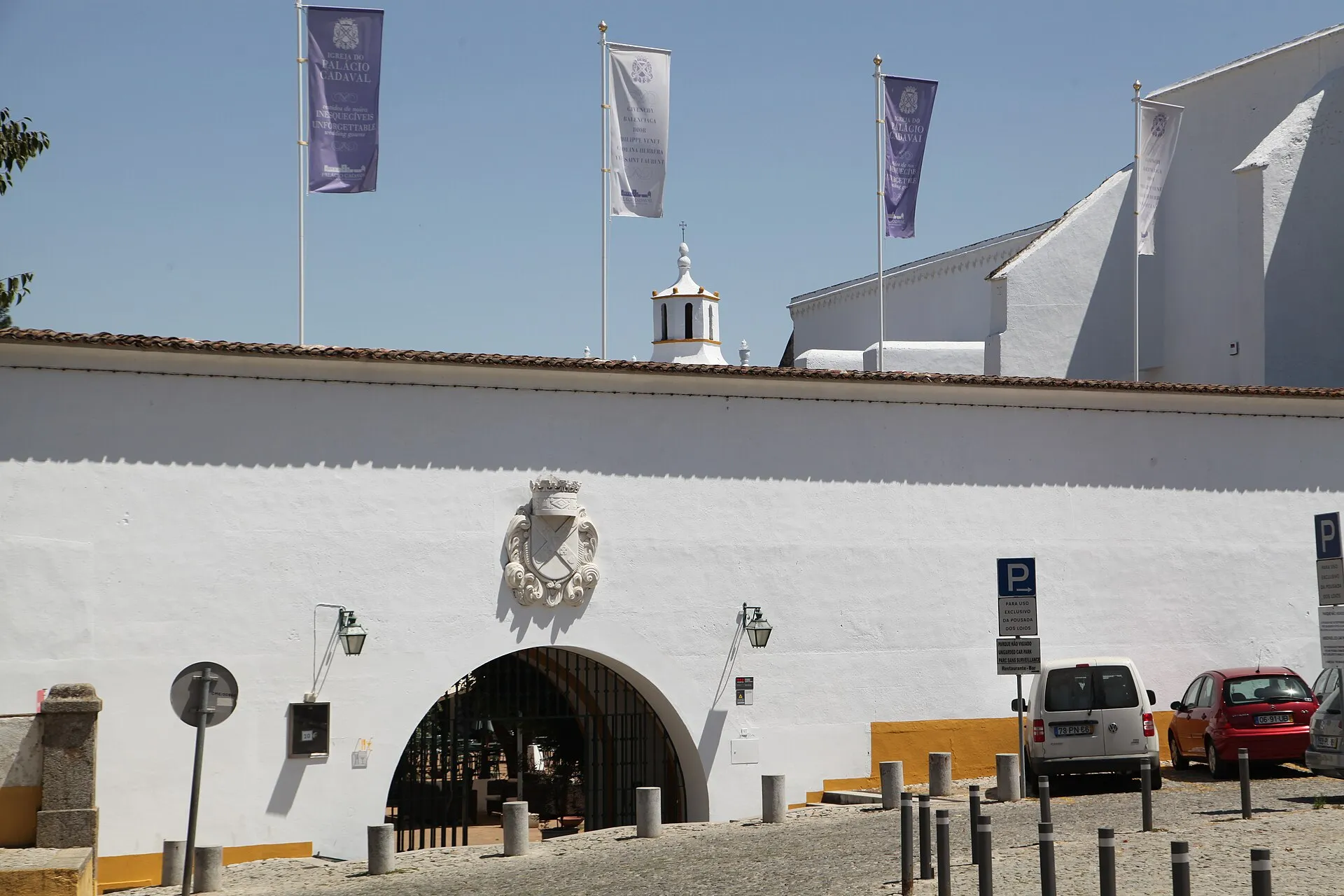
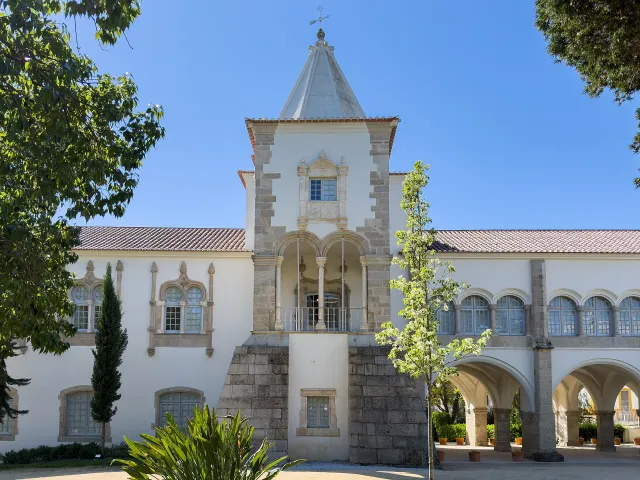
It was in this Palace, on May 29, 1483, that Fernando II, Duke of Bragança was arrested and dragged to his death at the behest of King João II of Portugal.
The Dukes of Cadaval are a branch of the House of Braganza, the most powerful in Portugal and from which the Fourth Dynasty emerged.
The Duchy of Cadaval was created on April 26, 1648, the day of the birth of the infant Dom Pedro, the future Dom Pedro II, King of Portugal, by King João IV. The title was created in favor of Dom Nuno Álvares Pereira de Melo (1638–1727), son of Dom Francisco de Melo, one of the supporters of the Restoration of Independence in 1640, from whom he would inherit the titles of Count of Tentúgal and Marquis of Ferreira. The merger of these Houses made Dom Nuno one of the most powerful nobles in the kingdom, to which the family's fight for the cause of Independence contributed greatly, both during the succession crisis of 1580 and the Restoration of Independence in 1640.
Among the privileges of the House of Cadaval was the lordly authority to appoint or confirm municipal councils, and to appoint ombudsmen, clerks, inquirers, accountants and other positions in the lands under its jurisdiction.
The current representative is Diana Álvares Pereira de Melo, who was confirmed by Duarte Pio, Duke of Braganza, at the end of the so-called "Cadaval Case", a succession crisis created by the death in 2001 of Jaime Álvares Pereira de Melo, the previous representative of the title.
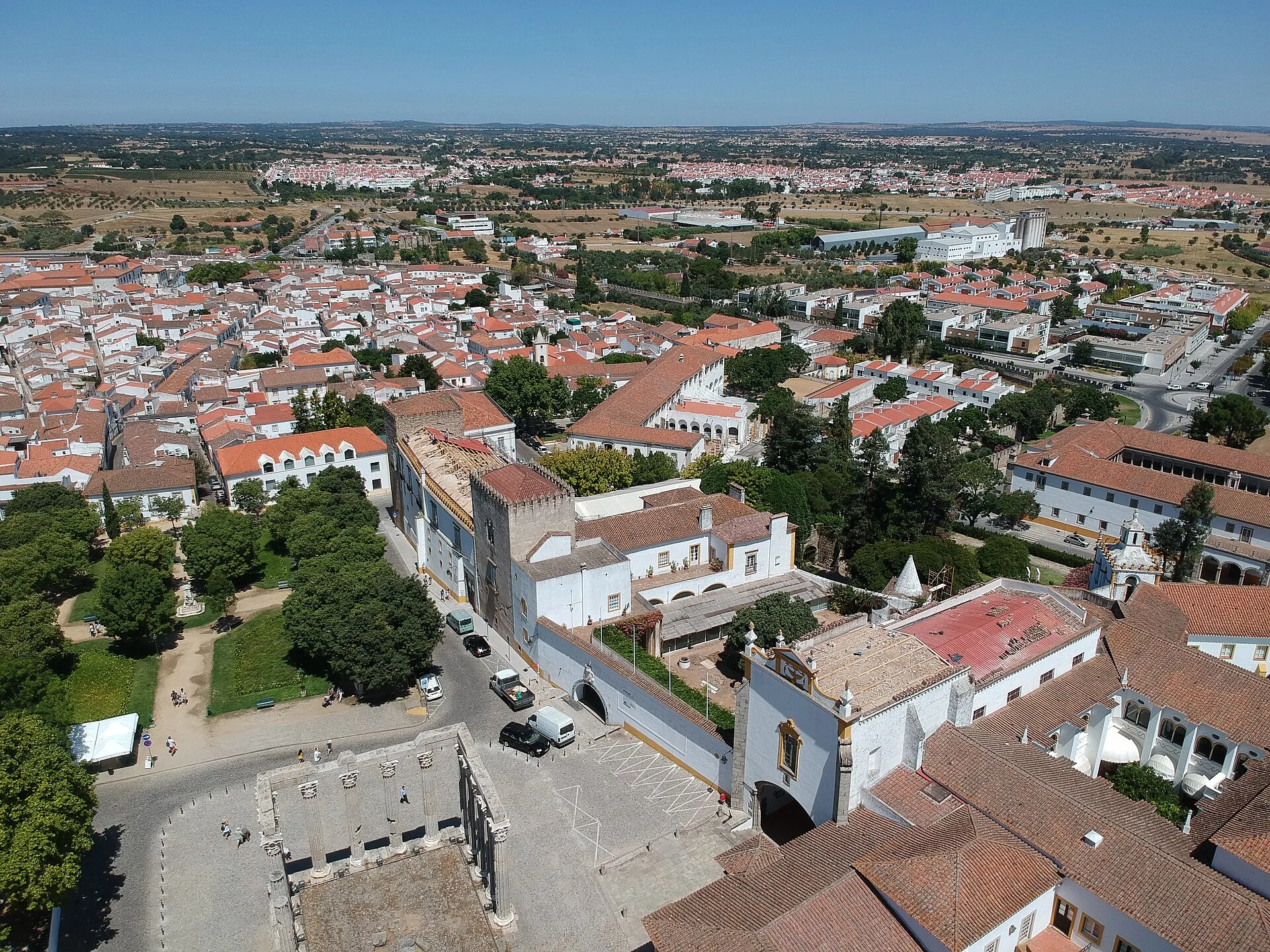
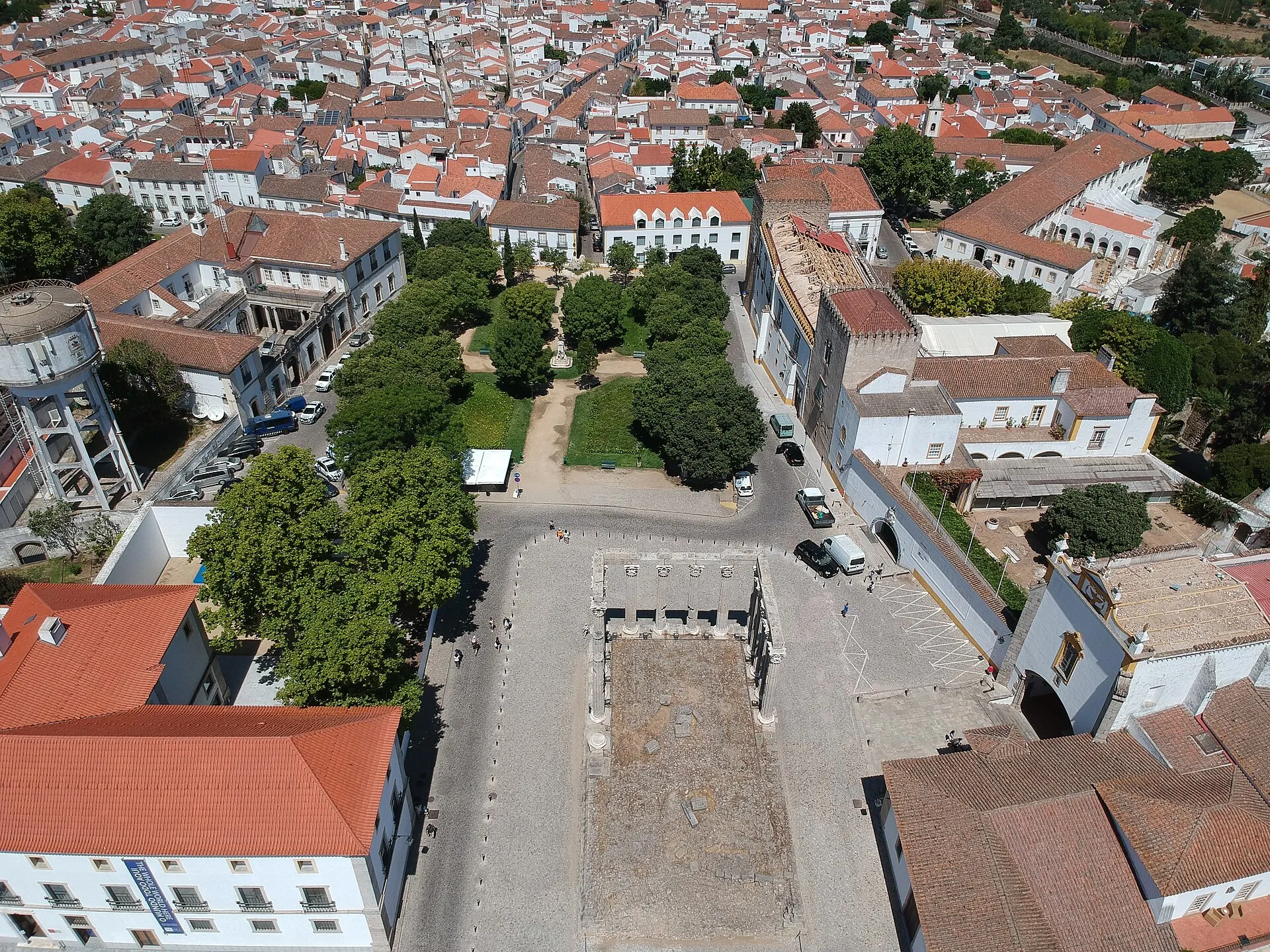
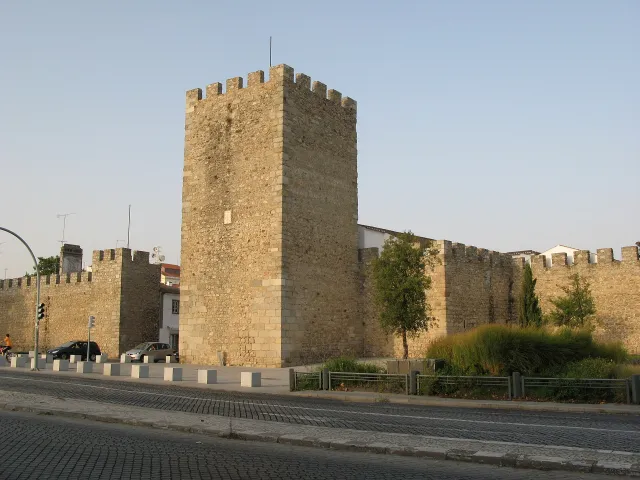
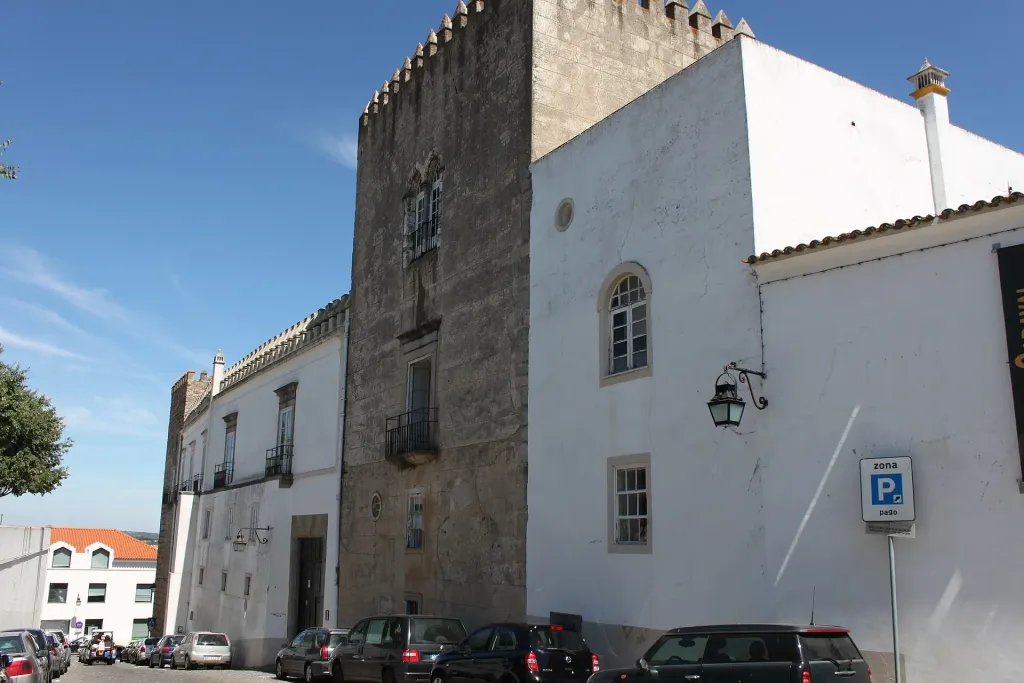
The original palace was built in the 14th century next to the Tower of Évora, where the nobleman Martim Afonso de Mello, servant of the Master of Avis and descendant of the Portuguese Crown, ordered the construction of the Palace of the Tower of the Five Corners, the name by which it is also known. The palace was built partly on the Roman-Visigoth walls of the old Évora Castle, incorporating traces of both in its structure, visible in the fortified military outlines of the building, as well as the imposing tower on the main façade, a vestige of the castle.

 1 / 7