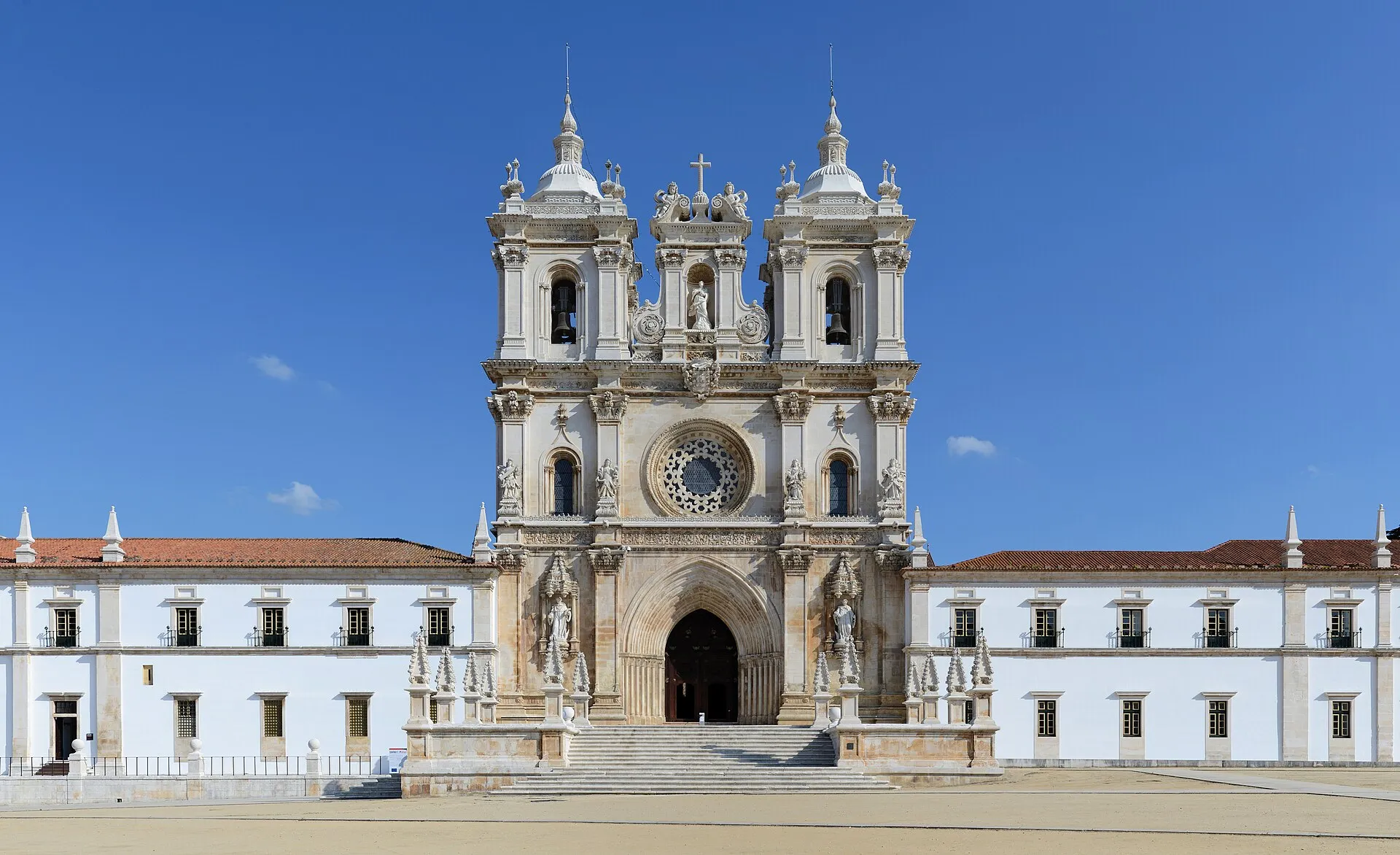
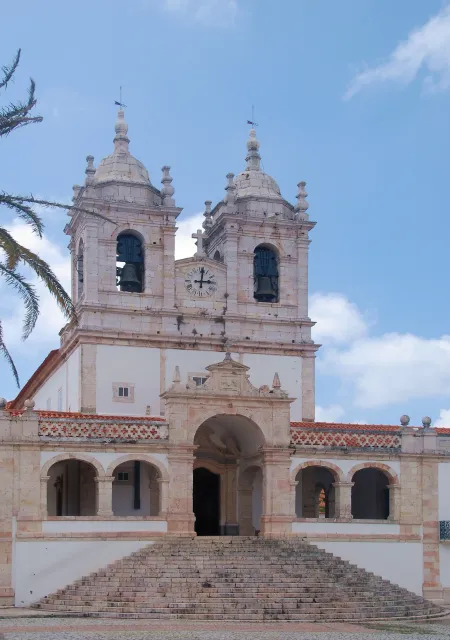
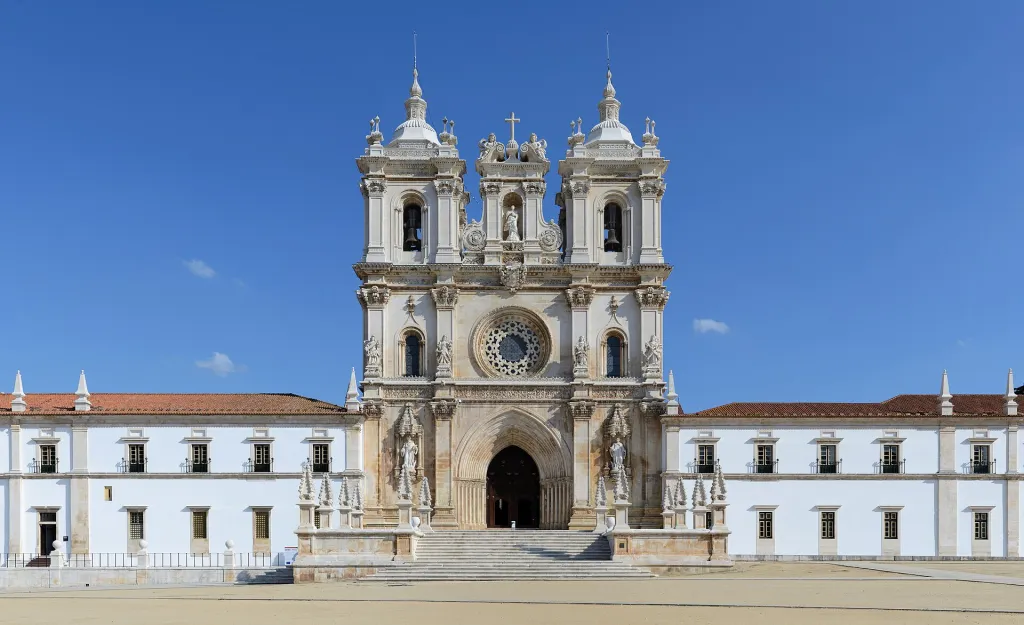
The monastery was established in 1153 by the first Portuguese king, Afonso Henriques, and would develop a close association with the Portuguese monarchy throughout its seven-century-long history. This association led to the monastery becoming the richest and most influential in Portugal by 1300, with a population of almost 1,000 monks and business interests including farming, fishing and trade. It closed in 1834, amid the dissolution of the monasteries in Portugal.
The church and monastery were the first Gothic buildings in Portugal, and, together with the roughly older Augustinian Monastery of Santa Cruz in Coimbra, it was one of the most important mediaeval monasteries in Portugal. Due to its artistic, cultural and historical relevance, it was included in UNESCO's World Heritage Site list in 1989.
The Alcobaça Monastery is one of the first buildings associated with the Cistercian Order in Portugal. It was founded in 1153 as a gift from the first Portuguese king, Afonso I or Afonso Henriques (1112–1185), to Bernard of Clairvaux, following the king's conquest of the city of Santarém from the Moors in March 1147. The foundation of the monastery was part of a larger strategy by King Afonso I to assert his authority and promote the colonisation of lands recently conquered from the Moors during the Reconquista.
Construction began in 1178, some 25 years after the first Cistercian monks settled in the Alcobaça region. Initially, the monks lived in wooden houses and would only move to the newly built monastery in 1223. The church proper wasn't completed until 1252. The church and the adjacent monastery are the earliest examples of truly Gothic architecture in Portugal and the church itself was the largest in Portugal at the time of its completion. The final touch in this large medieval ensemble was given in the late 13th century, when King Denis ordered the construction of the Gothic cloister, also known as the Cloister of Silence.
The monks dedicated their lives to religious meditation, creating illuminated manuscripts in a scriptorium. The monks from the monastery produced an early authoritative history on Portugal in a series of books.

 1 / 4