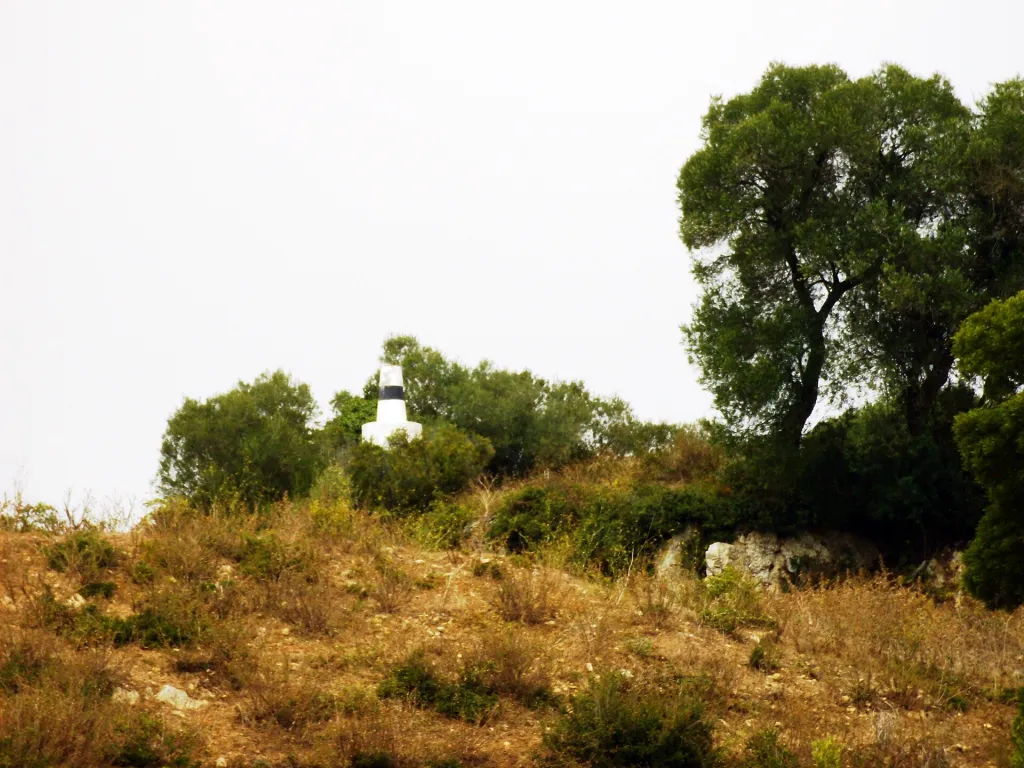
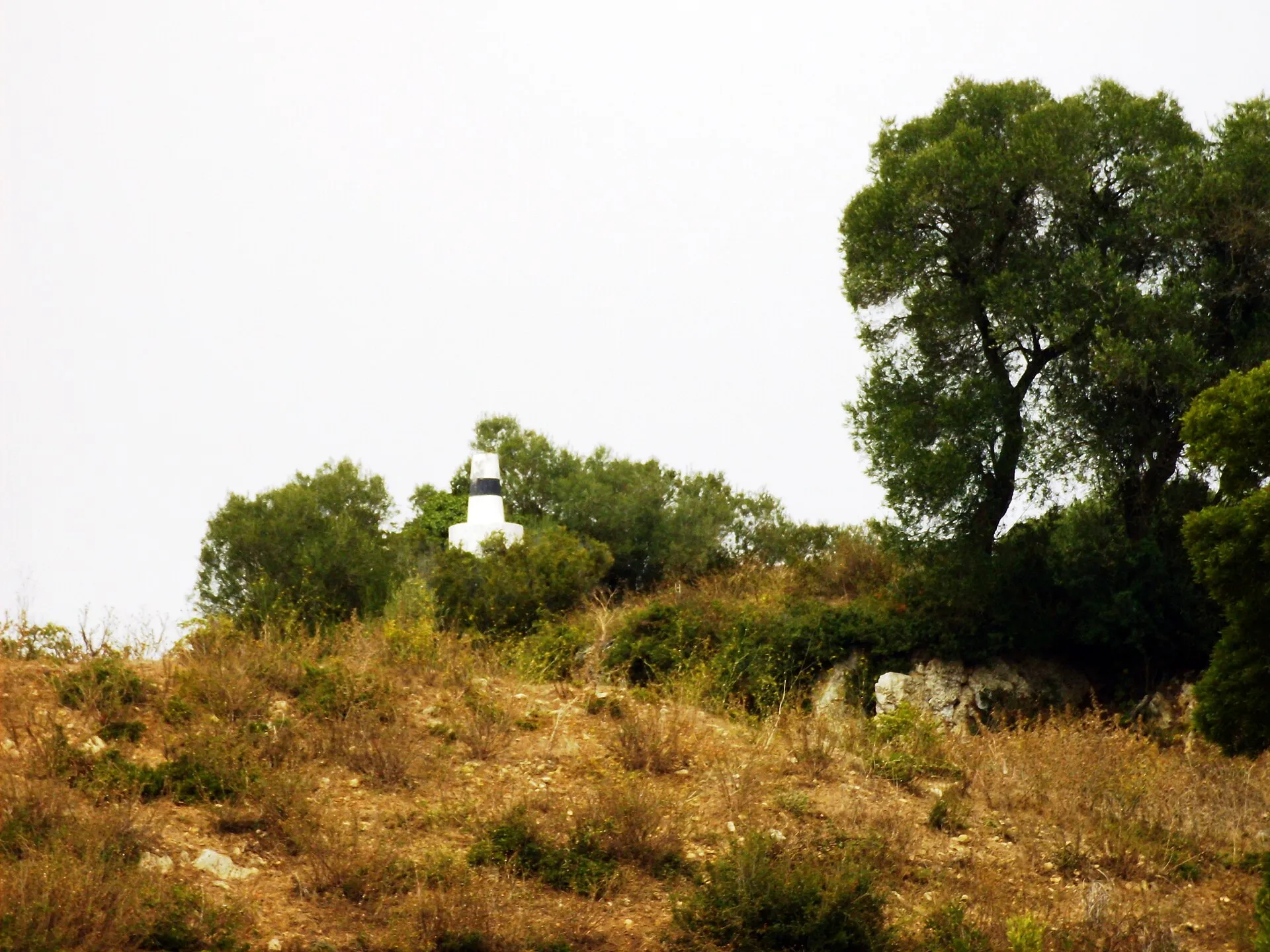
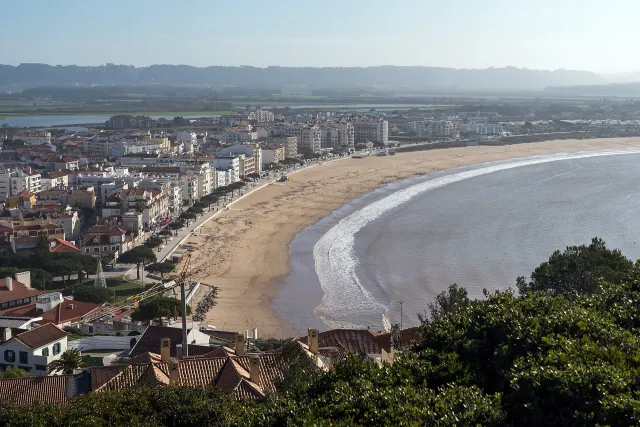
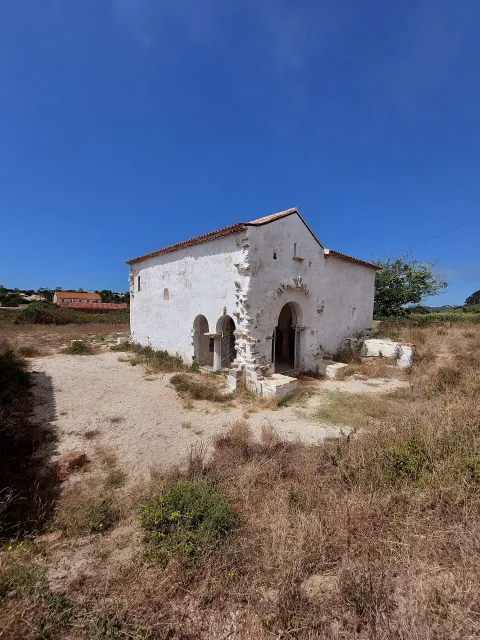
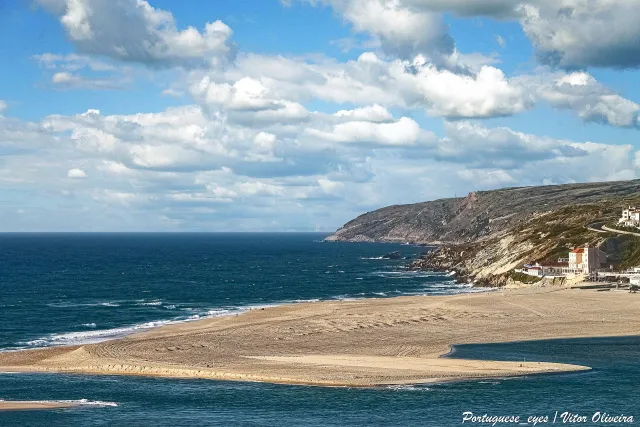
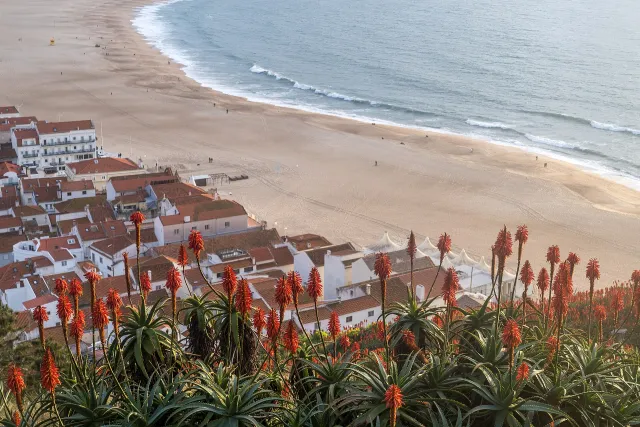
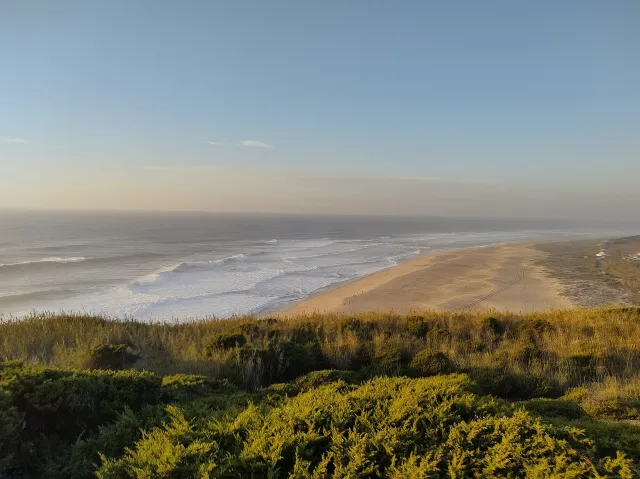
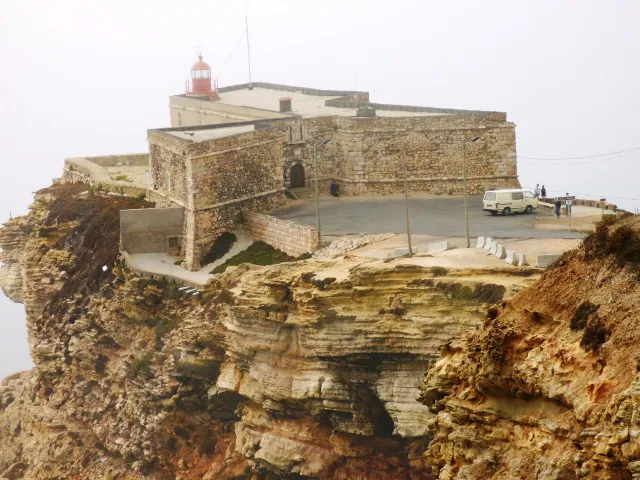
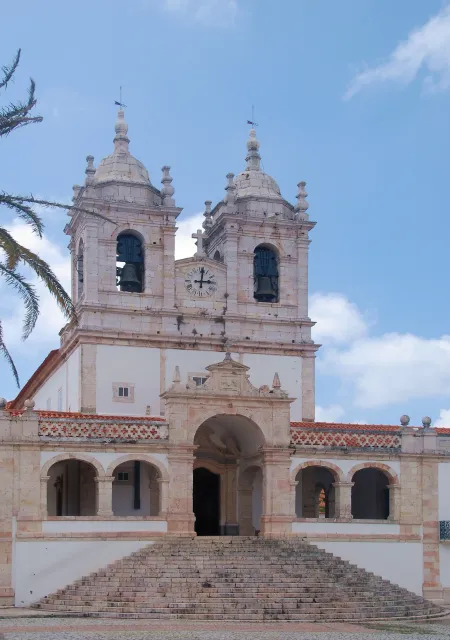
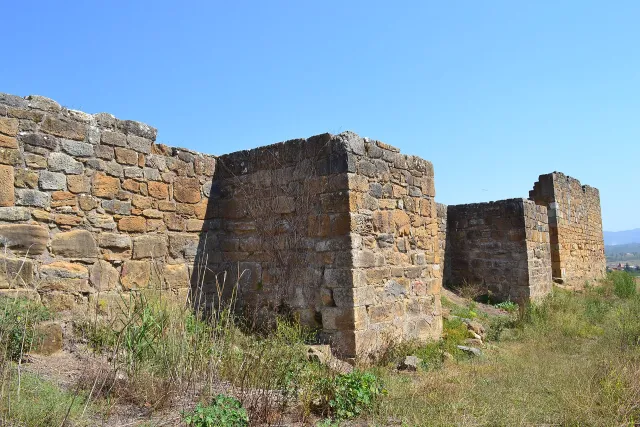
The castle was sited on a hilltop, over the coast and guarding an extensive region 45 kilometres (28 mi) above the sea. The castle defended the coast along with the Fort of São Miguel (along the promontory of Nazaré) and the Fortress of Peniche (from the peninsula of Peniche), between the silt sandbar of the port. There are scarce references to the life of the castle, in particular during the height of its operation, in the early Middle Ages, but its decline has been documented, along with the decline of the port. In the 16th century, it was a maritime entrepot with the capacity to shelter 80 ships, but the intervening centuries saw its slow erosion.
On 1 November 1755, the Lisbon earthquake destroyed the castle and little effort was made to reconstruct the military outpost, thereby beginning a slow period of degradation and abandon.
By 1951, the castle was part of the property of Júlio Ferraz from Caldas da Rainha.
A proposal to clean up the space, consolidate the ruins and begin archaeological investigation on the site was communicated in 1973. In partnership with the local Junta Nacional de Educação (National Junta for Education), on 21 June 1974, there was a proposal to classify the walls of the abandoned castle as an Imóvel de Interesse Público (Property of Public Interest).
On 19 January 2007, a proposal was made by the DRCLVTejo to establish the fort within a Special Protection Zone that included the ruins of the castle and pillory of Alfeizerão, that was accepted by the IPA (on 26 June 2007) and Consultory Council of IGESPAR (on 31 October 2007).