The present mayor is Artur Manuel Rodrigues Nunes (Socialist). The municipal holiday is on 10 July.
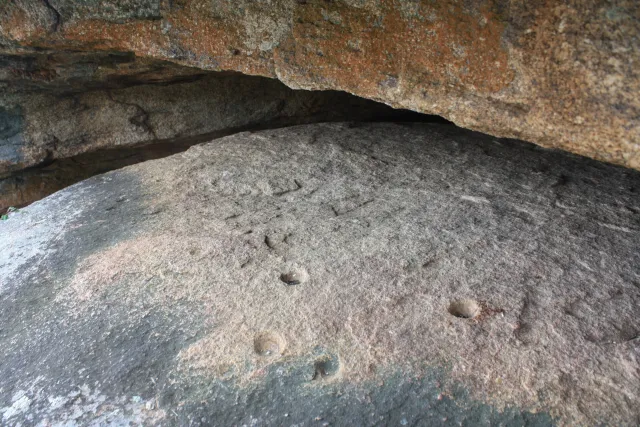
The origin of Miranda do Douro as a populated place is still discussed by historians, but archeologist discoveries give evidence that inhabitants had been living there during the Bronze Age. Around AD 716, the Moors defeated local Visigothic tribes, and occupied some of the lands, calling the area Mir-Hândul.
By the late 11th century, León possessed the region as a stepping-stone to Portugal. The settlement of the village of Miranda developed through the initiative of King Denis, in an area that lay between the lateral slopes of the Douro and Fresno Rivers. It was in Miranda that the Treaty of Alcanices was signed between Denis and Ferdinand IV of Castile, setting the border between the Kingdom of Portugal and the Crown of Castile.
Miranda was founded on 18 December 1286, and immediately elevated to the status of vila (English: town), with one of its prerequisites declaring that the administrative division would be a Crown fief. From that period forward, Miranda became progressively one of the most important towns that skirted the Trás-os-Montes region.
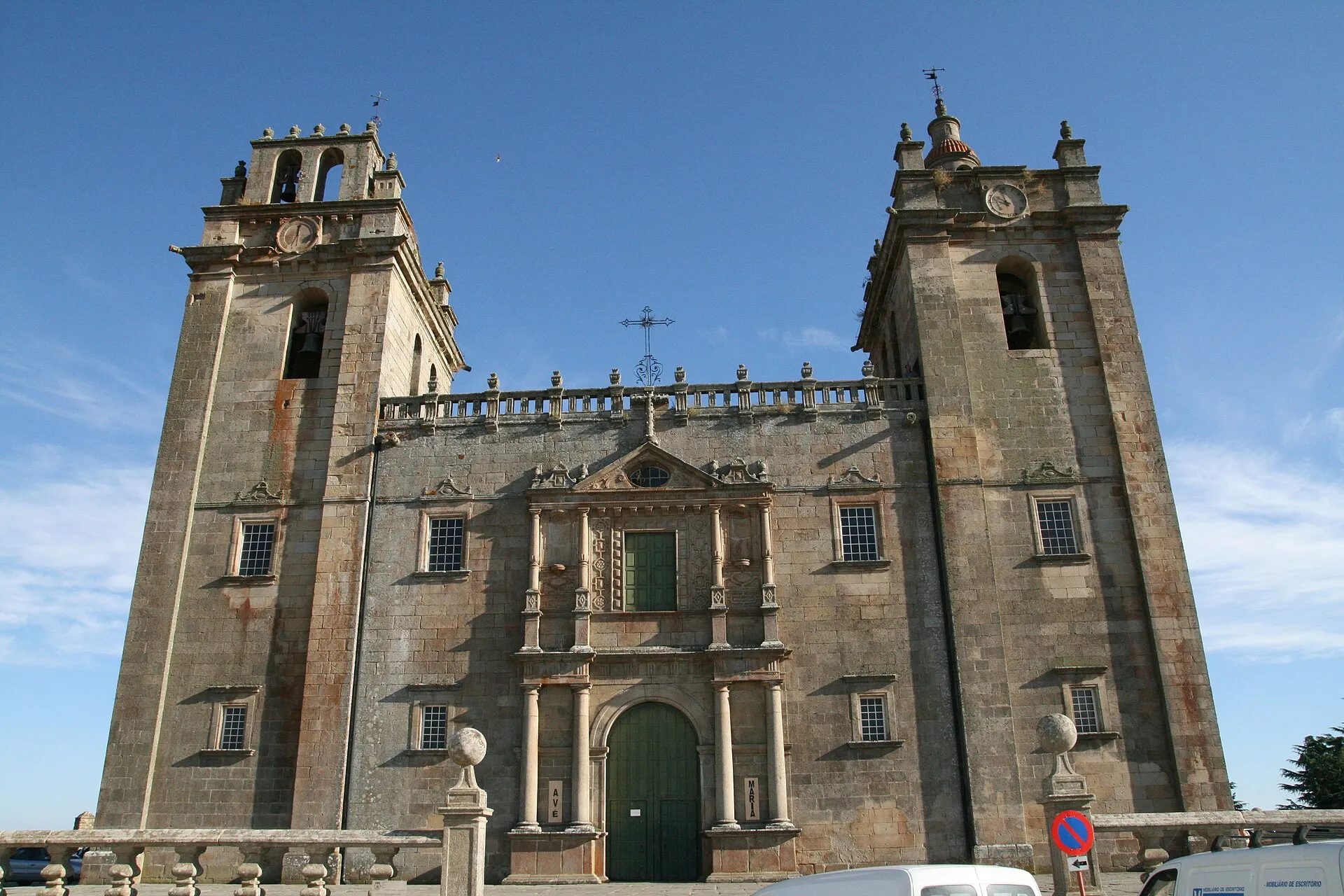
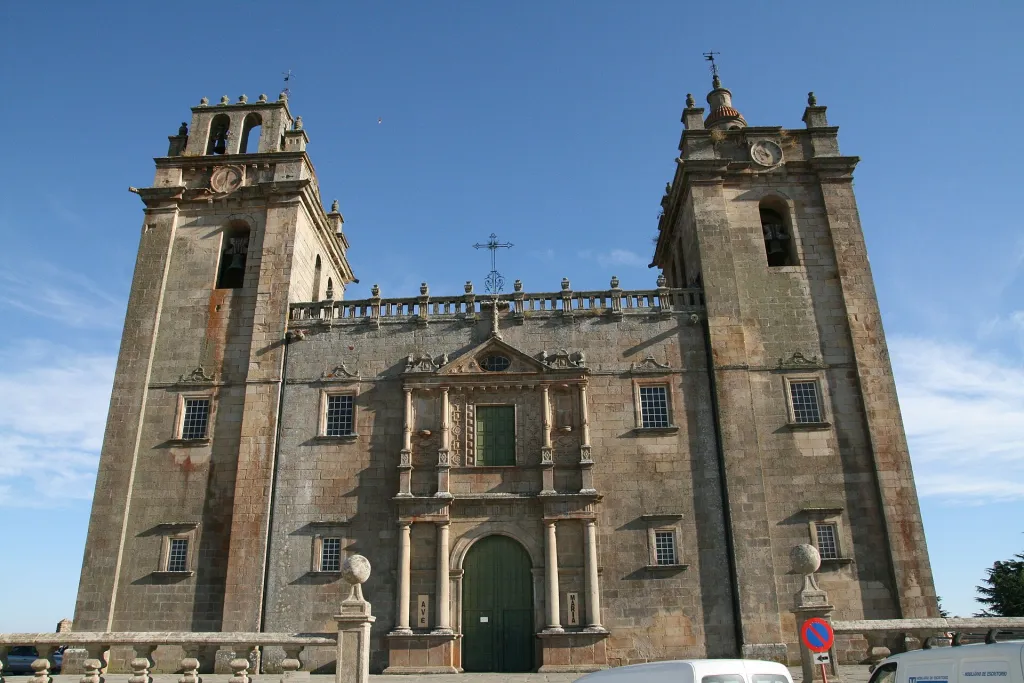
The Castilians occupied Miranda do Douro during the late 14th century, and would remain there until they were expelled by John I of Portugal. On 10 July 1545, King John III elevated Miranda do Douro to the status of city, at the same time becoming the first diocese in Trás-os-Montes (in a papal bull on 22 May 1545 by Pope Paul III, which segmented a major part of the archdiocese of Braga.

 1 / 7