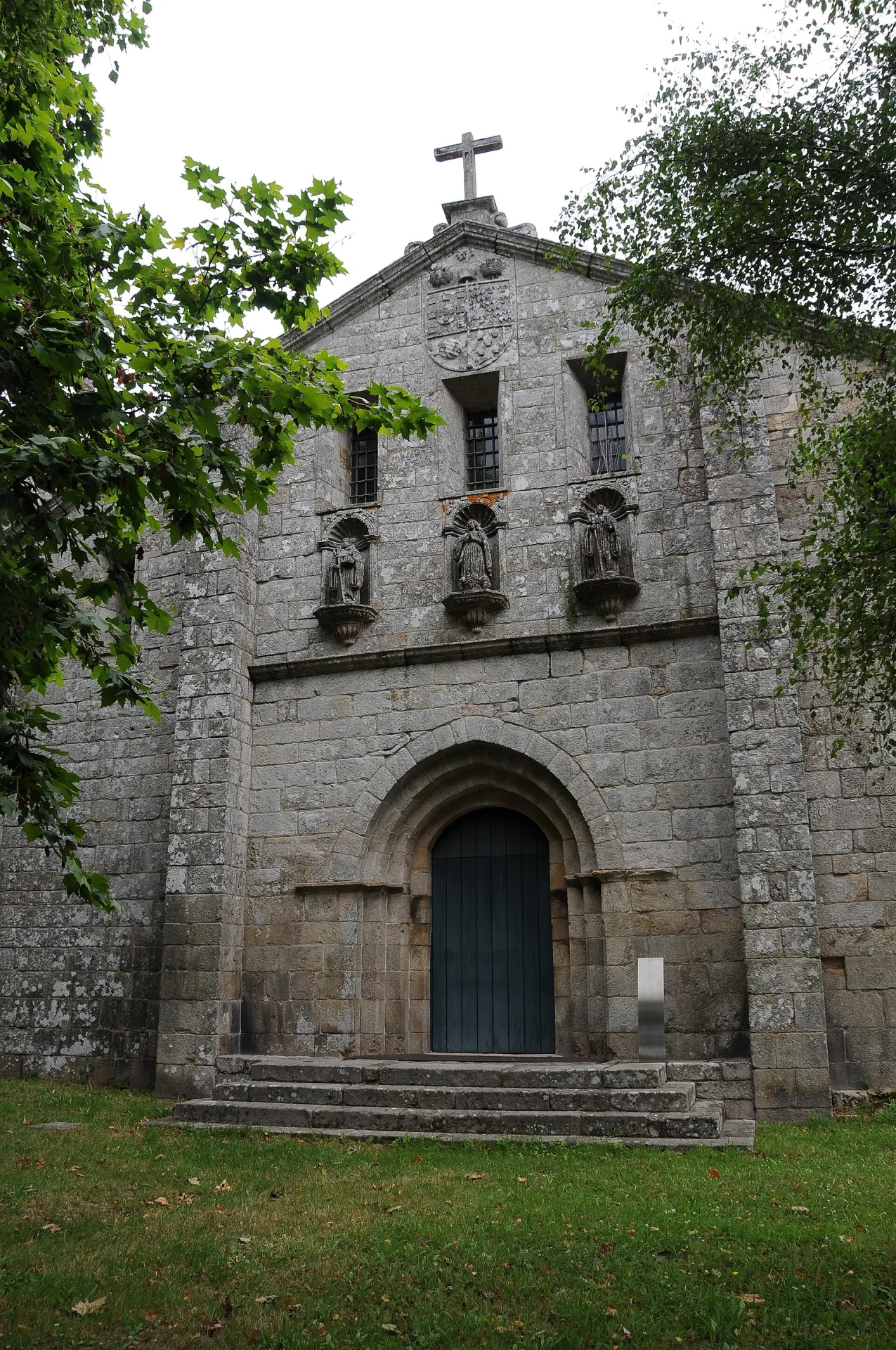
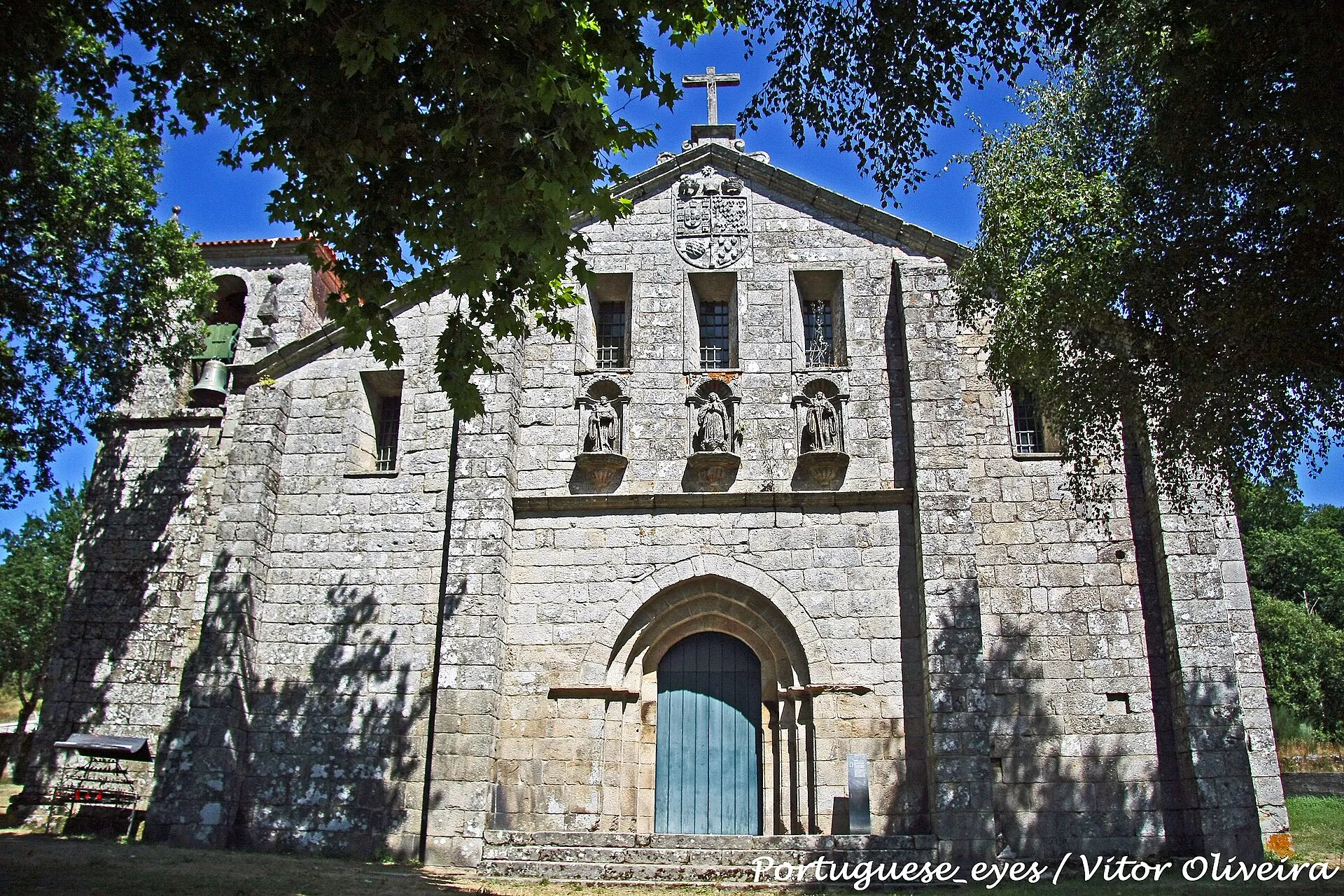
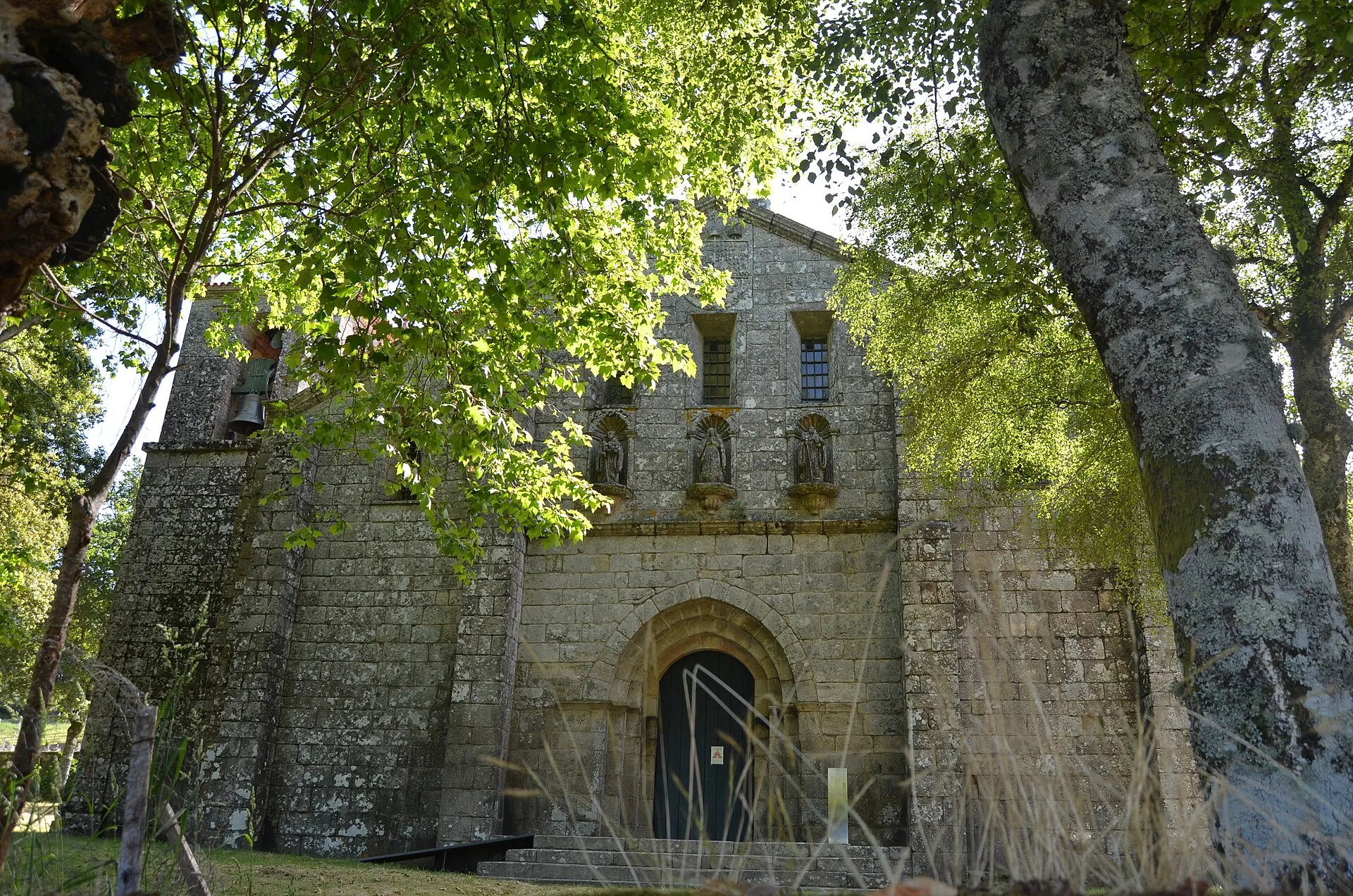
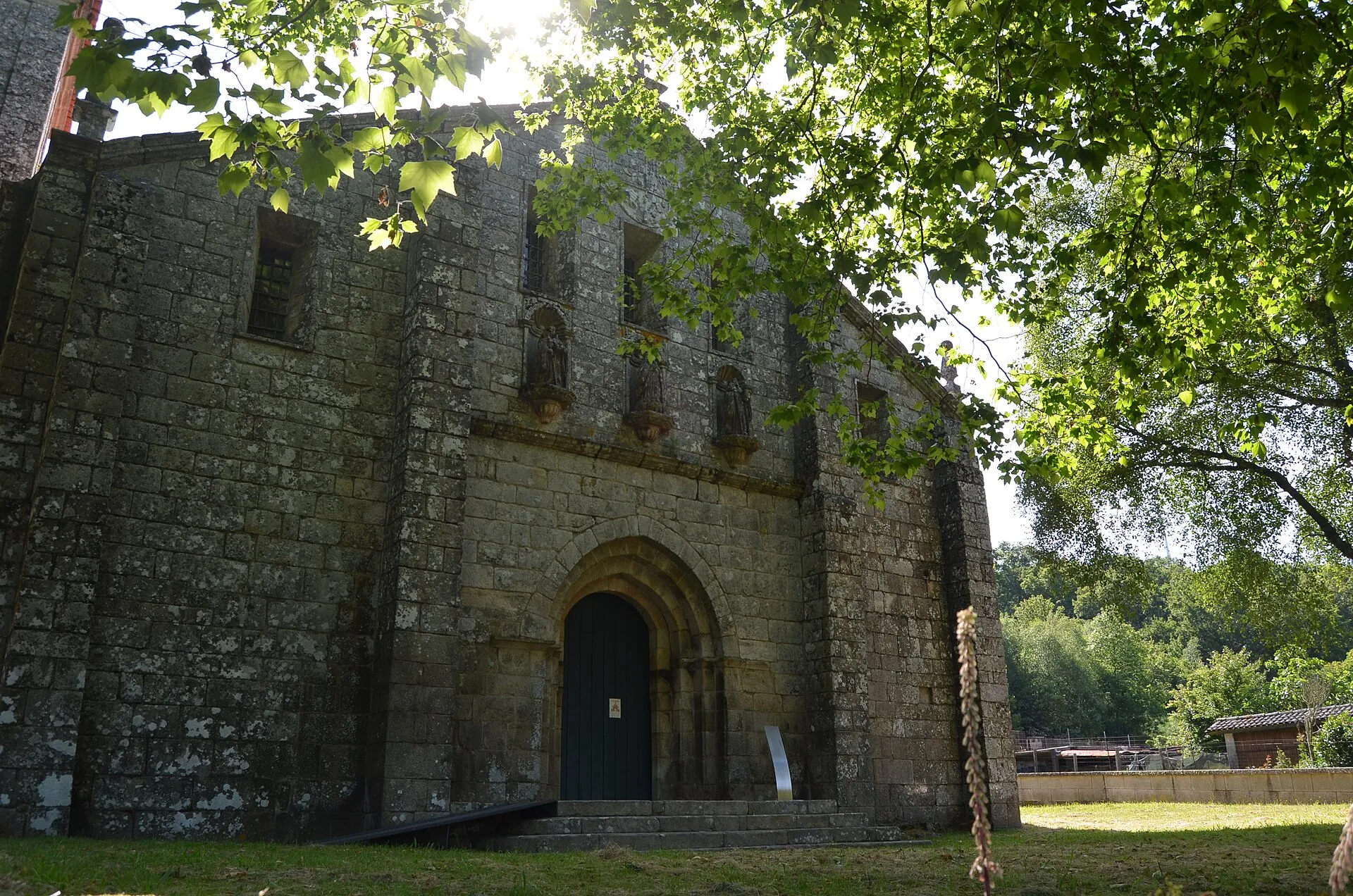
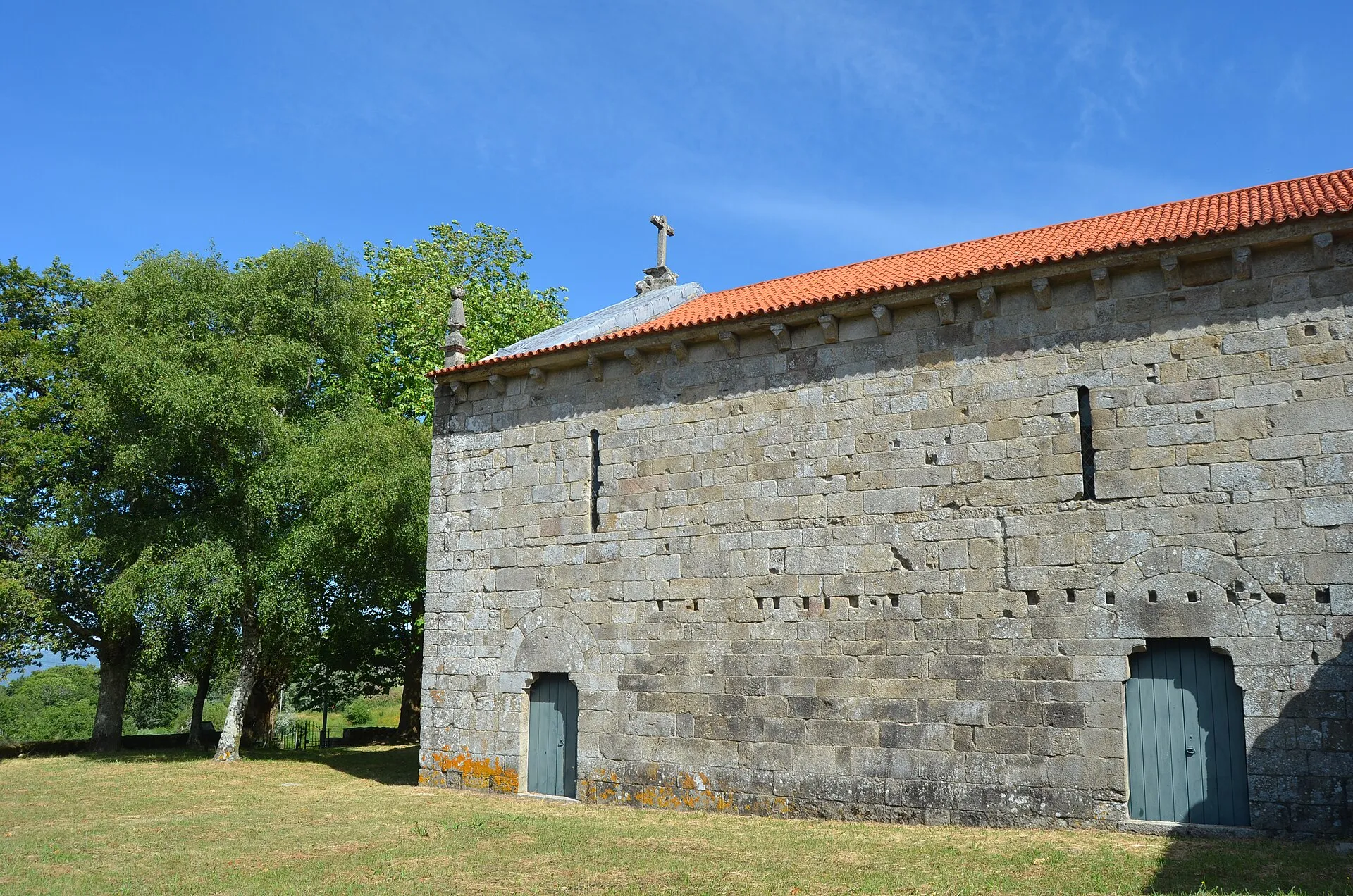
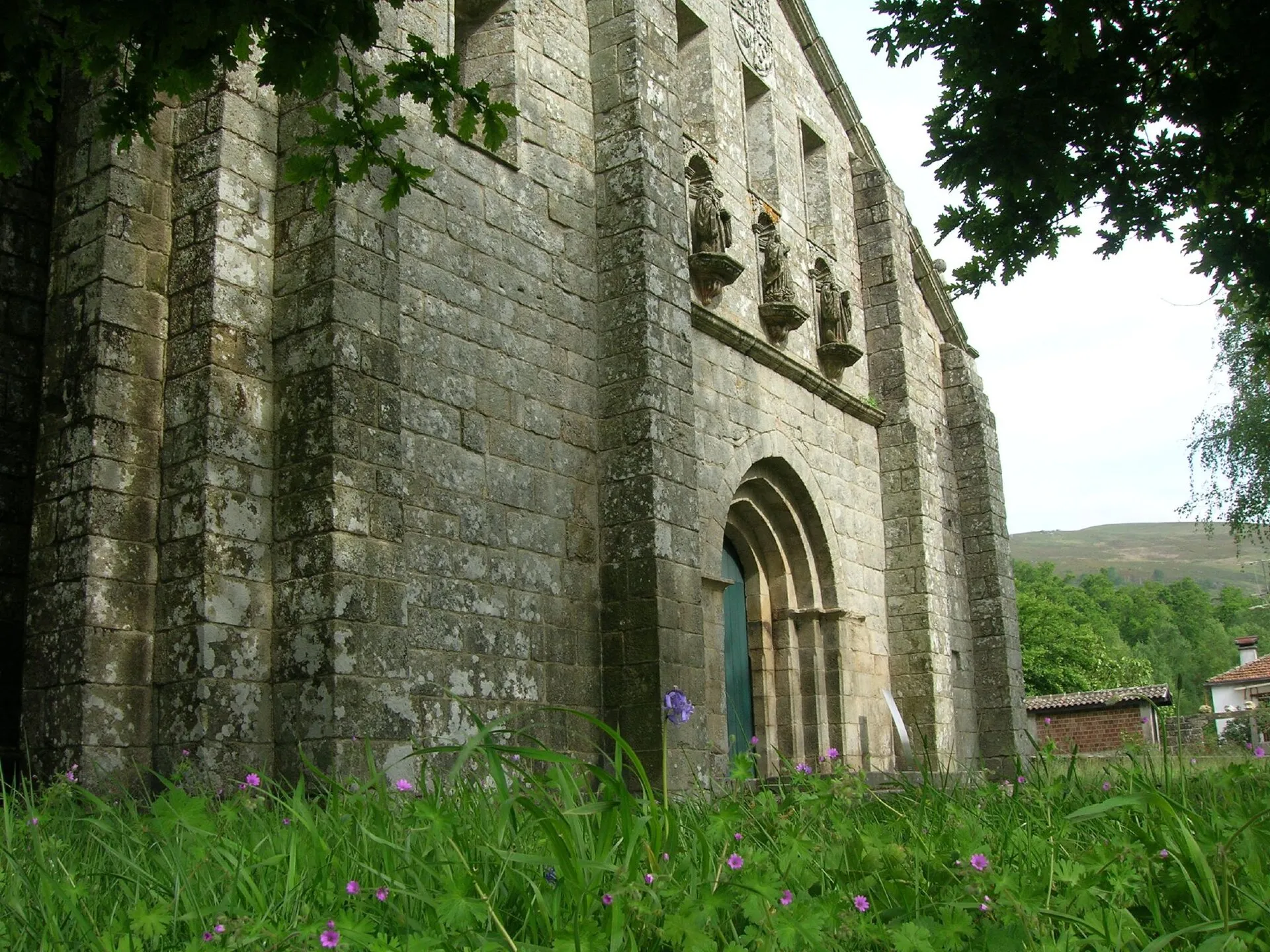
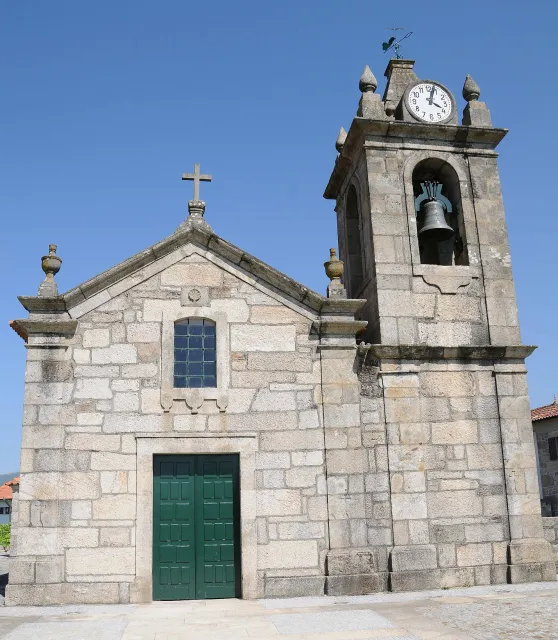
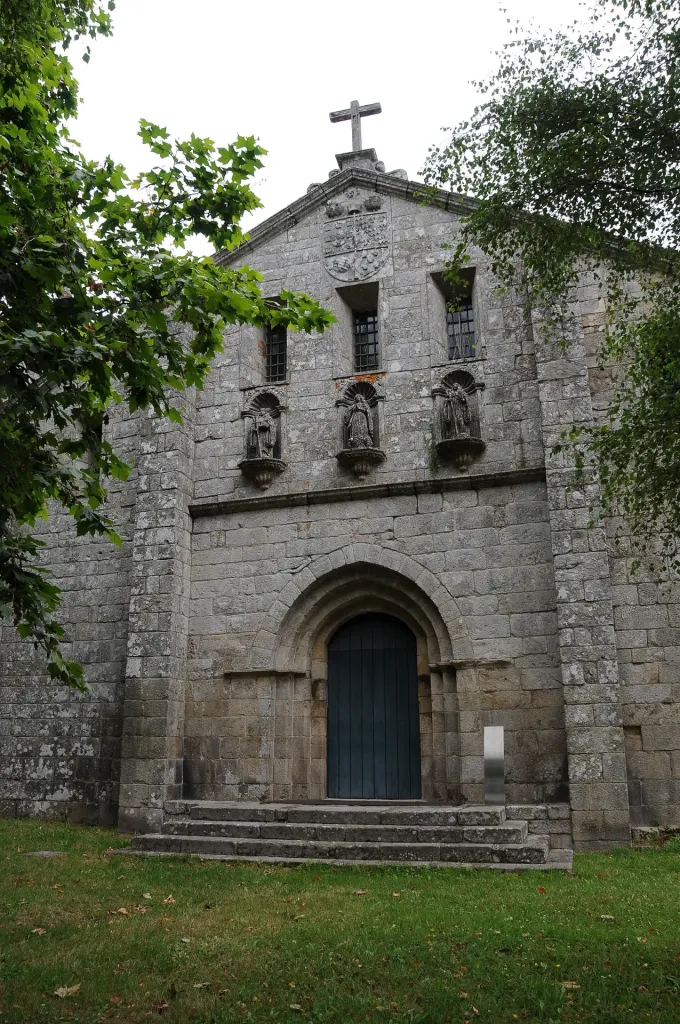
Records from 815, as suggested by J. Augusto Vieira, already indicated that a convent existed on the site during the era of Ramiro II of León and D. Paterna. By 870, the church was constructed (as stated in the chronicles of Father António da Purificação).
By the 11th century, there were rare references to a religious building in Fiães, usually referring to a Benedictine monastery who received several donations and active business (exchanges and purchases). In 1142, Fernando Tedão was a principal orator and eventually left behind many of his property to the church. Afonso Henriques also donated property and chattel that he owned in Melgaço (most notably in the area of Chaviães), which included the lands of Senhora da Orada, but which were later occupied by King Sancho in 1199.
Maur de Chocheril, in 1194, recorded that the clergy at the convent adopted the Cistercian religious order, aligning themselves to their brethren at the abbey of São João de Tarouca. In 1210 João Raimundo and his mother donated lands in Doma, on the frontier with Cristóval, and later supported the Order's public works the following year with donations to their projects. The wealth of the Convent of Fiães was so great that a popular refrain existed that "after the King, there was no one as rich as the abbot of Fiães". An accord between the convent and municipality of Melgaço in 1245 established a cost-sharing agreement for the maintenance of the wall around the city. The clergy at the time could afford to be generous, records from 1320 showed that the convent produced 400 pounds from lands rents.
In the 14th century, the tomb of Fernão Anes de Lima was installed at the church.
In 1490, a fire in the archives resulted in an unmeasurable damage to many of the church's records.

 1 / 6