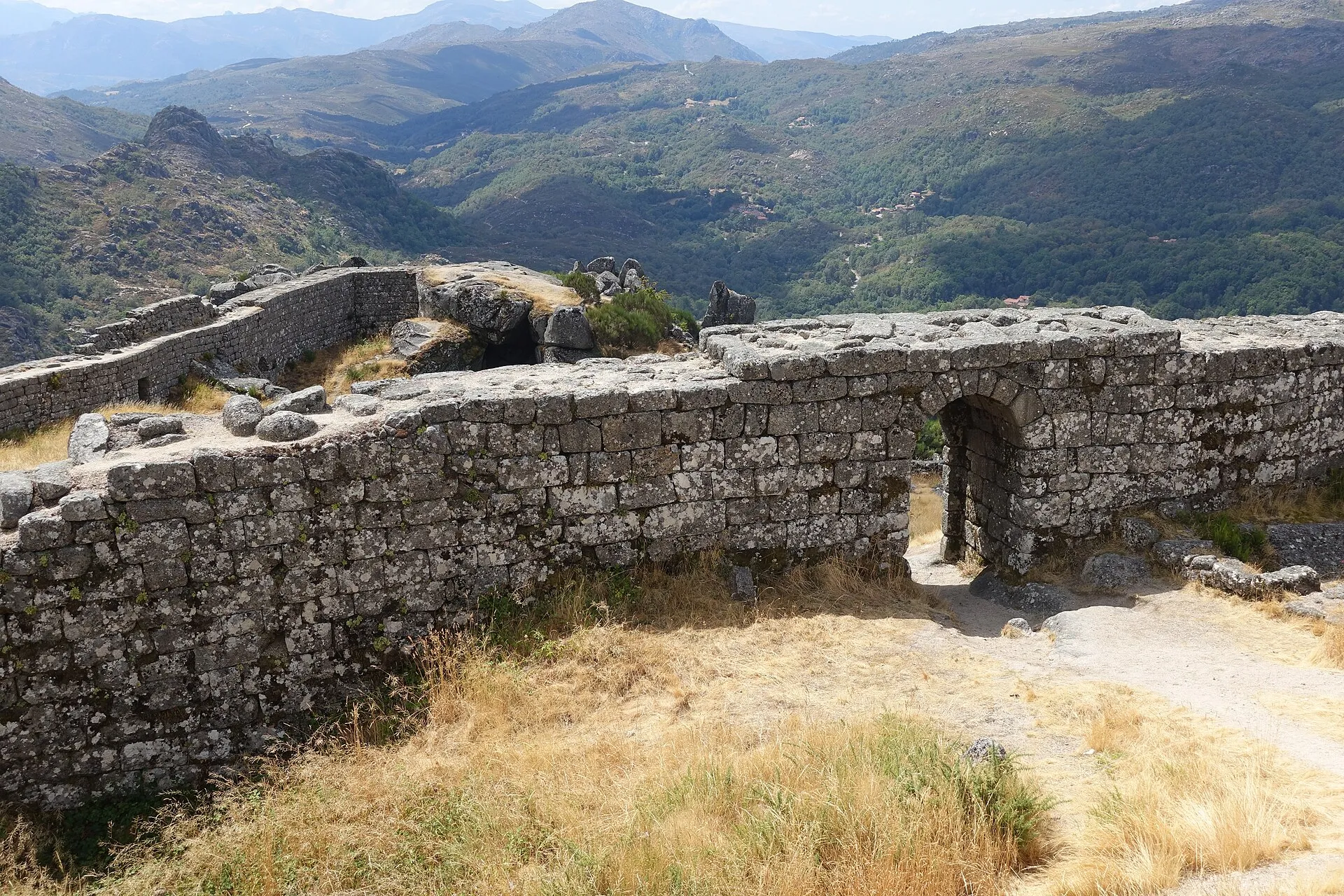
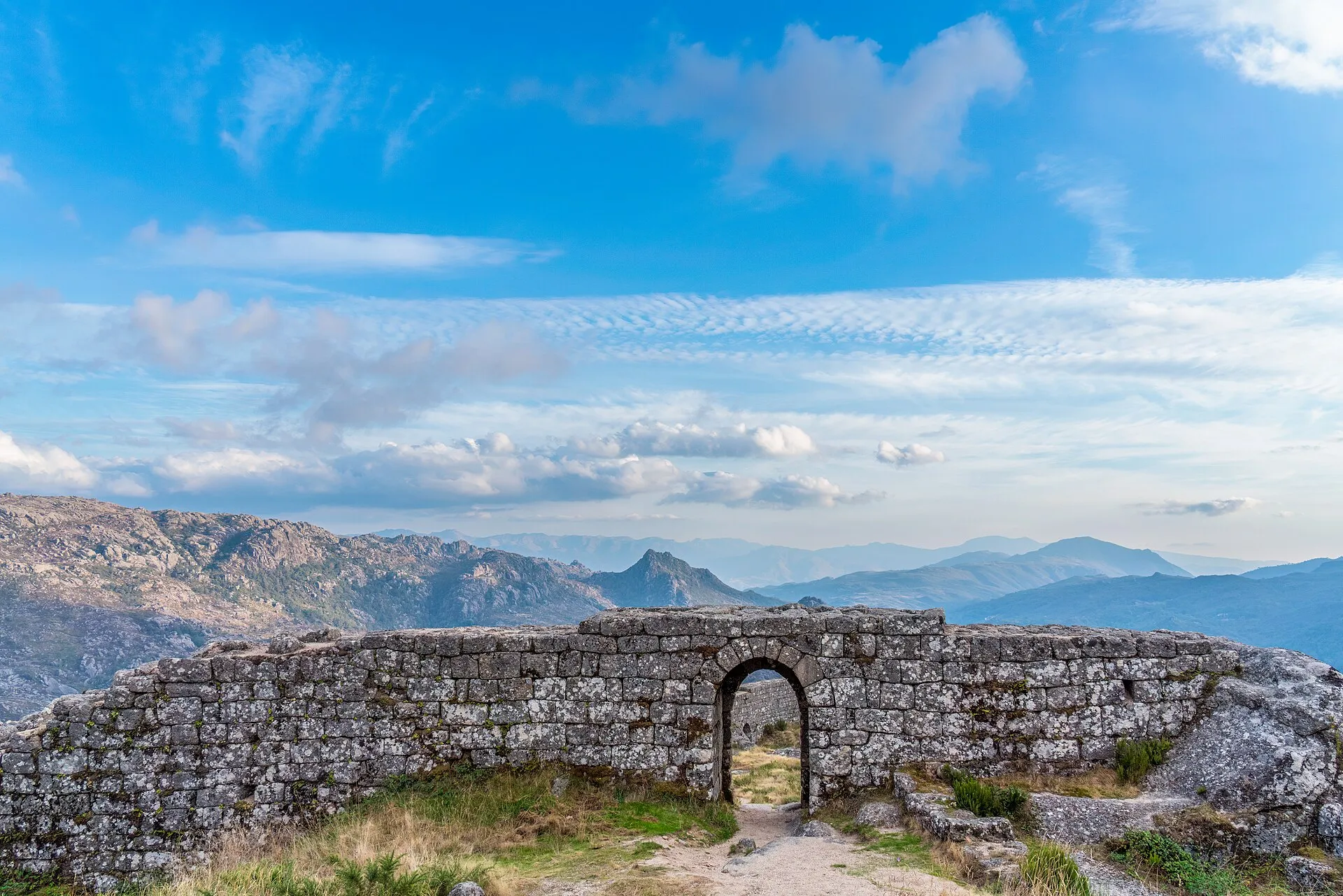
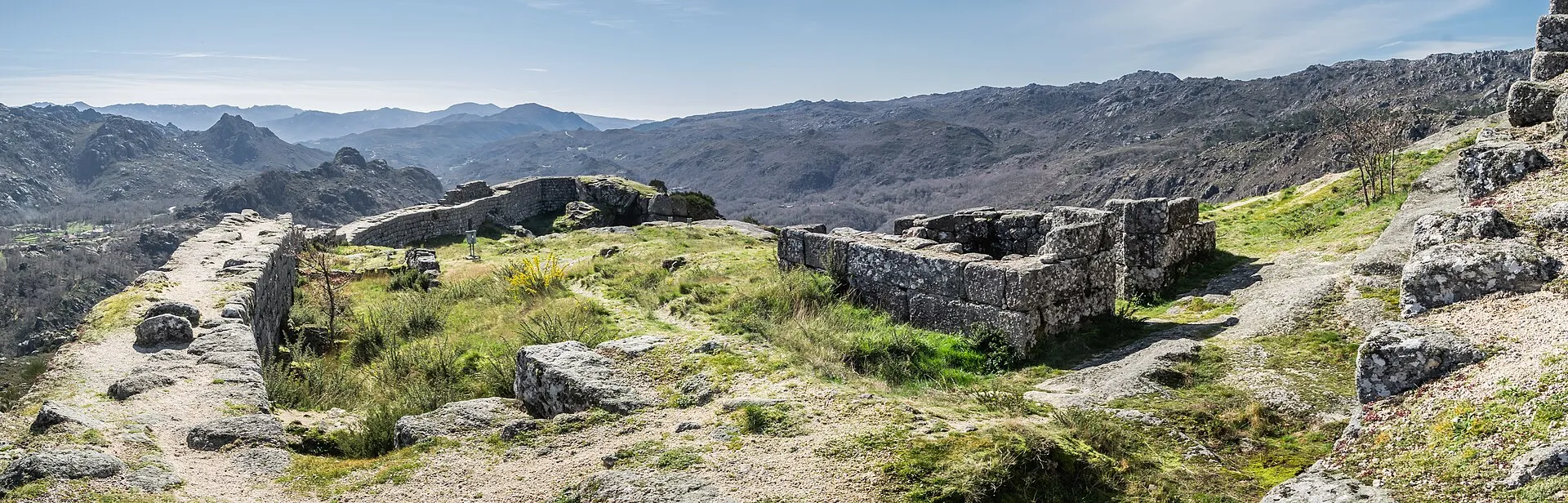
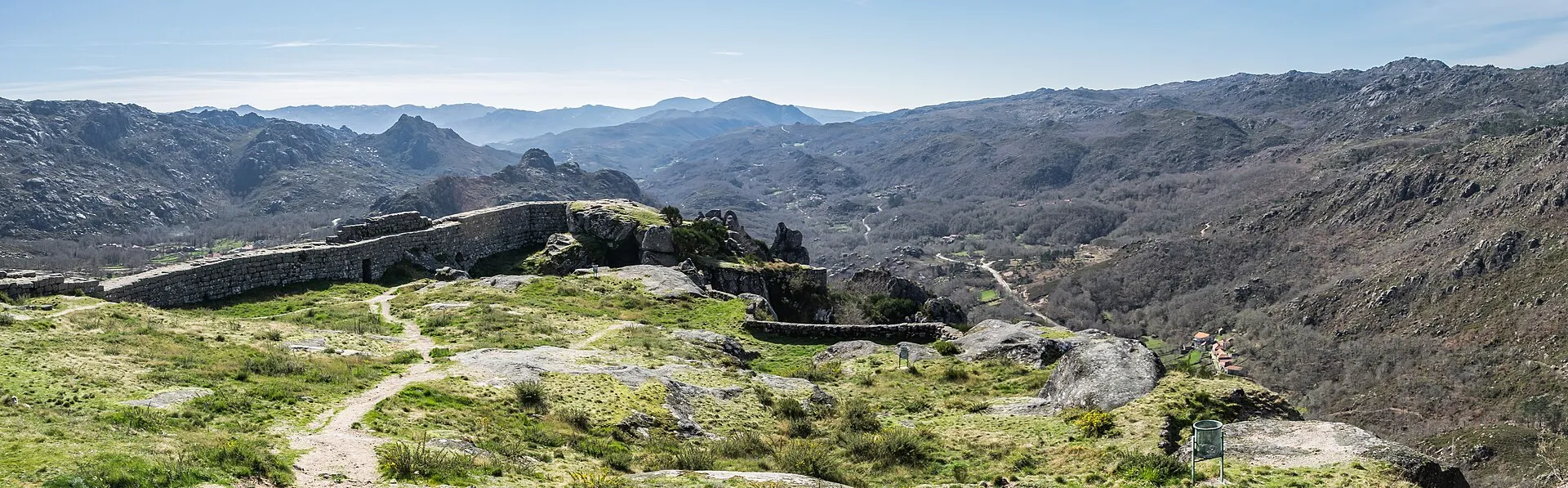
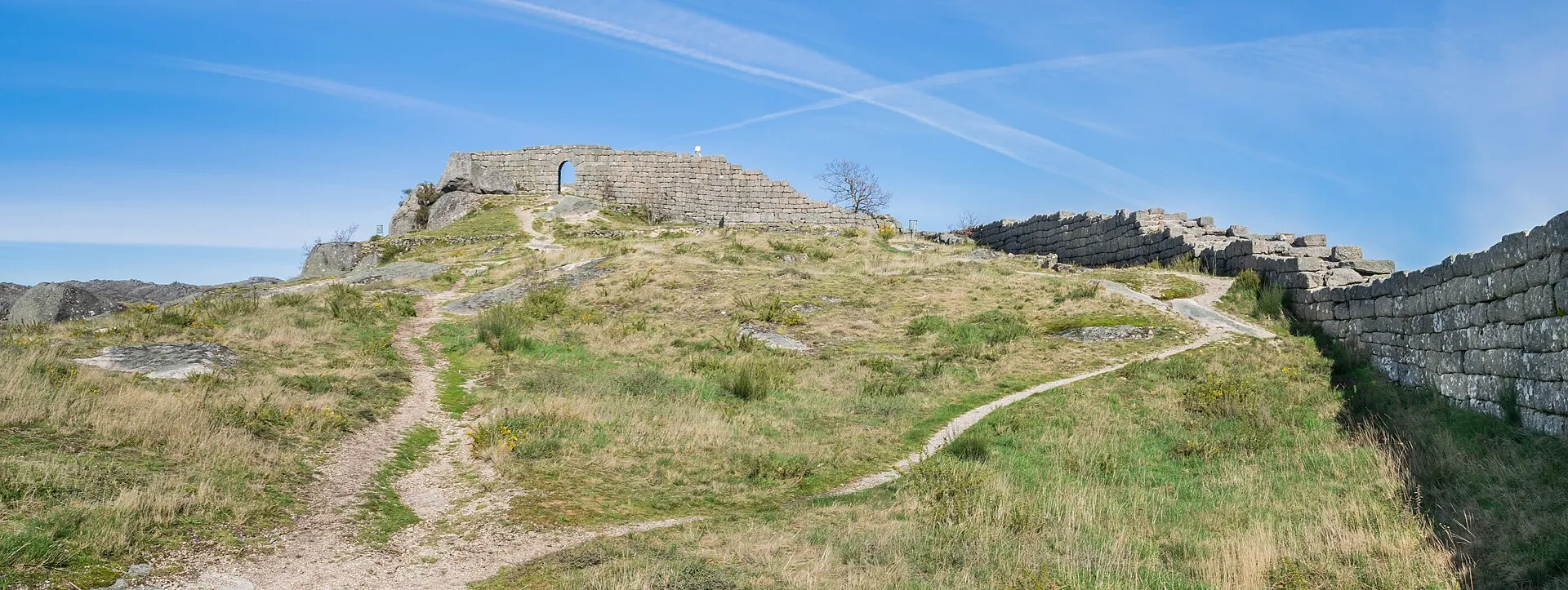
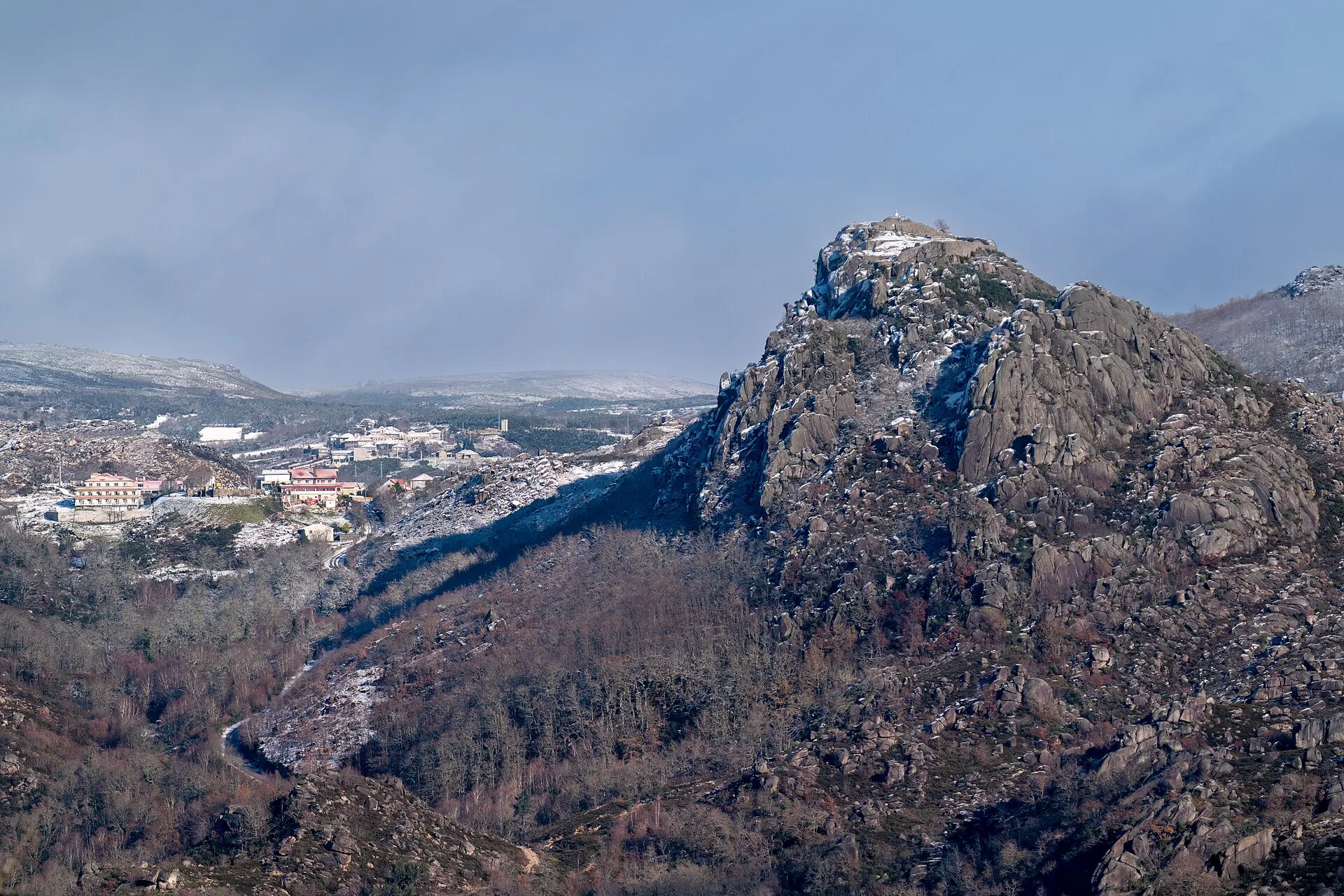
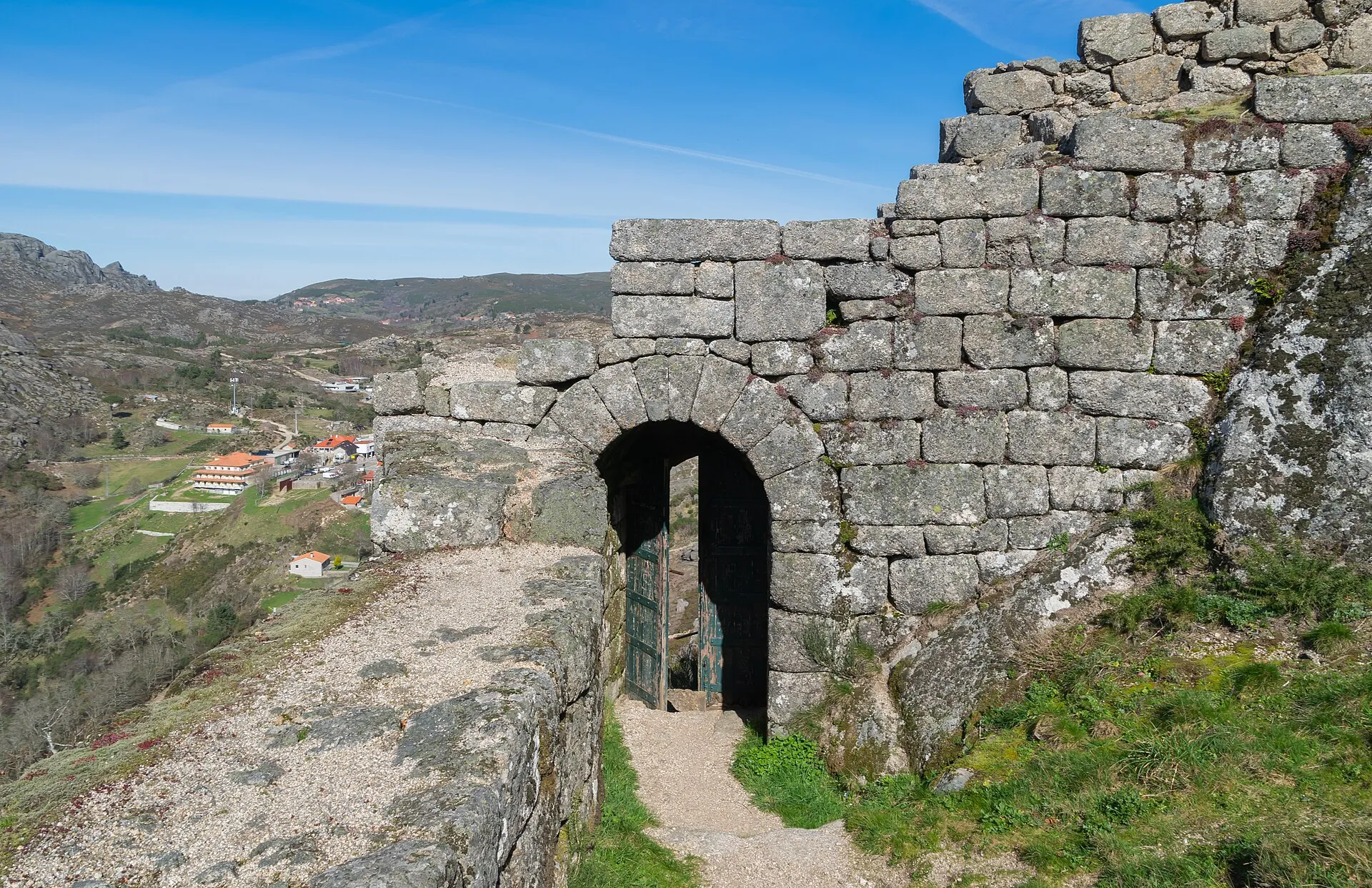
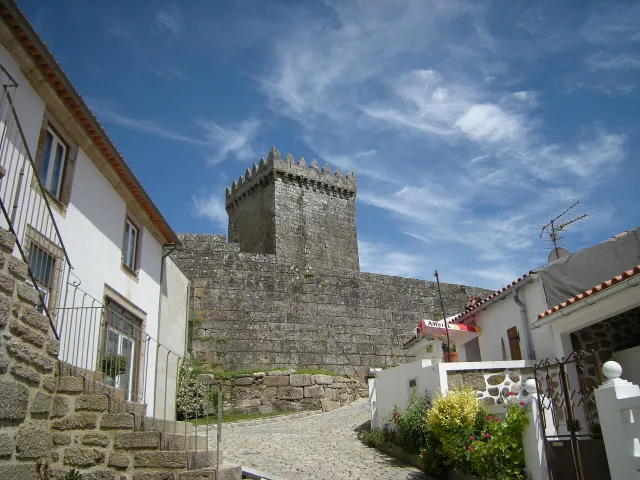
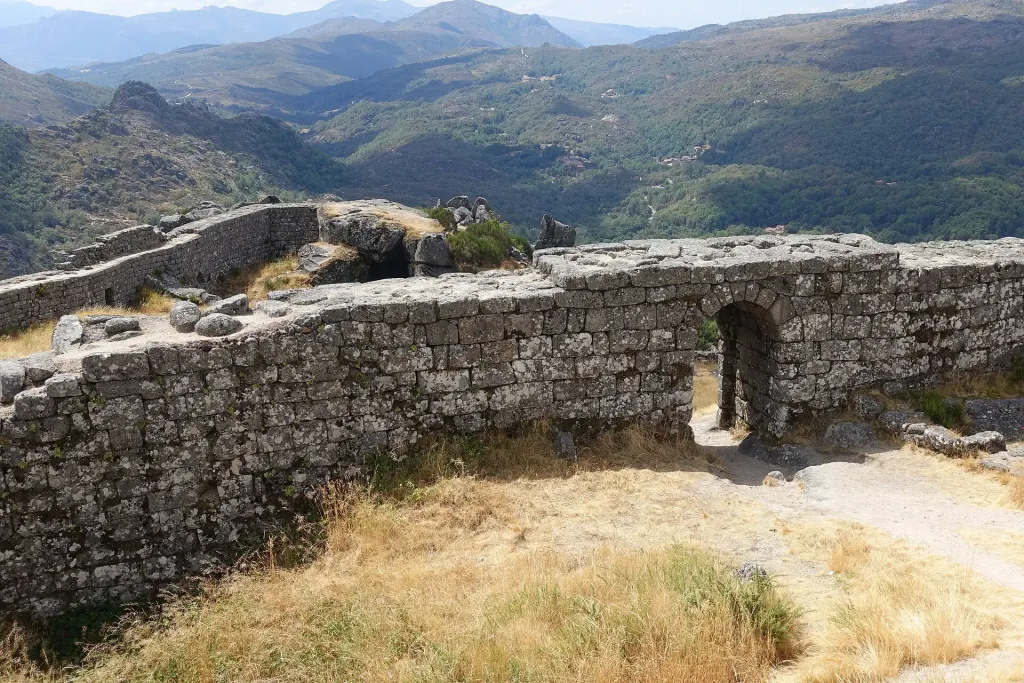
In 1144, Afonso Henriques reconquered the redoubt, and from 1145 his forces began the task of restoring and expanding the defenses: it was Sancho I of Portugal who finally completed the project in the 12th century. The efforts were for not, as the Leonese raised the castle in 1212, during their invasion. In 1290, Denis of Portugal began the reconstruction, with emphasis on defense from its neighbors.
For many years Gomes de Abreu, of Merufe, was the alcalde of Laboreiro, and in 1375, King Fernando gave the alcaderia to Estevão Anes Marinho.
Following the conquest of Melgaço in the 14th century, King John used Castro Laboreiro to restrain various Castilian incursions from Galicia.
In 1441, the alcalde, Martim de Castro, was removed owing to protest from its residents.
From the drawings of Duarte das Armas around 1506, the castle had five rectangular towers surrounding the central keep, which was preceded by the cistern in the north. Another, unidentified, construction was erected to the south.
In a surprise attack, Baltazar Pantoja took the castle after four hours of skirmishes in May 1666. He left Governor Pedro Esteves Ricarte in charge of the citadel, until it was retaken by the 3rd Count of Prado, Francisco de Sousa.
The King, citing its historical importance, decided to conserve the castle, against the opinion of Michel Lescole. Following the restoration of peace, in 1715, the castle was decommissioned.
From 1746 to 1779, the Governor of Castro Laboreiro was Manuel de Araújo Machado, Count of Bobadela. Then Governor-at-Arms for the Province, he ordered the arrest at the castle of 400 men and women who had refused to present their children for military service in 1766-1778.
In 1801, troops occupied and defended the castle using four military pieces.

 1 / 7