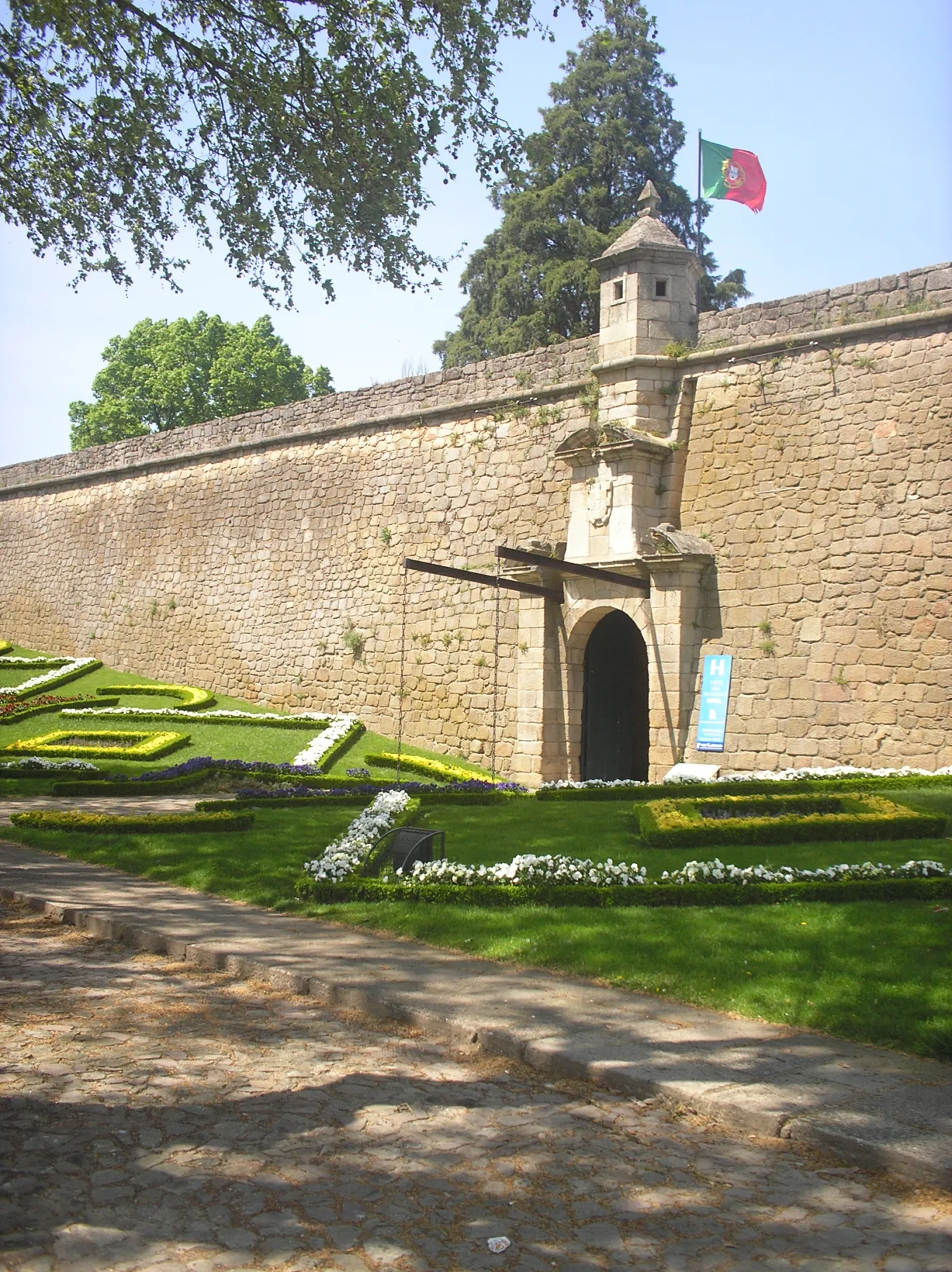
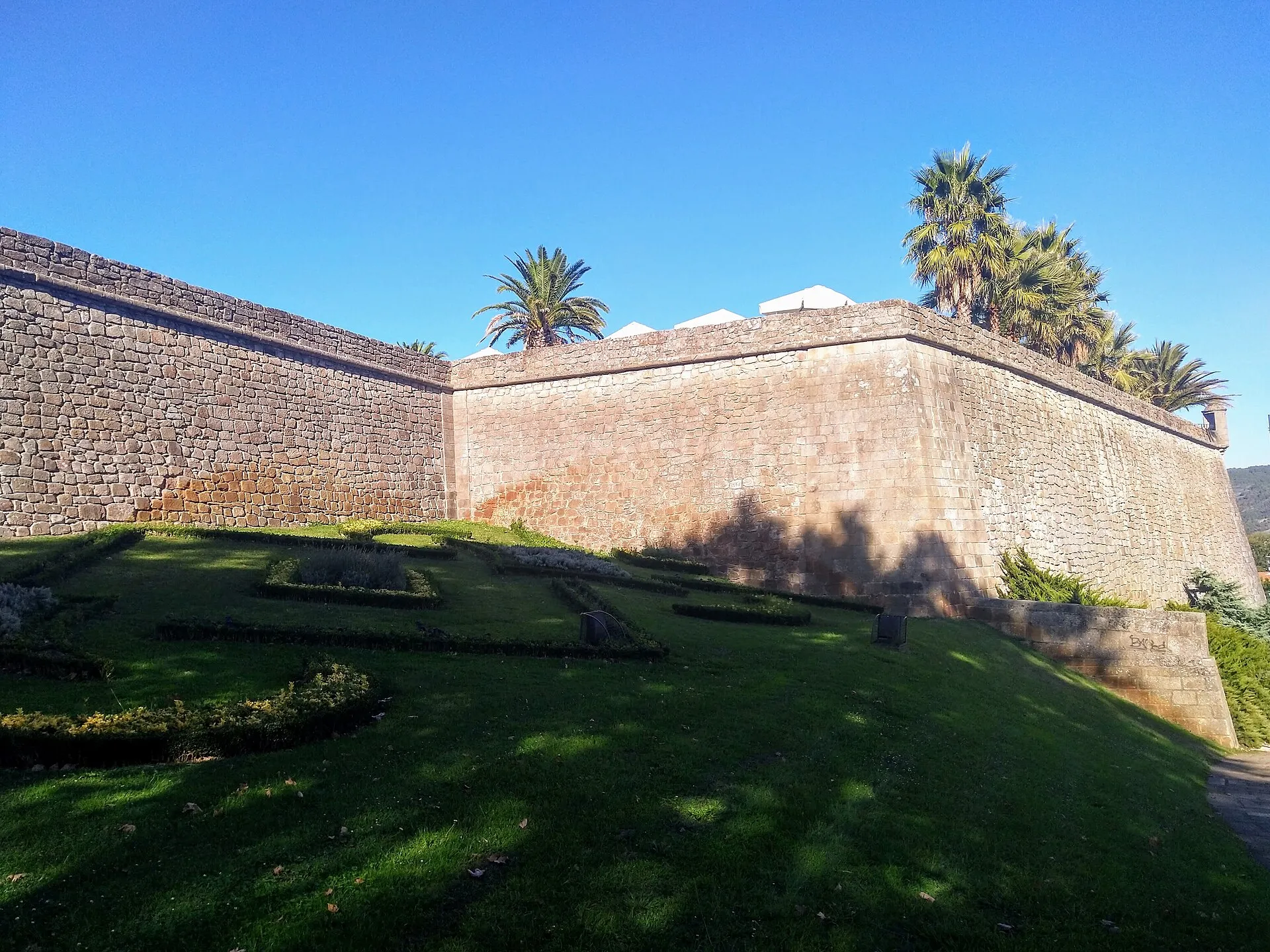
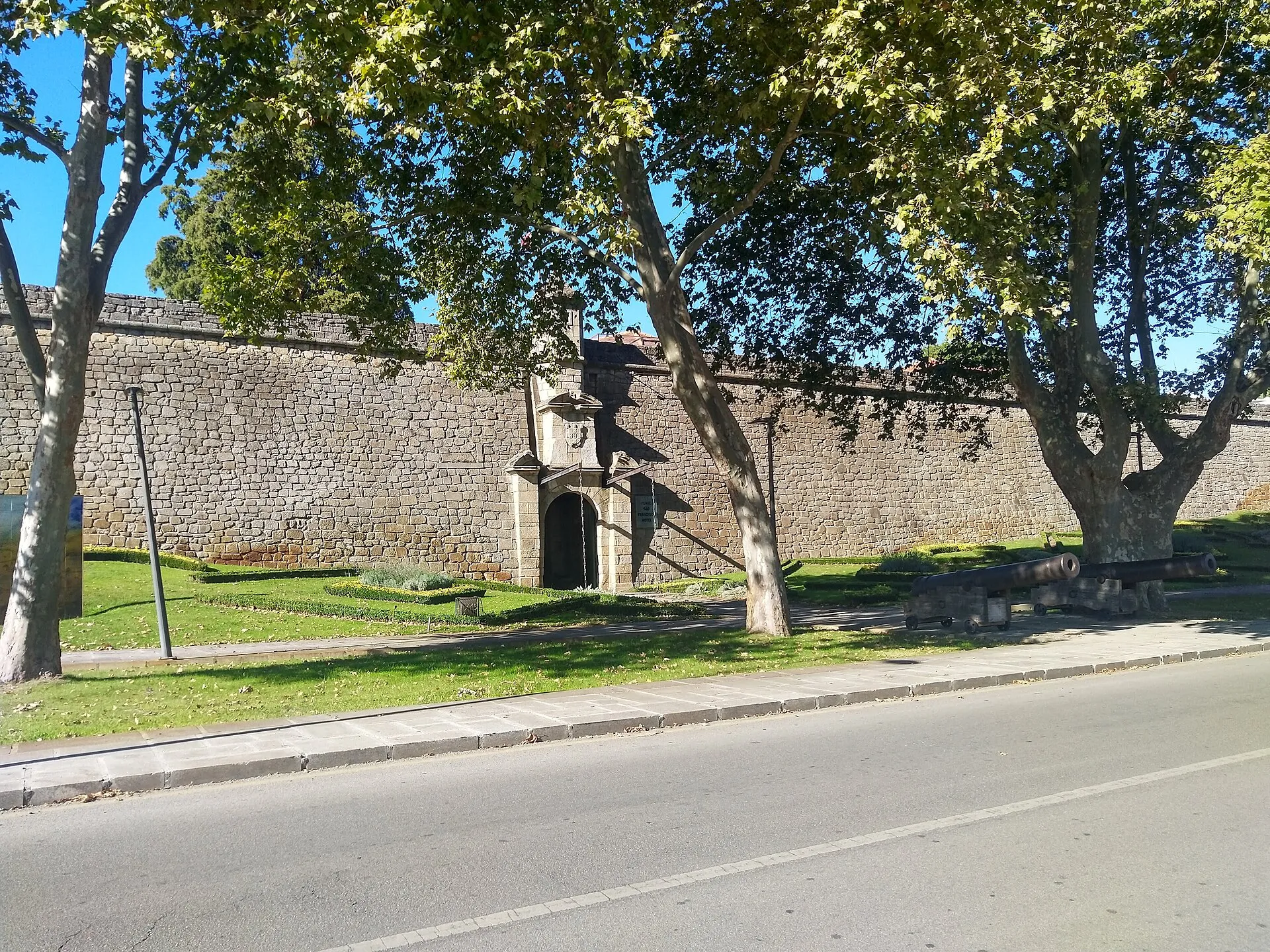
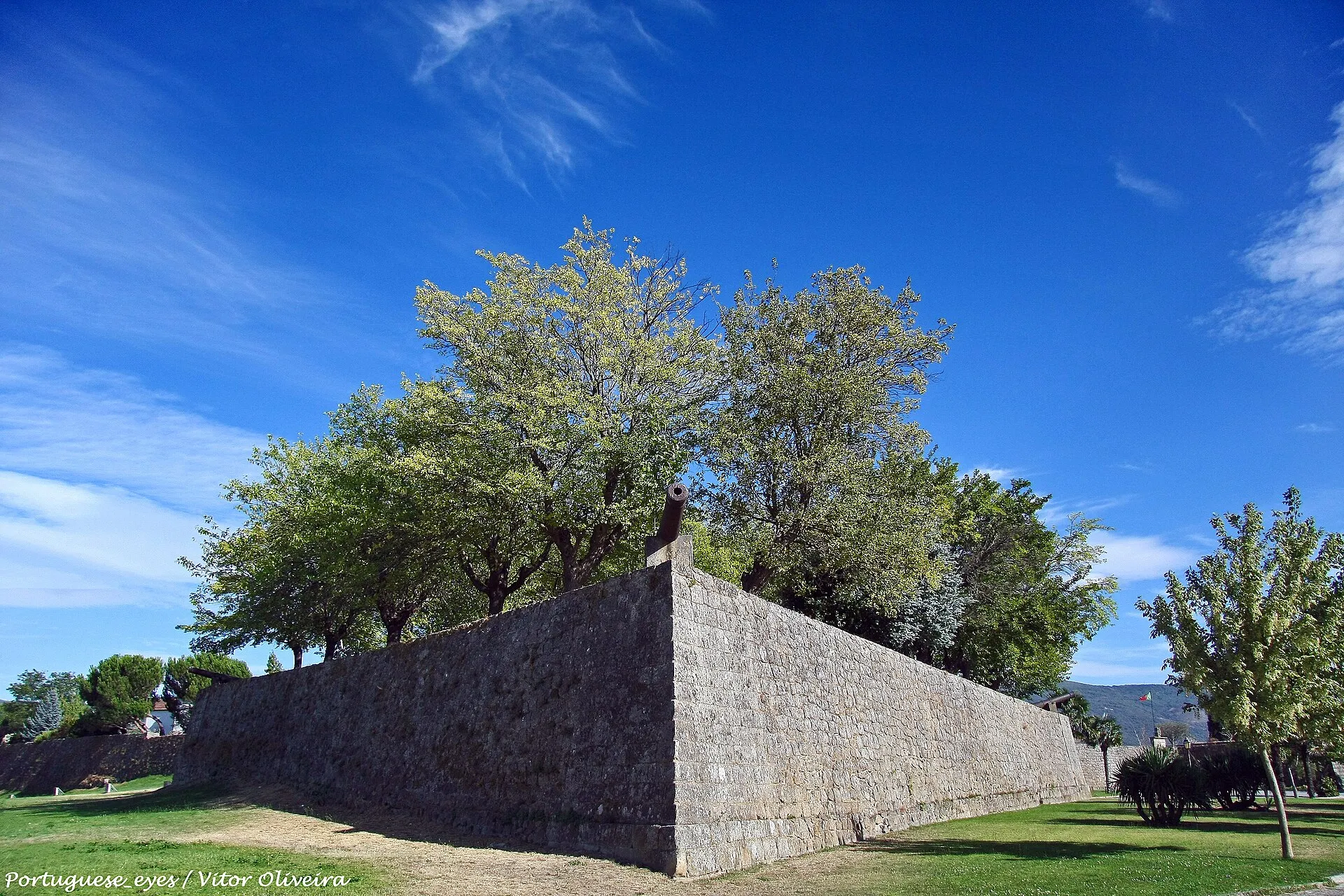
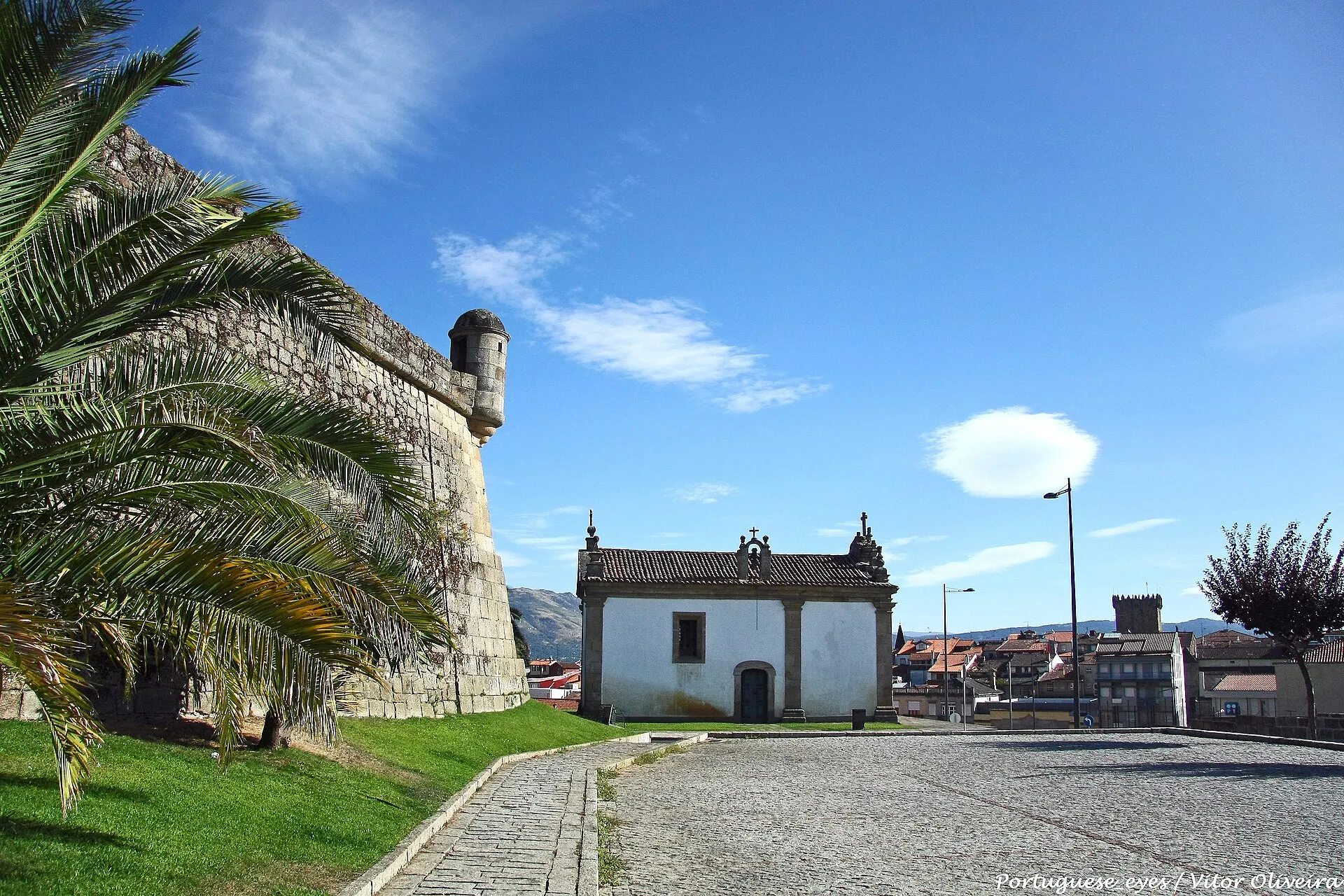
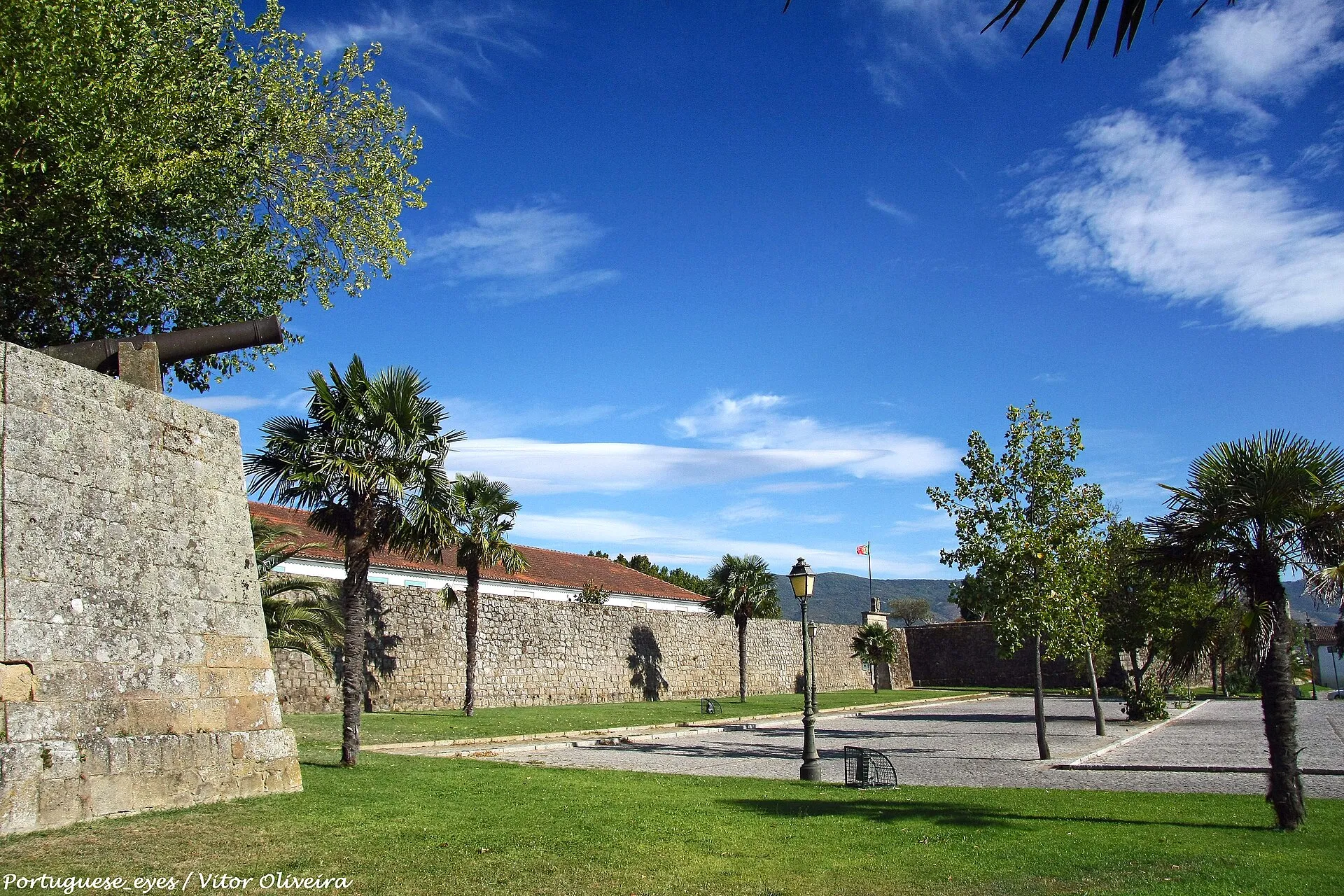
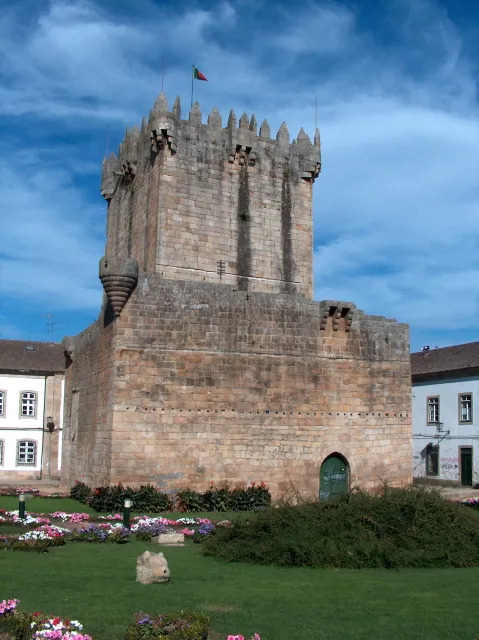
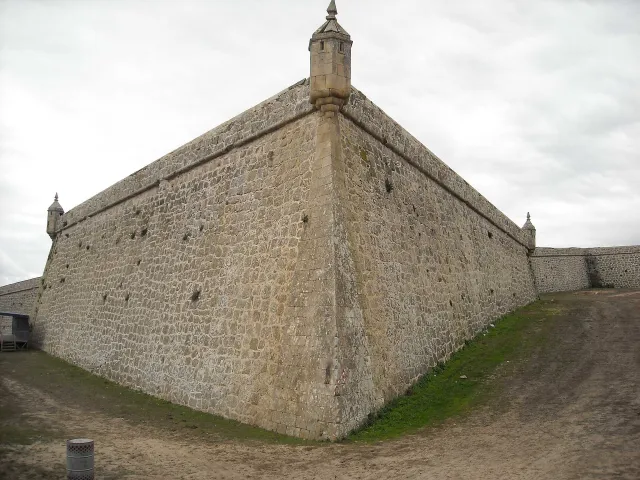
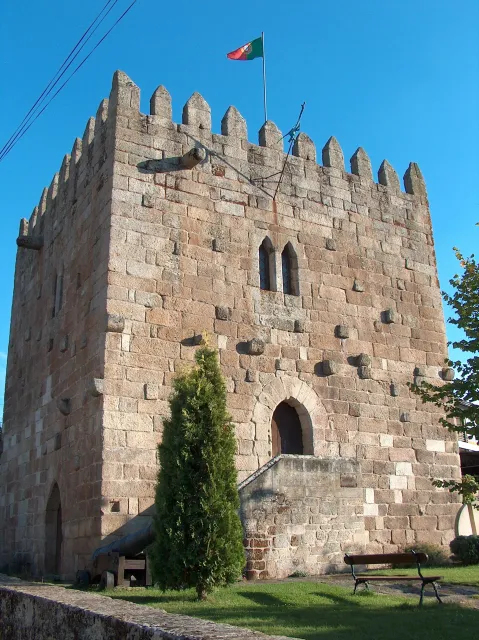
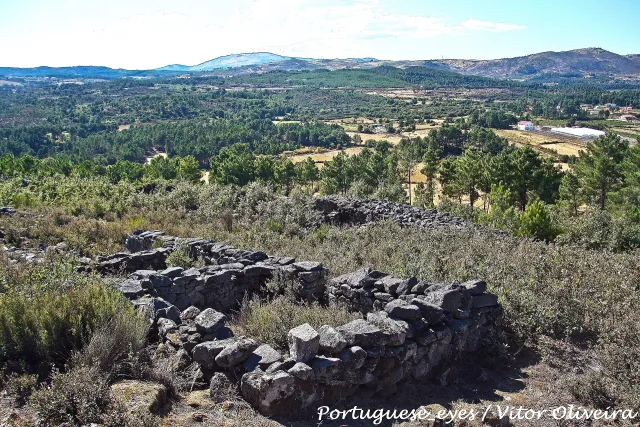
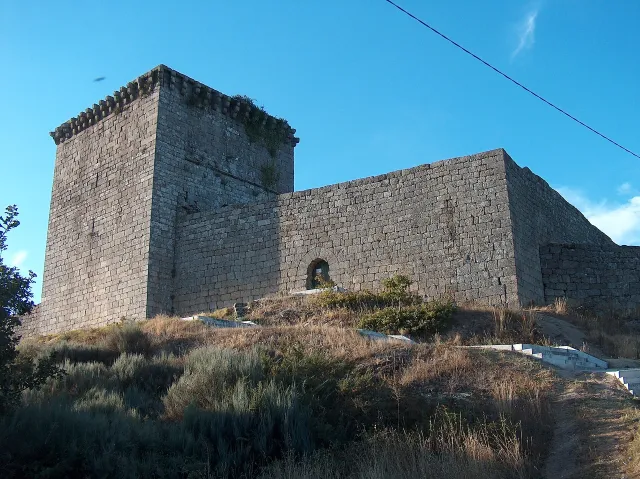
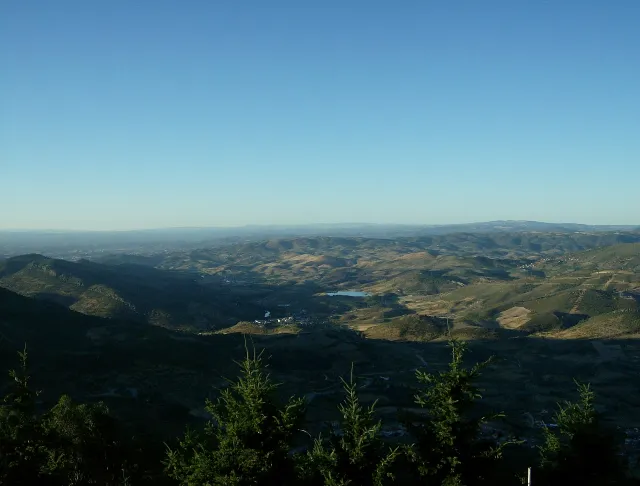
The São Francisco Fort has been classified as a National Monument since 1938.
The fort dates back to a Franciscan monastery – the Monastery of Nossa Senhora do Rosário – built in the early 16th century, which lent it its official name. According to a deed signed with Friar Rodrigo de Morais in 1446, it was designed by Mestre Joanes de Cibrão who created the vault of the Convent.
In the context of the War of Restoration of Independence, recognizing the importance of the city's strategic position, next to the border, the modernization of its medieval defenses was enacted. In order to prevent the neighboring hills from being occupied by enemy artillery batteries, these positions were fortified.
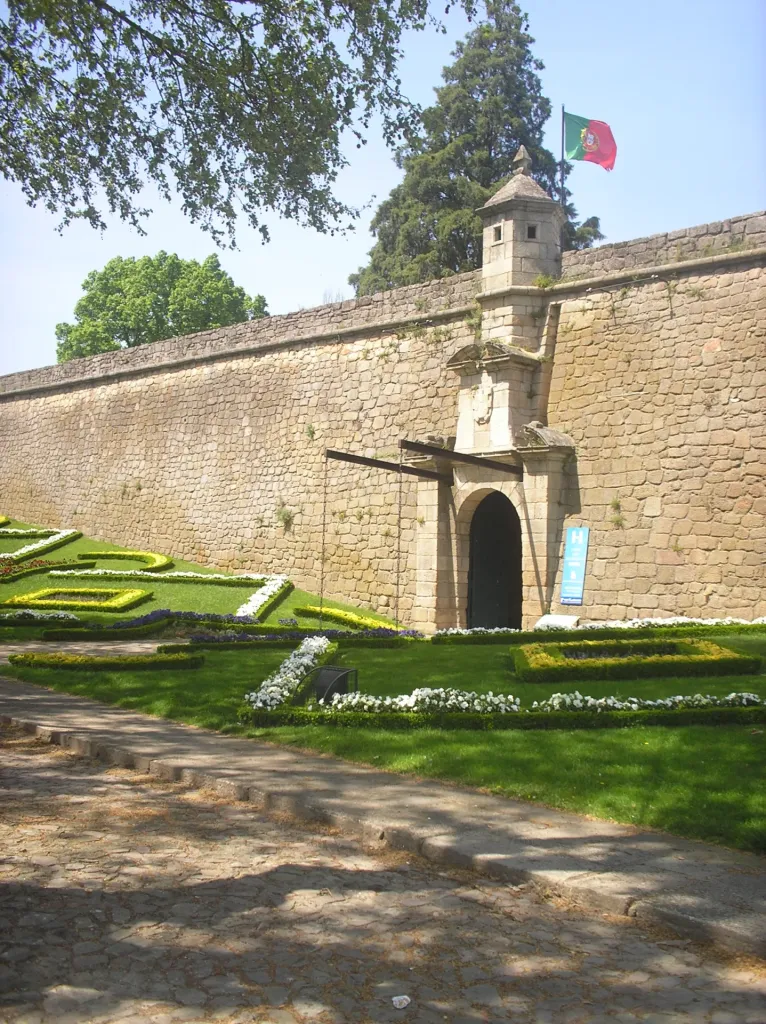
On the hill of Pedisqueira, where the old Franciscan Convent used to be, it was decided to surround it with bulwarked walls, transforming it into a fort. The works were carried out under the orders of the Governor of the Arms of the Province of Trás-os-Montes, Dom João de Sousa da Silveira, between 1644 and 1647. The defense works of Chaves were complemented with the construction of new walls connecting the fort to the old medieval walls, reinforced or rebuilt at the time, surrounding the neighborhoods that had expanded outside the medieval walls. The defense was extended to the old Roman bridge over the Tâmega, whose access, on the opposite bank, was also fortified, with the construction of the Madalena Ravelin.
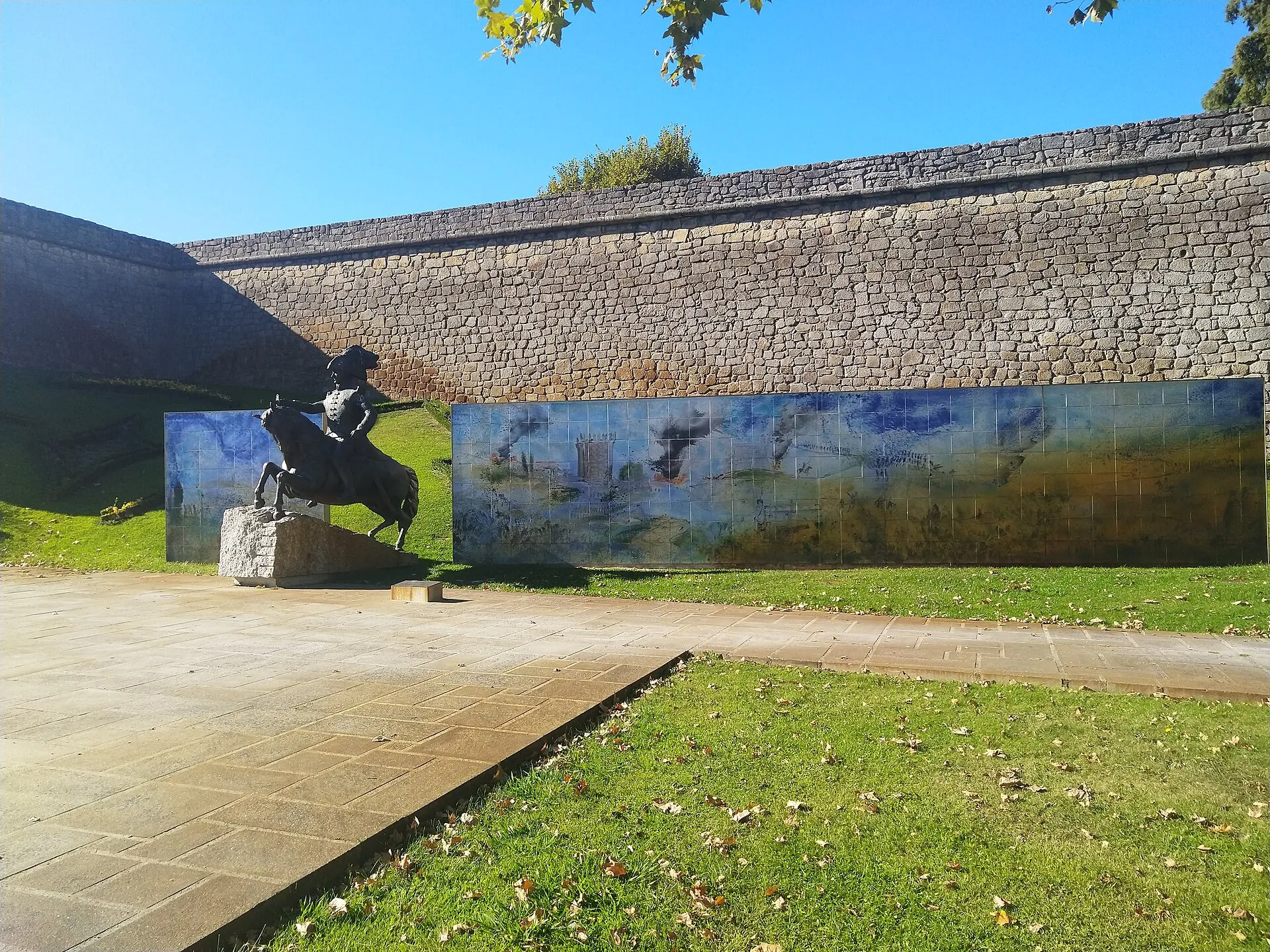
At the beginning of the 19th century, during the Peninsular War, Chaves and its defenses were not in a position to defend themselves. After several clashes with Napoleonic troops under the command of Marshal Soult, the Portuguese troops, under the command of General Francisco da Silveira Pinto da Fonseca Teixeira, retreated to strategic points, leaving the city with a small garrison under the command of Lieutenant Colonel Pizarro. These forces, as well as the militiamen who faced the enemy, were captured but then released. The São Francisco Fort was used as the French headquarters at the time, and, in this capacity, it was the target of General Silveira's counter-offensive, in March 1809.

 1 / 7