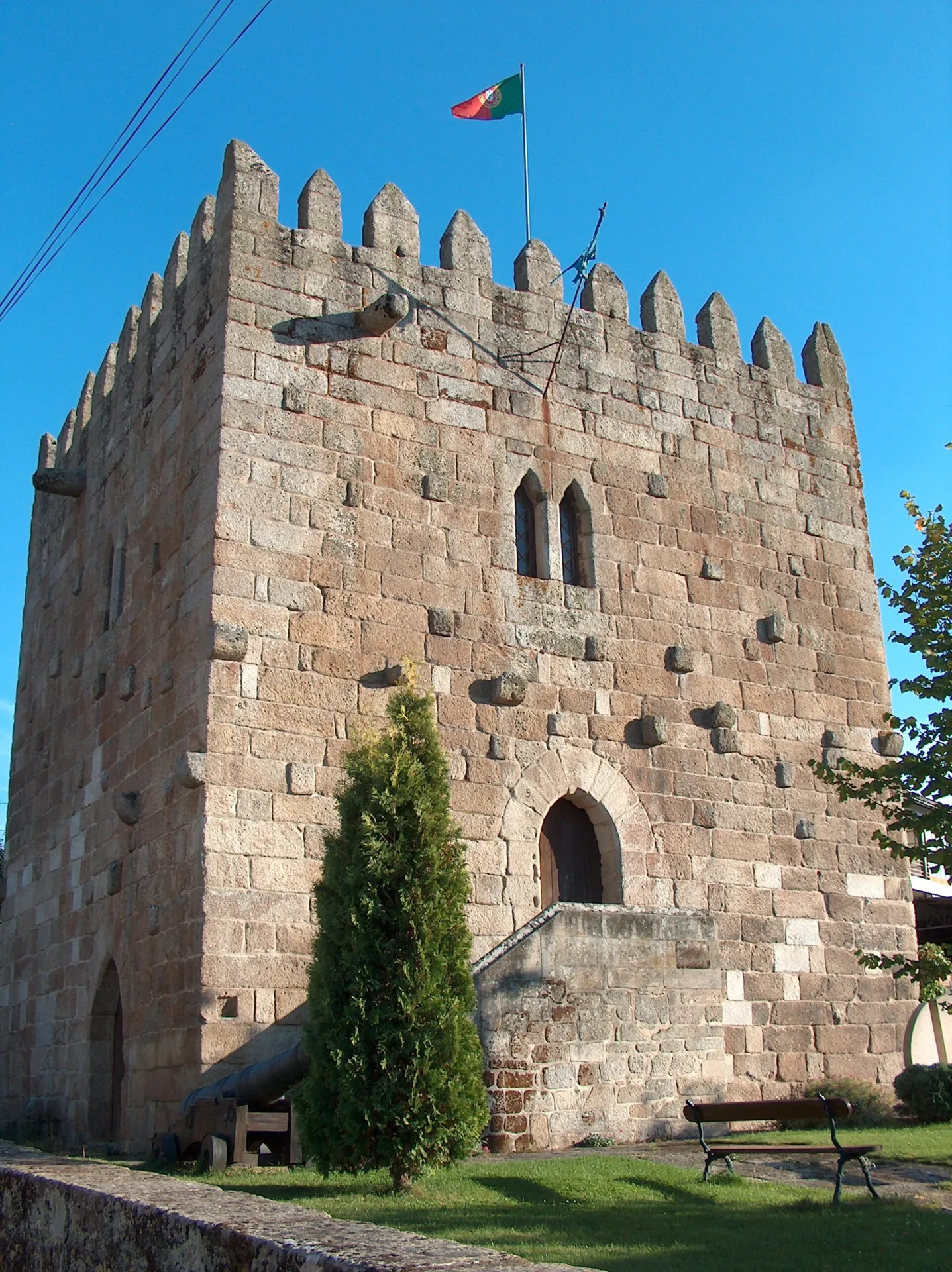
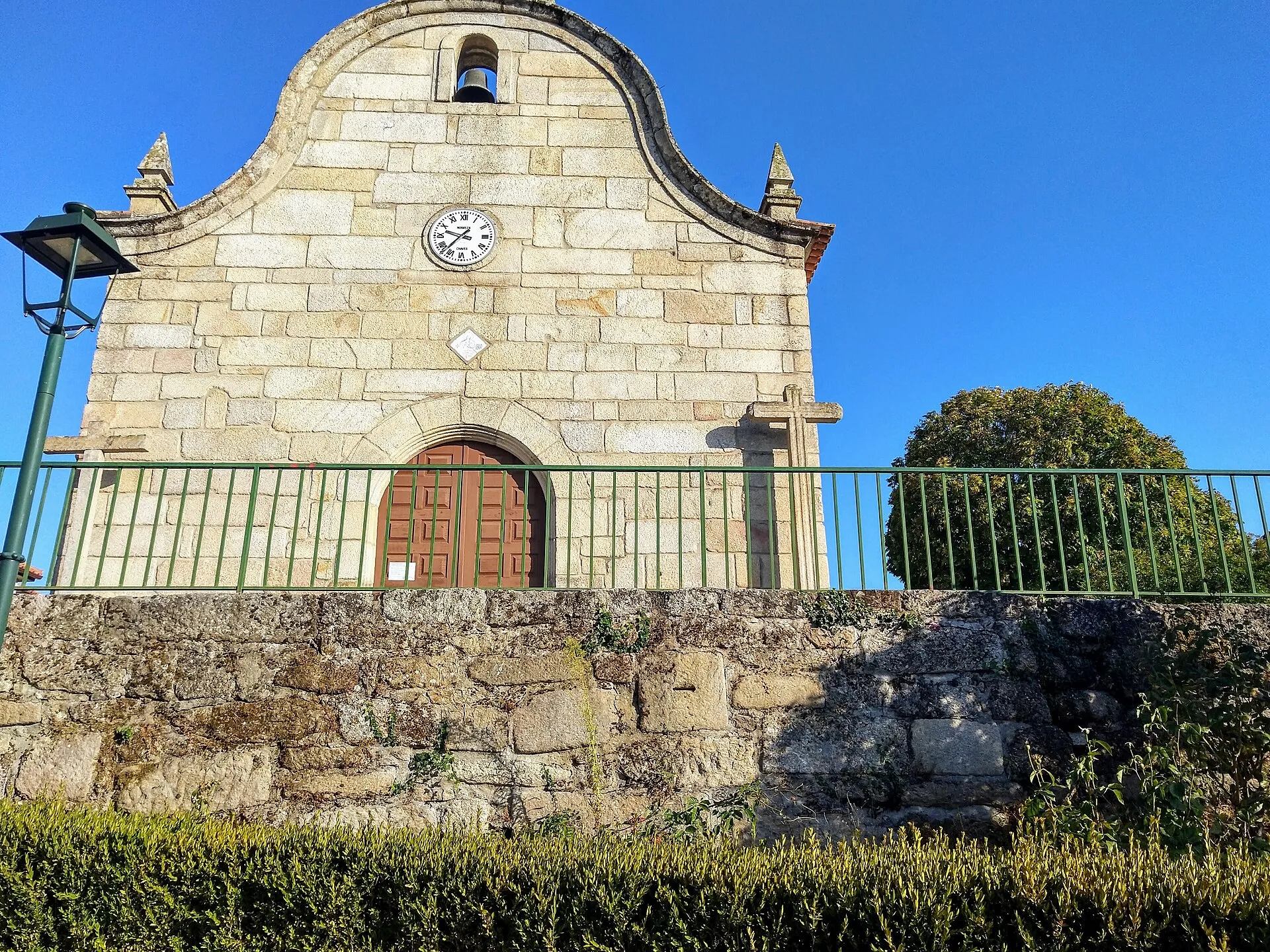
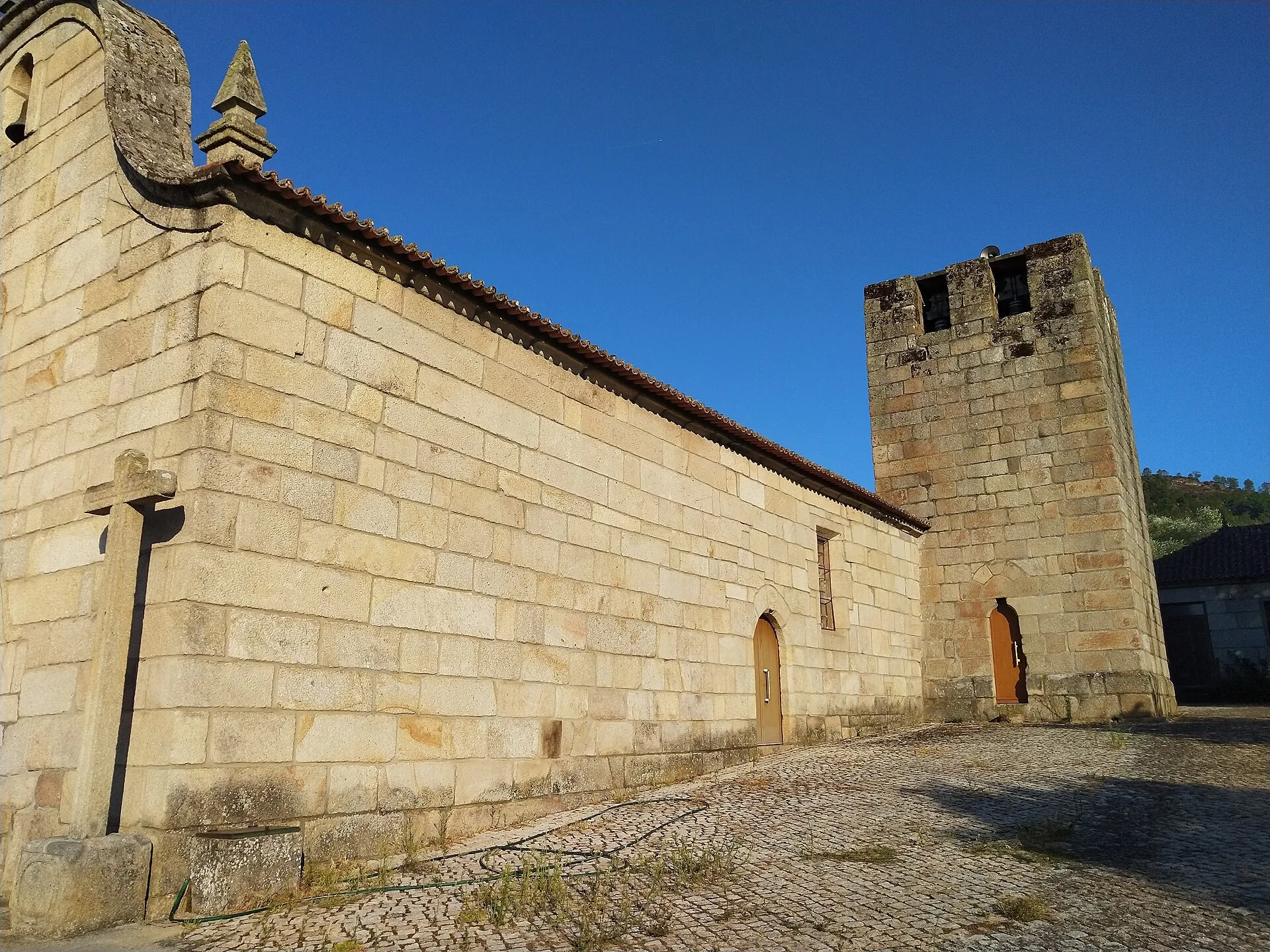
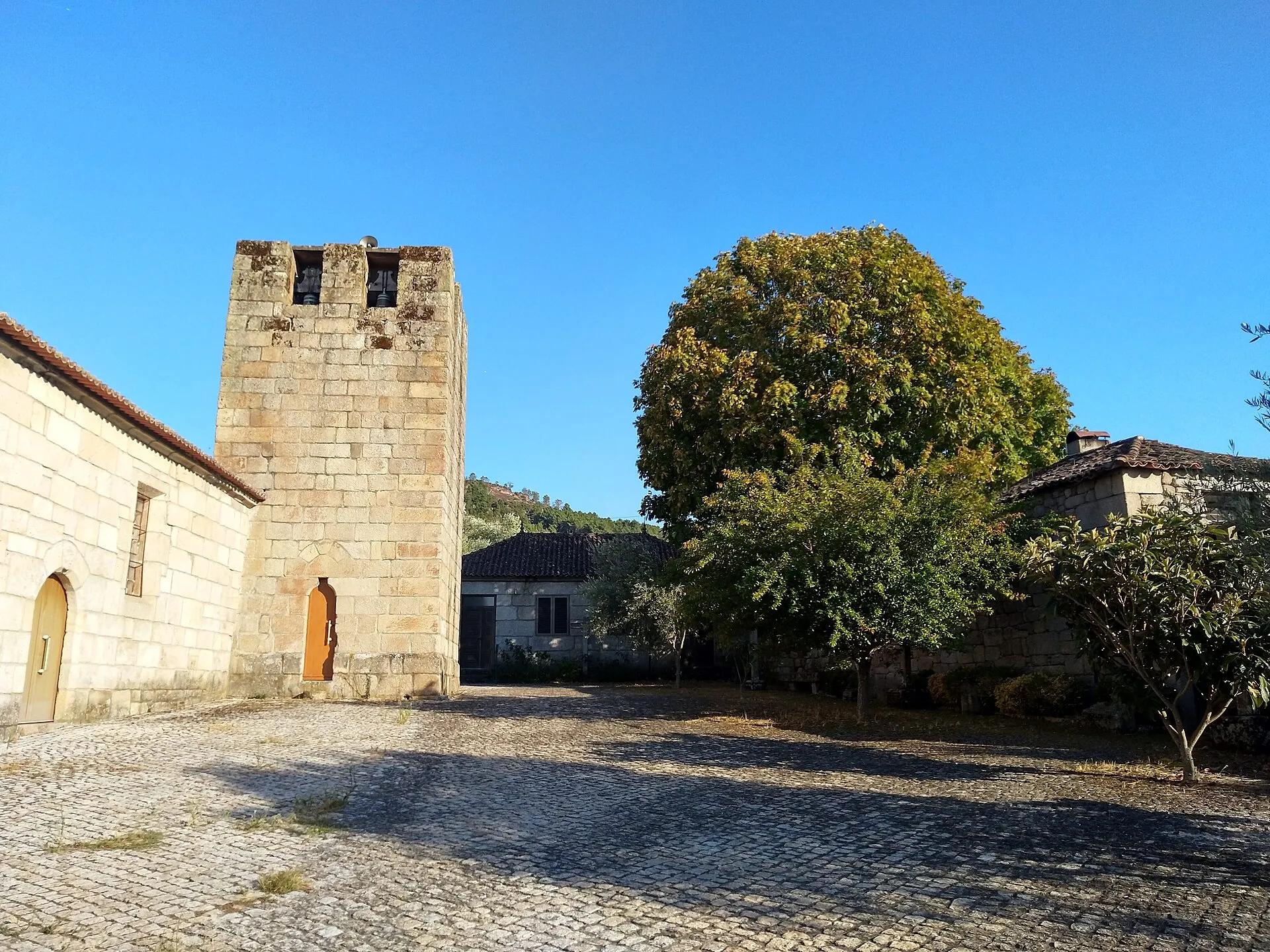
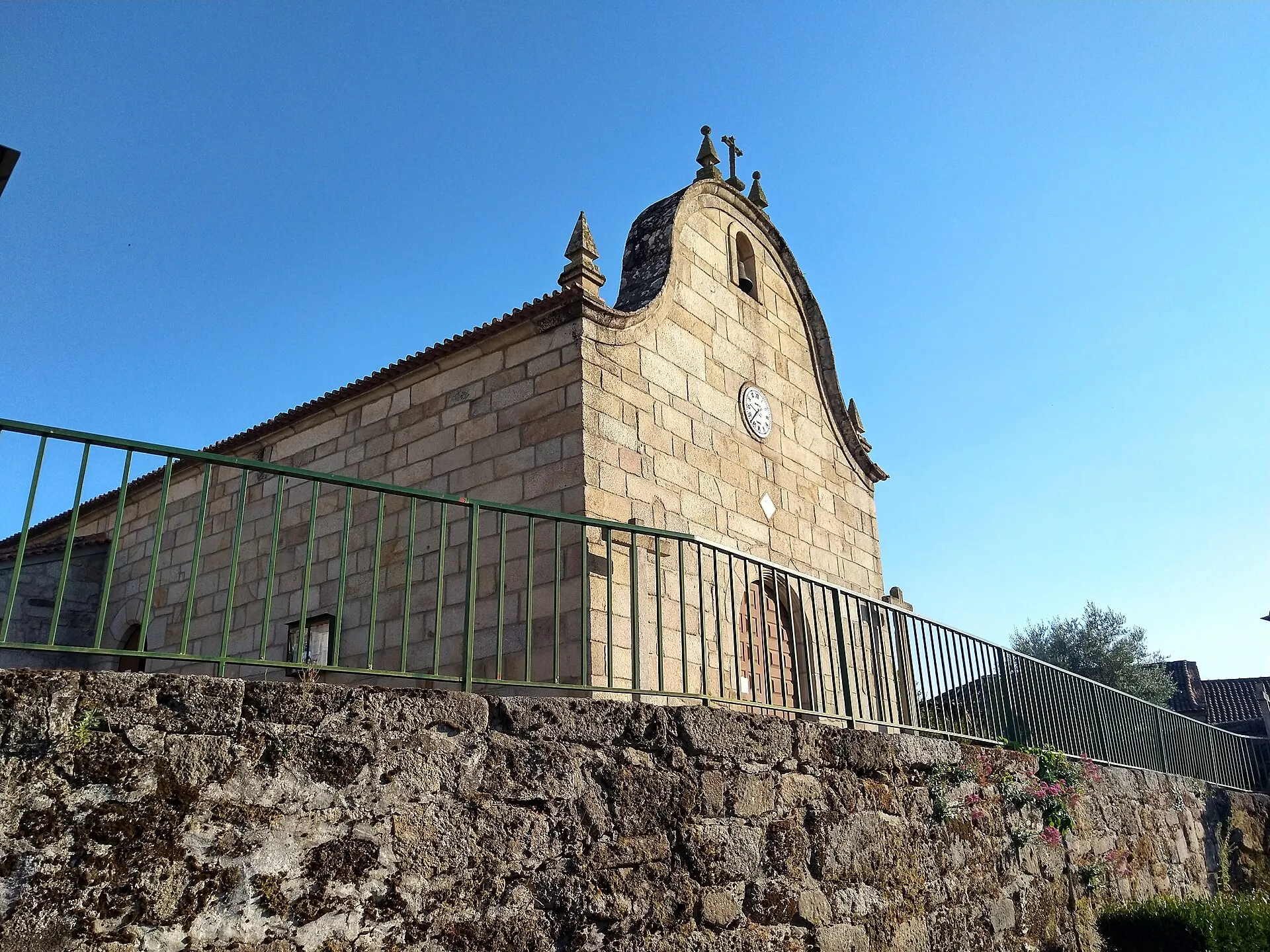
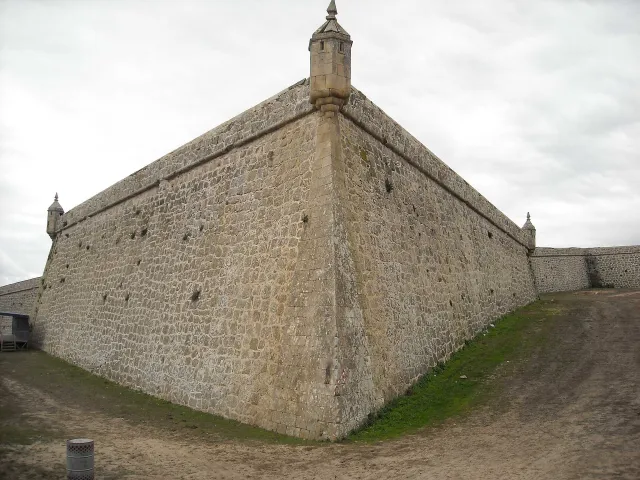
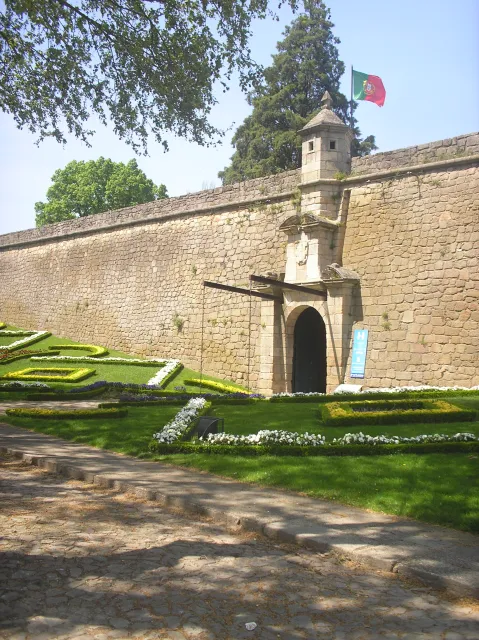
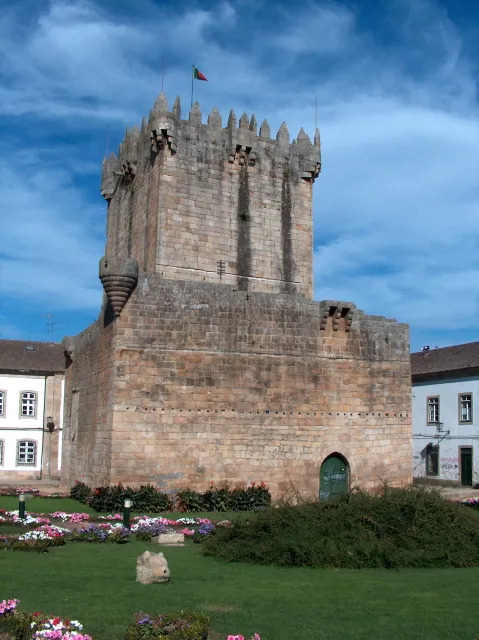
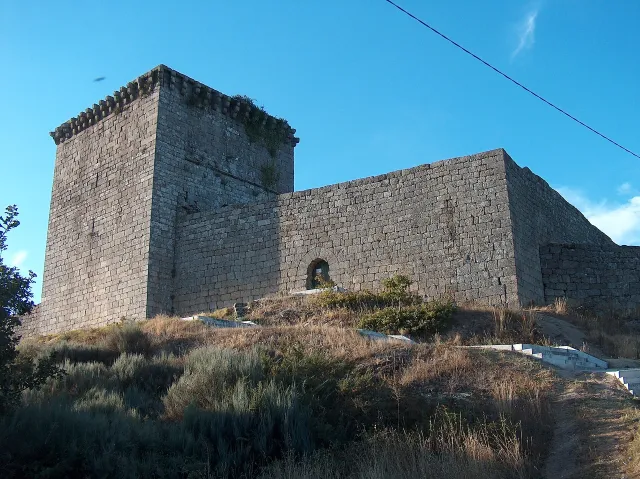
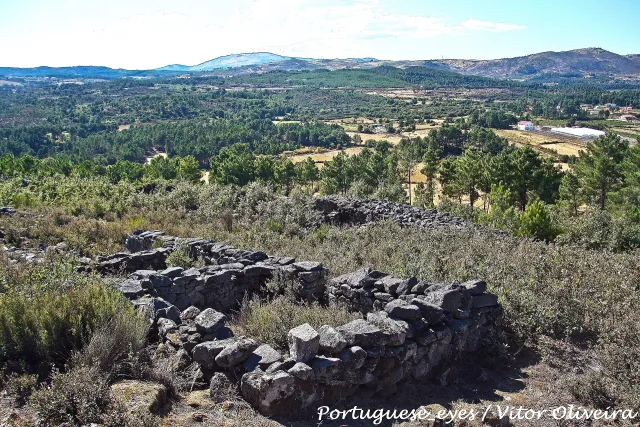
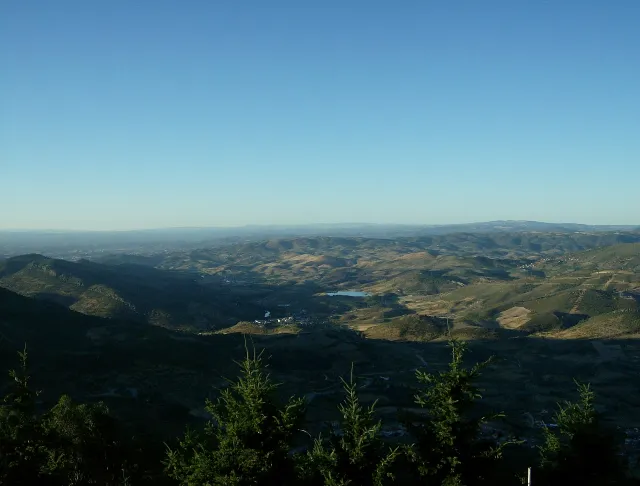
The first references to this location date to the 11th century, and suggest a rural property of great dimensions, that were eventually fortified.
During the Christian reconquest of the Iberian peninsula, the areas of Chaves (Aqua Flaviae) and Santo Estêvão were integrated into the dowry of Teresa of Leon and Castile, when she married Count Henry of Burgundy in 1093. In 1129, the region of Chaves was retaken by Muslim forces, but reconquered by Rui and Garcia Lopes in 1160, two brother-knights who offered their services to the first Portuguese king, Afonso I (1112-1185). The construction of the castle of Santo Estêvão began during his reign, his son and successor Sancho I (1185-1211).
Here they celebrated the wedding of Infanta Theresa (daughter of King Sancho I) and Alfonso IX of León, and was the home of several of Sancho's other daughters (D. Mafalda and D. Sancha); and his son, Infante D. Afonso, who succeeded the King.
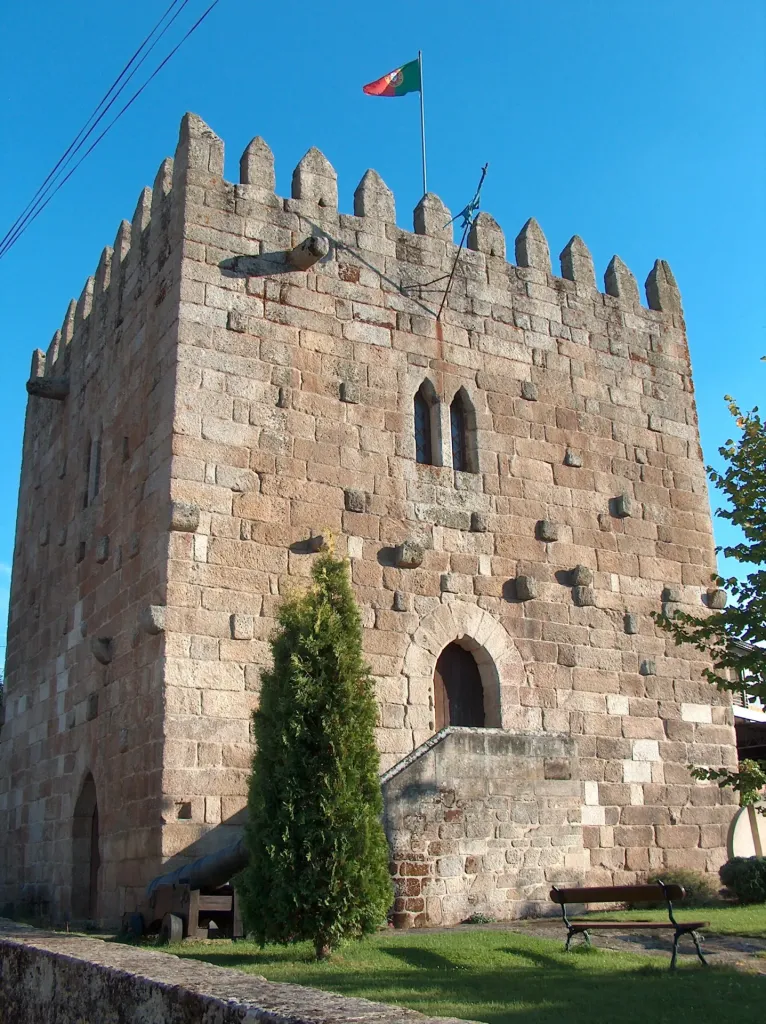
In 1212, the castle was captured by Alfonso IX under the pretext of defending the rights of Infanta D. Theresa. For the next 19 years, the fortress remained on the hands of Castile, but, eventually returned to the possessions of the Portuguese Crown in 1231, during the sequence of the peace of Sabugal. The strategic position to Santo Estêvão determined that Castile and Portugal would maintain contacts between the two Crowns, as in 1253. In that year, D. Afonso III came to Santo Estevão, to receive his future wife, the Infanta D. Beatriz, daughter of Alfonso X of León and Castile. The residences of the town was adapted to serve as citadel to receive the newlyweds, and later residence. These first years proved the strategic relevance of the locality along the frontier. The castle was a signeurial possession, with a tower connected to other dependencies, likely by long-since disappeared awnings.
Santo Estêvão received a foral (charter) in 1258 from King D. Afonso III. His son and successor, King Dinis, to await the arrival of his bride, Isabel, daughter of Pedro III of Aragon. At that time, this fortress belonged to his brother Martim Afonso, the "Chichorro".

 1 / 5