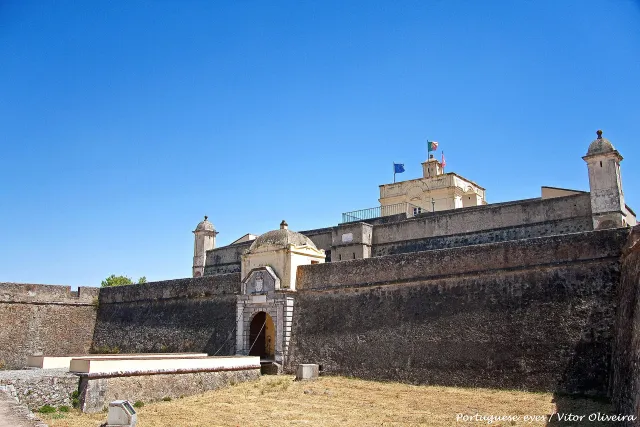
In 2014, the fort became part of a new project under the aegis of the Portuguese Ministry of National Defence, with the support of Turismo de Portugal (Portuguese Tourism), which features historical itineraries based on Portuguese heroes.
The strategic importance of the fort was demonstrated during the Portuguese Restoration War, when in 1658 Spanish troops occupied the site during the siege of the town of Elvas prior to the Battle of the Lines of Elvas on 14 January 1659.
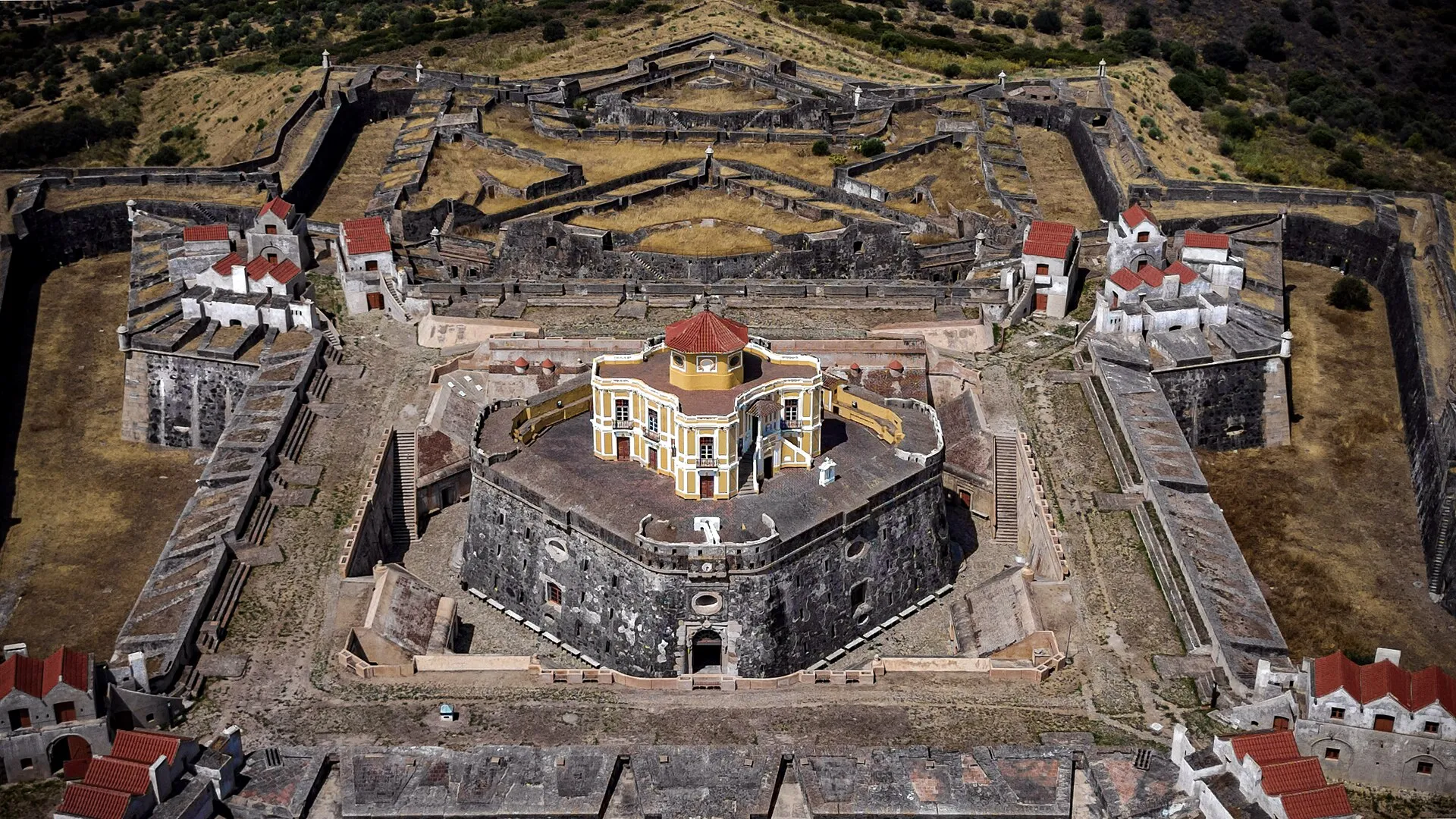
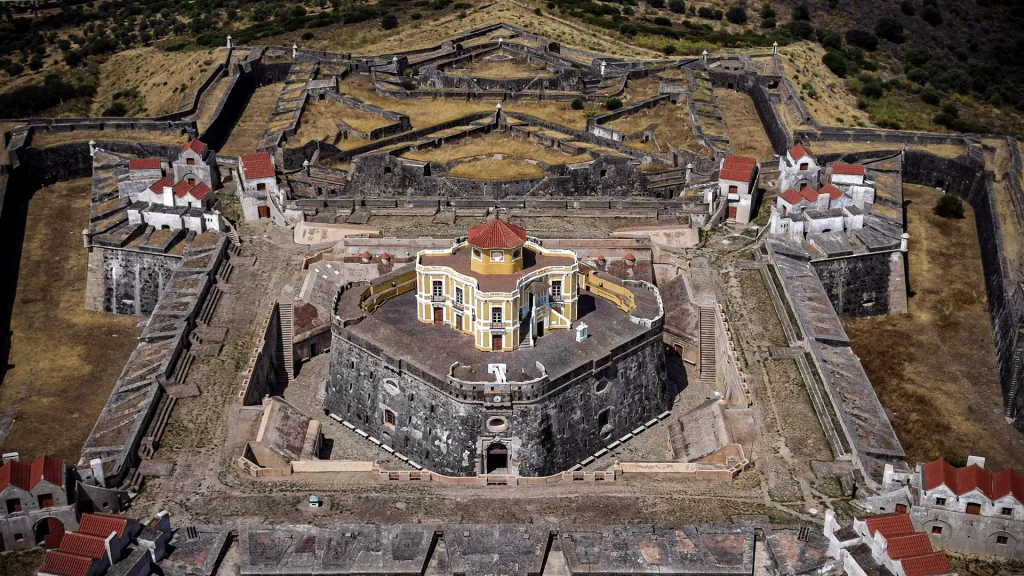
A century later, during the Seven Years' War (1756-1763) King Joseph I of Portugal and the Marquis of Pombal called on Marshal Lippe to reorganise the Portuguese army and draw up plans for the modernisation of the stronghold. He drew a nearly identical copy of his home fortress Wilhelmstein, which he built in 1761.
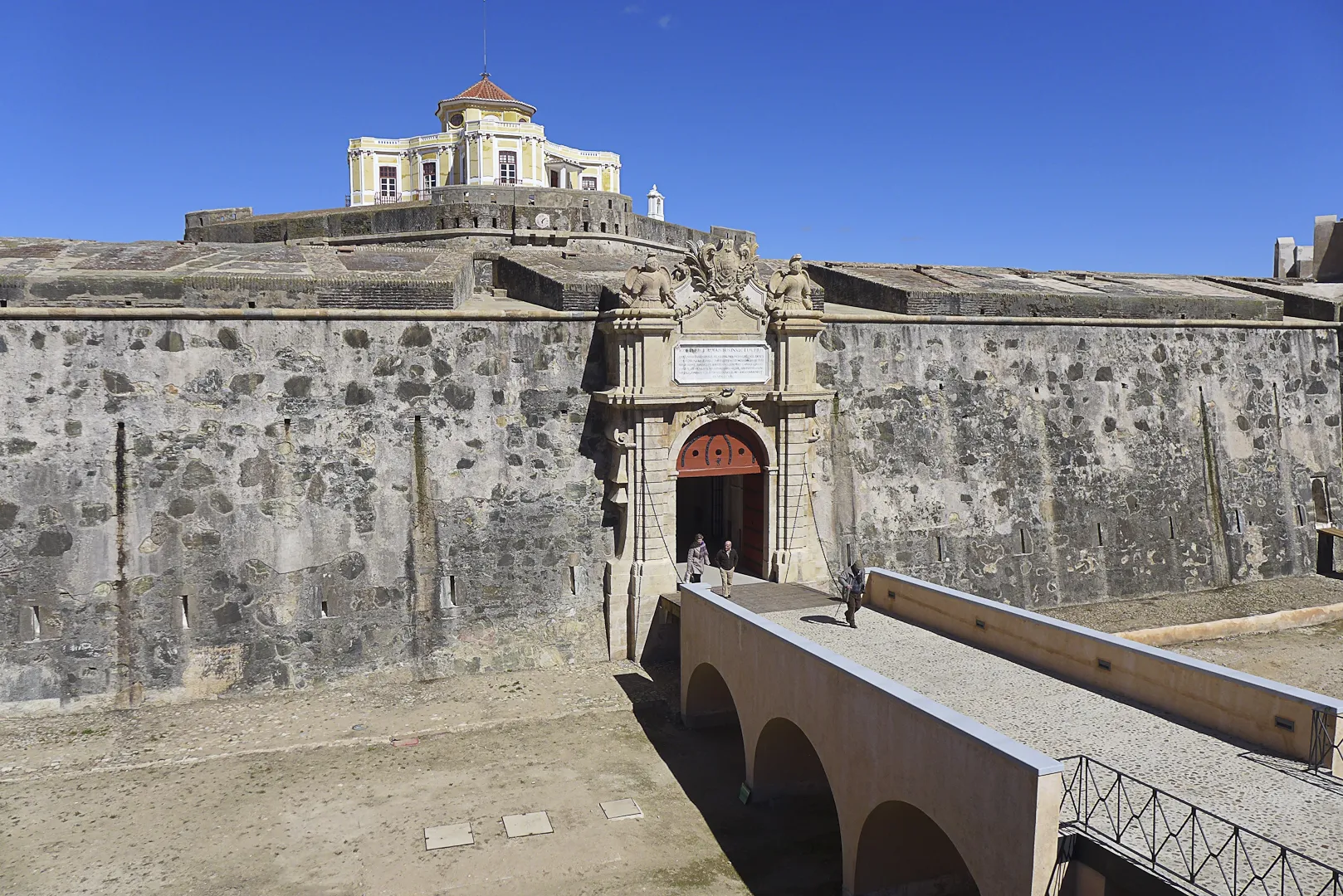
The work began in 1763 and continued into the reign of Maria I of Portugal (r. 1777–1816), with the fort reopening in 1792 under the name of Conde de Lippe Fort after its designer.
The fort resisted Spanish troops during the 1801 War of the Oranges and a later attack in 1811 during the Peninsular War by the troops of Marshall Jean-de-Dieu Soult.
In September 1808, when the Spanish General Galluzzo heard of the signing of the Convention of Cintra, under which the defeated French were allowed to evacuate their troops from Portugal, he refused to acknowledge it. Instead he proceeded to carry out "a trifling bombardment of La Lippe from an immense distance, and the utmost damage sustained or likely to be sustained by that fortress, was the knocking away the cornices and chimneys of the governor's house, every other part being protected by bomb proofs of the finest masonry." The French commander of the La Lippes's garrison, Captain Girod de Novillars, held out against the Spanish until late November when the 1,200 French troops inside marched out following the arrival of the British.

 1 / 4