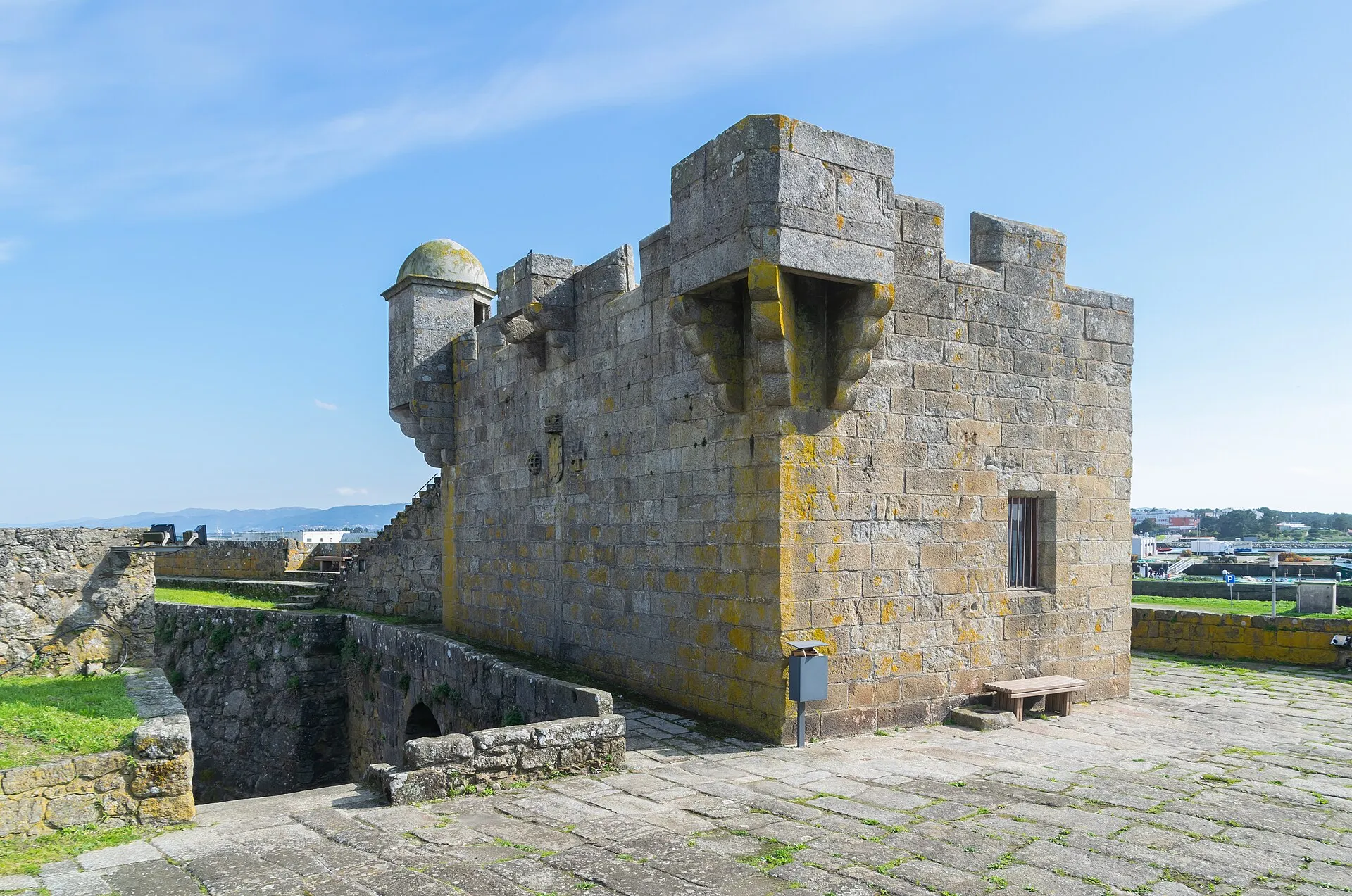
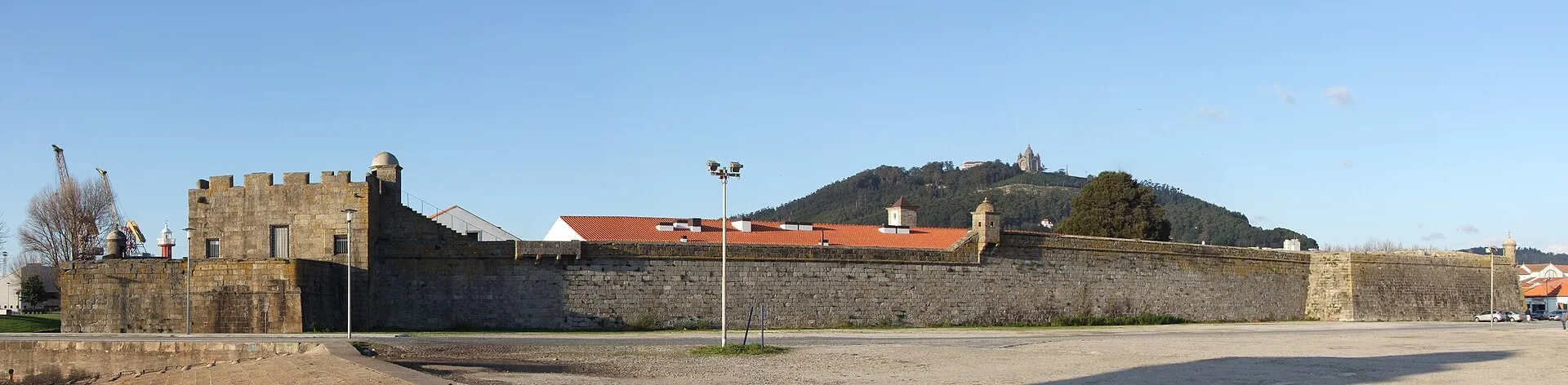
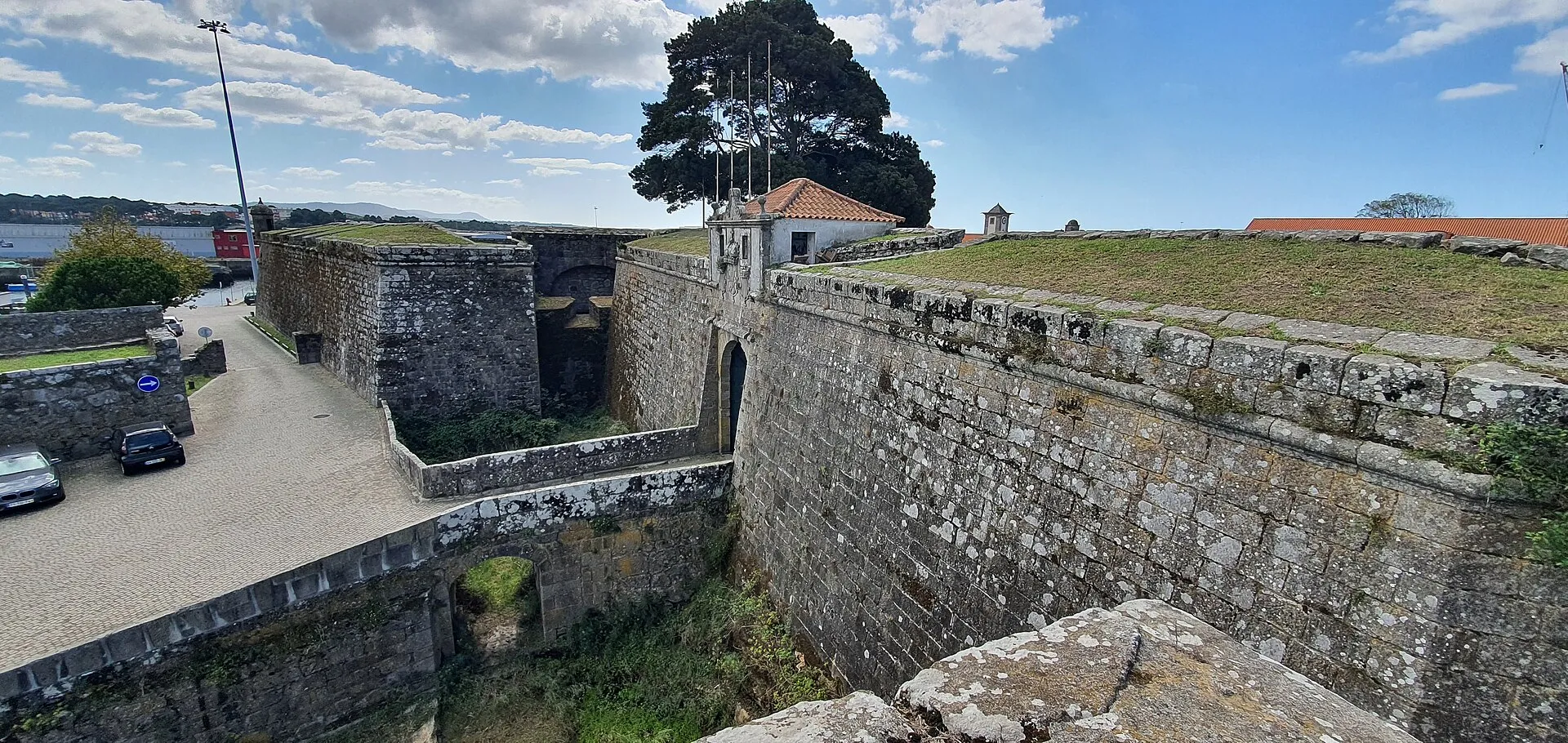
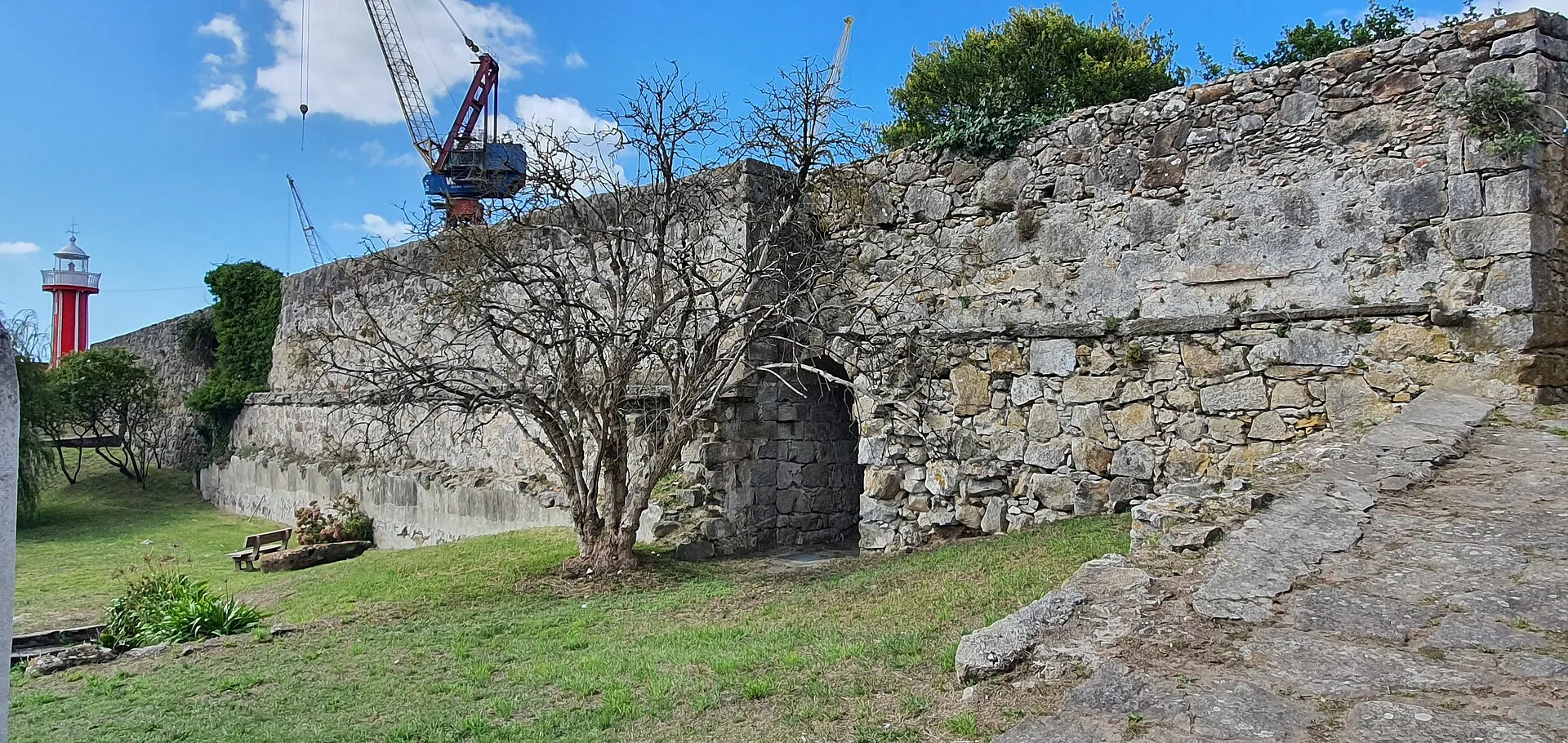
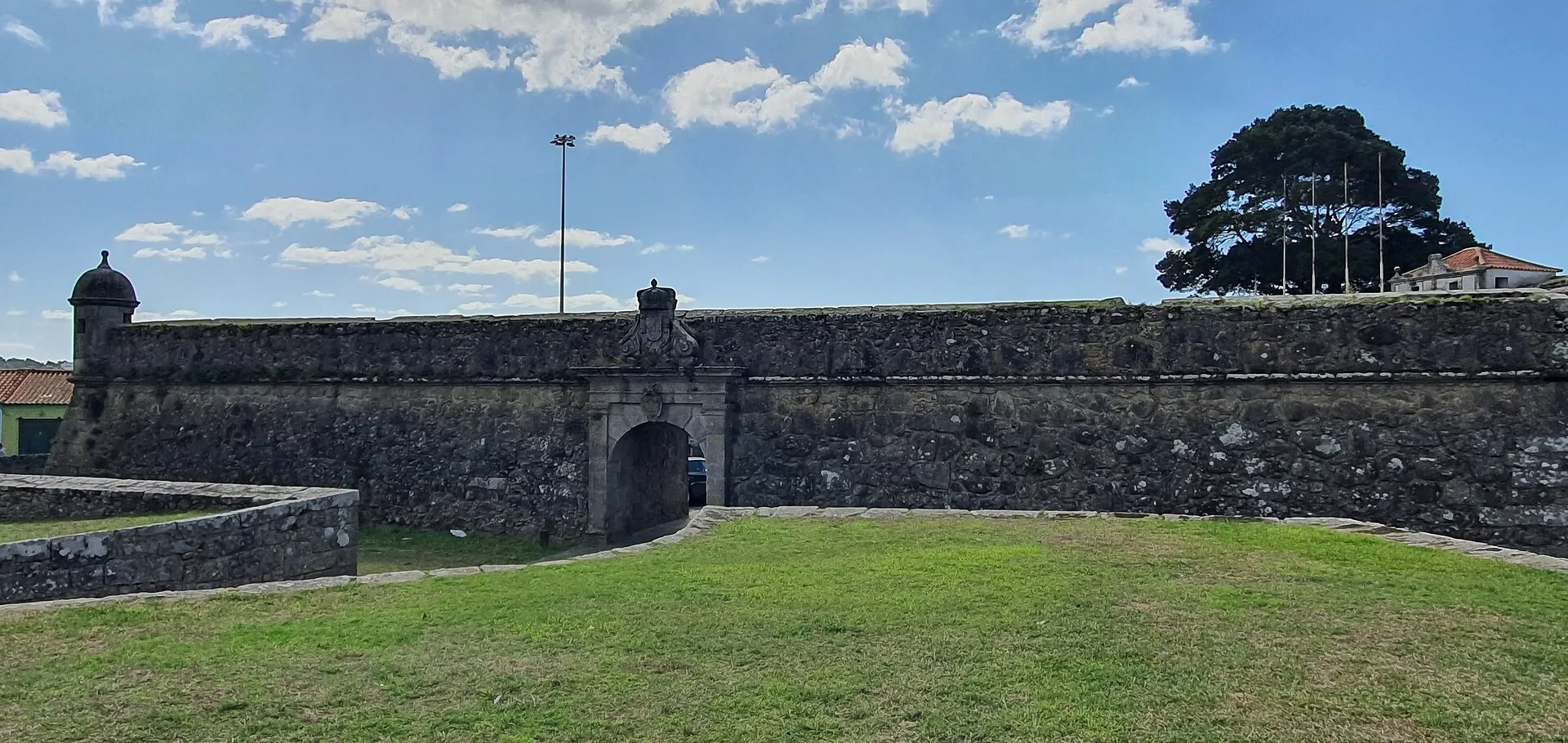
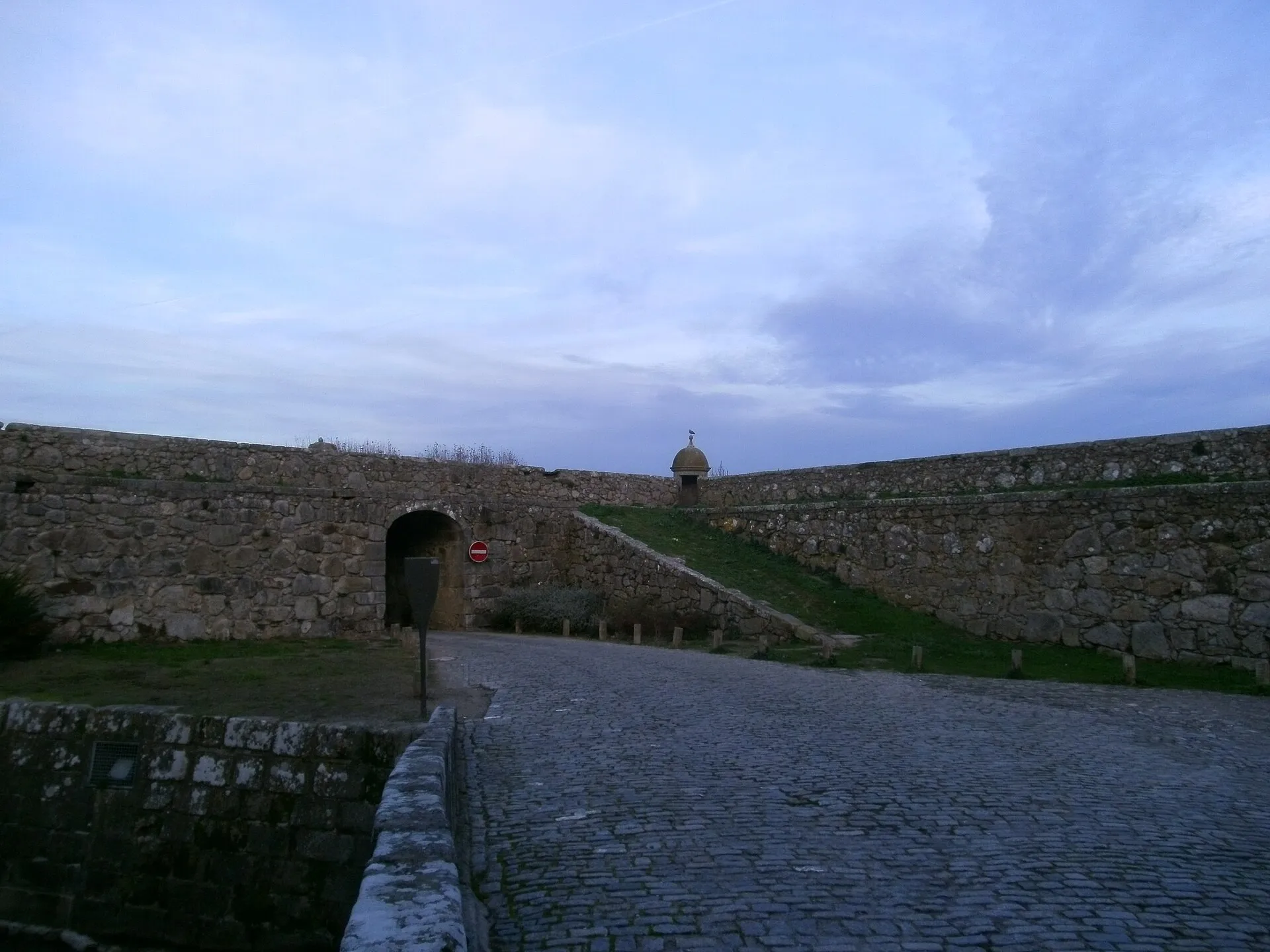
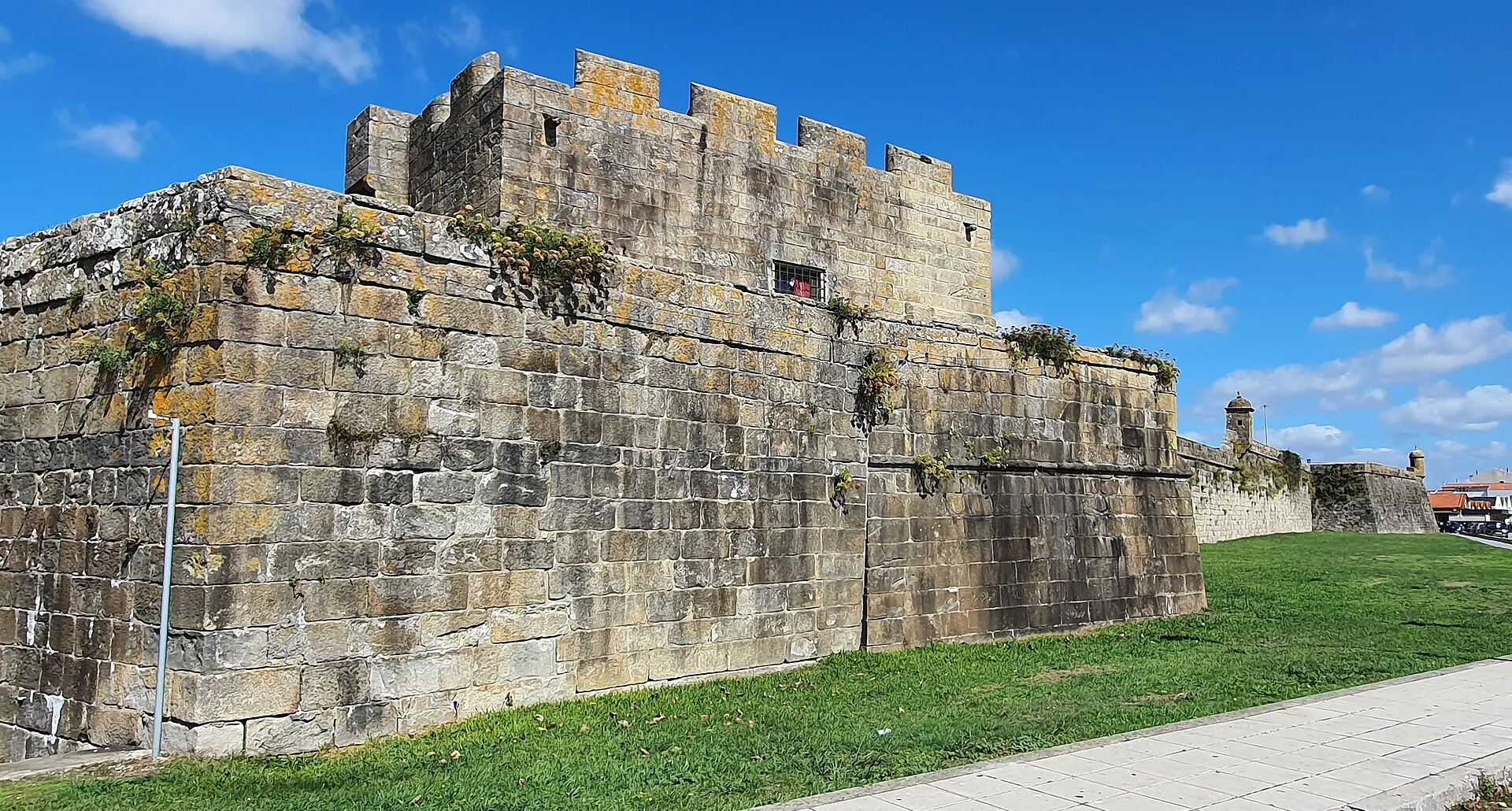
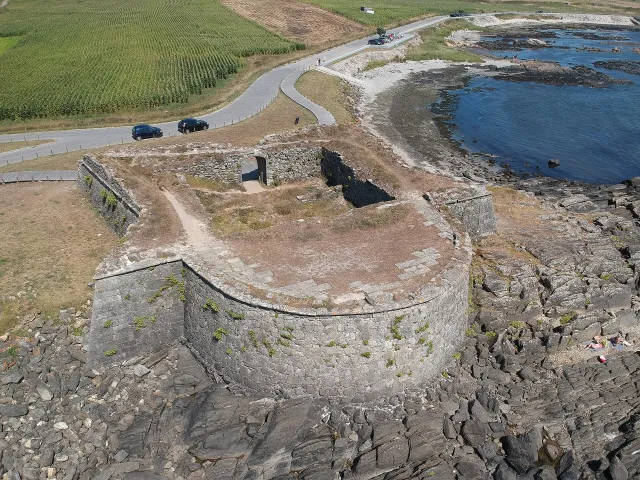
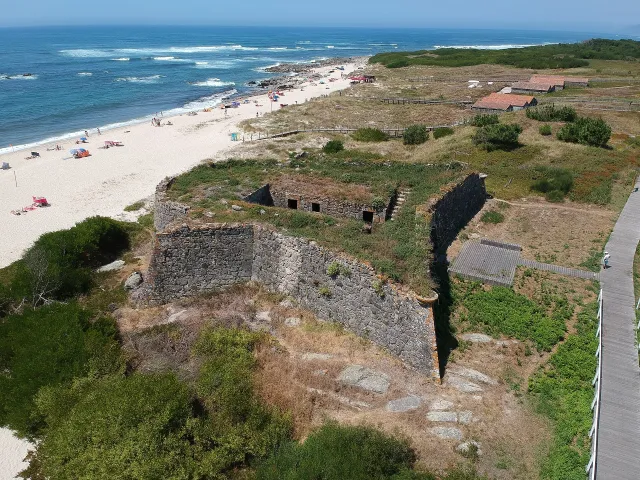
In a dominant position on the right bank of the bar of the river Lima, its purpose was to defend the anchorage and village of Viana da Foz, now the city of Viana do Castelo.
It was once one of the most important fortresses in the northwestern coast of Portugal. It is classified as a Property of Public Interest by Decree published on January 24, 1967.
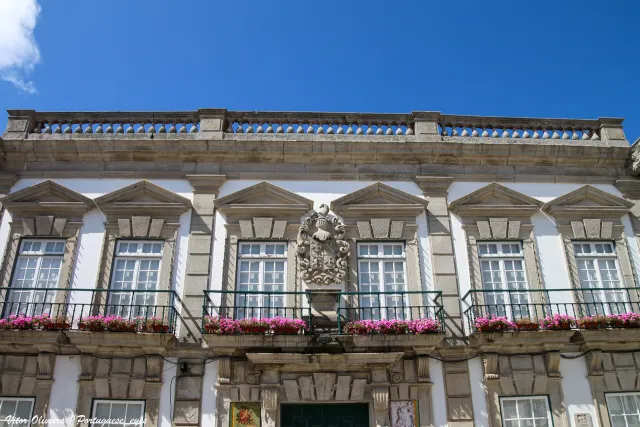
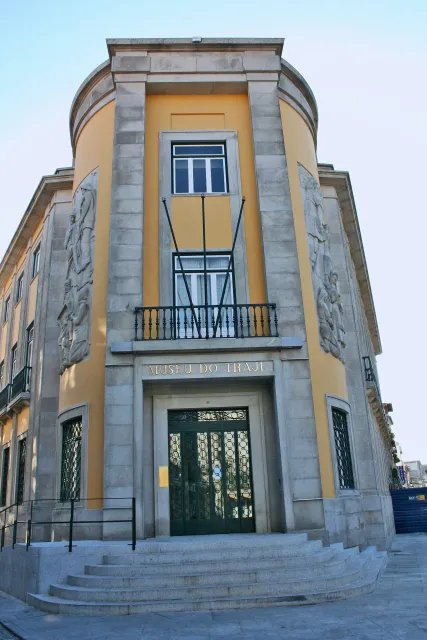
The Viana do Castelo Hotel and Tourism School founded in 2007 currently operates in the fort.
King Afonso III of Portugal (1248–1279) founded the town of Viana, granting it a Charter in 1258, later confirmed in 1262. Aiming at the defense and development of that stretch of coastline, by promoting mercantile and fishing activities, its inhabitants were granted tributary privileges, with the duty to defend the mouth of the river Lima.
The defensive perimeter of the nascent town, into which the keep was inscribed, included walls: its limits are unknown today, but it is believed that they were completed at the end of the 14th century, when it became a flourishing borough.
In the mid-15th century, Viana da Foz do Lima became one of the country's major seaports, maintaining trade with ports in Galicia, France and Flanders. The resulting prosperity materialized in the increase of the population and the urban fabric, surpassing the primitive medieval walls.
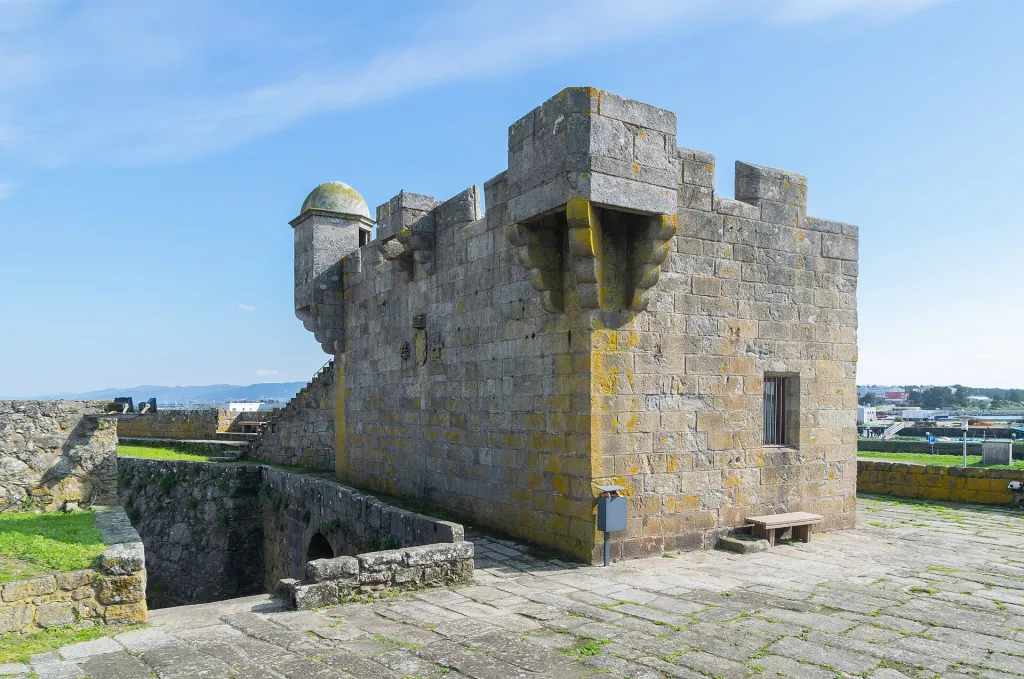
Once sea route to India was opened, in order to protect navigation on the Lima mouth, around 1502 King Manuel I (1495–1521) determined the construction of a bastioned tower, in the countryside of Santa Catarina, west end of the village called Roqueta Tower. It was similar to the Cascais Bastion (began in 1498), and it would anticipate the Belém Tower (built in 1515) defending of the mouth of the Tagus. Its name may have been derived from stone-shooting artillery pieces. This early structure had a bulwark facing the river Lima, later demolished.

 1 / 7