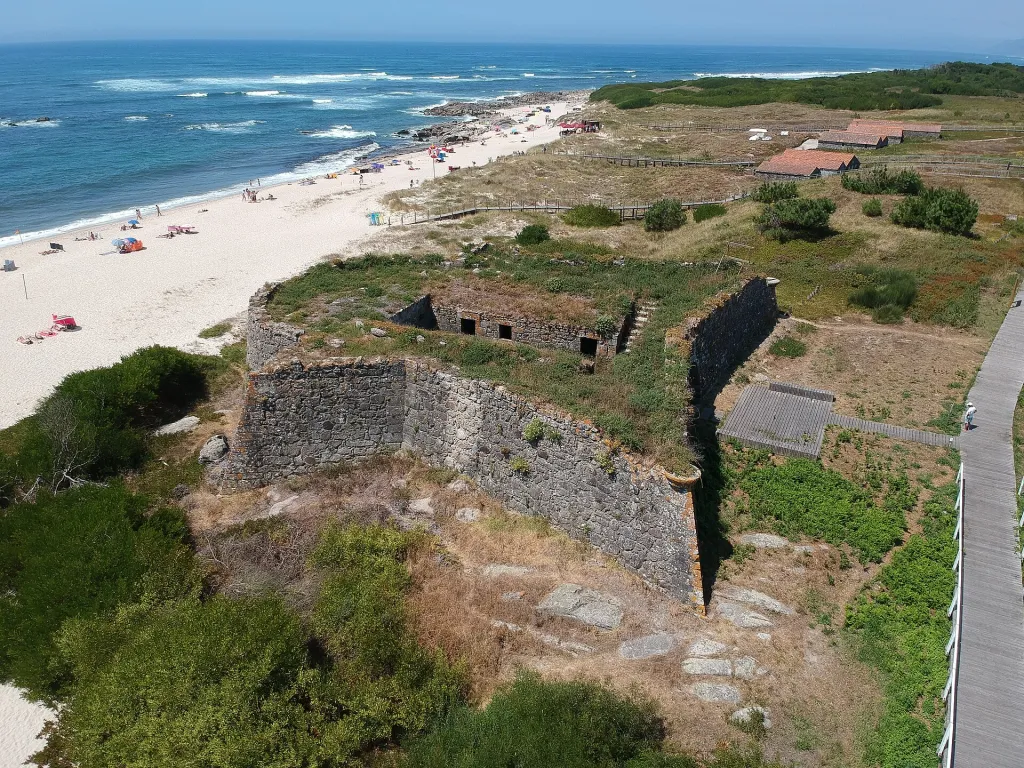
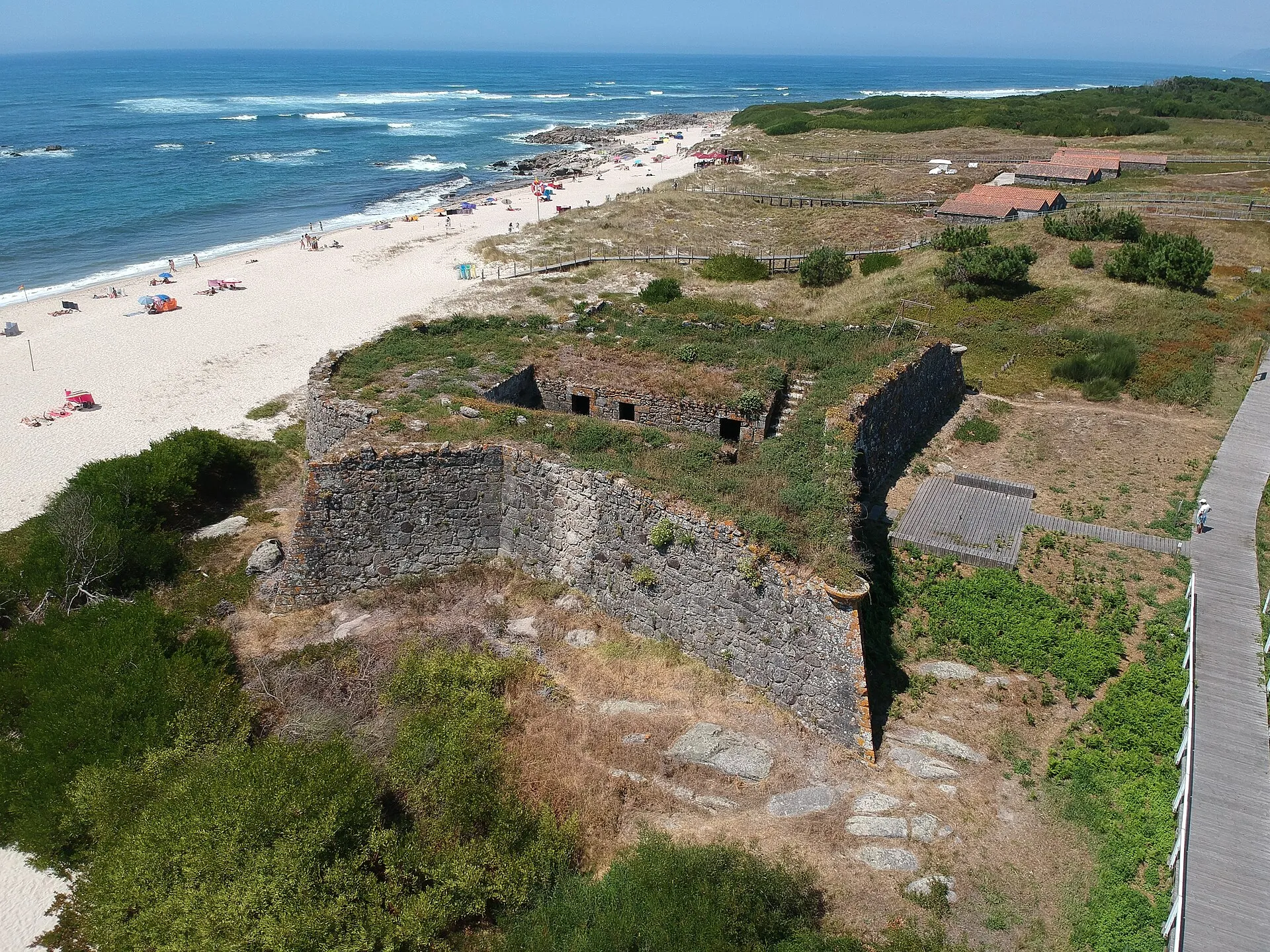
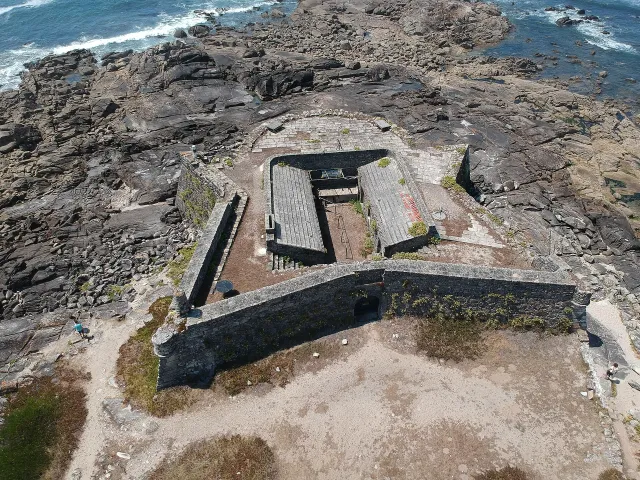
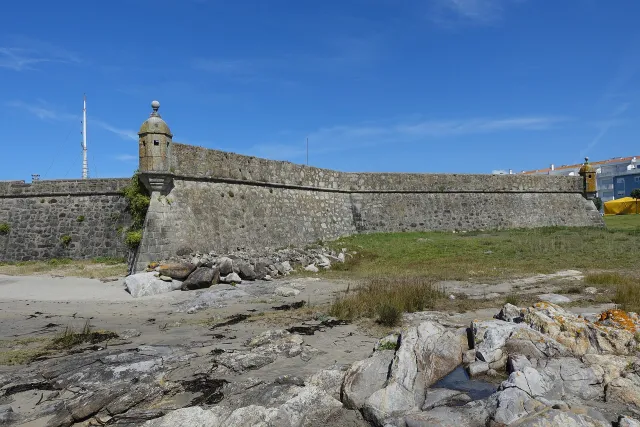
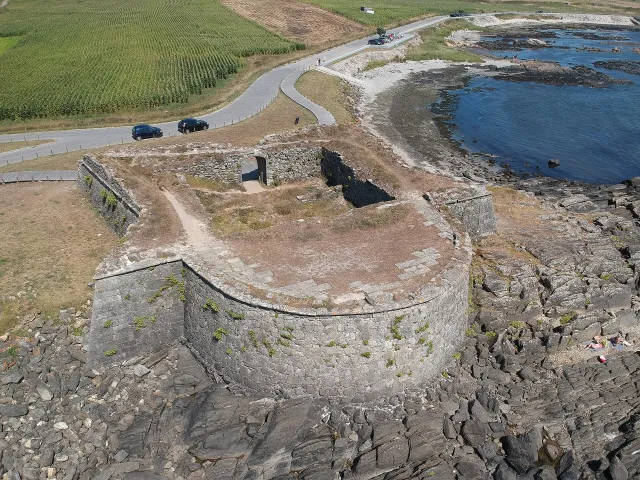
With the end of the War of Restoration (1640-1668), it was one of three similar forts built along the coast between Caminha and Viana do Castelo with the aim of strengthening the defense of the Atlantic coast of Alto Minho, vulnerable to possible attacks by pirates or the Spanish navy, the others being the Fort of Cão in Gelfa and Fort of Lagarteira in Vila Praia de Âncora. These were added to the Ínsua Fort, built during that conflict to defend the mouth of the Minho River.
At the time, existing fortifications such as the Valença fortress, the Castle of Vila Nova de Cerveira and the fort Santiago da Barra were renovated. To complement the defense of the left (south) bank of the Minho River, the Fort São Francisco de Lovelhe was built in Vila Nova de Cerveira.
In 1984, the property was handed to the Regional Tourism Board (since extinct), when it was considered for tourist and cultural use. In 1995, a project was prepared, by the architect Luís Teles, to adapt the fort to a restaurant, later replaced by another project, by the same architect, for the installation of an interpretation and support center for environmental routes.
In 2004 the property underwent conservation and restoration intervention.