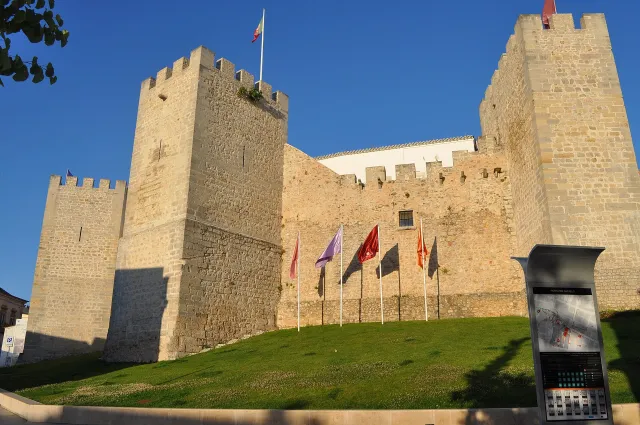
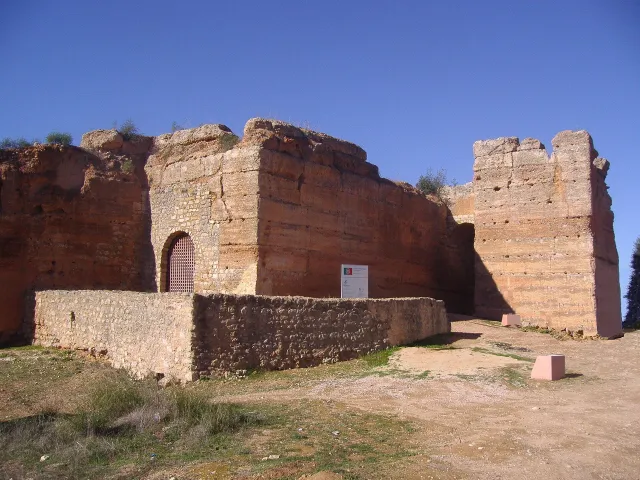
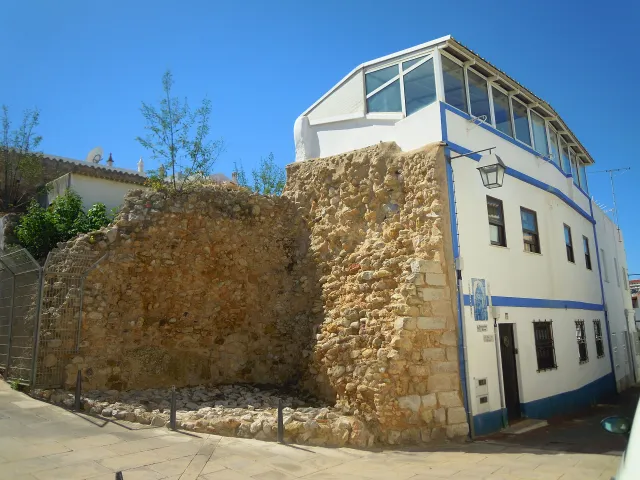
Salir enters the compiled documents of the Portugaliae Monumenta Historica, as the name of a place taken by commander Paio Peres Correia. The master was to await the arrival of Afonso (1248–1279) so that they could unite their forces and remove the last vestiges of resistance in the Algarve. Consequently, the fortification of Salir, within this context, had a strategic role. Later, a fire destroyed the castle, which was reconstructed two times, before actually falling into ruins.
Around 1505, there were less than 87 residential homes in Salir.
By the end of the 16th century, the castle was already abandoned and in a state of ruins.
In 1758, there were 11 homes in Salir, likely due to the 1755 Lisbon earthquake which caused damage to the castle and surrounding countryside.
The civil parish of São Sebastião de Salir had approximately 408 homes in 1798.
The slow deterioration of the castle was, by 1841, semi-complete, as reports from the site suggest that the structure was in ruins.
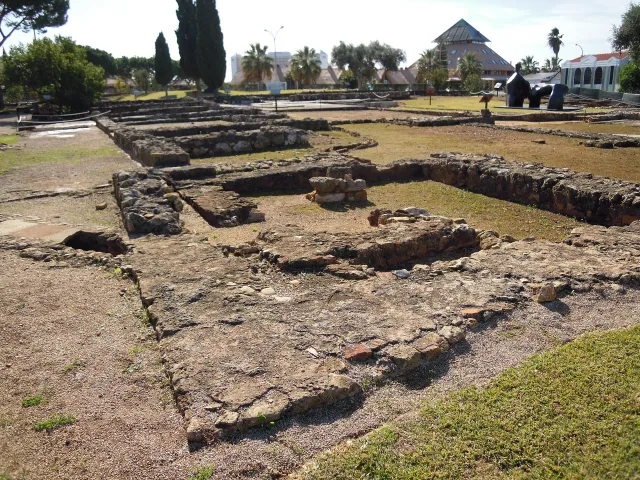
The first archaeological investigation of the castle and surroundings began in 1987.
Salir was elevated to the status of town in 1993.
Salir received its name, from the "disappearance" of the daughter of the Moorish alcalde Aben-Fabilla, so a legend suggests, who escaped when he saw his castle being threatened by the army of Afonso III. But, before fleeing, the alcalde buried all his gold, thinking that he could retrieve it later.