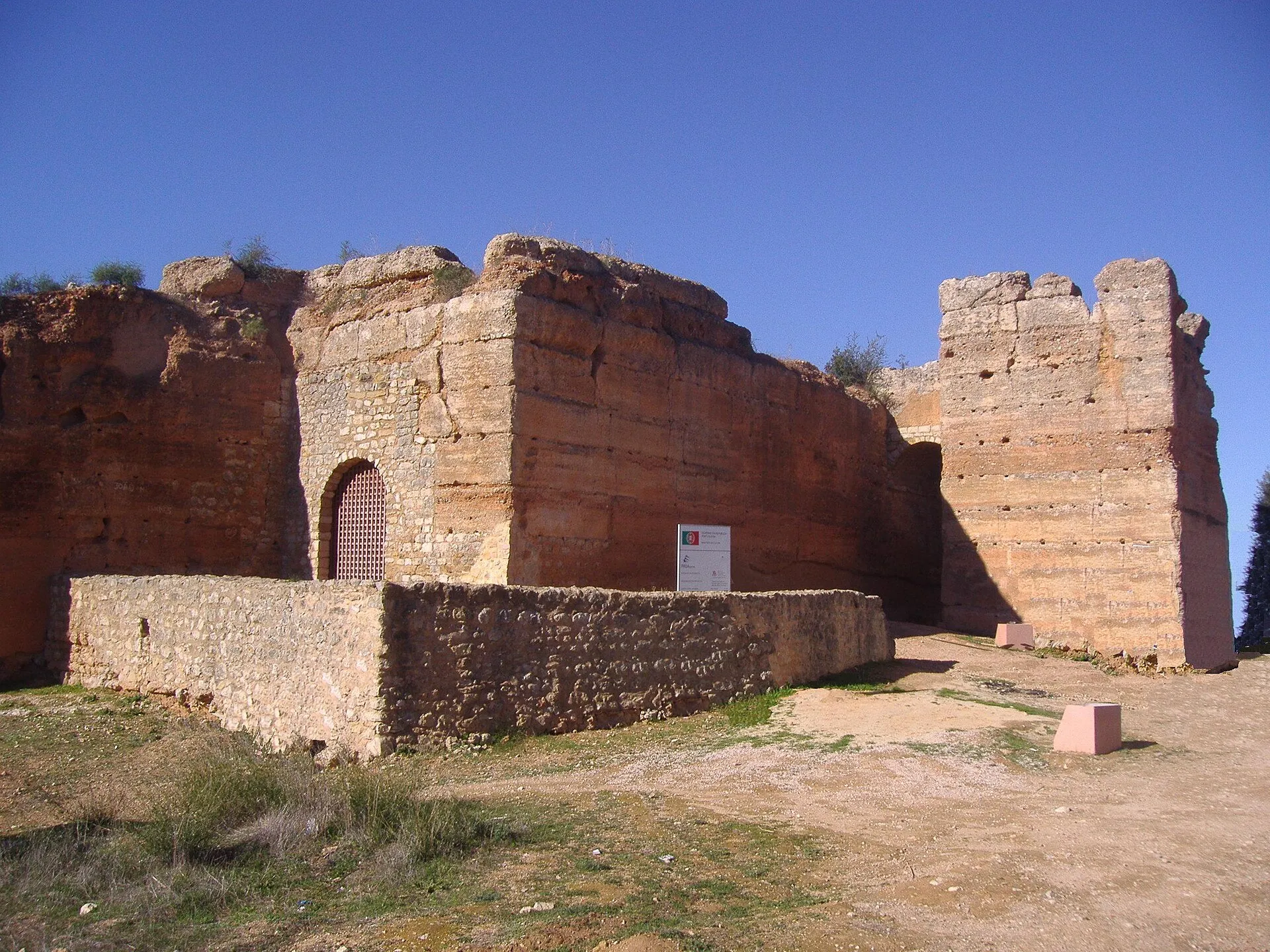
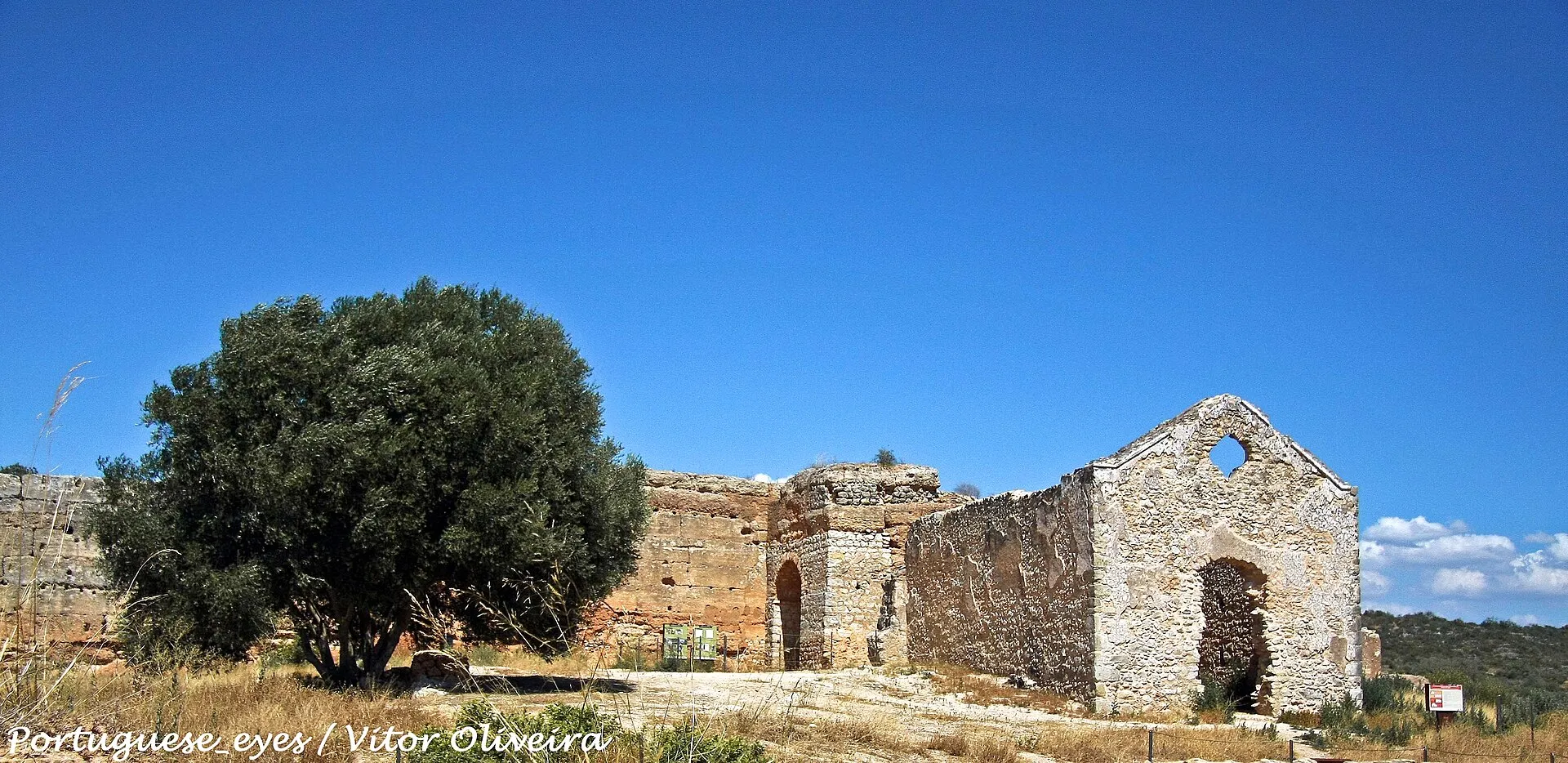
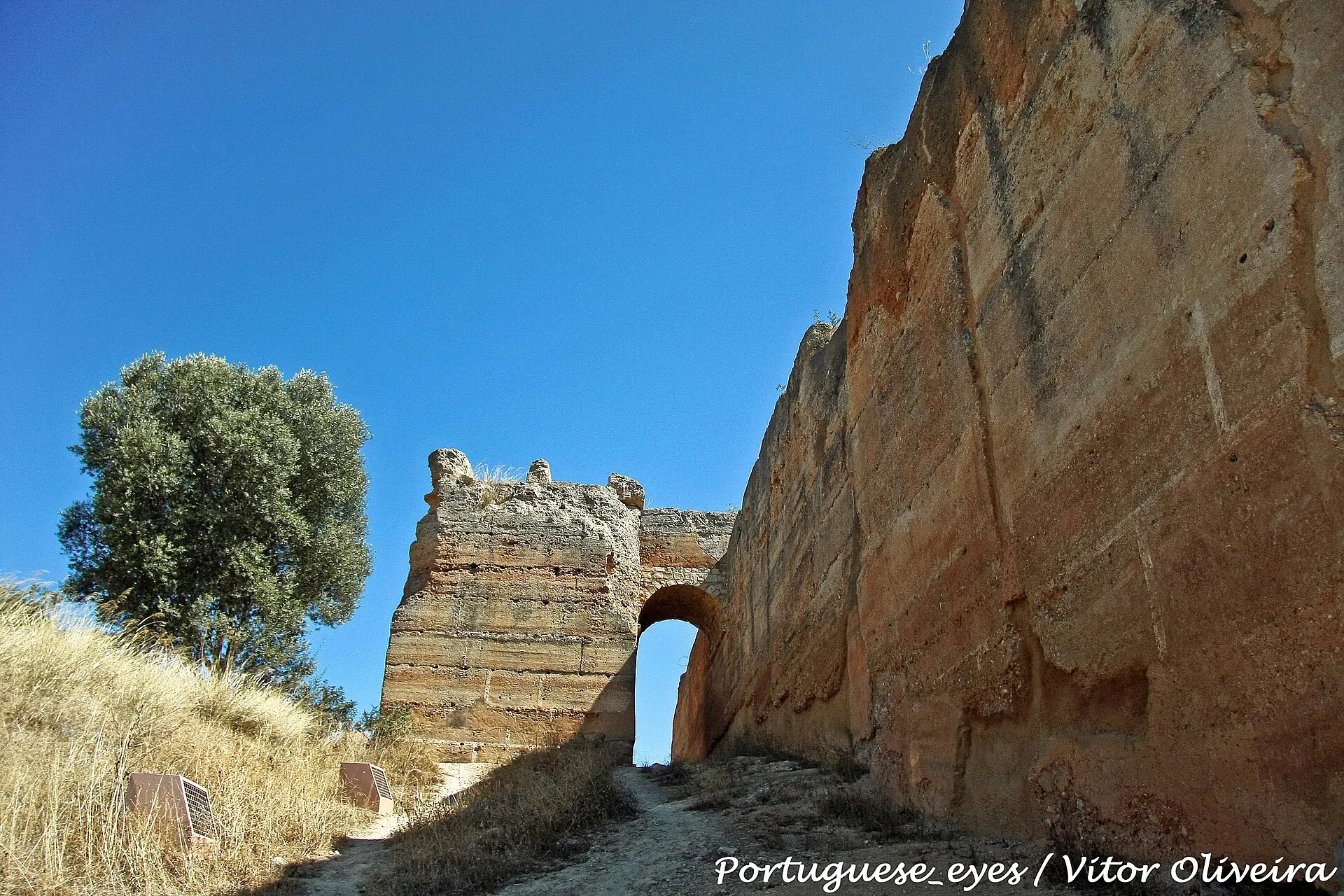
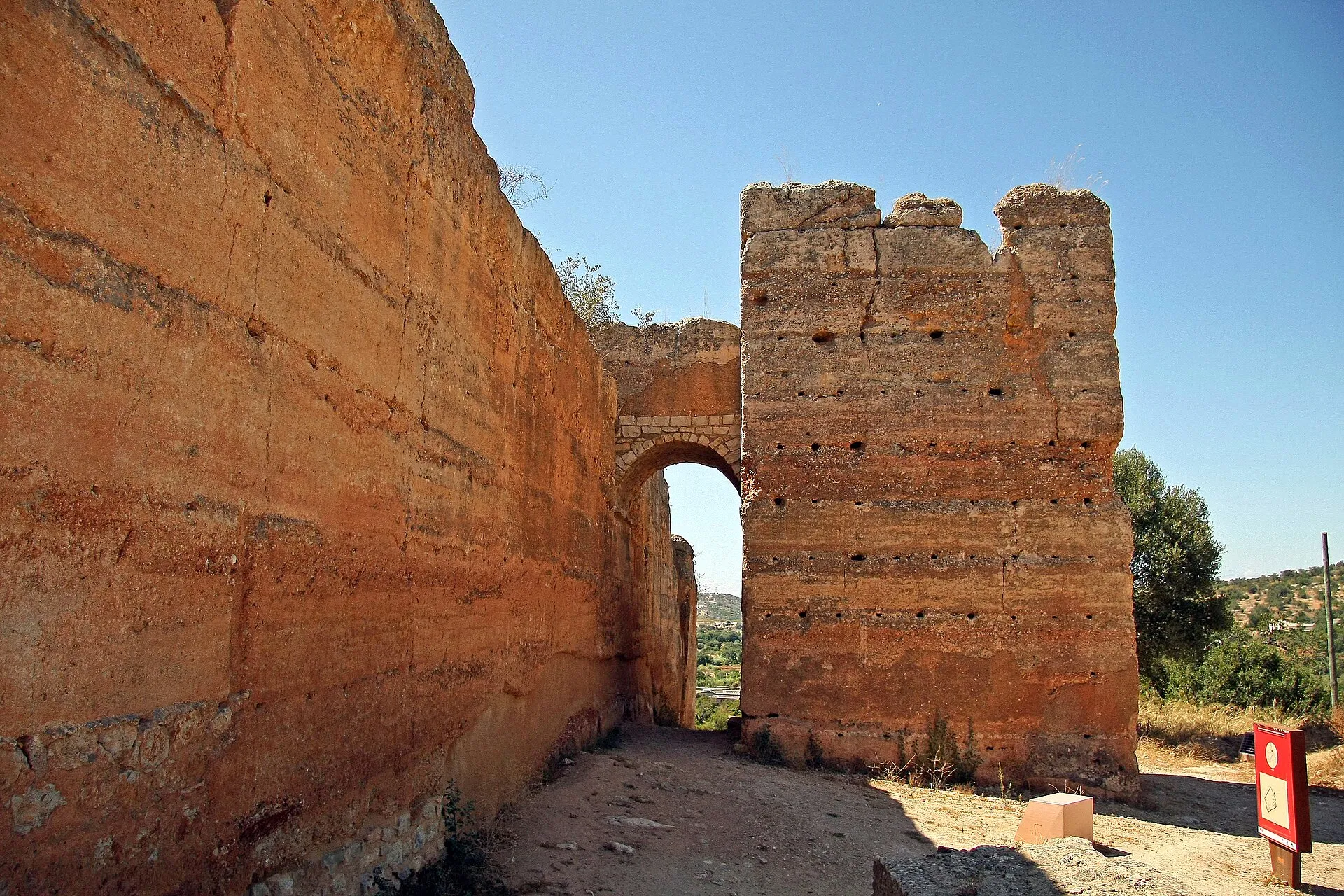
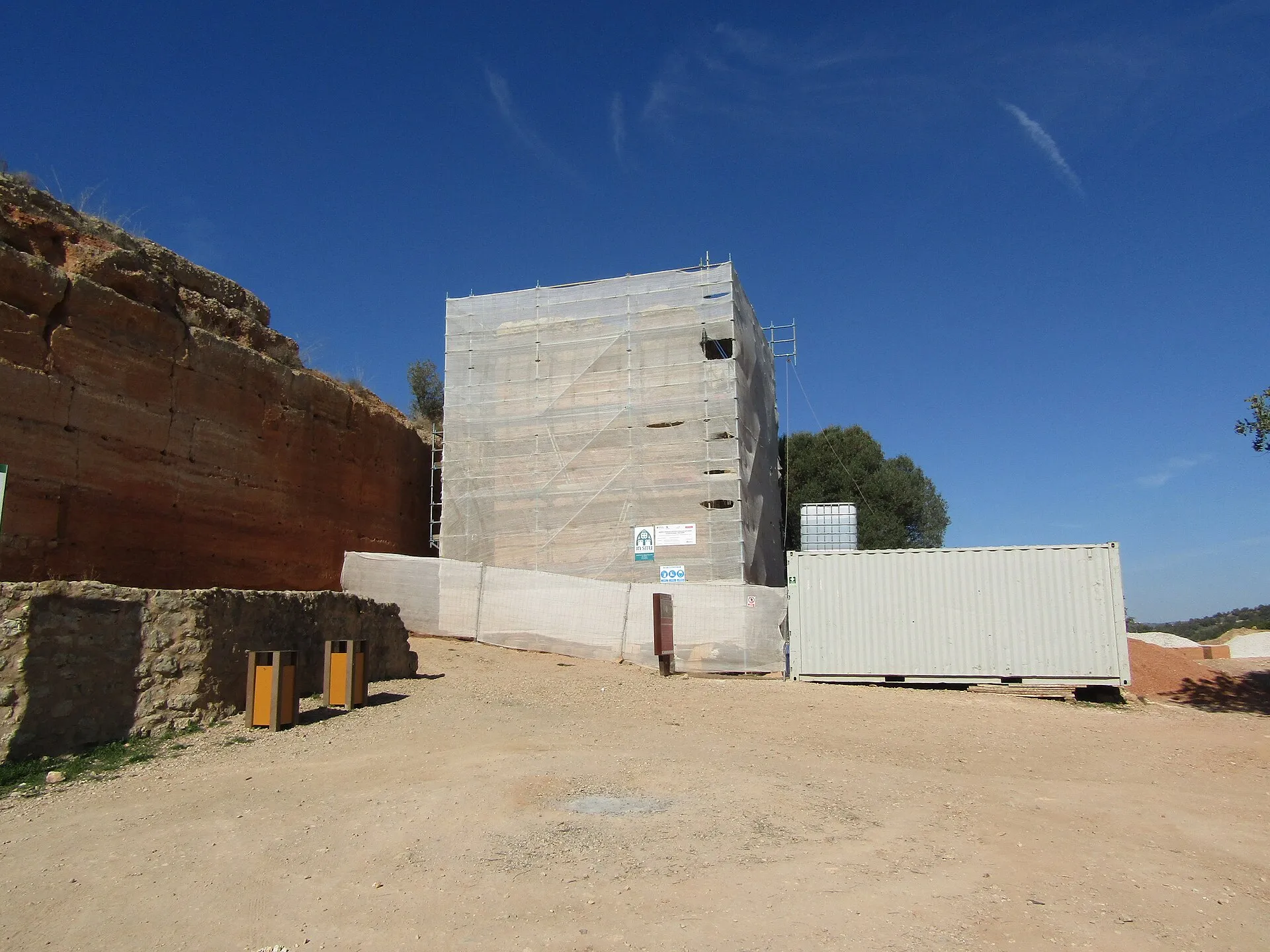
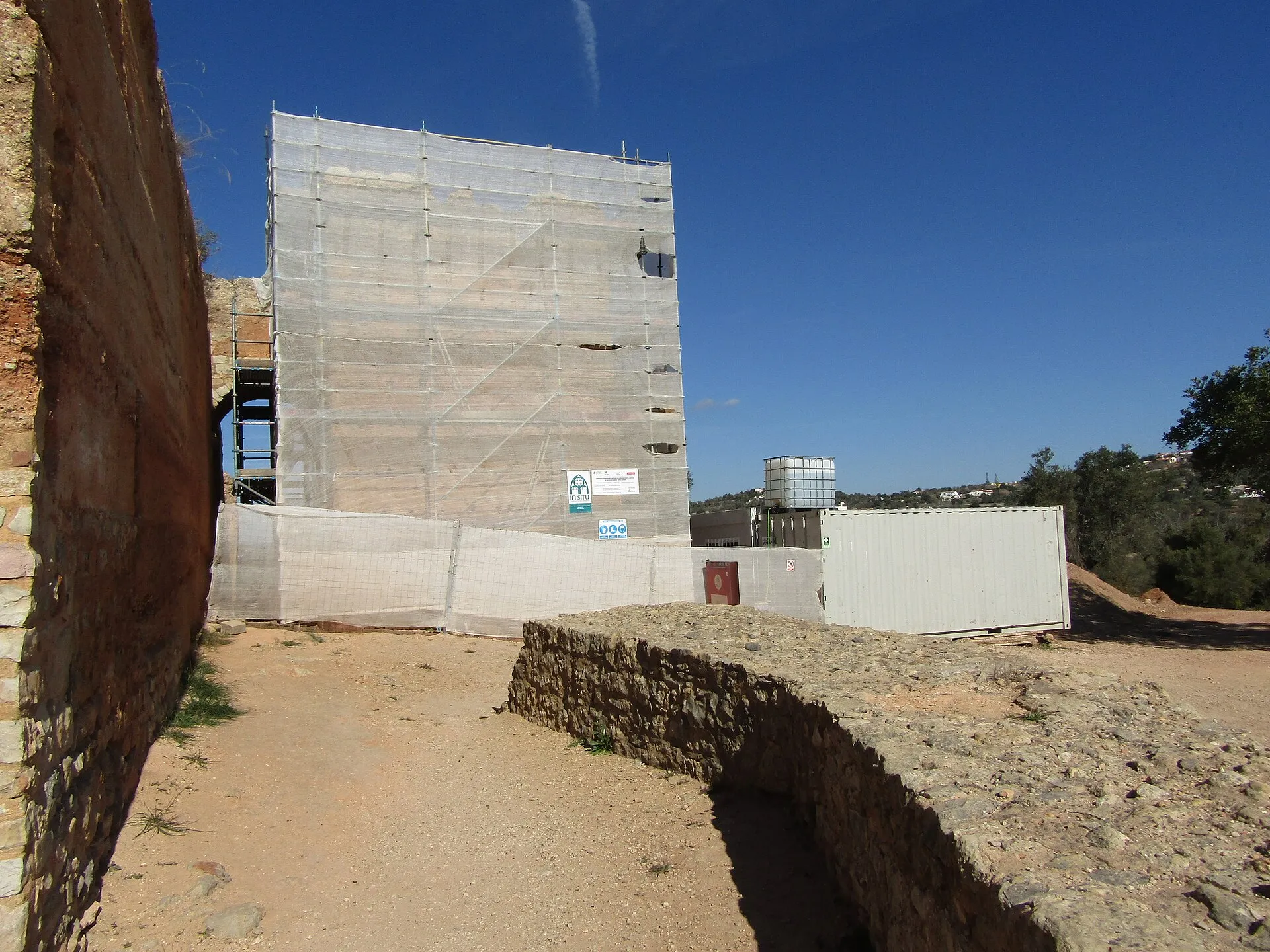
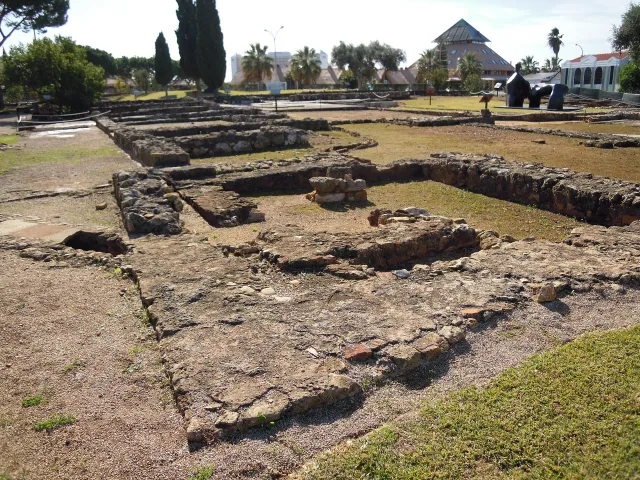
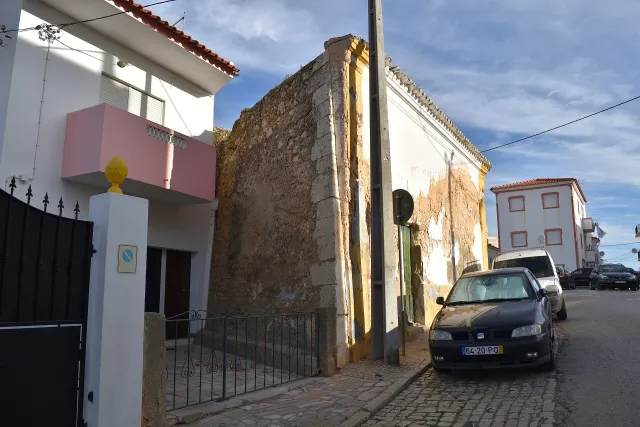
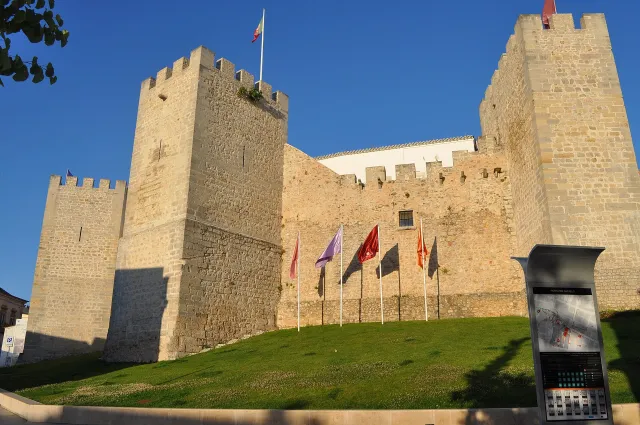
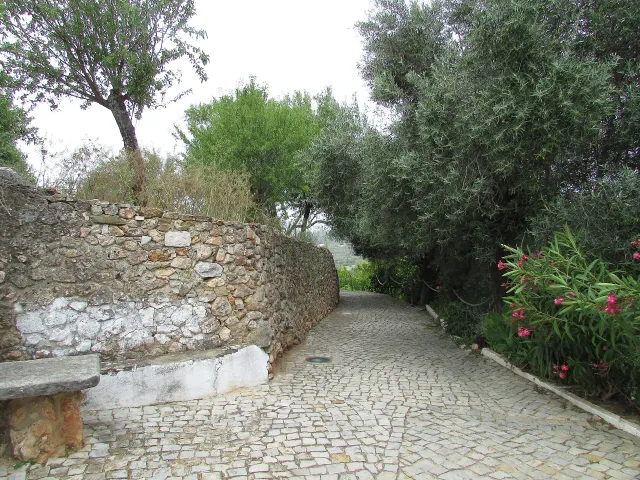
Around the middle of the 2nd century, the Roman conquered the Lusitanian castro, which had developed between Neolithic and Cacholithic. The settlement was transformed into a military outpost and, eventually, politico-administrative centre named Paderne or Paderna. Its location on a rocky peninsular bend was of strategic importance, as it controlled the ancient Roman road Via Lusitanorum crossing the Quarteira River on the south.
The Roman villa was conquered by the Moors by 713. On this site, the Almohads constructed a fortification. Concerned with advancing Christian armies from the north, the Almohads began an intensive period of military construction and fortification in the Algarve (in Paderne, Faro, Loulé and Silves and many other locations). The depopulation of the Muslim countryside, caused by Christian raids, while avoiding outright conflict, resulted in the construction of these types of fortifications, which were used secure relative safety for their citizens in the interior of the Algarvean Barrocal (mountains).
In 1189, Paderne surrendered to King Sancho I after the conquest of Silves, undertaken with help from northern crusaders. In 1191 Muslim forces of the Almohad dynasty under the command of Caliph Abu Yusuf Ya’qub al-Mansur recaptured the castle and surrounding lands.
In 1248, D. Paio Peres Correia took the castle for the Crown of Portugal, during the reign of Afonso III. The forces of Peres Correia massacred all Muslim inhabitants within Paderne castle. It was shortly after these events that a chapel was built: likely on the ruins of a mosque.
Following a series of restorations, King Denis of Portugal donated the castle to the Master of the Order of Avis, D. Lourenço Anes, as an attempt to make it a viable military and economic centre. But these attempts were tentative and, nonetheless, futile.
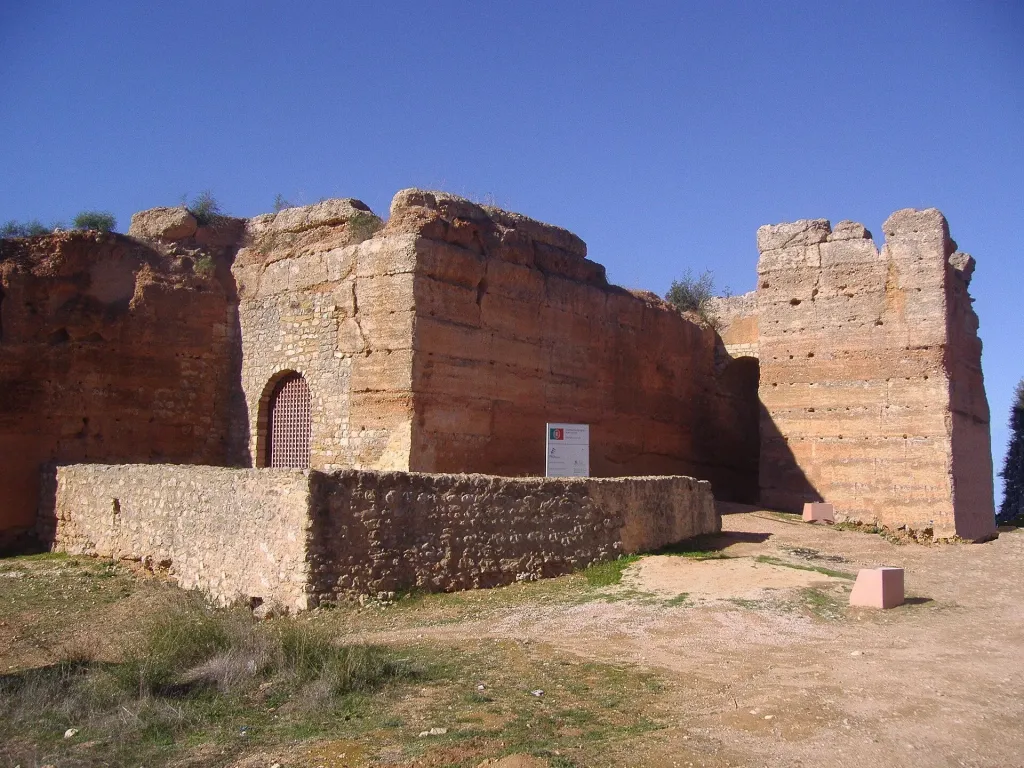
Owing to its isolation and state of ruin, in 1858, the castle was abandoned and its hermitage (local parish church, dedicated to Nossa Senhora da Assunção) was deactivated.

 1 / 7