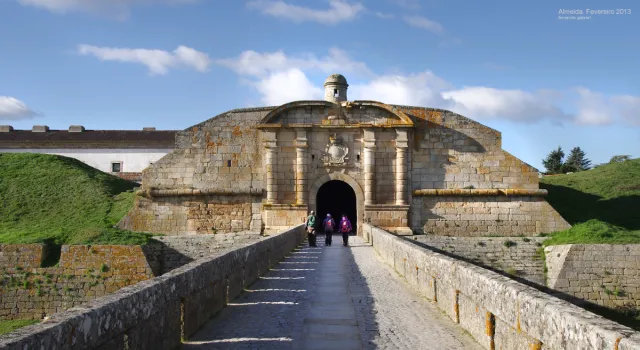
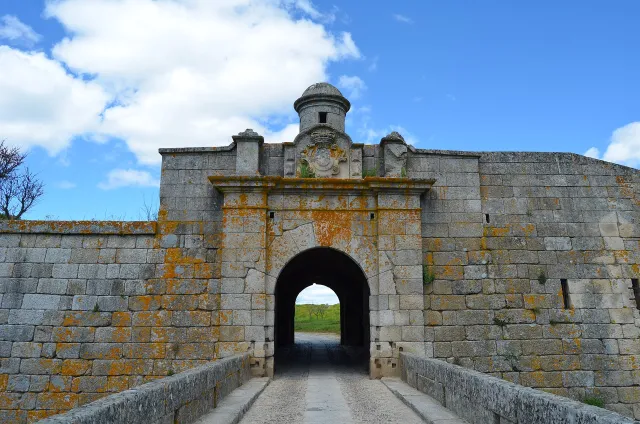
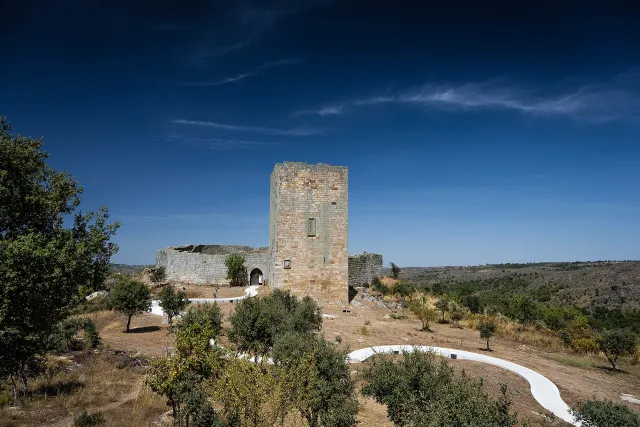
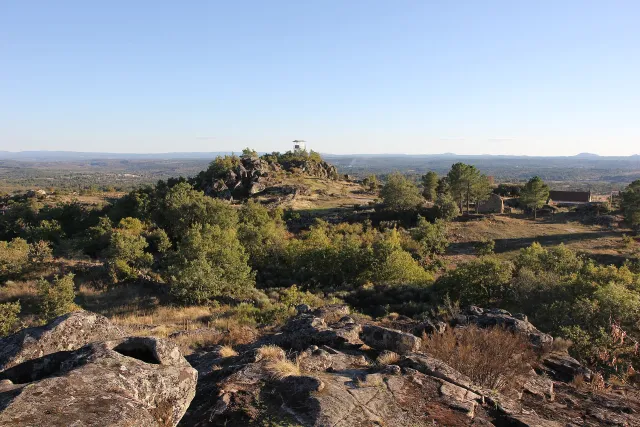
Castelo Bom was part of an area of disputed lands between Portugal and the Kingdom of León between the 12th and 13th century. During this period, Castelo Bom was in the advance guard against León, resulting in its early medieval plan. During the 12th century, it was occupied and operated by the León, but the settlement was conquered in 1282 by Portuguese King D. Dinis, who immediately ordered it structural reinforcement. The same king conceded to the region a Foral (charter) in 1296, and it was integrated in to the Kingdom of Portugal as a result of the Treaty of Alcanices.
Between the 13th and 14 century, the castle was reconstructed, along with the wall fortifications. By 1496, the formal institutional Inquirição (Inquiries), noted the existence of a population of 234.
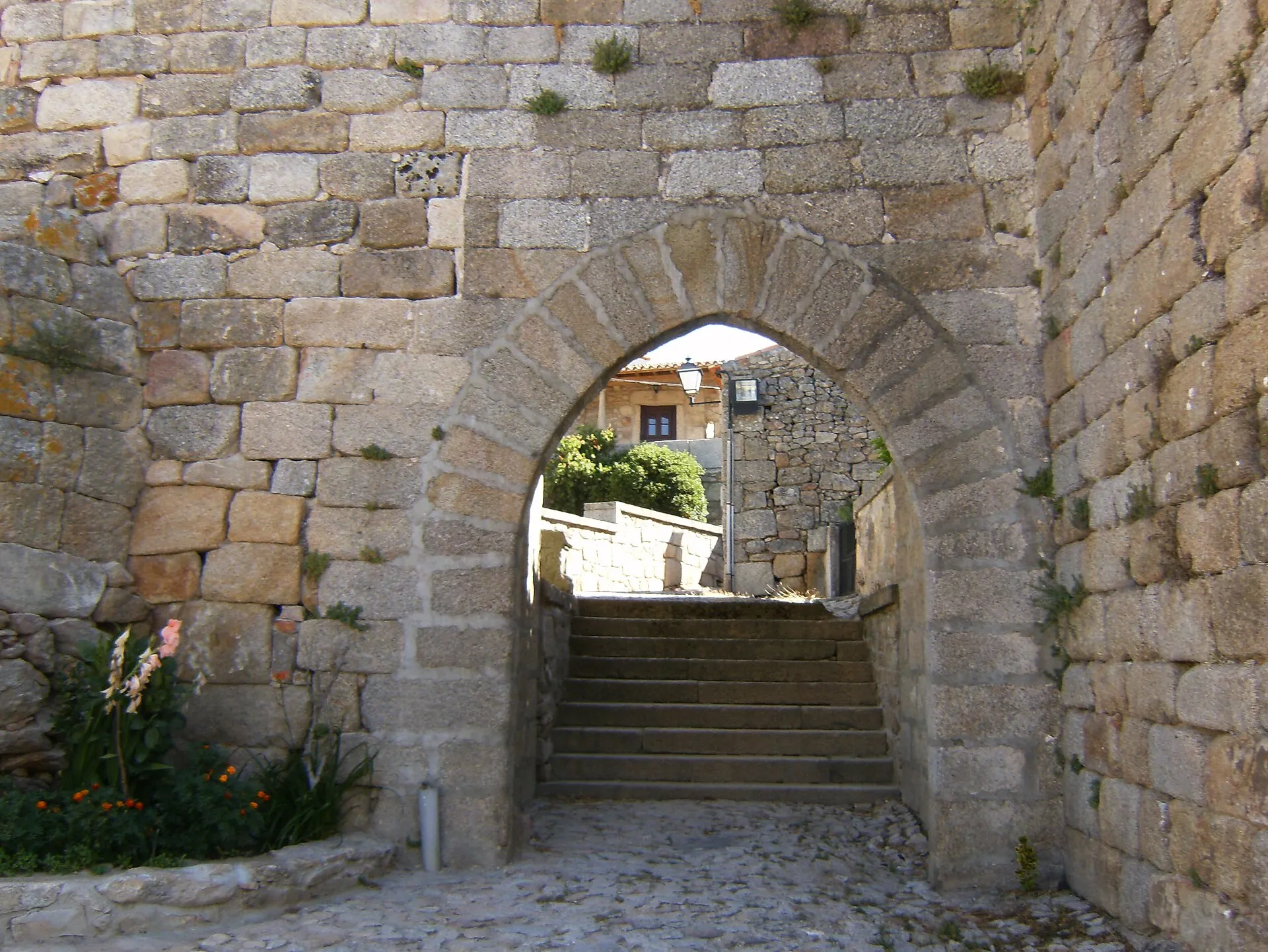
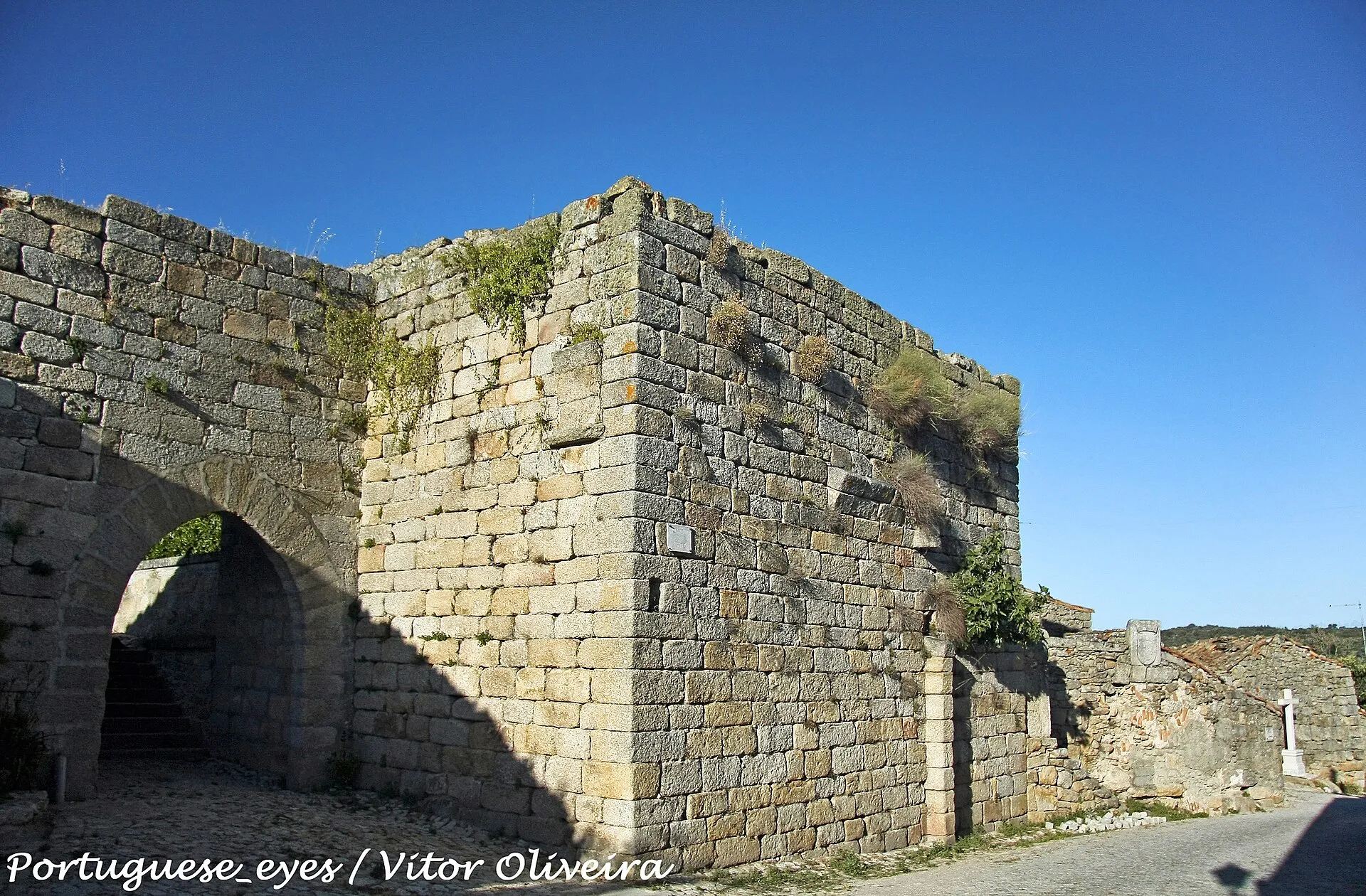
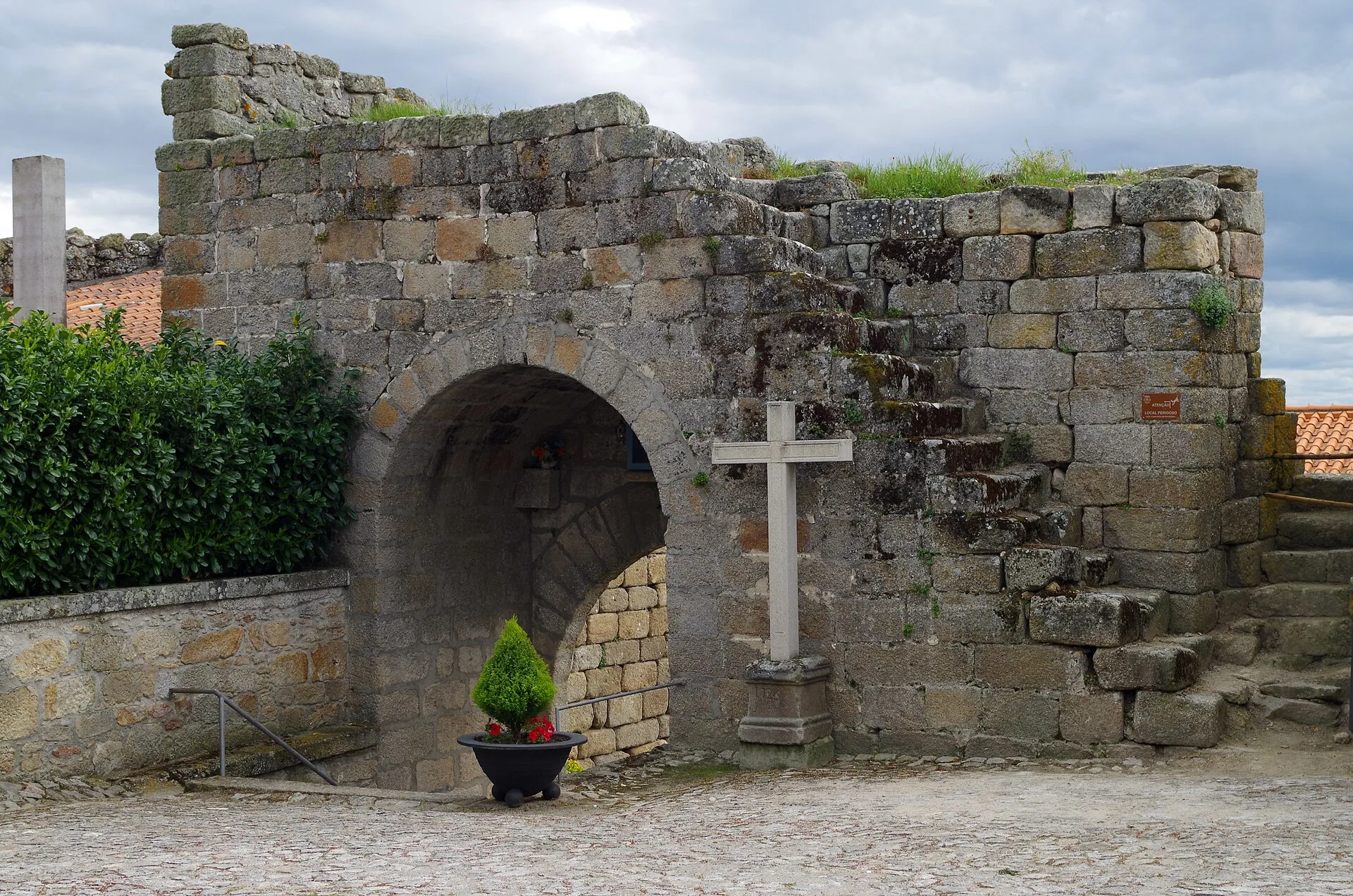
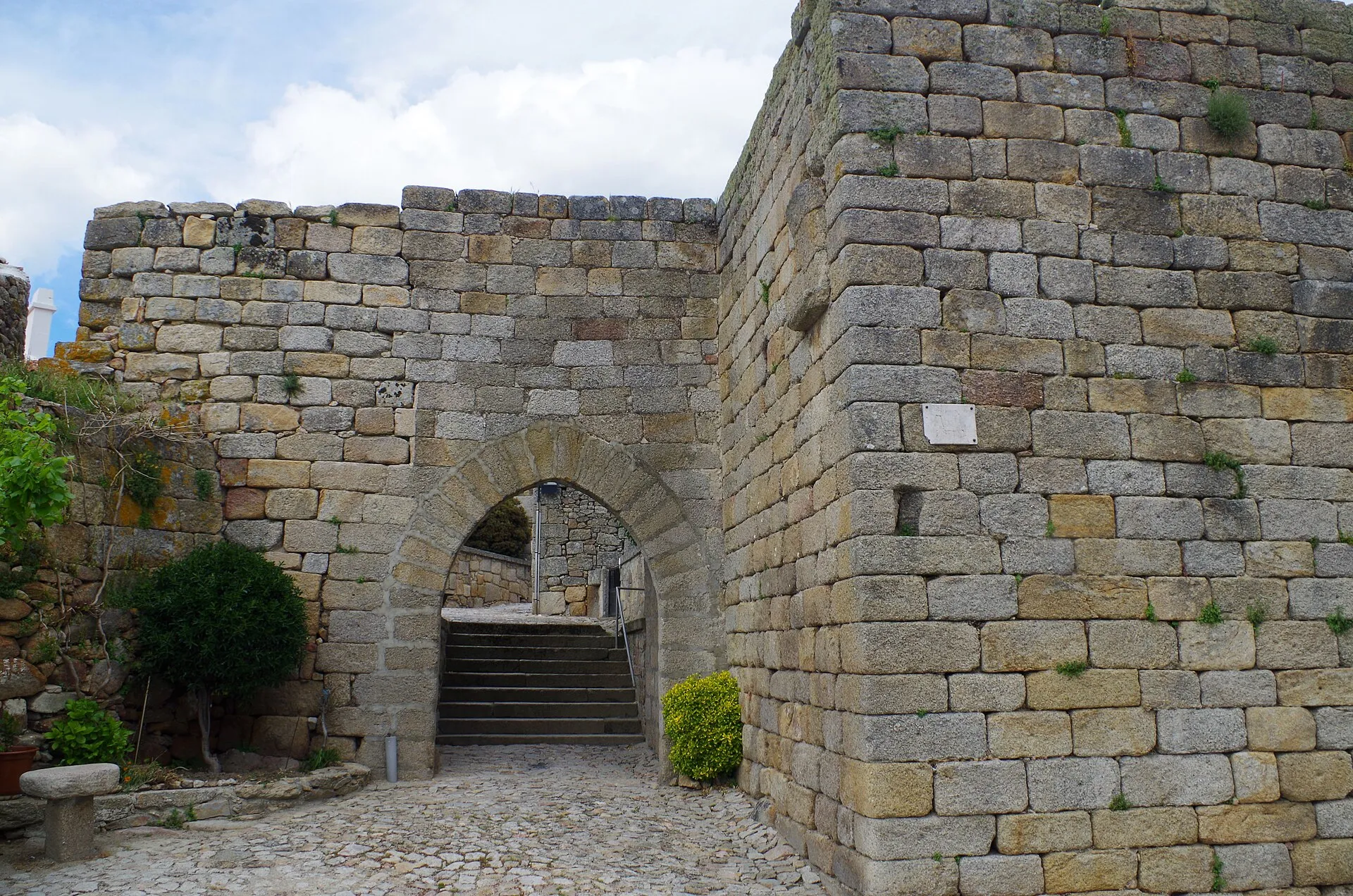
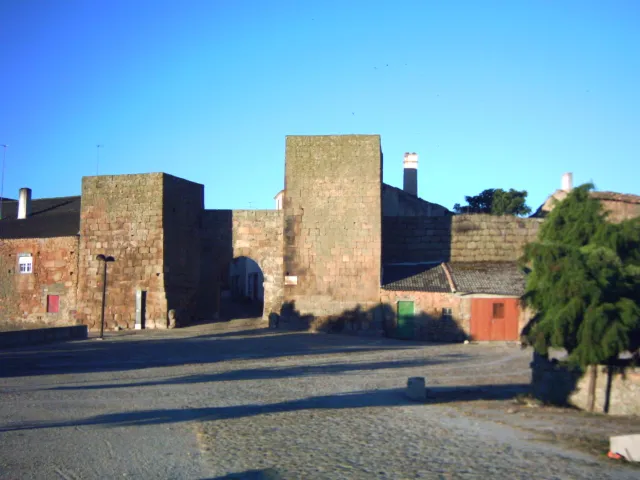
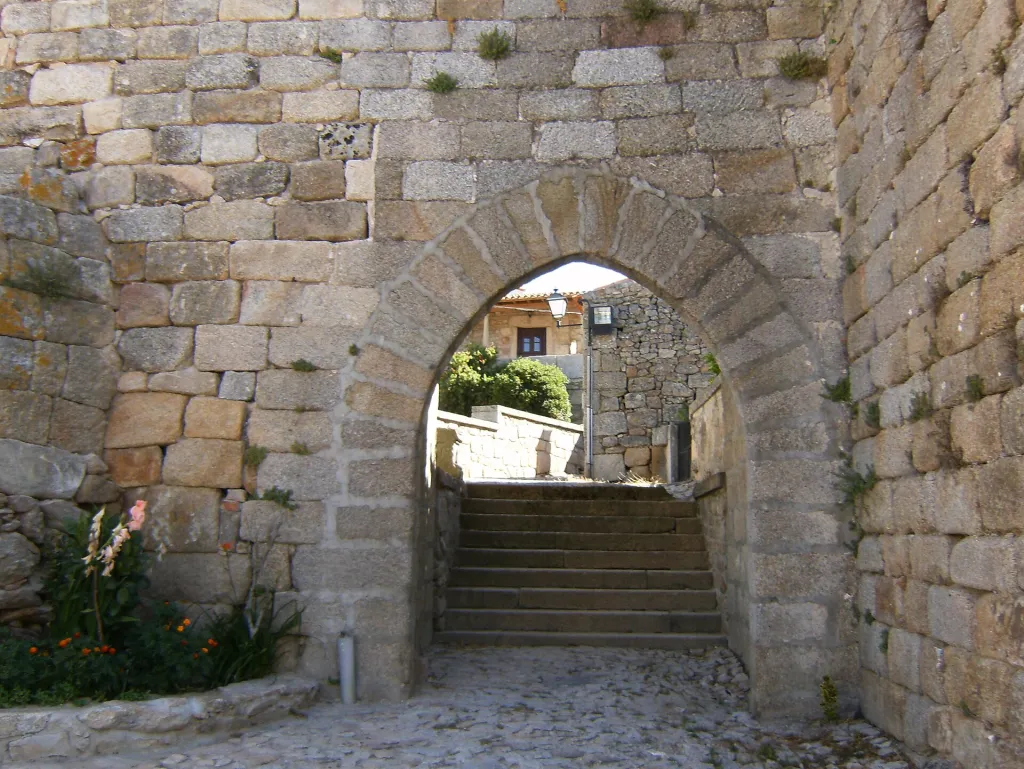
In the 16th century, Francisco de Anzinho and Garcia Fernandes worked at the castle to refortify the installation. Designs by Duarte de Armas, in his Book of Fortresses (1509) for the castle drew the castle annexed to the southern extremity of the town walls. These drawings included the castle and barbican, both of an irregular plan. The castle was crowned by merlons and encircled by adarve, but with a western rectangular tower keep (covered in tiled roof) backed up to a central courtyard, earthen works, a cistern, a shaded house and other dependencies. In the east, is a similar rectangular tower with "dungeon" and in the north, a rectangular tower beside the gate: both towers were in states of ruin. The barbican, with adarve, merlons and cruciform slits, included a circular tower in the south and minor rectangular tower in the north, flanked by a door (and a complimentary false door in the east). The fortifications consisted of a double line of walls with steps in the west and doors: rectangular doors to the exterior and rounded doors to the interior. The interior doors were surmounted by covered balcony with machicolations.

 1 / 6