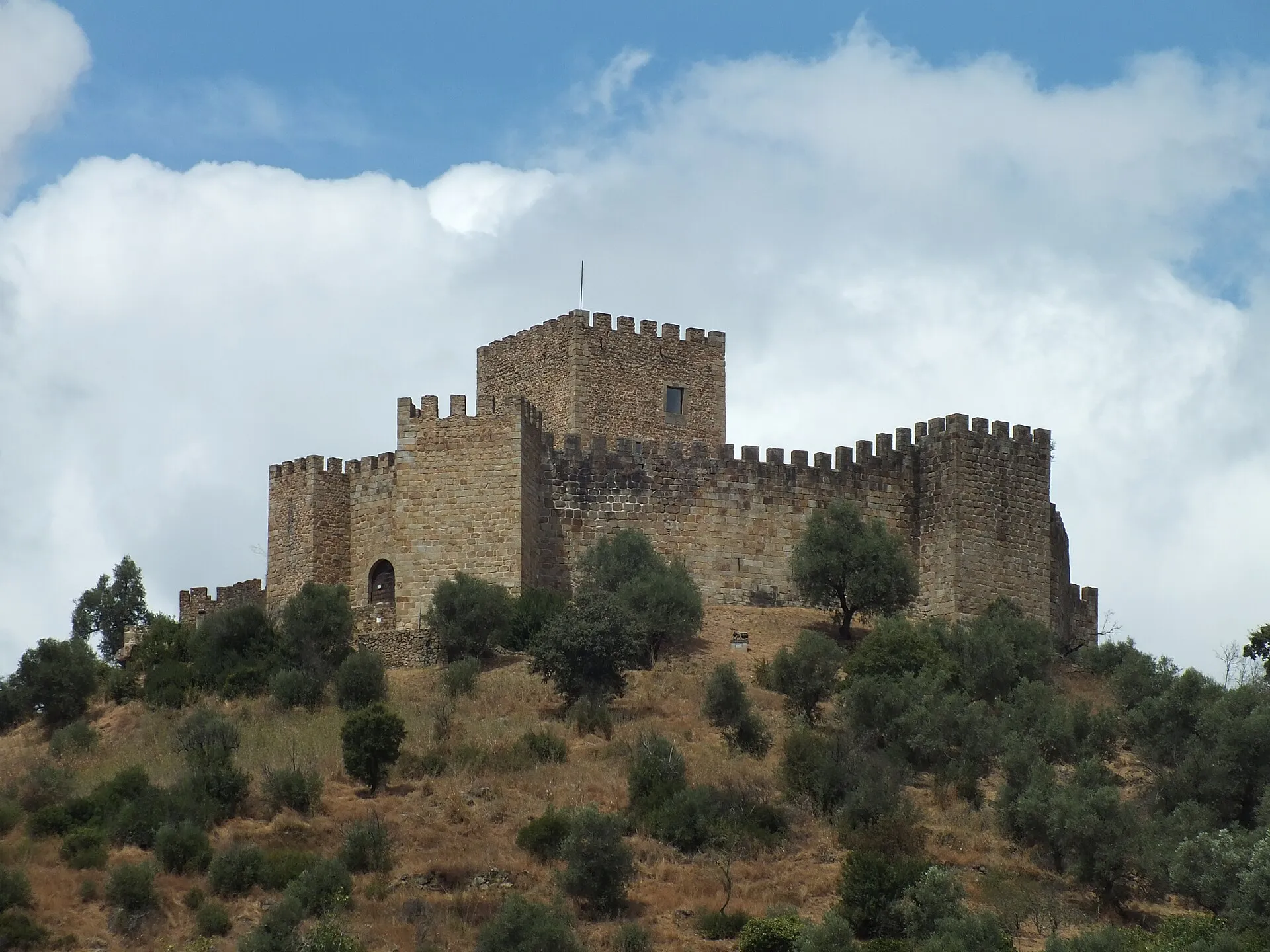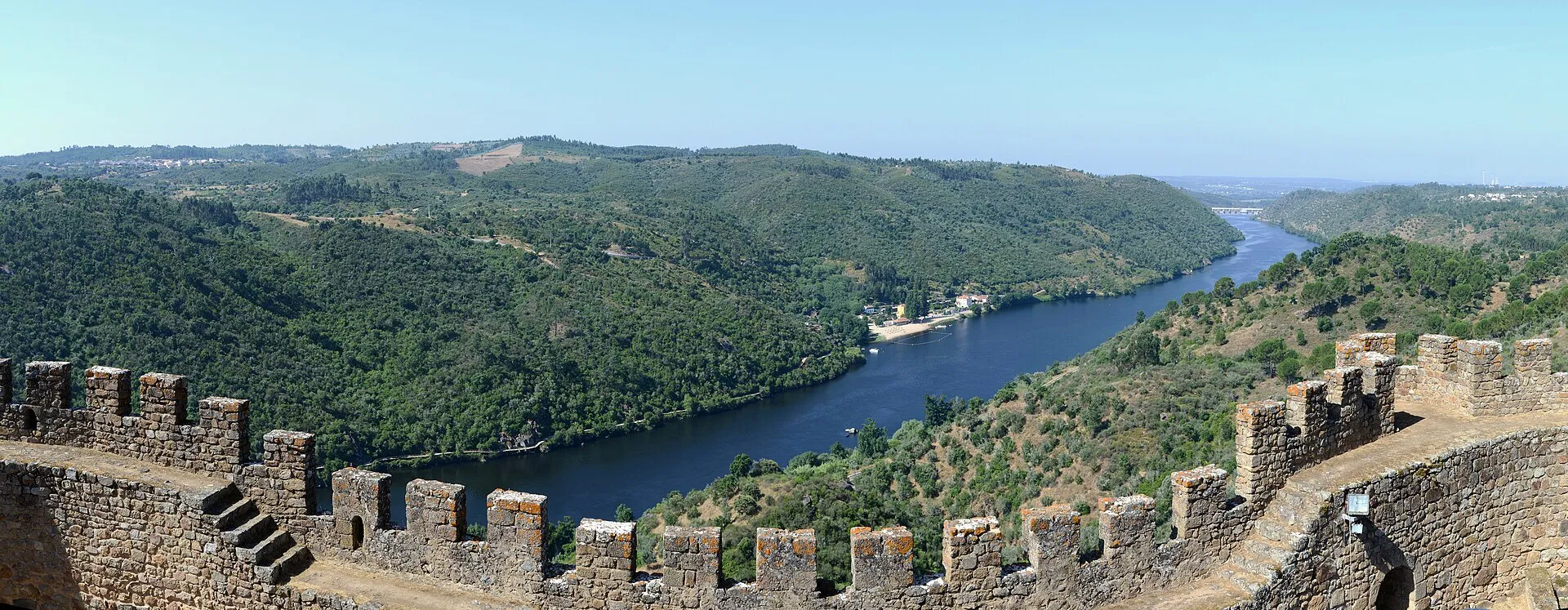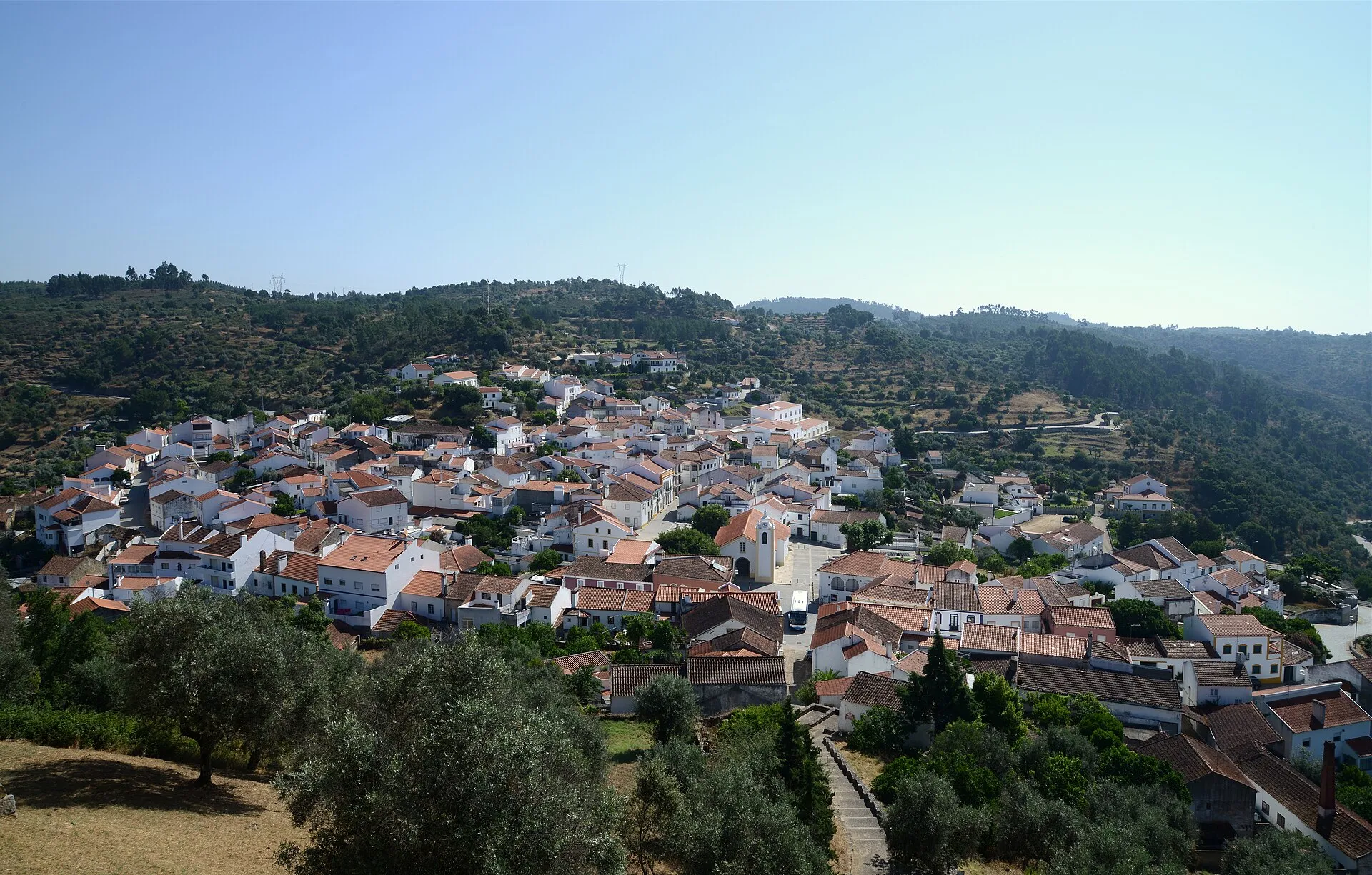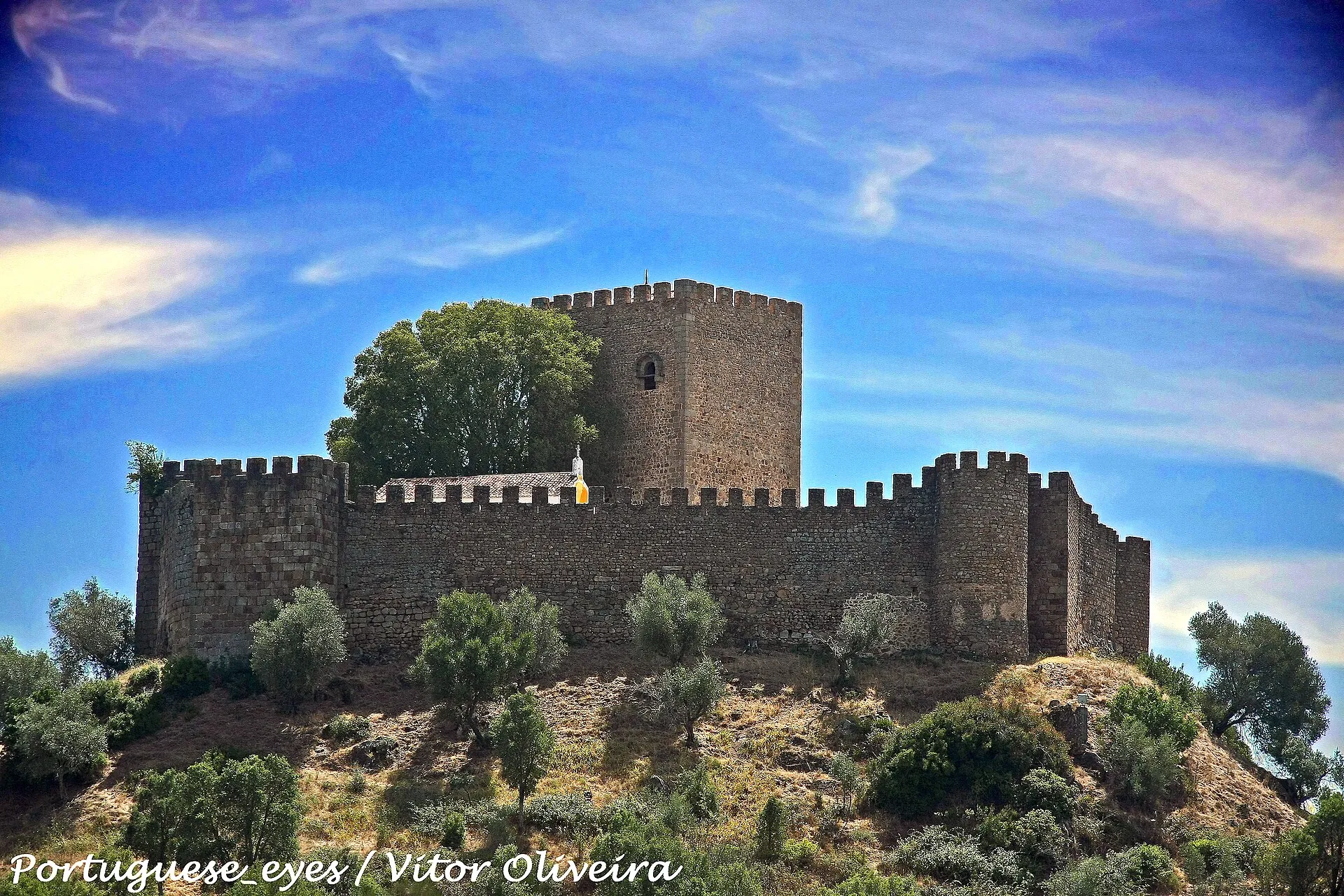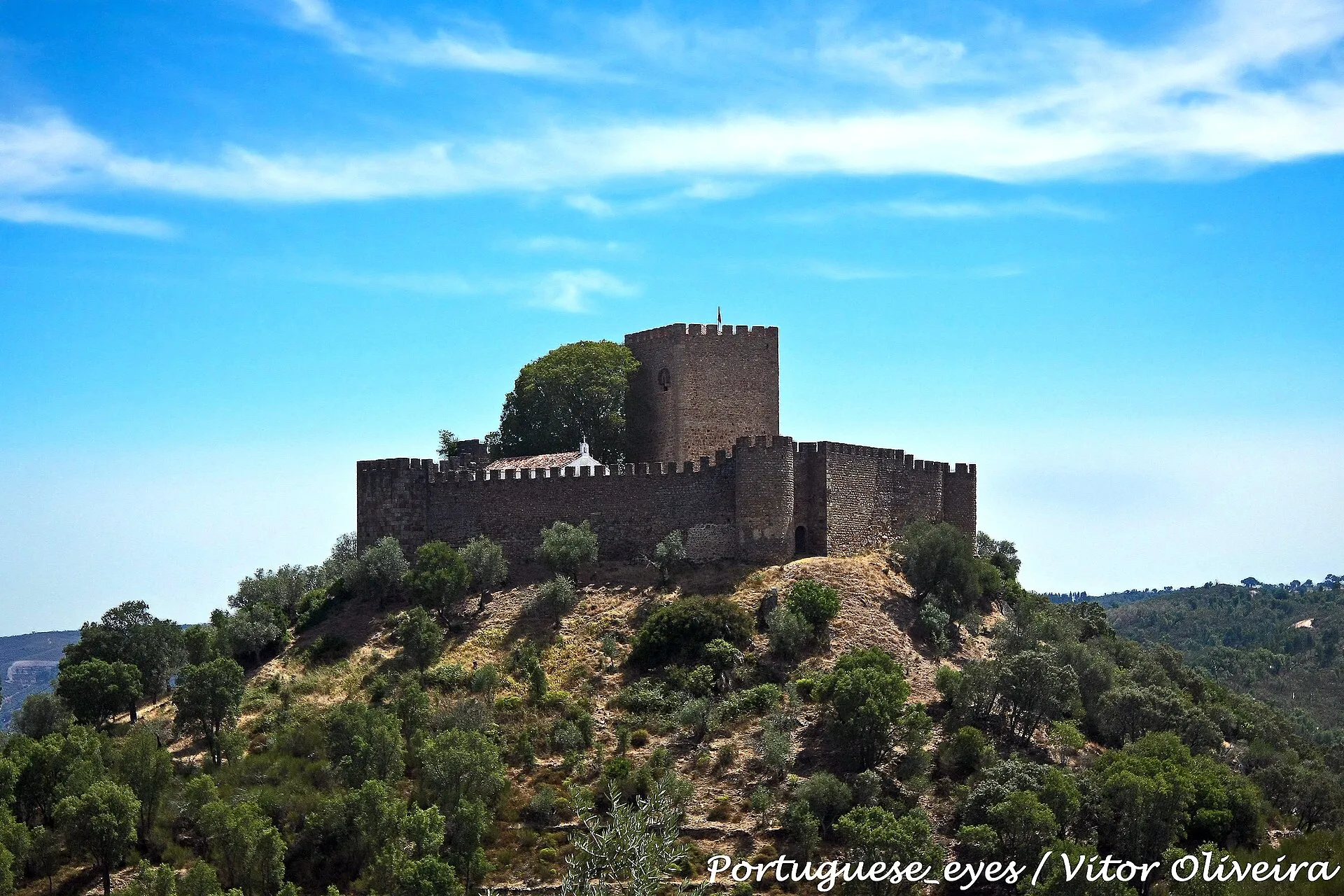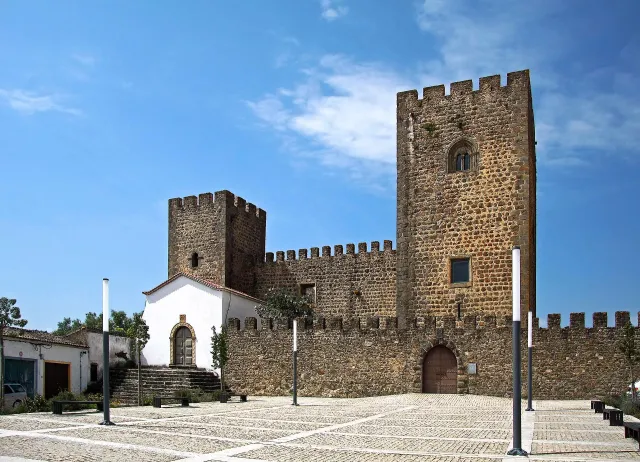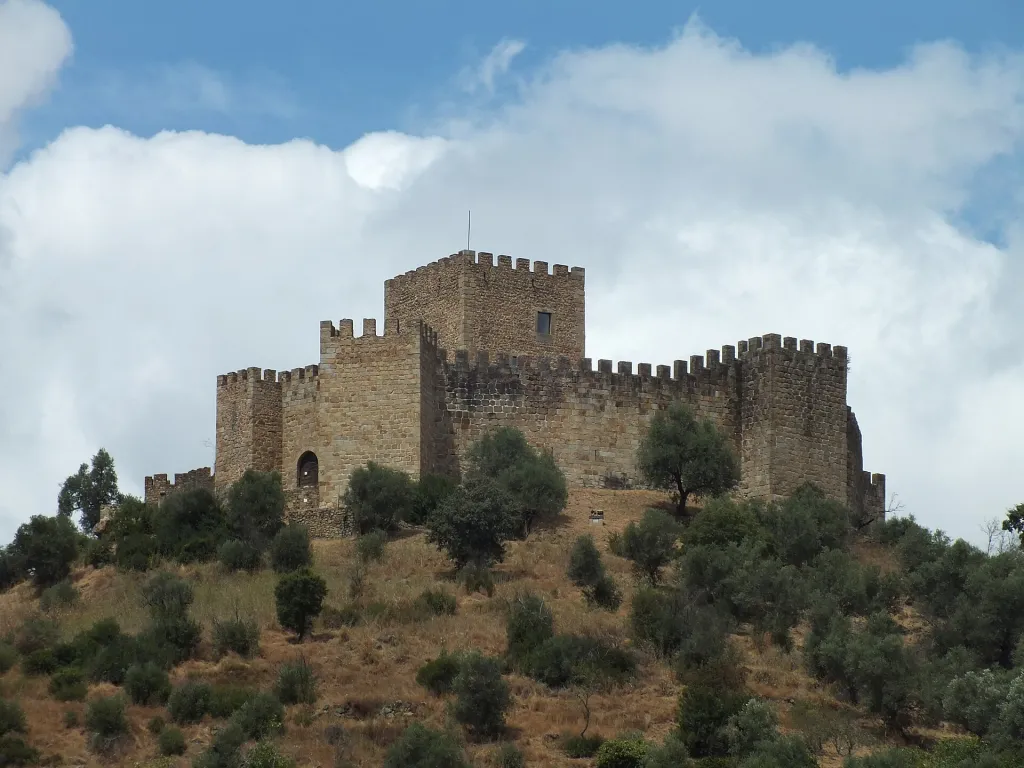
Between 1336 and 1341, Belver fell under the most important command of the Hospitallers, while still not seat nor official House, which continued to reside in the town of Leça do Balio. Even as the head of the Order transferred his rule to the parish of Flor da Rosa, in the municipality of Crato, creating the priorship of Crato, the Castle of Belver (and its community) did not progress more than a provincial stronghold.
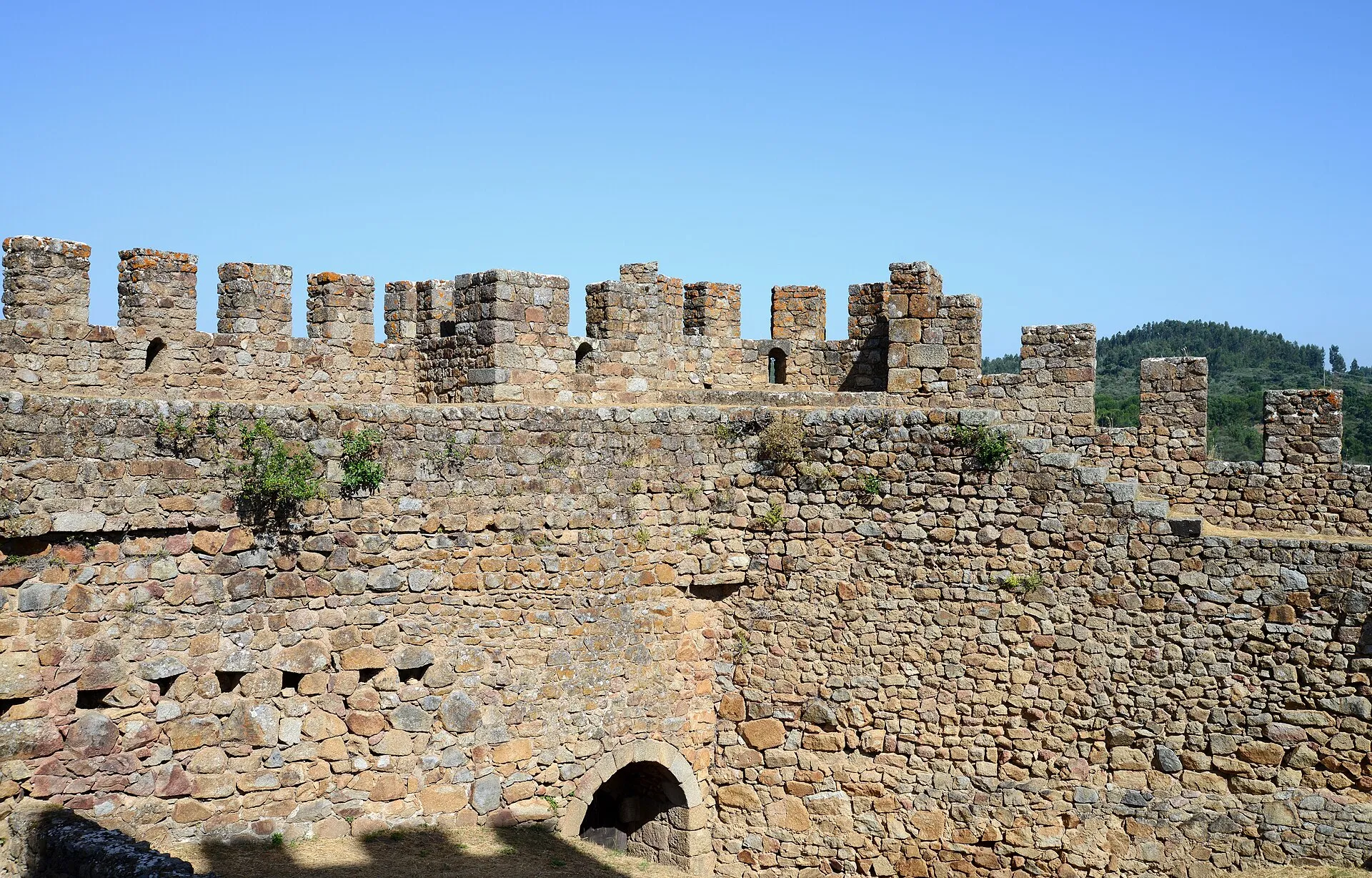
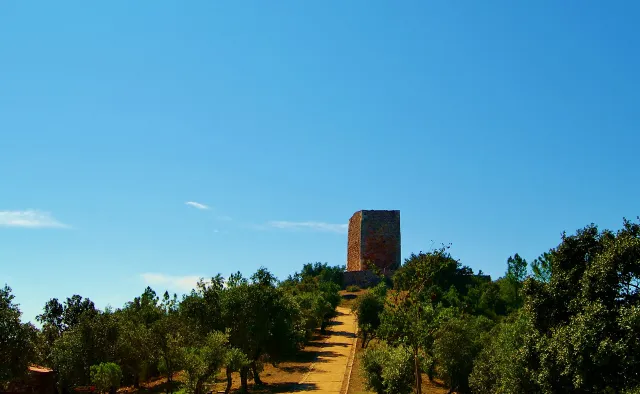
The fortress remained intact over the following centuries, preserving many of the primitive Romanesque military motifs of the period. In fact, the castle was systematically adapted to military conditions of the time, while garrison accommodations were improved. After becoming King, John I of Portugal renewed the Castle's important military role, and in the face of Castilian conflicts, had the Castle's defenses expanded and rehabilitated, under the direction of Nuno Alvares Pereira (in 1390). In the 16th century, the Chapel of São Brás, was completed. Similar renovations occurred in the 17th century, by Cosmander.
By the 19th century, the Castle, apart from its imposing form above the parish of Belver, was completely forgotten, becoming a shelter for the settlement's cemetery in 1846.