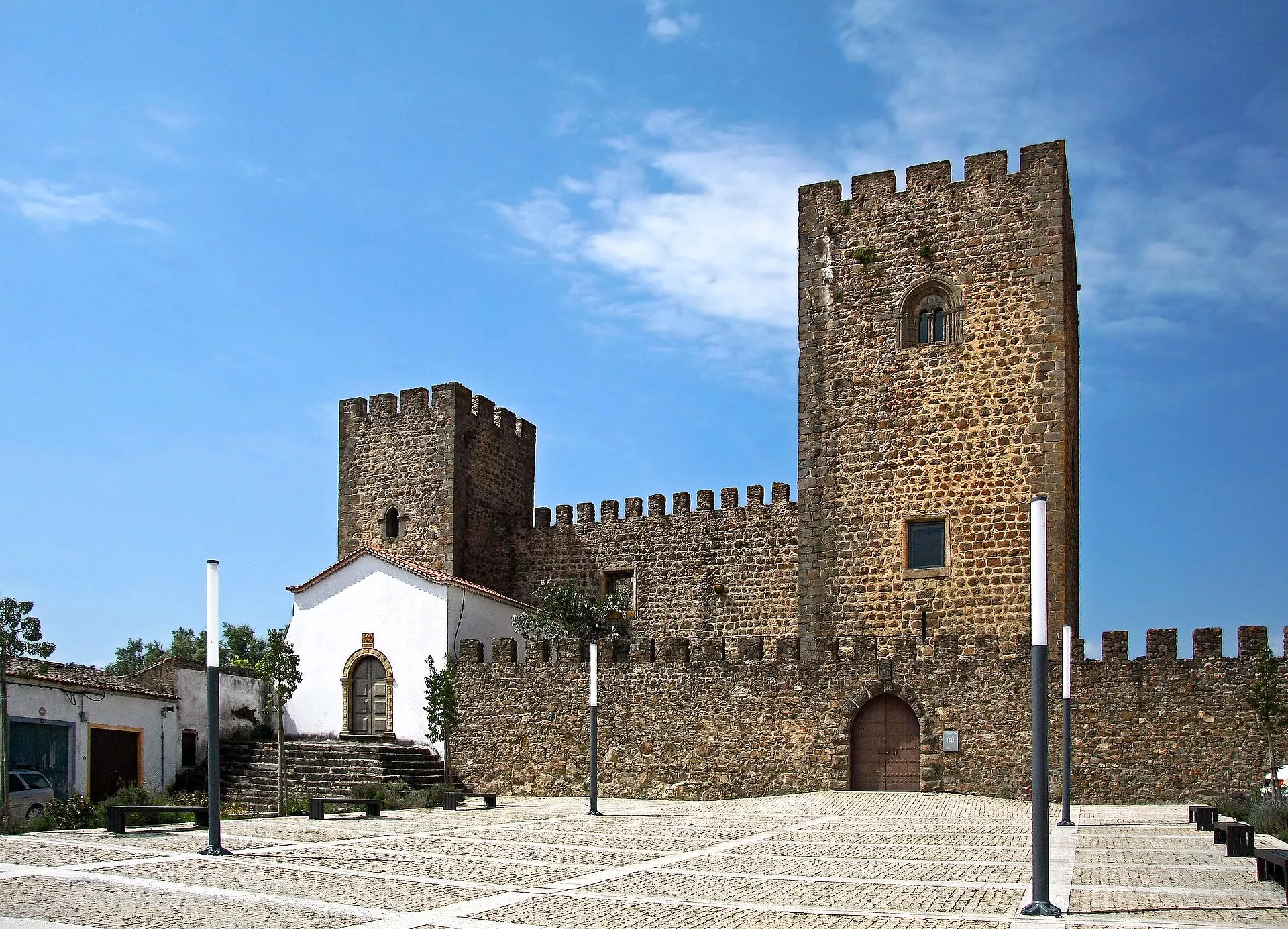
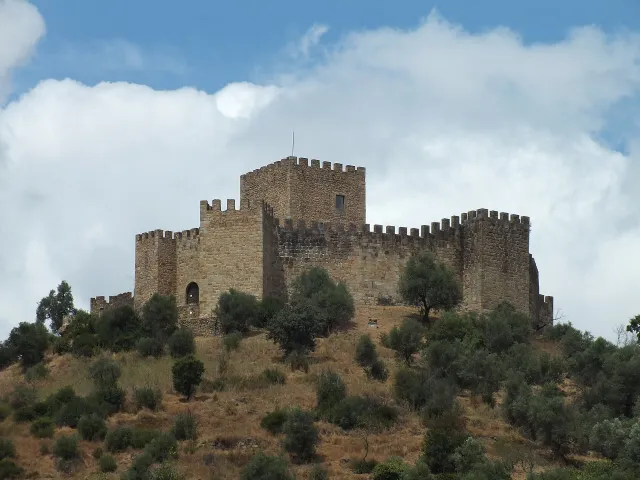
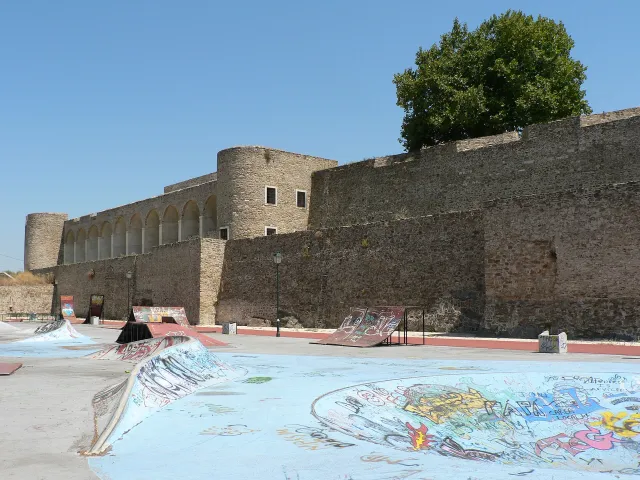
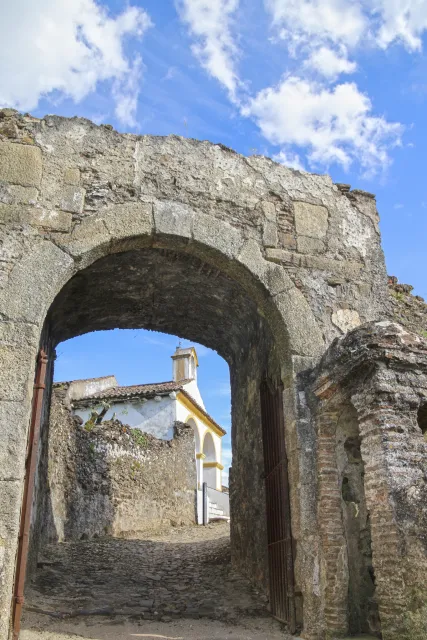
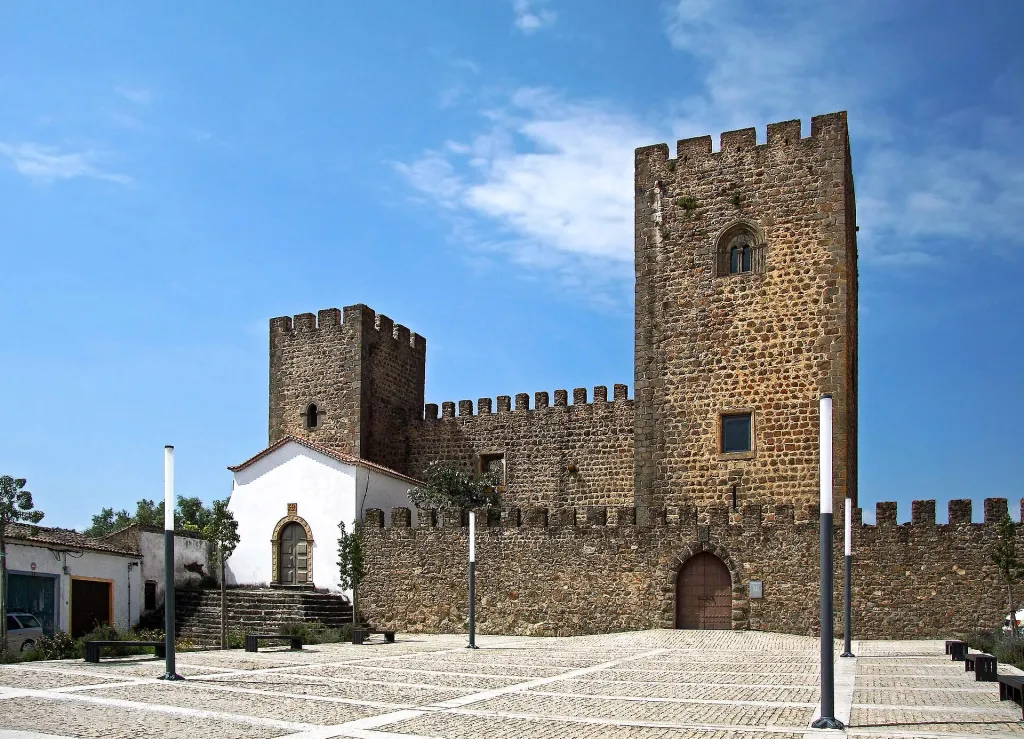
The construction of the castle in Amieira only developed a century after the Hospitalers had taken possession of the territory. Its construction was the responsibility of Álvaro Gonçalves Pereira, son of the Archbishop of Braga Gonçalo Pereira, prior of the Order of the Hospital and father of the future-constable of the kingdom, Nuno Álvares Pereira. It was Gonçalo Pereira who had originally been responsible for transferring the Order from Leça do Bailio to Crato e Mártires (in 1356). The castle of Amieira was constructed as part of the settlement's place in the new function of the Order: to assist the travelling pilgrims. Three years following this change in roles, King Peter I visited the fortress, whose construction was already quite advanced. But, by 1362, the project had not been concluded: Álvaro Gonçalves Pereira had taken a lot of pacience in the construction and evolution of the castle, until his death in 1375.
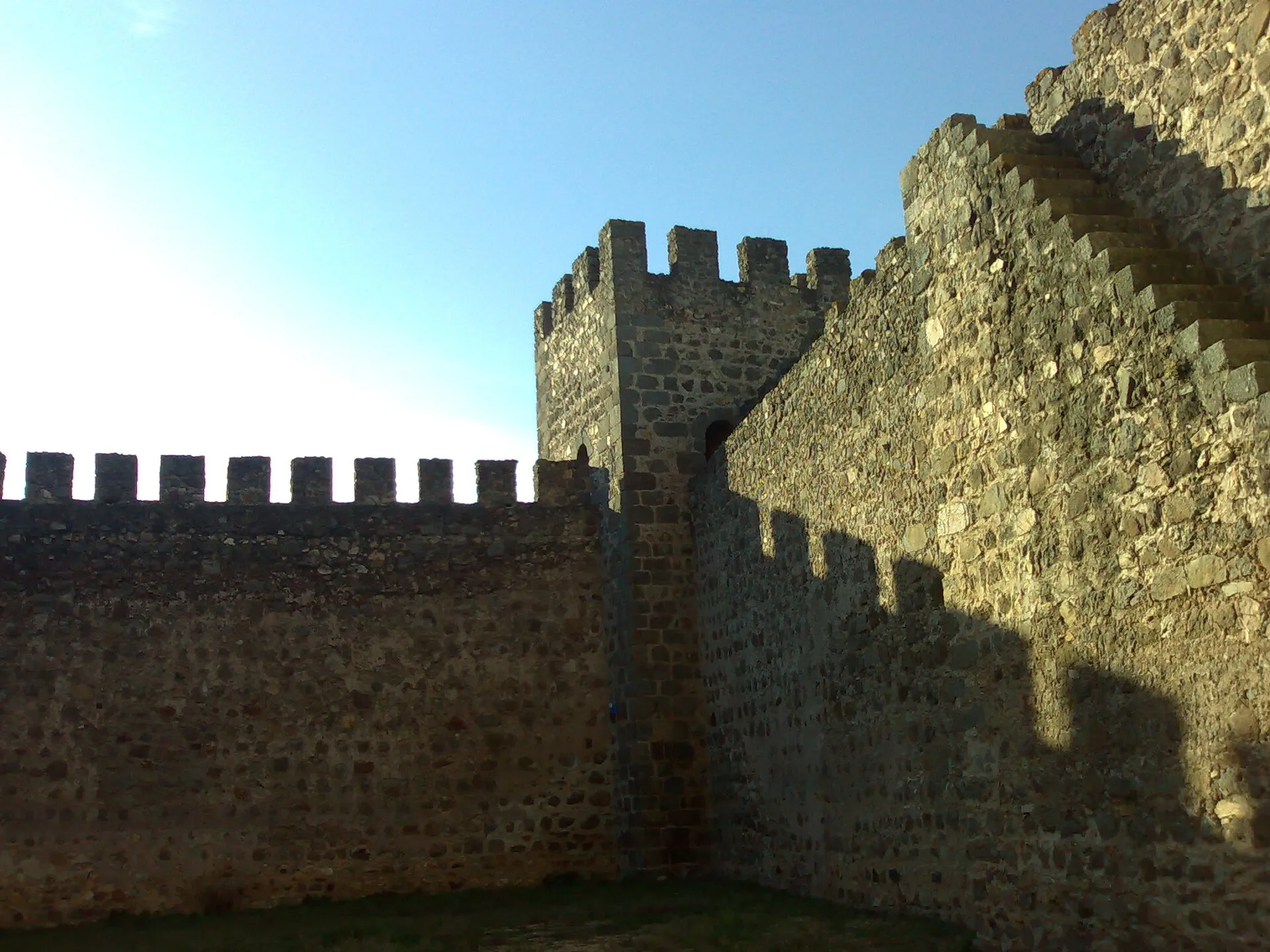
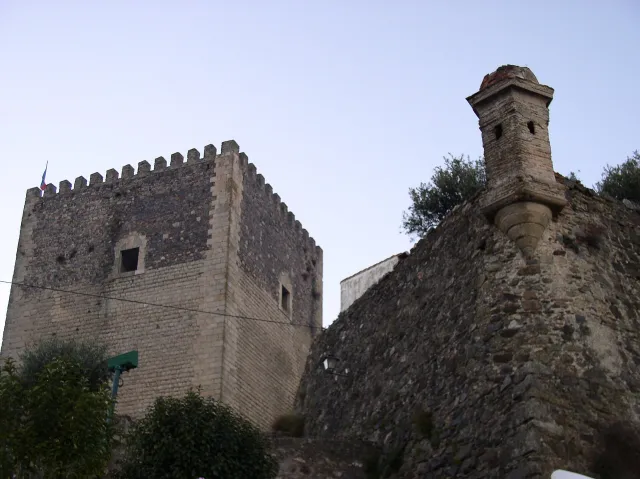
The fortress suffered various modifications over the centuries. During the reigns of King John II and King Manuel, there were remodelling to adapt the structure to the new military requirements. Simultaneously, it served as a prison, due to its excellent construction.
Losing its military function, due to the change in the lines of defence over time, the castle fell in importance. In the 18th century, a great part of the historical structure was abandoned, and part of the fortress was adapted for civil residences. By this time, the prison tower was partially recuperated, but its military functionally was completed abandoned.
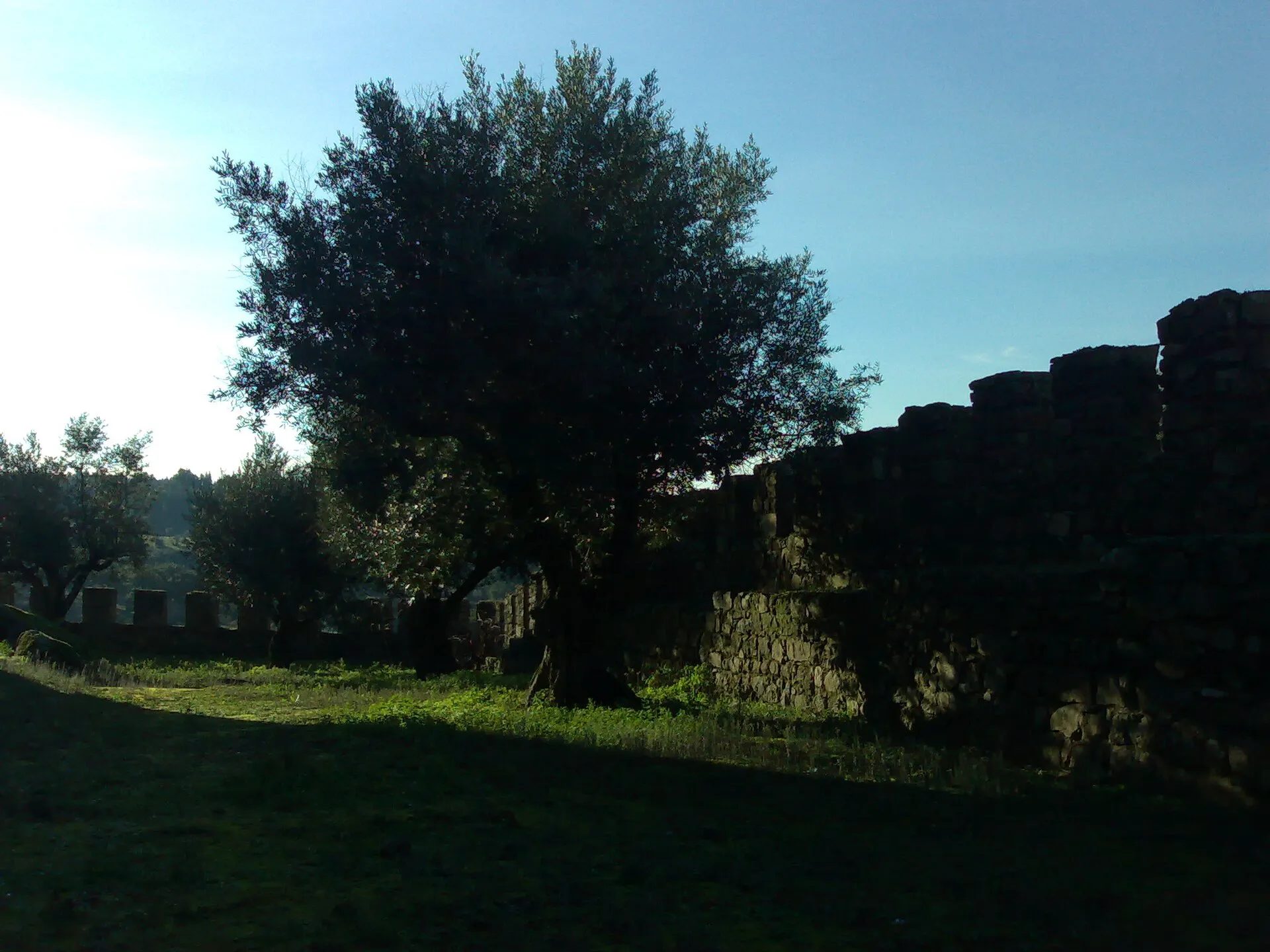
In the 19th century, the central courtyard was converted into a local cemetery, which continued to be used in this form until the 1940s, when the DGEMN promoted the castles reconstruction. It has been listed as a National monument since 10 November 1922.

 1 / 4