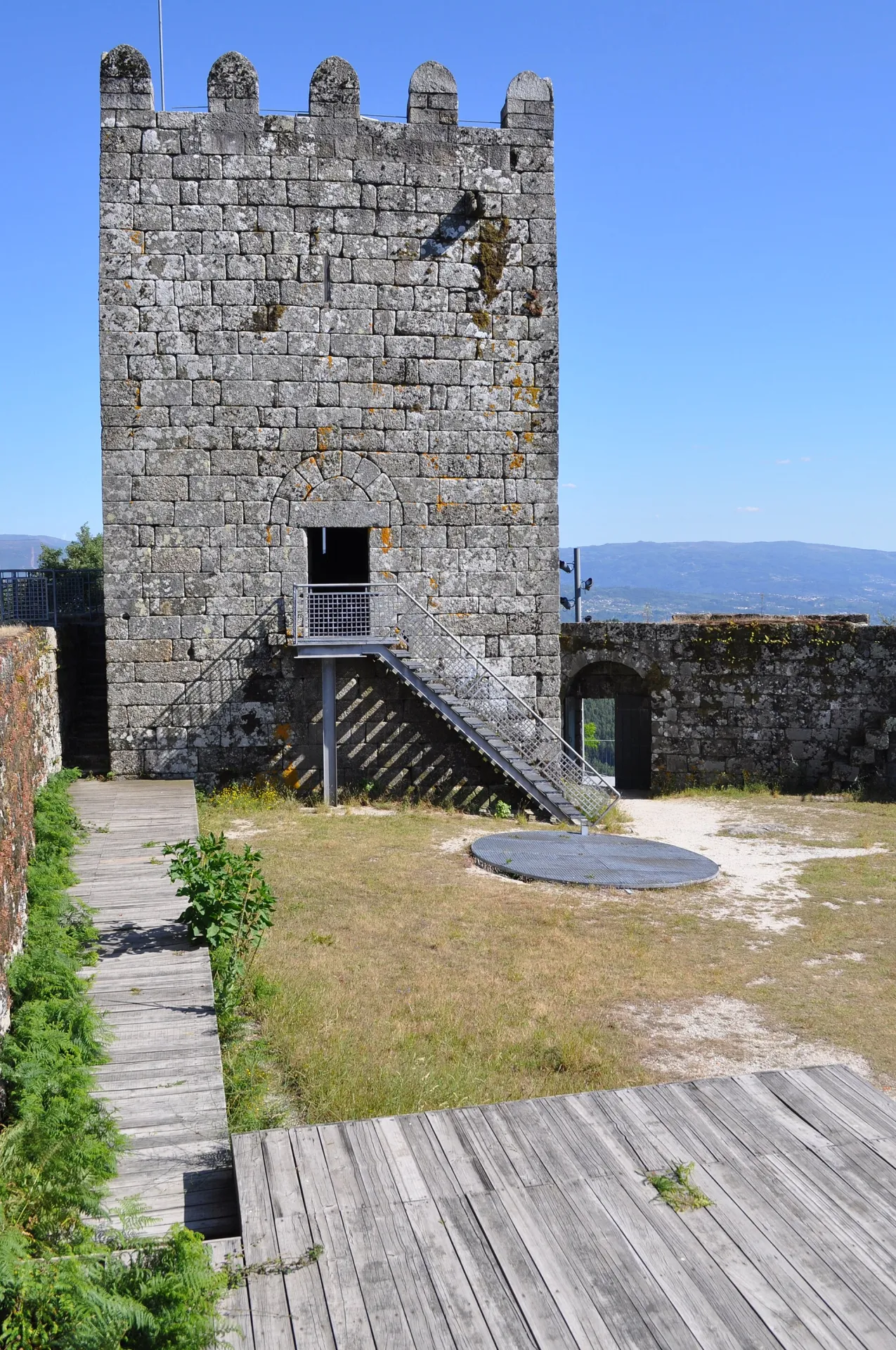
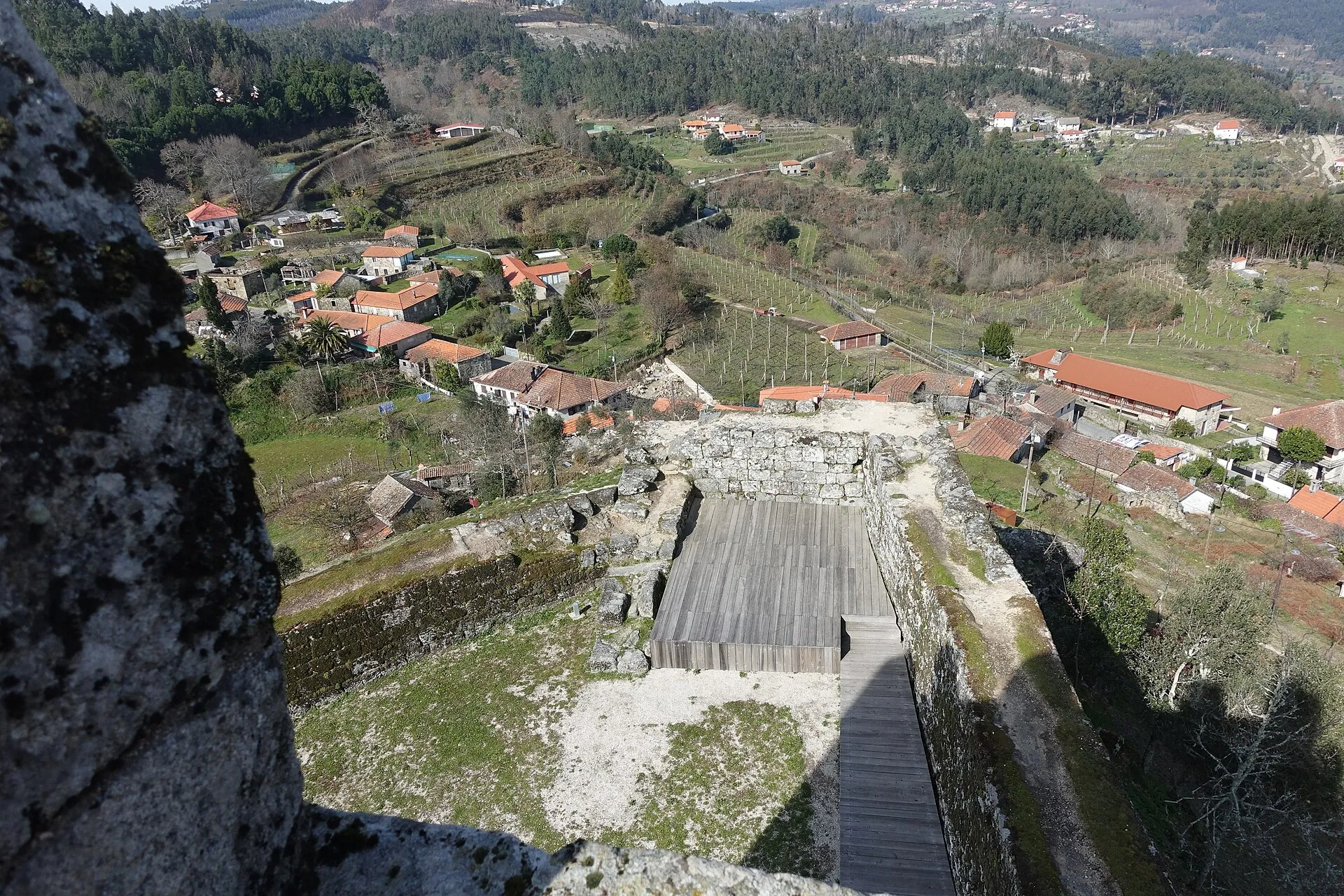
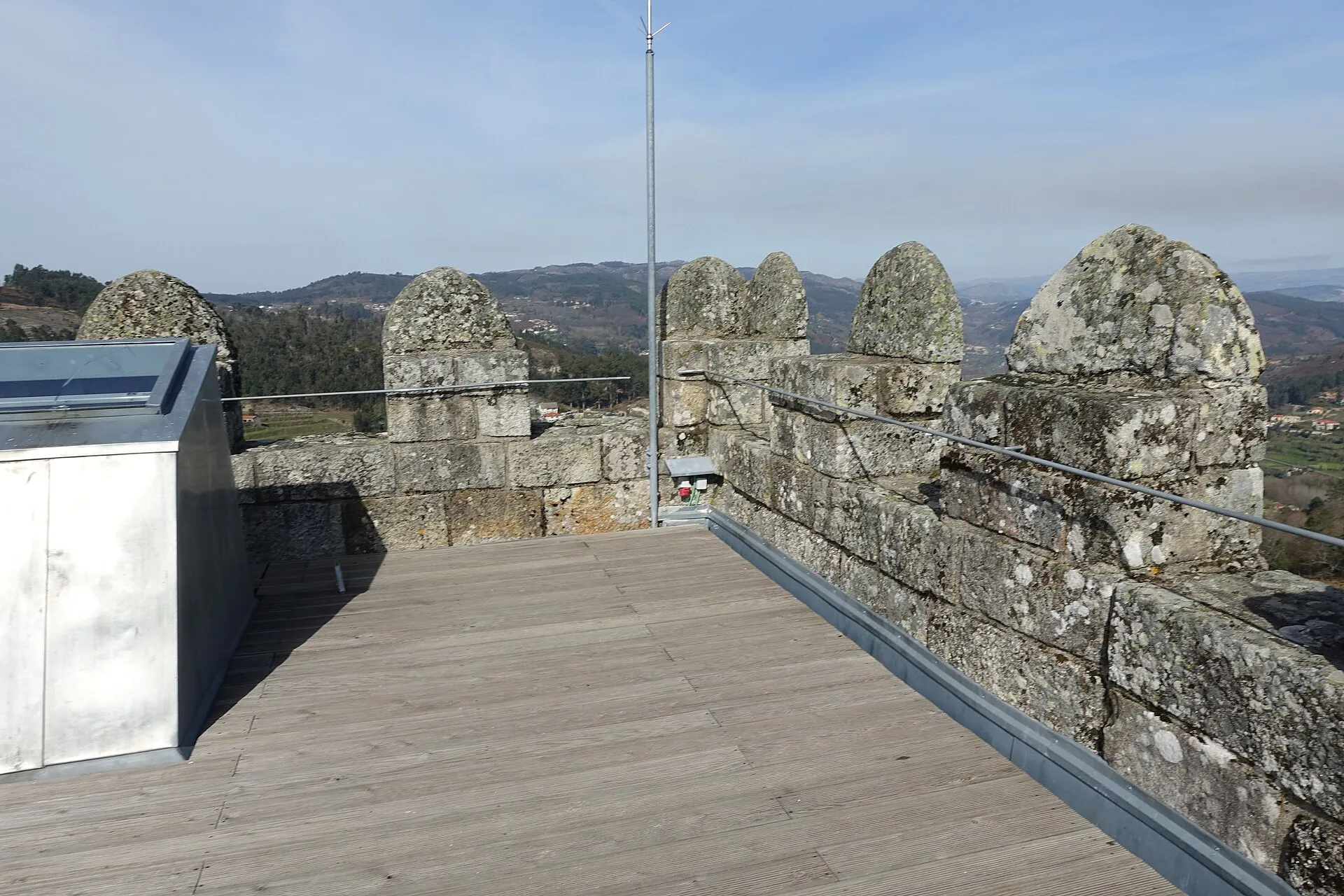
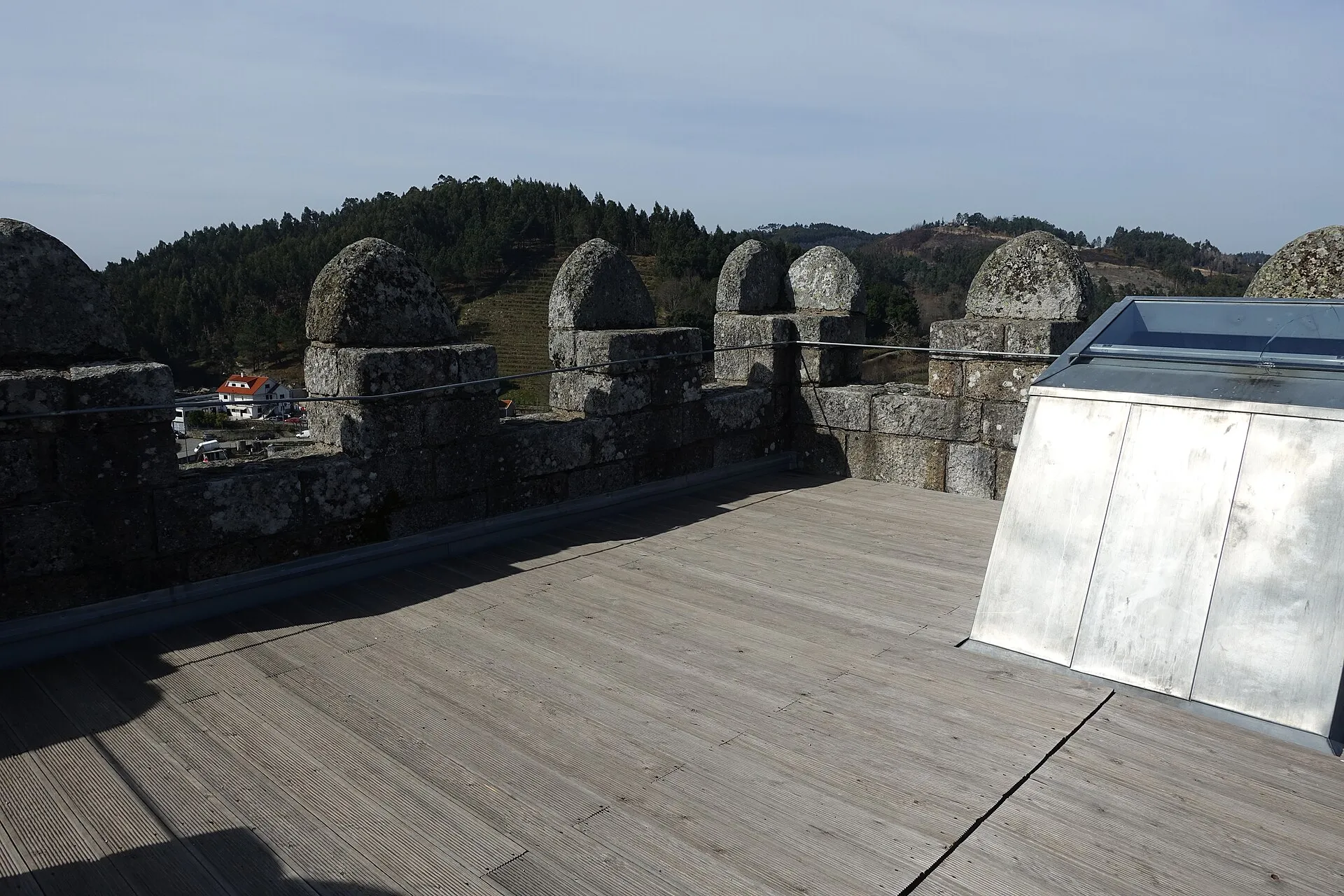
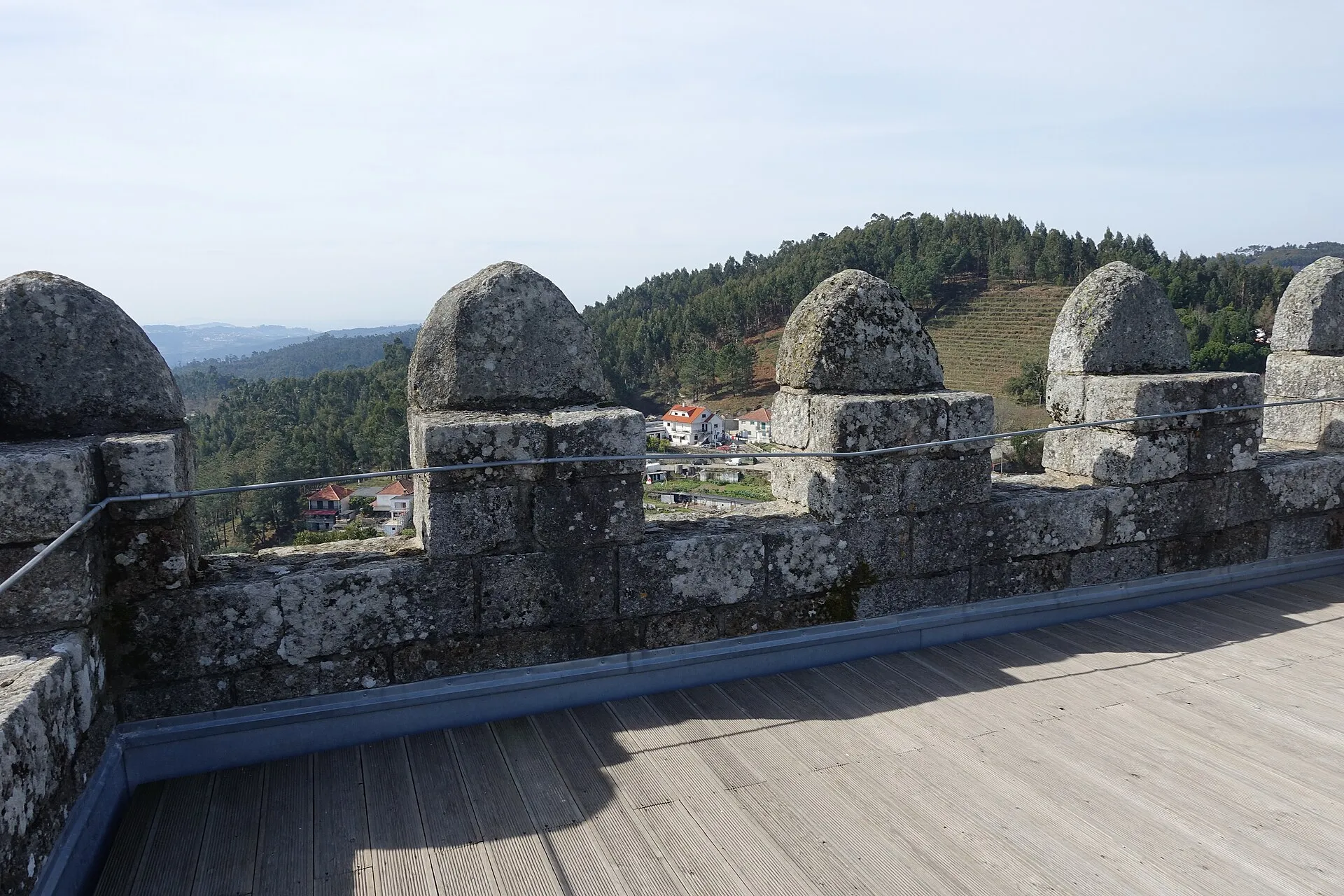
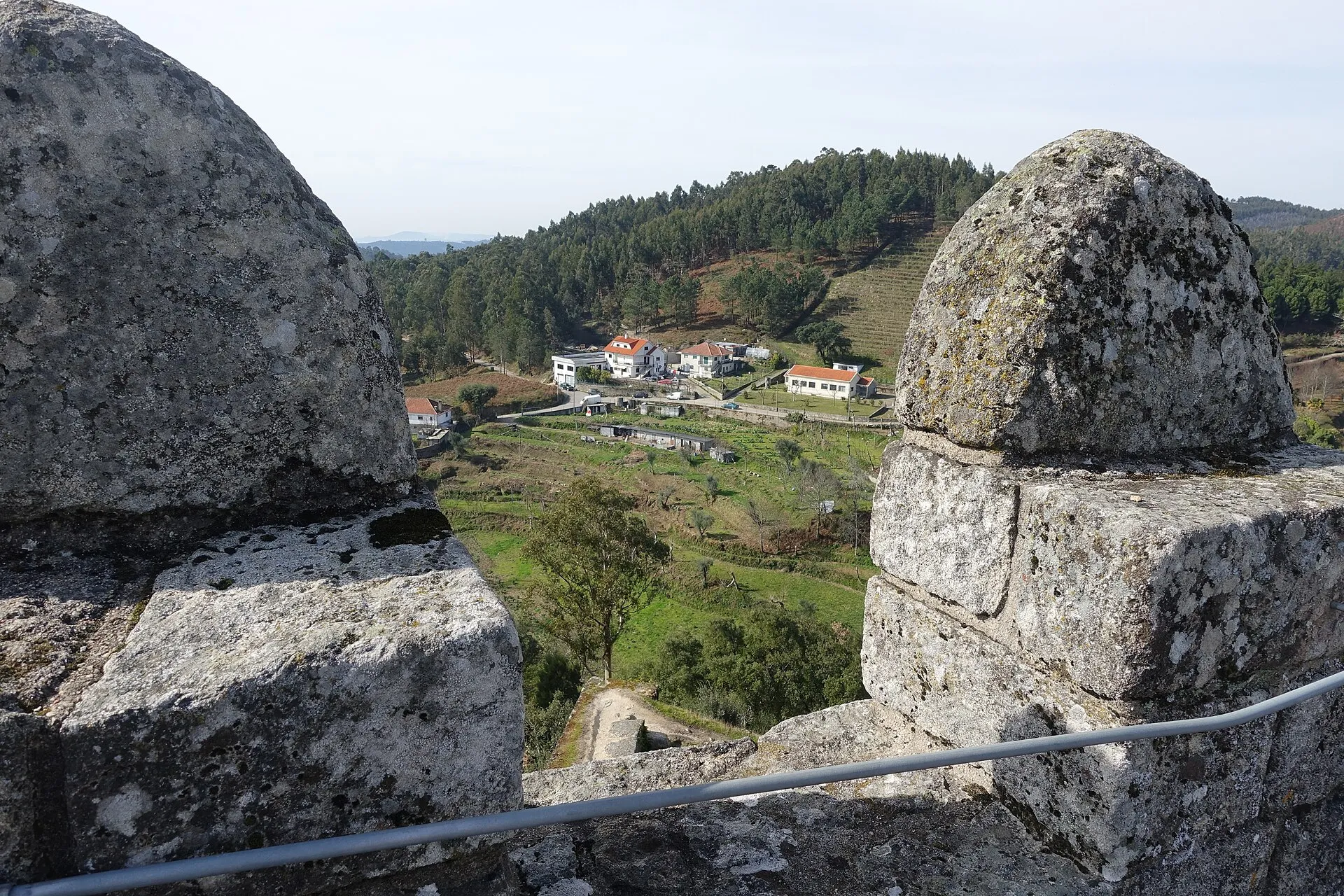
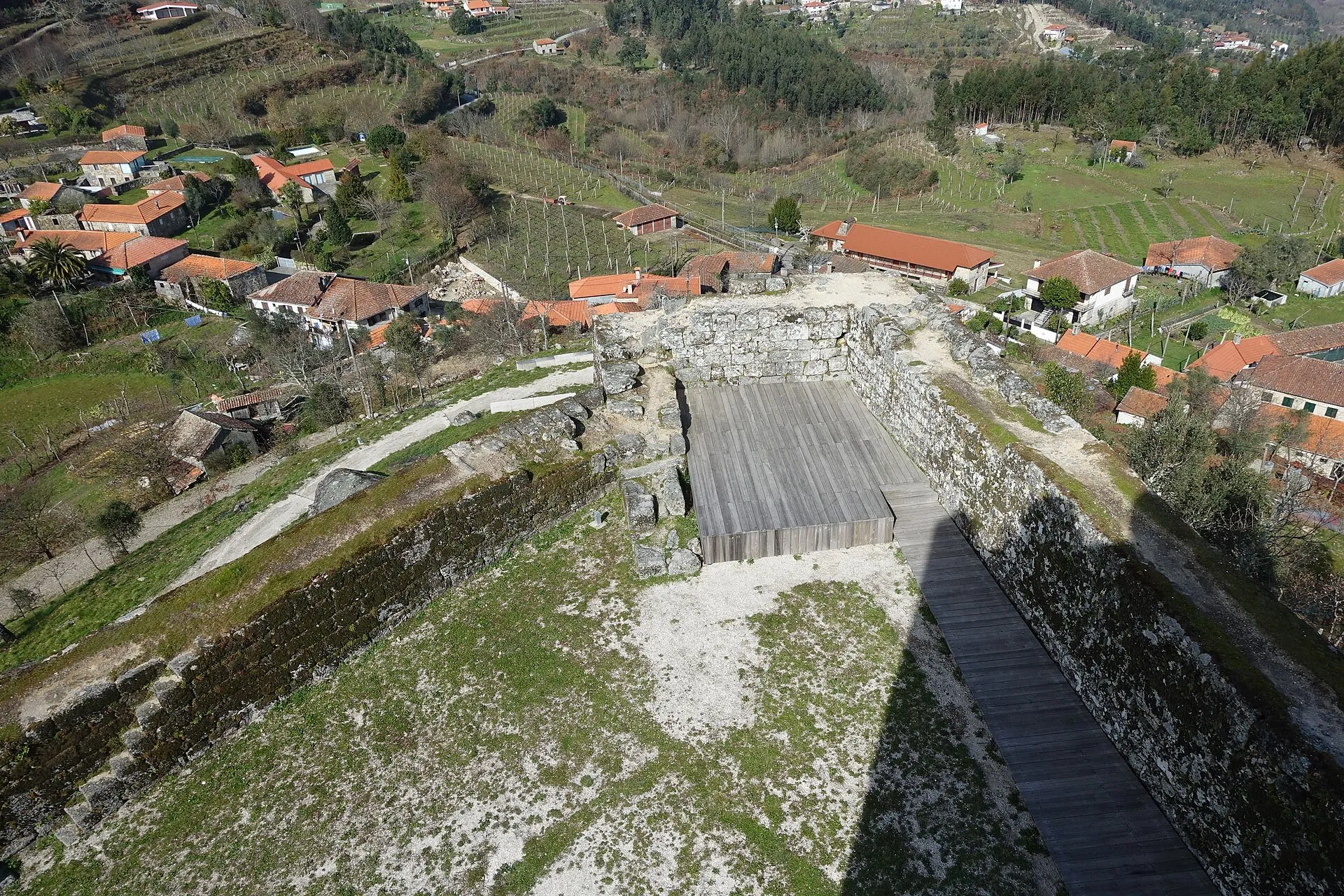
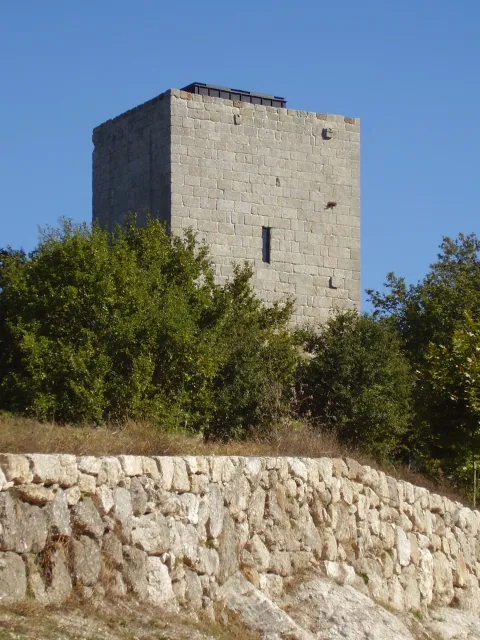
The castle has been classified as a National Monument since 15 March 1946.
The territory of Celorico de Basto preserves traces of ancient occupation, including prehistoric remains, fortified settlements from the Iron Age and elements from the period of Roman Hispania. However, no ancient structure is securely attested on the exact site of the Castle of Arnóia. The location of the medieval fortress is mainly explained by the defensive position of the rocky spur overlooking the former Vila de Basto.
The origin of the Castle of Arnóia is traditionally placed in the second half of the 10th century, while the surviving Romanesque structure is associated with the 12th and 13th centuries. Its construction is generally linked to the defence of the nearby Monastery of São Bento de Arnóia. It belongs to the wider development of castle-building that marked Western Europe between the 10th and 12th centuries.
Múnio Muniz is sometimes presented as the first commander of the castle. The fortress became one of the main defensive and territorial centres of the Terras de Basto.
The castle is mentioned in the Inquirições of 1258, during the reign of Afonso III of Portugal. These royal inquiries show its integration into the military, fiscal and seigneurial organization of the territory.
At the death of Afonso III in 1279, the castle commander, Martim Vasques da Cunha, came into conflict with the new king, Denis of Portugal, in the context of political tensions linked to the royal succession. This episode gave rise to a local legendary tradition concerning his escape from the castle.
In 1282, Denis leased the domains of Celorico de Basto to Martim Joanes for the sum of 210 morabitinos, with the obligation to recruit a knight responsible for commanding the castle. In 1284, the domains and the castle were leased to the inhabitants of Celorico de Basto.

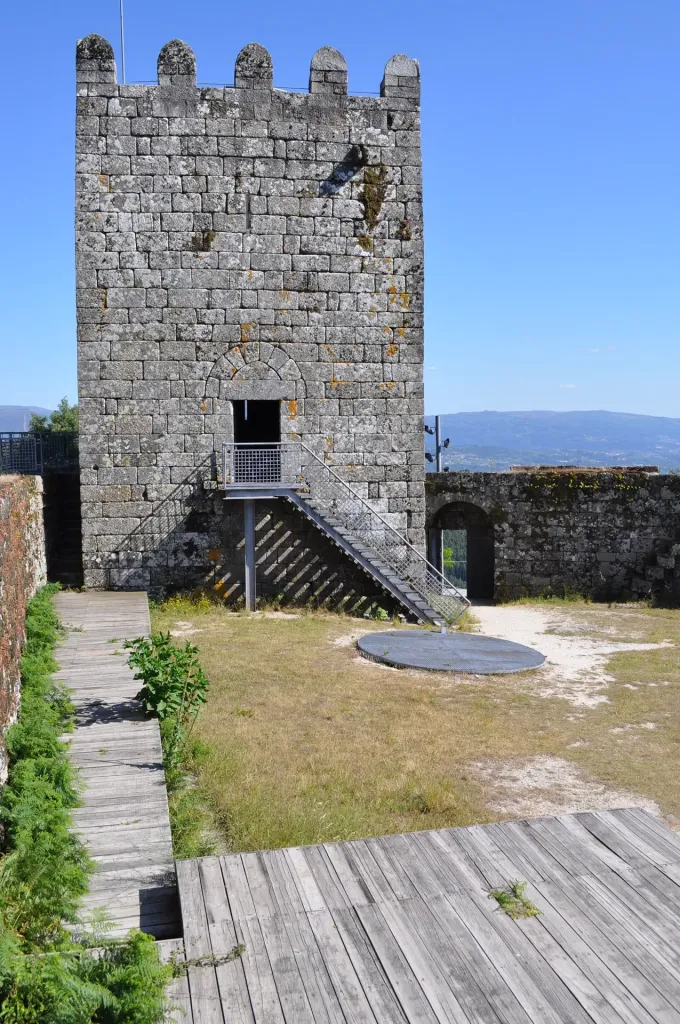 1 / 7