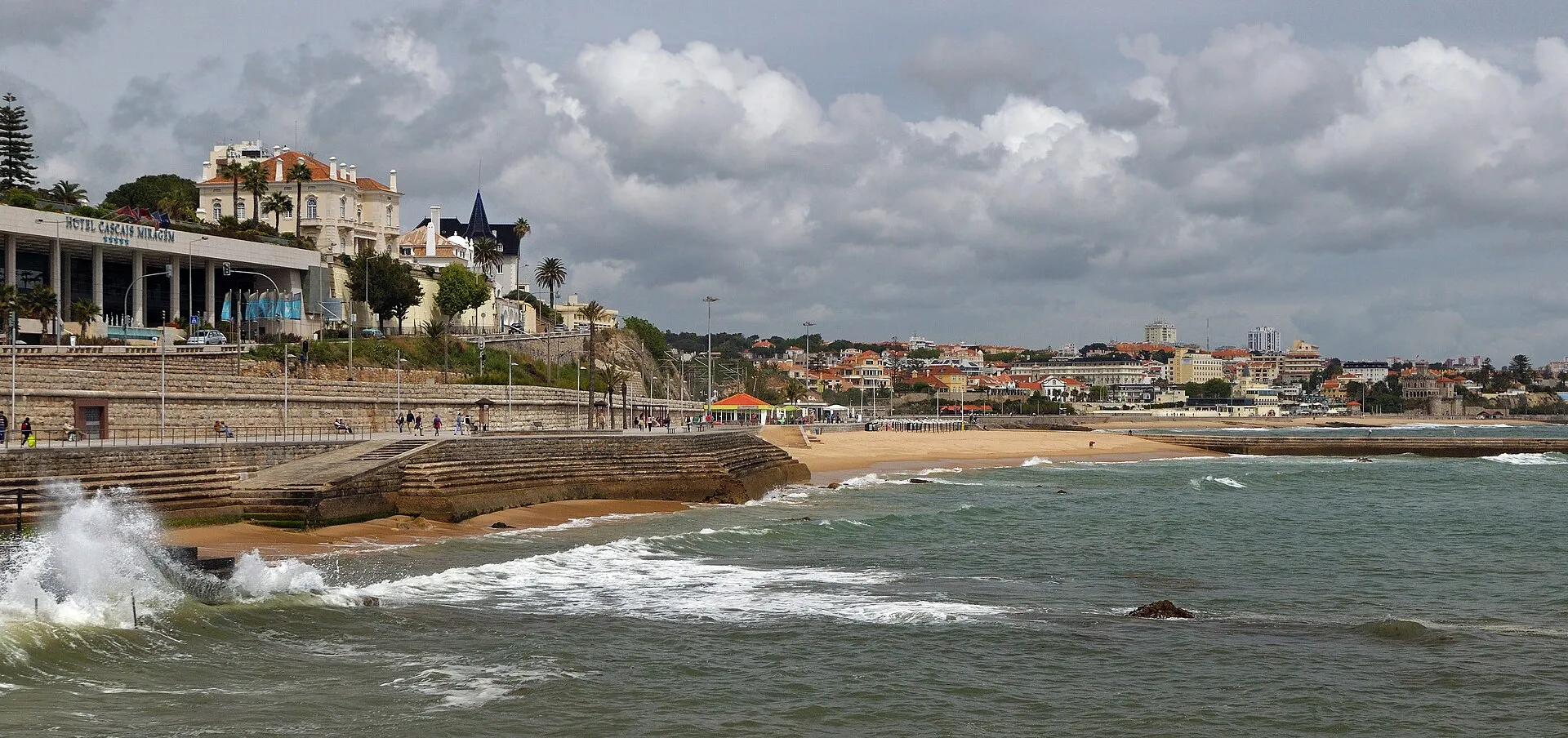
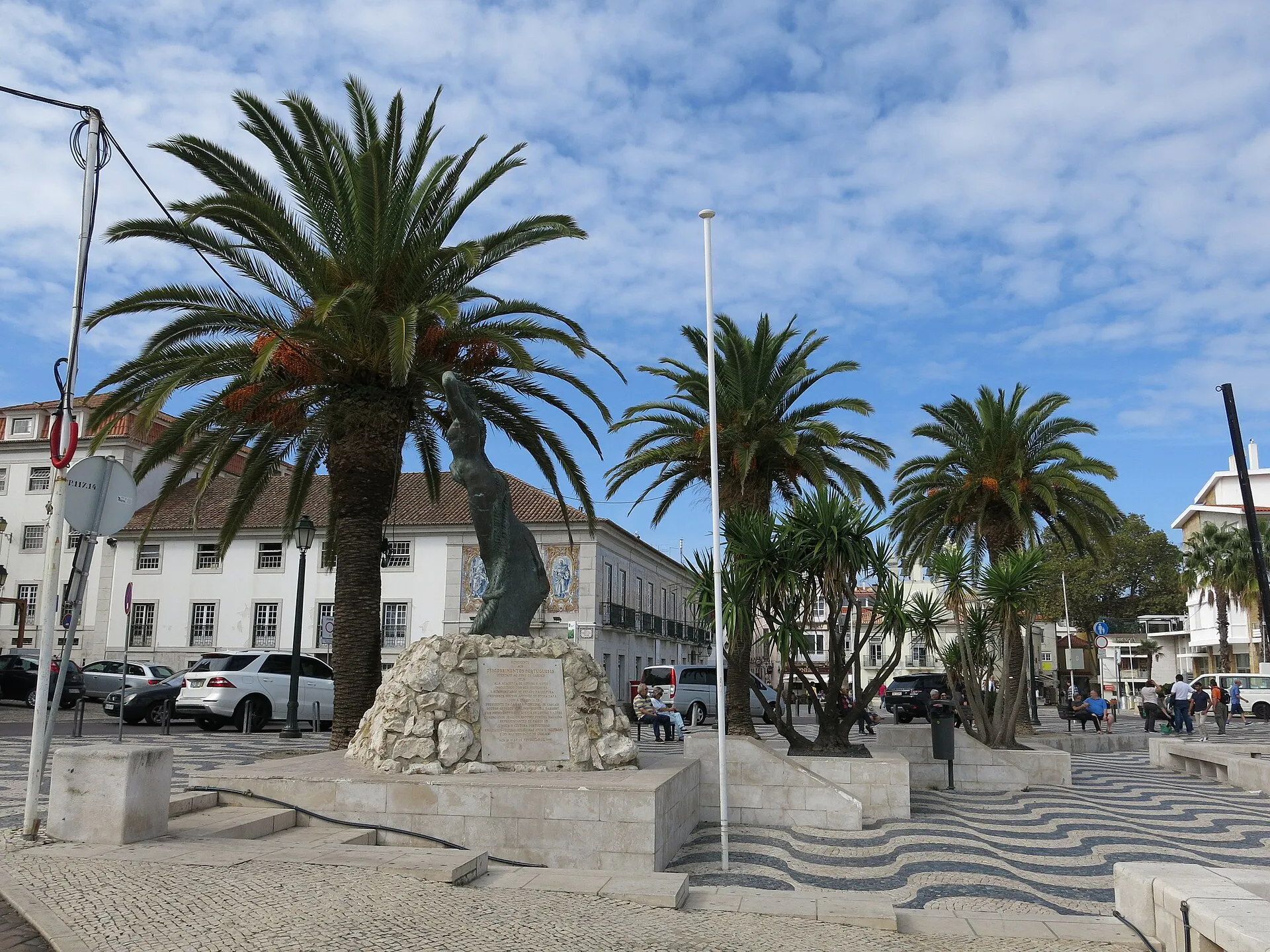
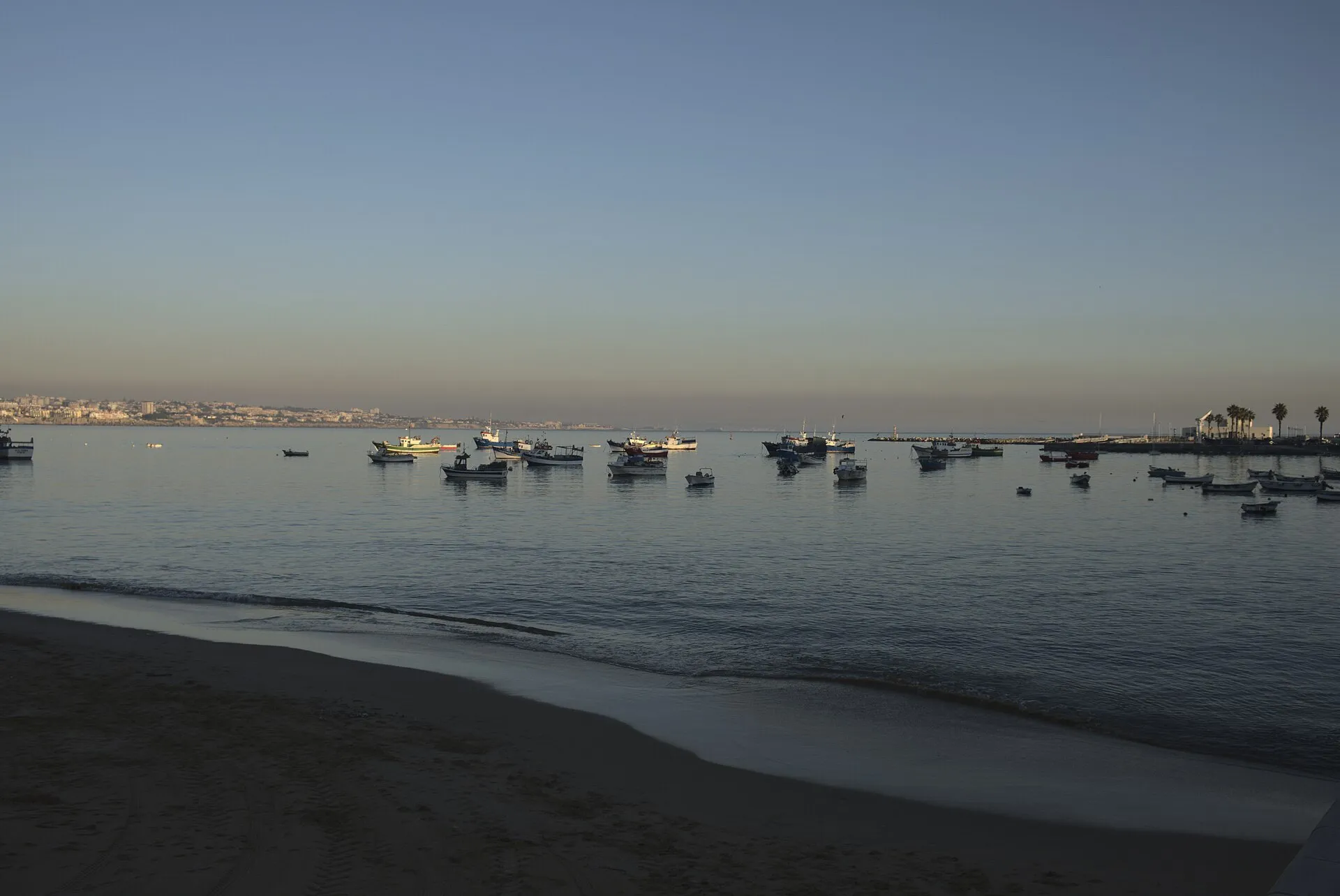
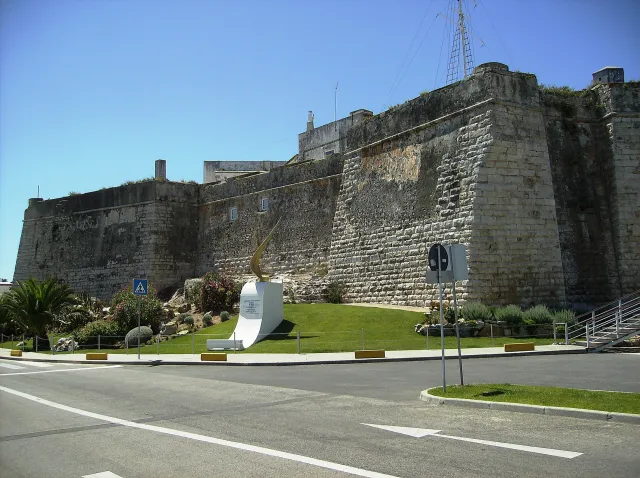
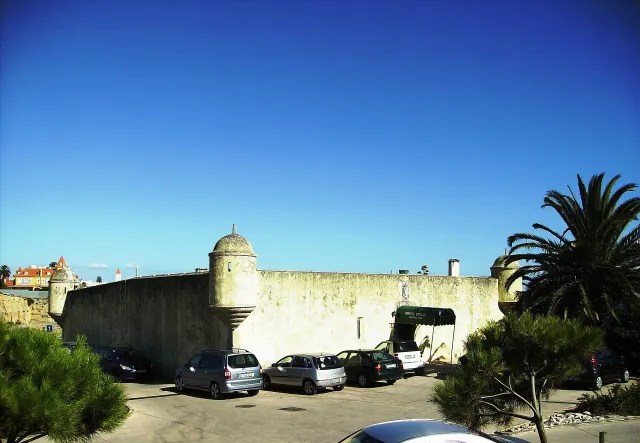
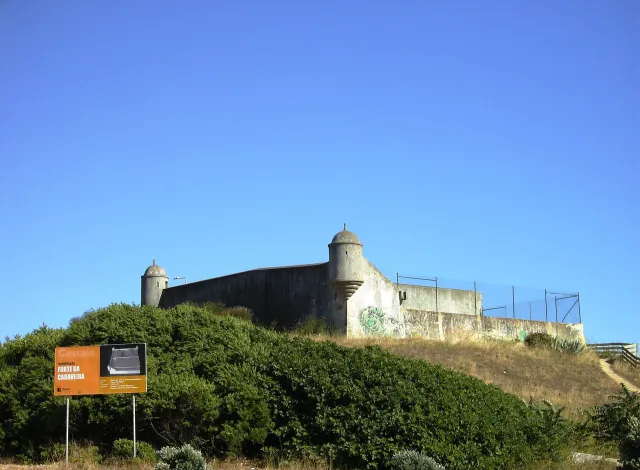
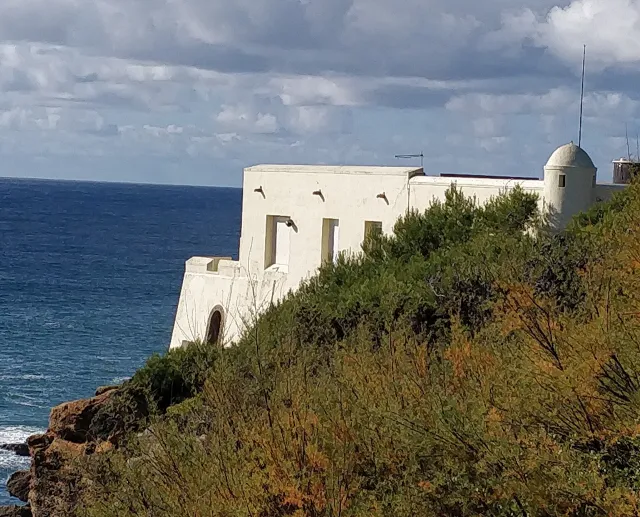
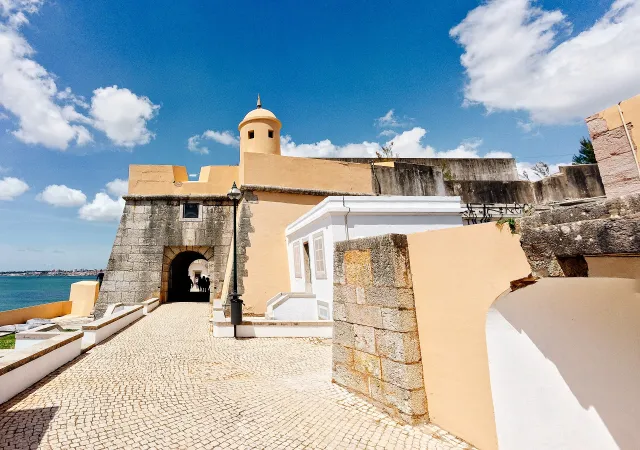
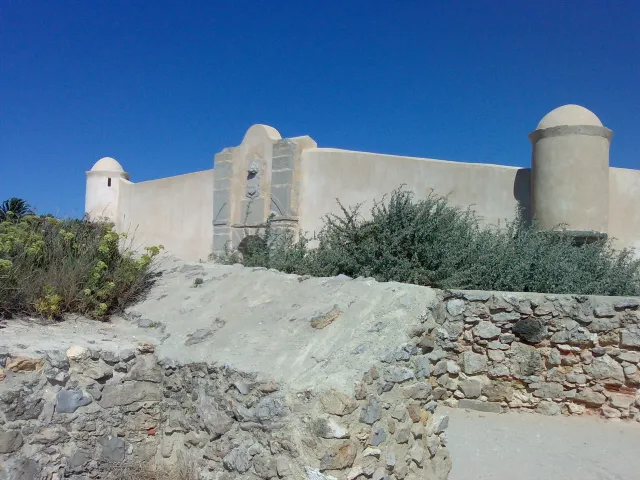
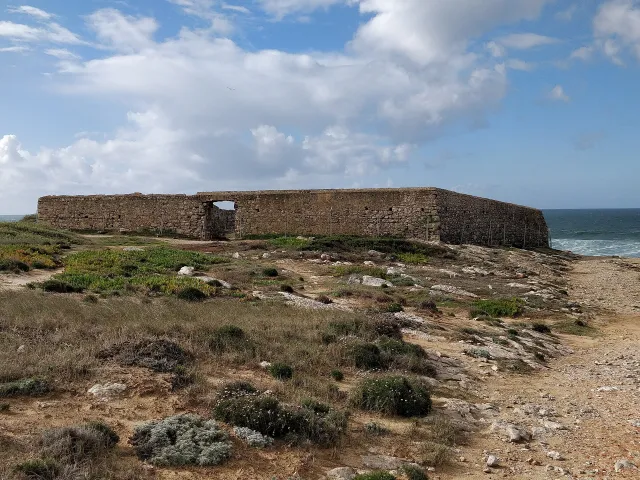
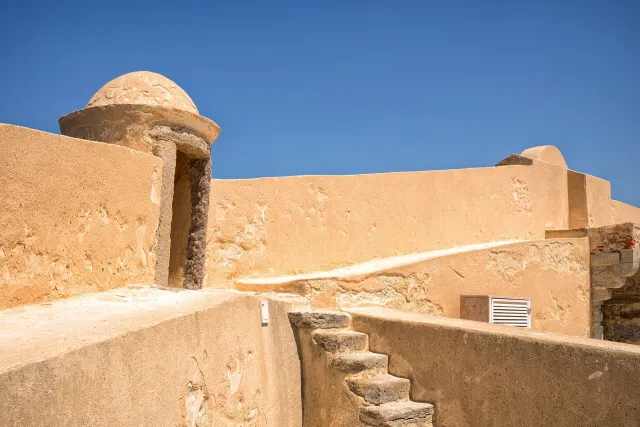
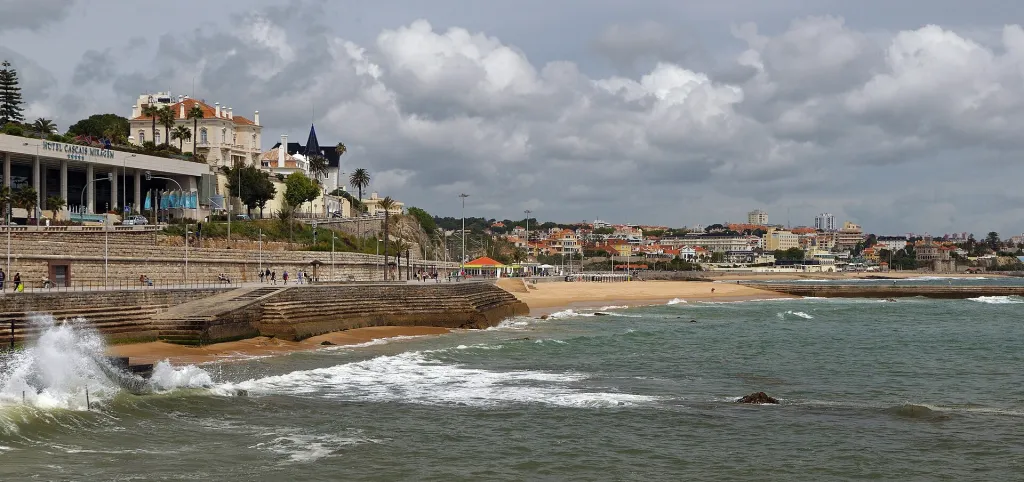
Since the 1870s, Cascais has been a popular seaside resort after King Luís I of Portugal and the Portuguese royal family made the seaside town their residence every September, thus also attracting members of the Portuguese nobility, who established a summer community there. Cascais is known for the many members of royalty who have lived there, including King Edward VIII of the United Kingdom, when he was the Duke of Windsor, King Juan Carlos I of Spain, and King Umberto II of Italy. Former Cuban president Fulgencio Batista was also once a resident of the municipality. The Casino Estoril inspired Ian Fleming's first James Bond novel, Casino Royale.
The municipality is one of the wealthiest in both Portugal and the Iberian Peninsula. It has one of the most expensive real estate markets and one of the highest costs of living in the country, and is consistently ranked highly for its quality of life.
Human settlement of the territory today known as Cascais dates to the late Paleolithic, as indicated by remnants encountered in the north of Talaíde, in Alto do Cabecinho (Tires) and south of Moinhos do Cabreiro. It was during the Neolithic that permanent settlements were established in the region, their inhabitants utilizing the natural grottoes (such as the Caves of Poço Velho in Cascais) and artificial shelters (like those in Alapraia or São Pedro) to deposit their dead. The bodies were buried along with offerings, a practice that continued to the Chalcolithic.
Roman interventions in the area occurred with the settlement of the villae of Freiria (today São Domingos de Rana) and Casais Velhos (Charneca), evidence for which includes a group of ten tanks discovered along the Rua Marques Leal Pancada in Cascais, which was the location of a salting factory for fish. Roman dominion over the territory also influenced place names in the region, as was the case with the word "Caparide" (from the Latin capparis, meaning "caper"), as well as several inscriptions associated with funerary graves.

 1 / 4