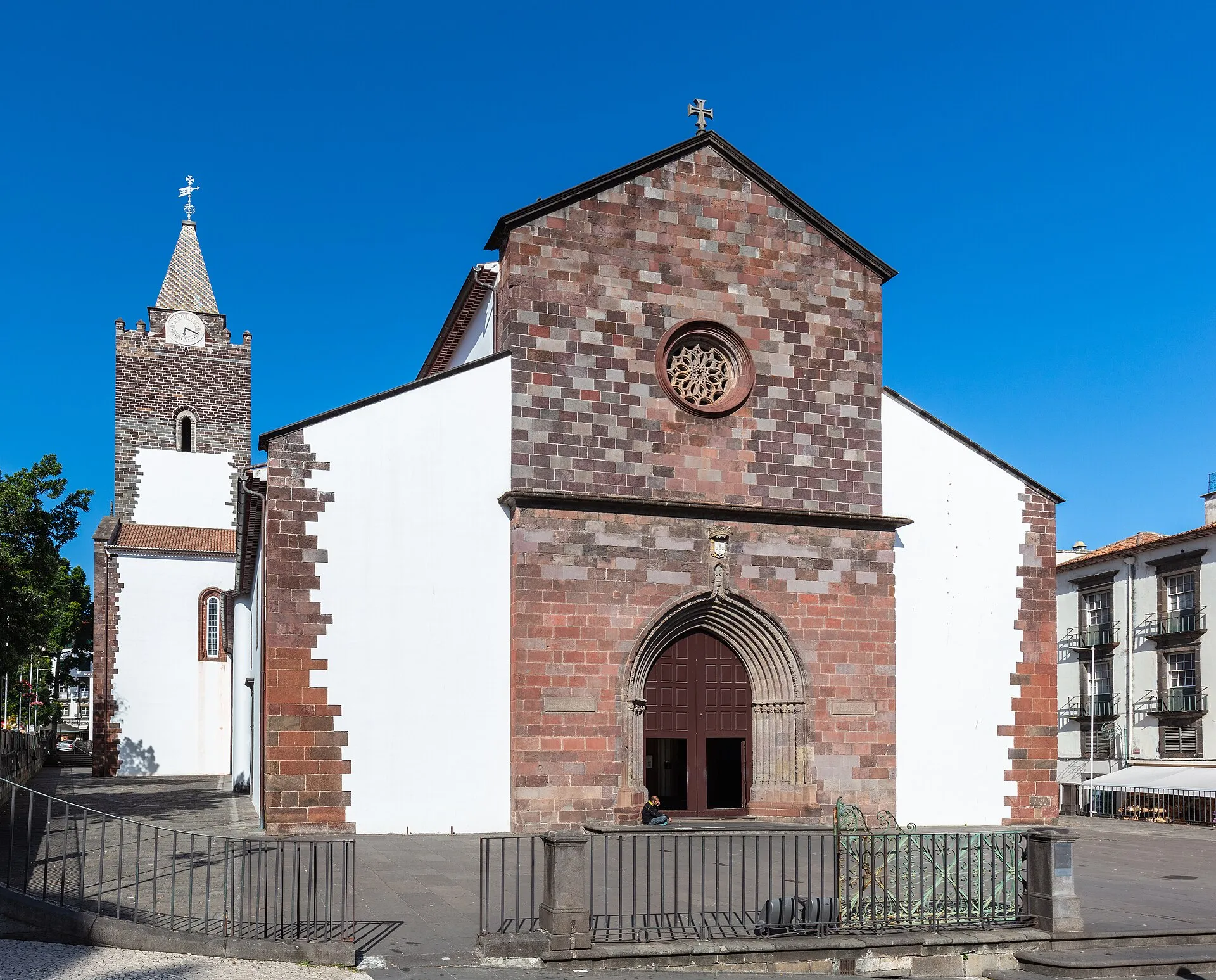
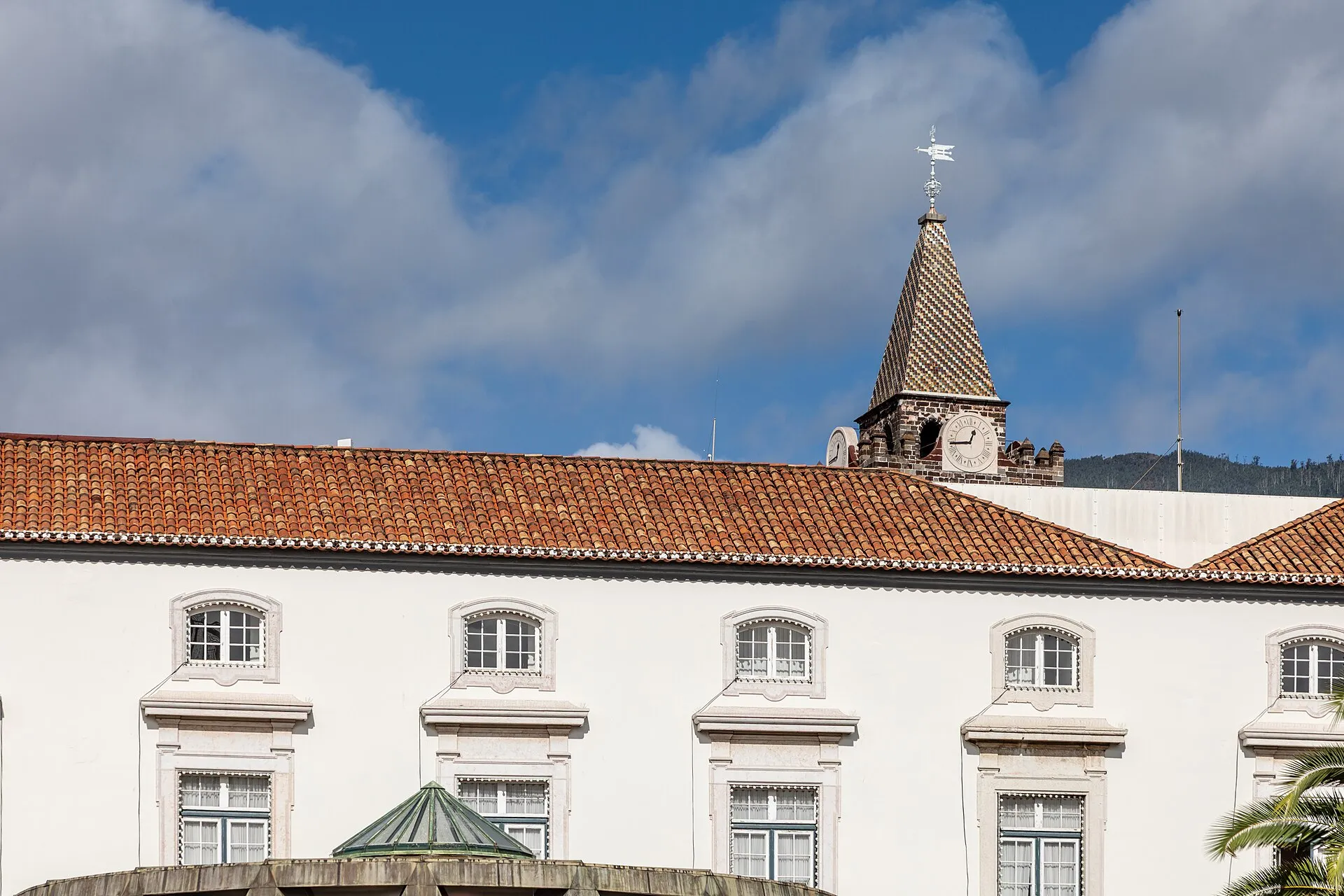
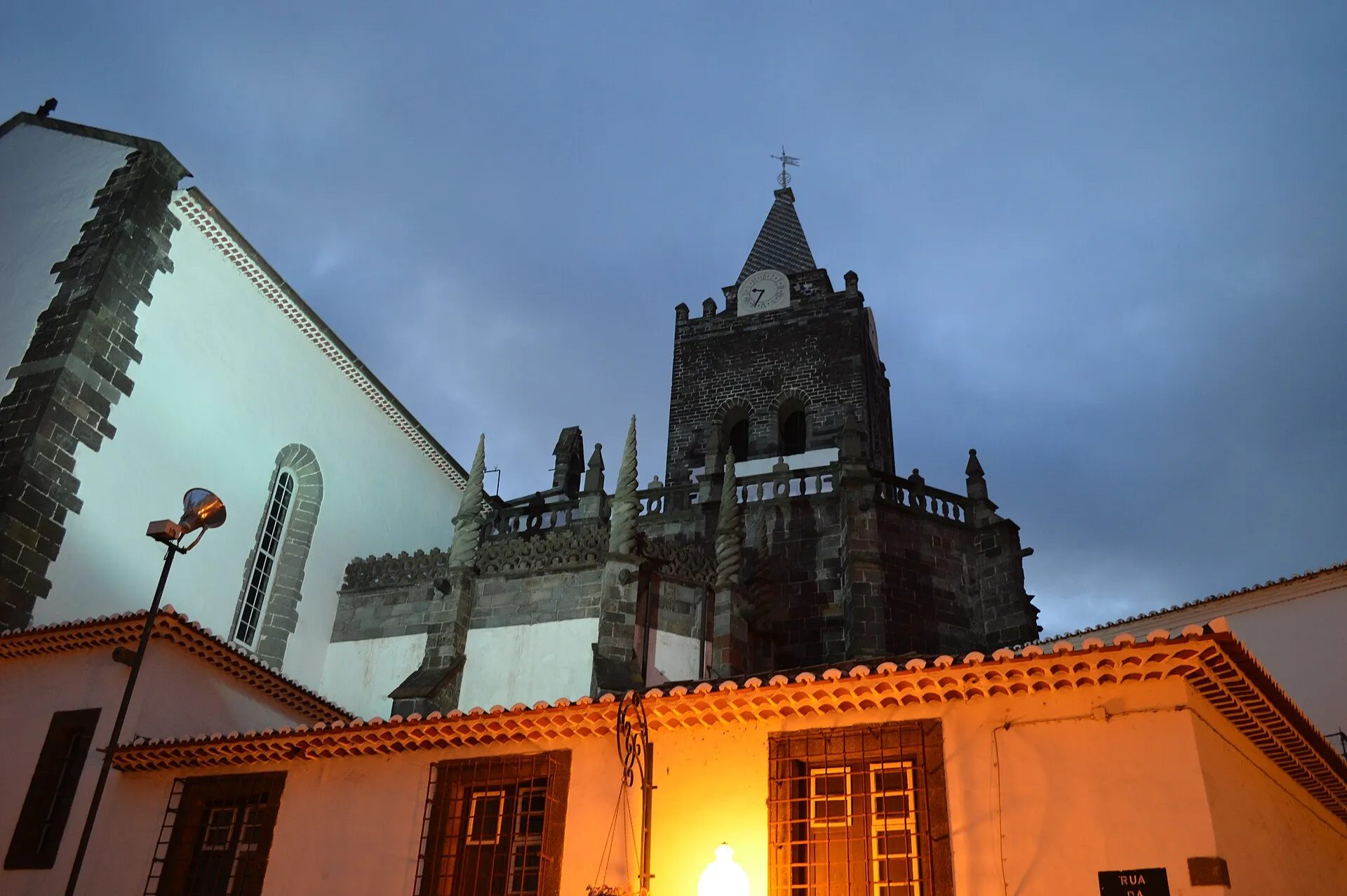
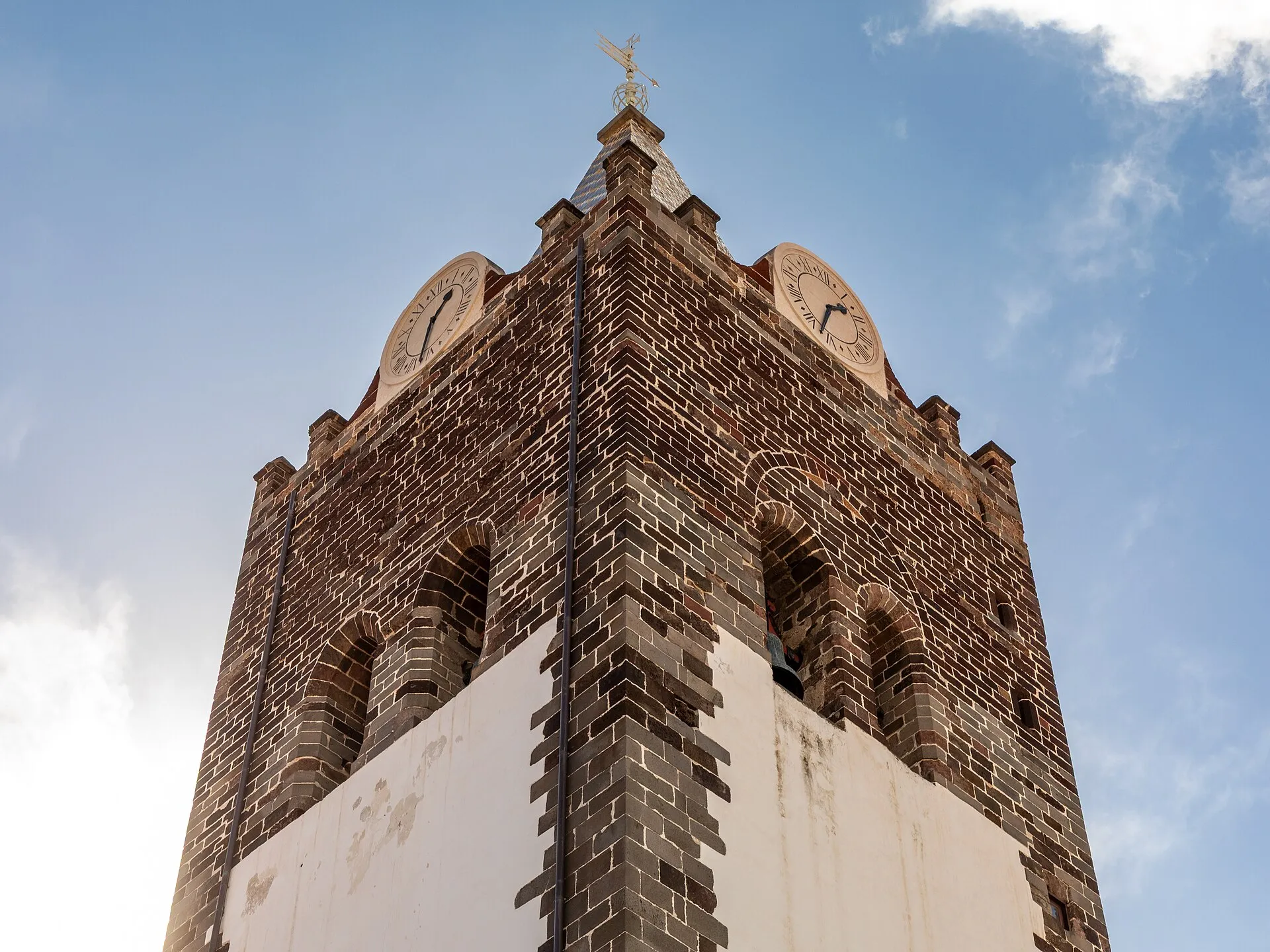
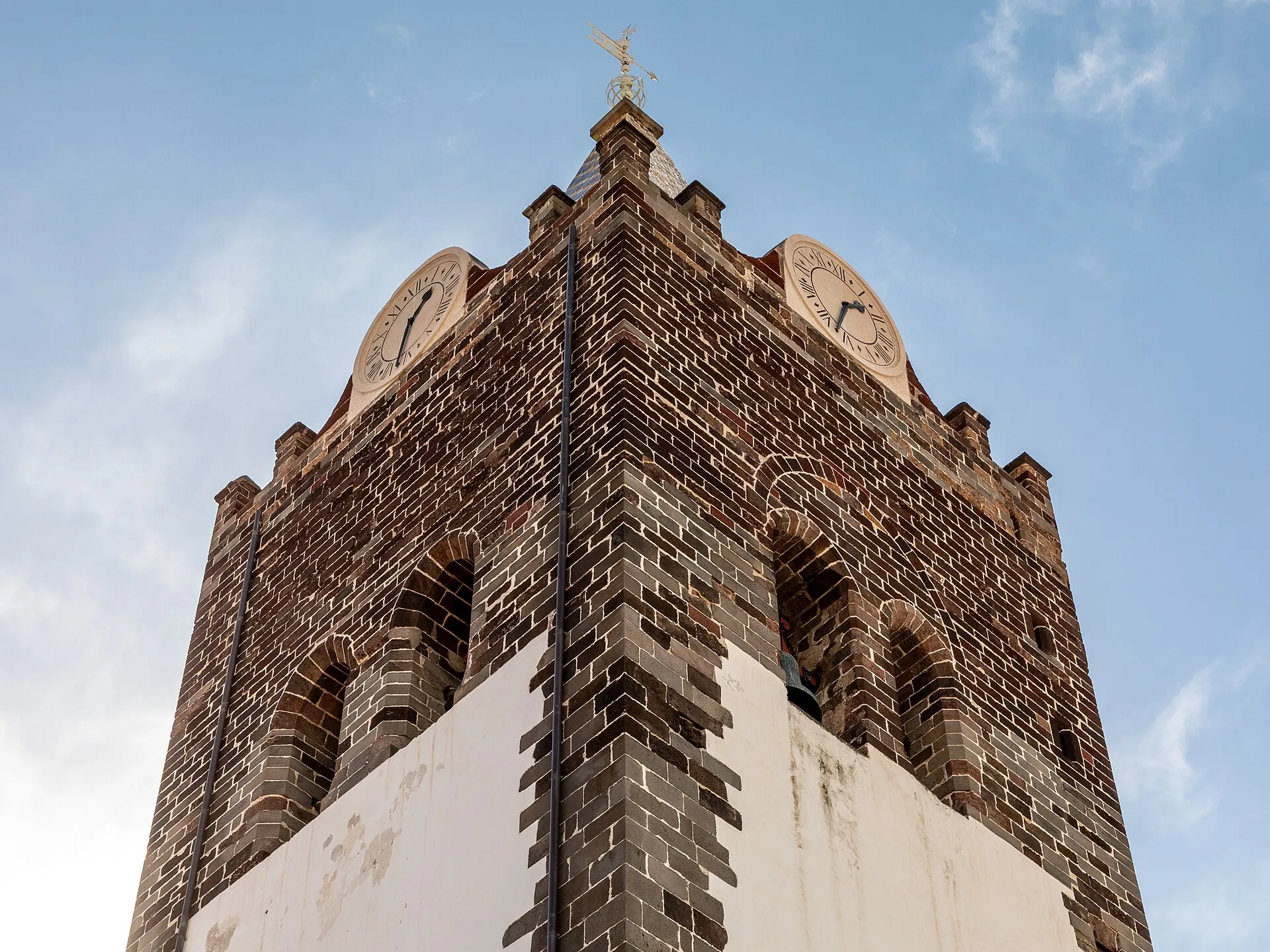
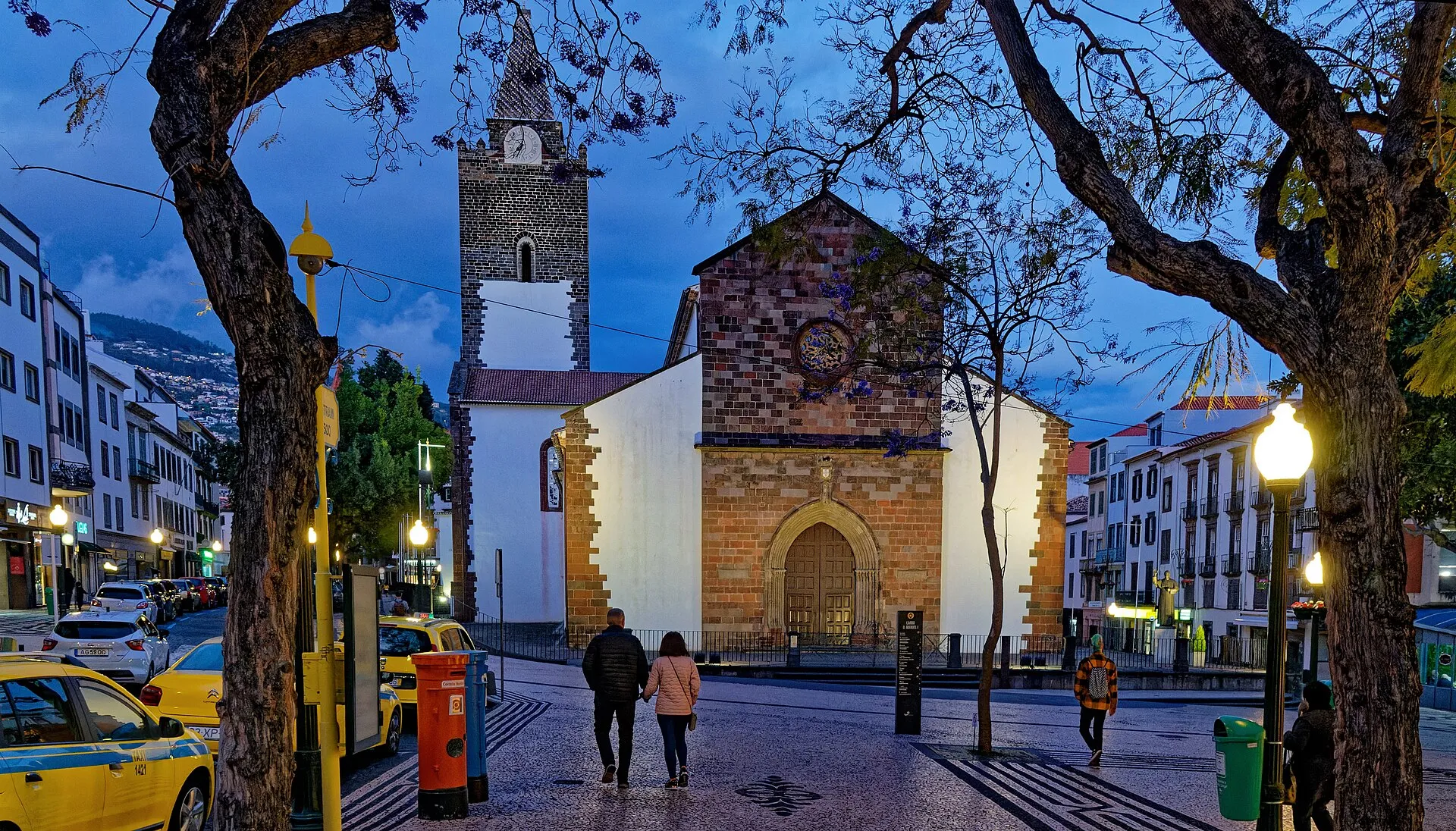
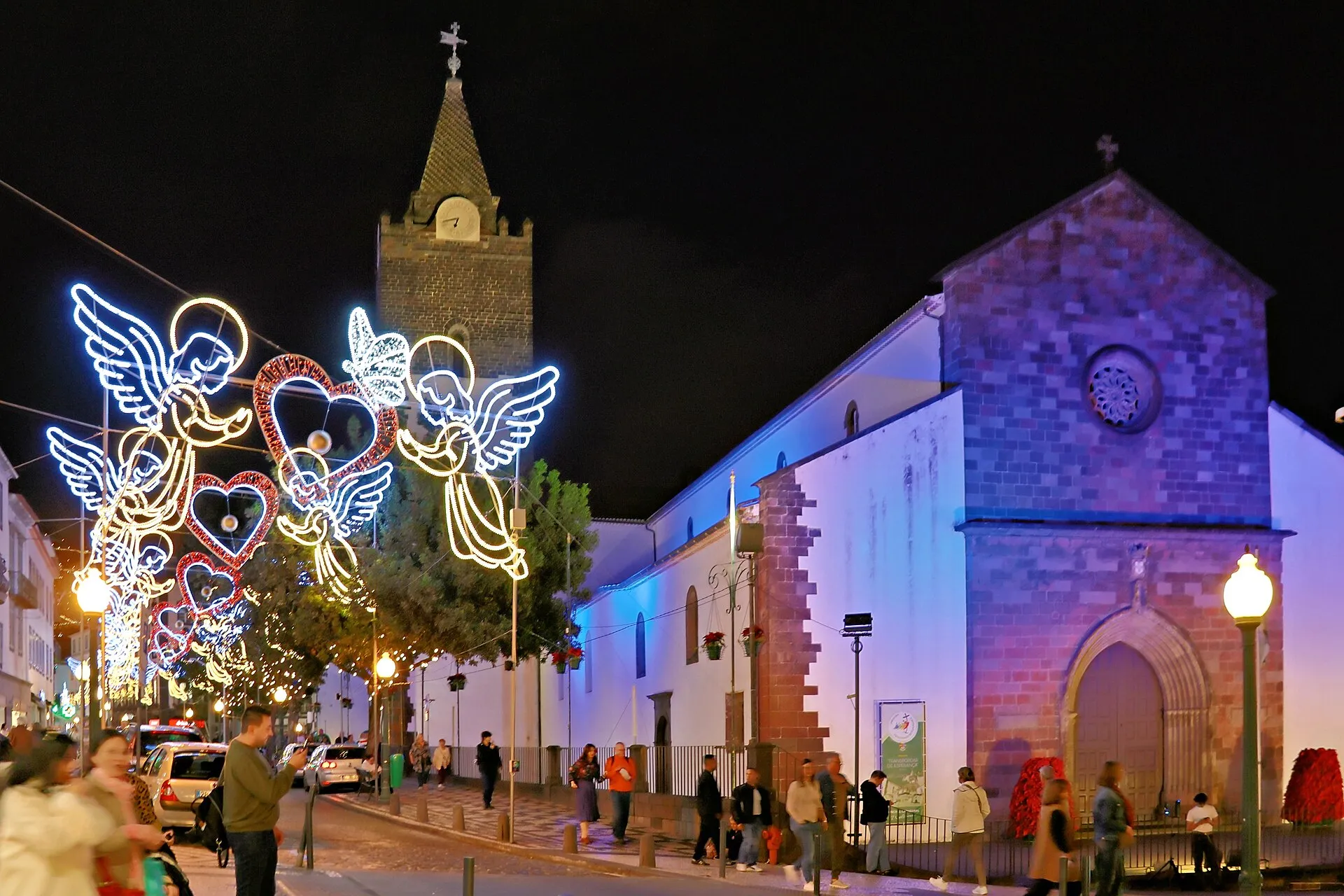
The construction of a new church in Funchal was a response to the town's significant population and economic growth in the mid-15th century. The project was initiated in 1486 under the administration of Duke of Viseu and of Beja, the future King Manuel I of Portugal. The chosen site, known as "Chão do Duque," had previously been used for sugarcane cultivation experiments. Plans included the construction of a "great church," a municipal chamber, and a plaza. However, political instability, including disputes over the division of overseas territories between Portugal and Spain, delayed the project. Financial challenges also played a role, as the construction required significant resources from the local population.
Initial debates centered around whether to expand existing churches or build a completely new structure. By 1488, local officials reached a consensus to proceed with a new church at a lower site, referred to as the “sé,” signaling early plans to establish a diocese. These ambitions aligned with correspondence from the 1470s, when attempts by the Bishop of Tangier to include Madeira in his diocese were blocked by the Portuguese Crown, emphasizing plans for a future bishopric tied to the Order of Christ.
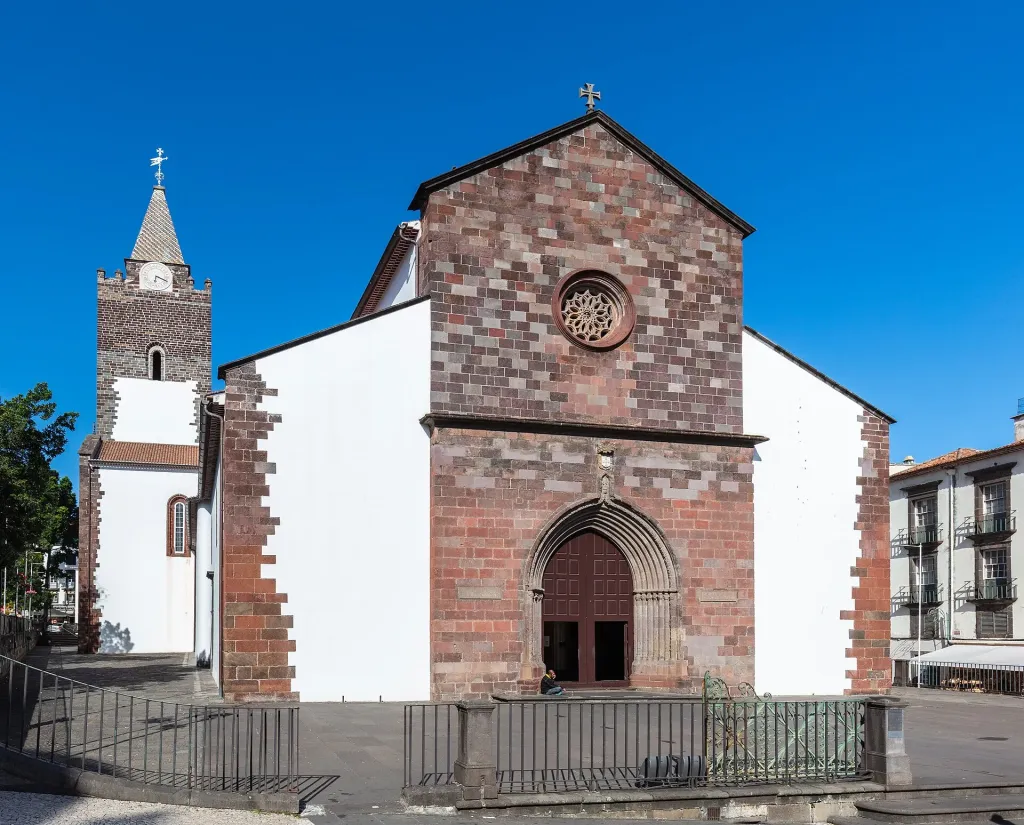
Significant progress began only after Manuel ascended to the throne in 1495. His reign brought renewed focus on Funchal's development, including administrative reforms on Madeira and efforts to integrate the island into Portugal’s broader imperial strategy. By 1508, the church walls were complete, and Funchal was elevated to city status. That same year, the Bishop of Tangier, D. João Lobo, blessed the church, further marking its importance.
The church was formally elevated to cathedral status on June 12, 1514, by a papal bull issued by Pope Leo X, officially establishing the Diocese of Funchal. This diocese would play a pivotal role as the "Diocese of the Discoveries," reflecting Madeira’s strategic significance in Portugal’s maritime expansion.

 1 / 7